
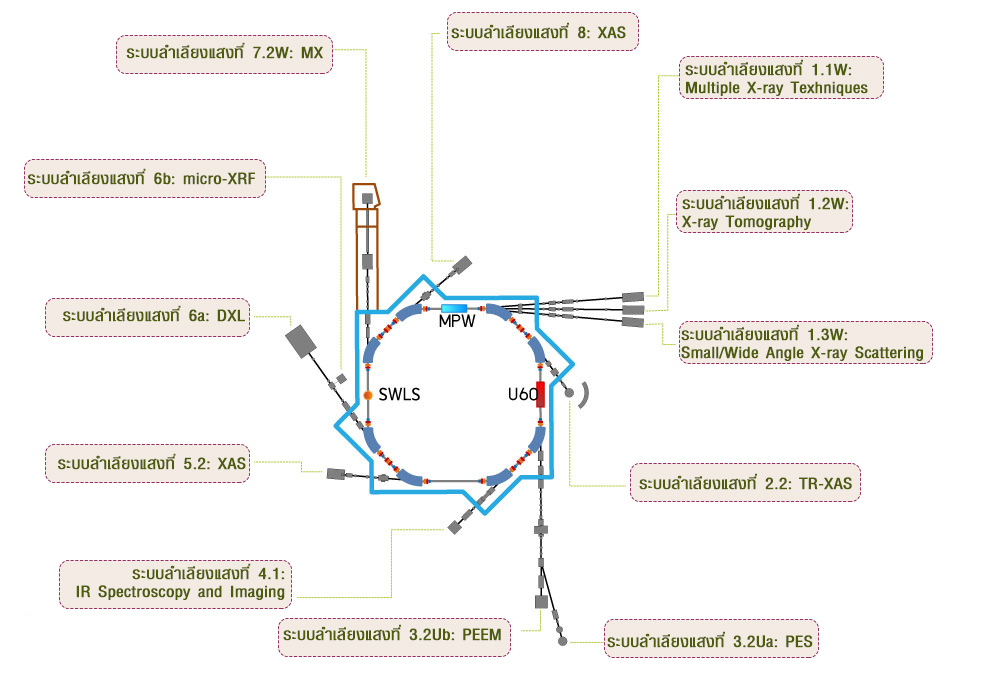
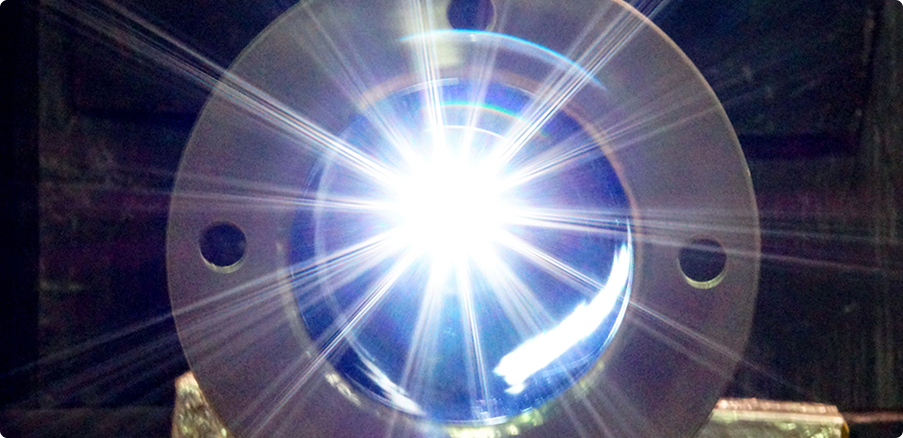





The synchrotron light (Beamline) is a group of devices that deliver energy electron from the band the retention of the electron to the experiment station at the synchrotron light generally consists of vacuum tube (vacuum tube) glass integrated light (collimating mirror) system selected energy light (stray) mirrors to focus light (focusing mirror) system (slit system) and other devices for customizable optical characteristics to requirements at the tip of the synchrotron light with experiment station, which has a system of measurement for experimental techniques specific
Currently, the Siam photon laboratory system, conveyor light 10 system for which has installed the experiment station. the 12 stations , both open, then, is that during the test, use the following:
1. The synchrotron light at 1.1 W: Multiple X-ray Texhniques
The synchrotron light at 1.1 W: Multiple X-ray Techniques (MXT) technique, absorption of x-rays (X-ray Absorption Spectroscopy, XAS) energy from 4 to 18 keV system conveyor light that combines experimental techniques that use x-rays for both absorption interference and fluorescent x-rays can provide information on the elemental composition, crystal structure and structure-level atoms of the sample.
2. The synchrotron light 1.2 W: X-ray Tomography
The synchrotron light 1.2 W: X-ray Imaging and X-ray Tomographic Microscopy (XTM) synchrotron light for CT imaging small objects is a system conveyor light can be if an image inside of an object, for example by using x-rays, and not destroy the sample can be analyzed aware of the composition of trace elements in the various conveyor system
3. The synchrotron light at 1.3 W: Small/Wide Angle X-ray Scattering
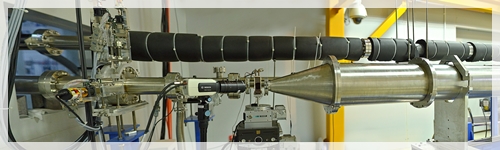
The synchrotron light at 1.3 W: Small/Wide Angle X-ray Scattering (SAXS/WAXS) for the study of the structure of nanometer scale by the technique of Small Angle X-ray Scattering system, conveyor light using the scattering of x-rays indicate the arrangement of the molecular size, shape, structure of the sample in nanometer
4. The synchrotron light 2.2: TR-XAS
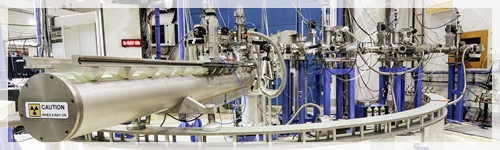
The synchrotron light 2.2: Time-resolved X-ray Absorption Spectroscopy (TRXAS) for the study of the structure at an atomic level, by the technique of X-ray Absorption Spectroscopy system, conveyor optical techniques absorption of x-rays used to study the structure of the sample at the atomic level. following the change of the sample under the influence of environmental conditions such as temperature, pressure, gas, electric current and potential difference, because used in the study to develop chemical catalysts, fuel cells, batteries, etc.
5. The synchrotron light at 3.2 Ua/b: PES/PEEM
5.1 experimental station BL3. 2Ua: PES
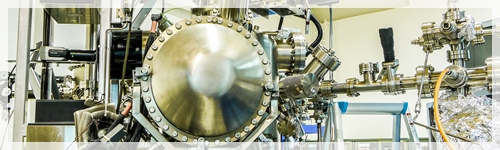
Experiment station BL3. 2Ua: PES (Photoelectron Emission Spectroscopy) for the study of the electronic structure on the surface by the technique of Photoelectron Emission Spectroscopy is a technique for measuring the liberation of electrons by light, synchrotron tron in the near ultraviolet and x-rays, low energy, to study the energy value, the electrons come off the surface of the sample when the light synchrotron tron come incidence, such as the detection of adulteration and chemical structure, the surface area of the sample, etc.
5.2 experimental station BL3. 2Ub: PEEM
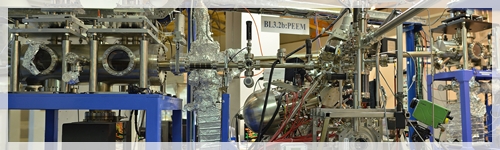
Experiment station BL3. 2Ub: PEEM (Photoelectron Emission Microscopy) for imaging surface by the technique of Photoemission Electron Microscopy is a system conveyor light that can create an image from an electron release from the surface samples when the light synchrotron tron incidence may choose to take only the area you are interested in nanometer level, both also studied the chemical composition in the various areas that are shooting immediately, such as education, stripes and blame it on the metal surface corrosion of metal surfaces, various thin film and coating
6. The synchrotron light 4.1: IR Spectroscopy and Imaging
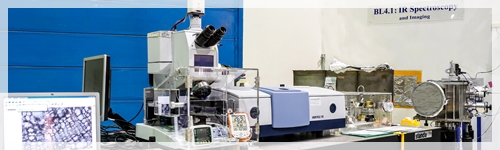
The synchrotron light 4.1: Infrared Spectroscopy and Imaging (ISI) for the review and study the molecular structure of the substance by virtue of optical absorption in the near-infrared radiation is a technique optical absorption in the near infrared rays to analysis, monitoring and study of the structure among the atoms that show specific properties (functional group) of the molecule organic compound can classify the type of structure and the chemical bonds such as biomolecule polymer for the development of rubber products, food, medicine and cosmetics, can also be used microscopy techniques infrared in the study sample is small, such as cells, plant cells, animal hair and fiber, etc.
7. The synchrotron light at 5.2: XAS
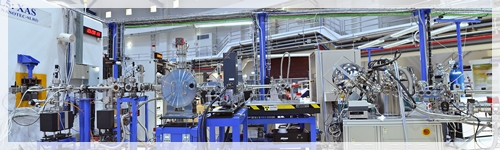
The synchrotron light at 5.2: X-ray Absorption Spectroscopy (XAS), SUT-NANOTEC-SLRI XAS Beamline for the study of the structure at an atomic level, by the technique of X-ray Absorption Spectroscopy is a technique for absorption of x-rays to study the type and chemical composition of the elements present in the sample can also be told to arrange the booking atoms around, suitable for a variety of research, research, sample, either solid, liquid, and gas
8. The synchrotron light 6a/b: DXL/Micro-XRF
8.1 experimental station BL6a: DXL
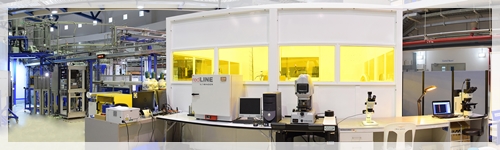
Experiment station BL6a: DXL (Deep X-ray Lithography) , for production parts, mechanical miniature size by the technique of Deep X-ray Lithography is a technique for bath x-rays, for production parts, comma, three-dimensional level µm (1 in 1,000 mm), this technique can be applied in various industries such as parts mechanical small gear clock sensor parts mould, comma, including the study of political change image when the object is illuminated with x-rays.
8.2 experimental station BL6b: micro-XRF
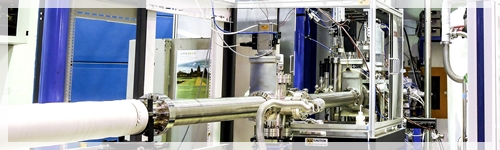
Experiment station BL6b: Micro-XRF (Micro-X-ray Fluorescence) for the study type and the distribution of elemental composition in the samples by the technique of micro-X-ray Fluorescence is a technique for bearing x-rays to monitor and track the composition of trace elements in the atomic level, such as stone, metal, or examples of creatures such as leaves, trees, etc., can also study the distribution of various trace elements, by creating a glowing x-rays
9. The synchrotron light 7.2 W: MX
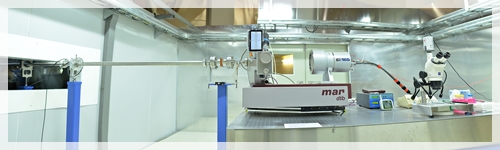
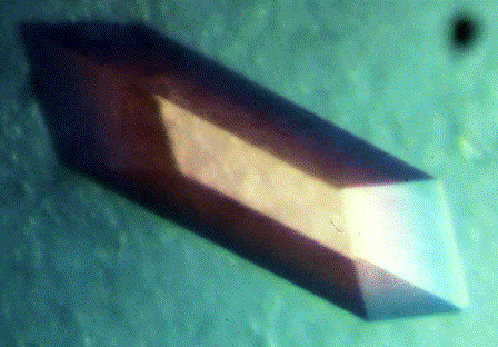
The synchrotron light 7.2 W: Macromolecular Crystallography (MX) for the study of the structure of large molecules by the technique of Macromolecular Crystallography is a technique to study the three-dimensional structure of a biomolecule such various proteins can understand the structures and functions the function of the protein and various substances entering the reaction with the protein, which is of paramount importance to research in the fields of medicine, biology, such as improving the function of various enzymes, etc.
10. The synchrotron light at 8: XAS
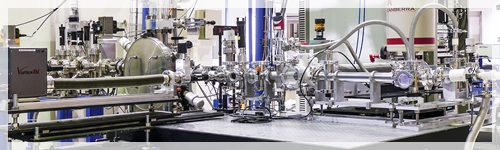
The synchrotron light at 8: X-ray Absorption Spectroscopy (XAS) for the study of the structure at an atomic level, by the technique of X-ray Absorption Spectroscopy is a technique for absorption of x-rays for the study, the type of the elements and the arrangement of the atoms around the atom of the element of interest is also used to identify the oxidation state of the element, including study characteristics, chemical bonding, symmetry, area di Taser, etc. examples of research that can be done at the synchrotron light of this, such as ceramics, electric, additives, catalyst semiconductor, fuel cell, and Antiques, including trace elements, calcium, sulphur in natural product and phosphorus in the soil, etc.
For details, synchrotron light and experiment station, including contact Manager, synchrotron light, see in the page web of each of the synchrotron light