
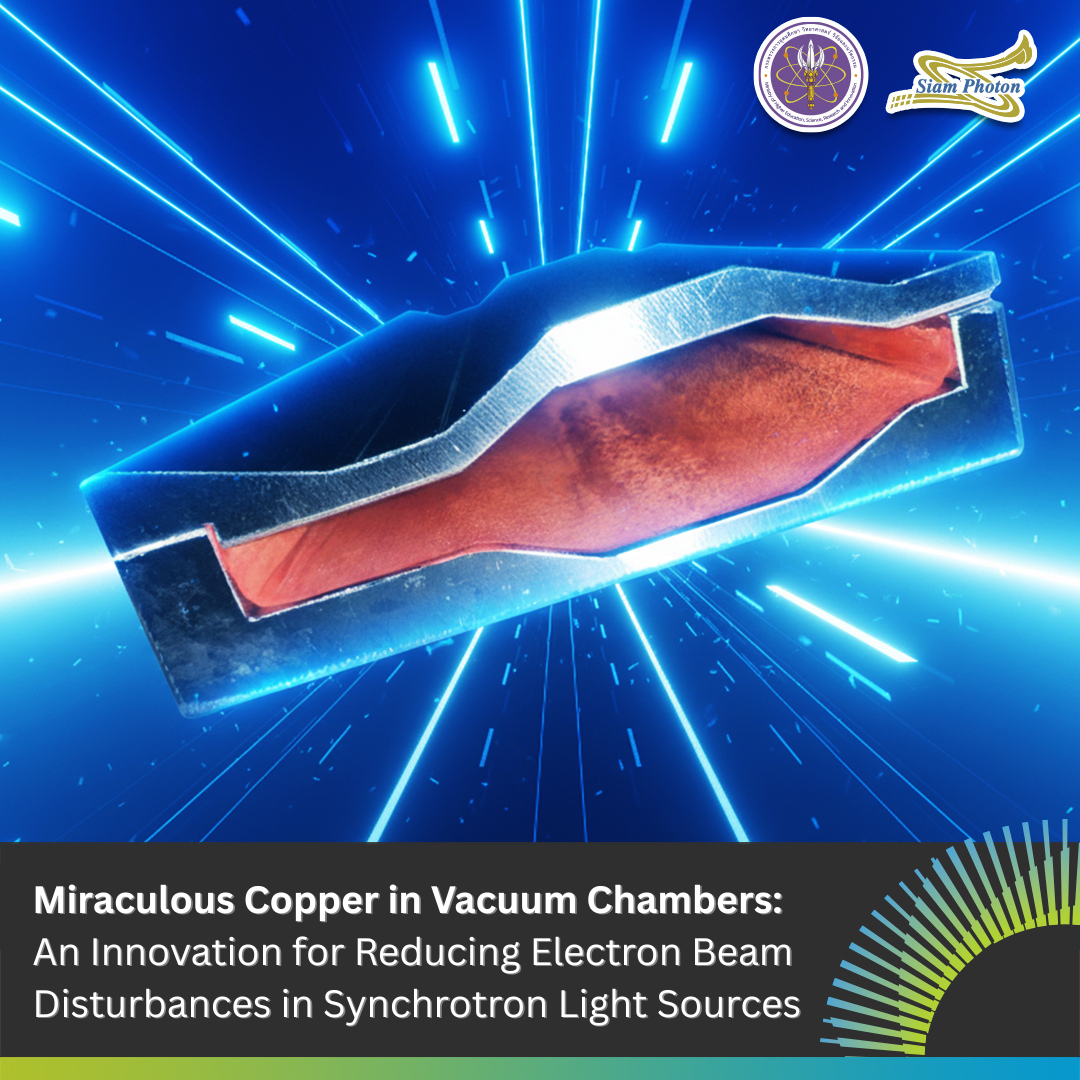
A synchrotron light source—often described as a “giant microscope” used to study matter at the atomic scale—is facing a new technical challenge. High-energy electrons traveling through vacuum chambers at speeds close to that of light generate electromagnetic disturbances, which can affect the stability of the electron beam.
To address this issue, researchers have developed a solution by coating the inner surface of the vacuum chamber with copper through an electroplating process. The copper layer must be extremely thin and uniformly deposited to enhance electrical conductivity and reduce energy losses.
Why Copper Coating?
Vacuum chambers are traditionally made from stainless steel. Although stainless steel is mechanically strong, it has relatively poor electrical conductivity. As high-energy electrons pass through the chamber, electromagnetic effects related to surface impedance can disturb the circulating electron beam. By coating the inner surface of the chamber with copper—an excellent electrical conductor—researchers effectively create a smooth, highly conductive pathway that allows electrons to travel more efficiently, minimizing interference along their path.
Challenges in Electroplating Inside Vacuum Chambers
Electroplating copper inside vacuum chambers requires precise engineering and strict control:
- The copper layer must be thin yet highly uniform, so that it does not obstruct the electron beam path.
- The surface must be extremely smooth to prevent unwanted electromagnetic reflections.
- The coating must withstand high vacuum conditions and elevated temperatures during operation.
Broader Impact of the Innovation
- Reducing reliance on imported technologies
- Strengthening the capabilities of Thai researchers and engineers in advanced vacuum component manufacturing
- Supporting future development of particle accelerators and other scientific instruments
Looking Ahead
This development marks an important step toward high-performance vacuum chambers designed and manufactured in Thailand. By lowering costs and strengthening domestic expertise, it paves the way for further advancements in high-level scientific research.
Fun Fact:
The copper coating inside the vacuum chamber is much thinner than human hair, yet it plays a role as crucial as a circulatory system in a synchrotron light source.
---------------------------------------------------------
Article by:
Acting Sub Lt. Sarawut Chitthaisong, Accelerator Maintenance and Operation Officer

111 SirinthonWitchothai Building, University Avenue, Muang District, Nakhon Ratchasima 30000, THAILAND
Tel.: +66 44 217 040 Fax: +66 44 217 047 Email: siampl@slri.or.th
Copyright © 2015 Synchrotron light research institute. All Rights Reserved.
|
|