The color of rubies, which are scientifically classified as corundum (Al₂O₃), is mainly determined by the presence and oxidation states of trace metals such as chromium, iron, and titanium. Understanding these impurities is essential for gemologists, as it enables them to assess the aesthetic value of gemstones and identify their geographic origins (Bootchanont et al., 2022, Bootkul et al., 2025, Intarasiri et al., 2016).
A powerful technique for examining the oxidation states of trace elements is X-ray Absorption Near Edge Structure (XANES) spectroscopy. Recently, Dr. Saweat Intarasiri and his team at the Multidisciplinary Research Institute at Chiang Mai University have utilized this method to study rubies (Bootkul et al., 2025). Their research combines Laser Ablation Inductively Coupled Plasma Mass Spectrometry (LA-ICP-MS) with synchrotron-based XANES to provide a more comprehensive understanding of trace element composition and help identify their origins.
Chromium (Cr): The Red Signature of Ruby
Chromium ions are responsible for the characteristic red hues of rubies, which can range from pale pink to deep crimson depending on their concentration. In this study, we compared the Cr K-edge XANES spectra of reference standards—Cr₂O₃ for Cr³⁺ and CrO₃ for Cr⁶⁺—with natural ruby samples from Mozambique (MZRB16) and Madagascar (MGRB03). The measurements were conducted at Beamline 7.2W of the Synchrotron Light Research Institute (SLRI). The results confirmed that chromium in both ruby samples exists predominantly in the +3 oxidation state (Cr³⁺), which is a common characteristic of natural rubies worldwide (Bootkul et al., 2025).
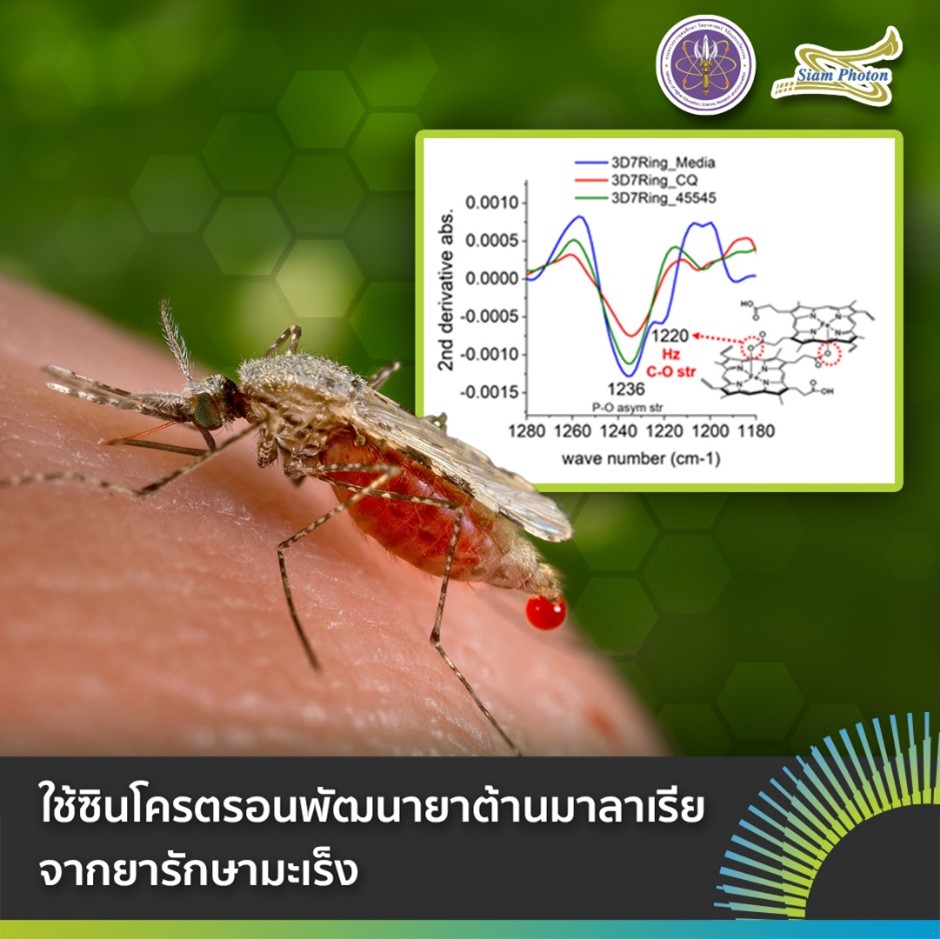
Figure 1 Cr K-edge XANES spectra showing reference standards (Cr₂O₃, CrO₃) and natural ruby samples (MZRB16 and MGRB03) collected at Beamline 7.2W, Synchrotron Light Research Institute (SLRI).
Citation: Spectrochimica Acta Part B: Atomic Spectroscopy, Vol. 232. DOI: 10.1016/j.sab.2025.107271
Titanium (Ti): Clues to Geological Origins
Titanium plays a significant role in the chemistry of rubies. A marble-hosted ruby from Mong Hsu, Myanmar (MMRB04), which contains a relatively high concentration of titanium, was analyzed using X-ray Absorption Near Edge Structure (XANES) spectroscopy (Bootkul et al., 2025). The spectral features observed, including the pre-edge, shoulder, and main prominent peak, closely resembled those of rutile (TiO₂). This similarity suggests that the titanium in the ruby is in a comparable chemical state. These findings could indicate unique geological conditions at the origin of the ruby.
By combining synchrotron XANES with LA-ICP-MS, researchers can identify the oxidation states and distribution of trace metals such as Cr, Fe, and Ti. This approach improves our ability to accurately determine the provenance of rubies from Myanmar, Madagascar, and Mozambique (Bootkul et al., 2025).
This work highlights how cutting-edge synchrotron techniques can support not only scientific inquiry but also practical applications in gemology, mineral exploration, and the preservation of cultural heritage (Bootkul et al., 2025).
------------------
Article by Chomphunuch Songsiriritthigul (Beamline Scientist, SLRI)
References
Bootchanont A., Wattanawikkam C., Porjai P., Sailuam W., Busayaporn W., Saiyasombat C., Kidkhunthod P., Borsup J., Songsiriritthigul P., Jiamprasertboon A., Lertvanithphol T., Horprathum M., Pengsri P., Saisopa T. (2022). Characterization of structural orientation and optical properties of Al and Cr in rubies. Radiation Physics and Chemistry, Vol. 199. DOI: 10.1016/j.radphyschem.2022.110315.
Bootkul, D., Intayot, S., Uthaichana, K., Wattanachai, P., Intarasiri, S., Songsiriritthigul, C., Songsiriritthigul, P. Hauzenberger, C. A. (2025). Reliability of LA-ICP-MS and Synchrotron XANES for provenance identification of rubies. Spectrochimica Acta Part B: Atomic Spectroscopy, Vol. 232. DOI: 10.1016/j.sab.2025.107271
Intarasiri S., Bootkul D., Tippawan U., Songsiriritthigul P. (2016). Color improvement of rubies by ion beam technique. Surface and Coatings Technology, Vol. 306. pp. 205-210, DOI: 10.1016/j.surfcoat.2016.05.083.

111 SirinthonWitchothai Building, University Avenue, Muang District, Nakhon Ratchasima 30000, THAILAND
Tel.: +66 44 217 040 Fax: +66 44 217 047 Email: siampl@slri.or.th
Copyright © 2015 Synchrotron light research institute. All Rights Reserved.
|
|