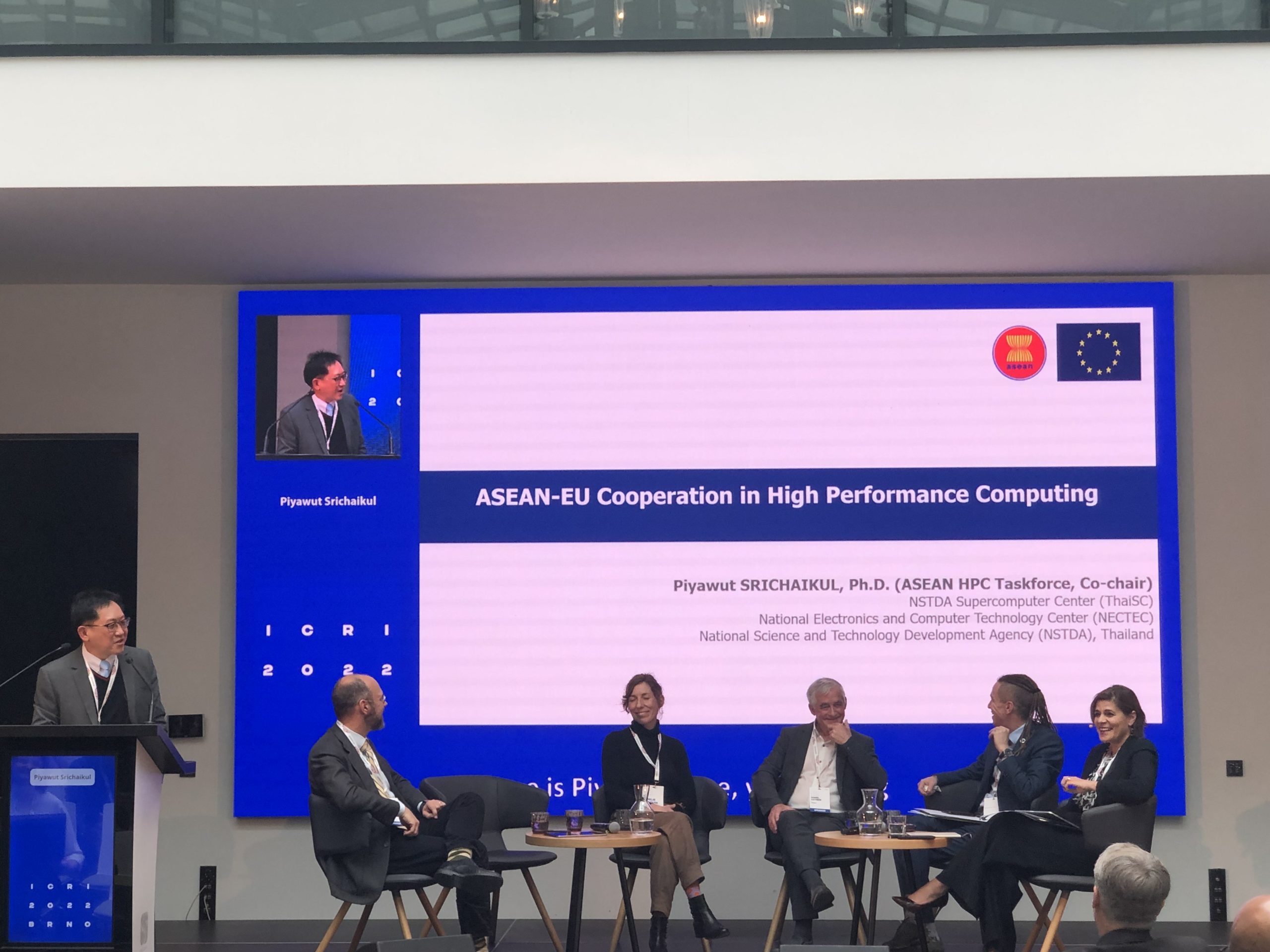
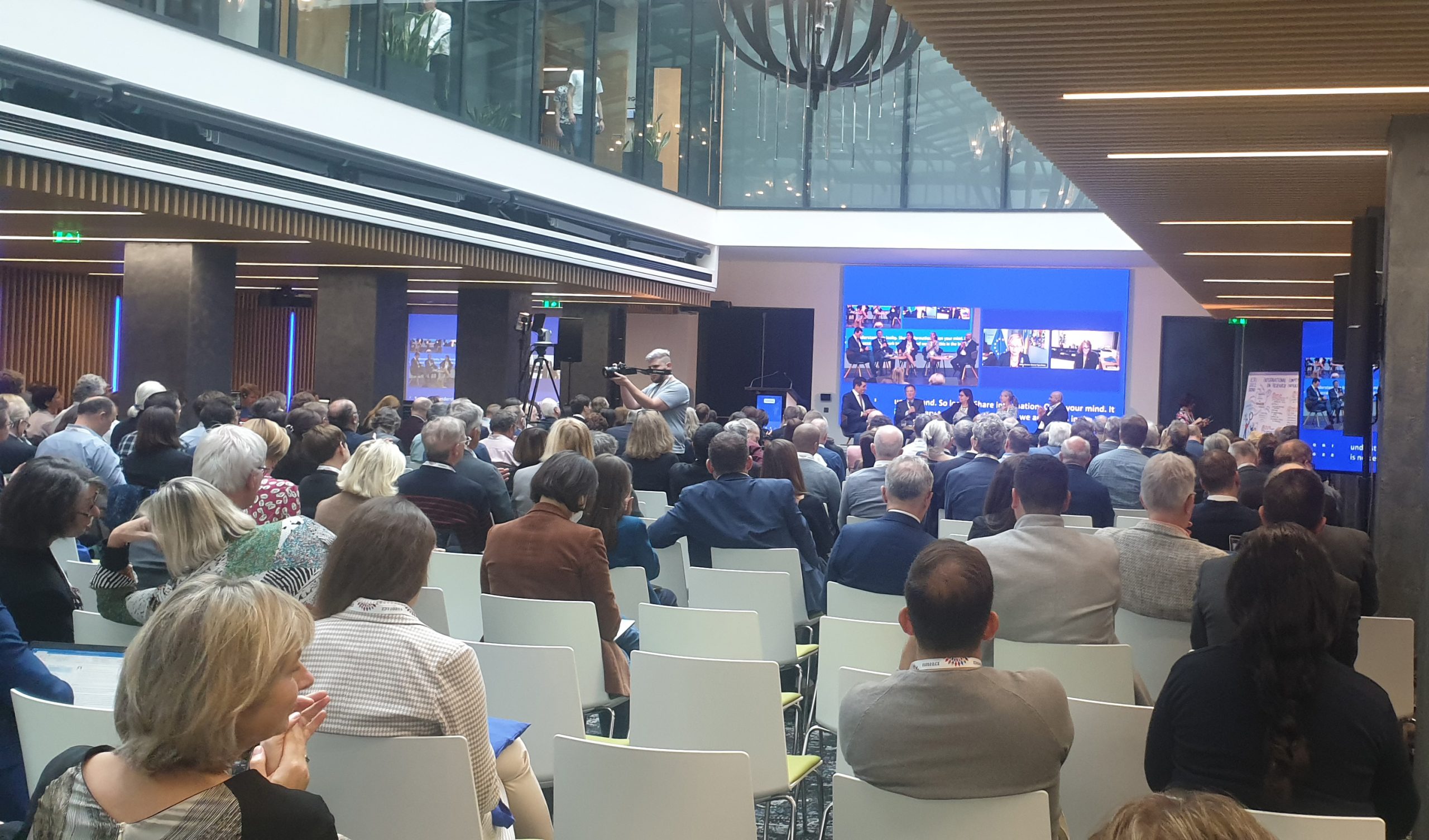
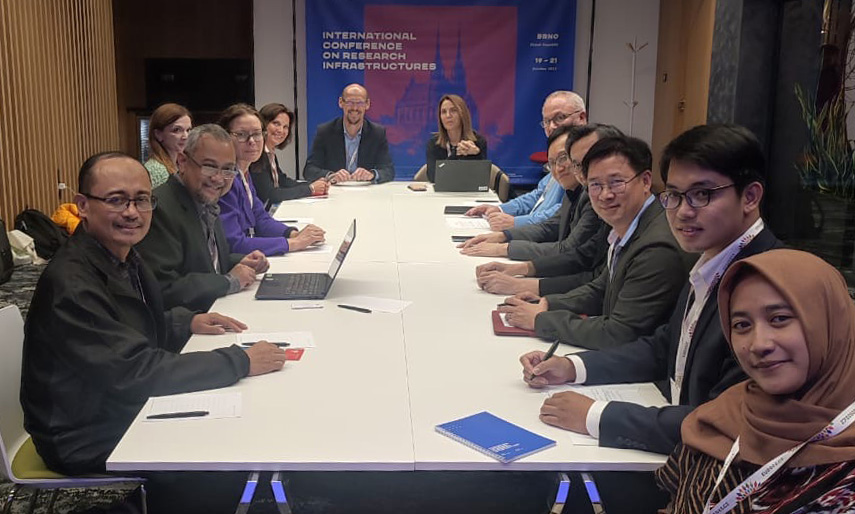
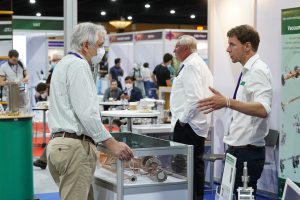
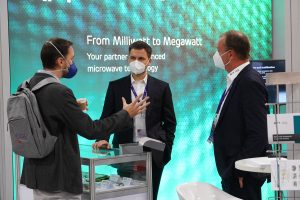
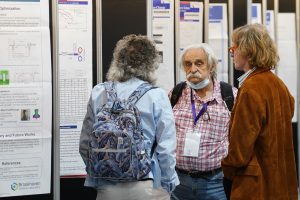
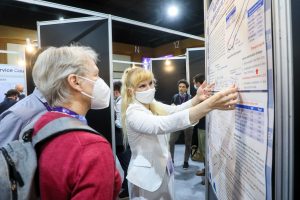
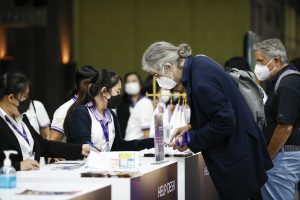
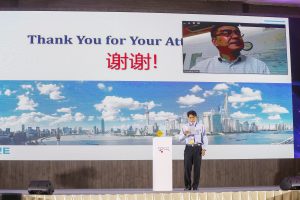
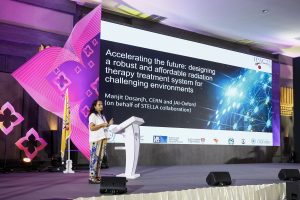
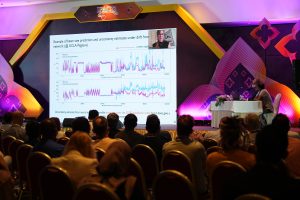
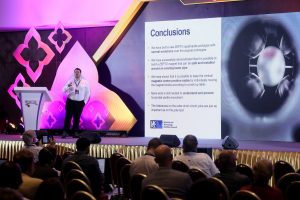
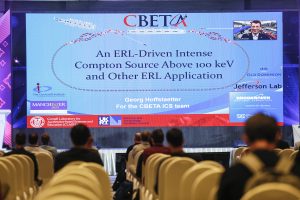
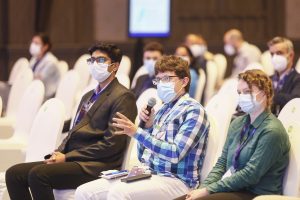
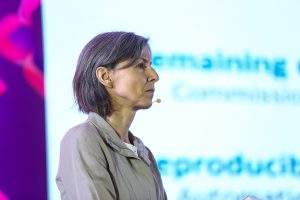
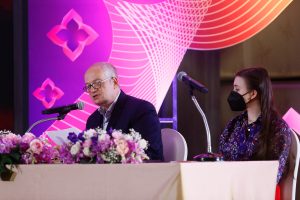
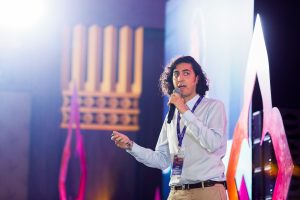
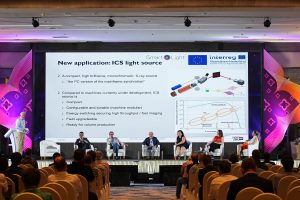
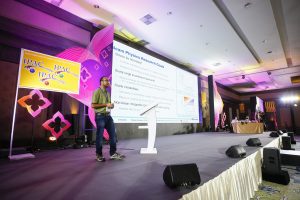
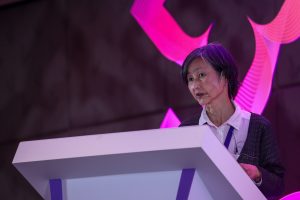
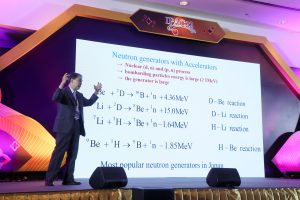
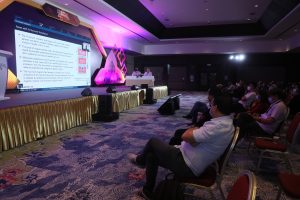
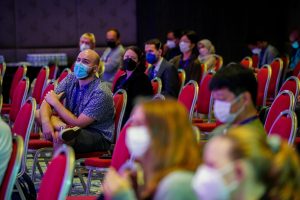
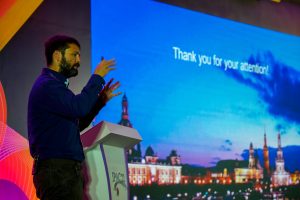
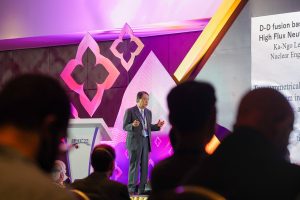
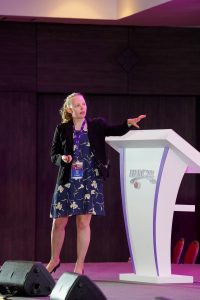
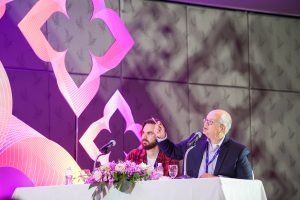
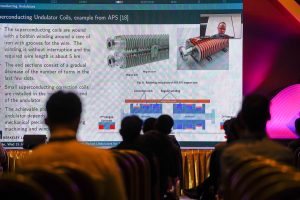
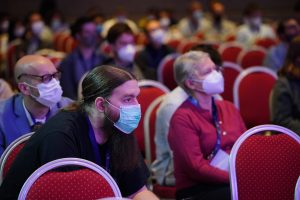
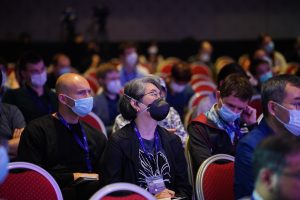
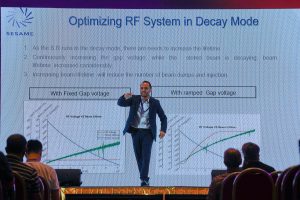
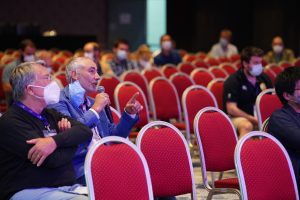
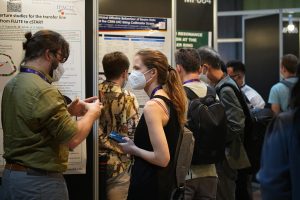
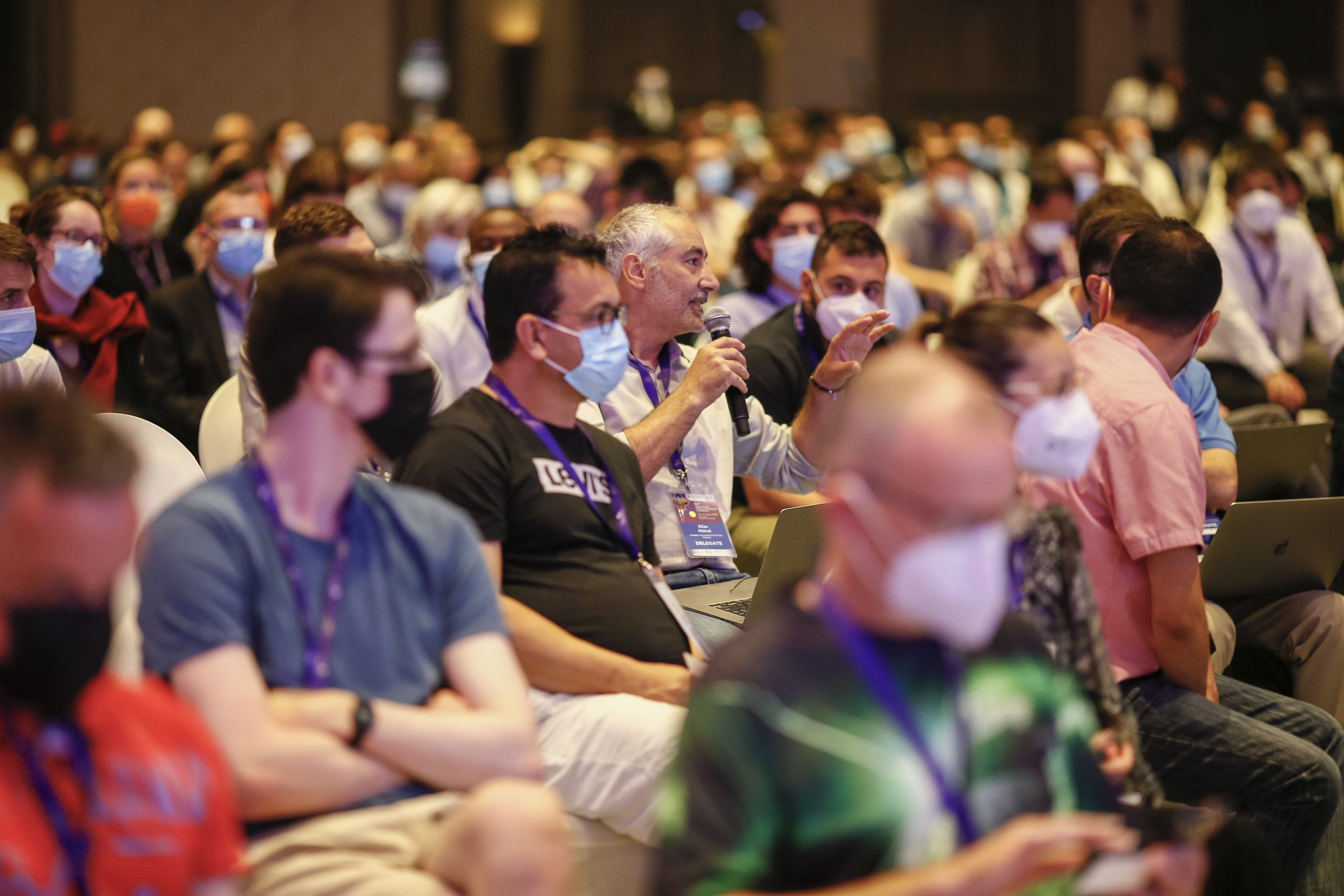
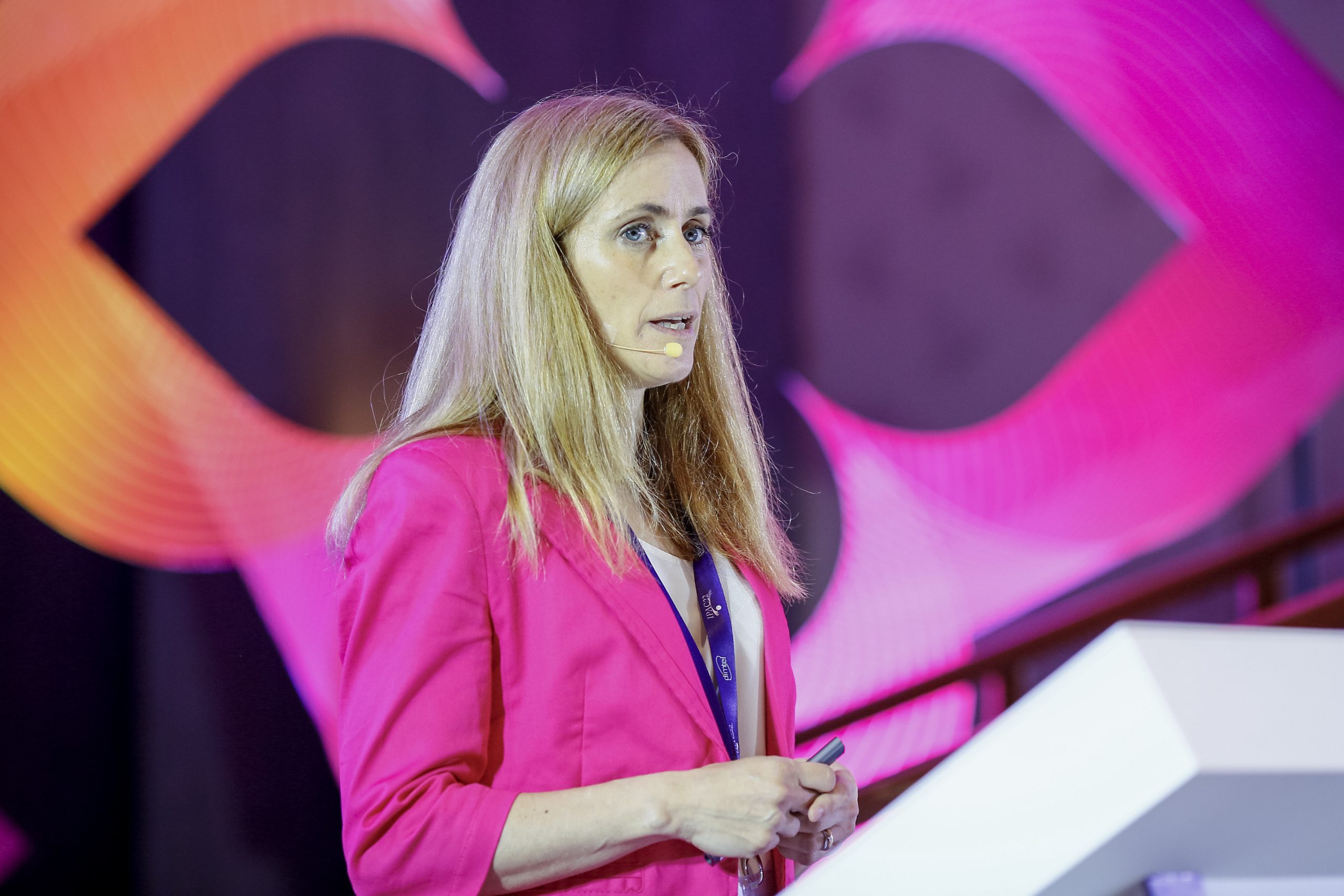
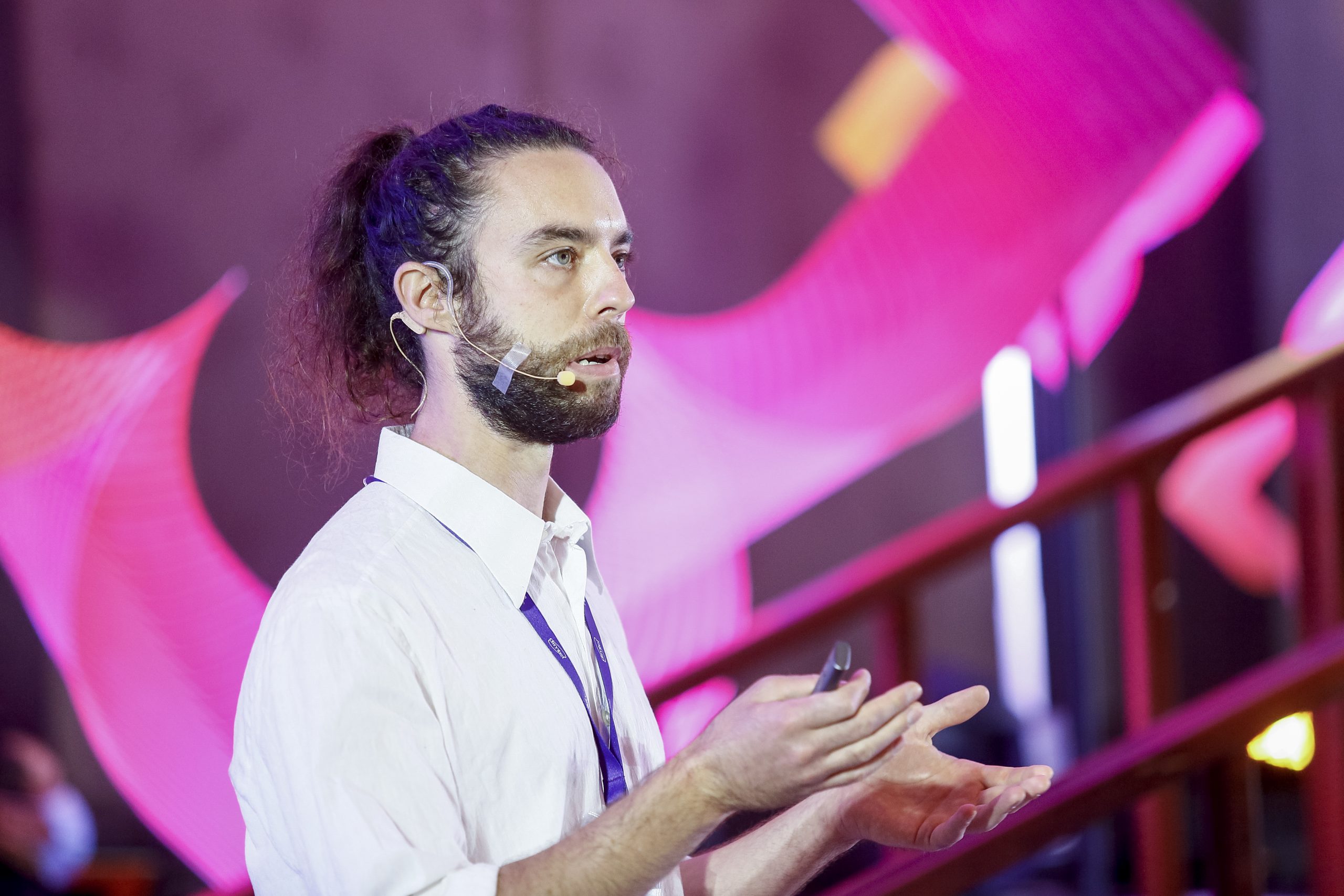
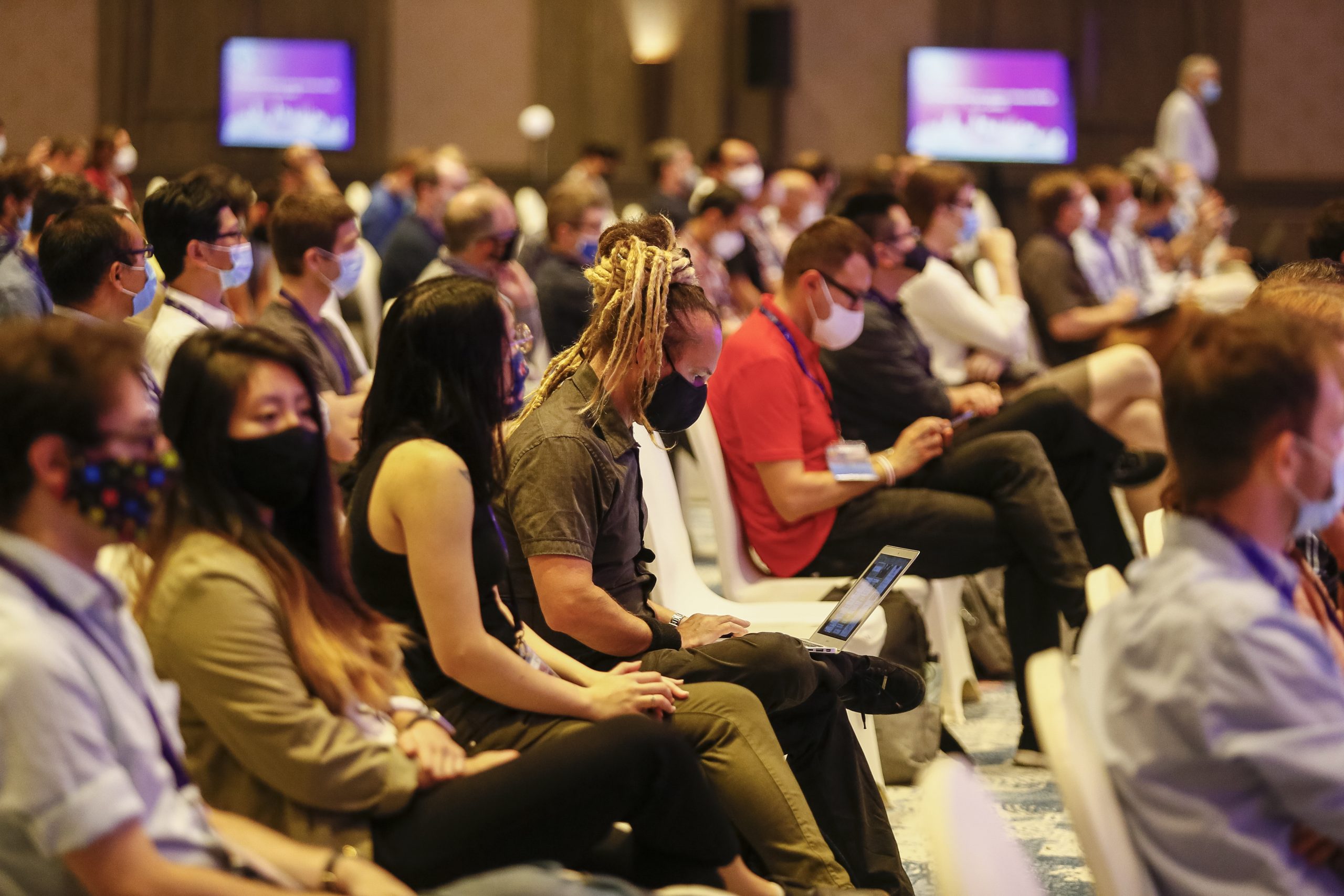
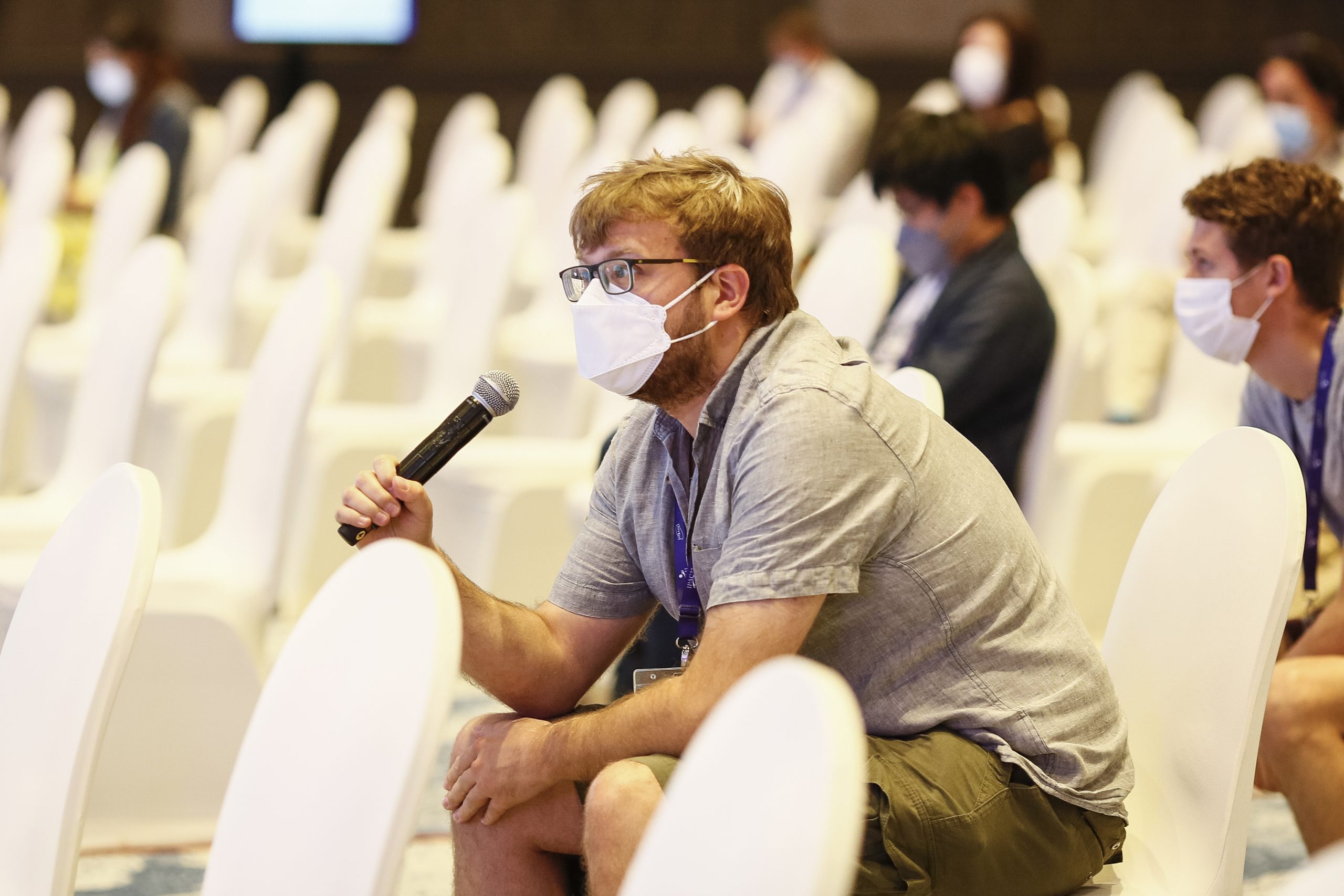
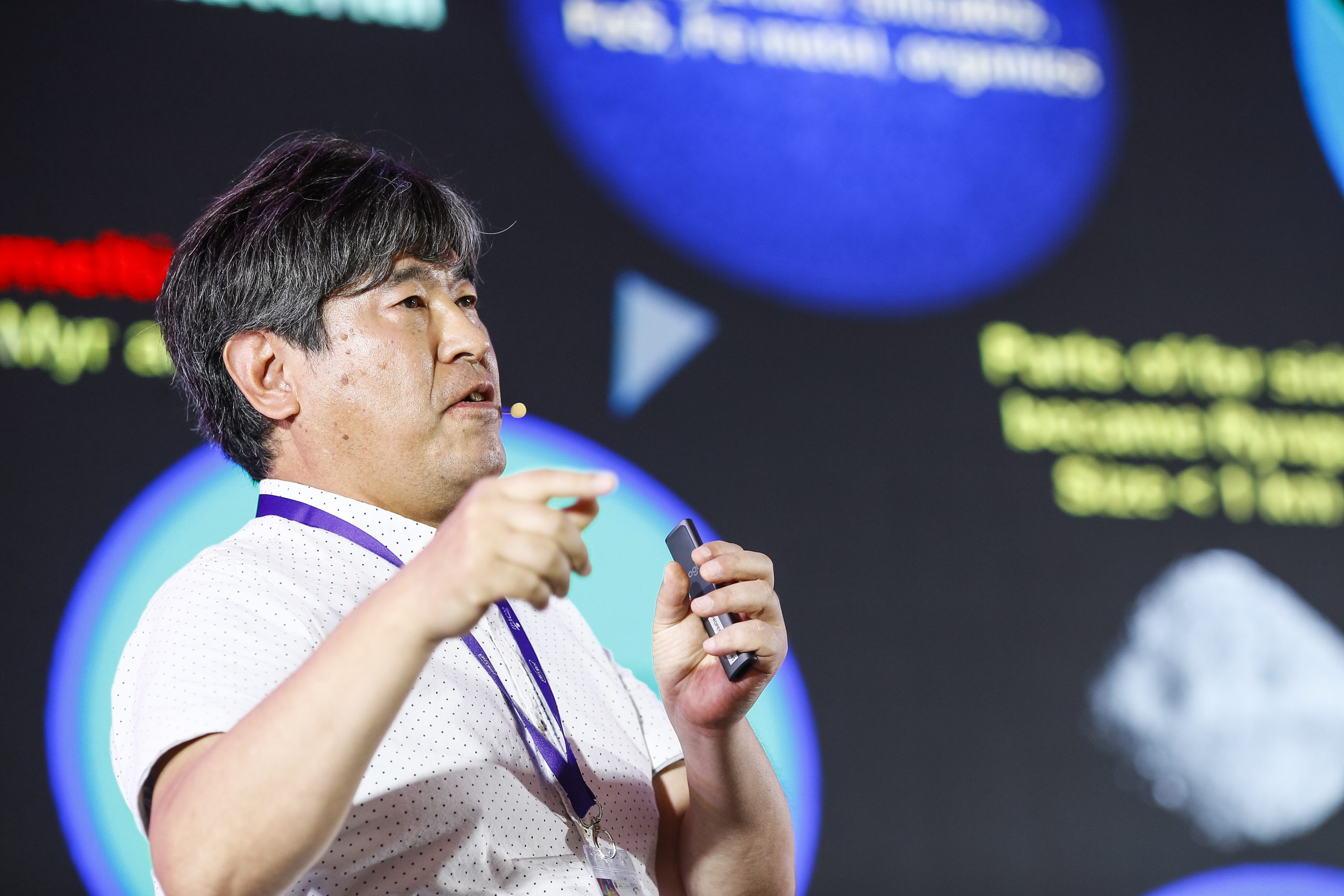
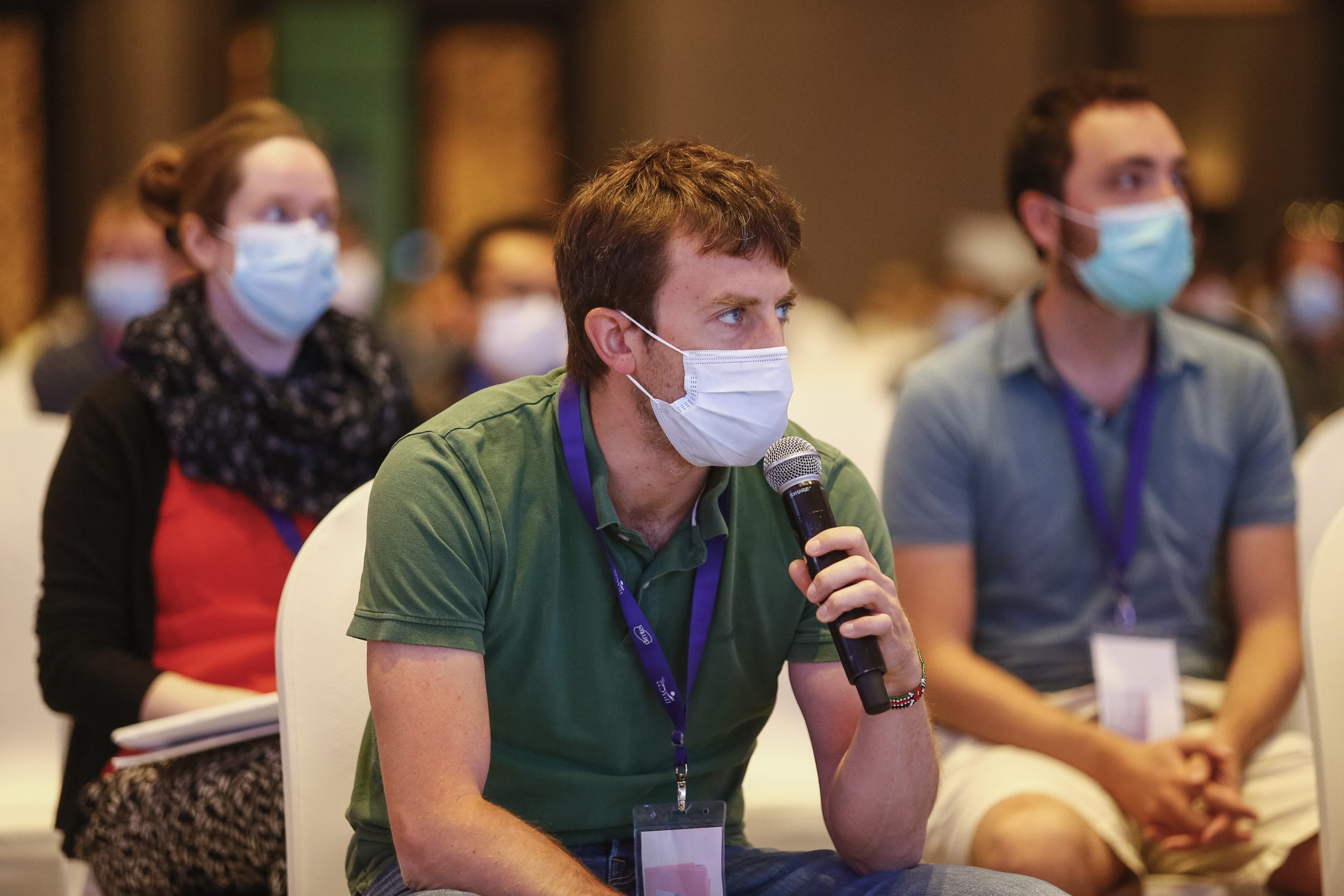
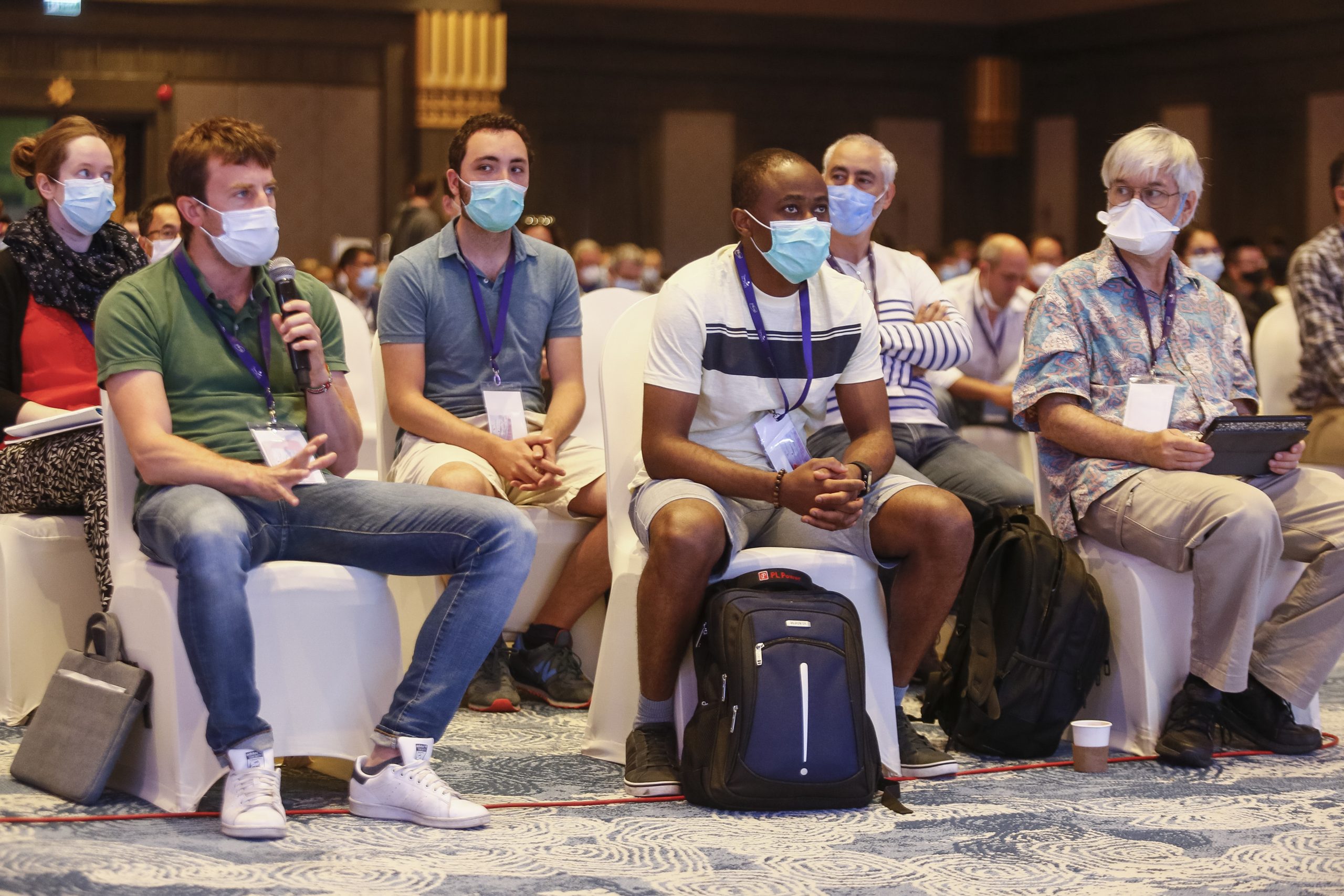
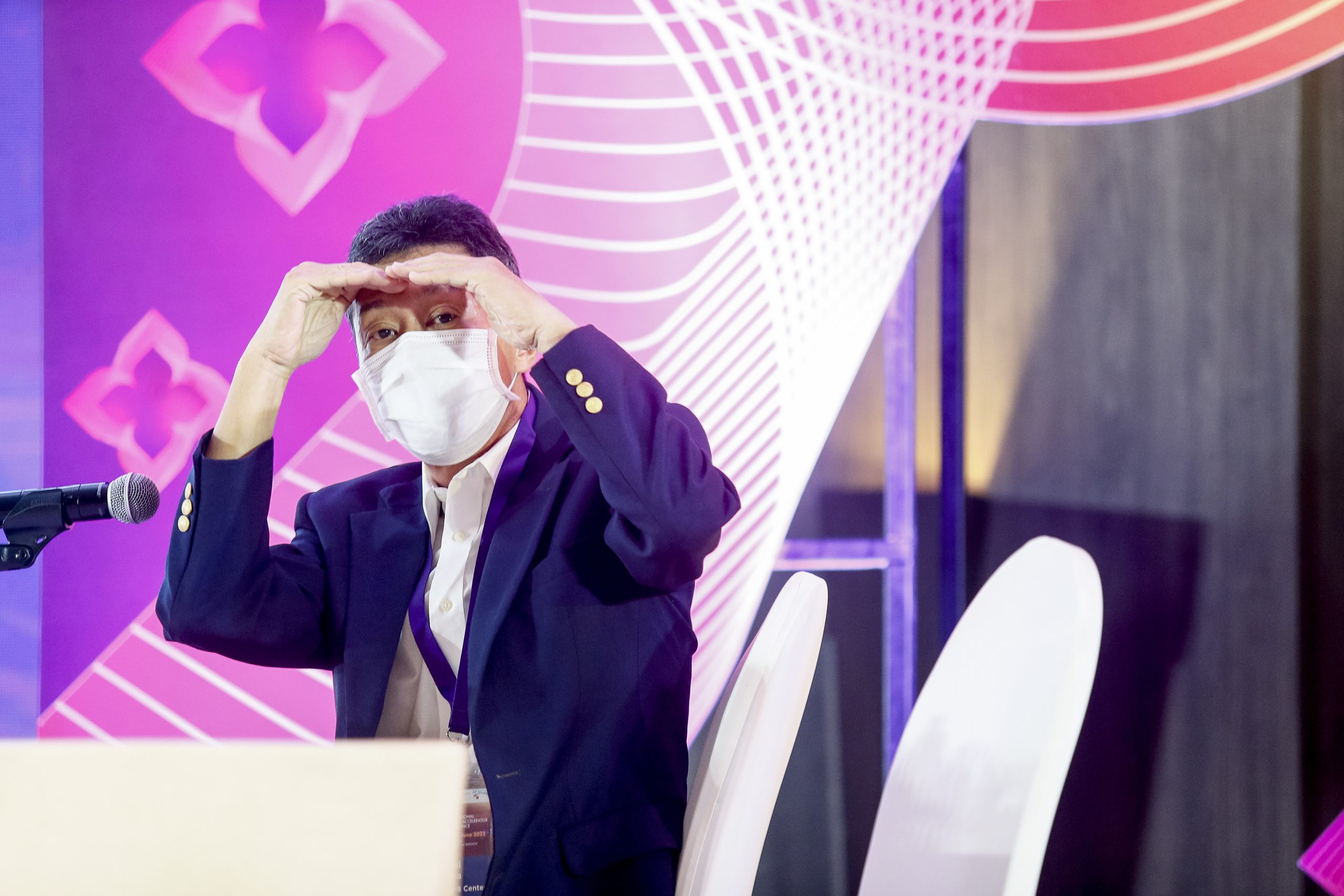
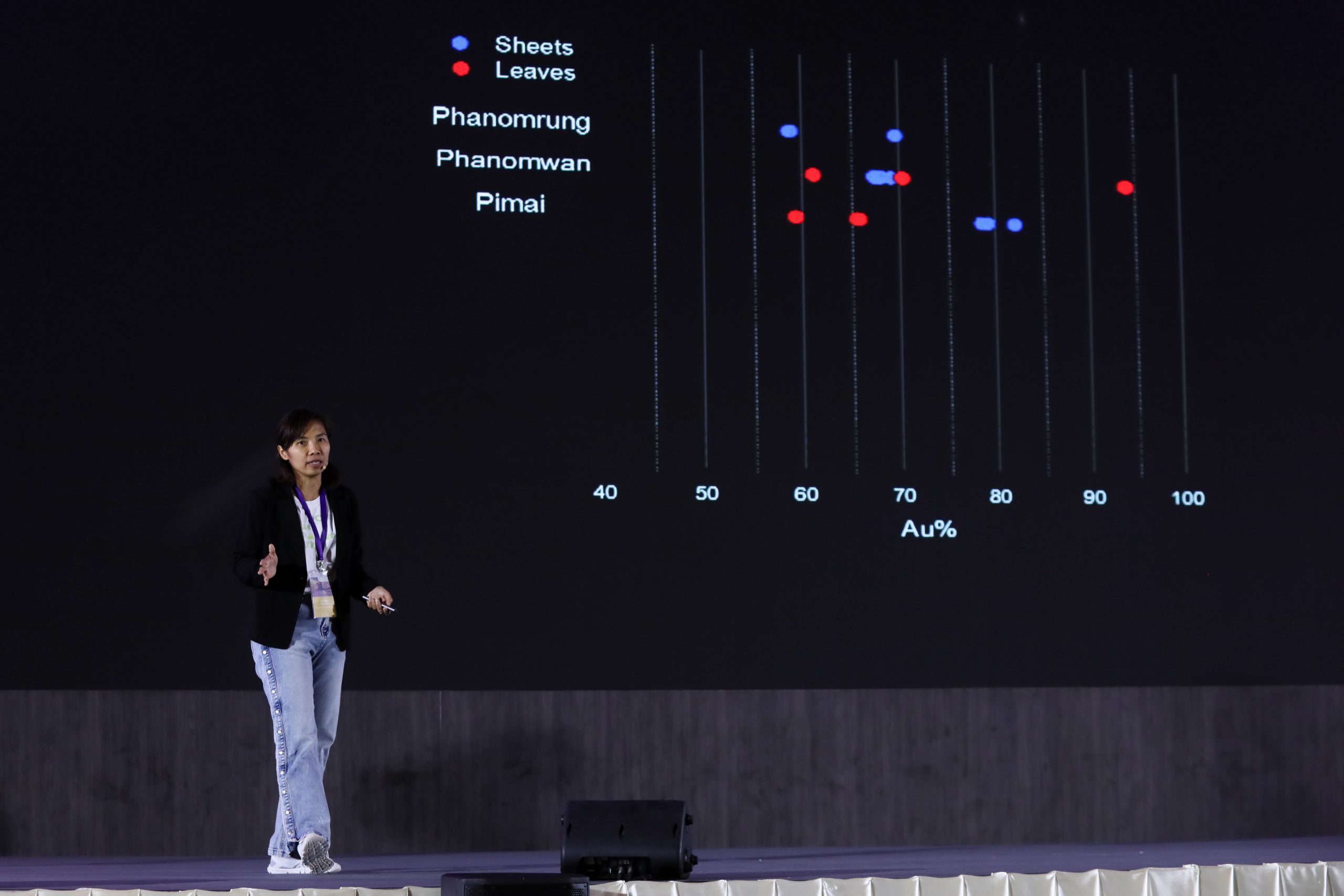
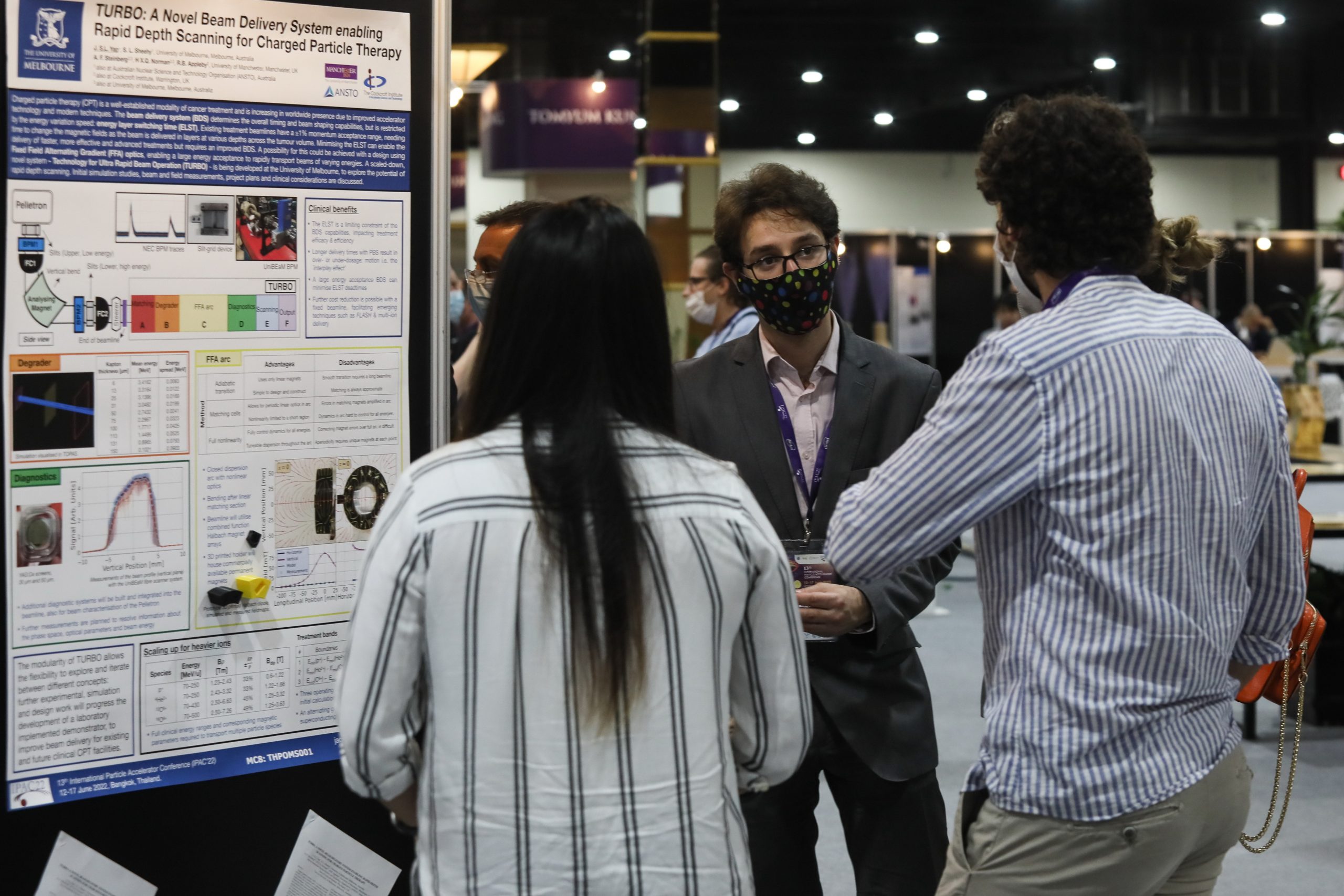
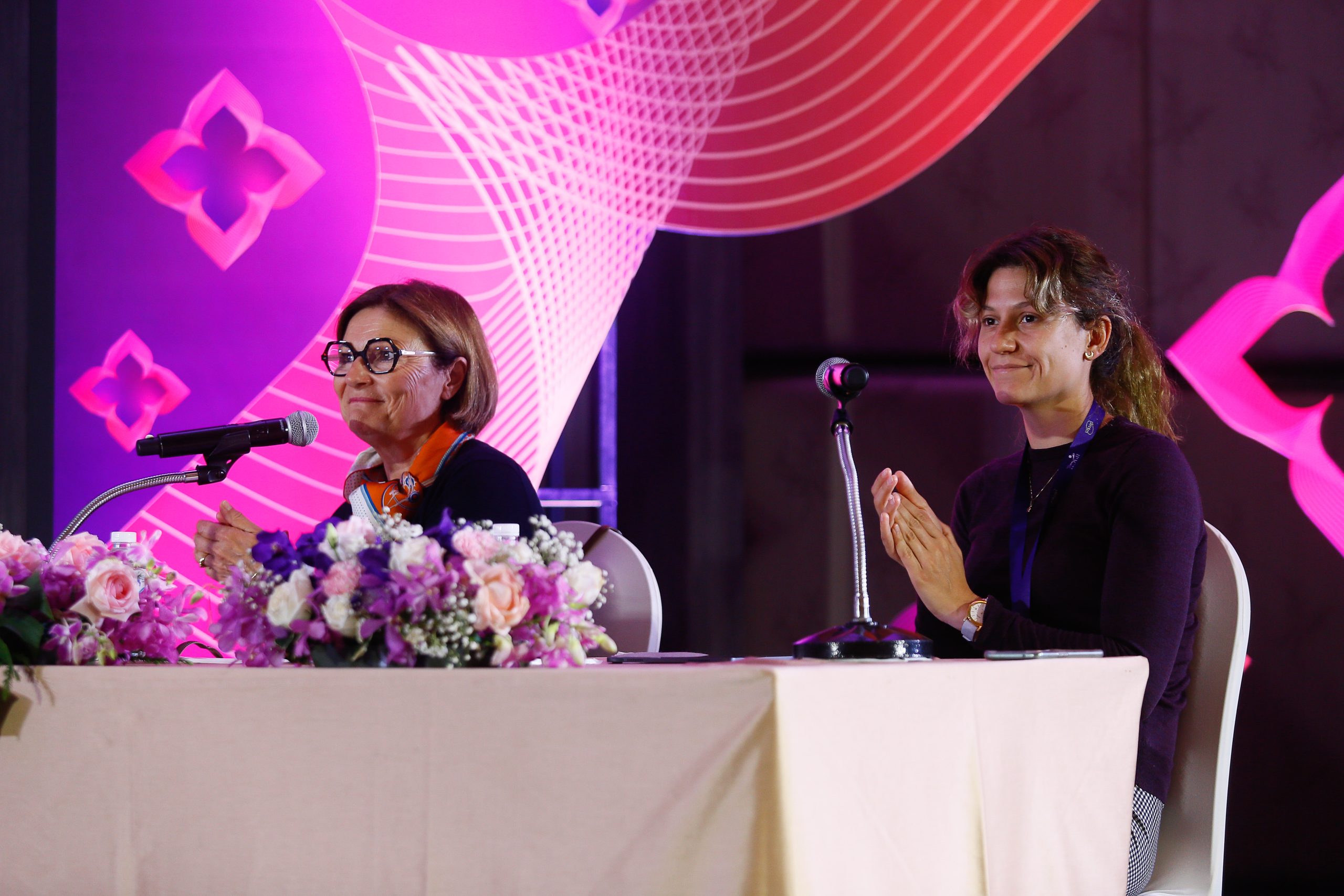
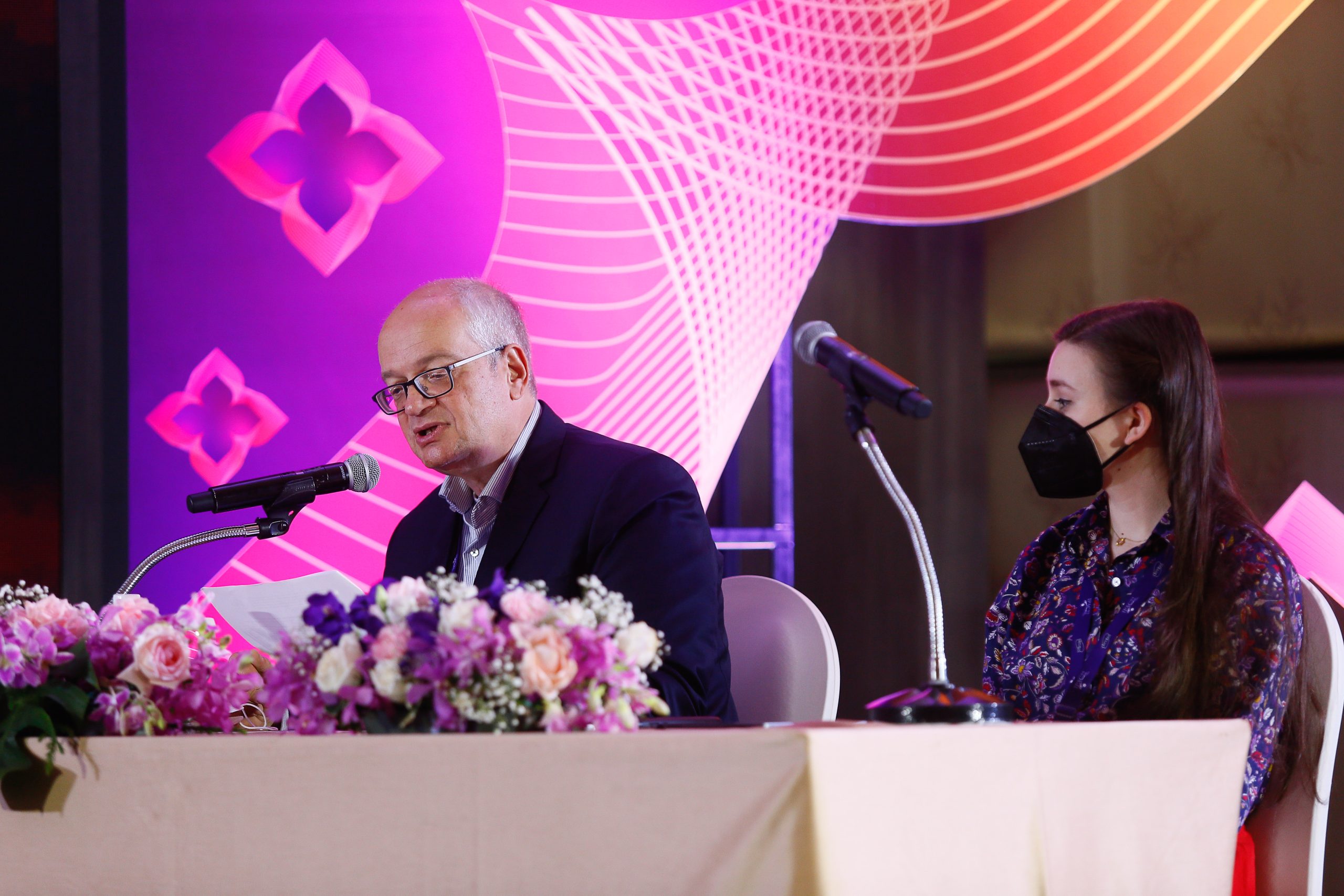
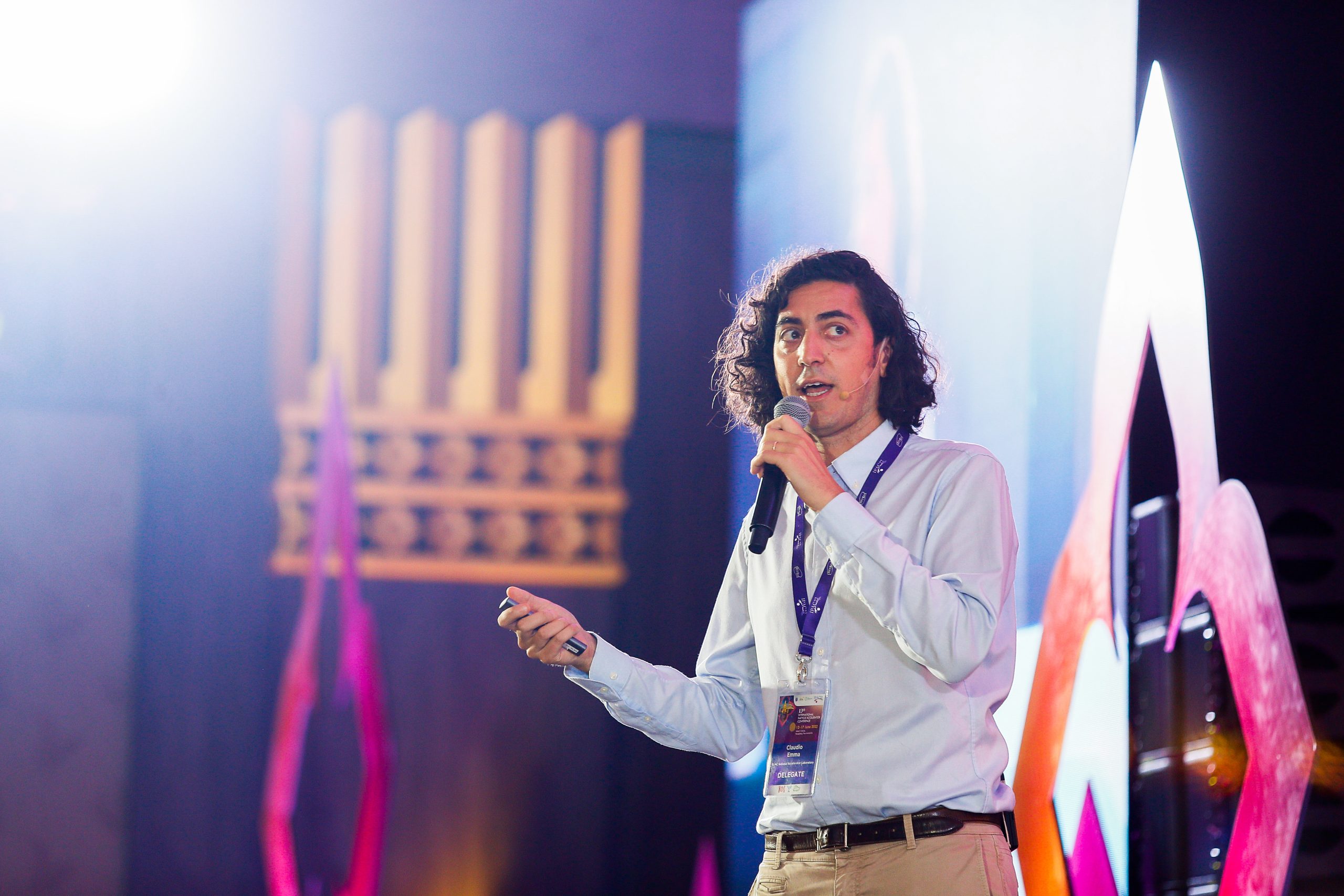
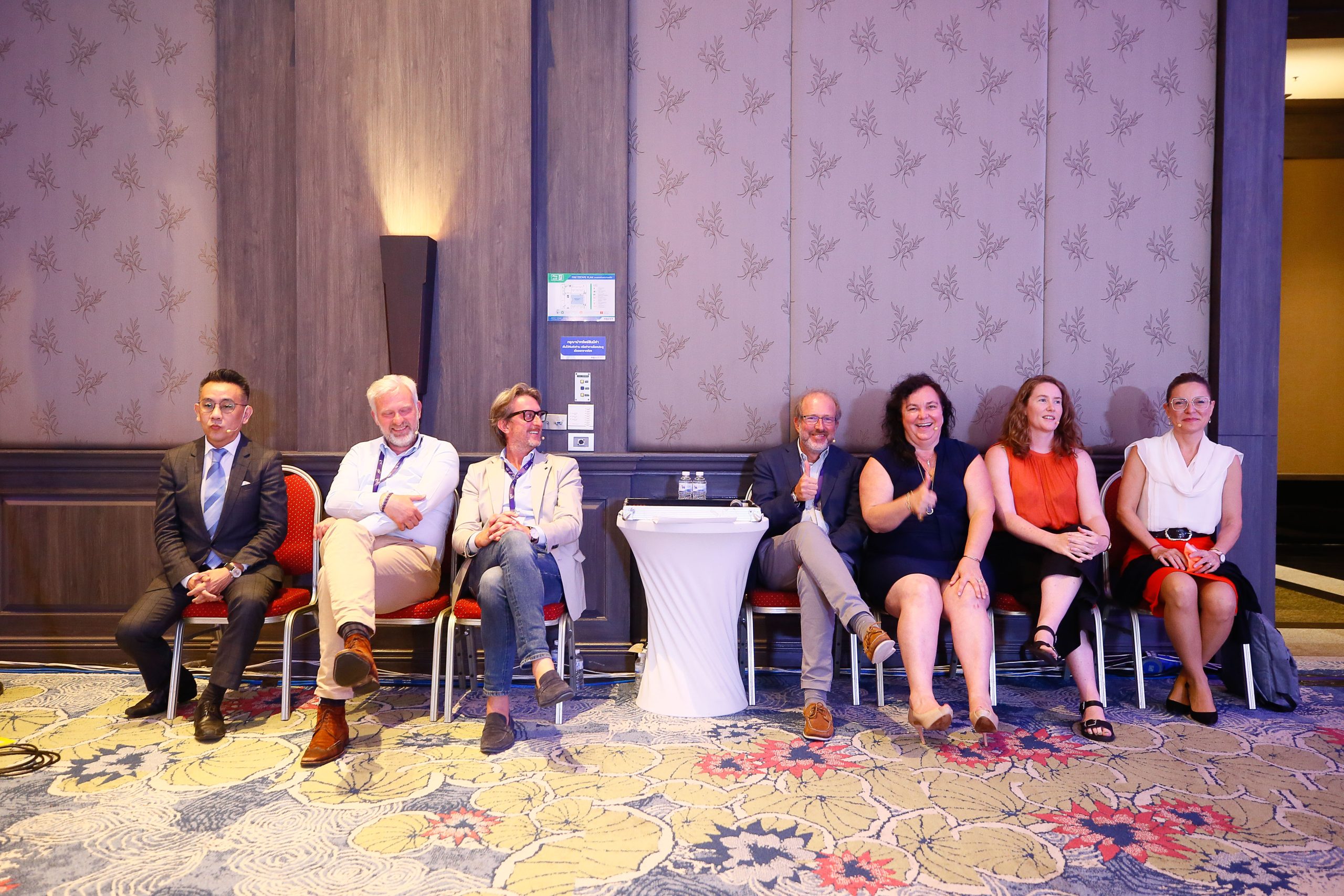
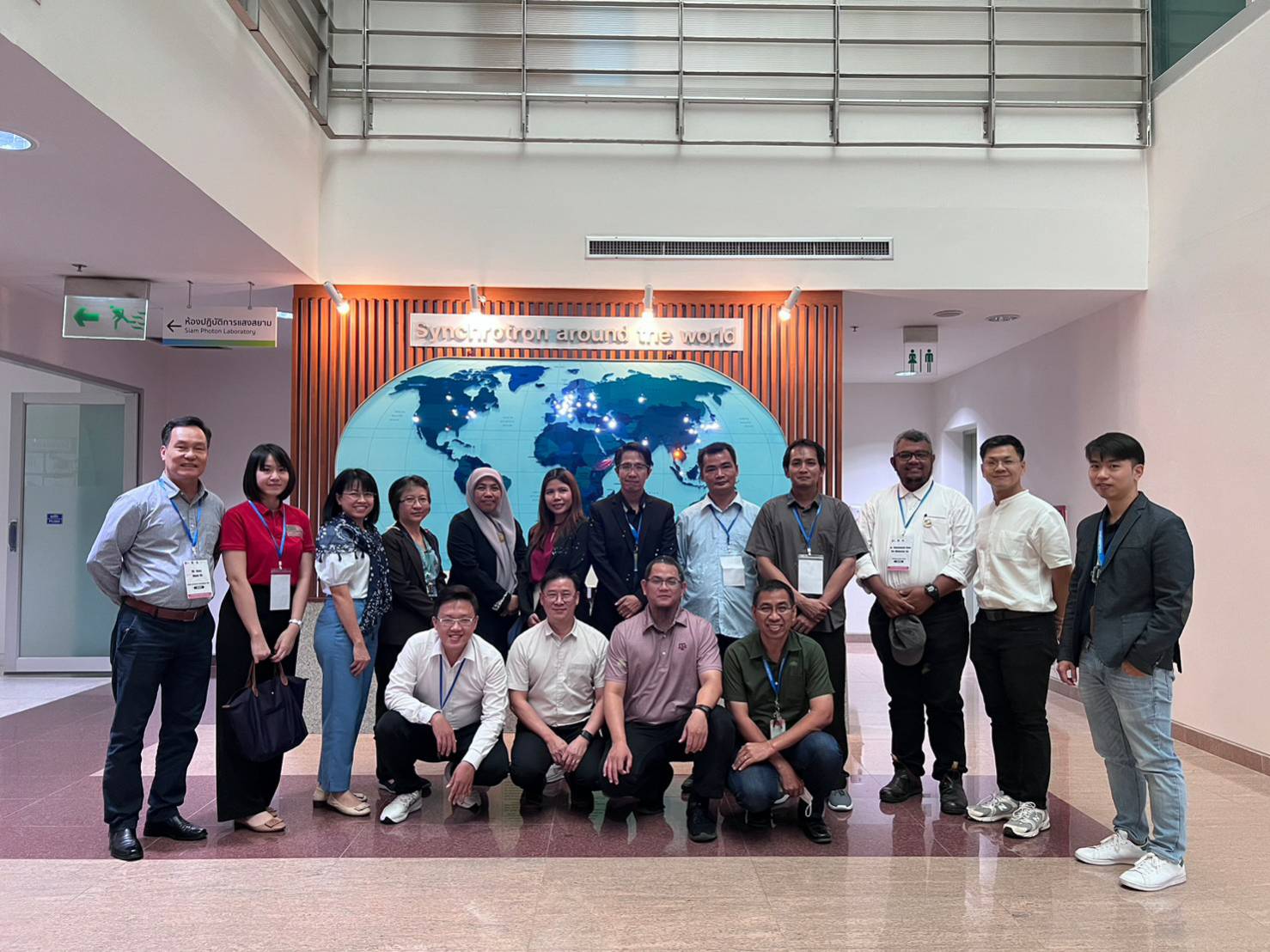
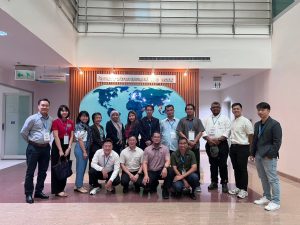
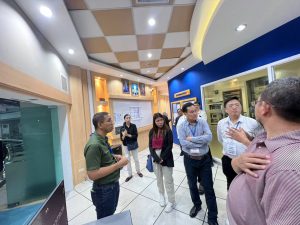
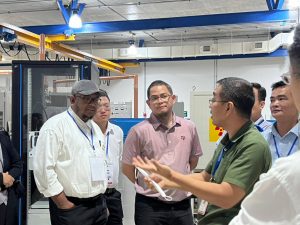
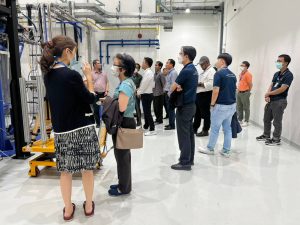
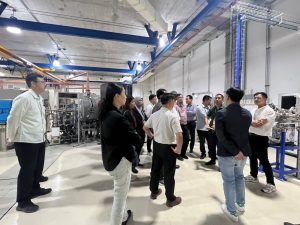
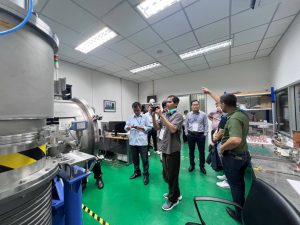
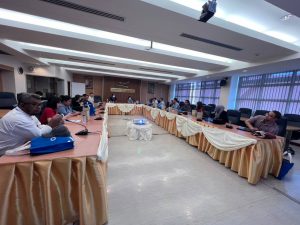
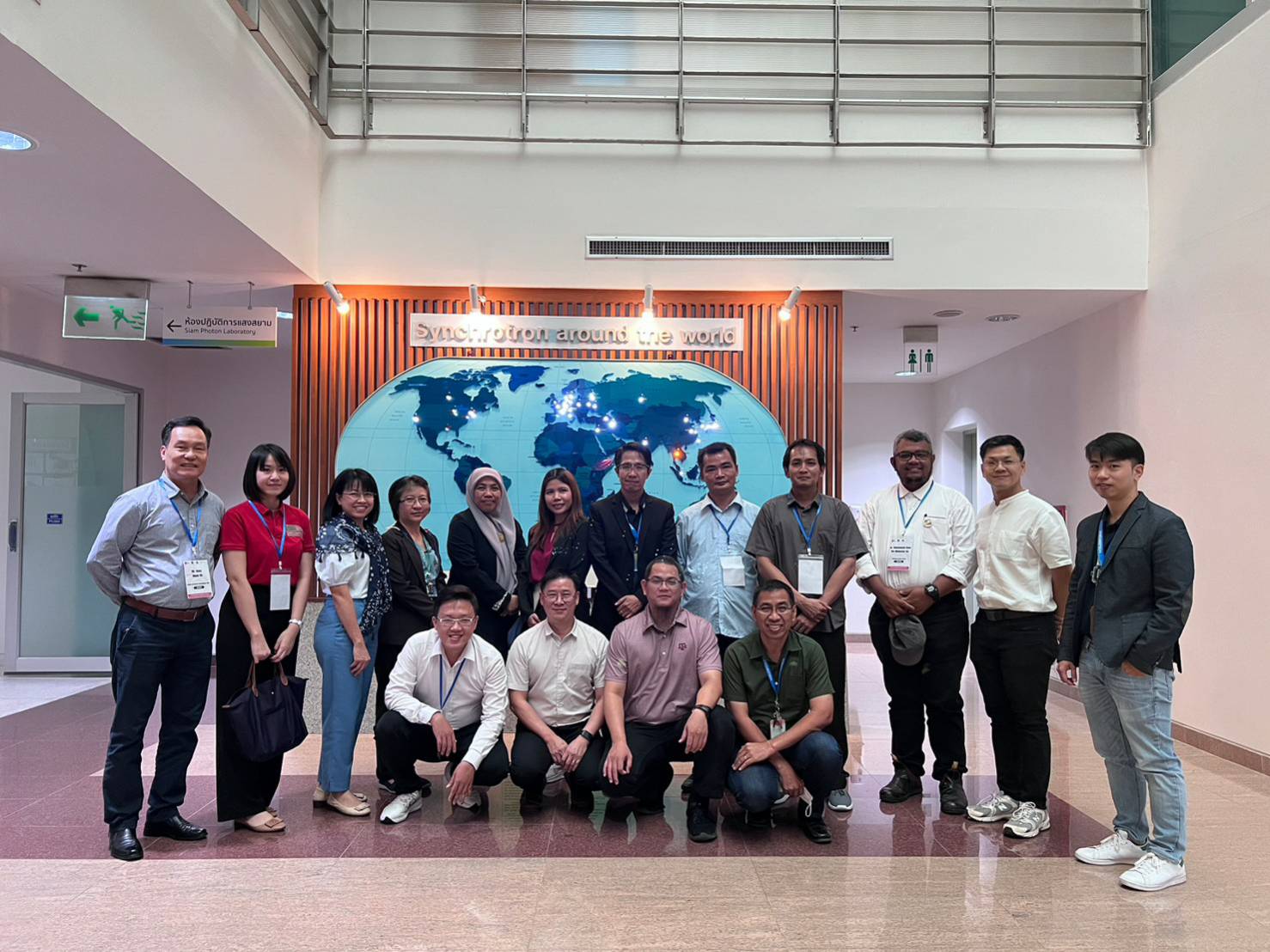
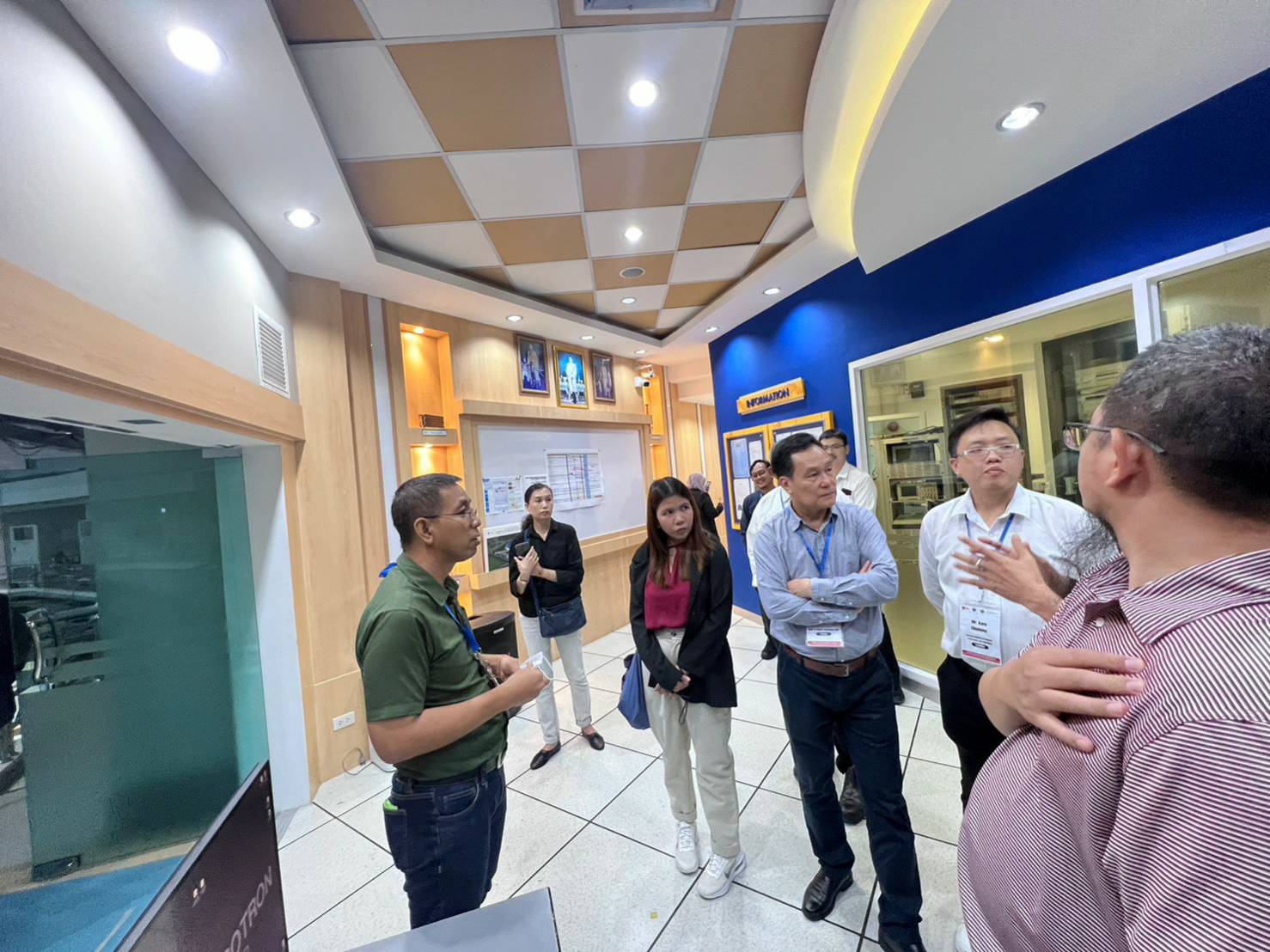
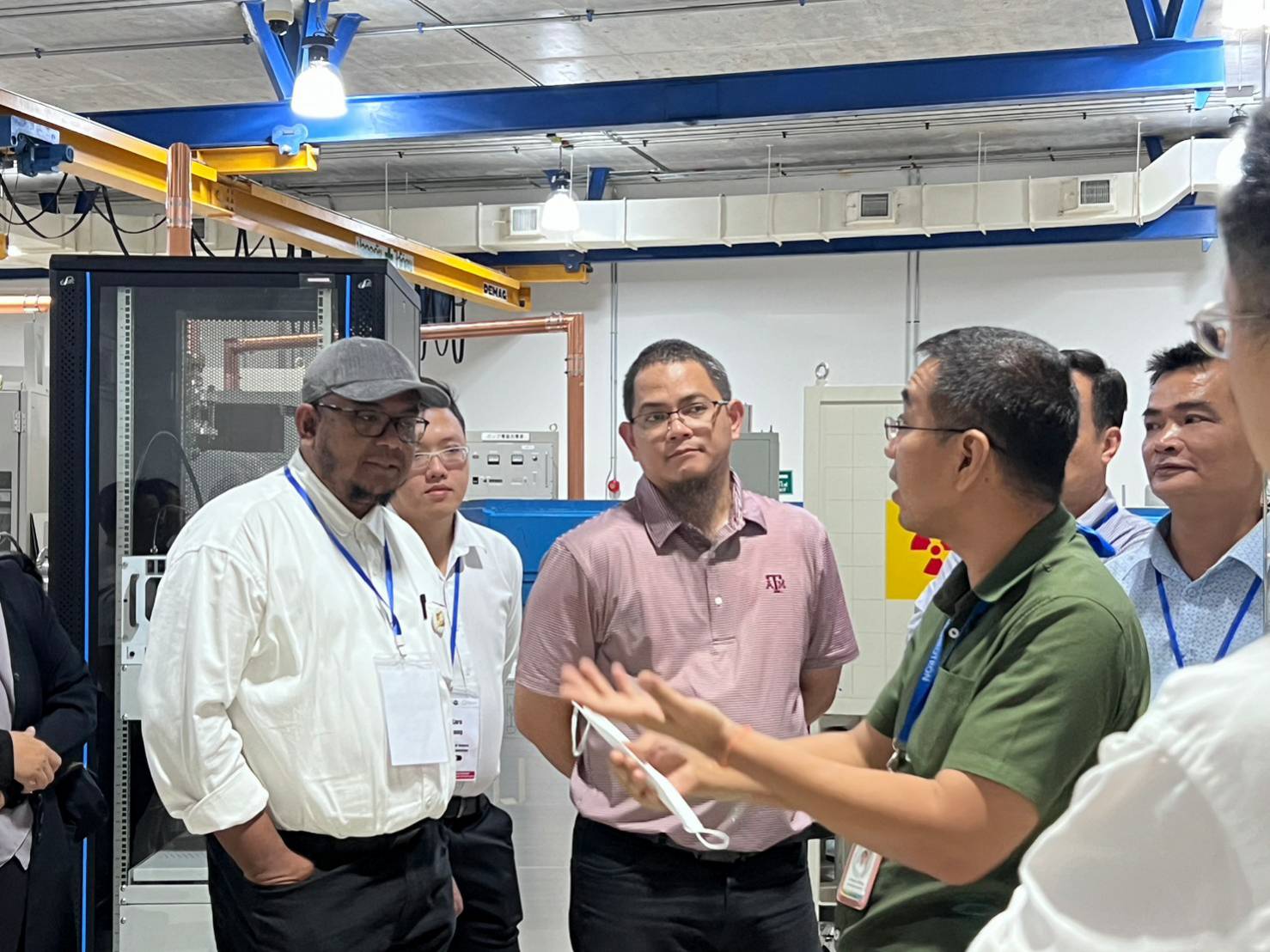
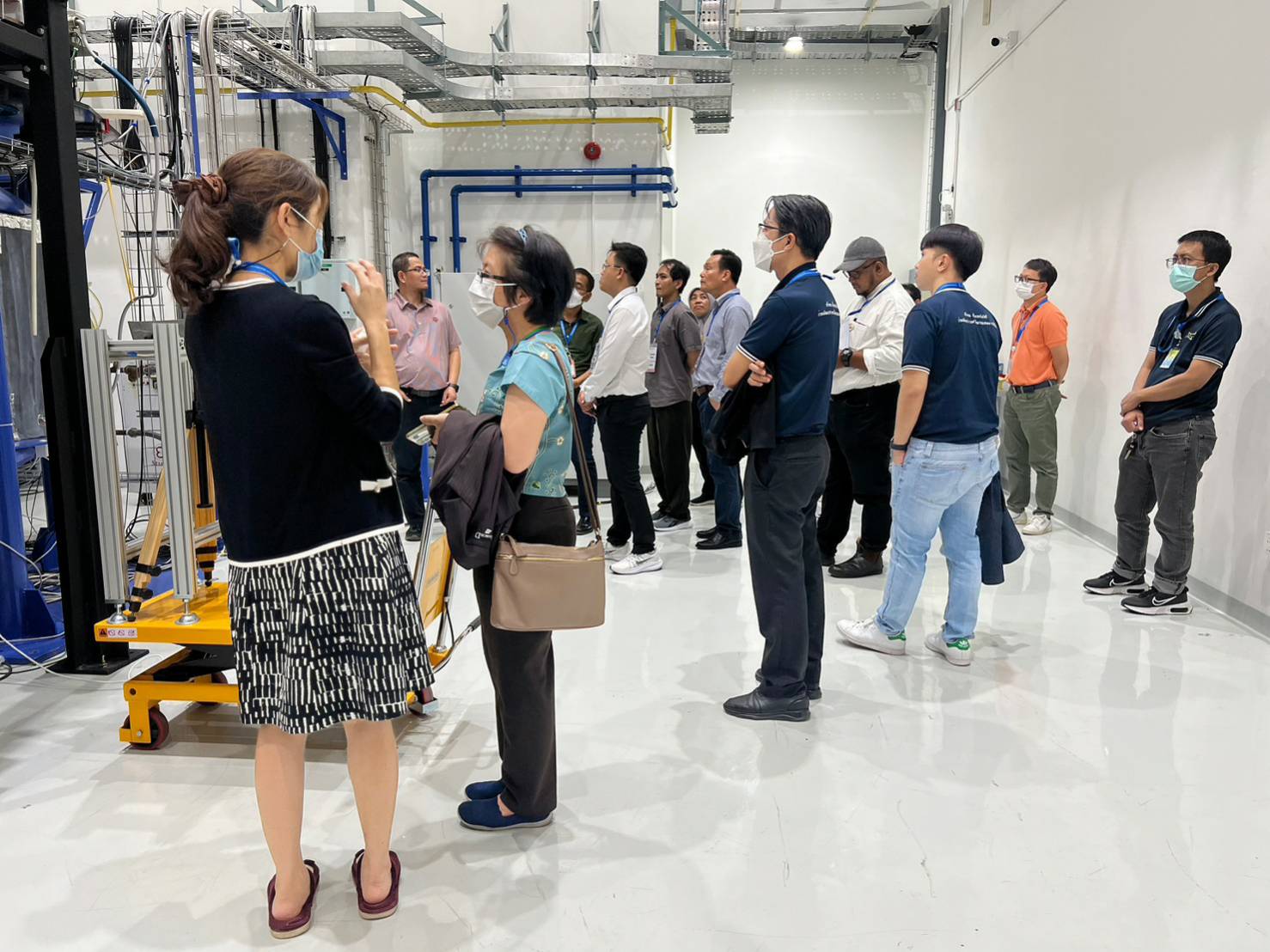
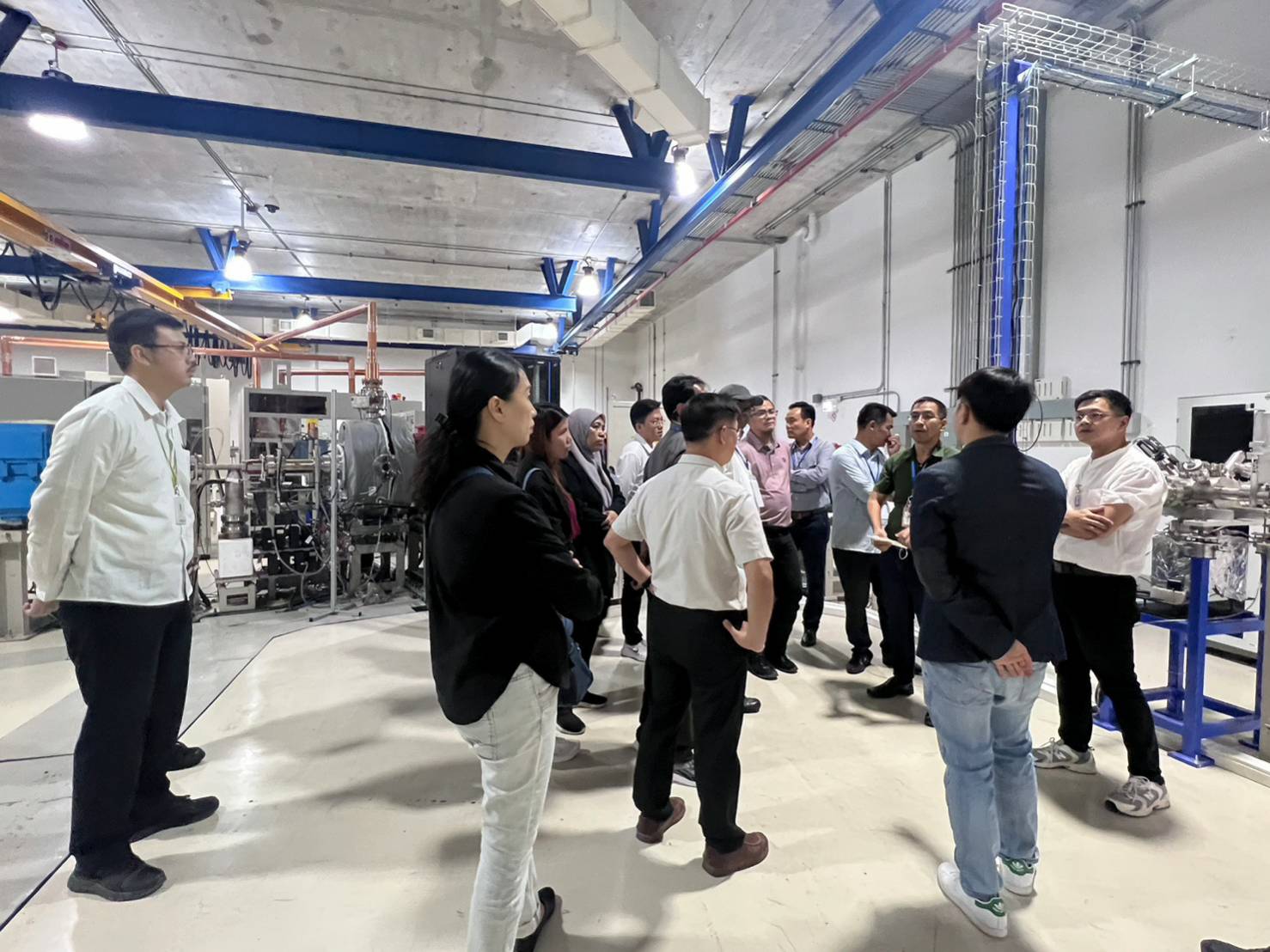
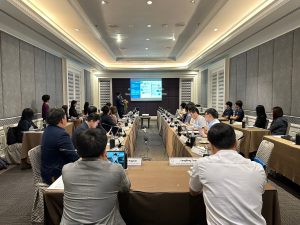
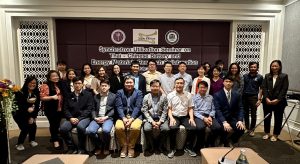
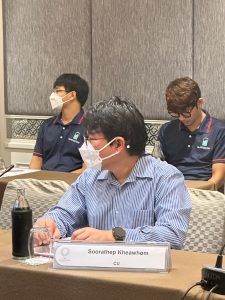
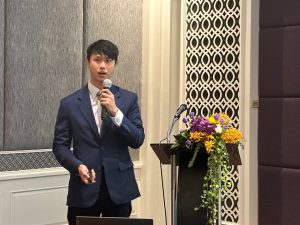
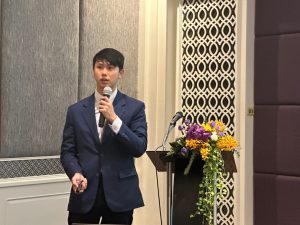
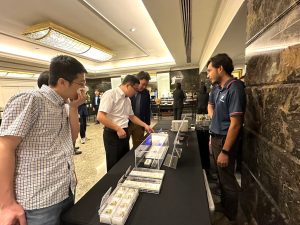
Dr. Somchai Tancharakorn, Acting Beamline Manager of Beamline 5.1W, Synchrotron Light Research Institute (SLRI), Dr. Somboon Sahasithiwat, Vice President, National Science Technology and Quality Infrastructure, National Science and Technology Development Agency (NSTDA), and NSTDA colleagues were invited as representatives of Thailand’s infrastructure-related organizations to join the International Conference on Research Infrastructures (ICRI) 2022 held on 19-21 October 2022 at Brno, Czech Republic. Representatives from Cambodia, Indonesia, and European Strategy Forum on Research Infrastructures (ESFRI) attended the conference as well.
ICRI2022 gained support from the Enhanced Regional EU-ASEAN Dialogue Instrument (E-READI) with aims to provide delegates both guidelines on building collaboration network and managing research infrastructures at international level. The conference also aimed to update delegates on the current collaboration between networks in the European Union (EU) countries and other regions worldwide on both large-scale research infrastructures such as large telescope, synchrotron light research laboratory, High Performing Computing, etc. and middle or small infrastructures such as bioimaging laboratory, etc. Experience exchange among infrastructure networks worldwide was done at the conference as well.
On this occasion, Dr. Tancharakorn, NSTDA colleagues, and representatives from ASEAN countries discussed with other delegates to seek opportunity of building collaboration between ASEAN and EU countries on research infrastructures. On 21 October 2022, Dr. Piyawut Srichaikul from National Electronics and Computer Technology Center, NSTDA, as the co-chairman of ASEAN HPC network gave presentation on “ASEAN-EU Cooperation in High Performance Computing” which paves the way to ASEAN-EU collaboration on research infrastructures.
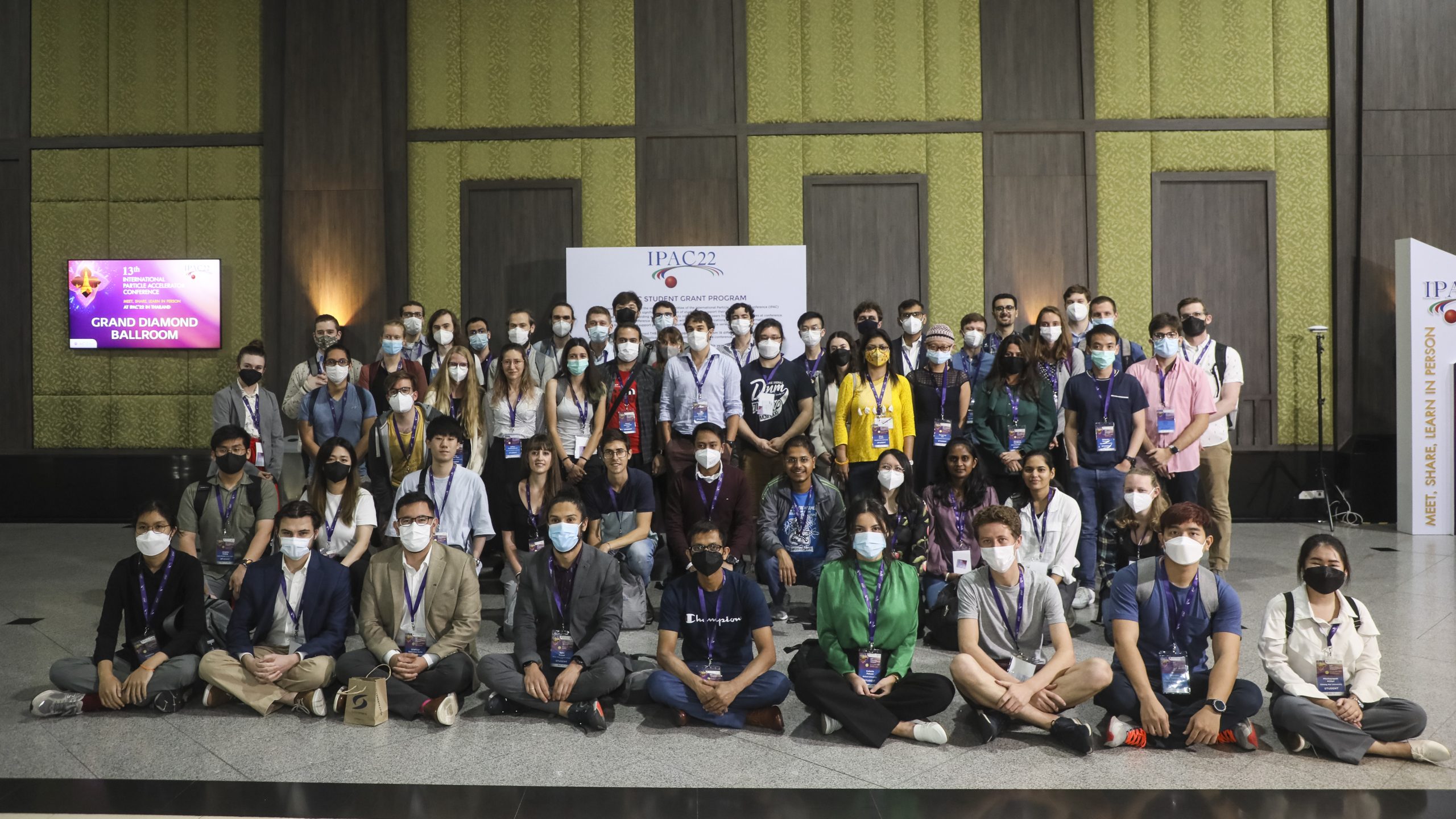
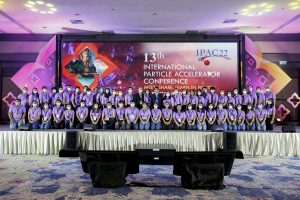
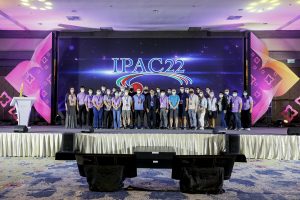
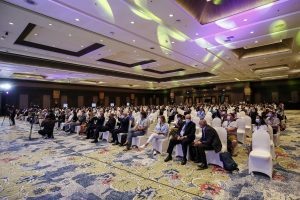
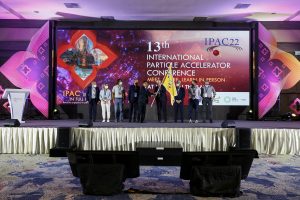
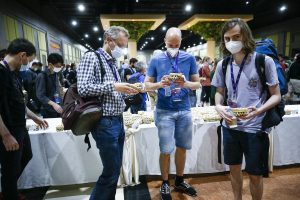
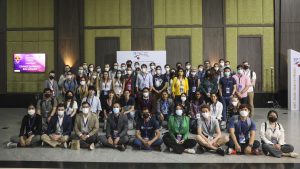
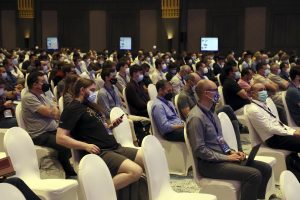
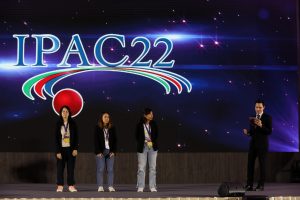
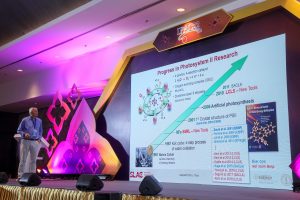
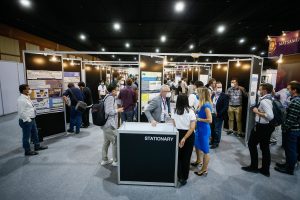
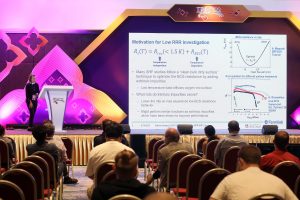
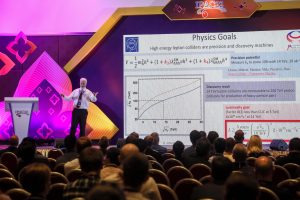
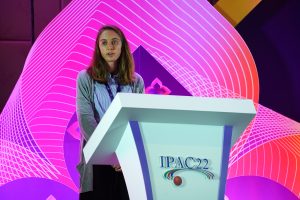
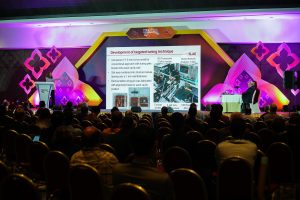
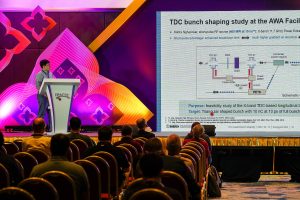
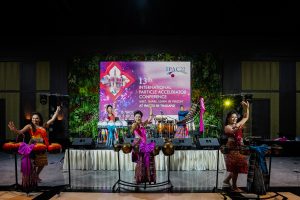
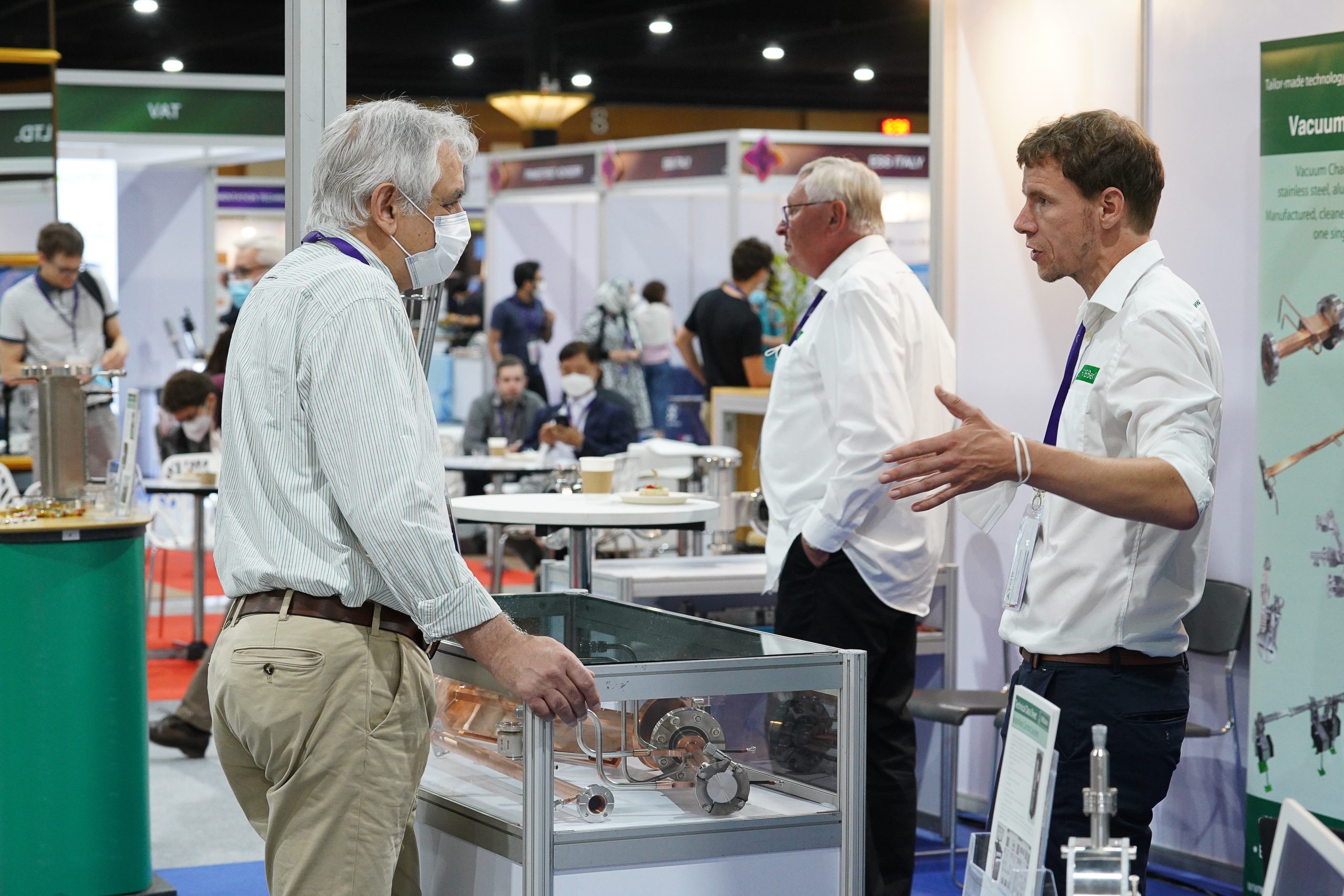
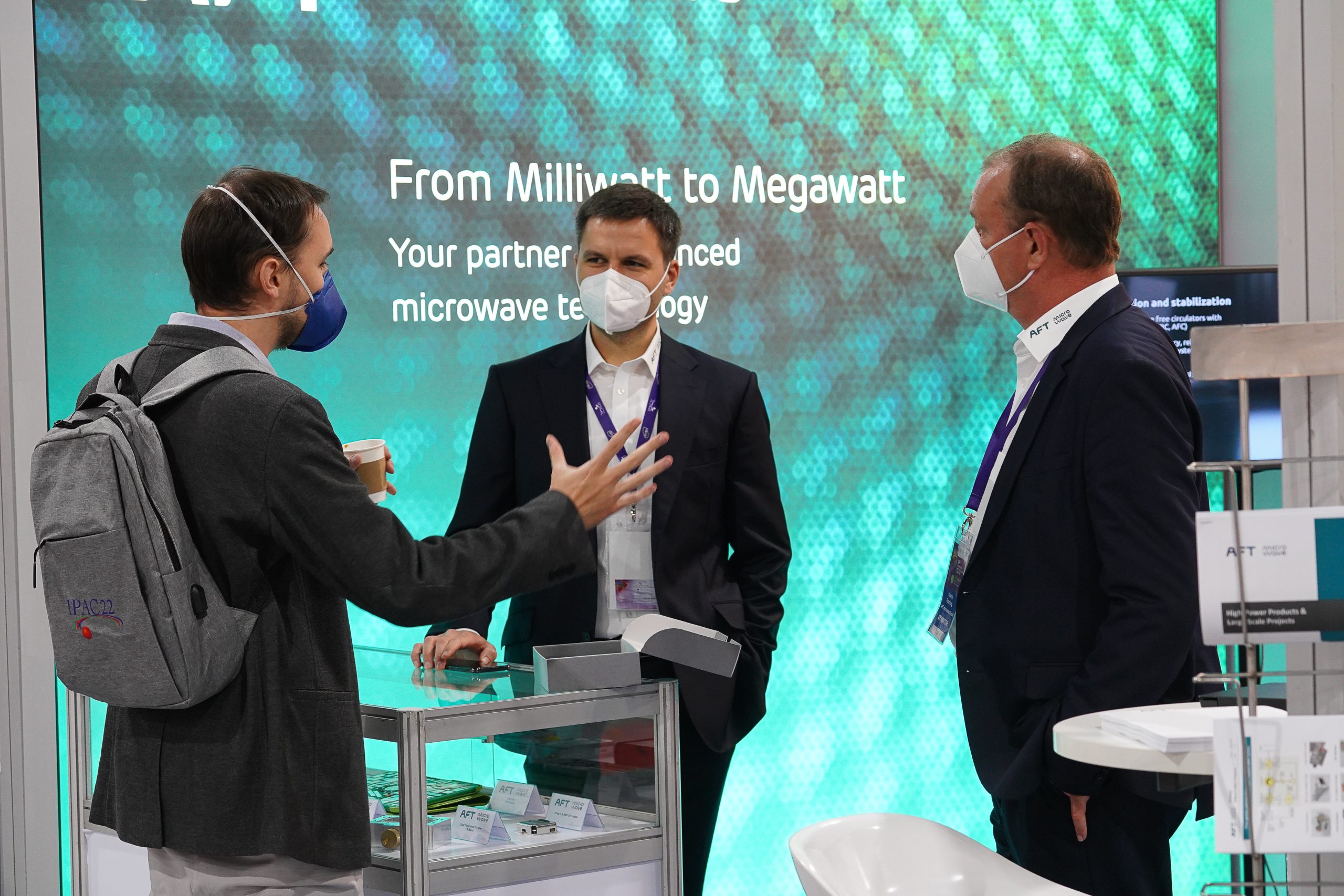
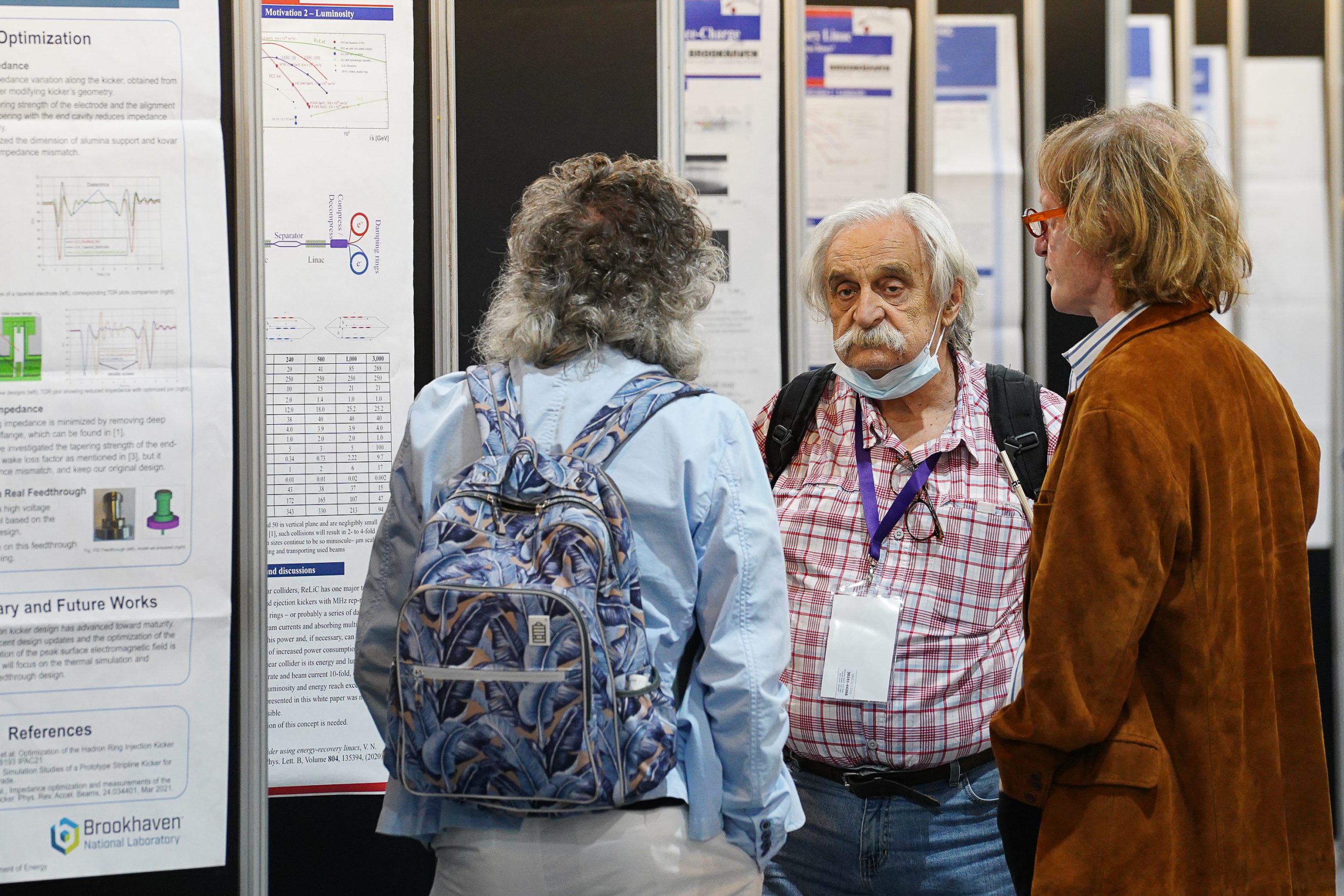
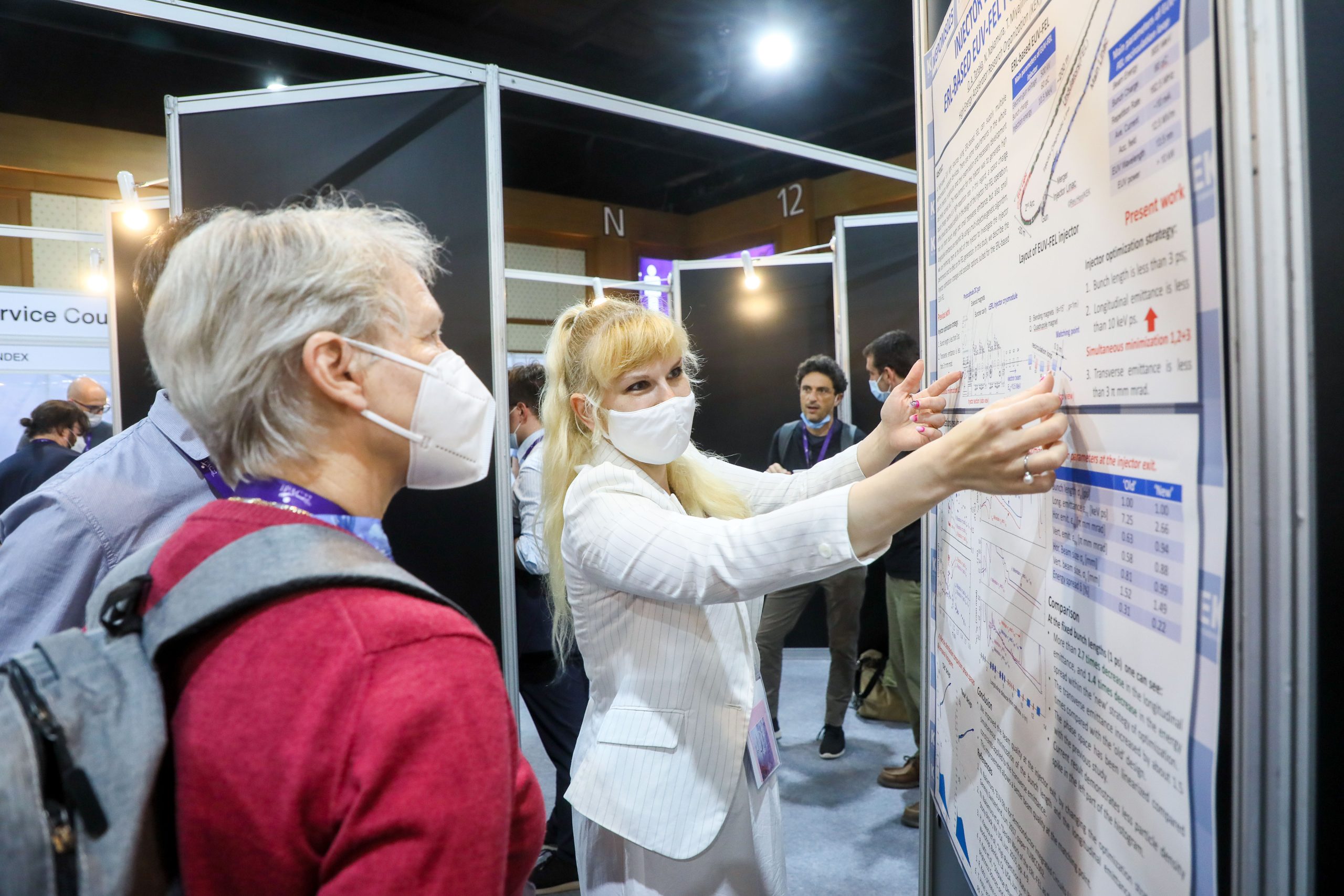
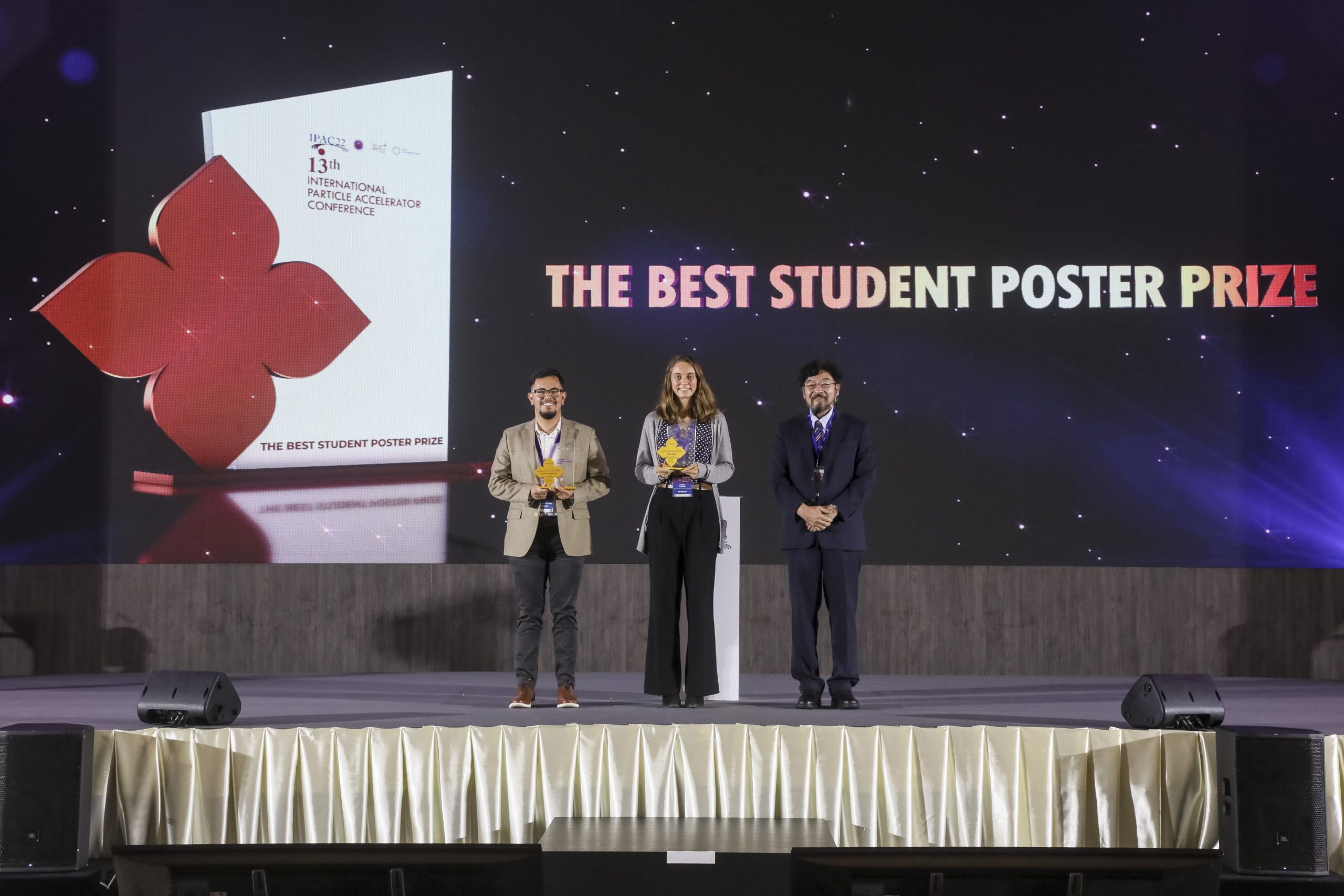
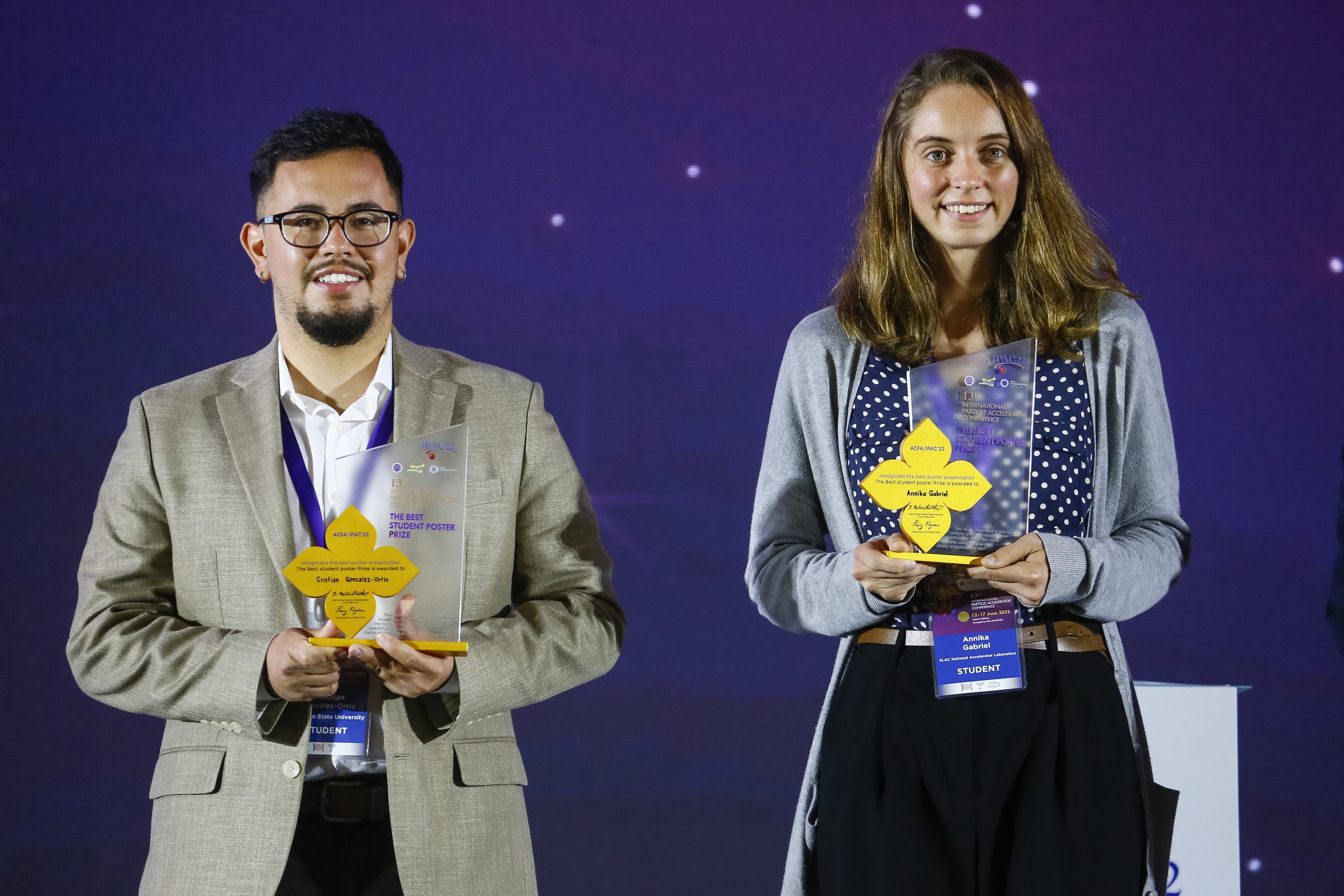
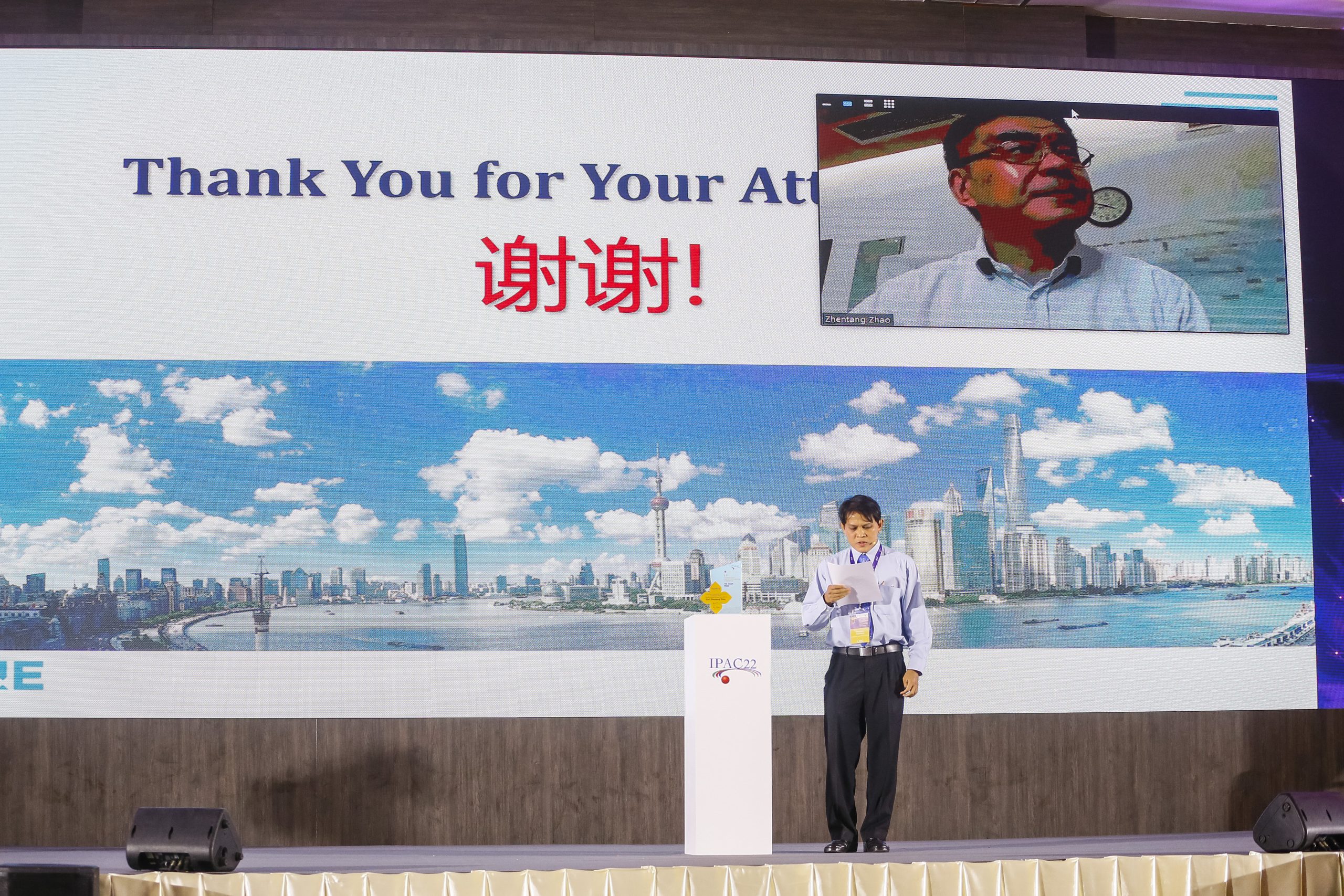
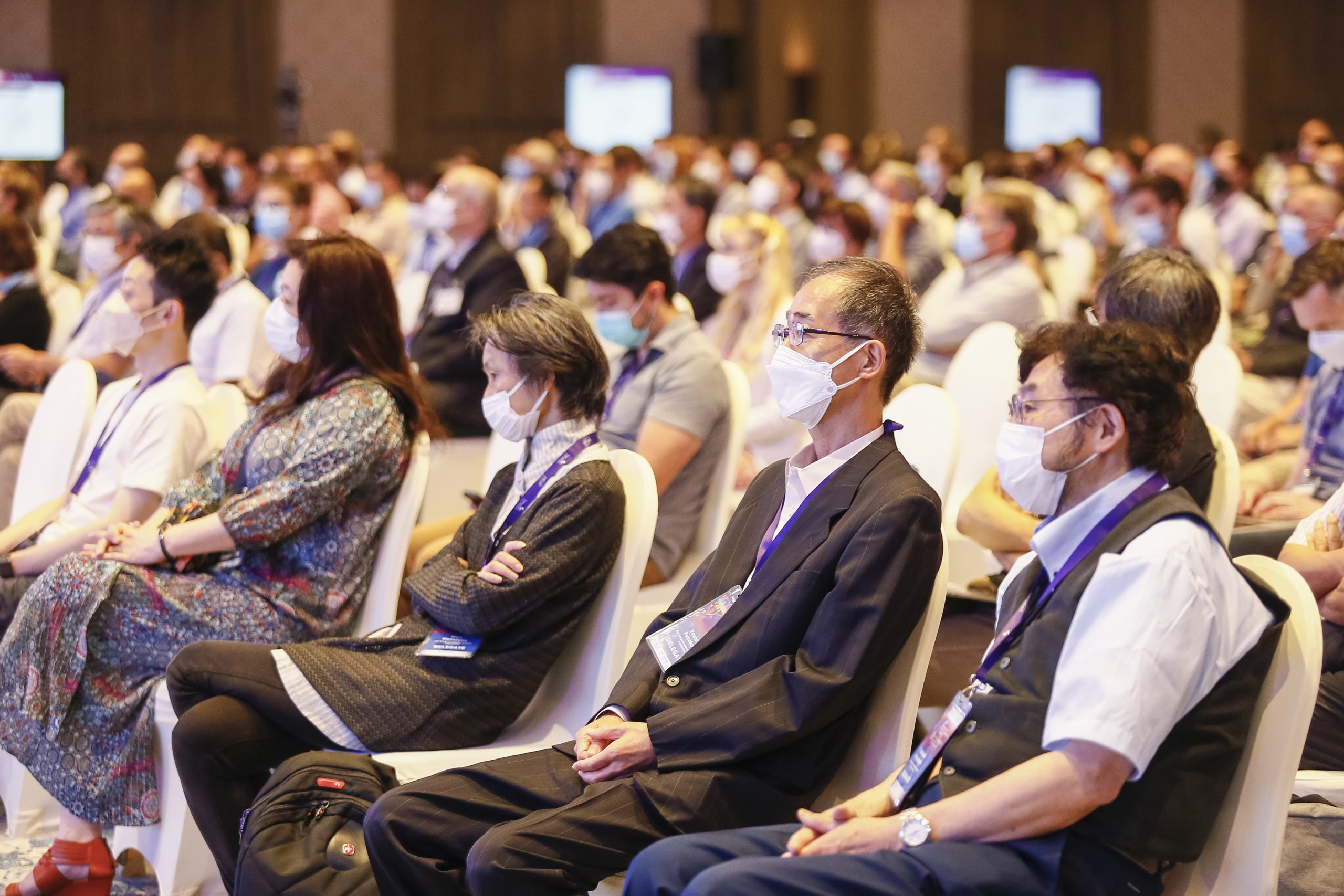
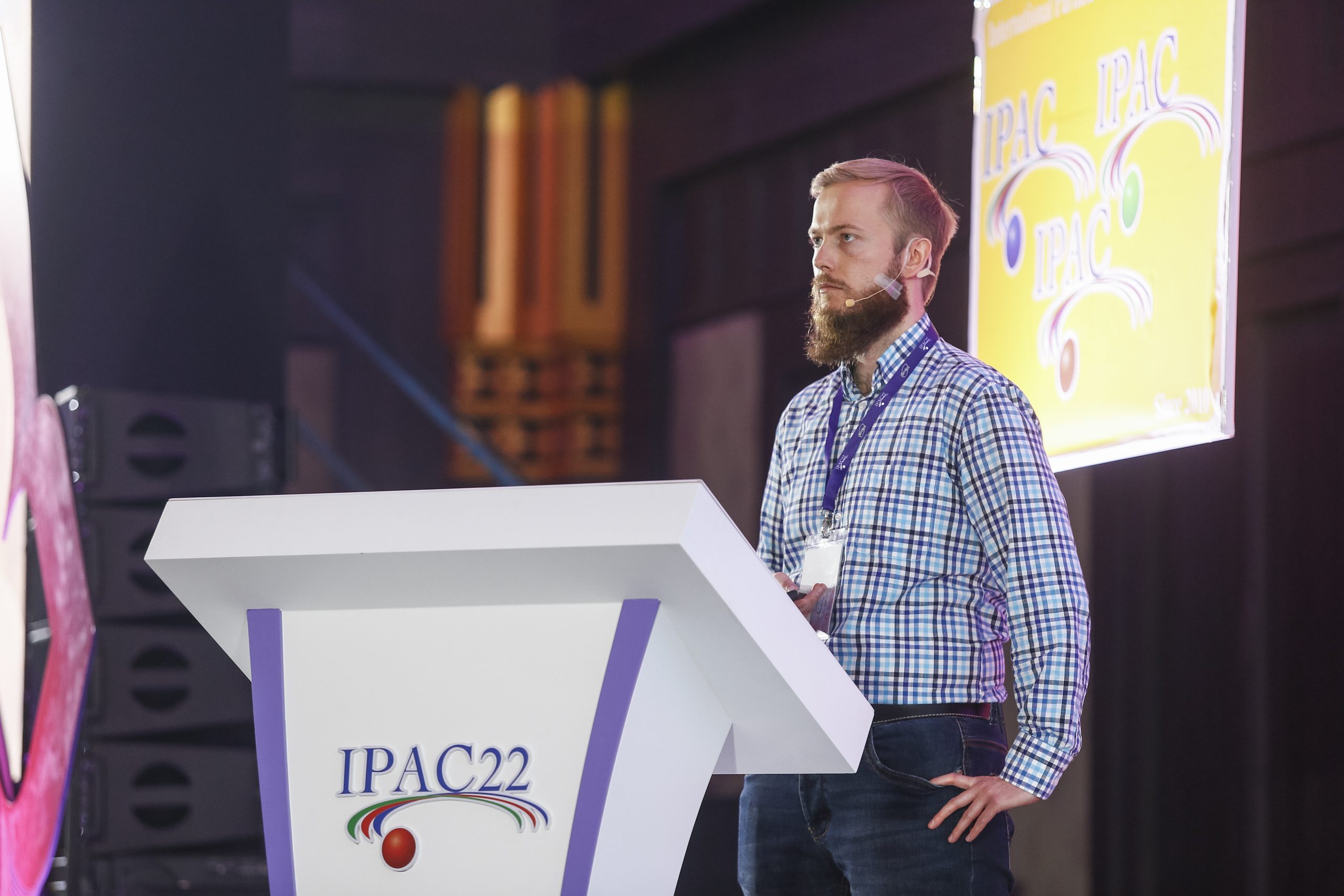
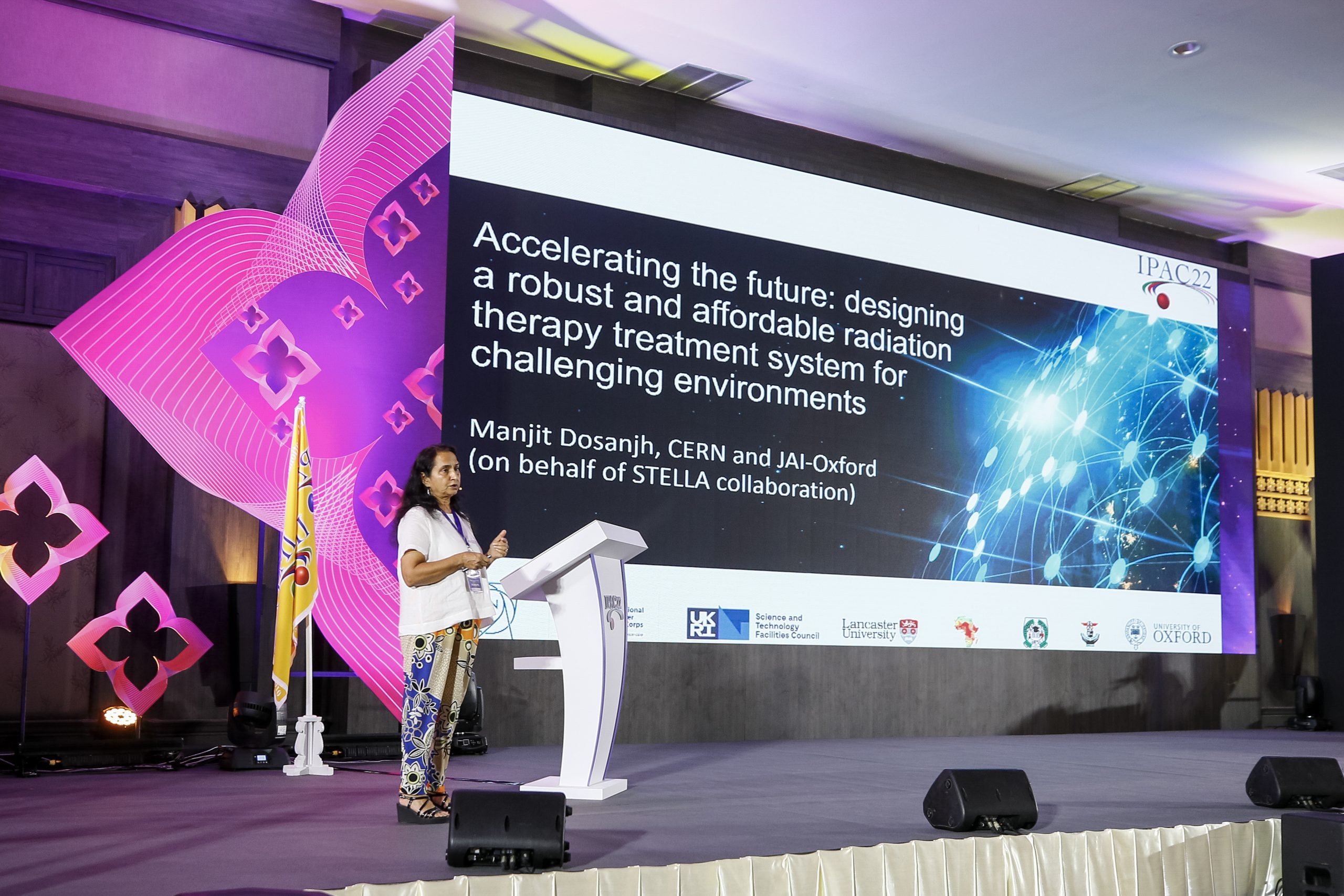
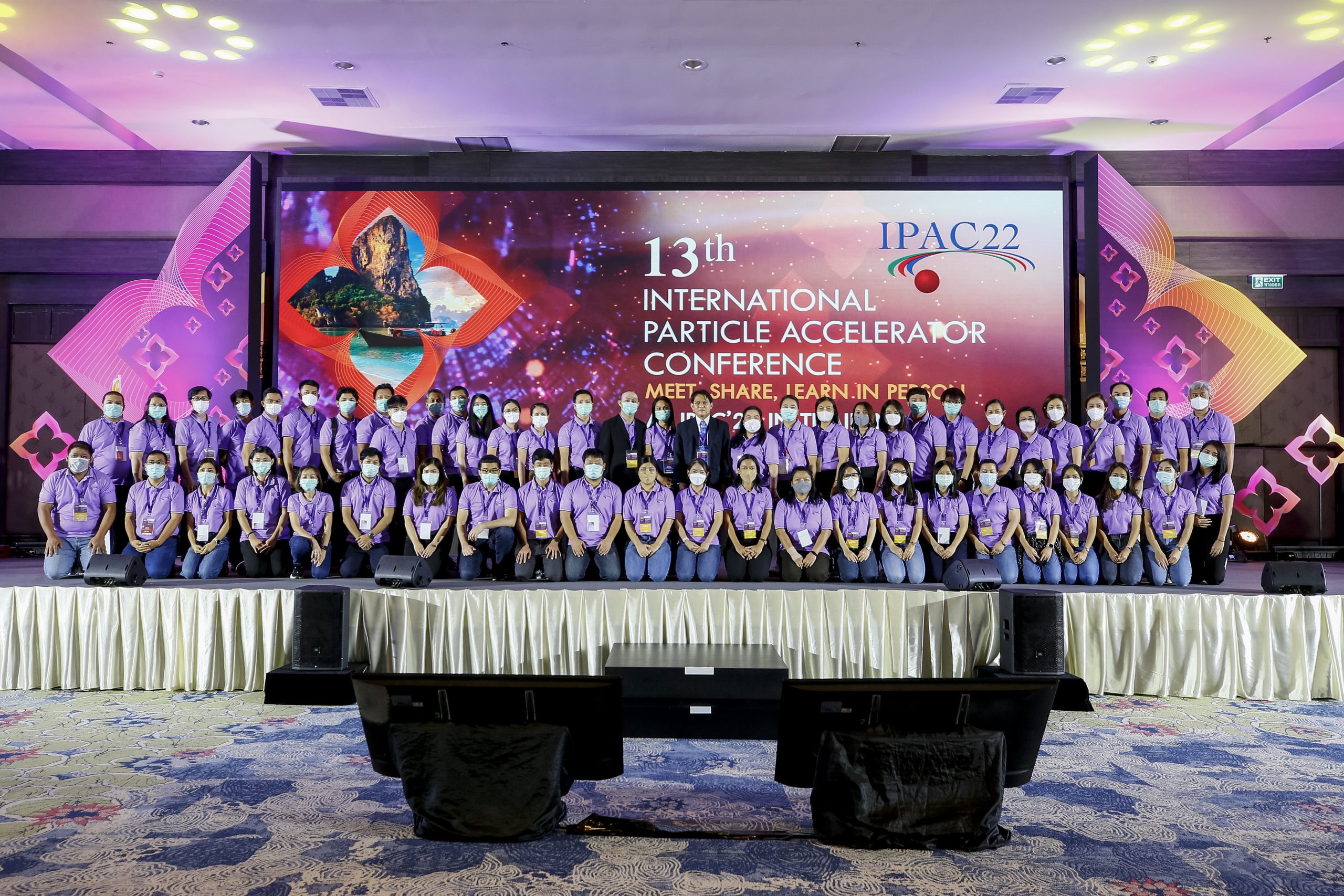
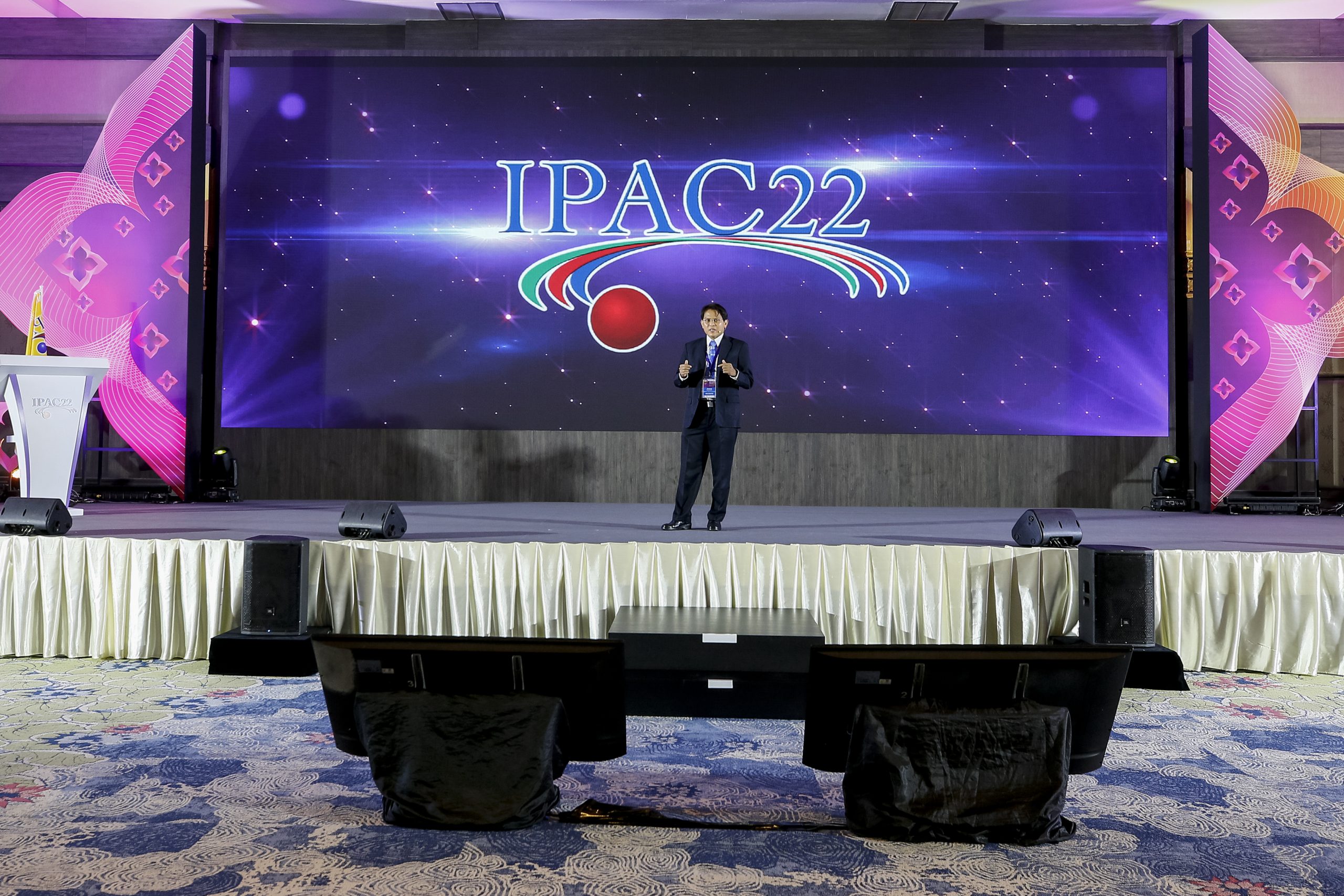
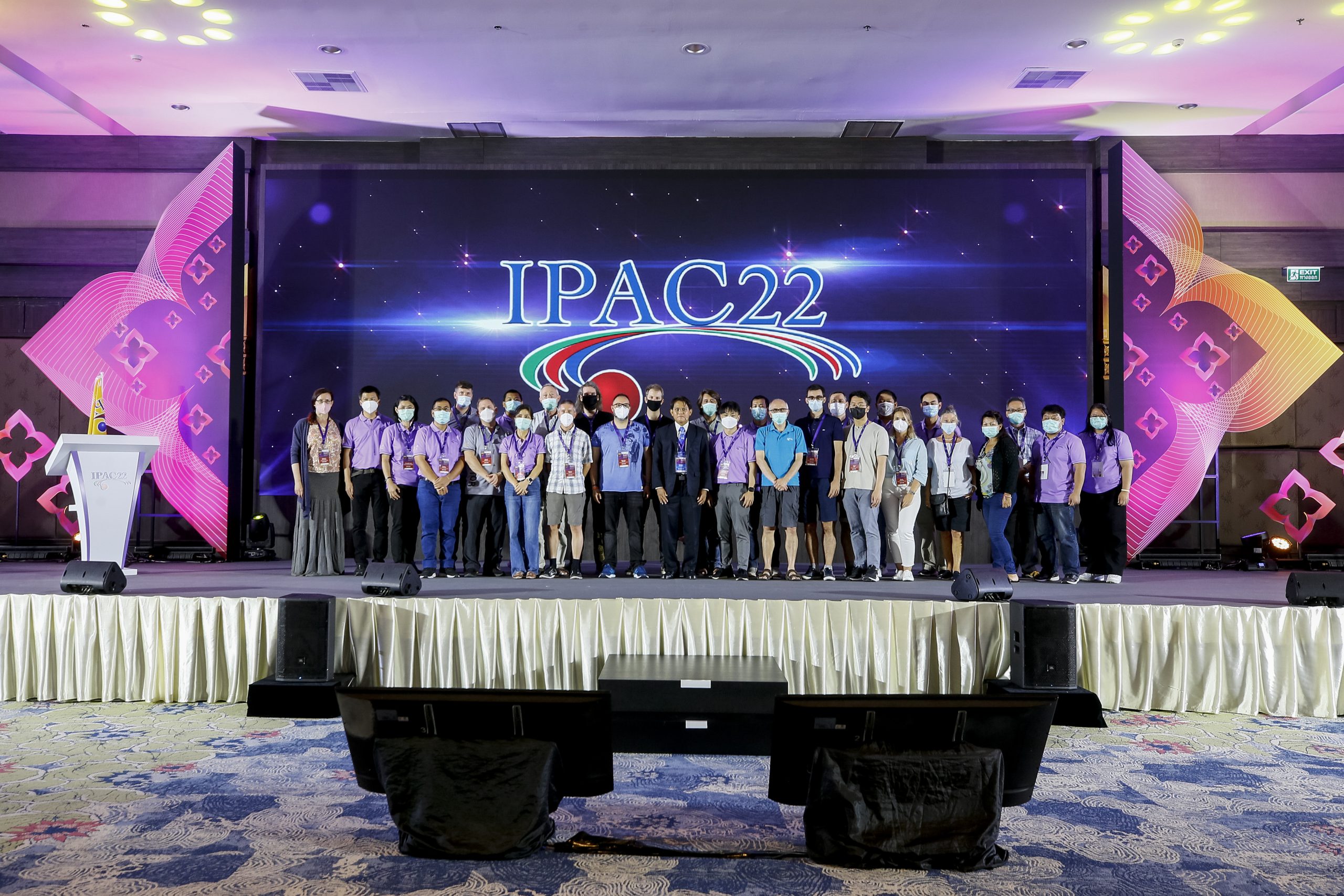
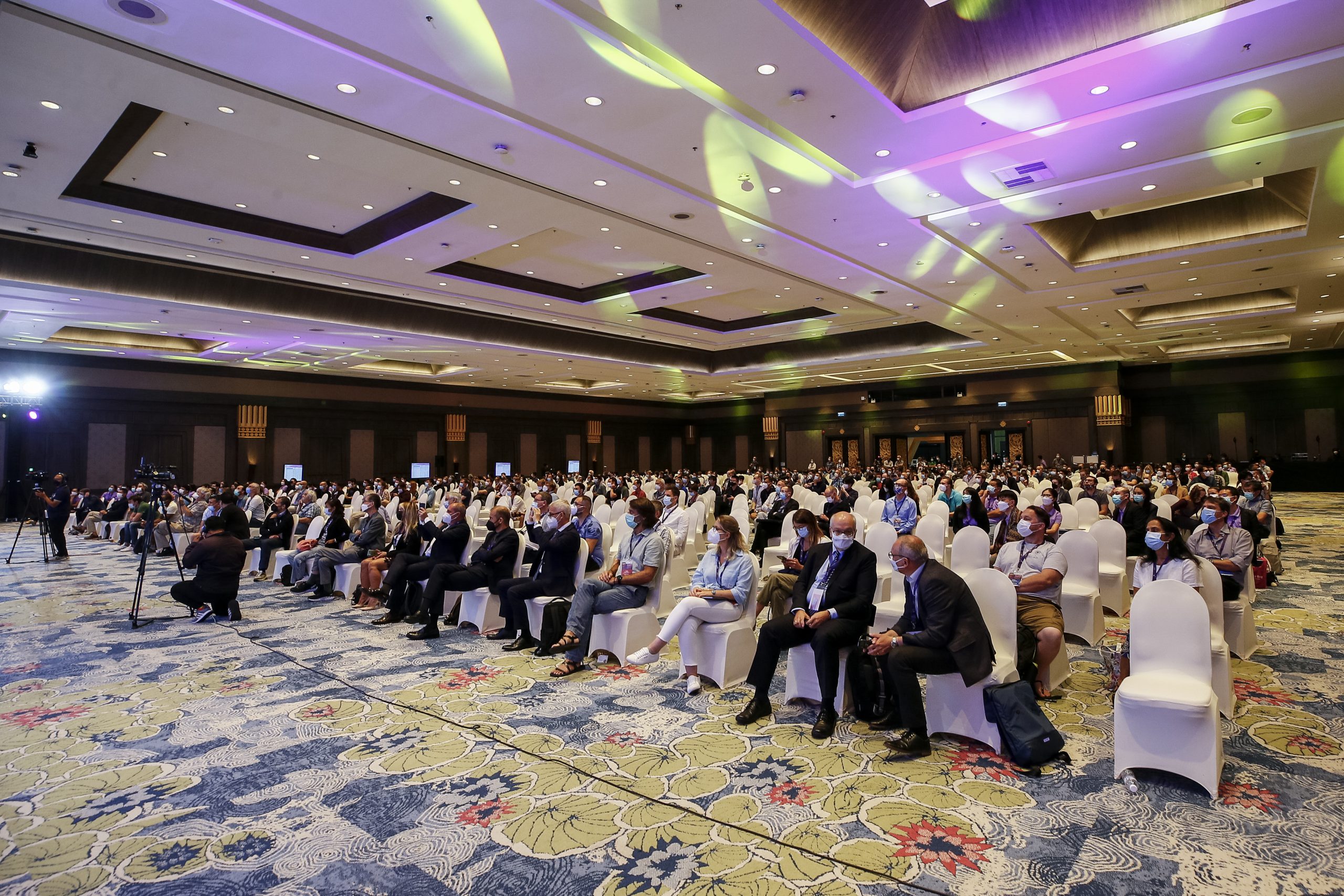
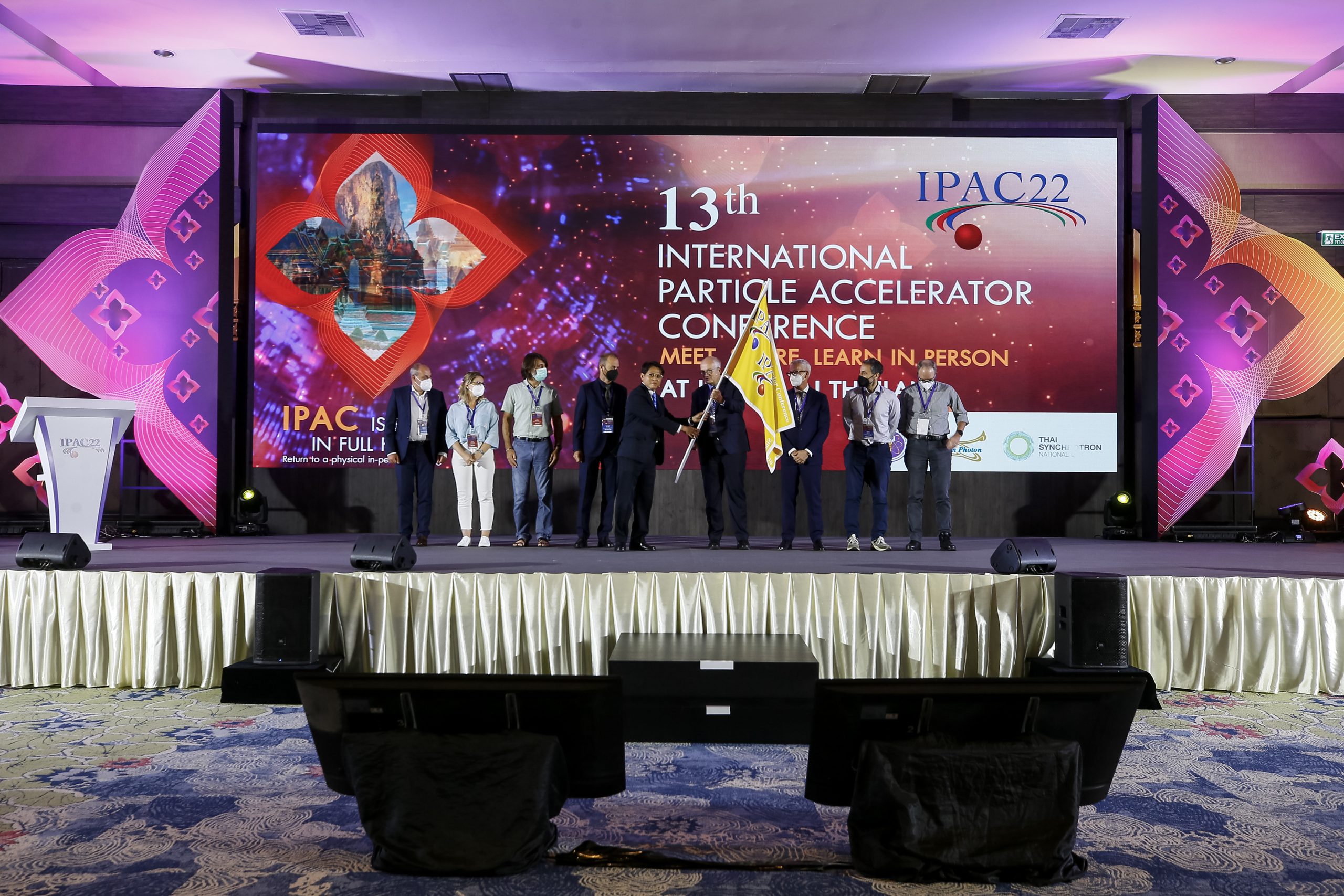
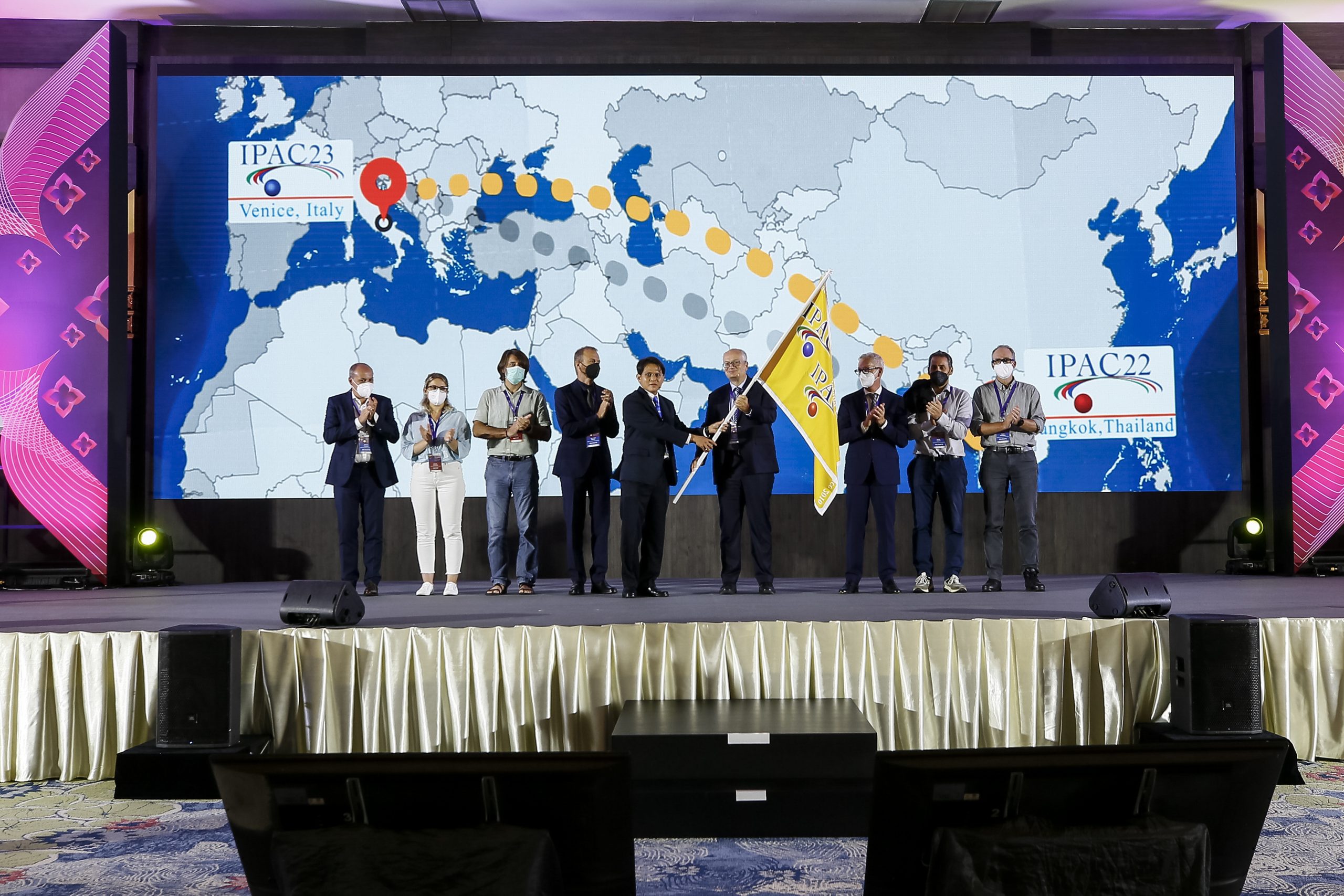
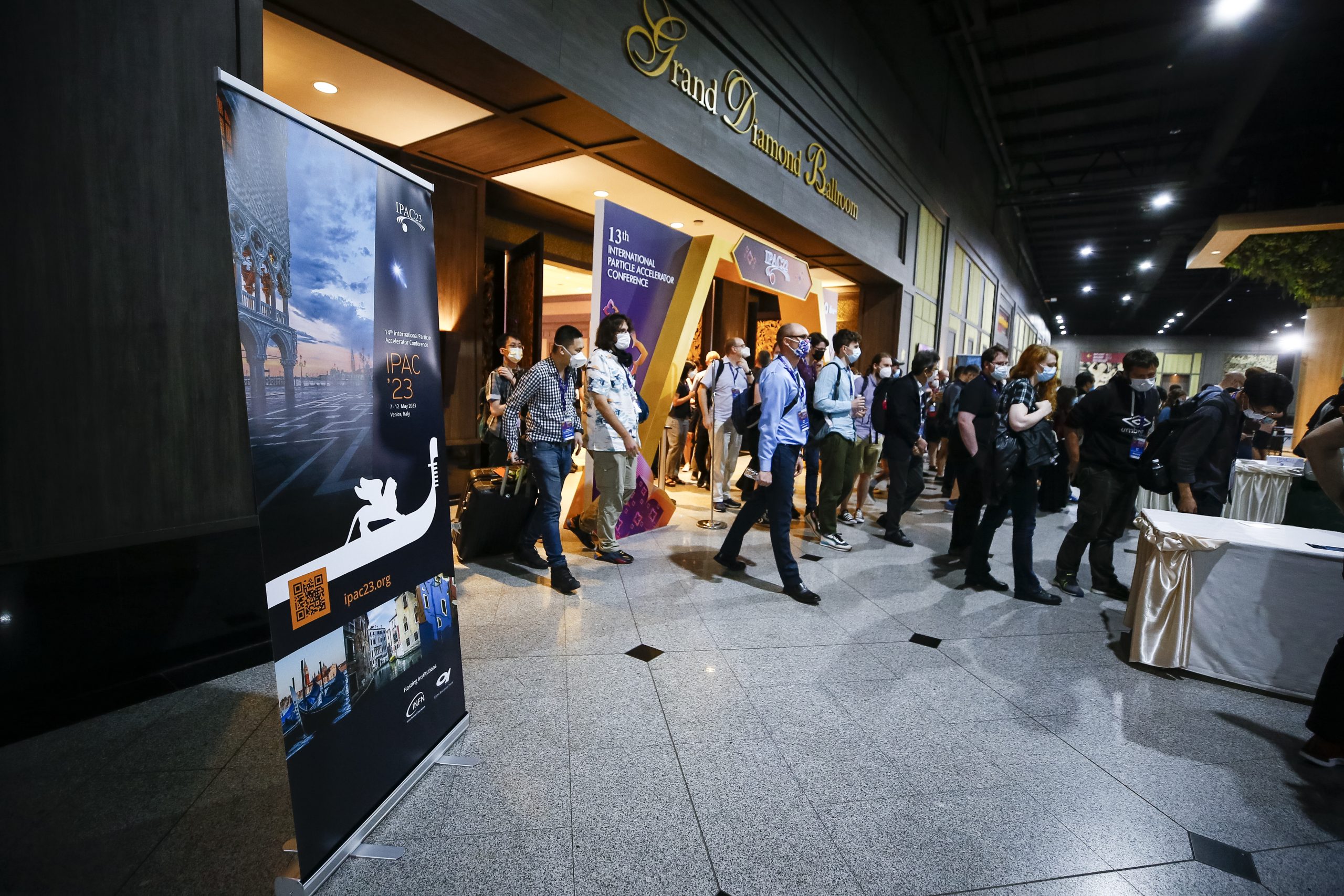
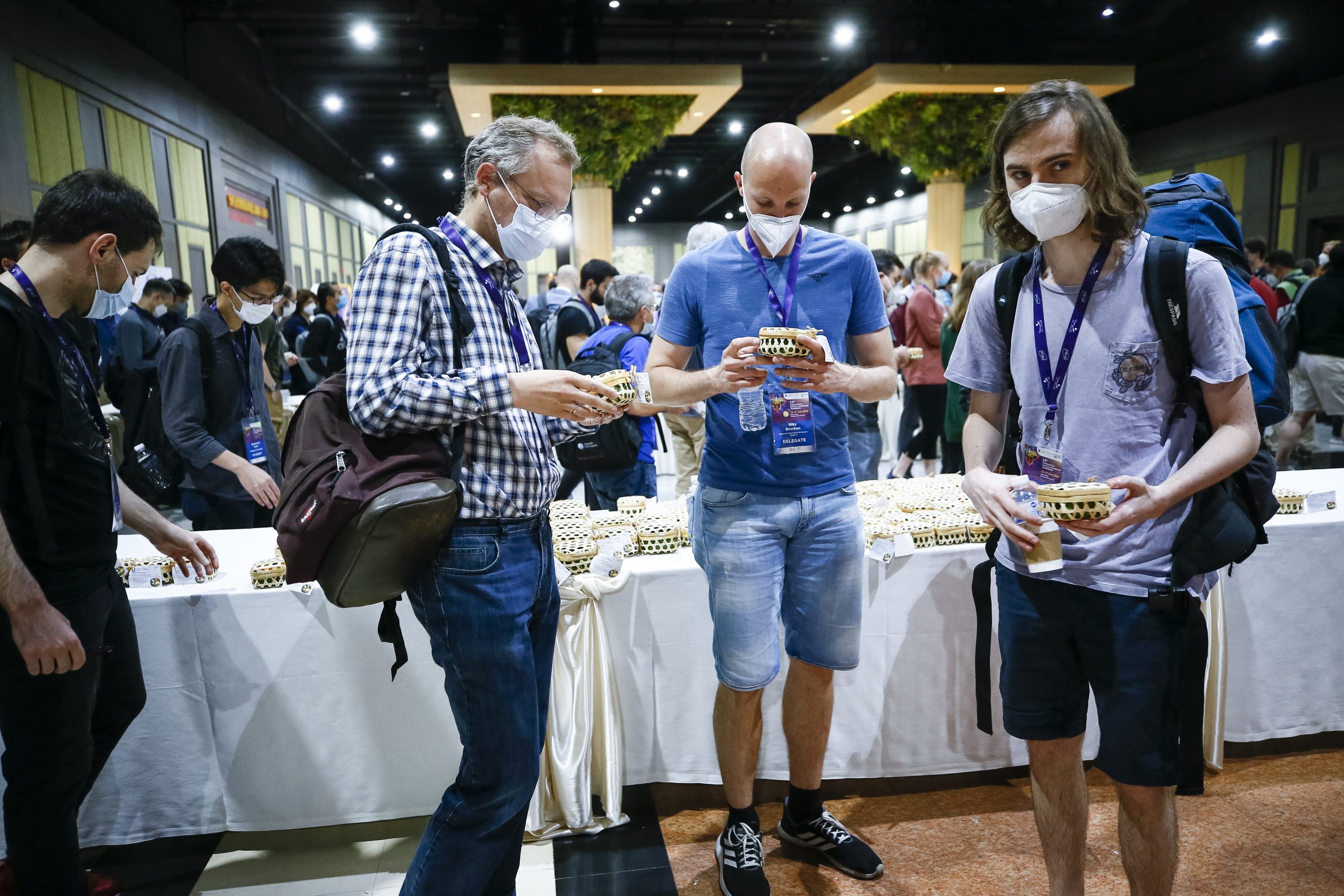
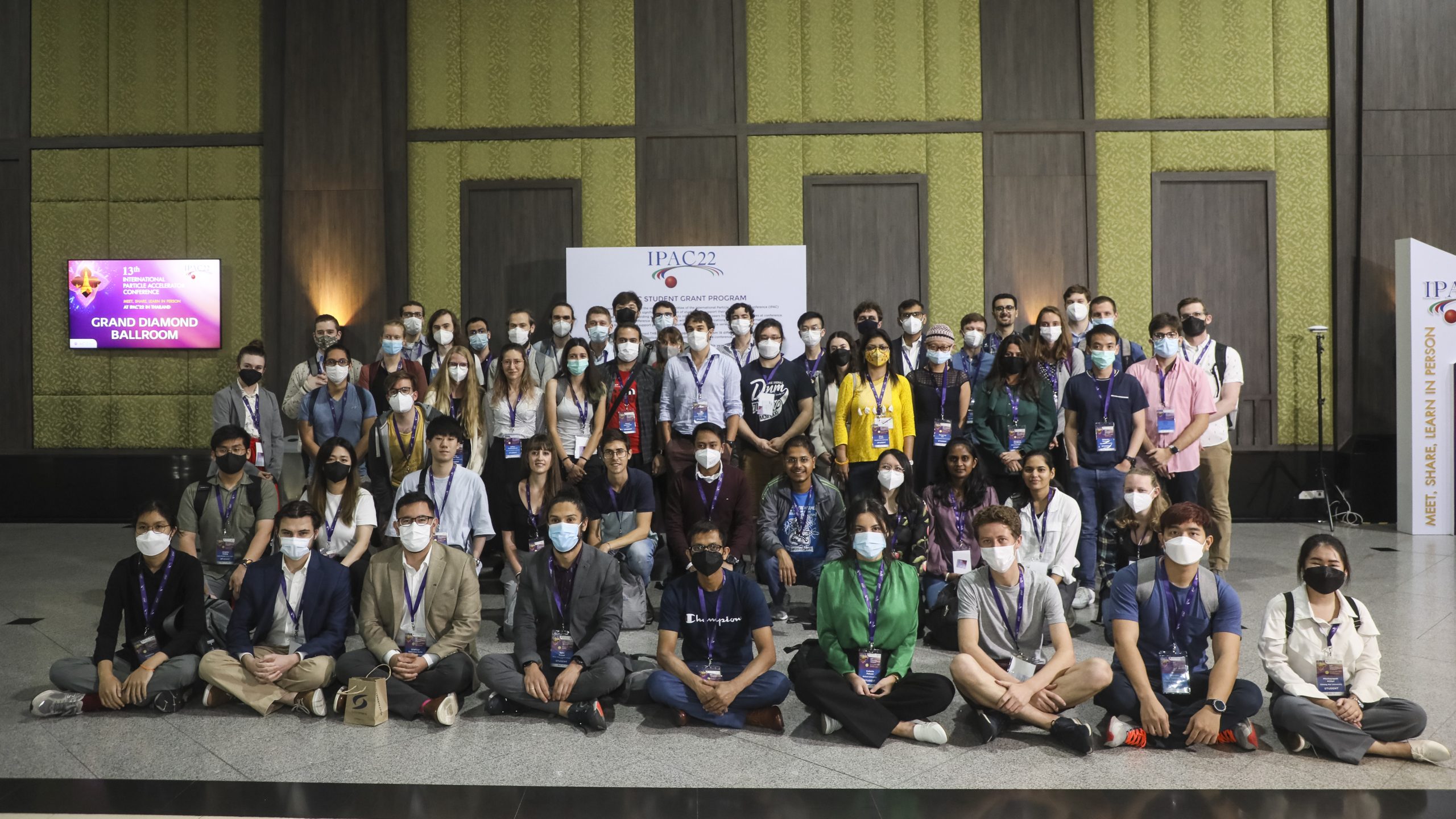
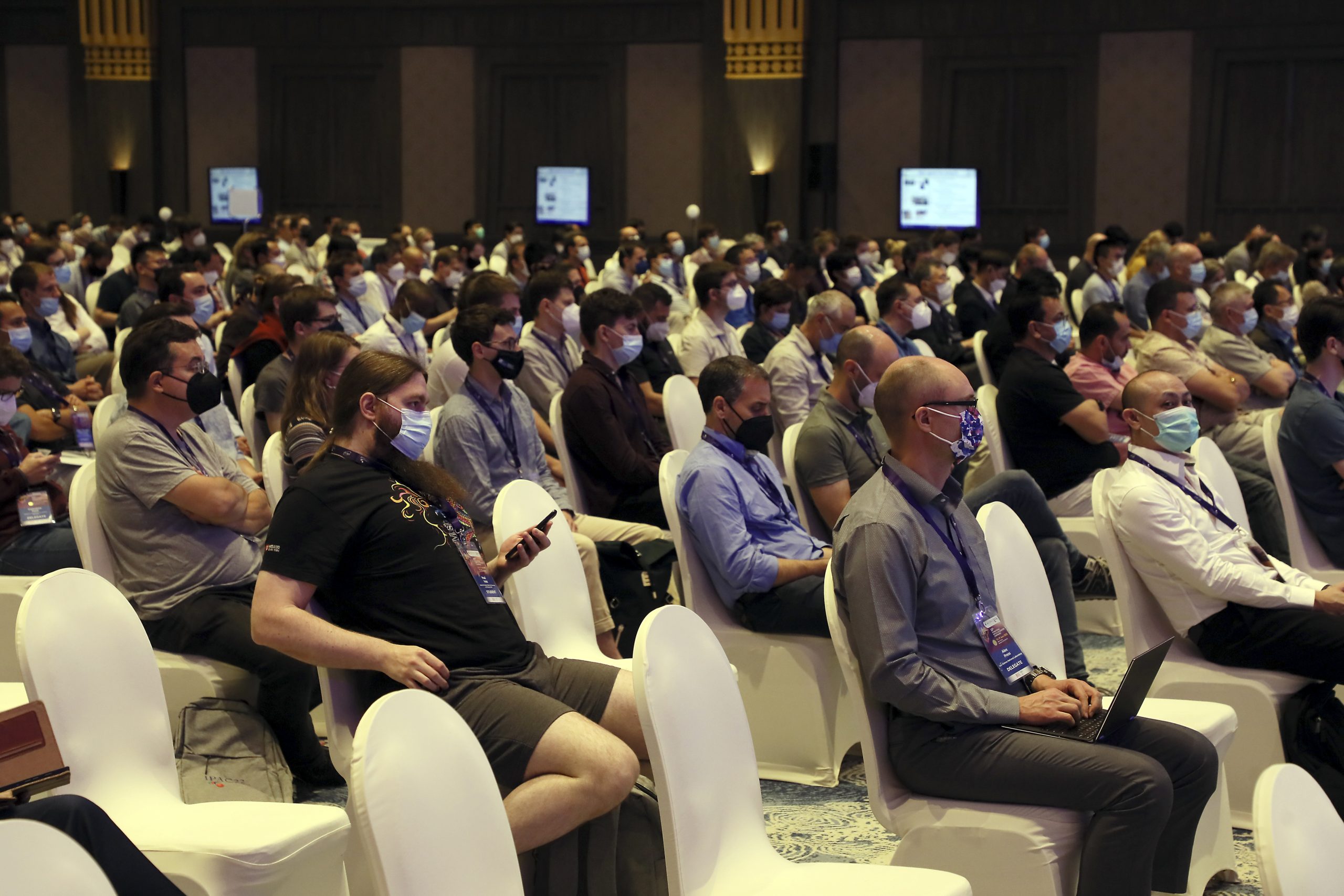
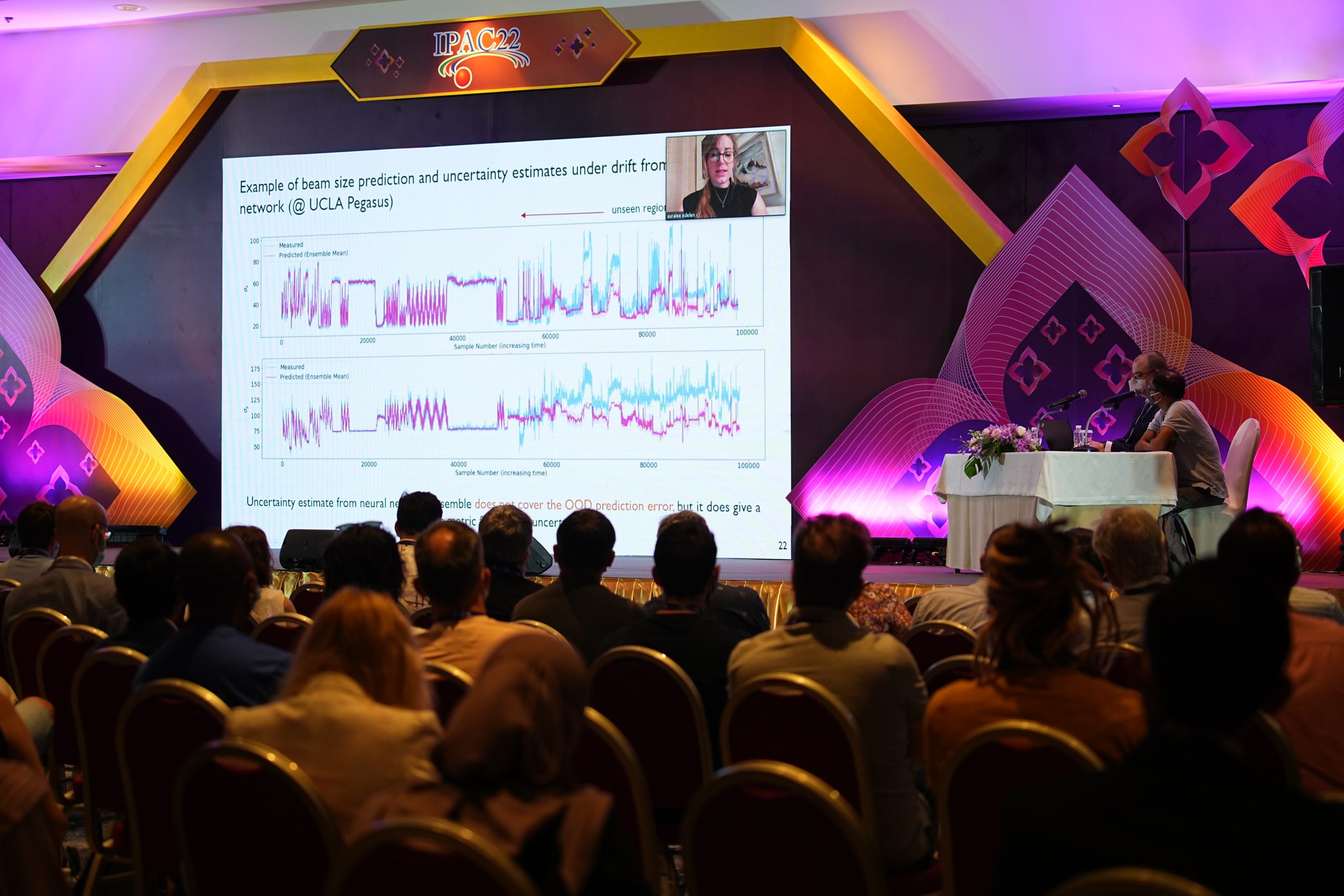
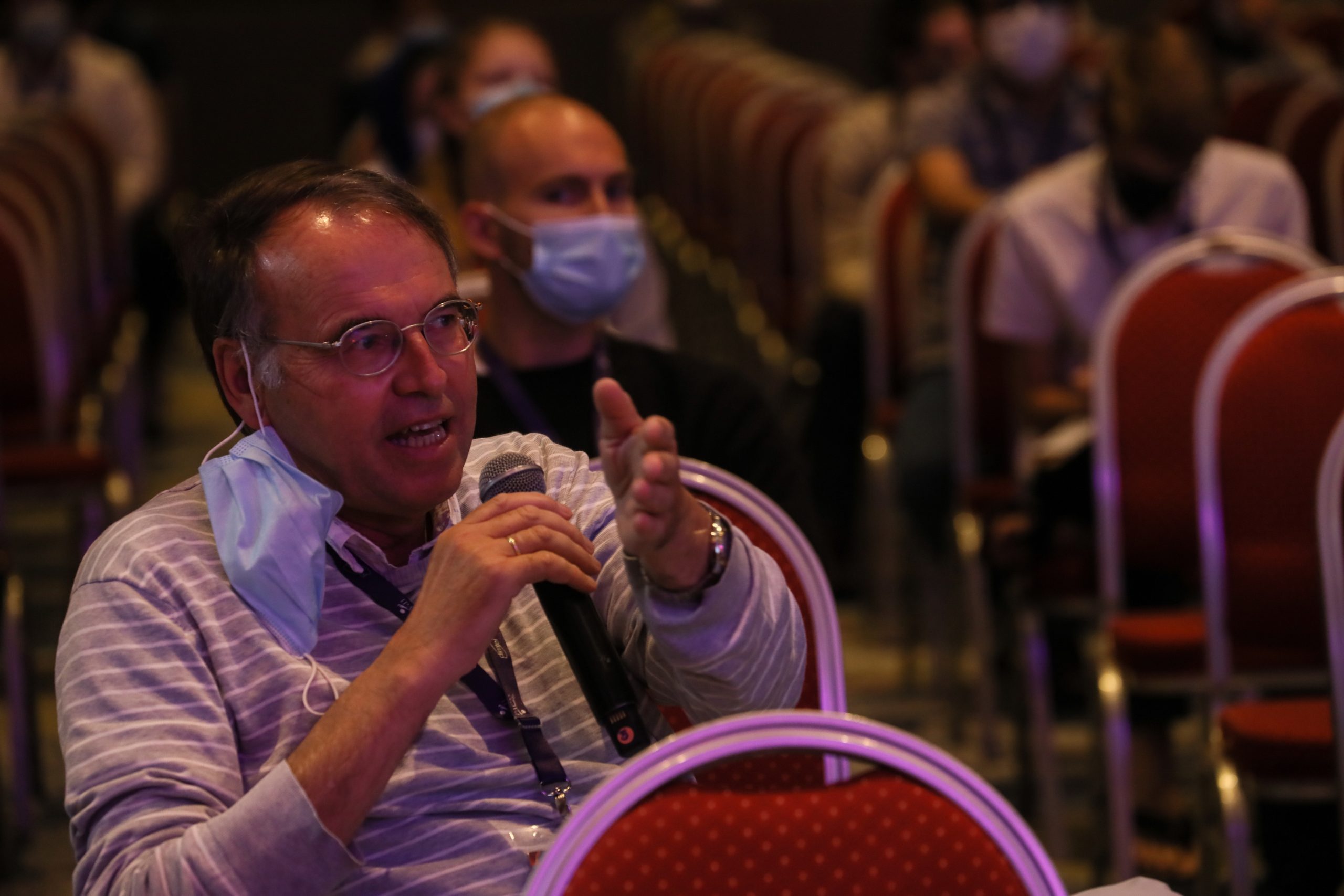
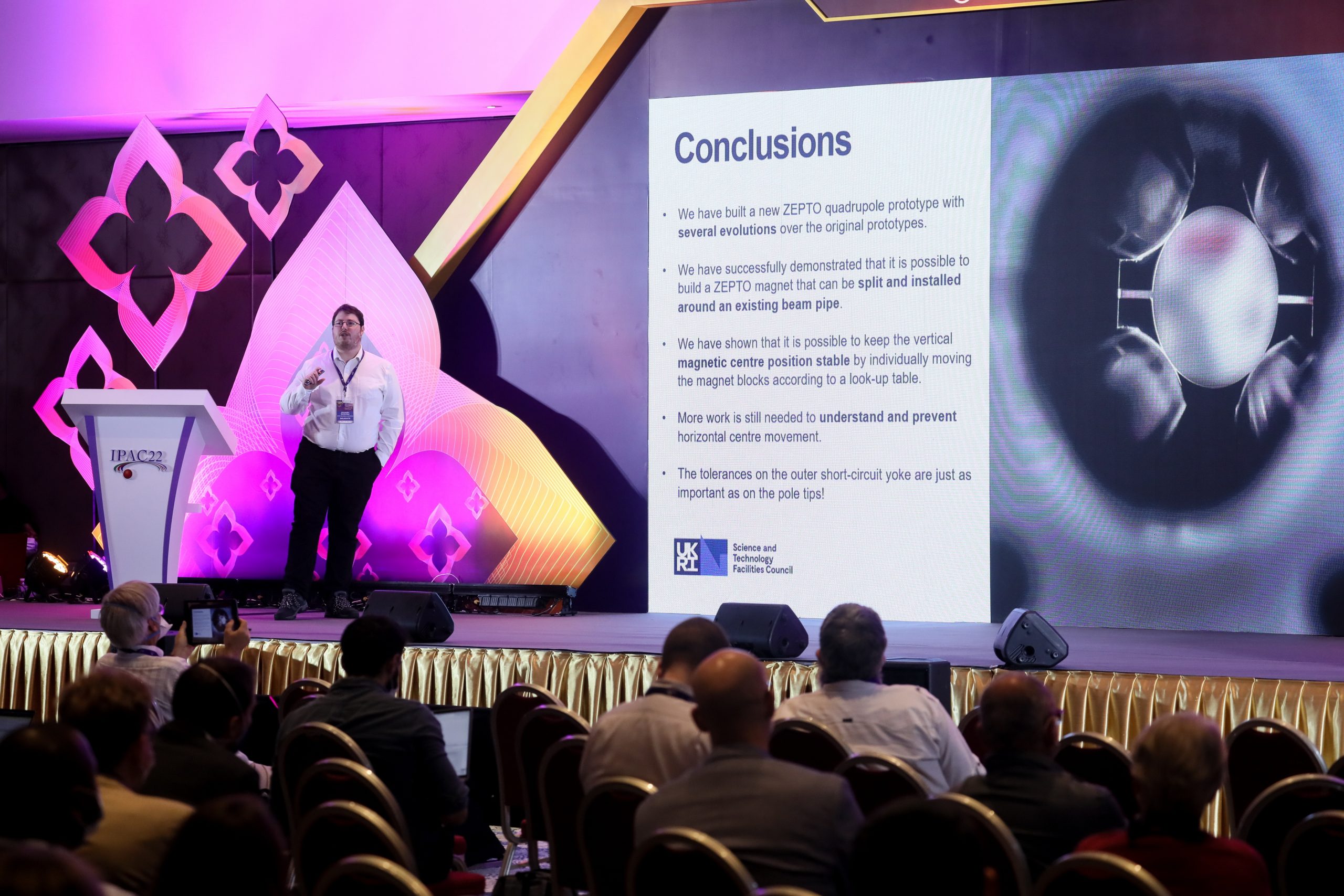
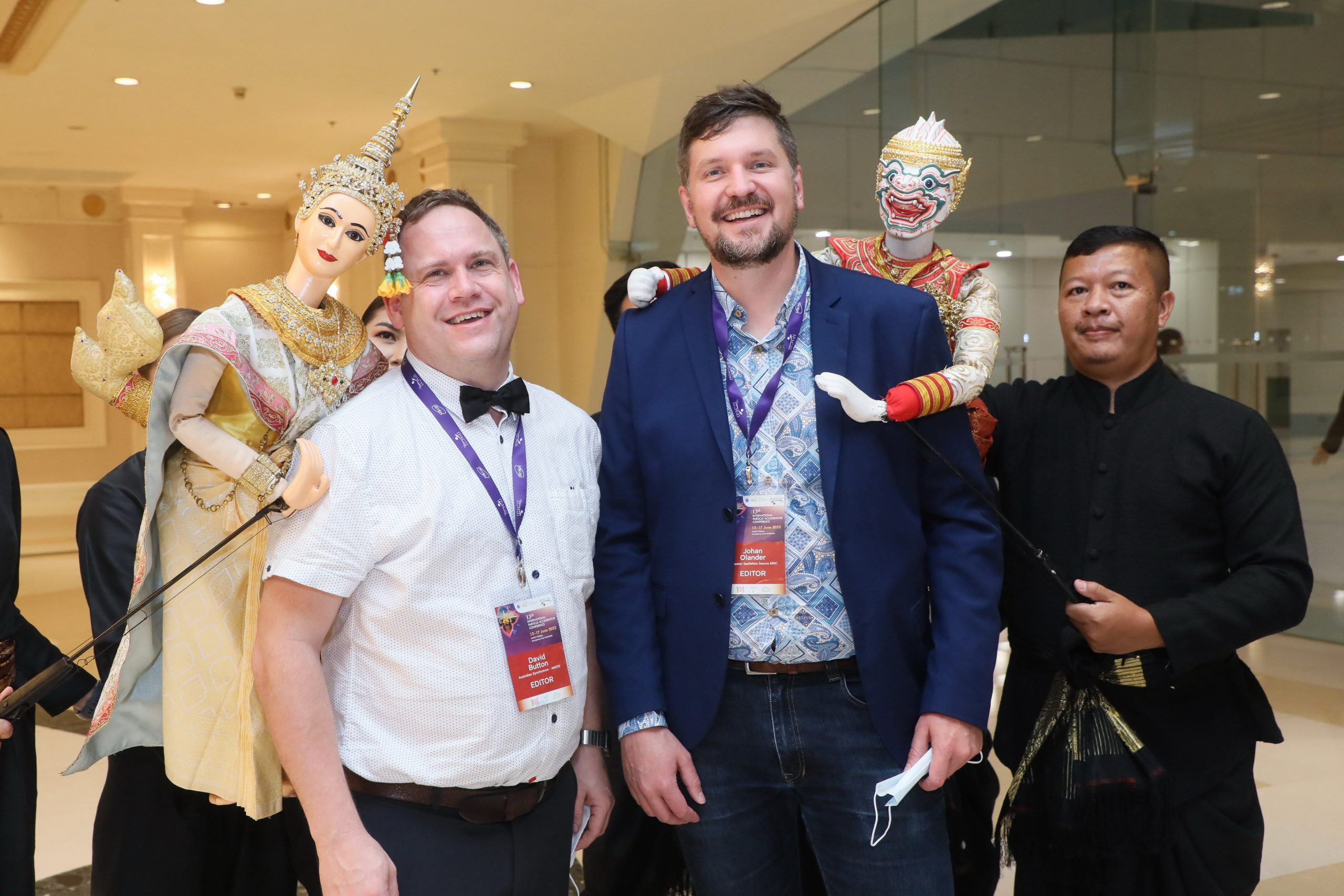
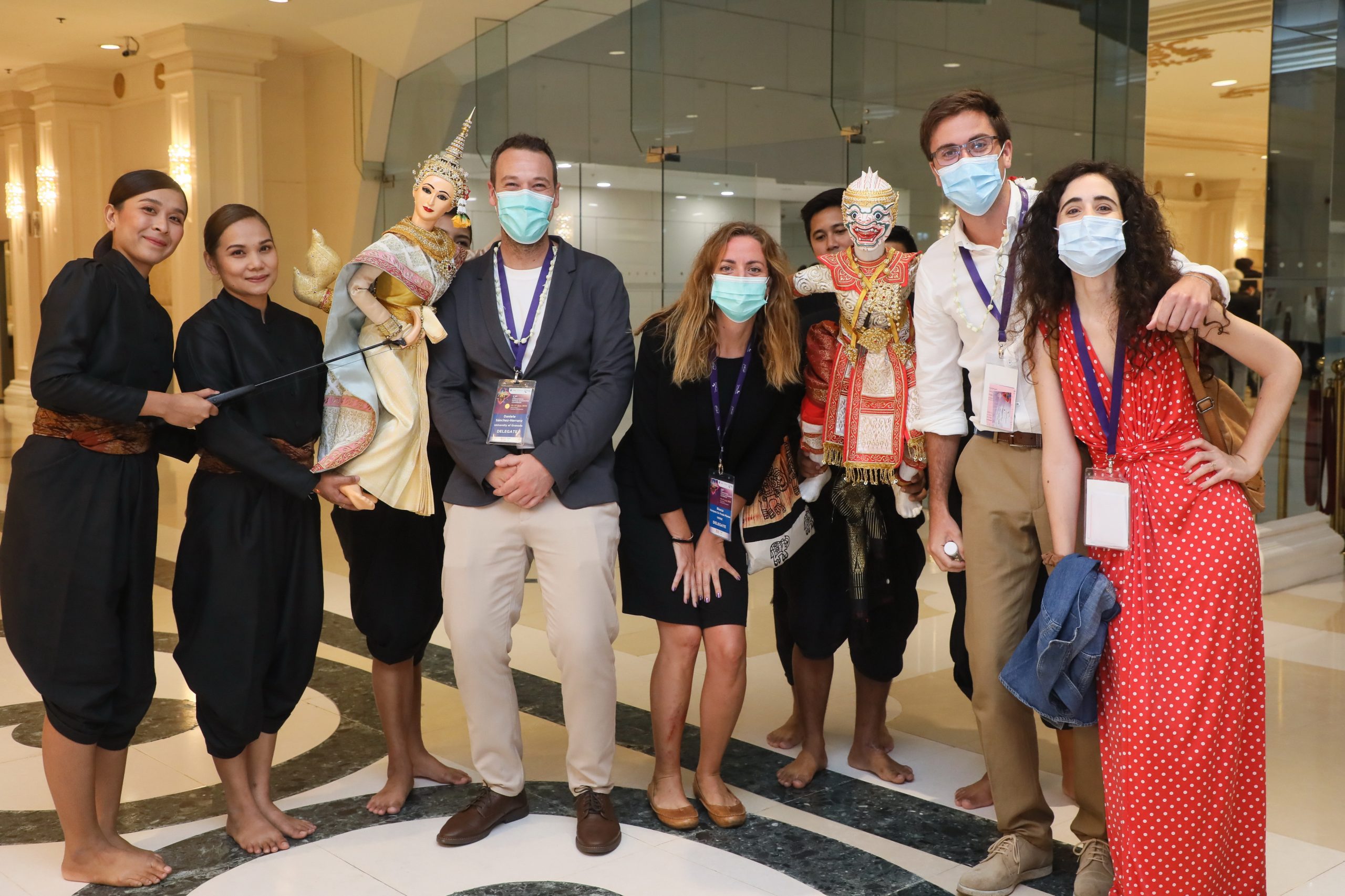
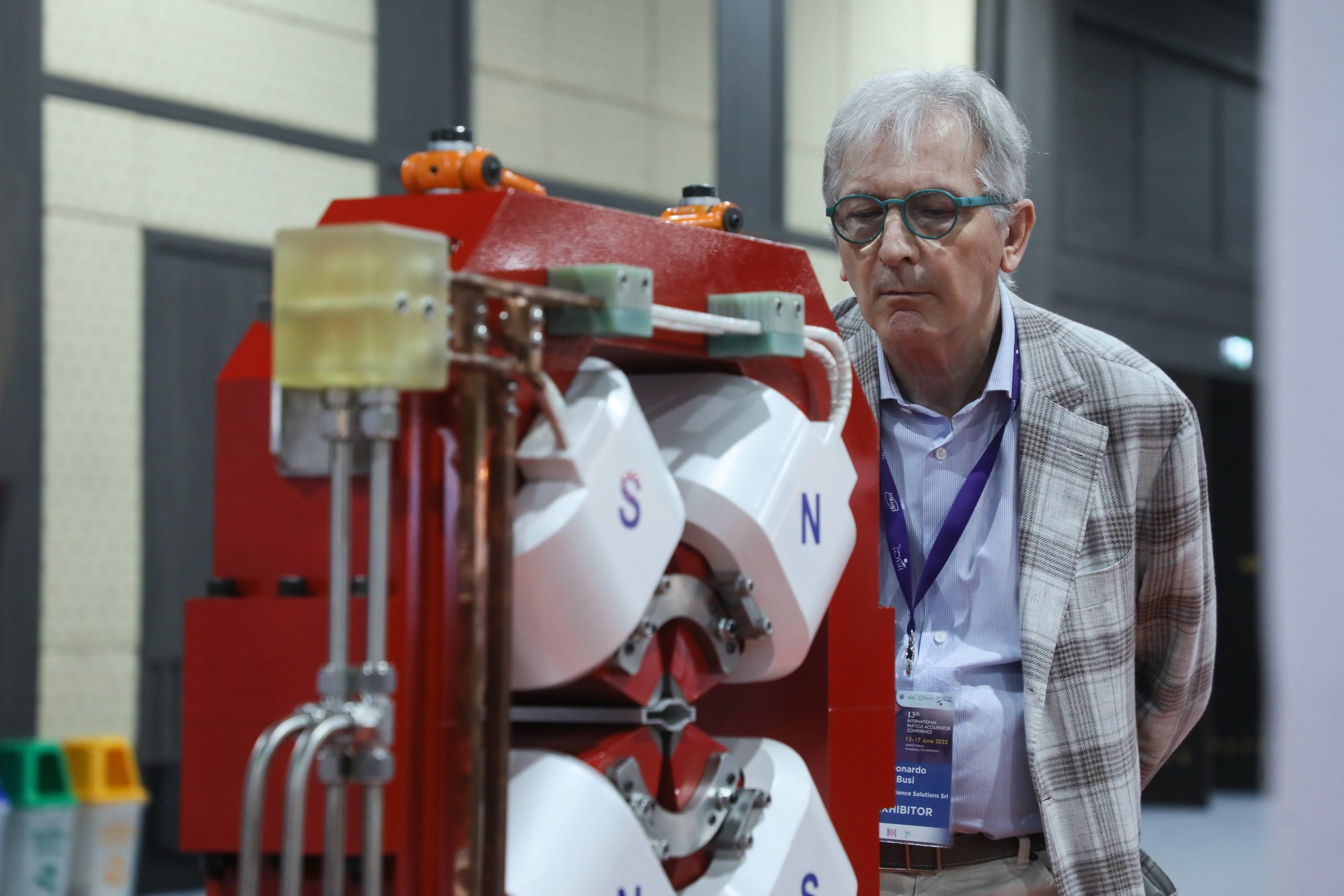
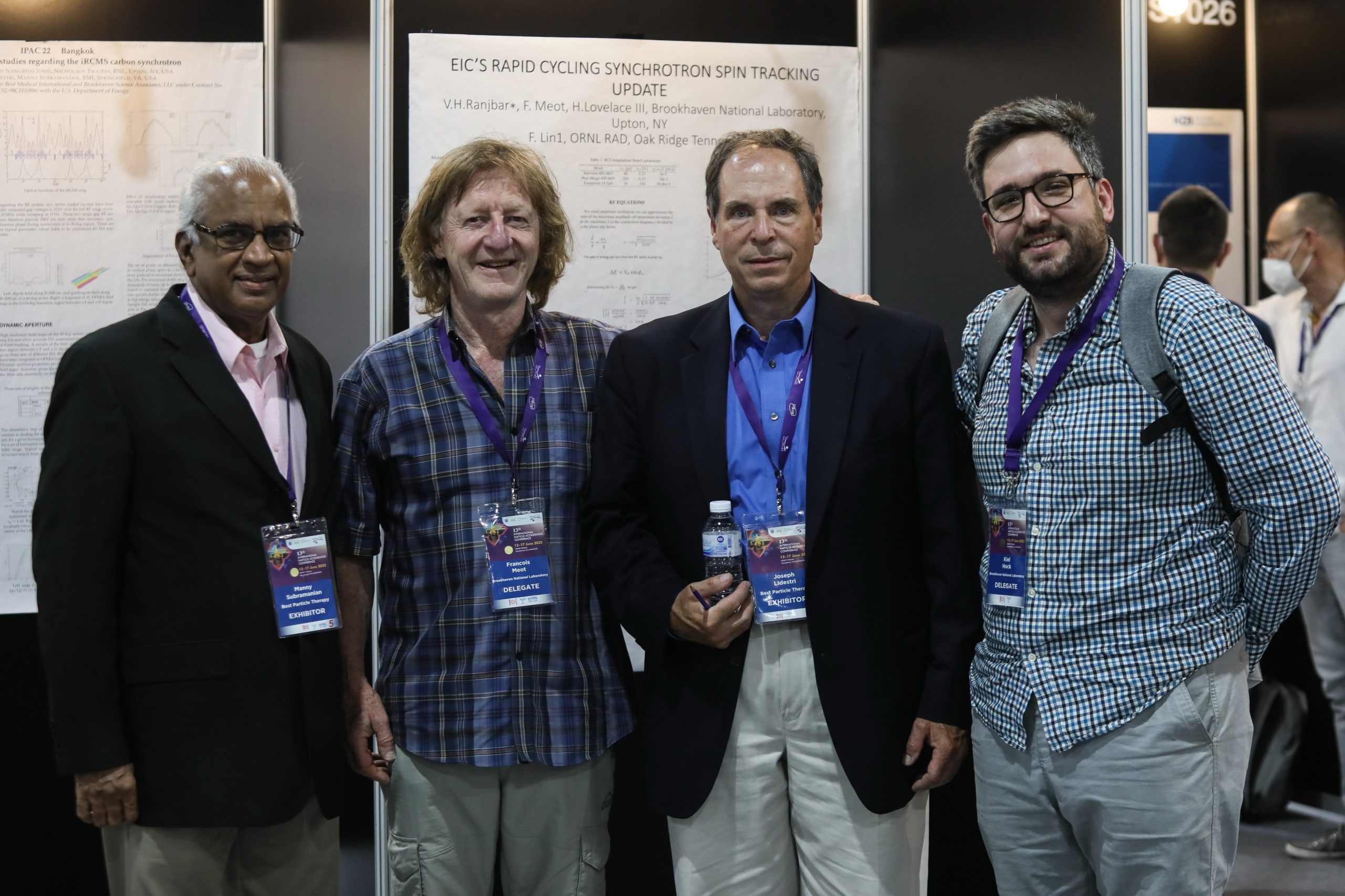
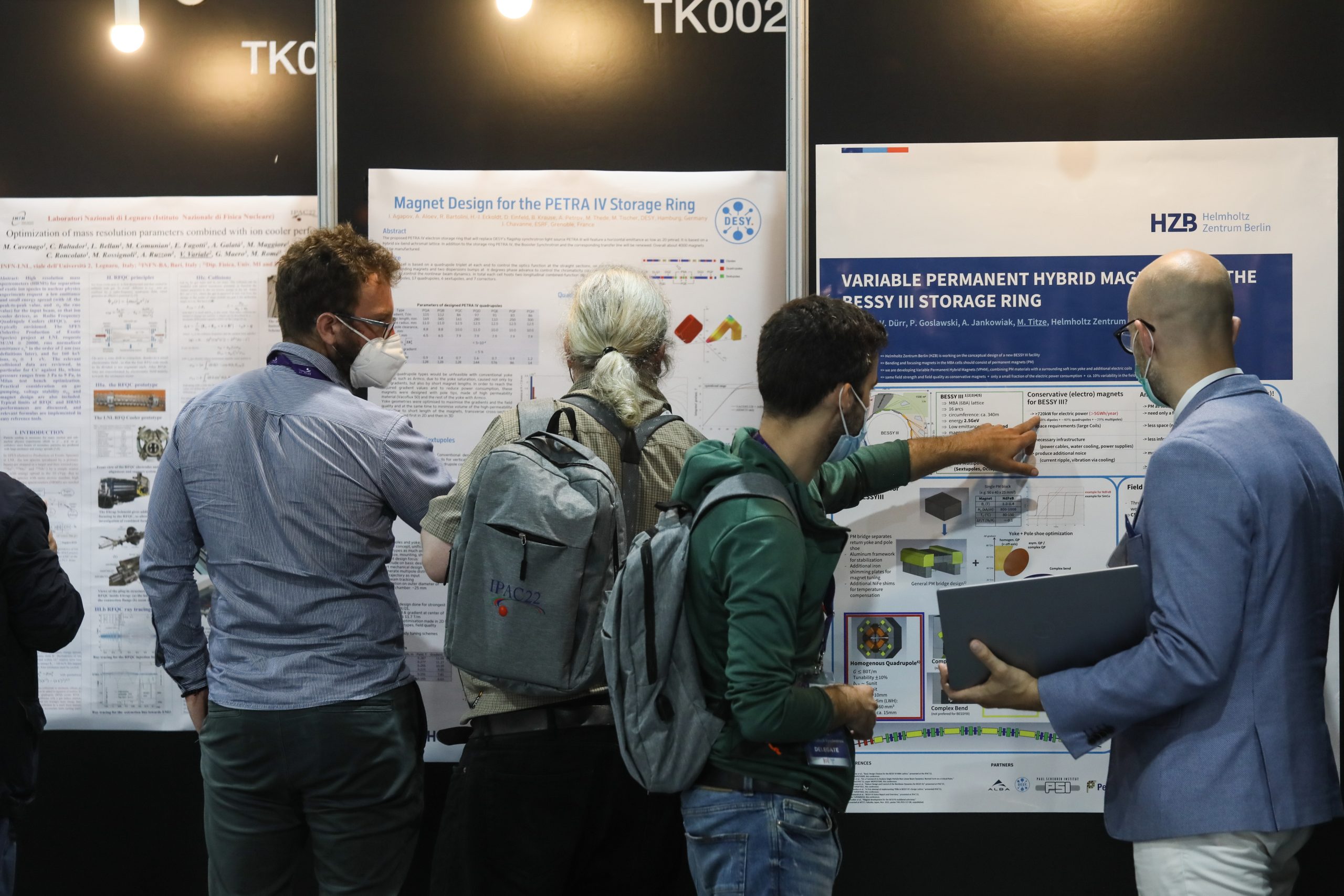
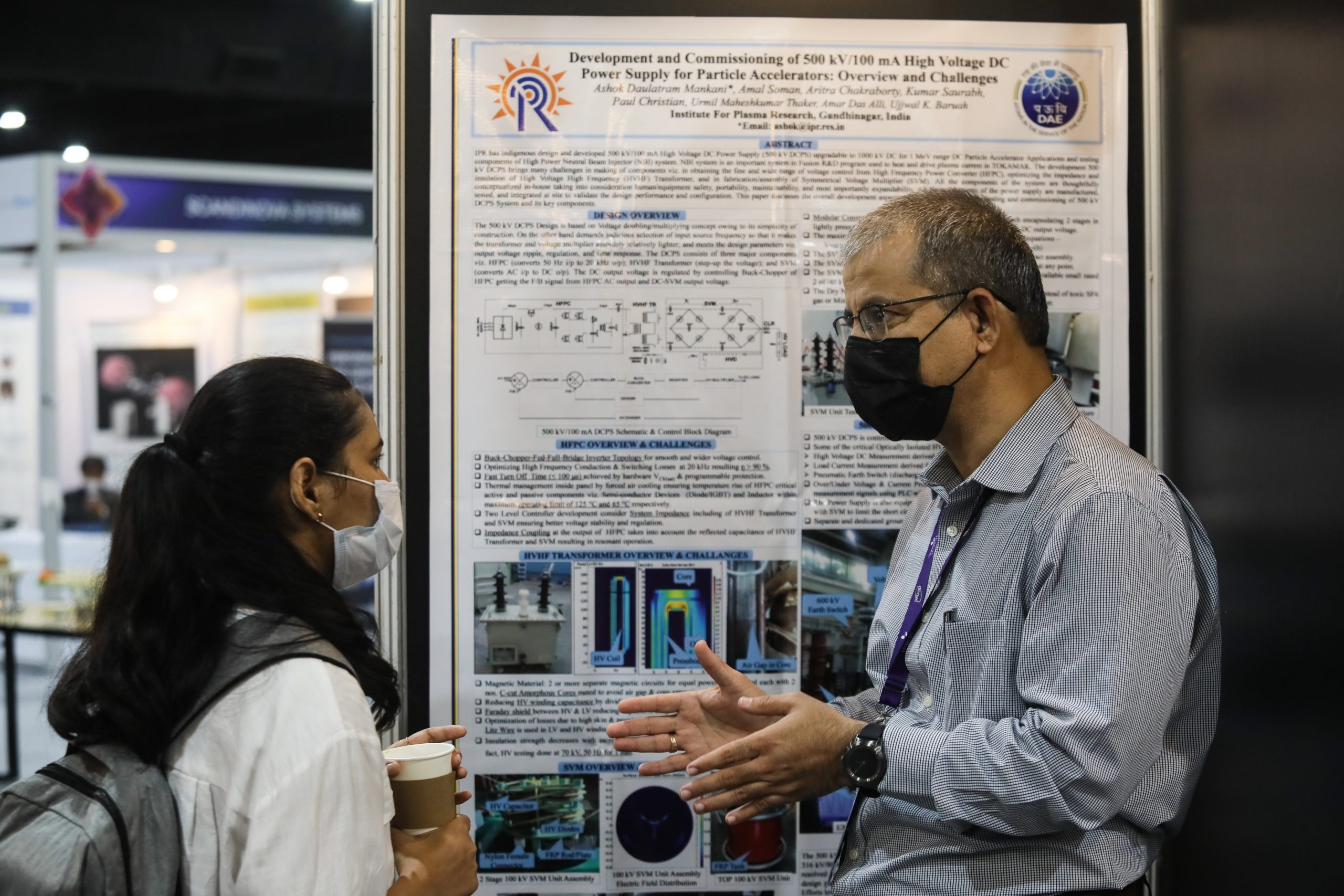
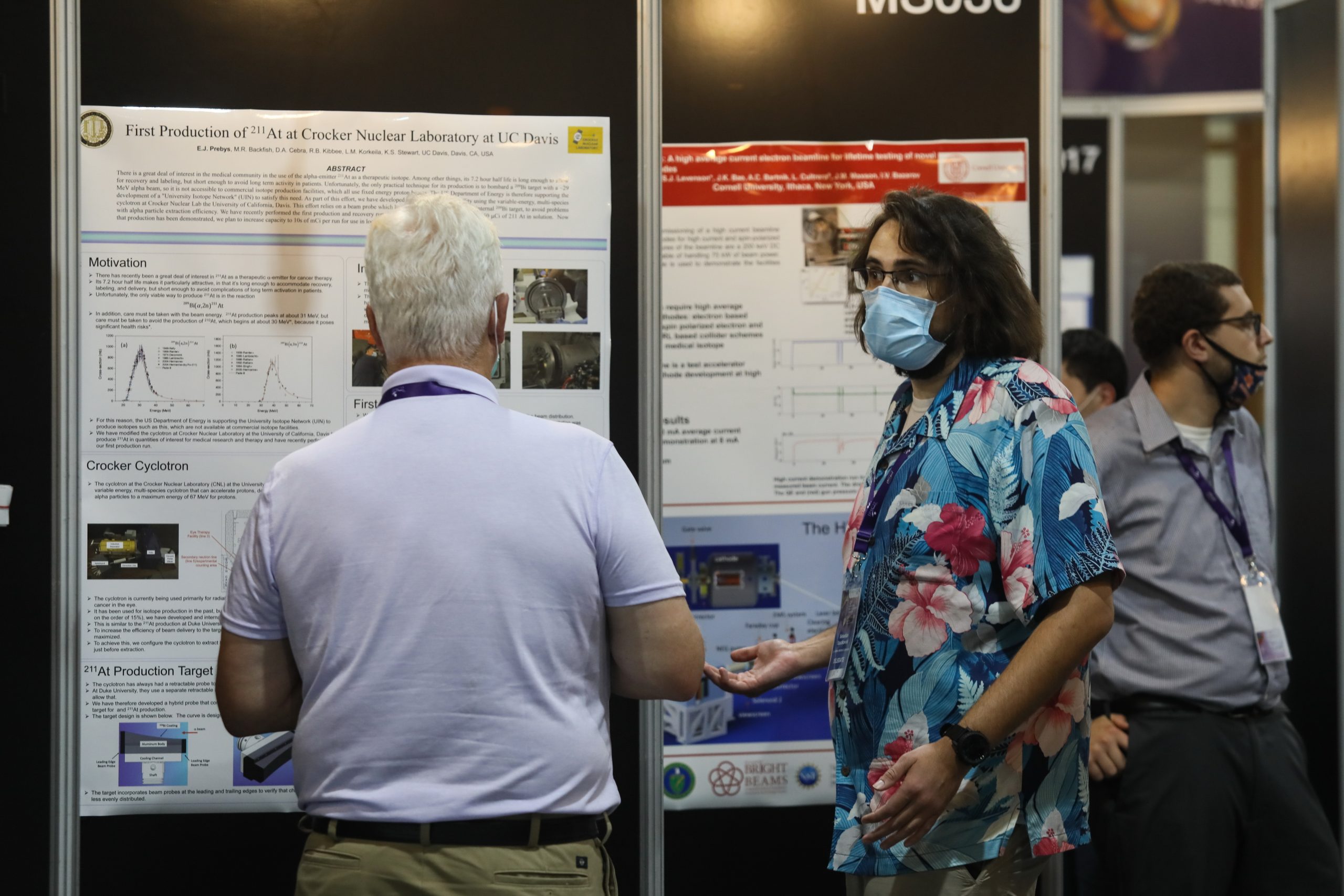
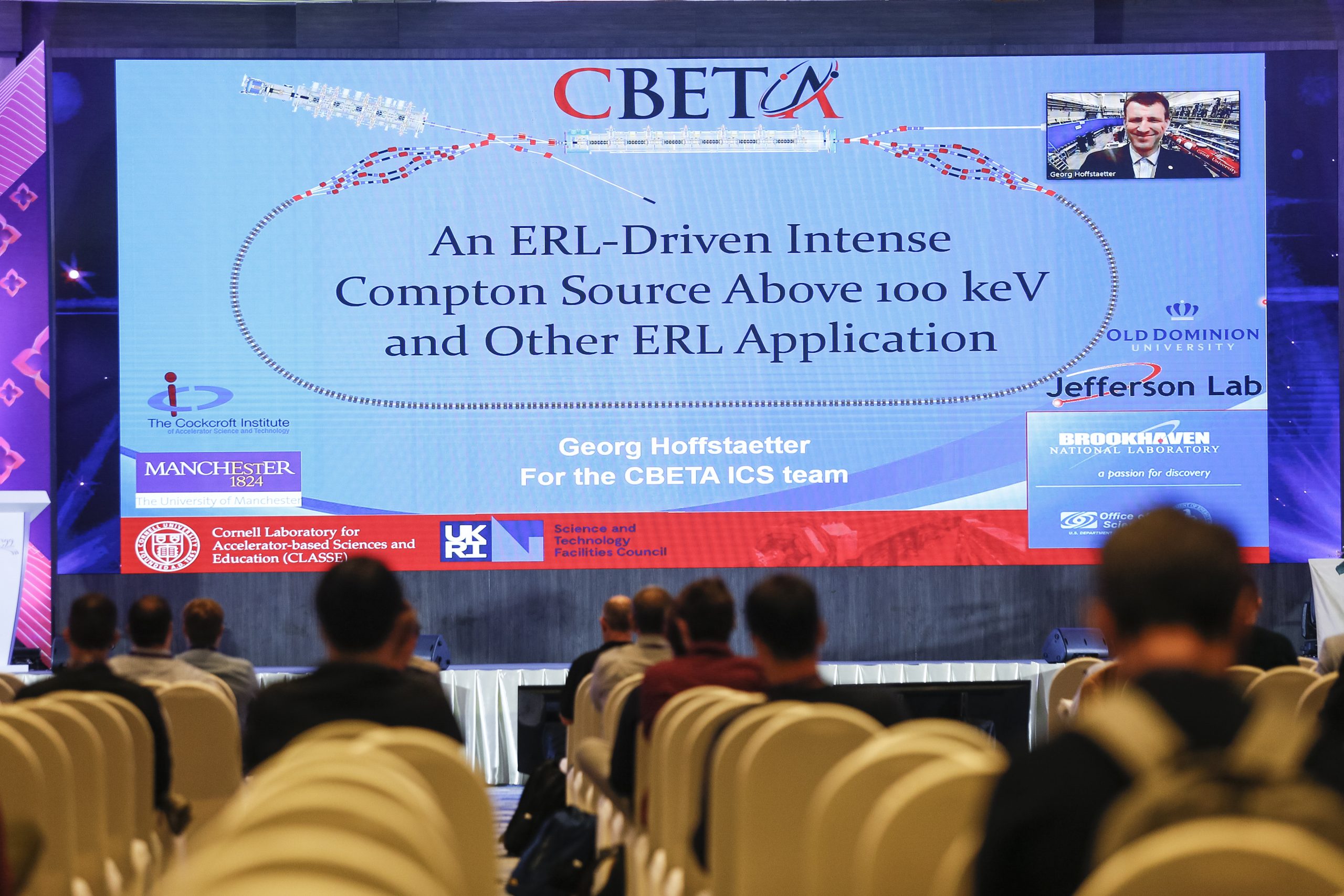
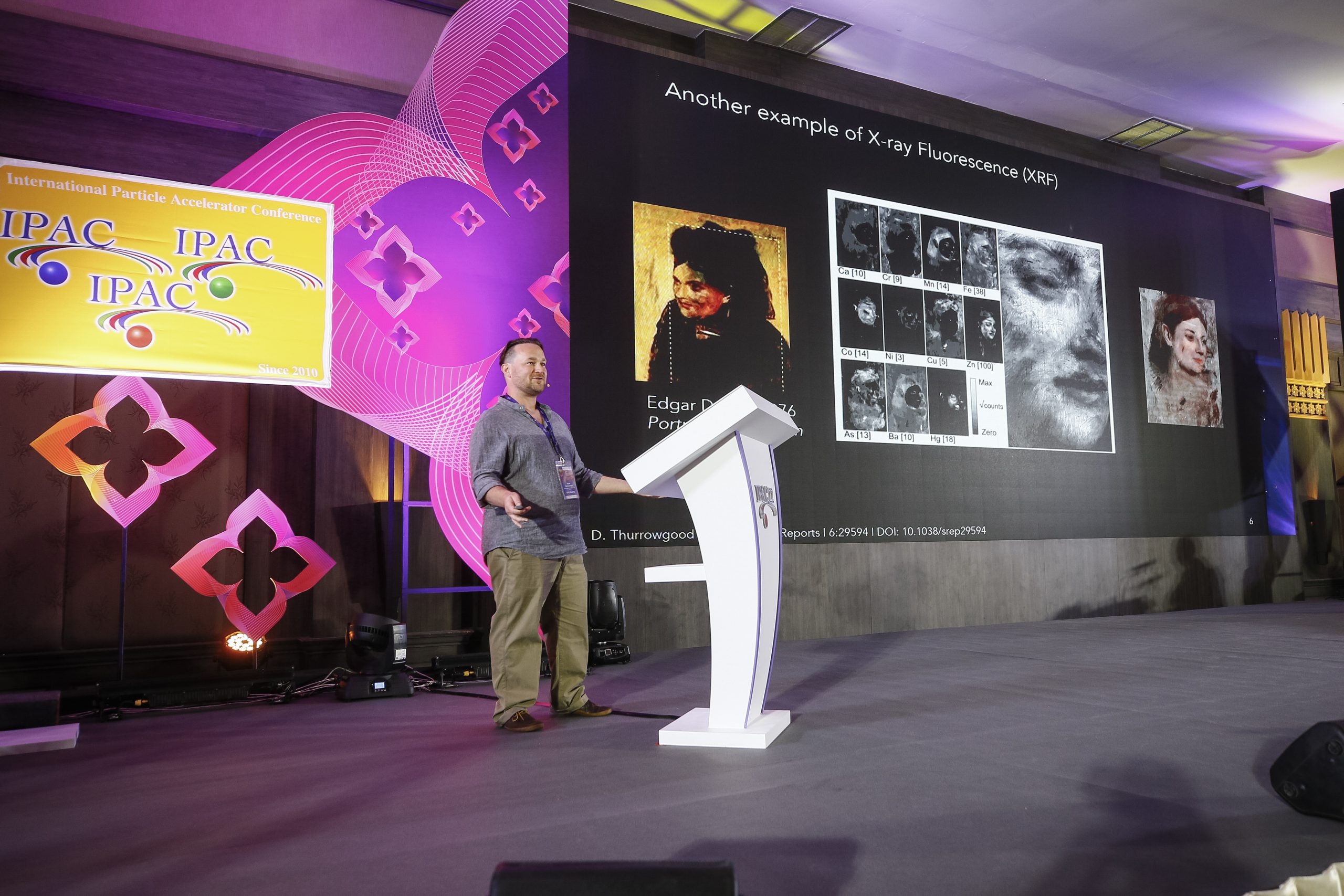
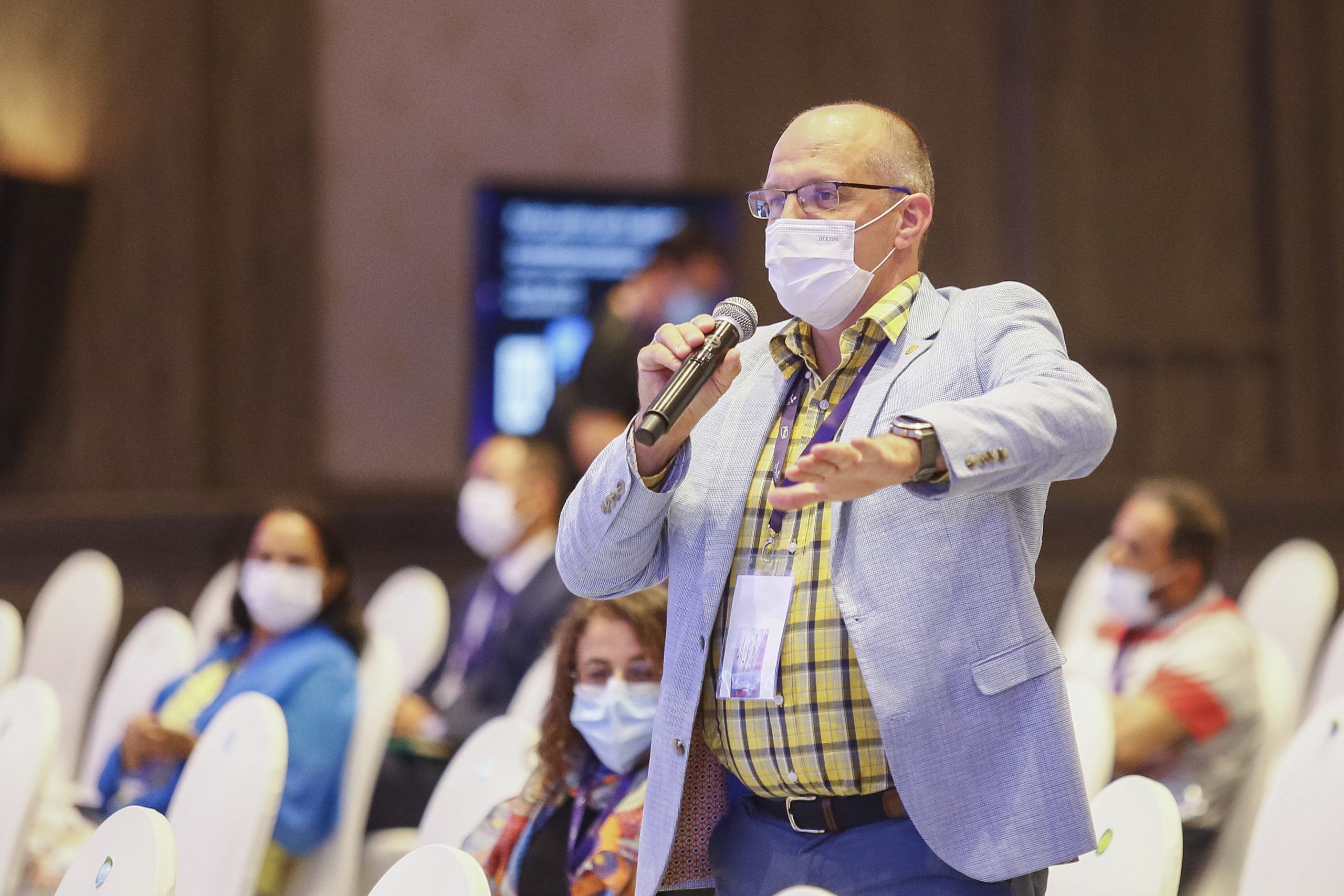
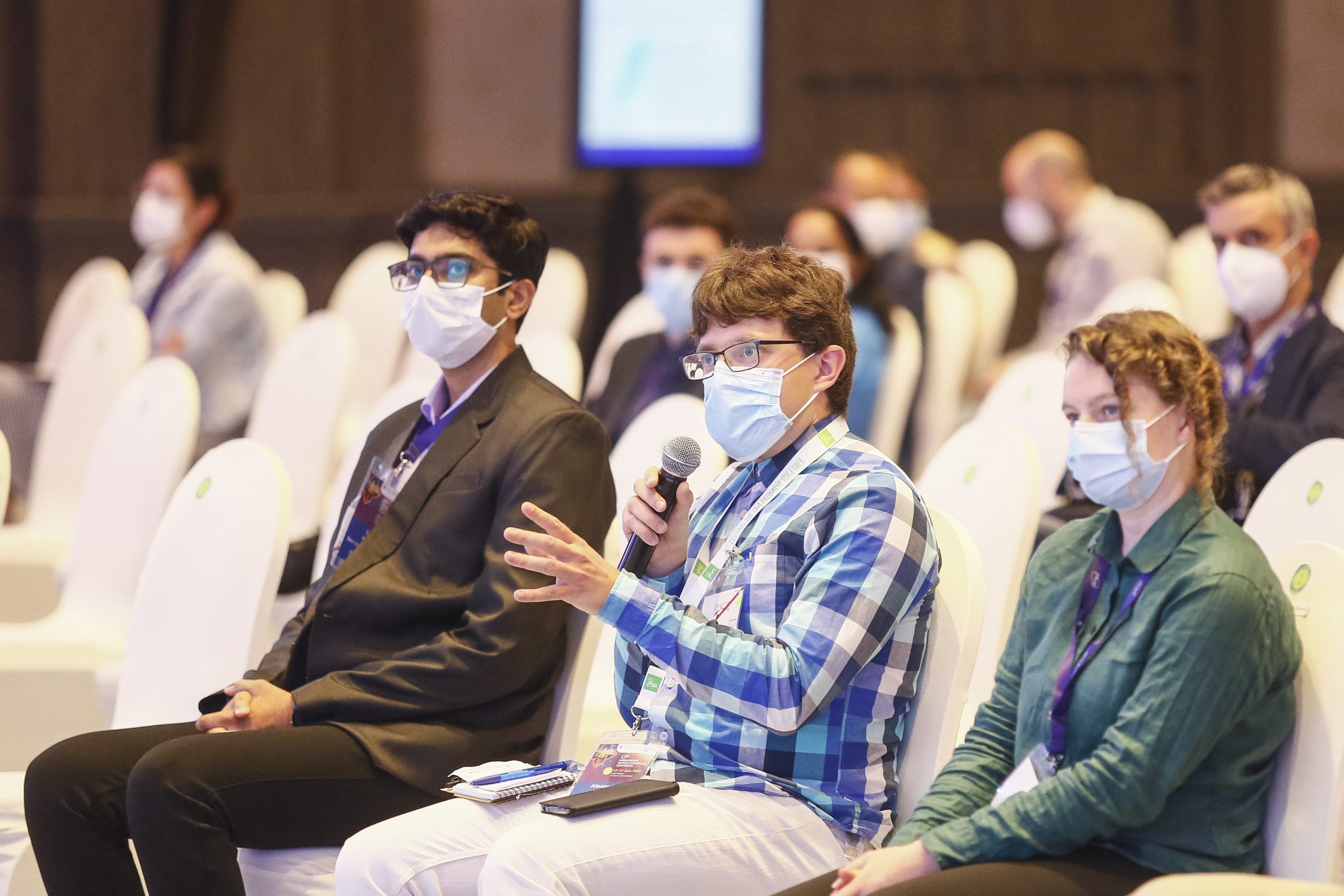
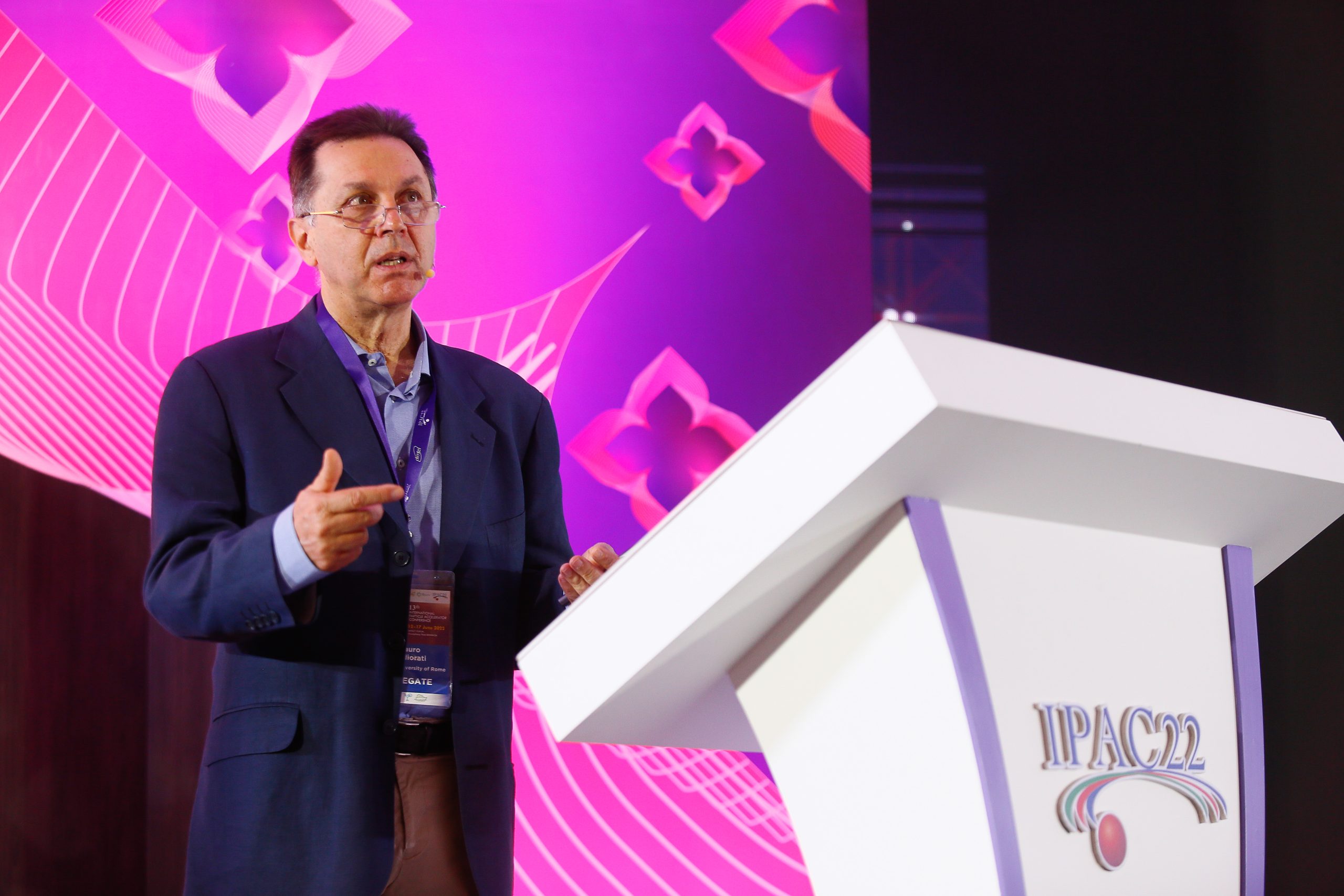
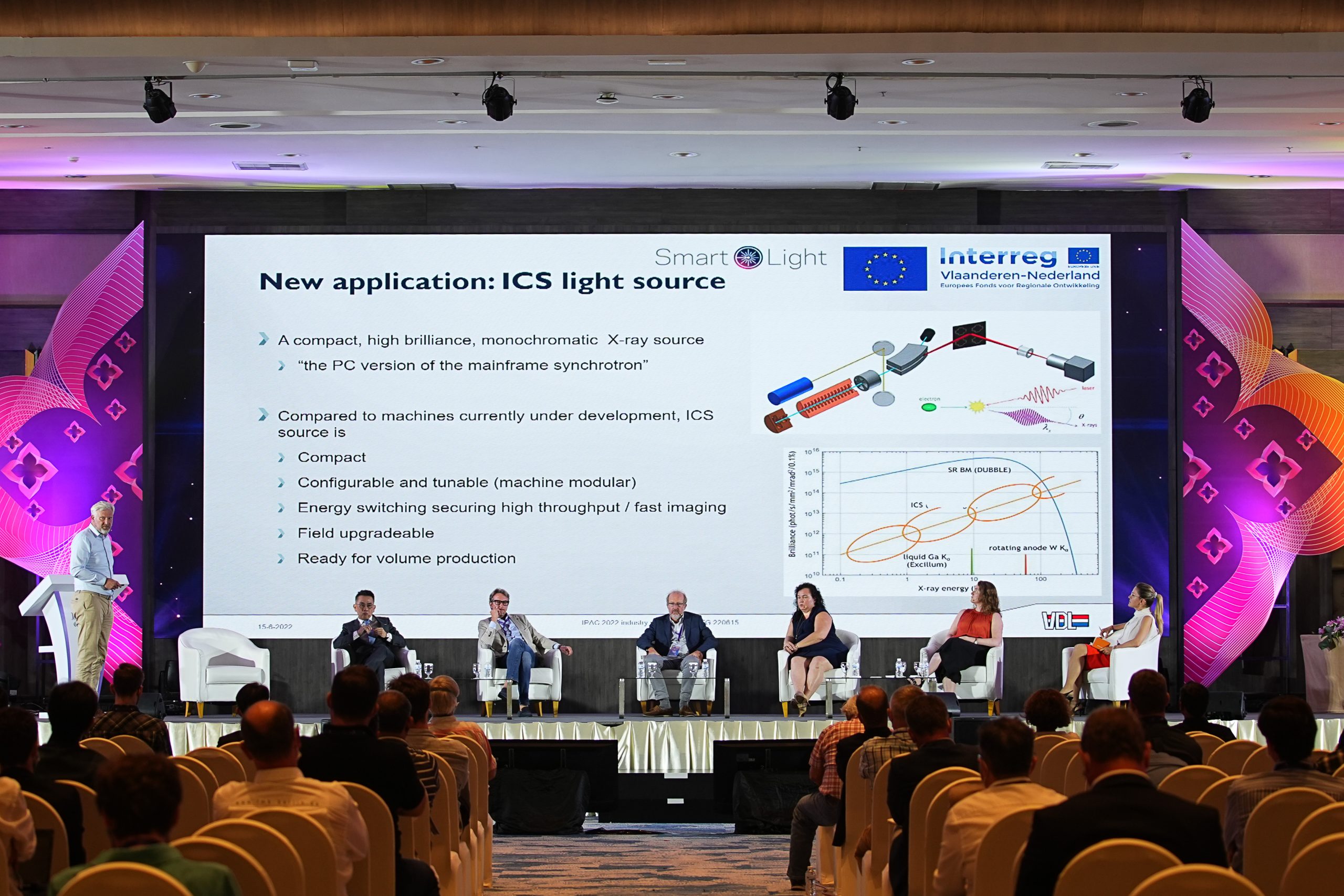
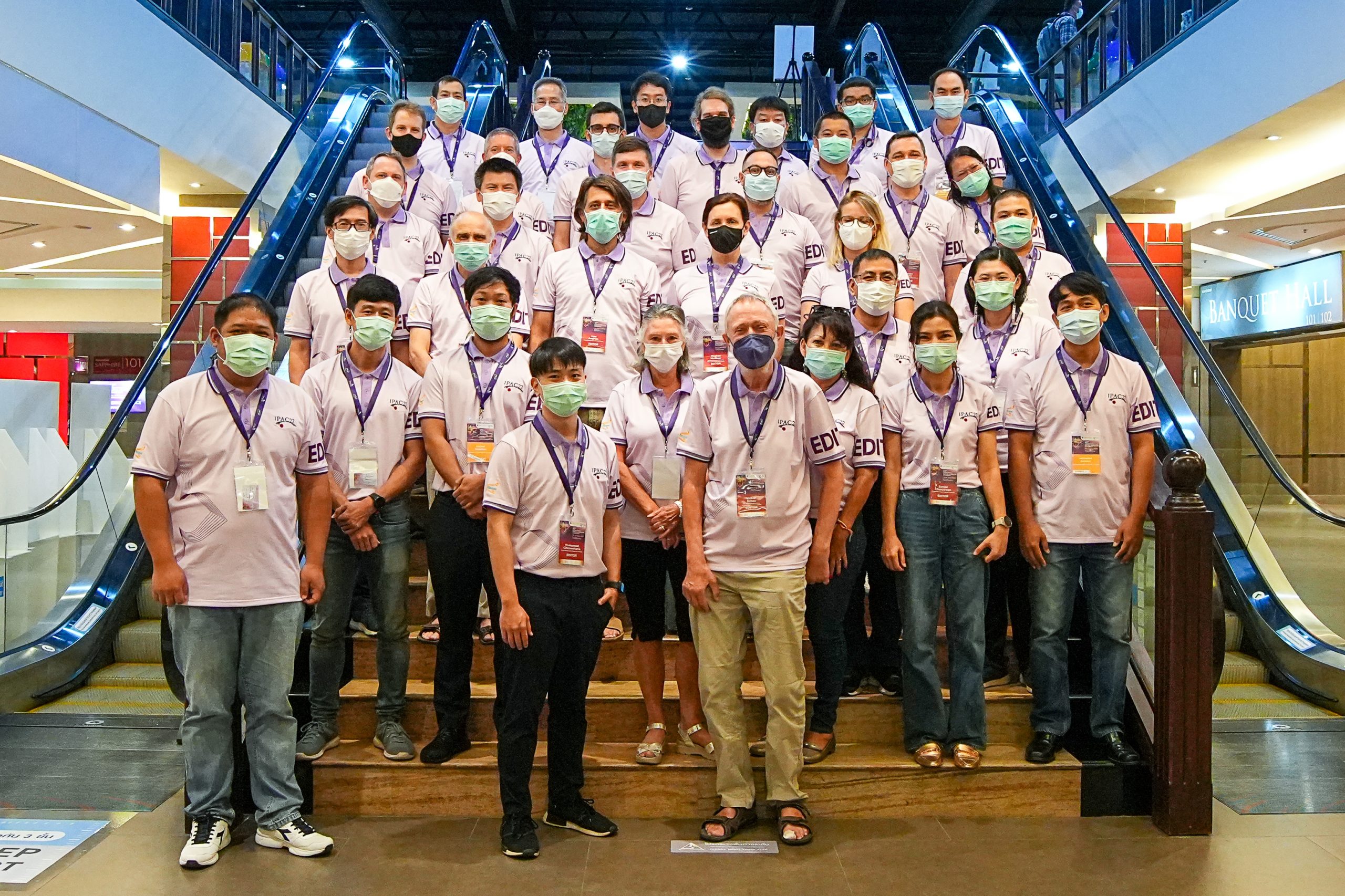
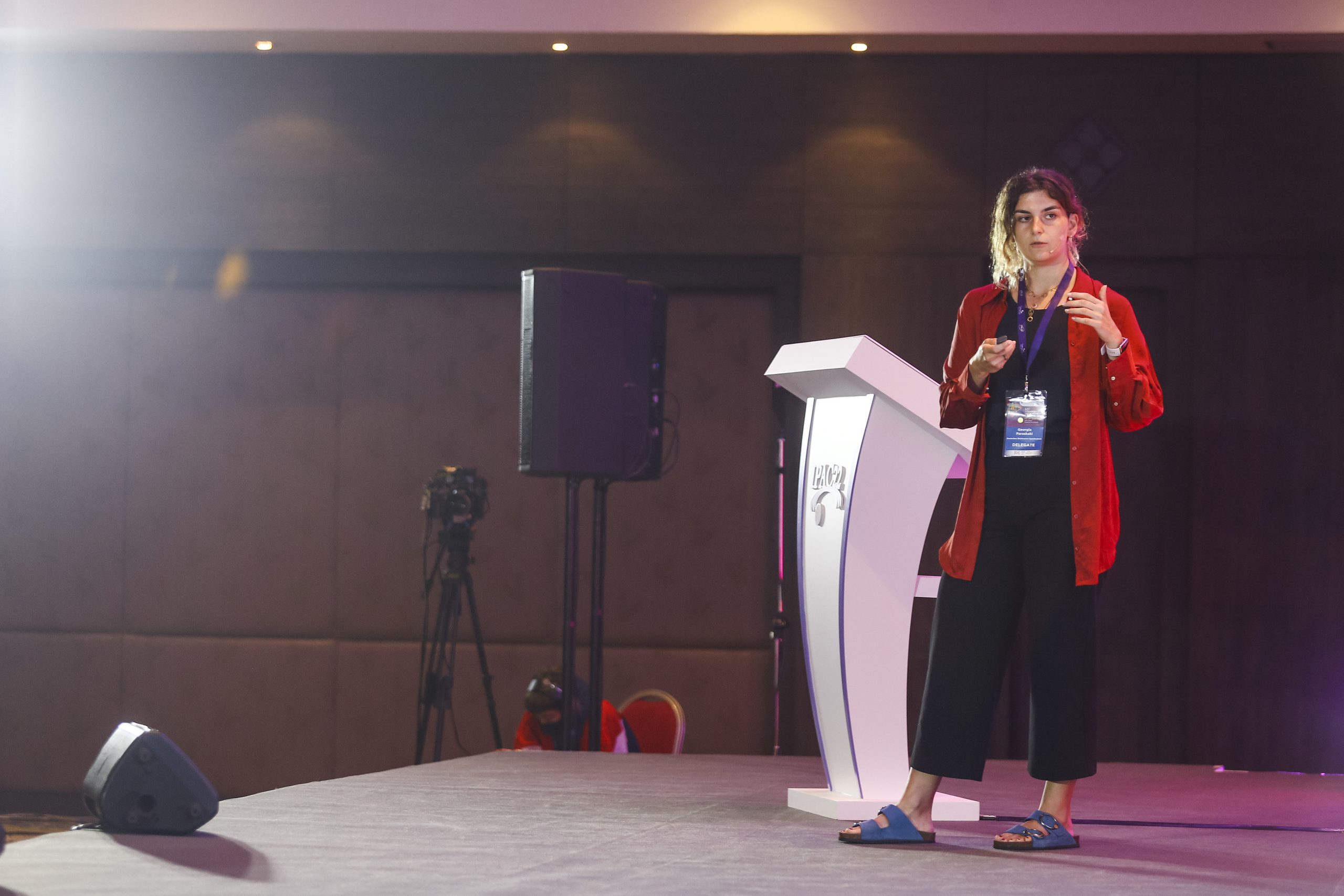
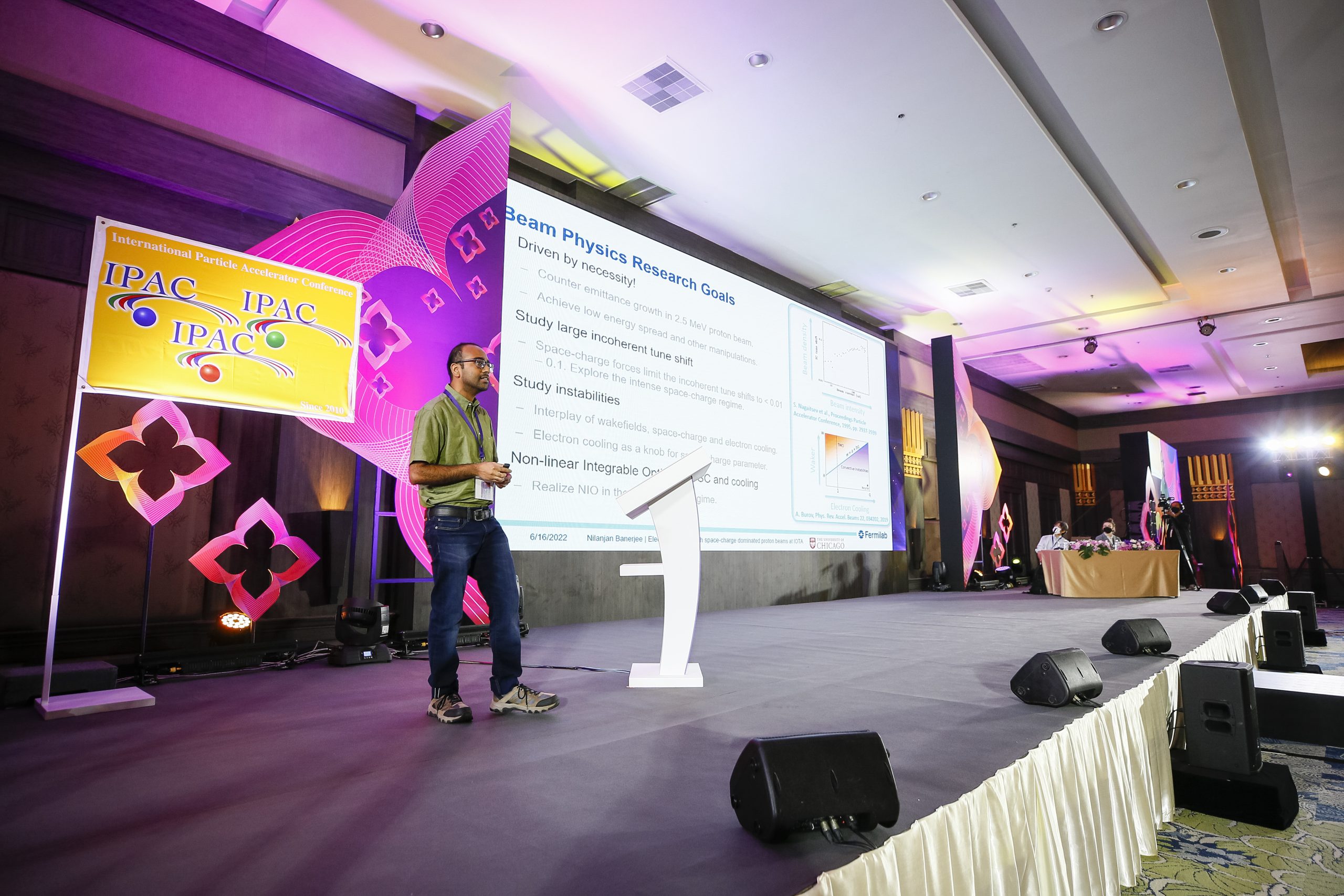
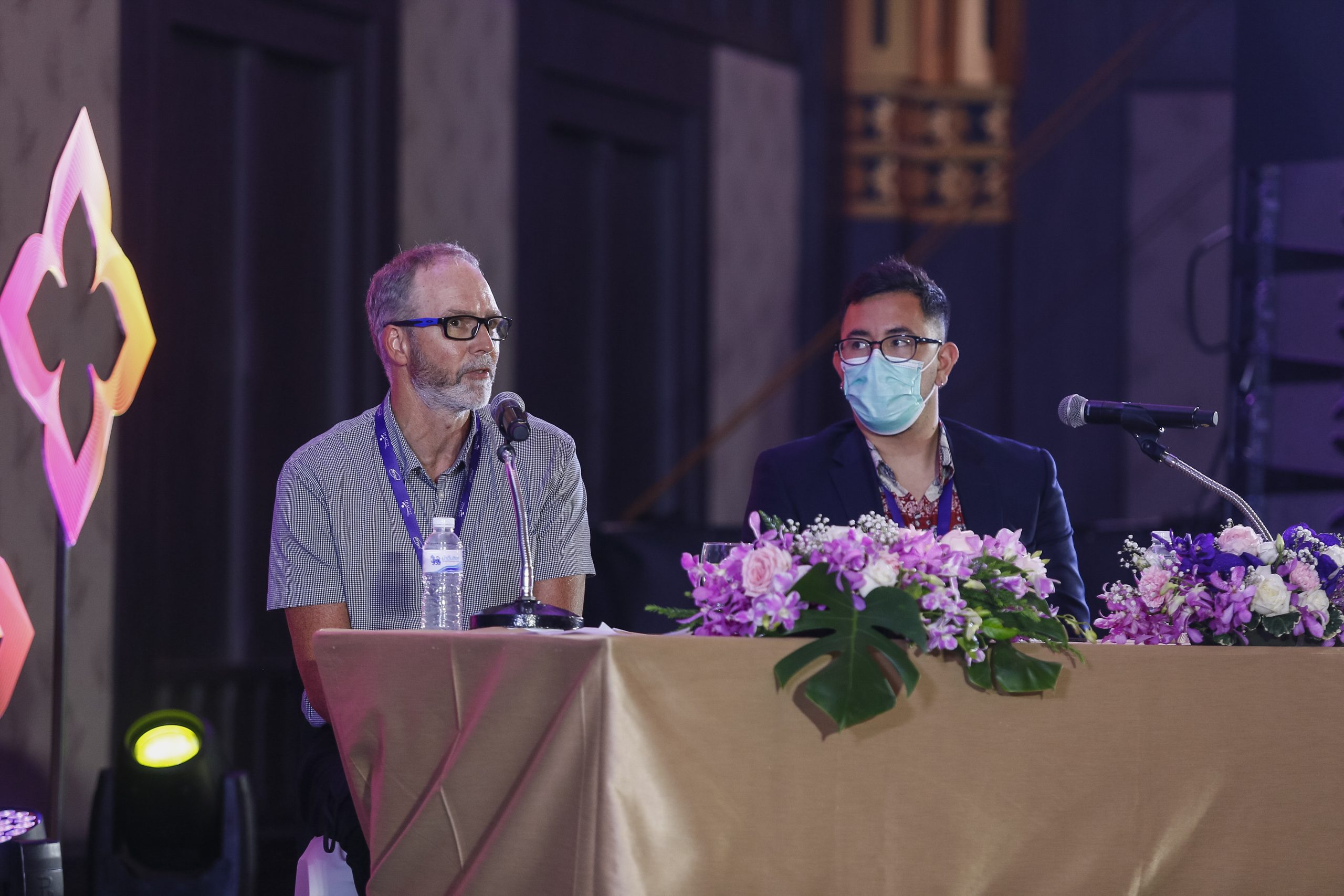
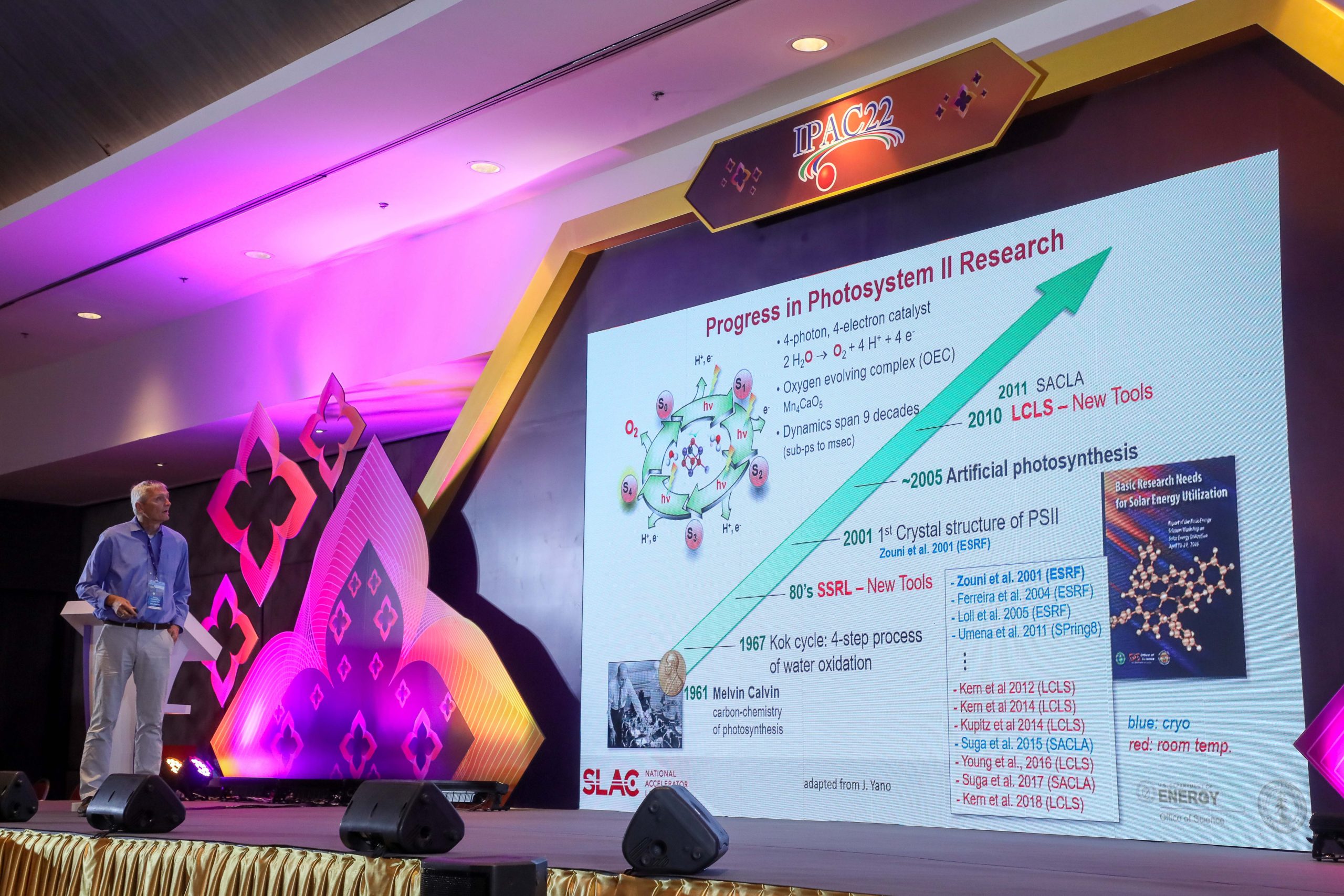
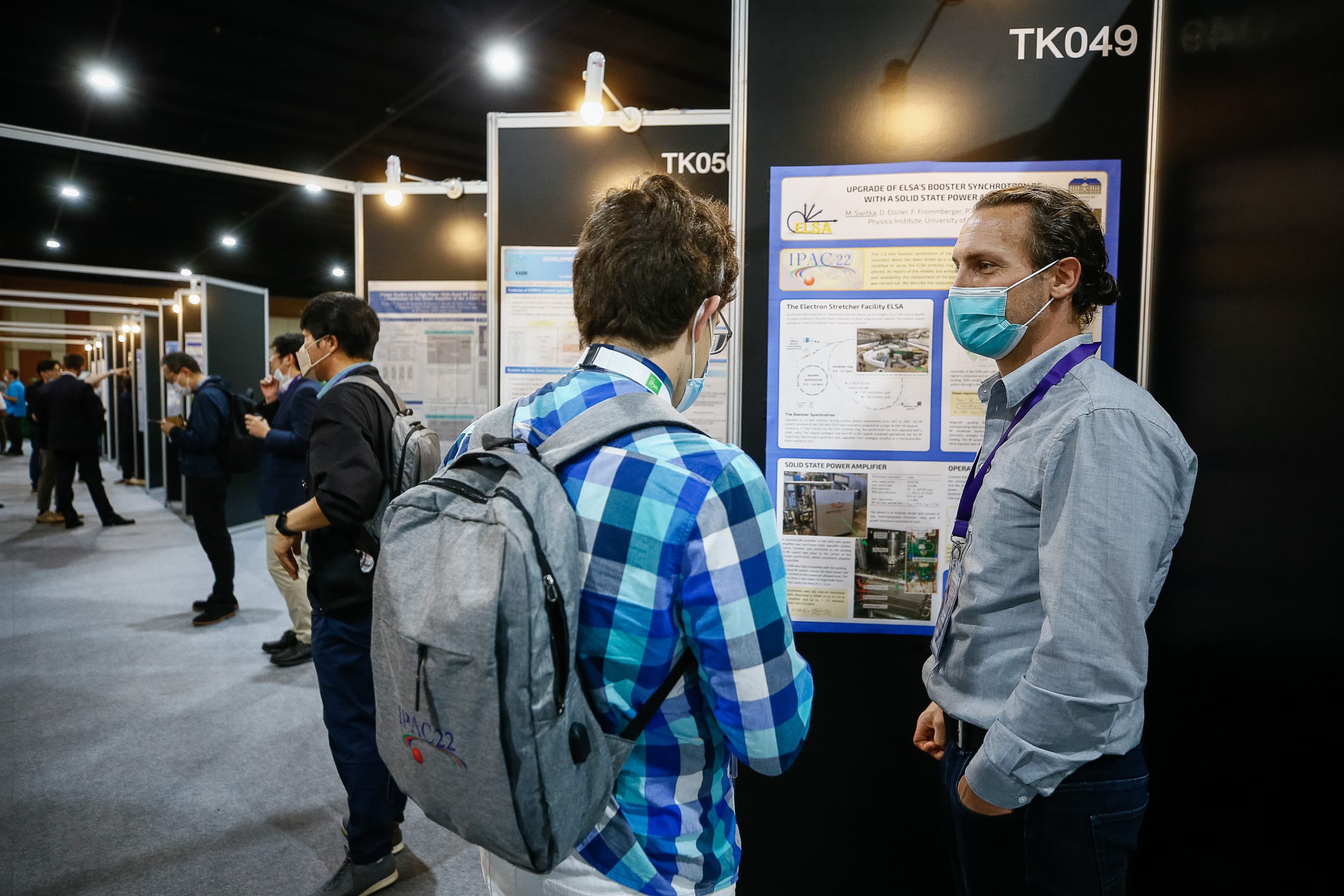
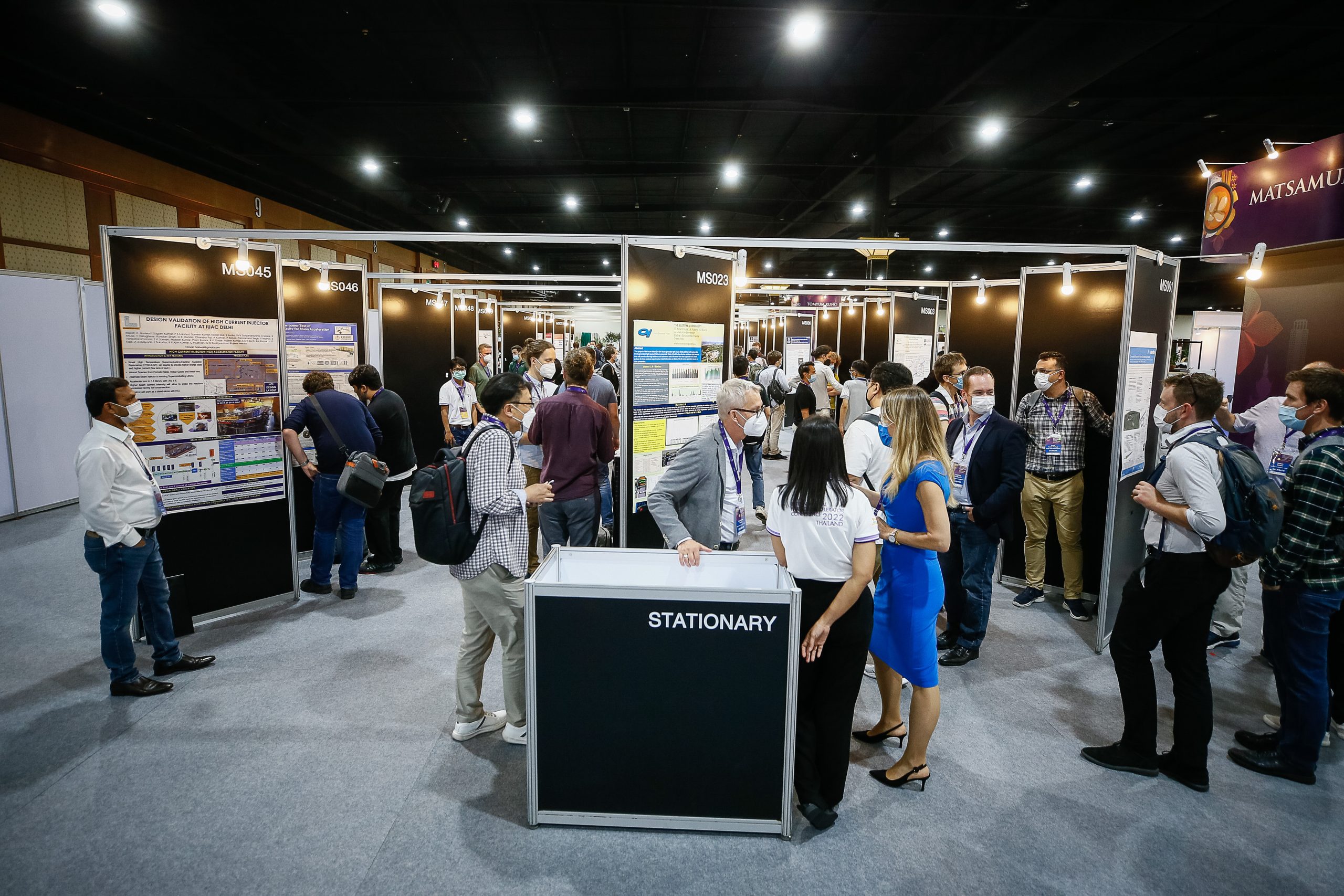
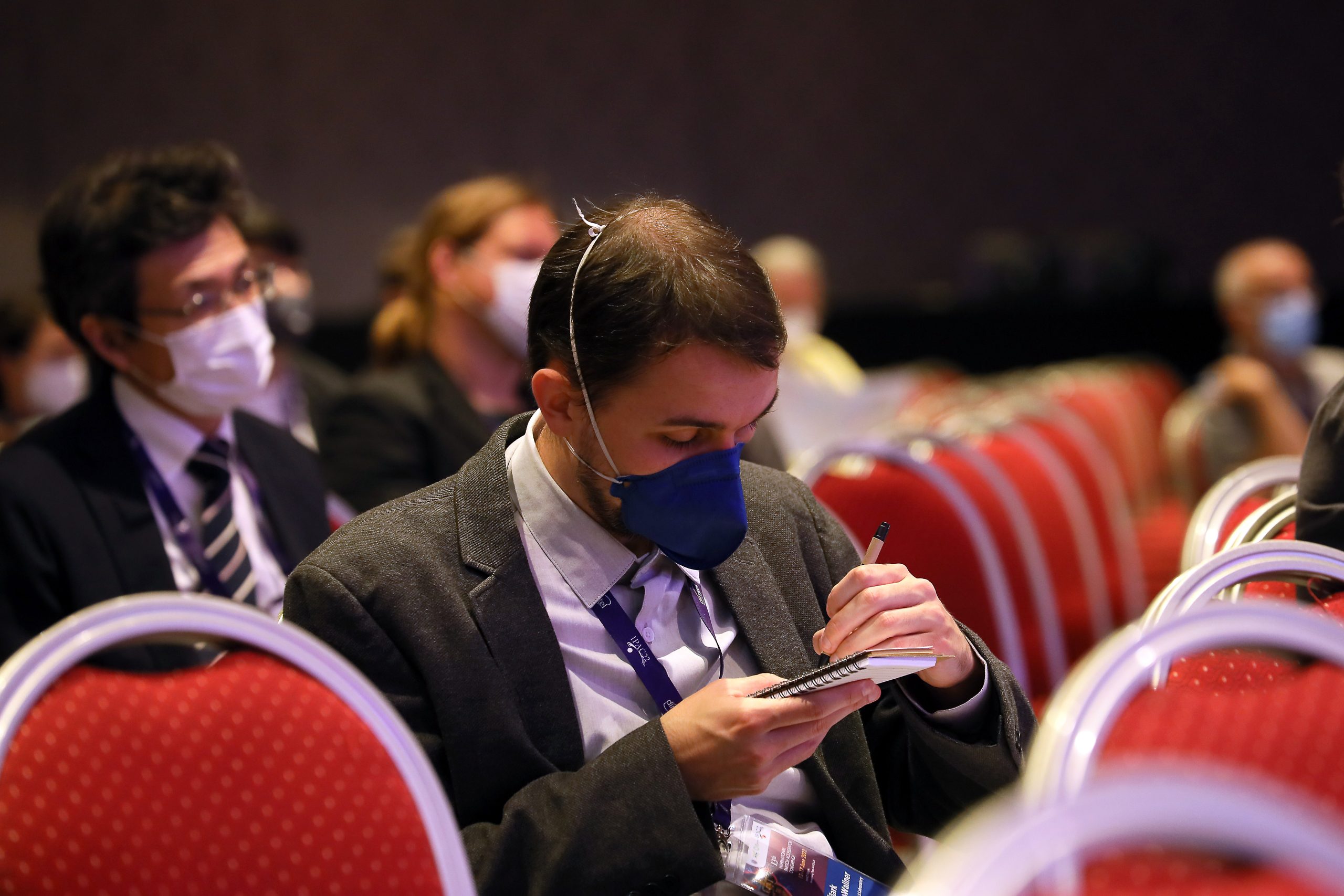
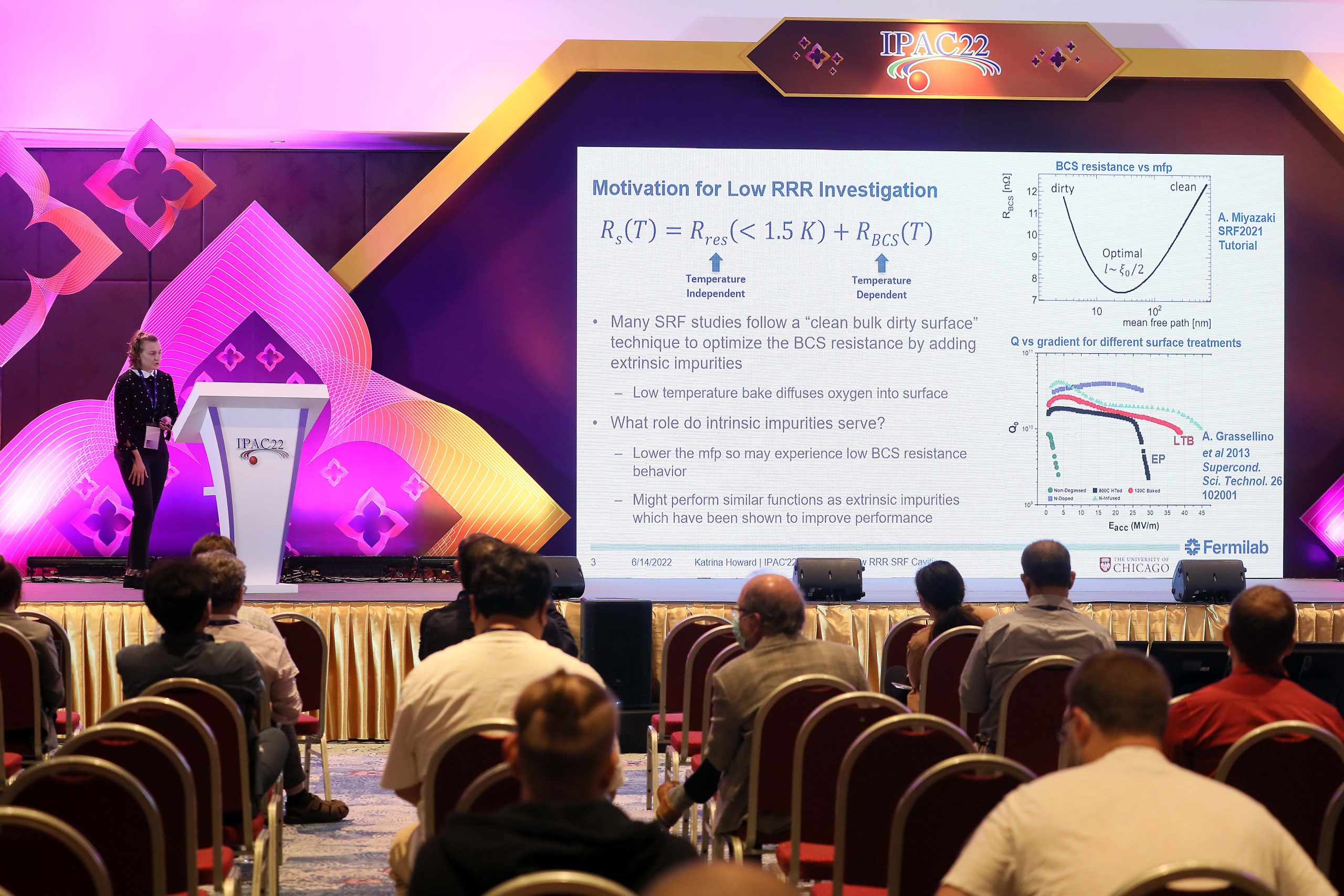
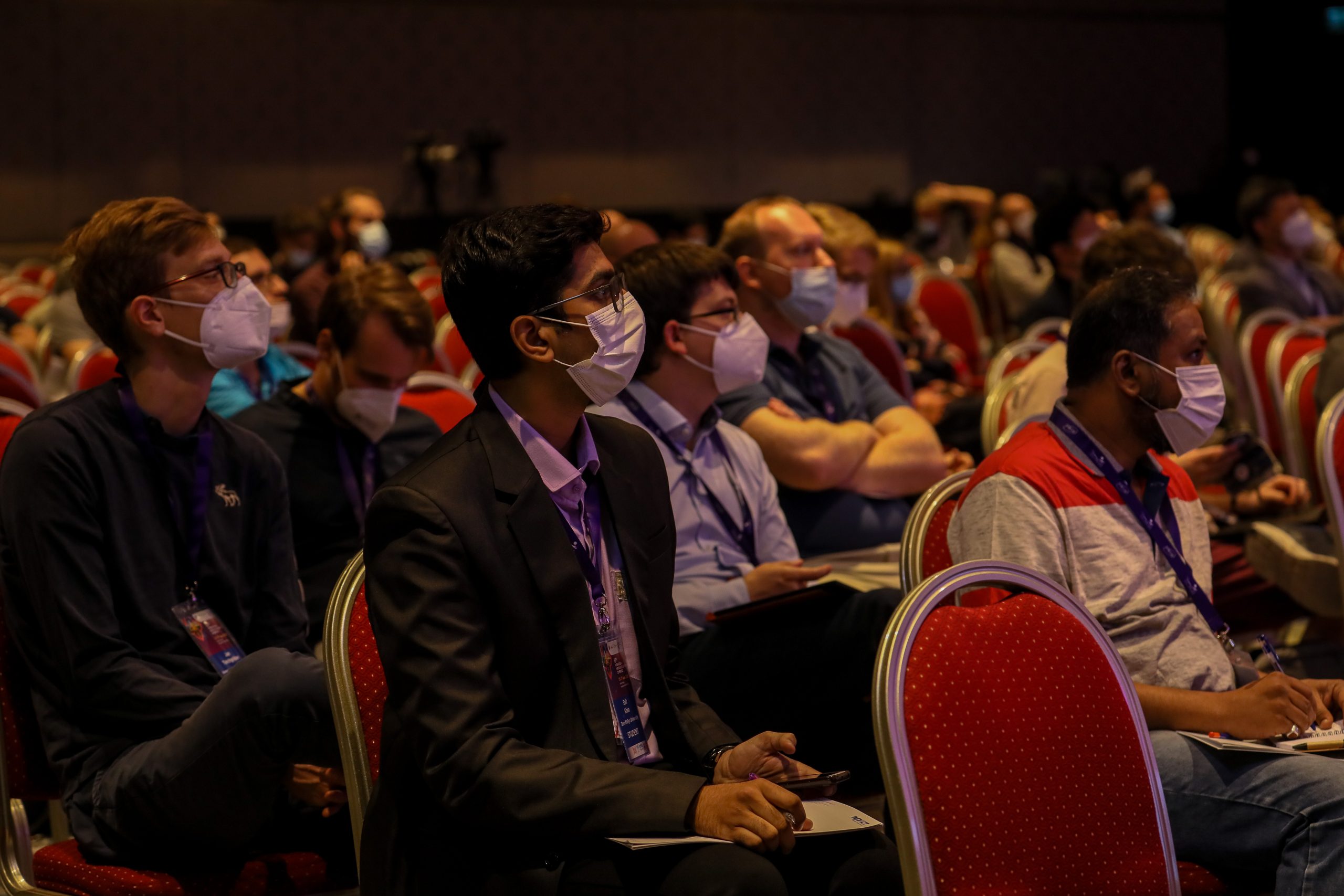
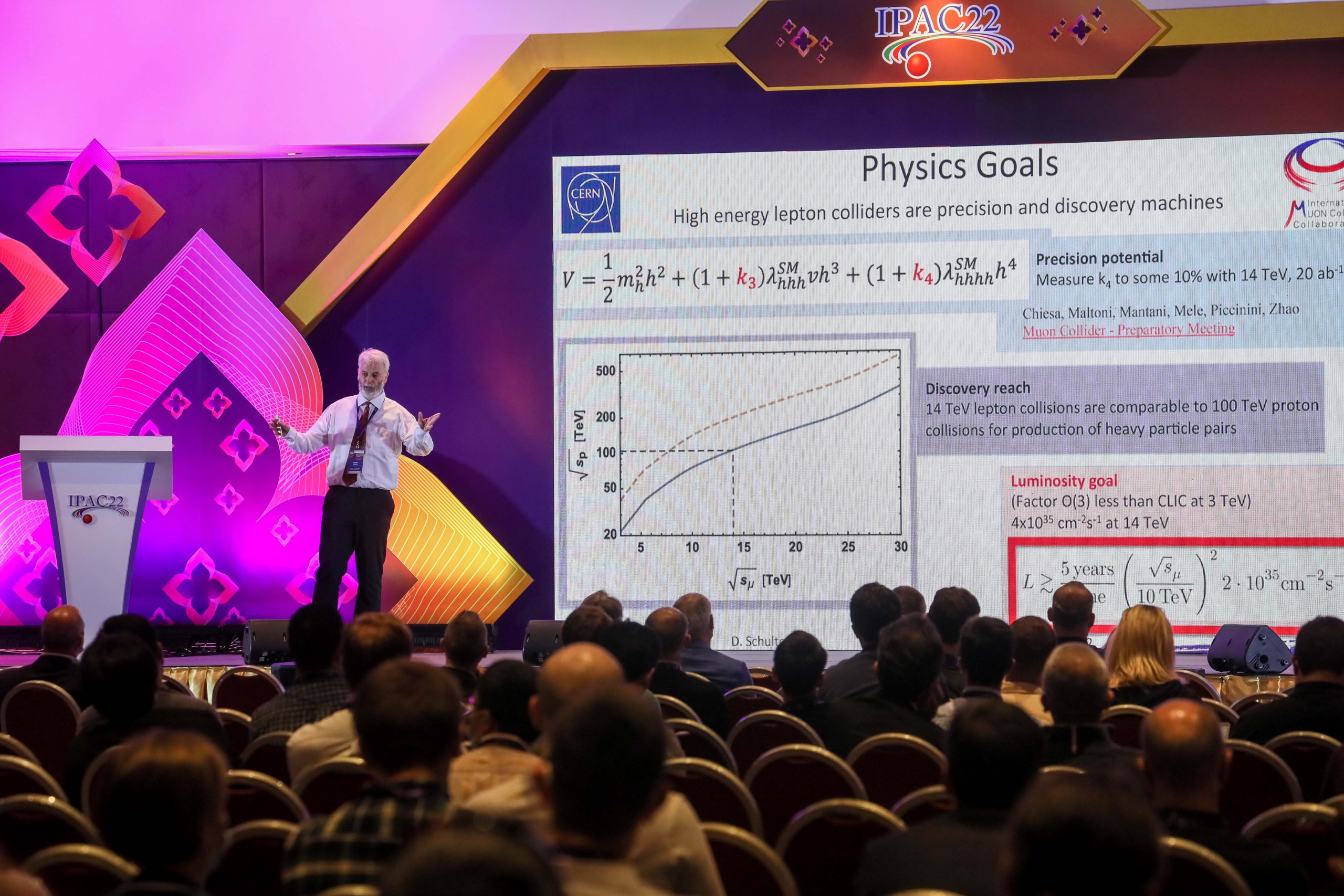
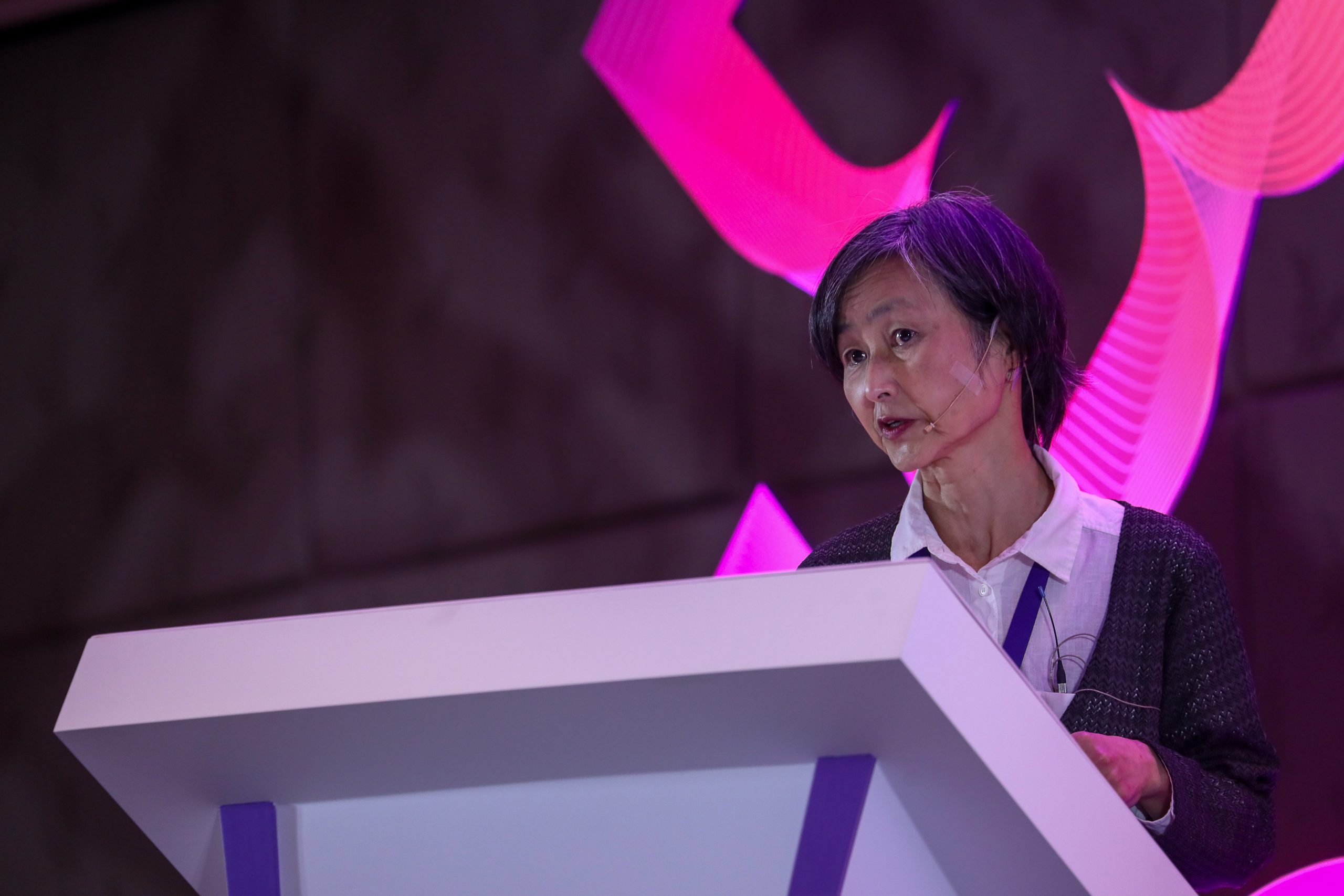
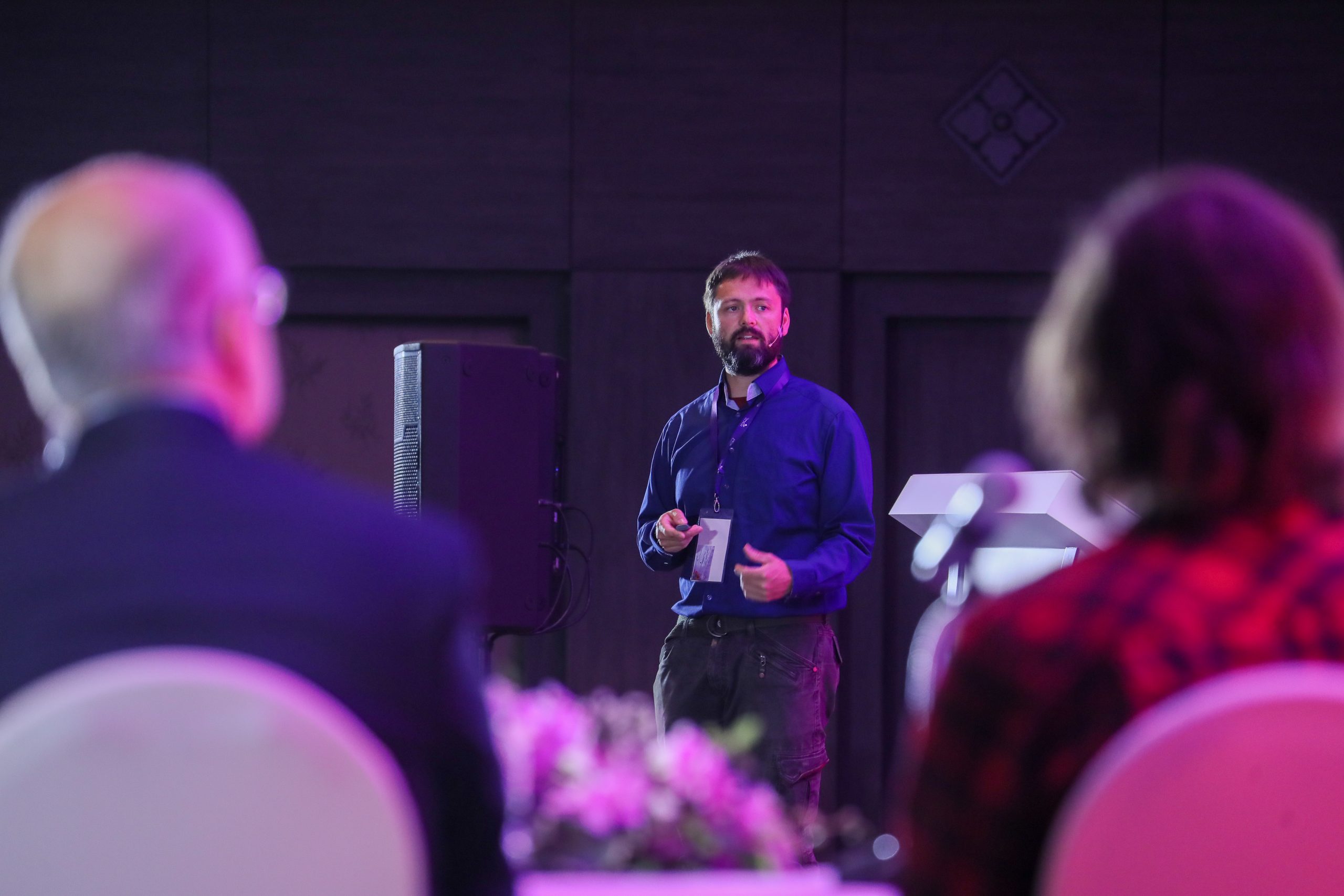
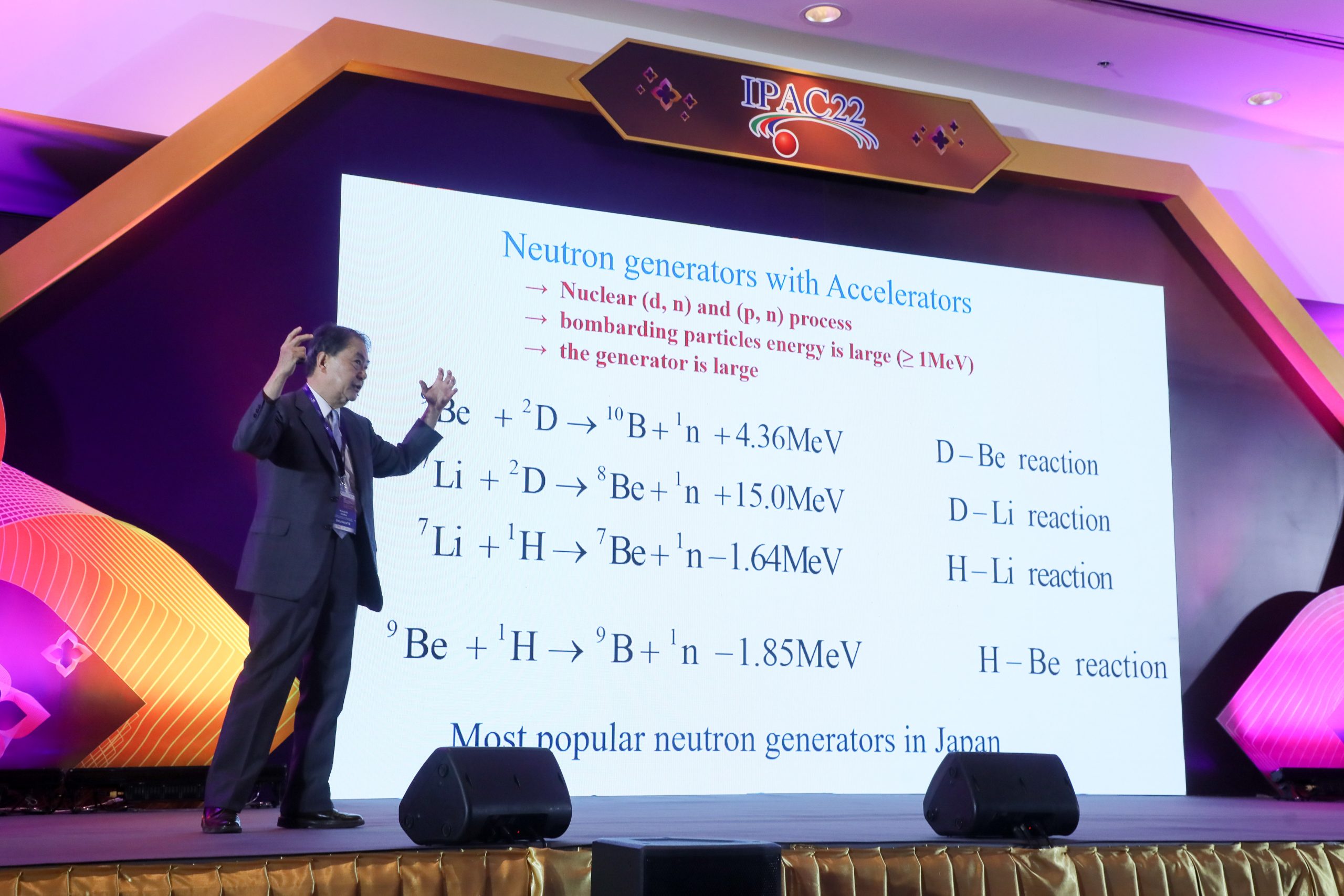
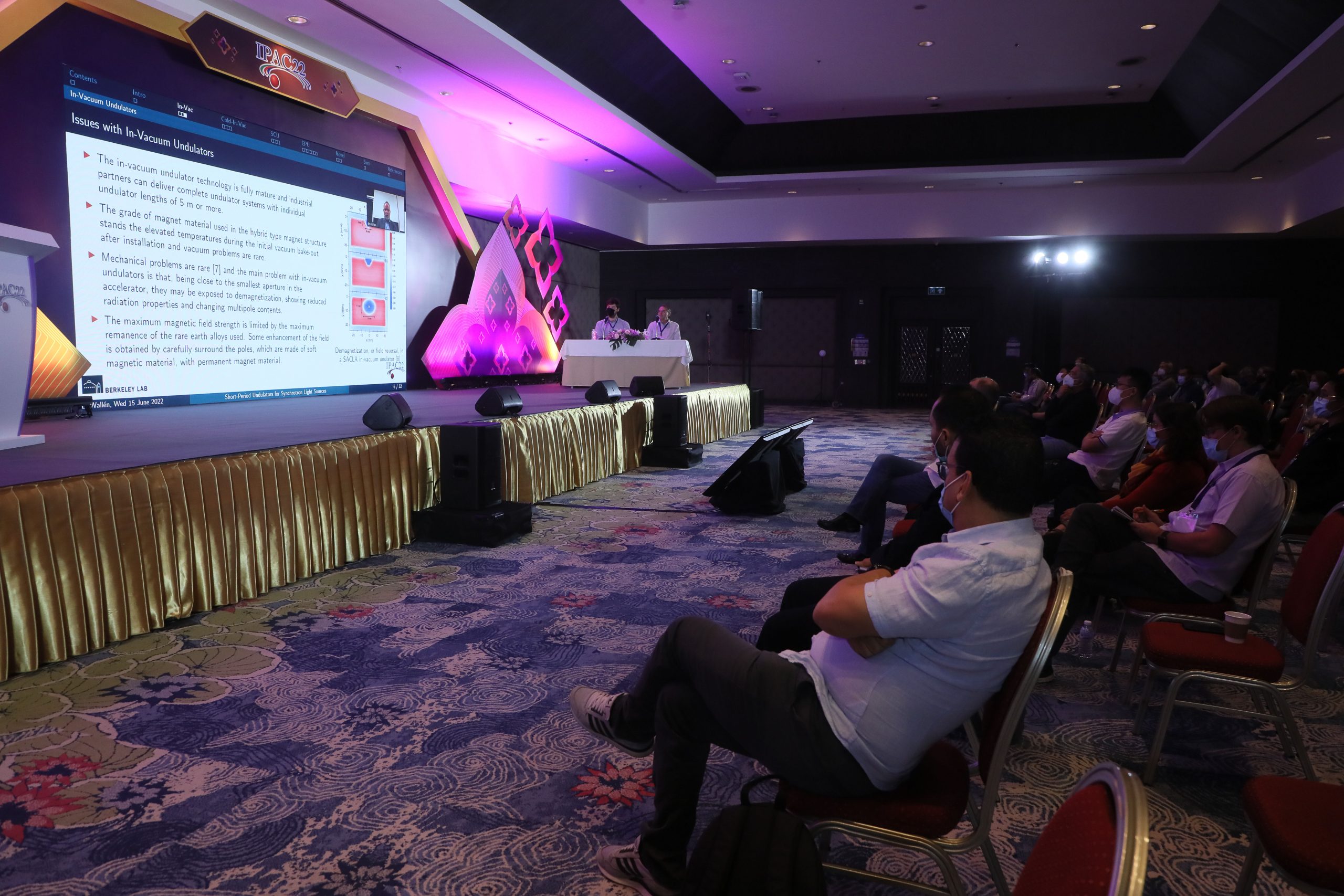
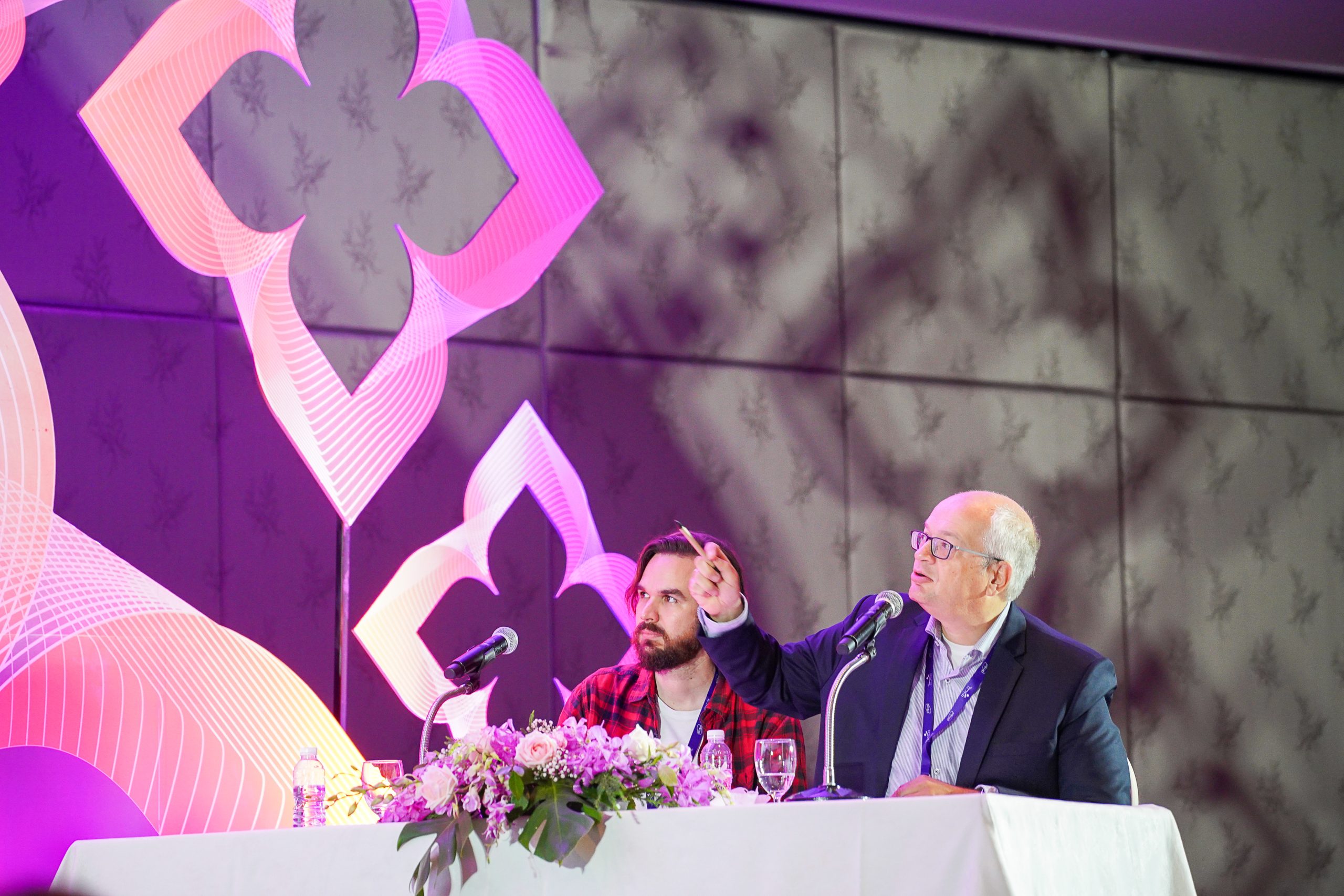
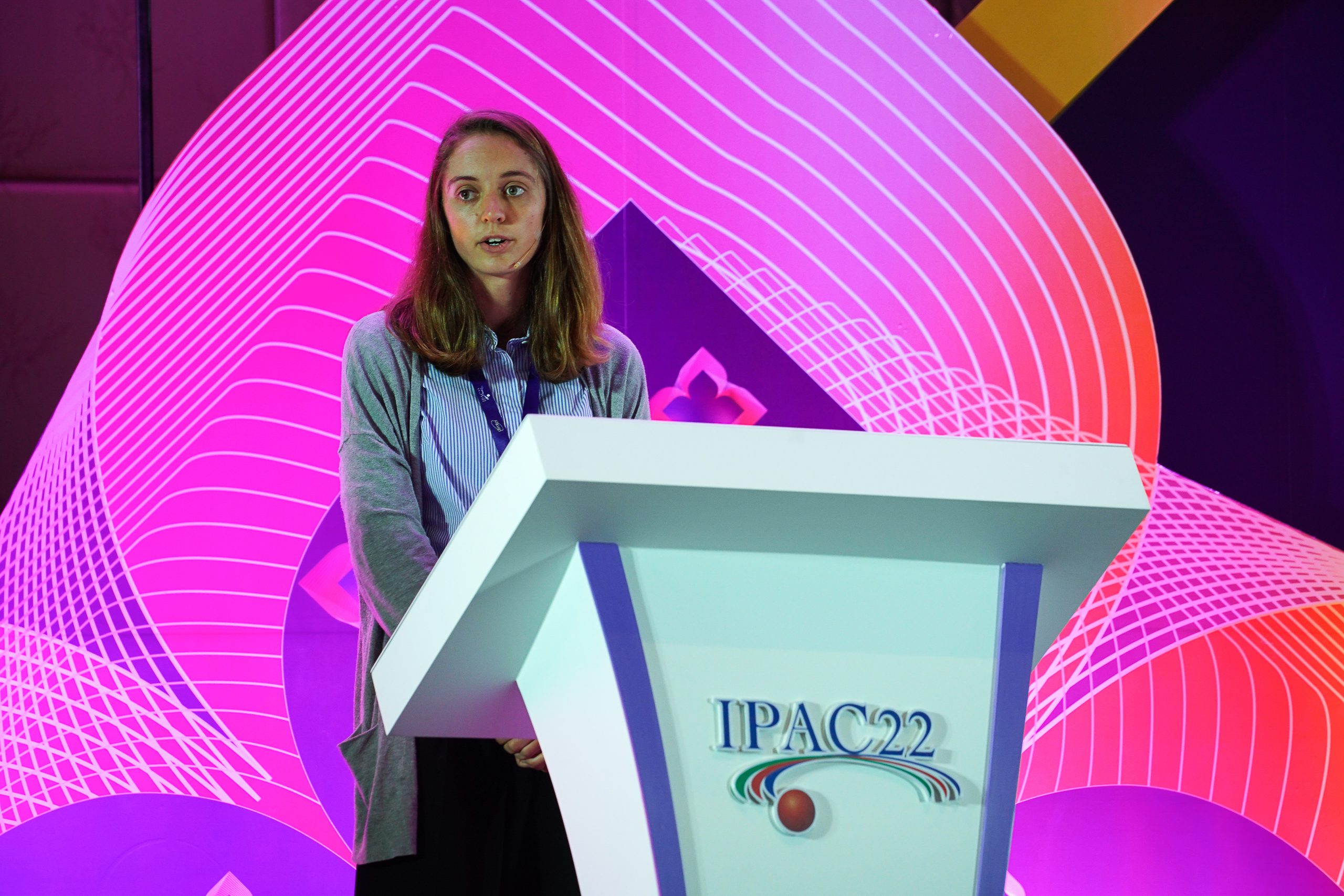
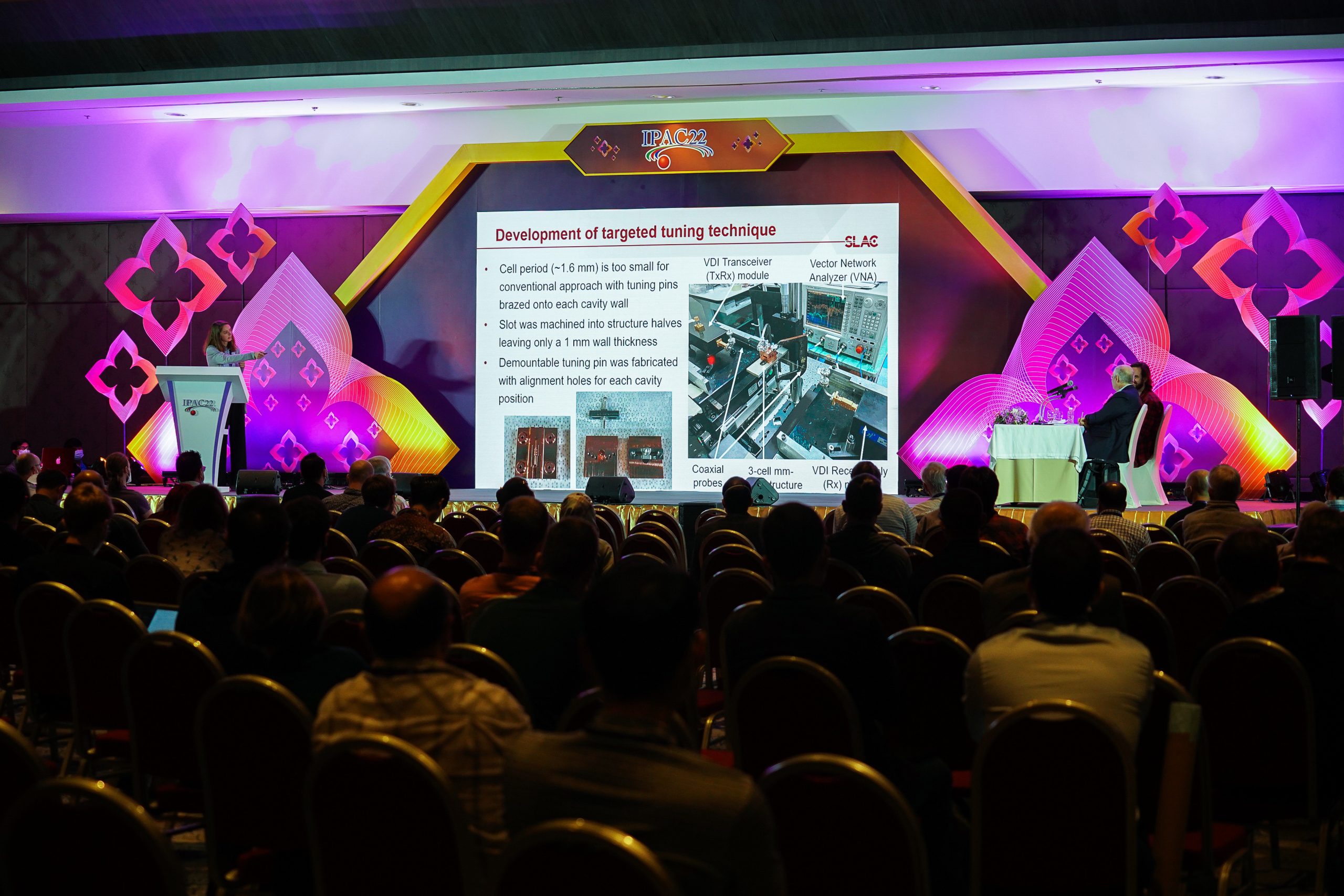
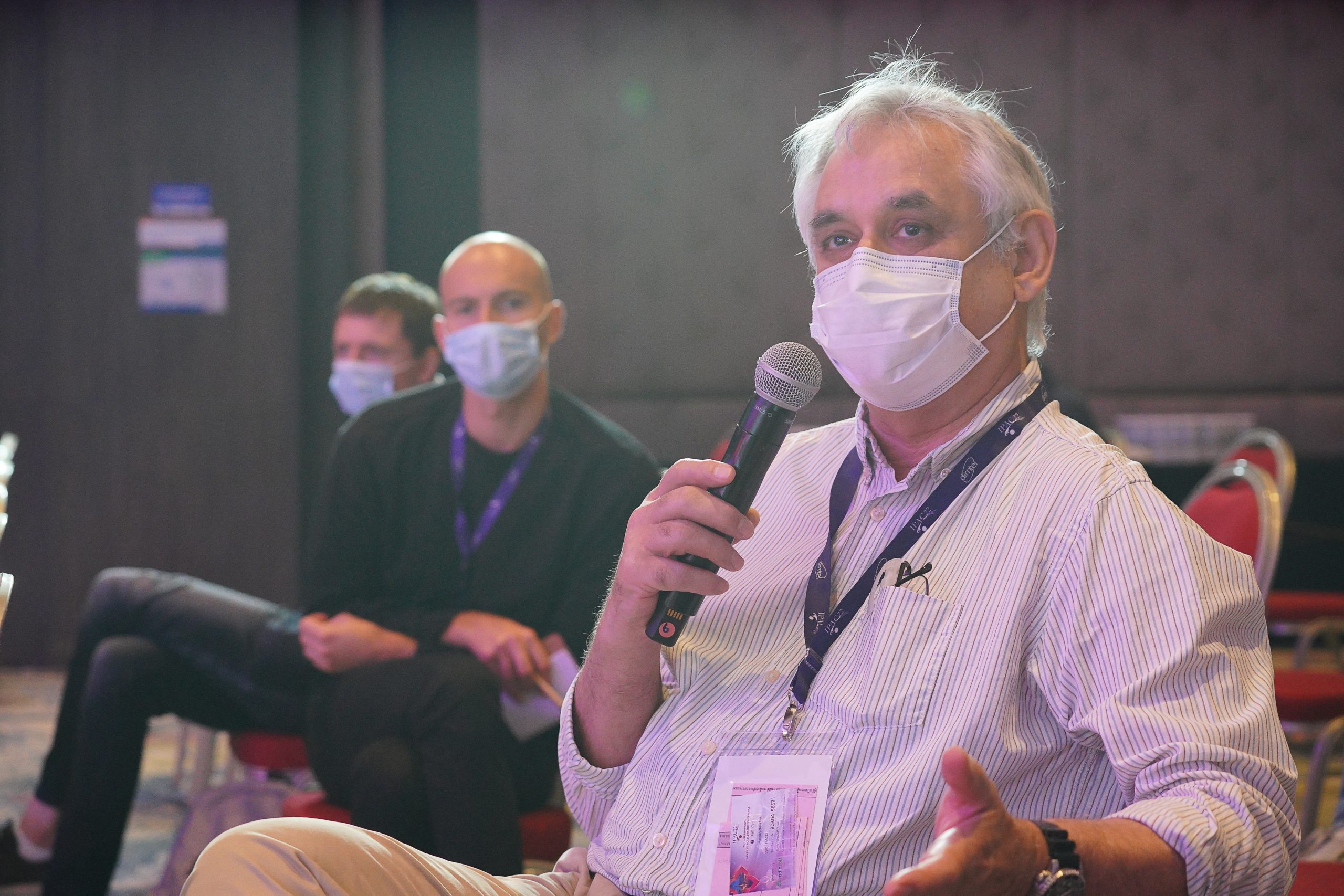
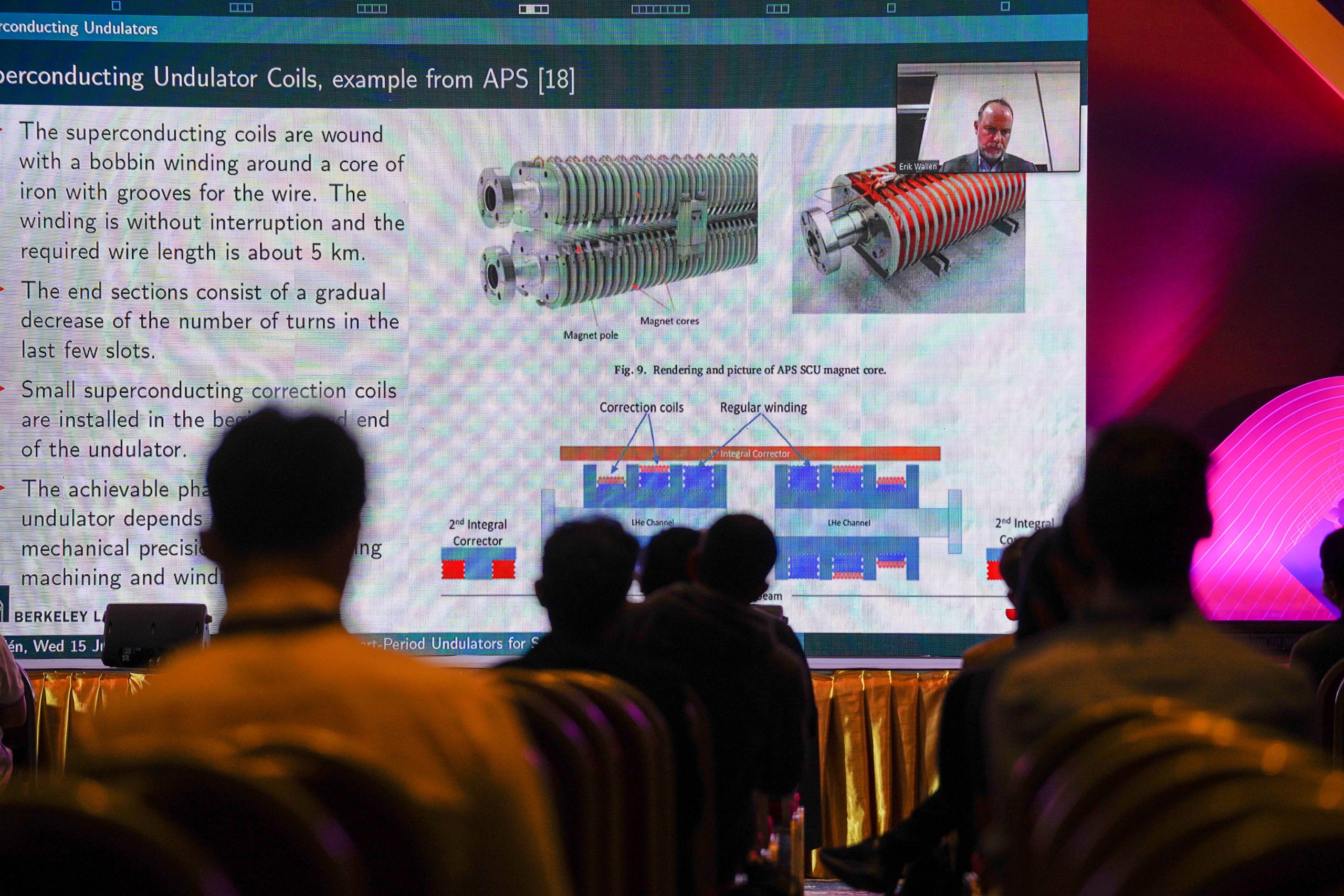
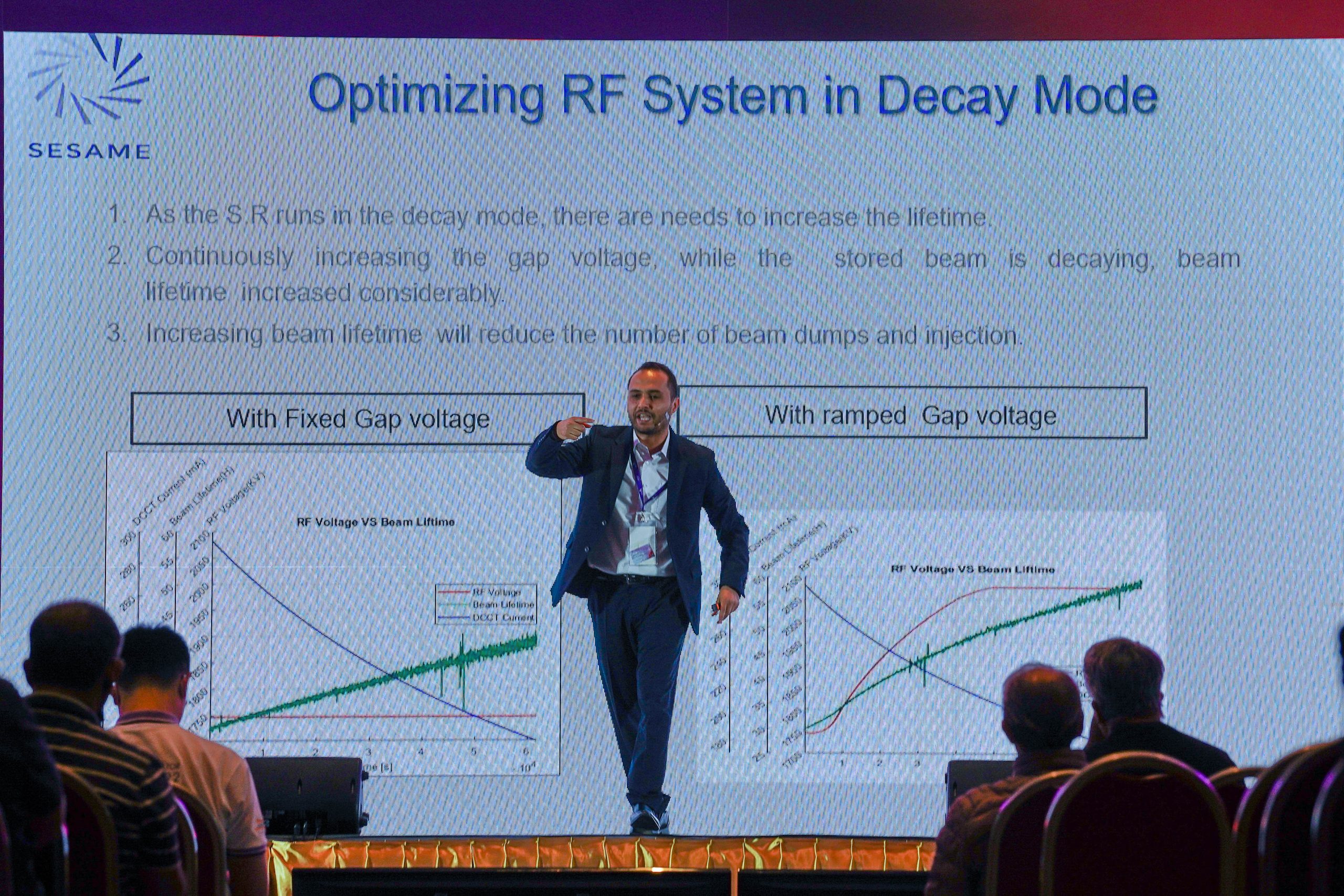
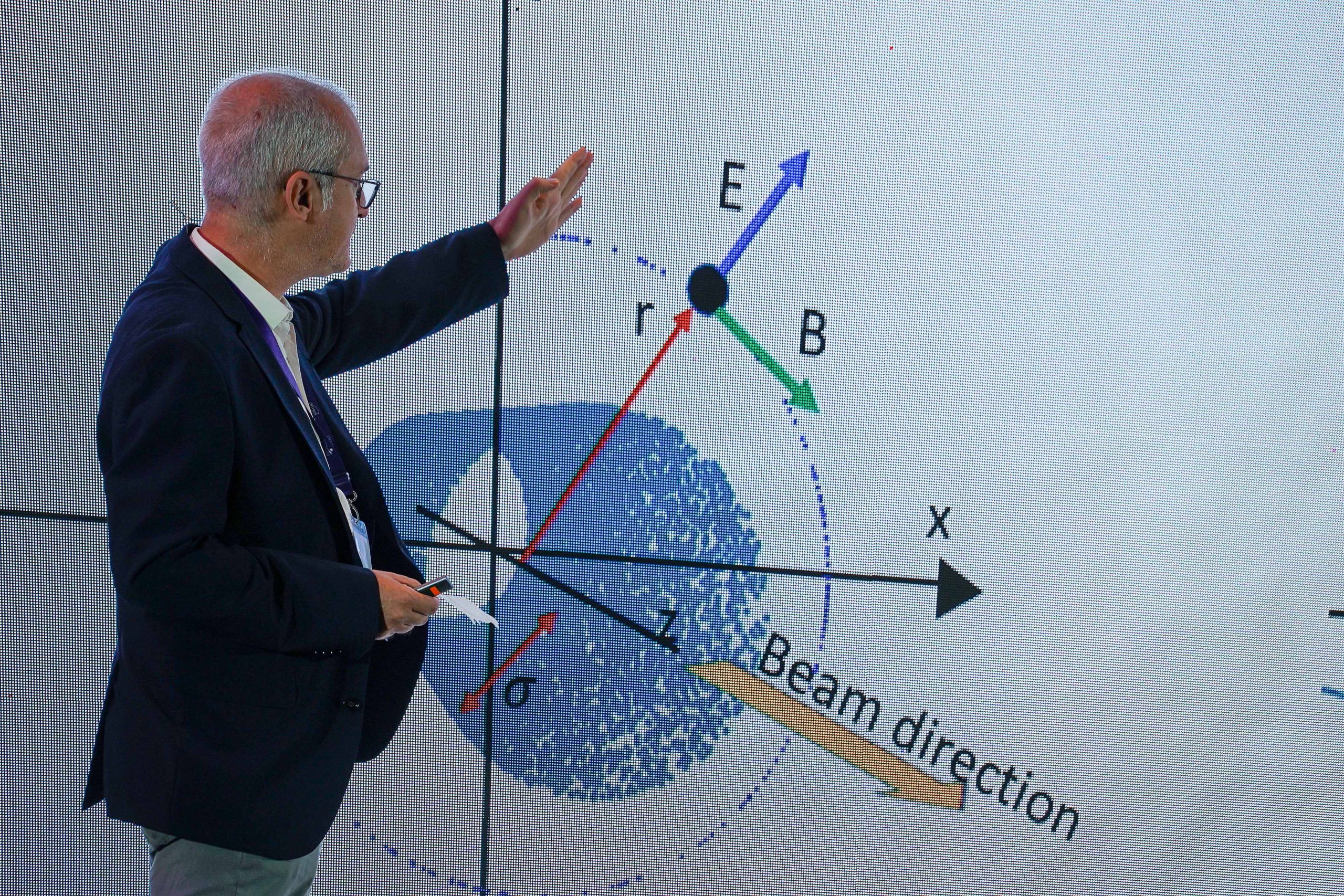
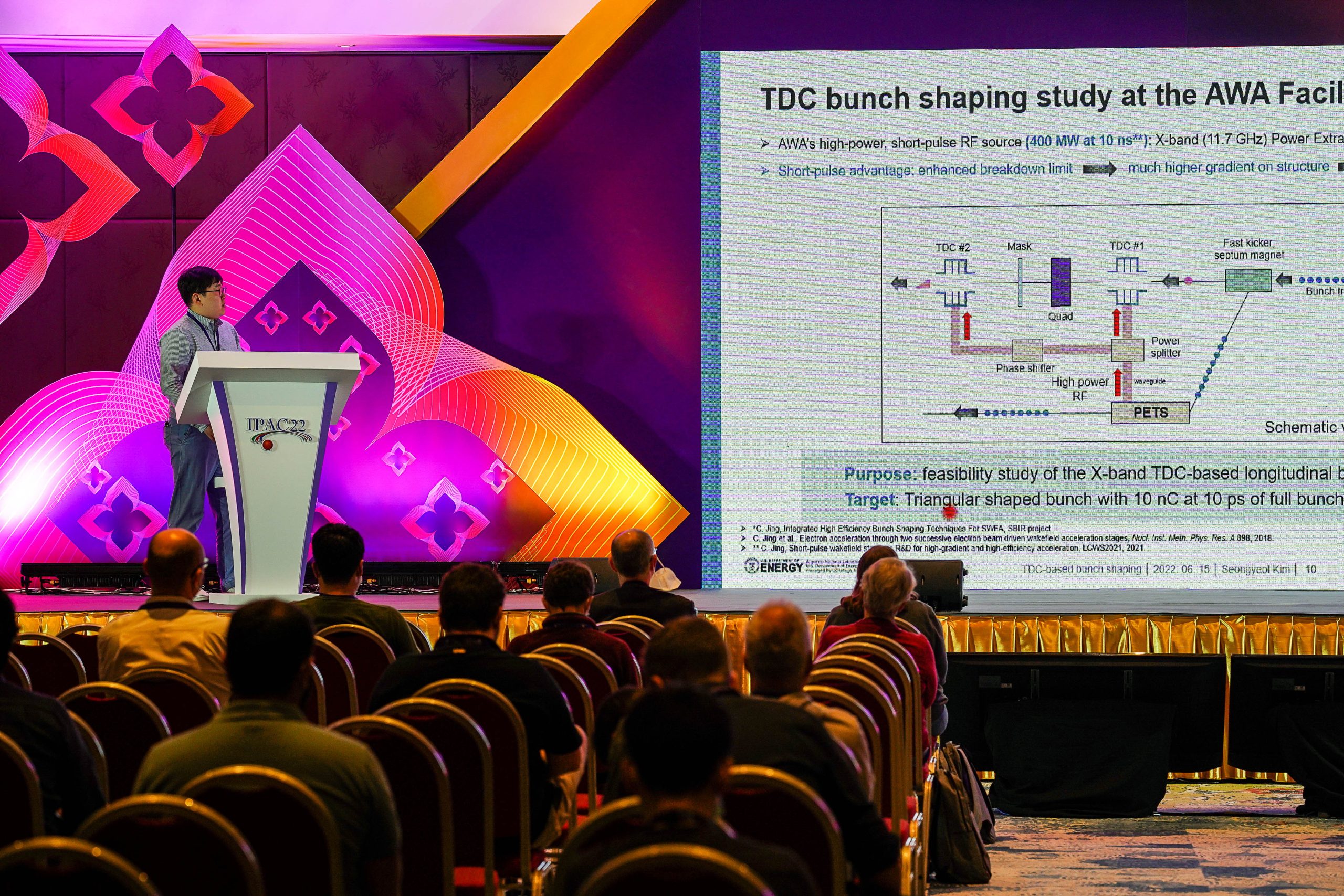
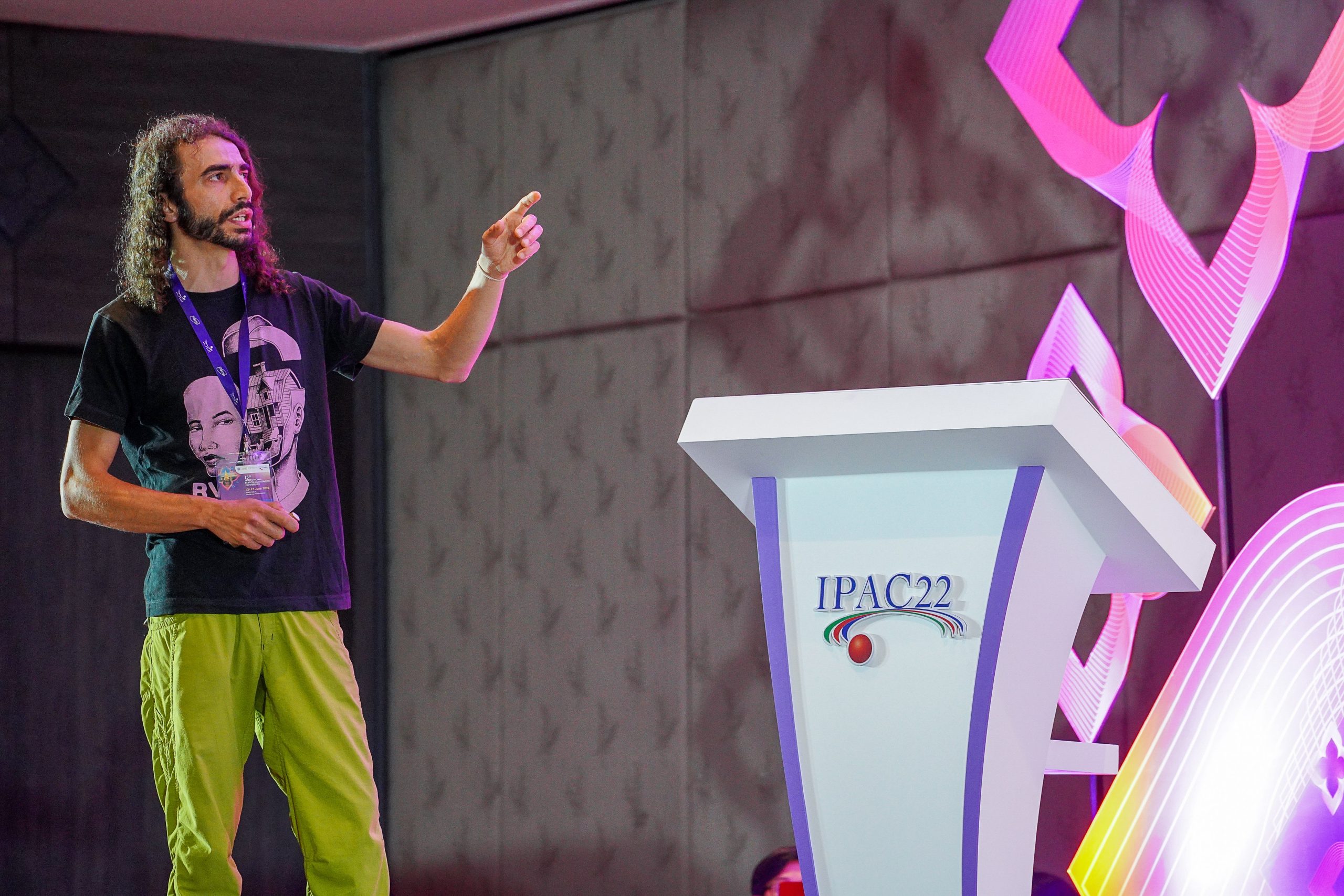
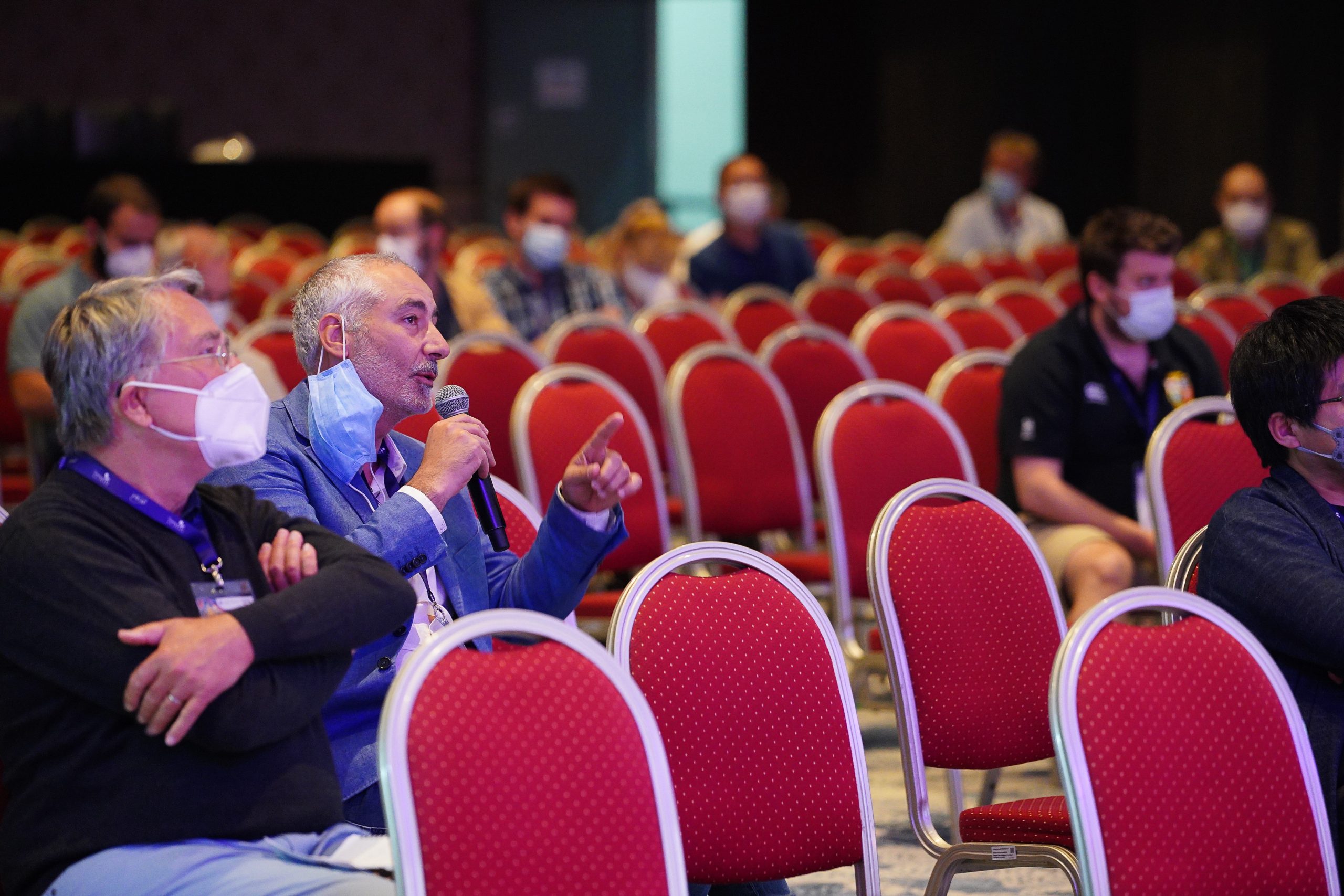
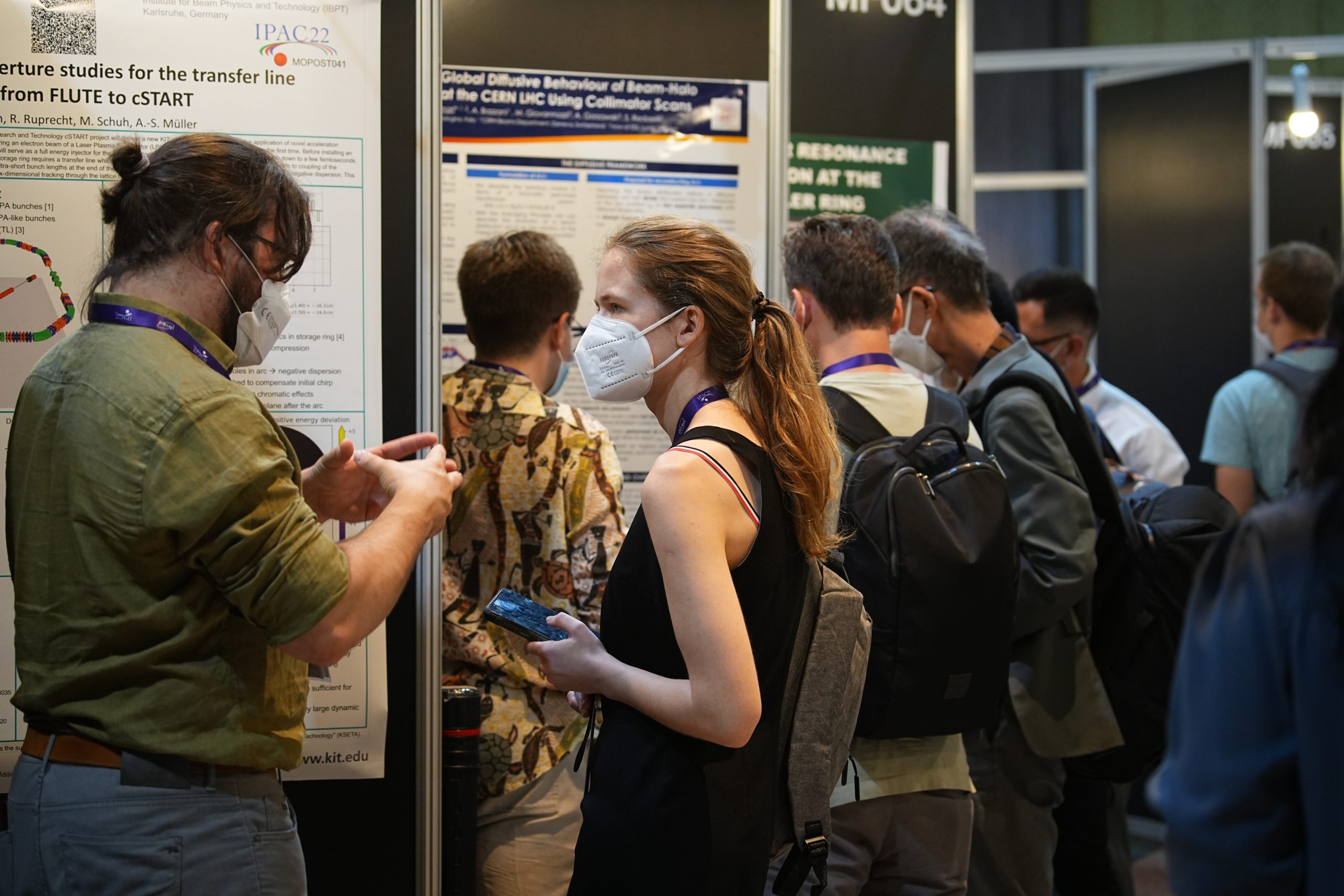
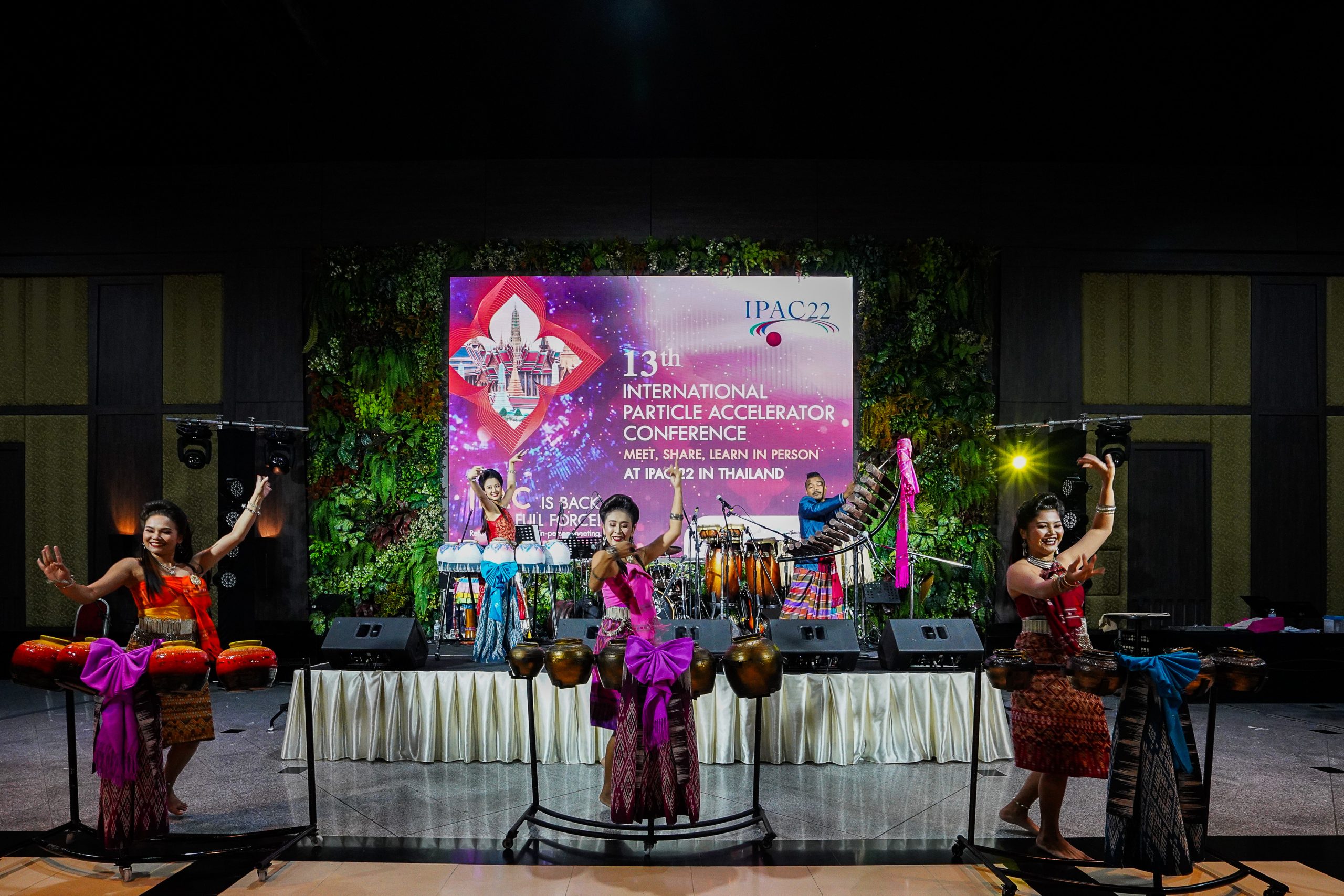
The Synchrotron Light Research Institute (Public Organization) under the supervision of the Ministry of Higher Education, Science, Research and Innovation, in the name of Thailand and representative of Asia hosted the 13th International Particle Accelerator Conference (IPAC22) in Thailand for the first time during 12-17 June 2022 at IMPACT Exhibition and Convention Center. The conference was successfully held with over 800 Thai and foreign visitors from Germany, United States, France, Switzerland, Japan, Italy, United Kingdom, Korea and Spain, and over 1,000 topics of research abstracts as well as over 60 booths of the particle accelerator exhibition from international dealers. The event provided insightful academic knowledge and performed as an experience exchange stage between researchers across the globe. The meeting also boosted the local economy for hospitality and tourism and represented a good image of Thailand to all visitors.
Dr. Prapong Klysubun, SPS-II Project Manager, SLRI, and Organising Committee Chair of IPAC’22, said, “The IPAC meeting has such global significance, and it is the largest conference of its kind. The conference is held annually with the rotation of host within 3 continents which are Asia (including Australia), Europe and North-South America. This year, it was being held in Asia and Thailand led by the Synchrotron Light Research Institute had signed up and was selected to be the host of the 13th conference with the participation of academicians and people who are interested in the meeting from various industries such as scientists, researchers, engineers, and particle accelerator dealers. The event was appreciated by visitors for its well-organized management and impressive atmosphere.
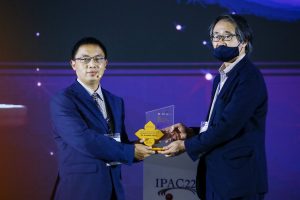
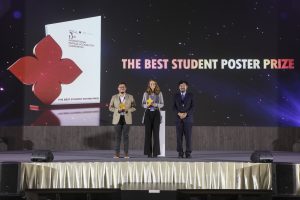
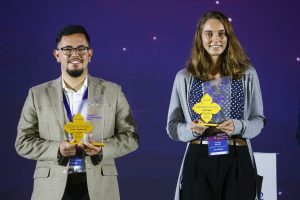
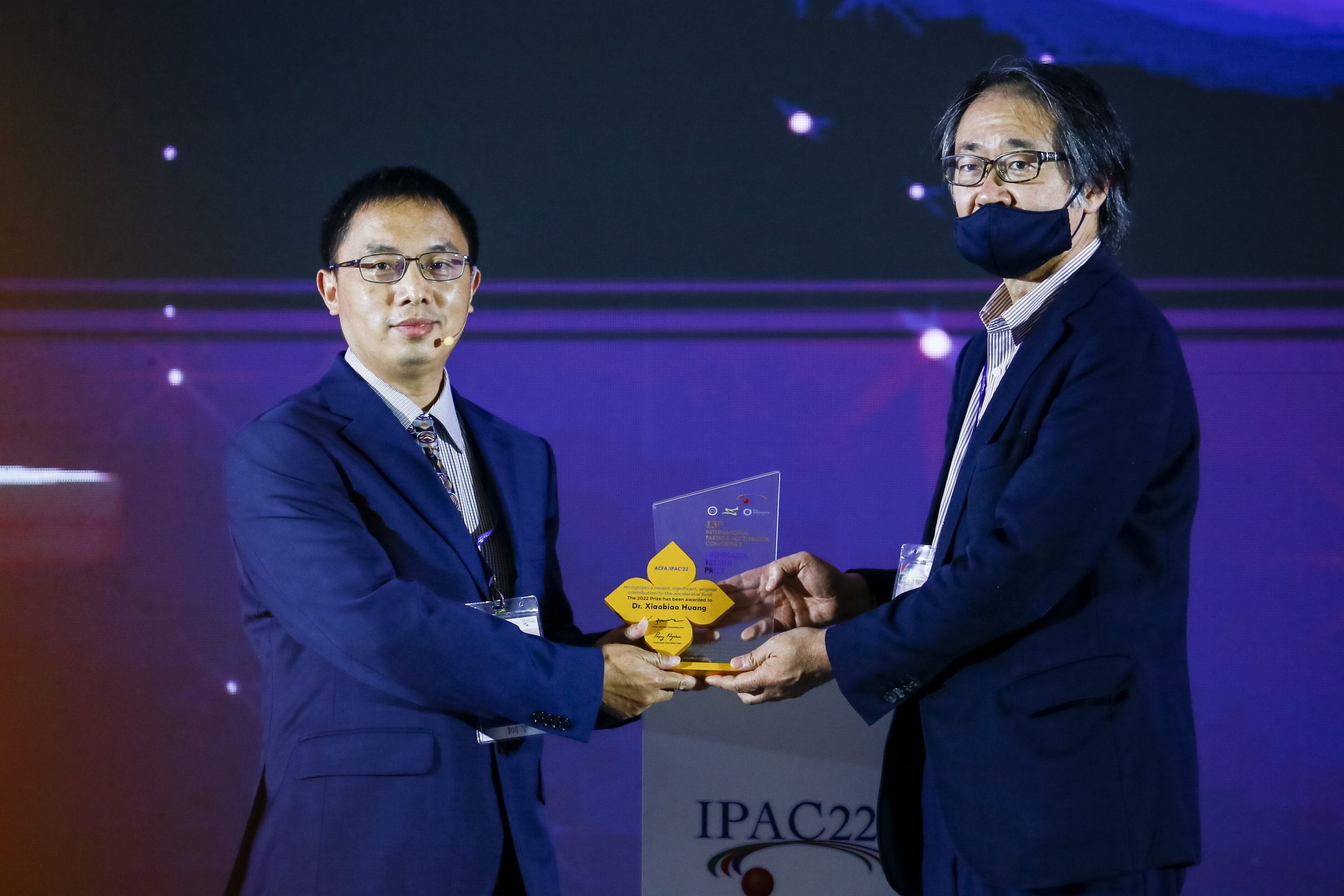
In the IPAC’22, the latest research paper and insights of particle accelerators from worldwide were presented as well as the practical applications of research, technology and innovation used in a laboratory and the industrial sector. International scientists from around the world had come to update researches of synchrotron technology, particle accelerator technology, magnet technology, vacuum technology and system technology to expand and enhance knowledge on science, technology and innovation for the future. In addition, there were awards ceremonies for international particle accelerator physicists. Each award is named after Asia particle accelerator physicists who have created benefactions and played an important role in the particle accelerator industry such as the Xie Jialin Prize which was named in the honor of Prof. Xie Jialin, a Chinese physicist who developed the particle accelerator to cure cancer, the Nishikawa Tetsuji prize was named in the honor of Nishikawa Tetsuji, a Japanese physicist who was expert on the light dynamics of linear particle accelerator, and the Hogil Kim Prize was named in the honor of Prof. Hogil Kim, a physicist and student who piloted the biggest particle accelerator project in South Korea and successfully graduated as particle accelerator physicist from an institute in the United States. Moreover, there was also an exhibition to present Thailand’s second synchrotron light generator to be built in the Eastern Economic Corridor of Innovation in Rayong Province in order to support the industrial sector. The second generator will take around 7 years to finish and will add at least 6,000 million Baht to the country economic value per year, bringing Thailand to be an innovative country and lifting Thai people’s quality of life.
Dr. Prapong Klysubun added “Thailand has the Synchrotron Light Research Institute (Public Organization) or SLRI to provide synchrotron light for public, private and industrial sectors with an aim of research purposes and product development in various fields, including food, cosmetics, pharmaceuticals, and polymers. The institute is located in the campus of Suranaree University of Technology (SUT), Nakhon Ratchasima. It is the only synchrotron light research institute in Thailand and is the biggest one in ASEAN. It provides service and support to farmland, medical, pharmacy and industry such as the service of providing synchrotron light to the industry to develop cosmetics with skin absorption analysis. More example is a project using synchrotron light to develop medicine; COVID-19 medicines by using synchrotron light to identify molecule model of COVID-19 virus which the Synchrotron Light Research Institute in China was the first to discover, followed by England. This helped scientists to develop medicine which blocks virus molecules attached to human body cells. Another example is the usage of synchrotron light to develop medicine for Avian Influenza which the Synchrotron Light Research Institute in Australia was able to develop medicine to cure the H5N1 virus. As above mentioned, the synchrotron light generator is considered as a scientific tool with a complication of engineering technology and is recognized as a key infrastructure to develop the country in terms of science and technology for business expansion and competitive increase to support industrial research leading to human resources development as well as creating jobs and building careers in various fields.
The next 14th International Particle Accelerator Conference will be held in Italy.
In the 21st century, many principles, theories, and various bodies of knowledge have been formulated leading to advanced technological development for more human convenient living. One technology apparently taking as a part in human life is nanotechnology. The nanotechnology is a technology occurred from applying multidisciplinary knowledge from many fields such as physics, chemistry, engineering, or applied science to make and synthesize atomic and molecular materials, also nanoscale parts and structures. Nanotechnology is utilized to develop materials or tools with specific physical, chemical, and biological properties or functions in response to human’s need in term of more life safety and convenience.
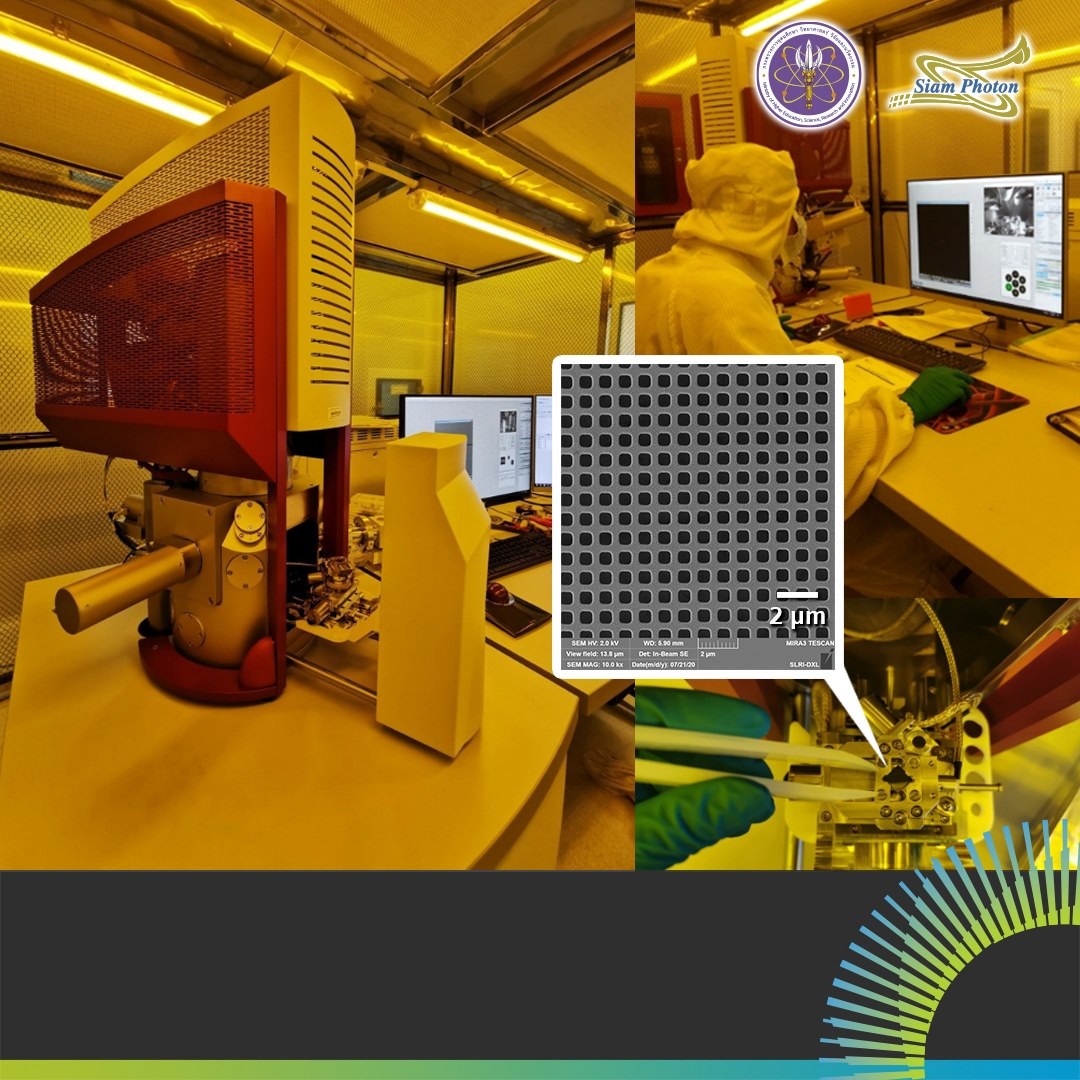
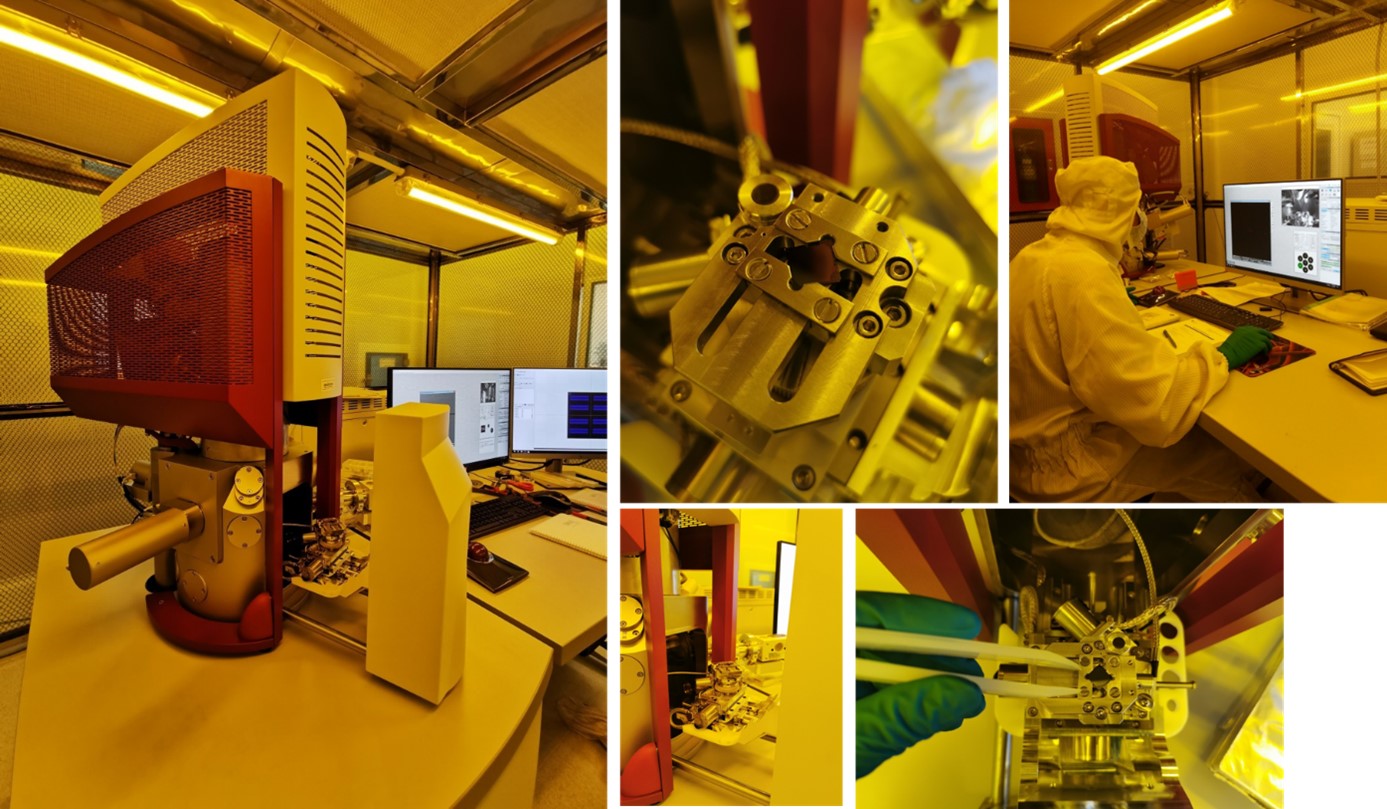
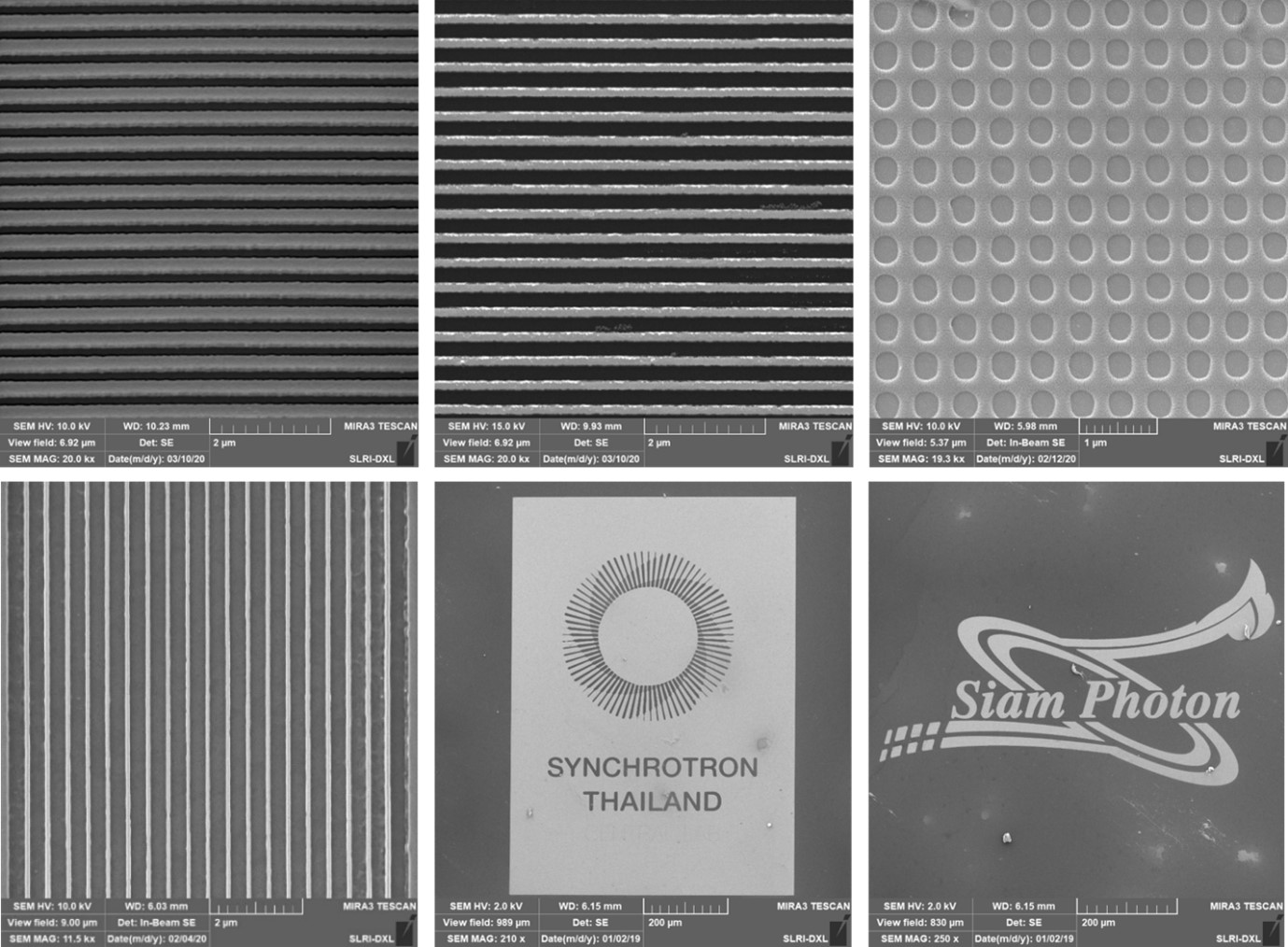
Microsystems Electronics and Control Systems (MEMs) laboratory at Beamline 6: Deep X-ray Lithography, Synchrotron Light Research Institute, the laboratory equipped with tools and instruments for production of nanoscale parts and structures, is upgraded in efficacy to support the era of nanotechnology. The FE-SEM (MIRA3 model) was installed to fabricate nanoscale-structure using Electron Beam Lithography (EBL) process. In this process, the focused electron beam is applied to create nanostructures on photoresist. The photoresist reacts to electrons and is rinsed off by Developer liquid to acquire nanoscale structure for adding metal on substrate and building metallic nanostructure later on.
The MEMs lab is currently developed and can make the small metallic structure at 100-nanometer scale with the Electron Beam Lithography to support frontier research and advanced technology.
Article by: Mr. Kiattisuk Srisoam, Laboratory Scientist
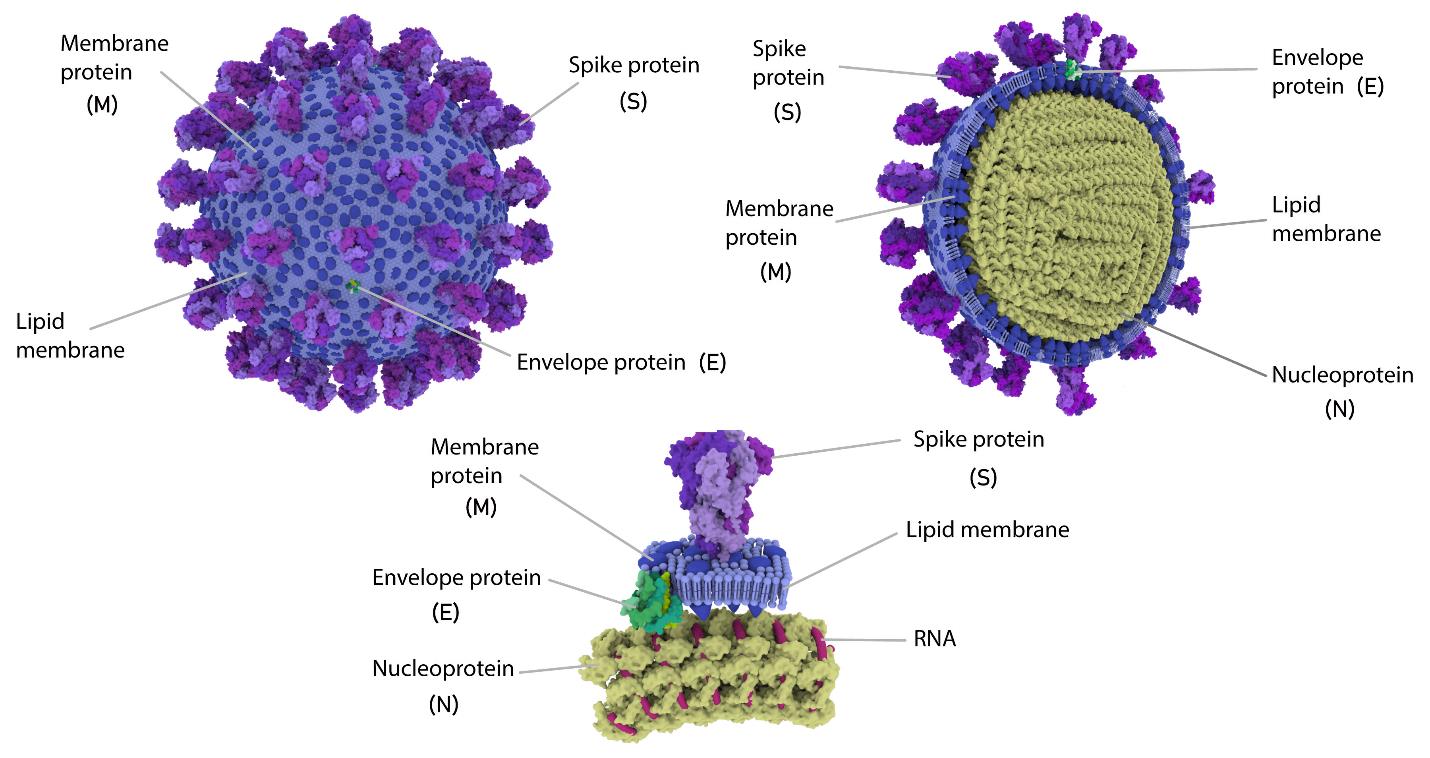
Figure 1 Three dimensional models of the SARS-CoV-2 virion and a schematic diagram of its four structural proteins. Figures were modified from coronavirusexplained
A novel zoonotic coronavirus SARS-CoV-2 was originally explored in Wuhan, China in December 2019 and further regarded to the serious pandemic known as COVID-19. In early March 2022, the global COVID-19 pandemic has caused over 453 million confirmed cases and over 6 million deaths (John Hopkins Coronavirus Resource Center, https://coronavirus.jhu.edu).
The COVID-19 virus and the emergence of new virus variants seriously threat to global public health. It is a strong requirement to develop the effective diagnostic tools which are able to quickly and reliably detect active SARS-CoV-2 infections.
Structural proteins of the COVID-19 virus are very important to understand its pathogenic mechanism, thus leading to the development of antibodies, vaccines and drugs for targeting these proteins and viruses.
SARS-CoV-2 comprised the four structural proteins; the spike (S), nucleocapsid (N), envelope (E) proteins and membrane glycoprotein (M). A complete virus particle (virion) is represented in Figure 1. Cryo-electron microscopy is one of the powerful tools to determine the overall structure of the S protein, thus presenting a unique crown or ‘corona’-like shape.
Three viral proteins; the spike (S), envelope (E) and membrane (M) are embedded in the outer layer of the corona viral particle. The corona viruses protect themselves from the surrounding environment, then the ribonucleic acid (RNA) forms a stable packed in the lipid membrane. The nucleocapsid protein (nucleoprotein) is responsible for tightly wrap the RNA of viruses. However, the fatty membrane of SARS-CoV-2 is sensible to be destroyed by soap, detergent or surfactant.
The nucleocapsid protein significantly involves in viral genomic RNA binding, thus protecting the coiled RNA as its genetic material inside the virus particle. Moreover, the N protein also plays an important role in the early stages of viral infection when the RNA genome is first released into the target host cell.
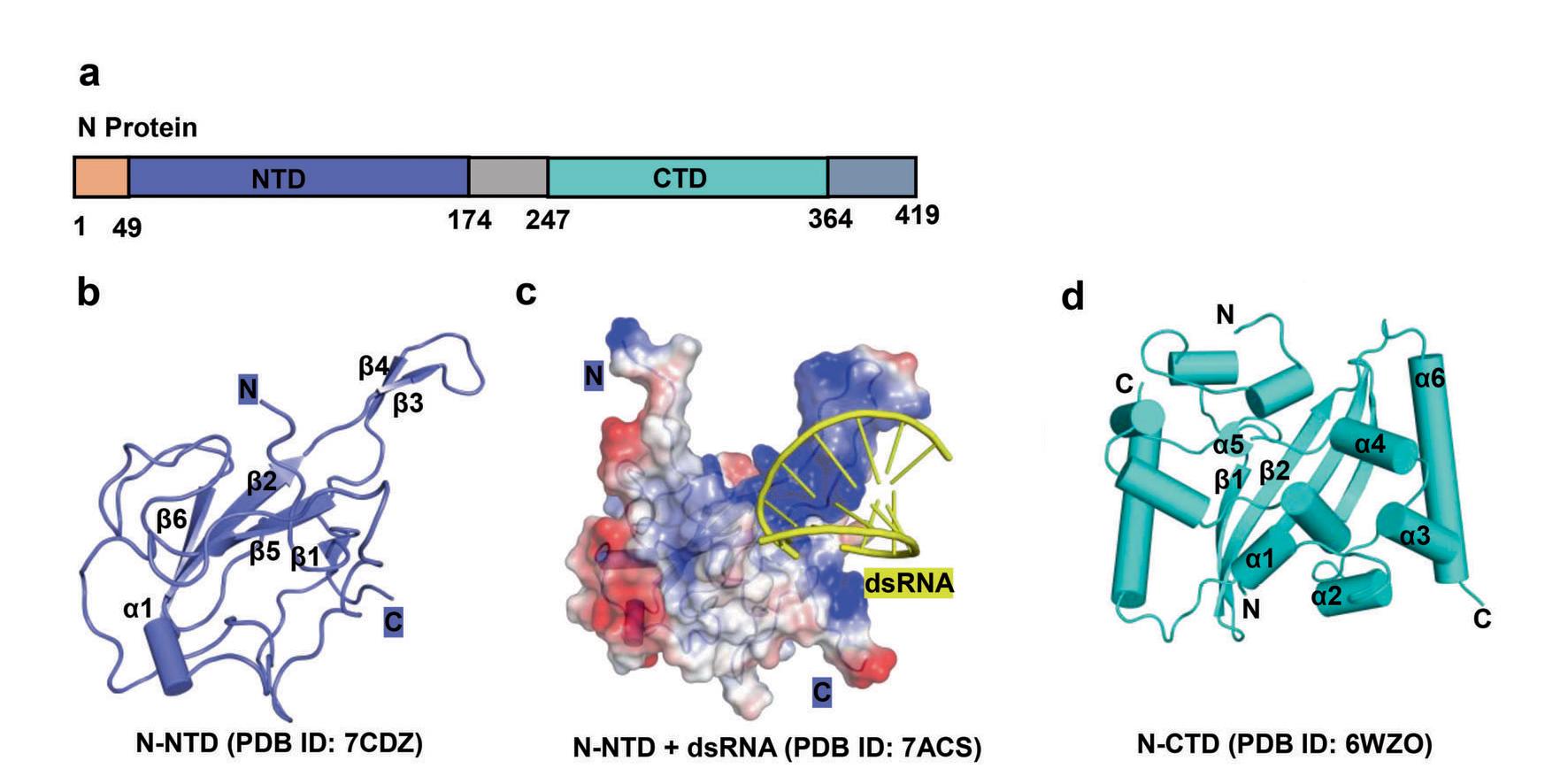
X-ray crystal structures of the N-terminal (PDB entry 7CDZ) and C-terminal domains have been illustrated here (PDB entry 6WZO). Holo structure of N-terminal domain in complex with double strand RNA (PDB entry 7ACS) has been determined by Nuclear Magnetic Resonance Spectroscopy technique.
The SARS-CoV-2 nucleocapsid protein comprises a total of 419 amino-acid residues as shown in Figure 2a. The N-terminal domain (NTD, residues 49–174) and the C-terminal domain (CTD, residues 247–364) are connected by a flexible linker (residues 175–246) (Figure 2a).
The structure of N-NTD is folded into a right-handed shape and consists of six antiparallel β-sheets (β4-β2-β3-β1-β5-β6), thus forming the palm (Figure 2b). A protruding β-hairpin region locates out of the core subdomain which is formed by a four-stranded antiparallel β-sheet (Figure 2b).
The N-terminal domain of nucleocapsid protein bound to viral RNA forms a ribonucleoprotein complex as shown in Figure 2c. The overall structure of N-NTD complexed with double strand RNA (dsRNA) which is shown in electrostatic surface potential illustrates the negatively charged RNA binding to the positively charged region in the nucleocapsid protein.
The C-terminal domain of nucleocapsid protein forms a cuboid architecture, thus composing of homologous dimers. Each protomer consists of six α-helices and two β-strands (Figure 2d).
Figure 2 (a) Schematic diagram of the nucleocapsid protein (N); the N-terminal domain (NTD and the C-terminal domain (CTD). (b) The overall structure of N-NTD depicted in ribbon representation. (c) The overall structure of N-NTD complexed with dsRNA. (d) The overall structure of C-NTD shown in cartoon representation. Figures were obtained from Yan et al., 2022.
The SARS-CoV-2 N protein is a highly immunogenic viral protein that plays essential roles in corona viral transcription and replication assembly. Moreover, the N protein provides several good advantages: it shares substantial sequence conservation, is less vulnerable to mutation in variants, and activates a stronger protective immune response in the host cells. Therefore, N protein is an excellent potential target for drug design and diagnosis of COVID-19.
Re-written by Chomphunuch Songsiriritthigul (Beamline Scientist, SLRI)
References
Neuman, B.W., Buchmeier, M.J. (2016). Supramolecular Architecture of the Coronavirus Particle. Advances in Virus Research. 96, 1-27. DOI: 10.1016/bs.aivir.2016.08.005. McBride, R., van Zyl, M., Fielding, B.C. (2014). The coronavirus nucleocapsid is a multifunctional protein. Viruses. 6(8), 2991-3018. DOI: 10.3390/v6082991.
Schoeman, D., Fielding, B.C. (2019). Coronavirus envelope protein: current knowledge. Virology Journal. 16(1), 69. DOI: 10.1186/s12985-019-1182-0. Walls, A.C., Park, Y.J., Tortorici, M.A, et al. (2020). Structure, Function, and Antigenicity of the SARS-CoV-2 Spike Glycoprotein. Cell. 181(2), 281-292.e6. DOI: 10.1016/j.cell.2020.02.058. Yan, W., Zheng, Y., Zeng, X., He, B., Cheng, W. (2022). Structural biology of SARS-CoV-2: open the door for novel therapies. Signal Transduction and Targeted Therapy. 7(26). DOI: 10.1038/s41392-022-00884-5.
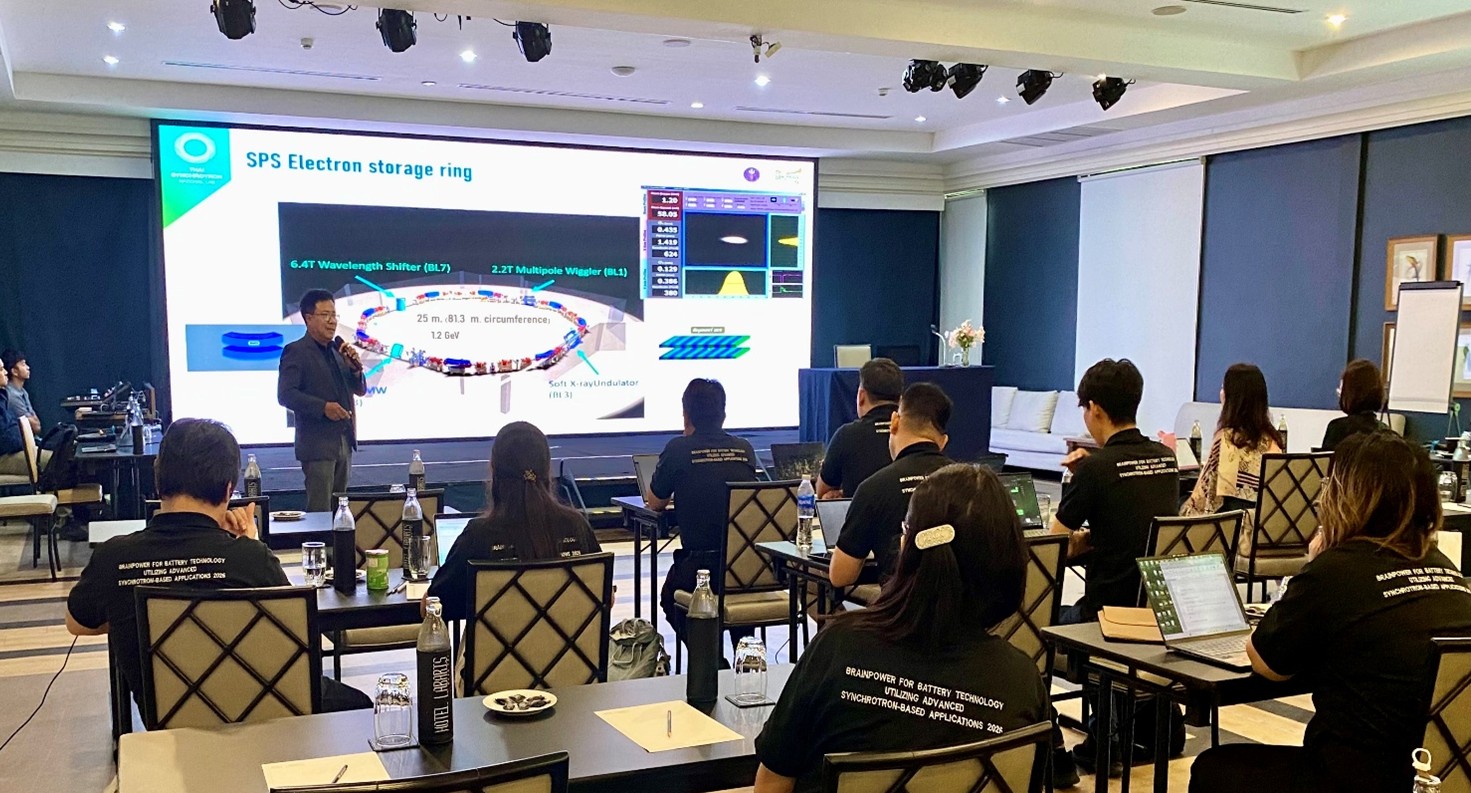
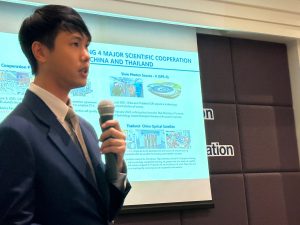
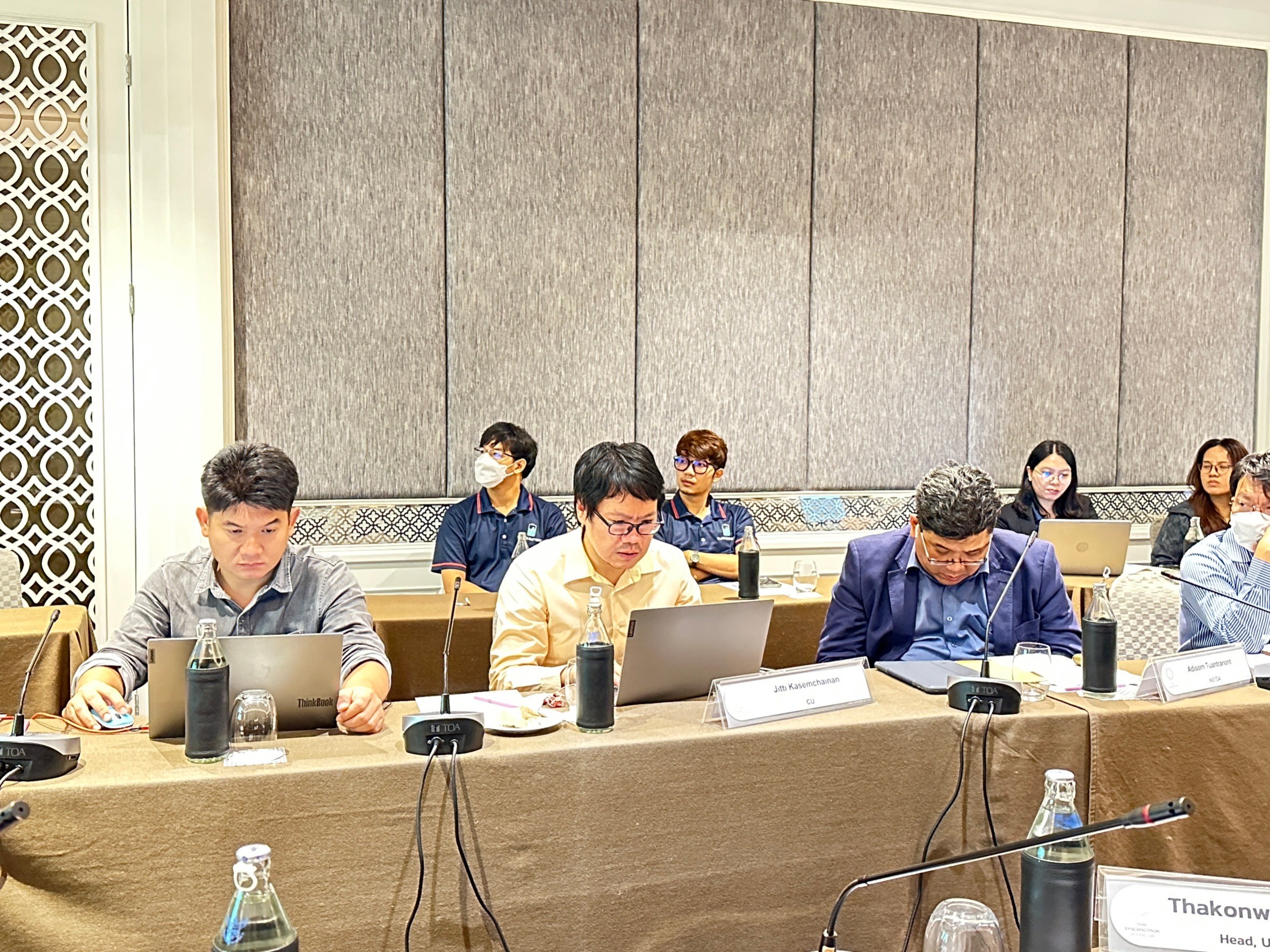
On 23–24 February 2026, the Synchrotron Light Research Institute (Public Organization) (SLRI), under the Ministry of Higher Education, Science, Research and Innovation (MHESI), organized a seminar entitled “Brainpower for Battery Technology Utilizing Advanced Synchrotron-based Applications” at Hotel Labaris Khao Yai.
The event builds upon the success of the trilateral collaboration among Thailand, China, and South Korea in battery technology research in 2025. The partnership has been developed under the Global Partnership–EAST Program (PMU-B), supported by the Program Management Unit for Frontier Brainpower and Future Industries (PMU-B), with the objective of strengthening cooperation in energy research and advanced synchrotron techniques.
The seminar was convened to define the development direction for the next phase (2026–2027). It focused on brainstorming sessions and knowledge exchange among researchers and experts participating in the program to formulate a joint strategic research plan for 2026–2027. The initiative aims to generate research questions that address emerging challenges in battery technology, enhance the capabilities of young researchers, strengthen collective brain power among partner countries, and maximize the application of advanced synchrotron technology. Ultimately, these efforts will contribute to advancing scientific excellence and reinforcing the sustainable competitiveness of the regional energy industry in the future.
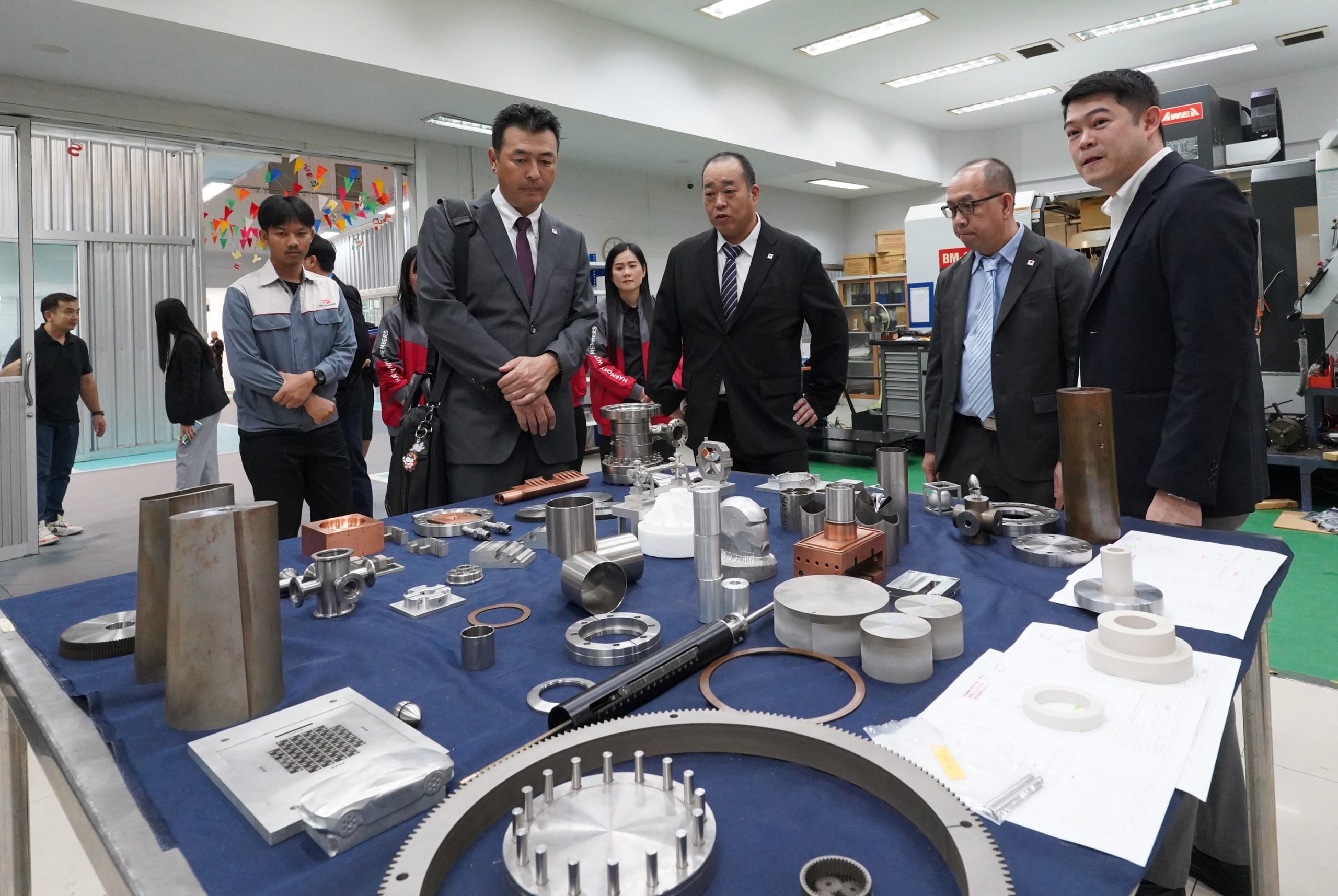
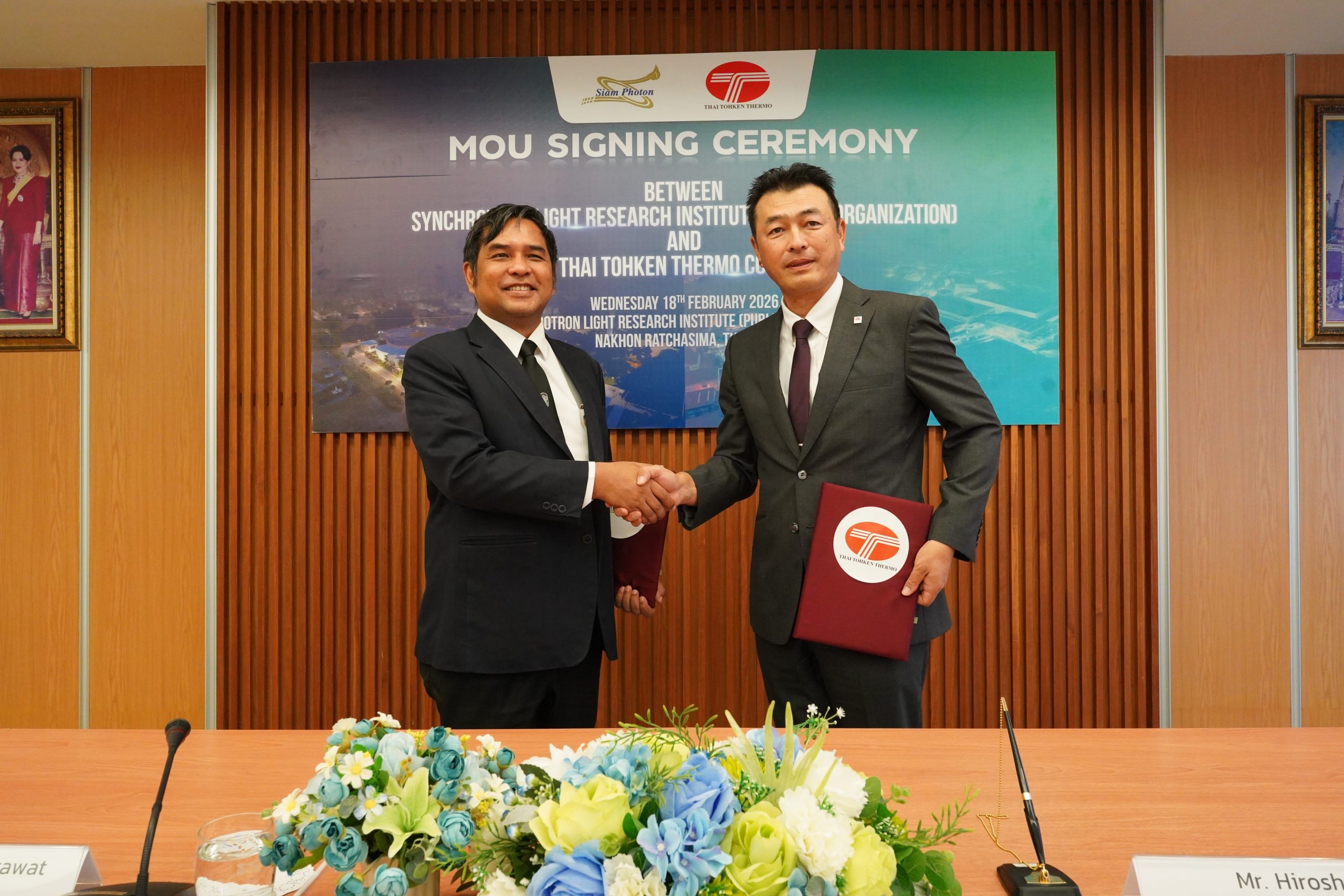
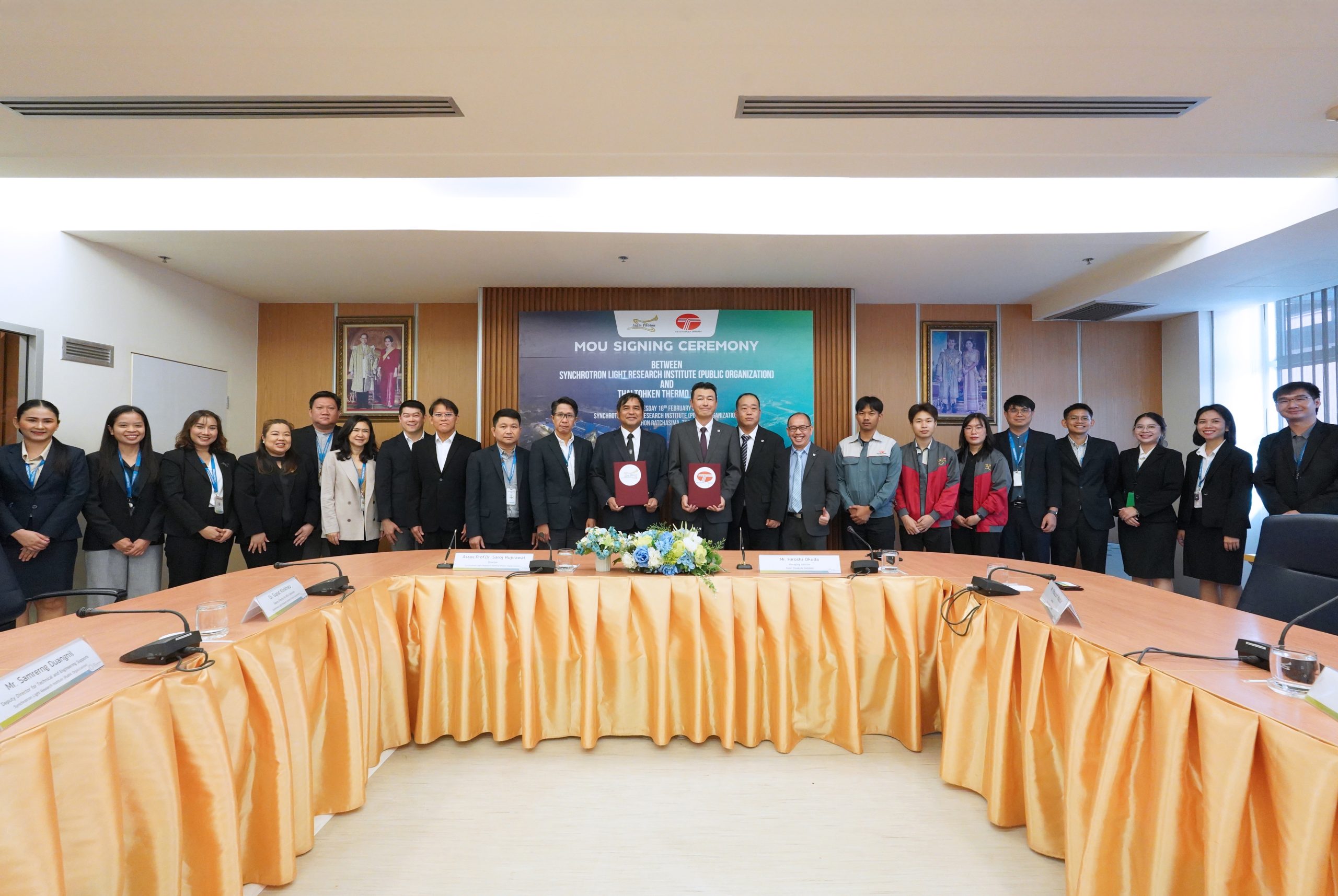
On 18 February 2026, the Synchrotron Light Research Institute (Public Organization) (SLRI), under the Ministry of Higher Education, Science, Research and Innovation (MHESI), signed a Memorandum of Understanding (MoU) with Thai Tohken Thermo Company Limited, a metal coating service provider, at SLRI in Nakhon Ratchasima.
This partnership aims to strengthen research and development in synchrotron light and related technologies, including support for analytical testing, training, technology transfer, and human resource development.
Mr. Hiroshi Okuda, Managing Director of Thai Tohken Thermo Company Limited, expressed his expectation that the knowledge and expertise transferred from SLRI will enable the company to expand its metal coating applications beyond the automotive and medical industries into other industrial sectors.
“Supamas” inspects the operations of the Synchrotron Light Research Institute (Public Organization) or SLRI and sees the progress and application of synchrotron technology for research. She was particularly impressed with research on food processing and agriculture, such as elevating of Thai Arabica to compete in the world market, processing vegetables into snacks, extending the shelf life of durian for export by freezing. Moreover, she expressed her readiness to support the construction of a new 3 GeV synchrotron light source.
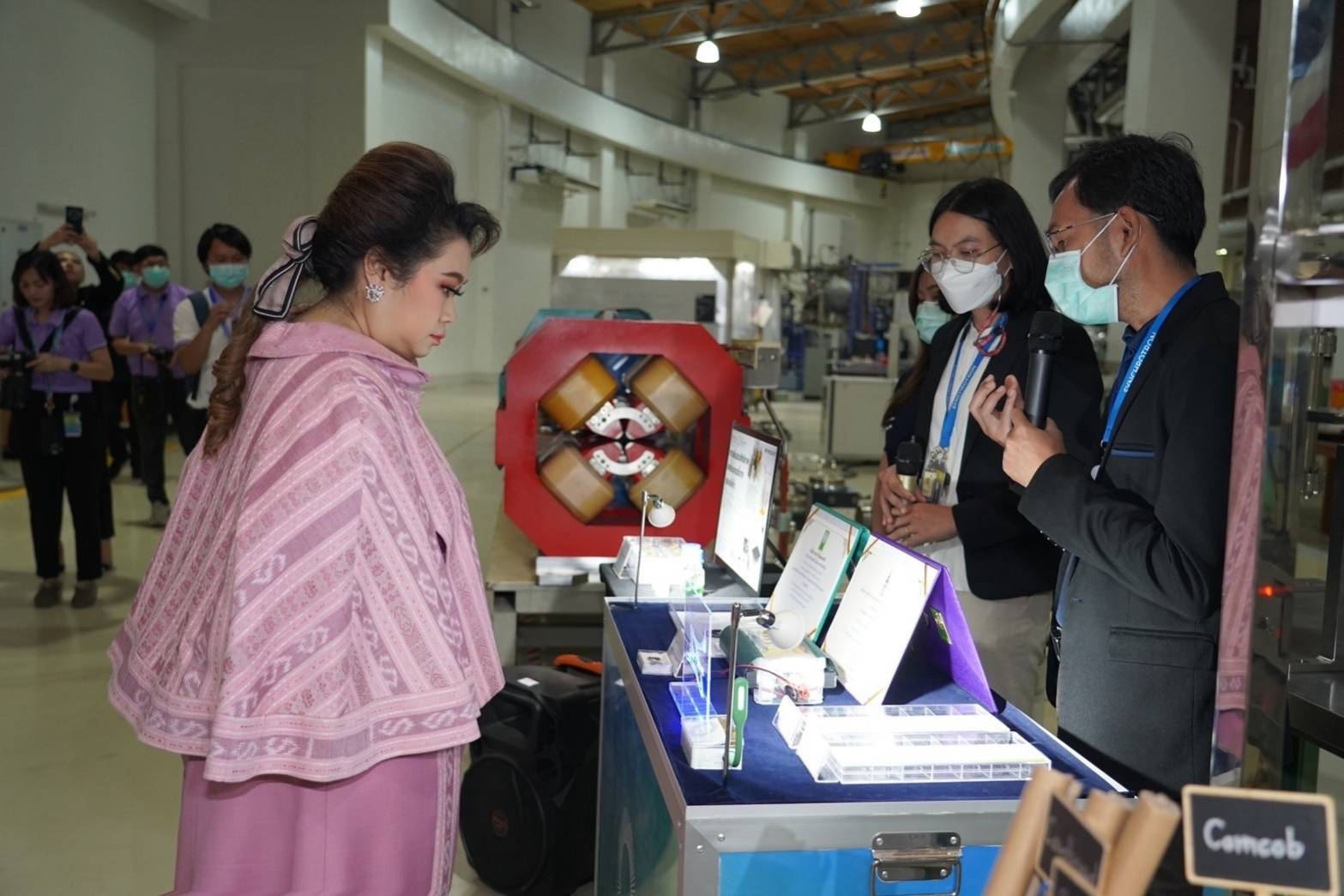
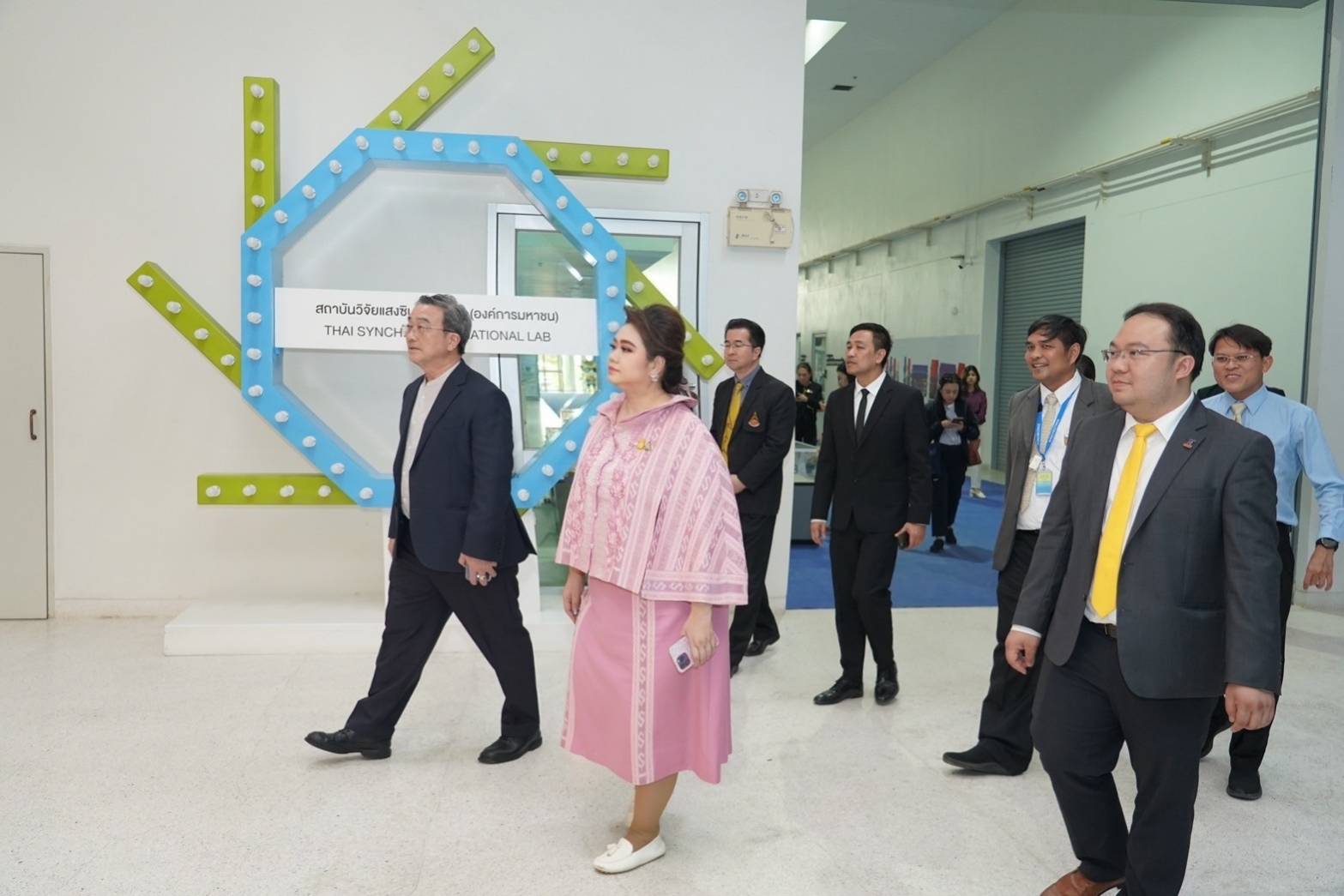
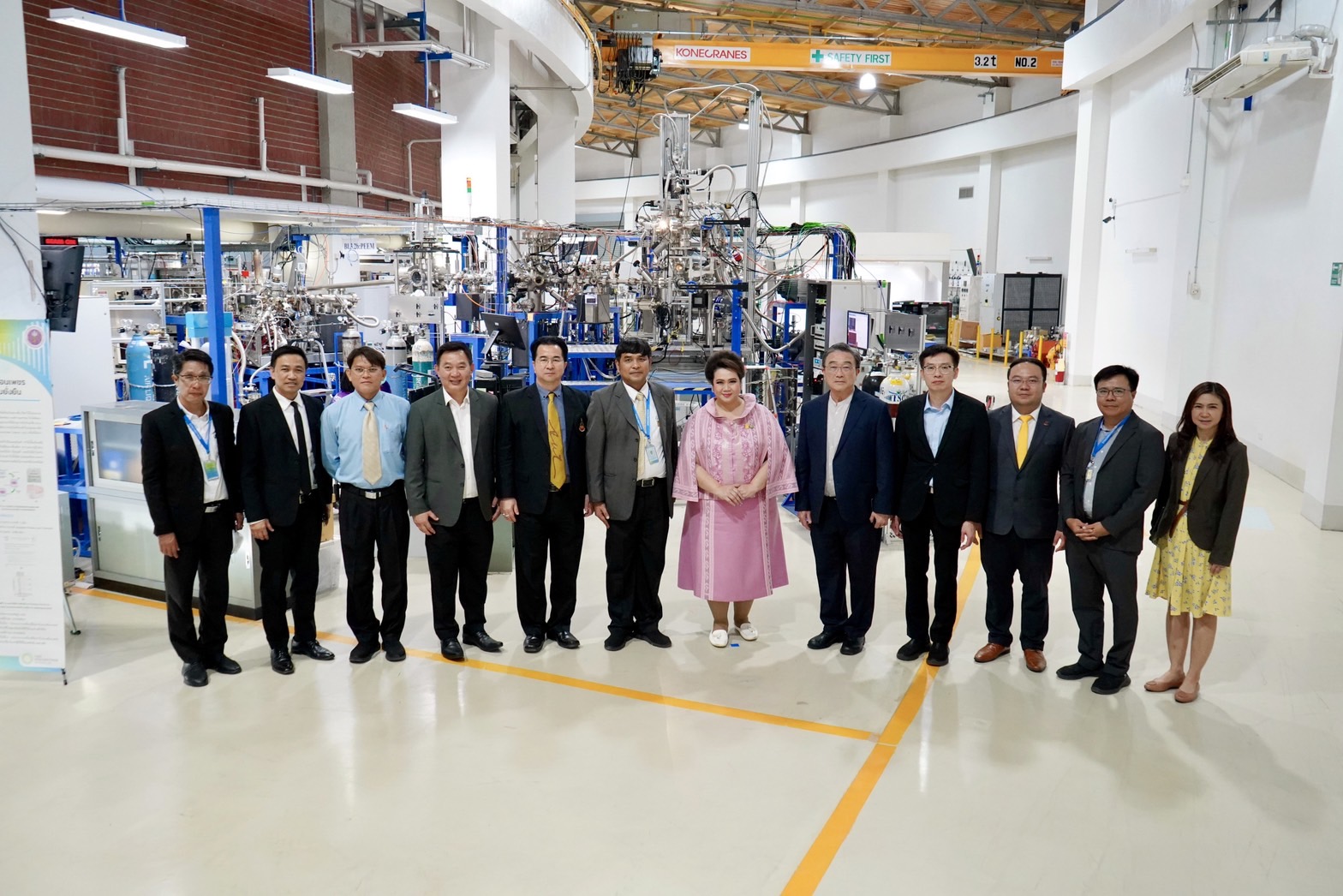
Ms. Supamas Isarabhakdi, Minister of Higher Education, Science, Research, and Innovation, accompanied by the Ministry of Higher Education, Science, Research, and Innovation (MHESI) executive team visited the operations of SLRI on 23rd February 2024 at Nakhon Ratchasima Province. Assoc. Prof. Dr. Weeraphong Paesuwan, Chairman of the Board of SLRI who is a member of expert committee in science in Thailand Science Research and Innovation (TSRI), and Assoc. Prof. Dr. Saroj Rujirawat, Director of SLRI, and SLRI executives welcomed the Minister at SLRI, Muang District, Nakhon Ratchasima Province.
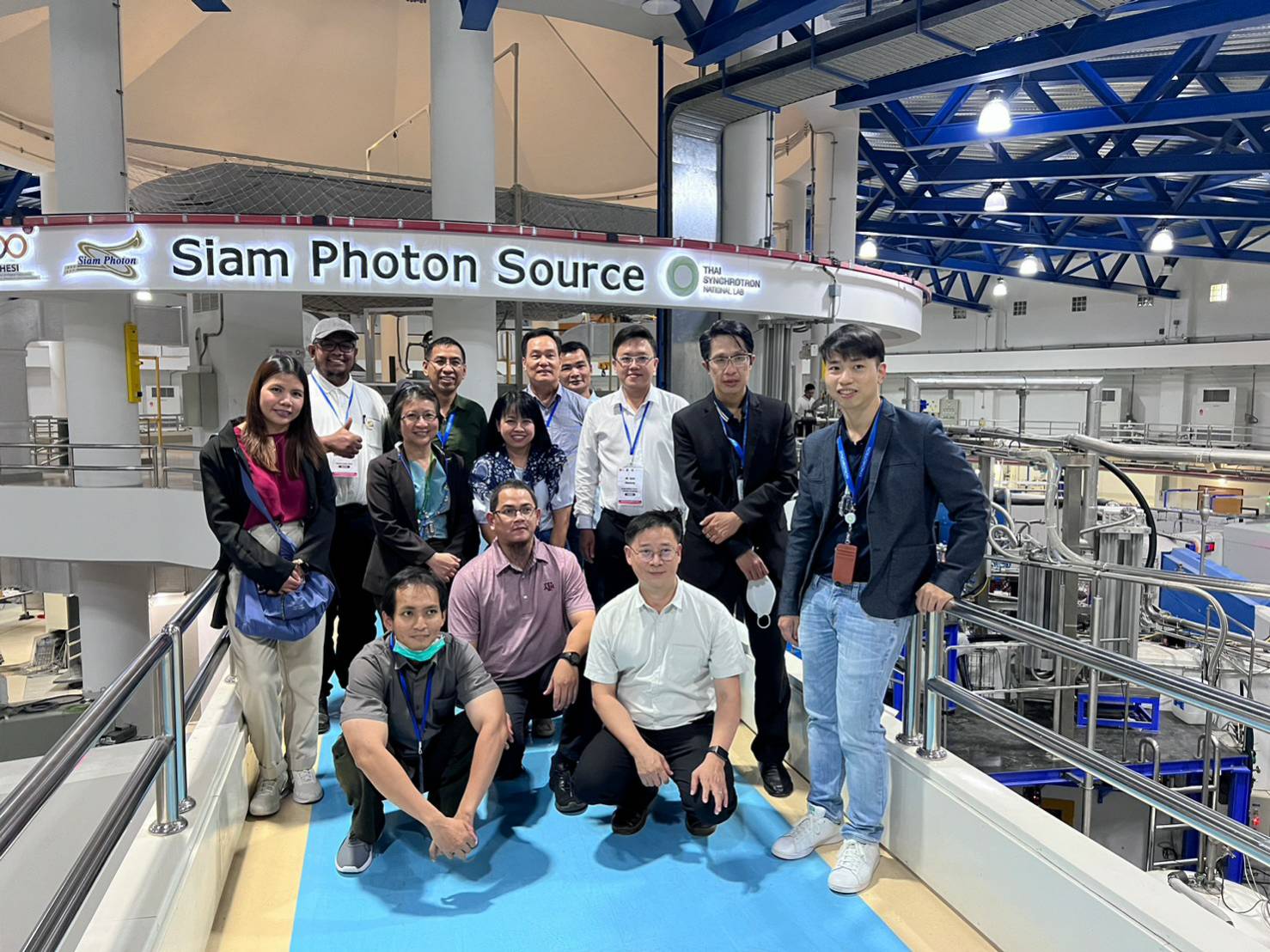
On this occasion, Minister of Higher Education, Science, Research, and Innovation visited the Siam Photon Laboratory and exhibitions of research results from the application of synchrotron light technology, including research results for medical application, such as the project to develop a 3D brain map (SYNAPSE), the development of silk masks to help the silk weaving community, the development of mRNA vaccine delivery carriers, and research results developed in collaboration with the private sector, such as Mama Kara lotion for mothers and children, along with research results in archeology, environment, and energy, such as research on ancient gold to trace its origins, unraveling the mystery of broken tusks to analyze elephant malnutrition, application of vacuum systems to preserve fossils, analysis of palm wood structure to develop products from palm wood, and the research results for turning waste into graphene. Ms. Supamas pays special attention to research results on food and agricultural applications, such as research on Korat chicken, the development of instant noodles by reducing the sodium content but still maintaining the deliciousness, processing vegetables into snacks in the form of vegetable crackers and vegetable thin crisps to create additional income for the Wang Nam Khieo vegetable growing community, development of Pop Rice to nourish the brain and enhance health, research on improving the quality of Thai Arabica coffee to compete in the worldwide market, extending the shelf life of durian for export by freezing.
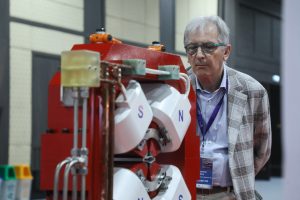
Ms. Supamas was also given an exclusive look at a prototype of accelerator magnets developed by Thai researchers and engineers for the project to construct a new 3 GeV synchrotron light source. This second synchrotron in Thailand, to be located in the Eastern Economic Corridor of Innovation (EECi); Rayong Province, will support research in medicine, energy, environment, agriculture, automotive, materials, electronics, digital industries, artificial intelligence, arts and culture, and archaeology. The new facility has the potential to significantly elevate Thailand’s scientific and technological standing in the world community.
After the visit, Ms. Supamas said, “The research on food and agriculture developed by SLRI is of great benefit to the community. There is food processing from vegetables left over from cutting which helps create new income channels. It increases the income for farmers in Wang Nam Khiao, Nakhon Ratchasima Province, adds value to agricultural products, and efficient use of resources from the agricultural product. If the new synchrotron light source is built, it will create a greater variety of research which helps create opportunities for the country. I am ready to support the construction of the 3 GeV synchrotron light source to be completed soon.”
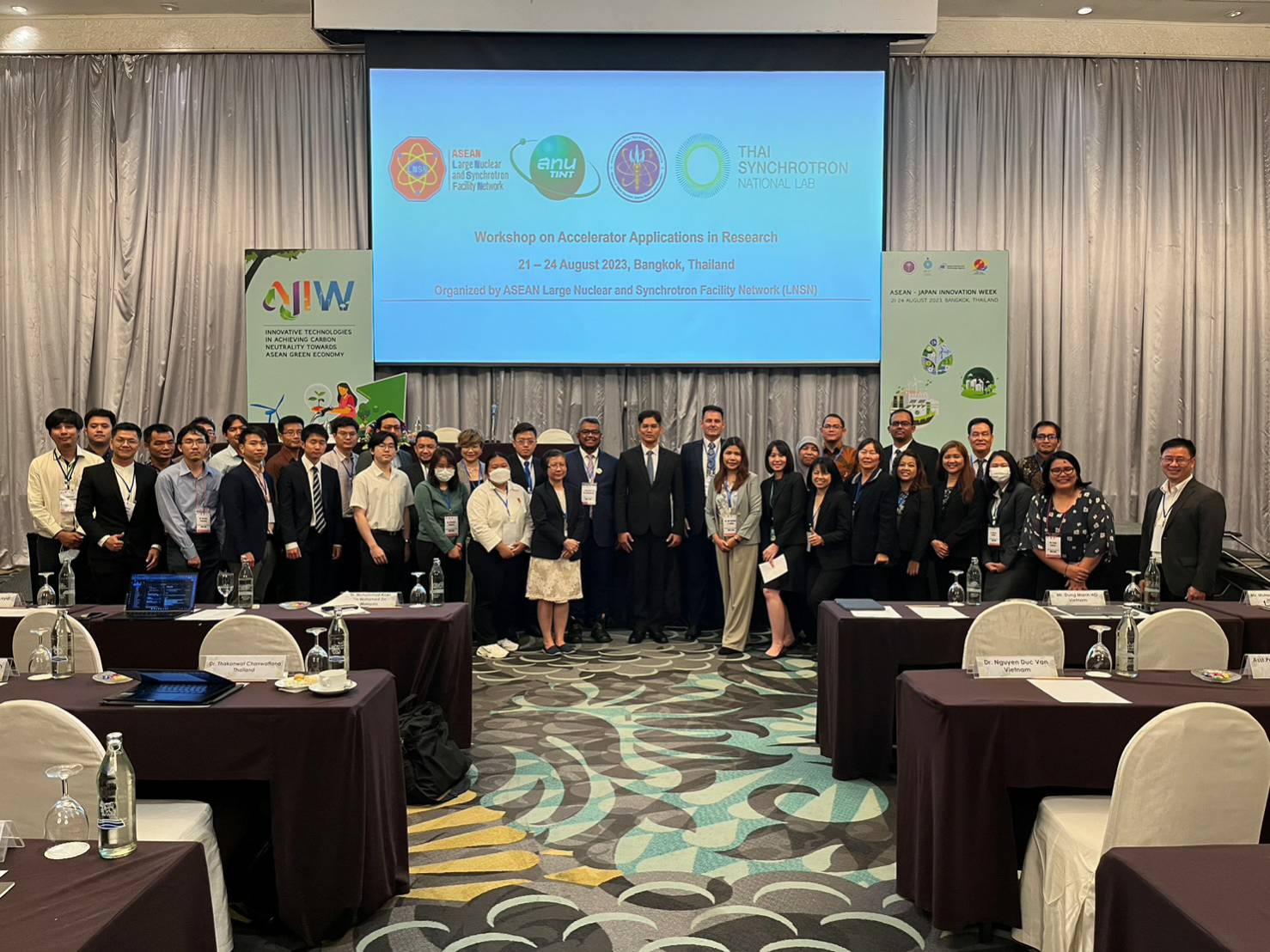
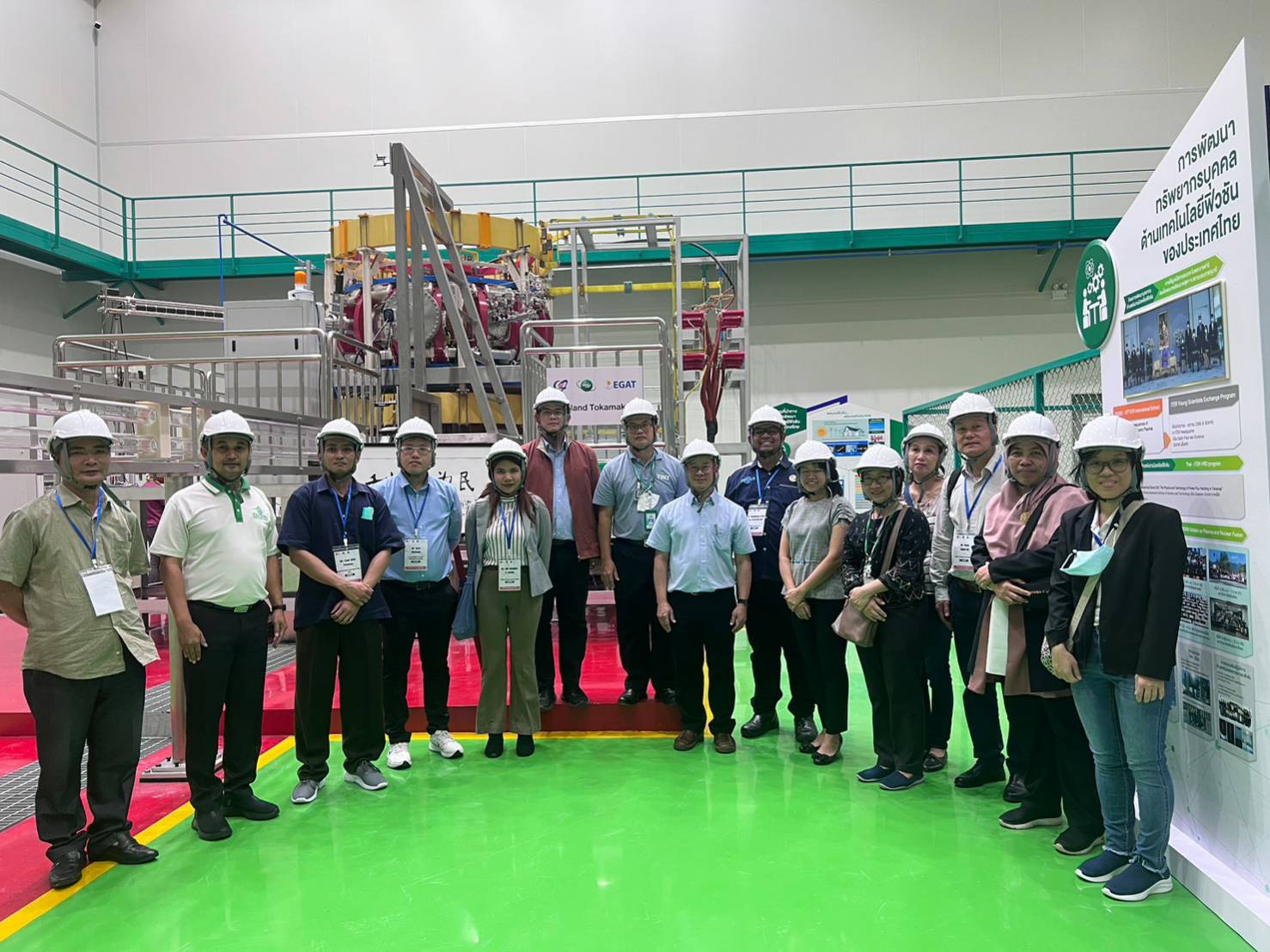
Thailand Institute of Nuclear Technology (Public Organization), TINT, and Synchrotron Light Research (Public Organization), SLRI successfully co-organized the “Workshop on Accelerator Applications in Research” on 21-24 August 2023 at Centrara Grand @ Central Plaza Ladprao in Bangkok, TINT in Pathum Thani and Nakhon Nayok, and SLRI in Nakhon Ratchasima.
The workshop is a part of the ASEAN Large Nuclear and Synchrotron Facilities Network (LNSN) and was held back-to-back with the 2023 ASEAN-Japan Innovation Week organized by the Office of the Permanent Secretary of the Ministry of Higher Education, Science, Research and Innovation. The aims of the workshop are to disseminate the knowledge of accelerator technology and its applications among ASEAN Member States, to promote utilization of accelerator technology in research as well as utilization of infrastructure available in ASEAN, and to promote collaboration among ASEAN researchers working on accelerator applications.
The workshop warmly welcomed 11 participants from ASEAN member states who joined on-site, while approximately 50 participants joined online via the Zoom application.
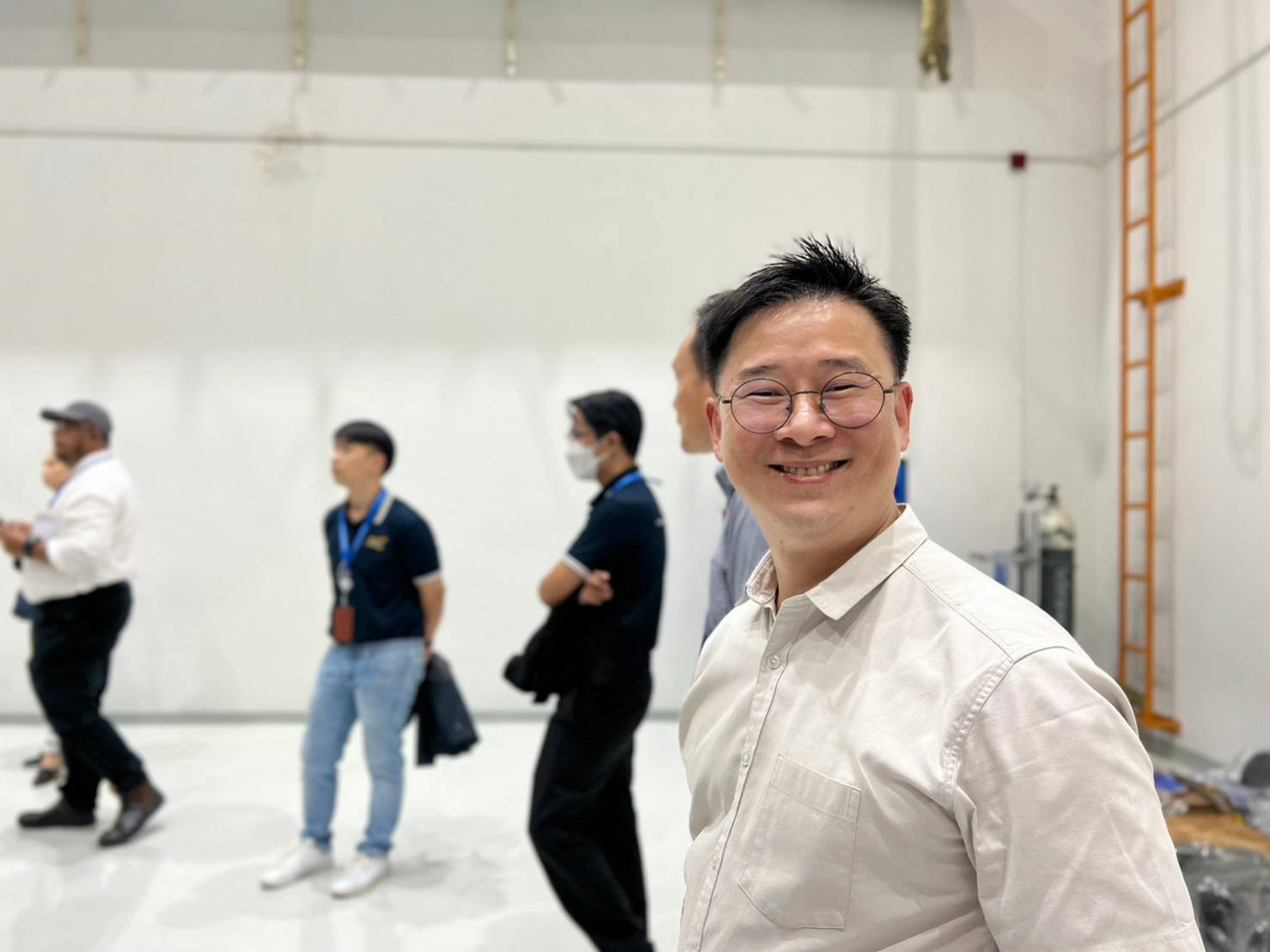
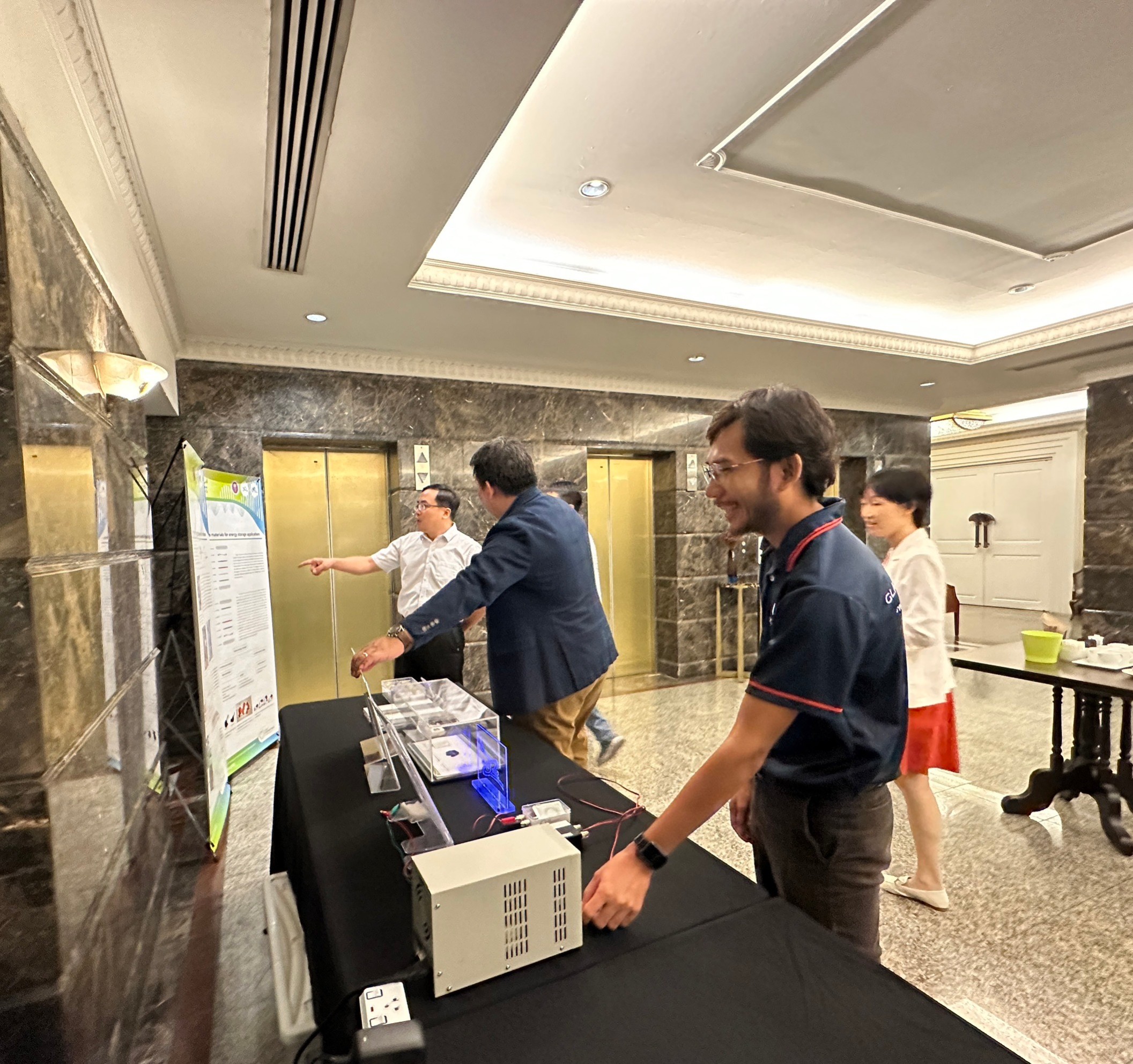
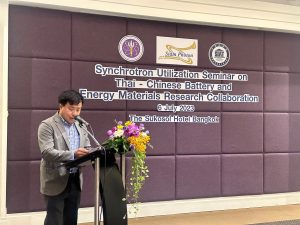
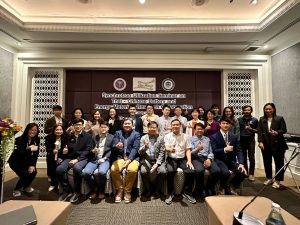
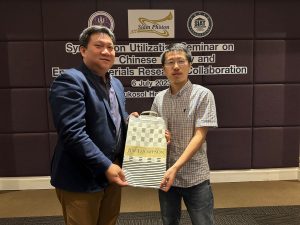
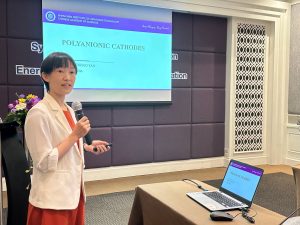
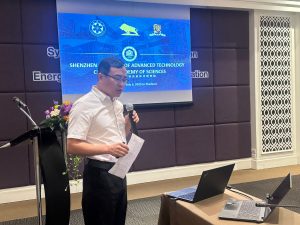
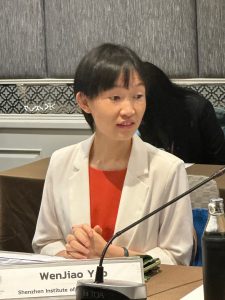
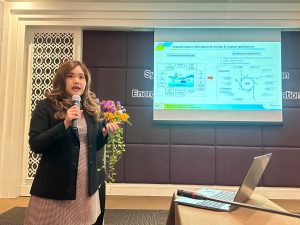
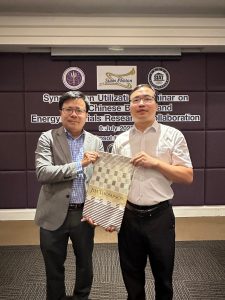
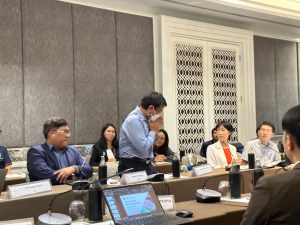
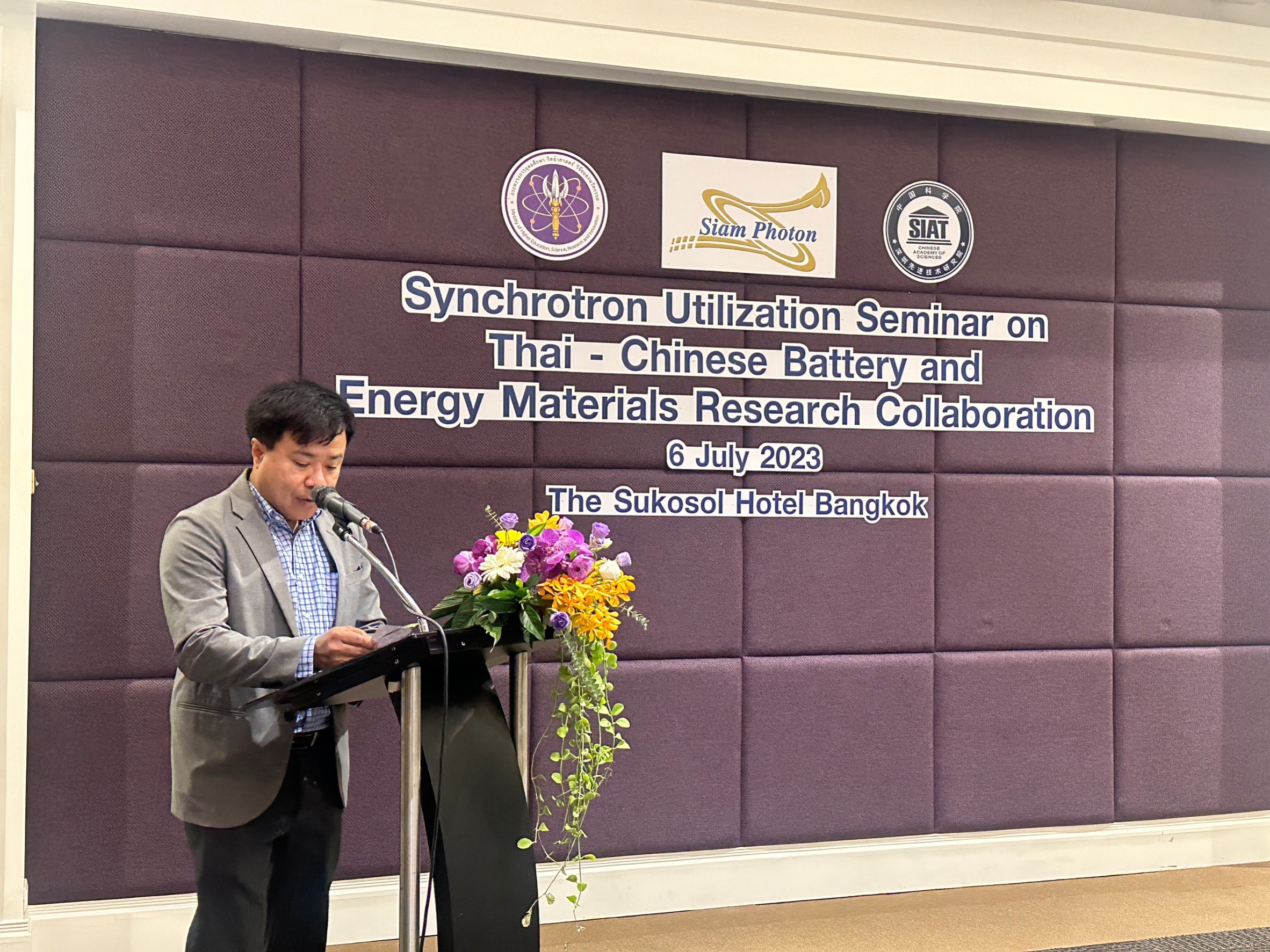
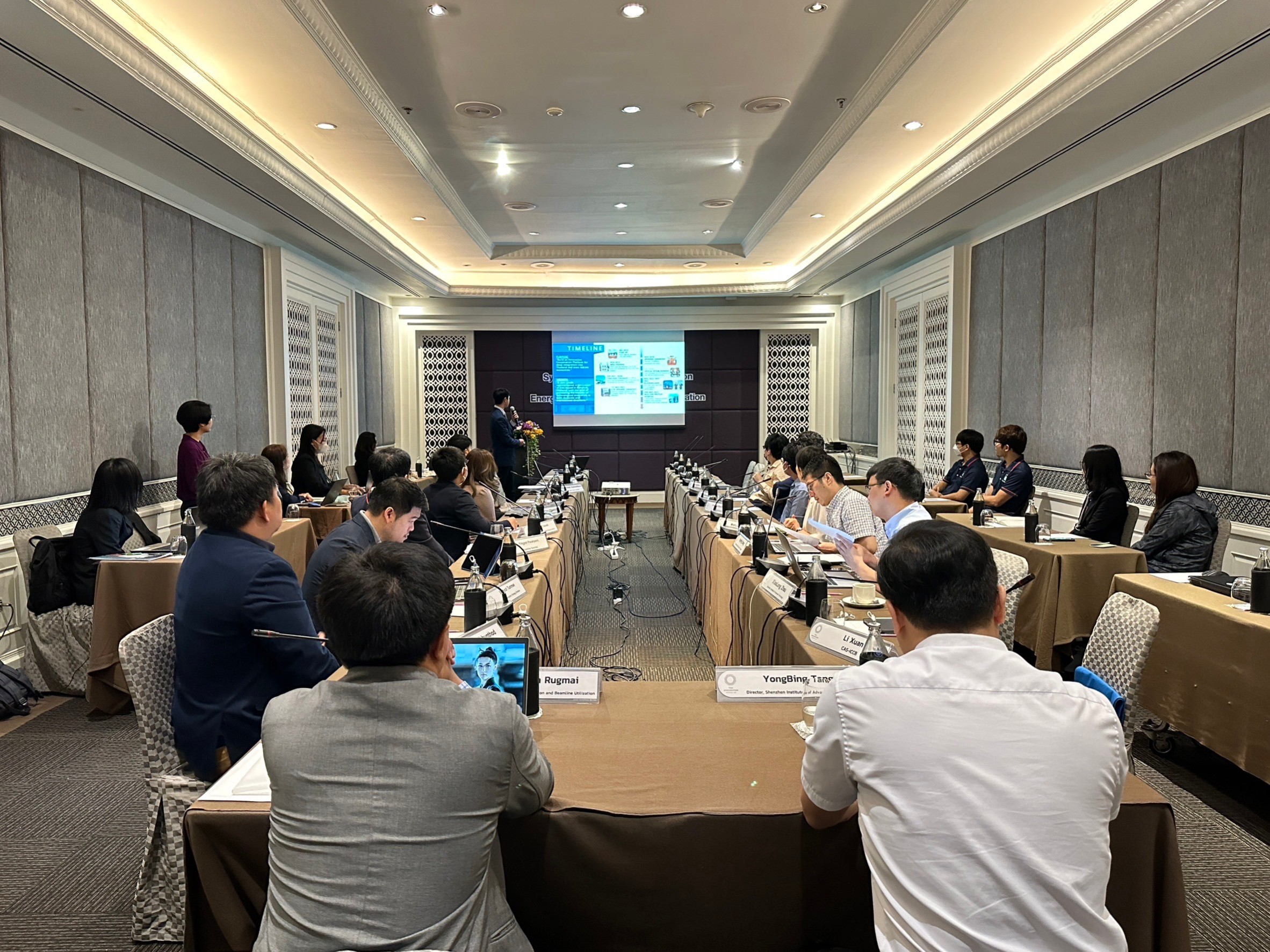
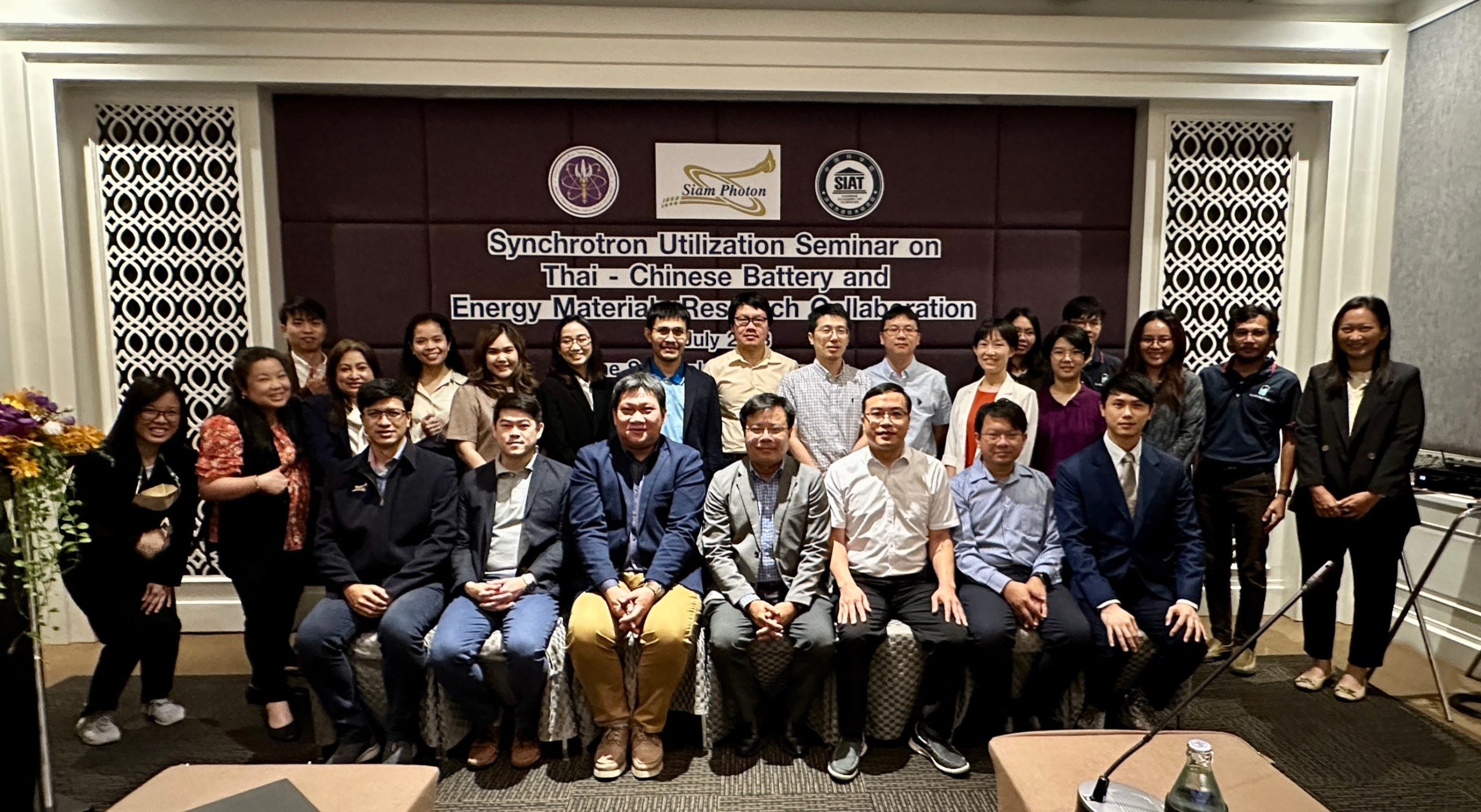
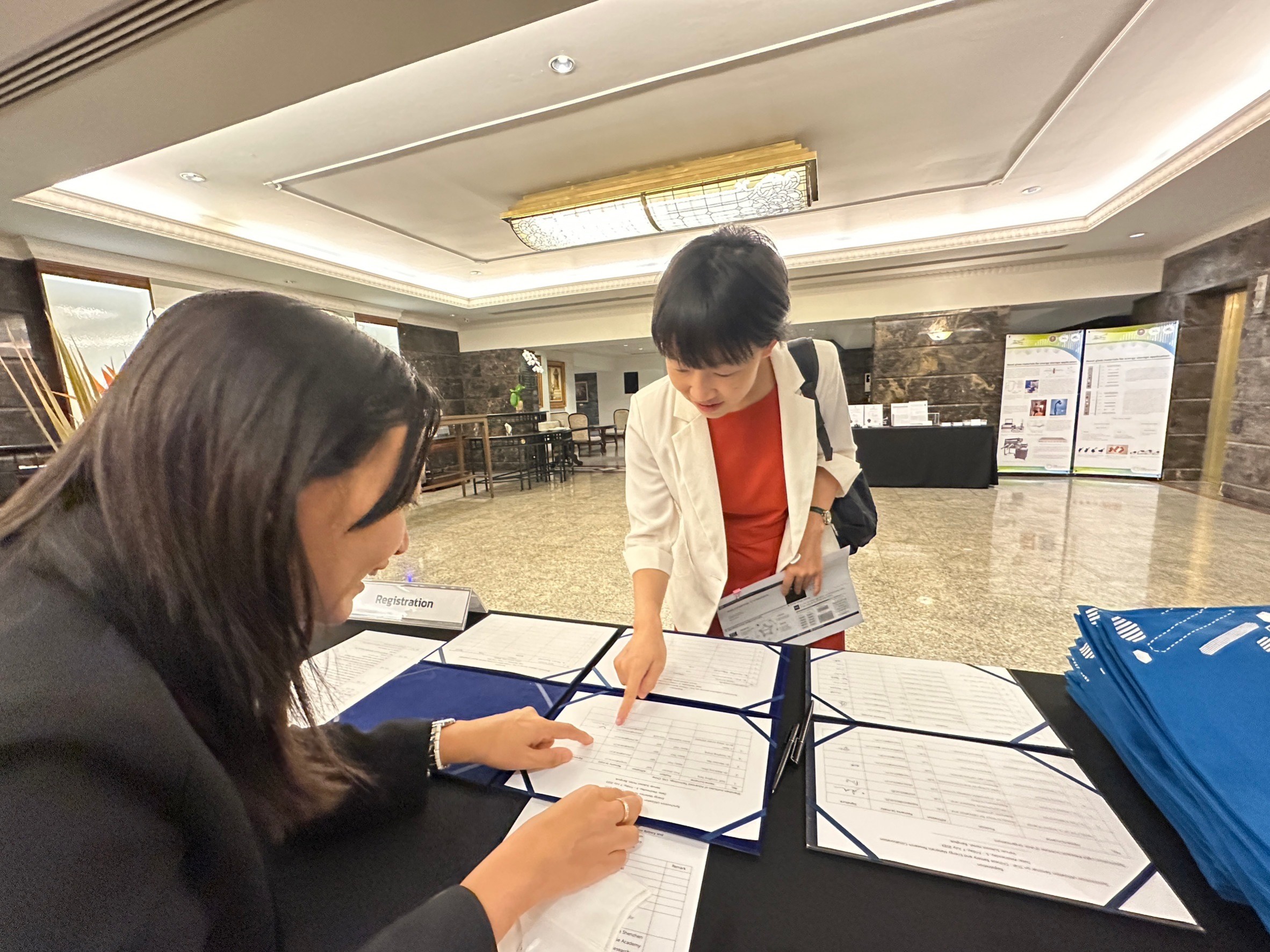
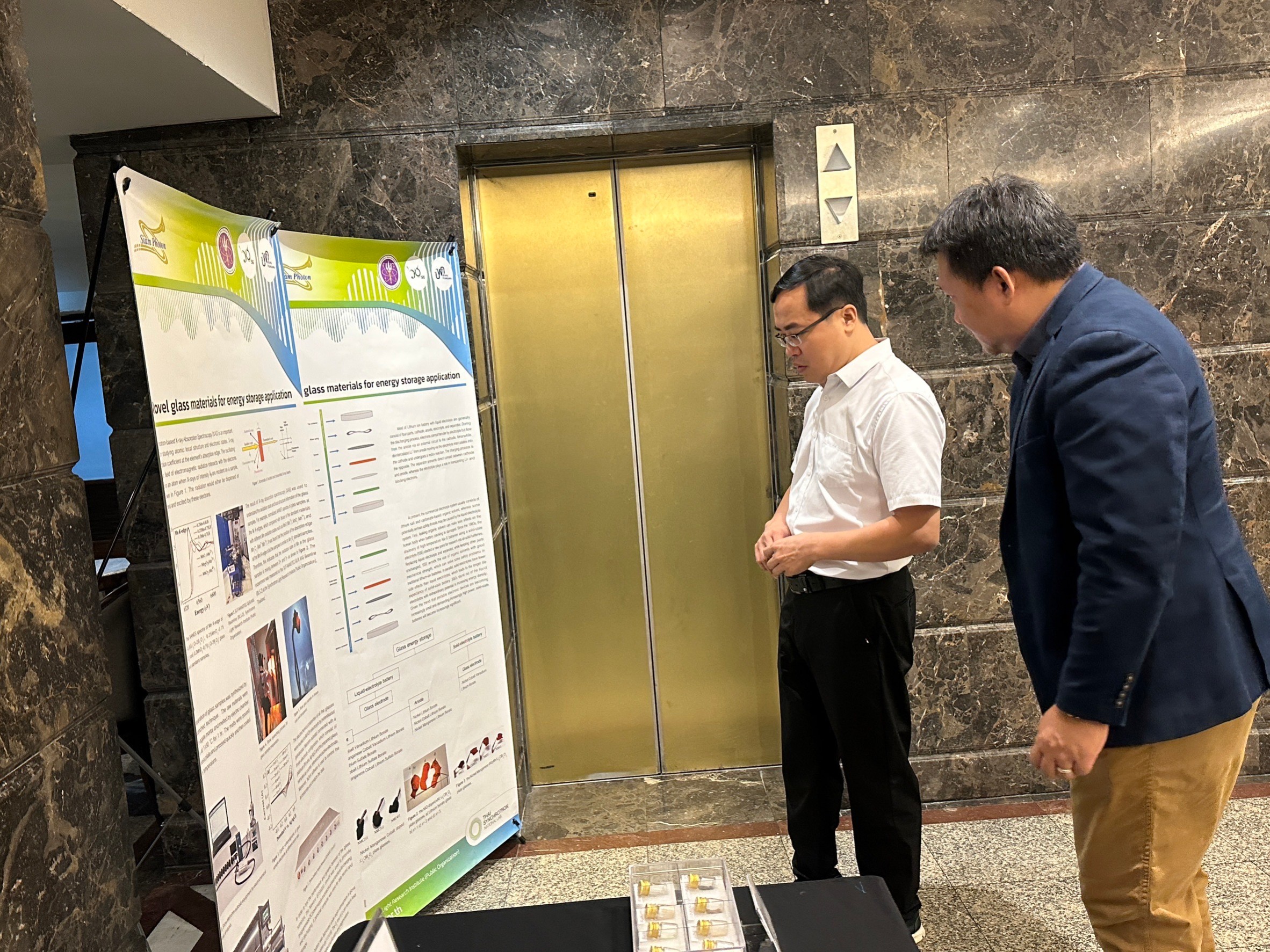
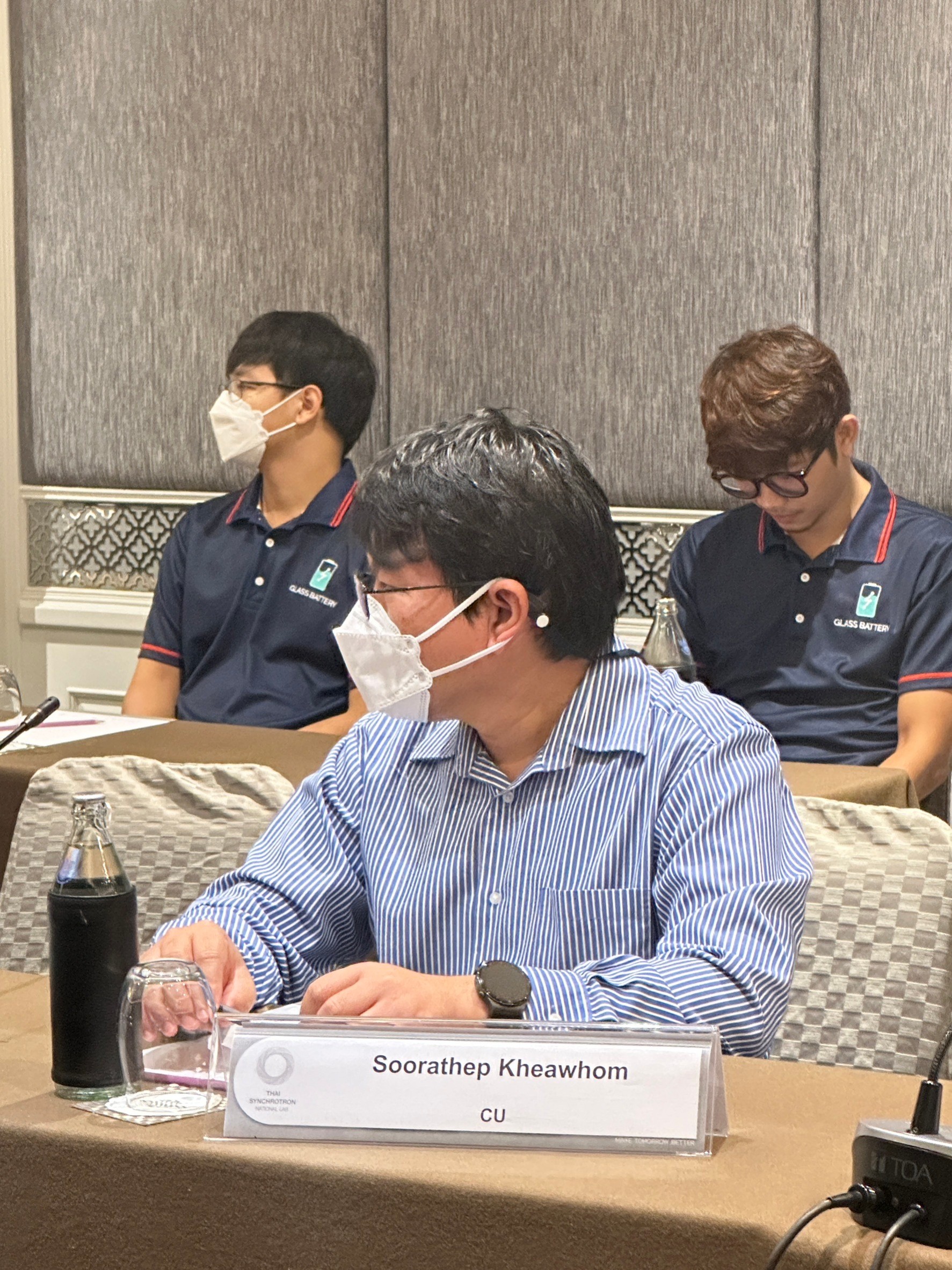
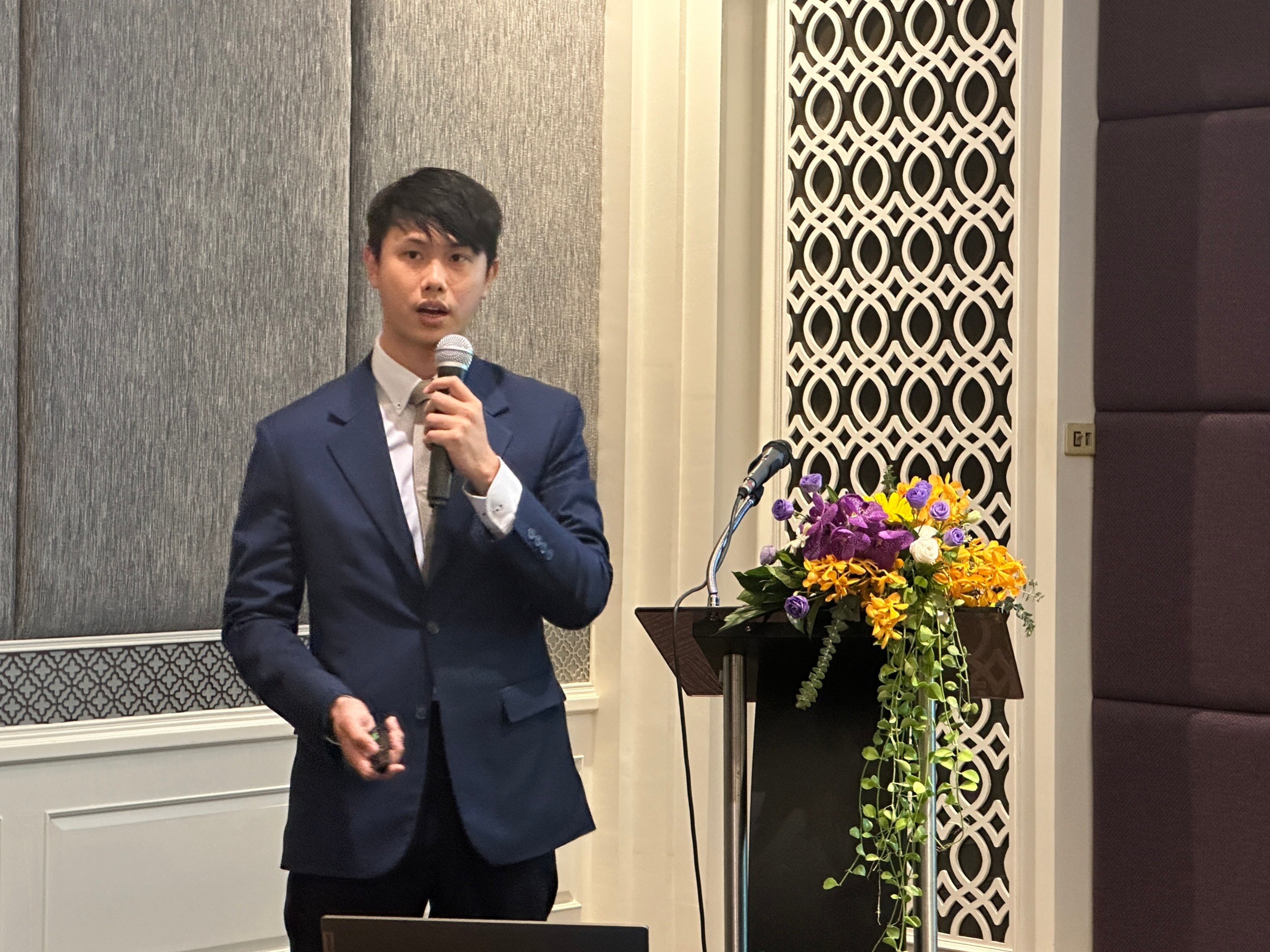
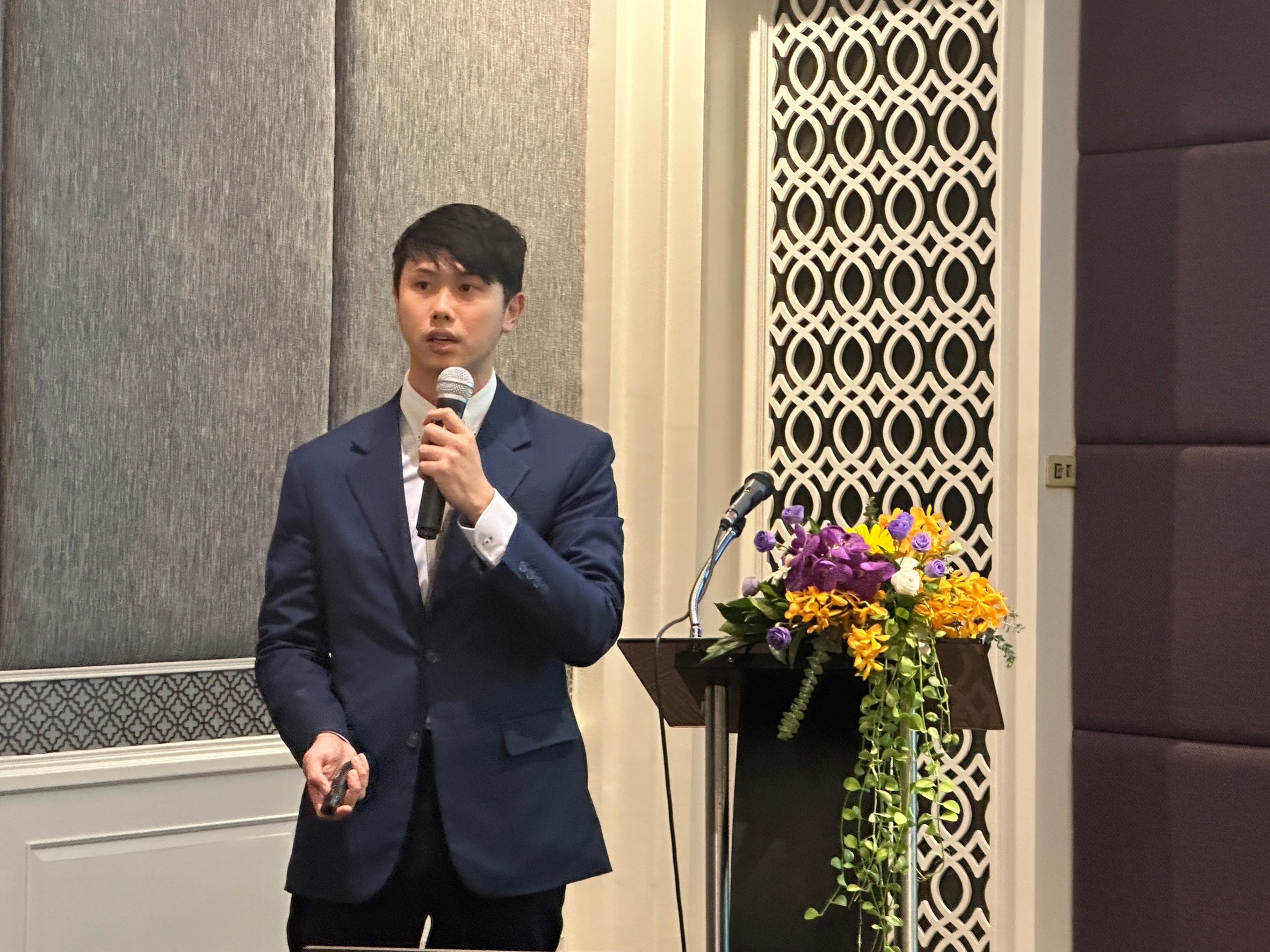
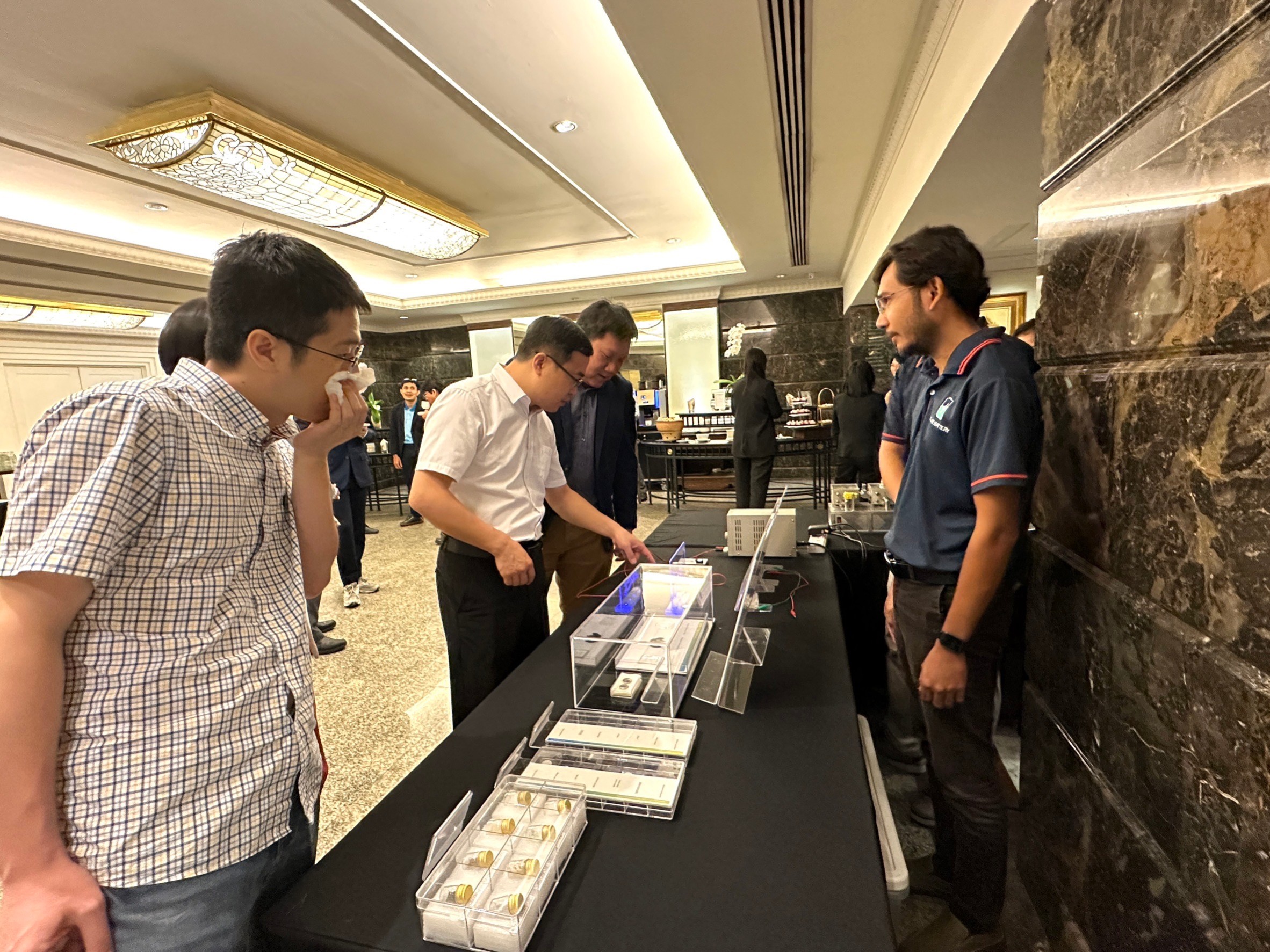
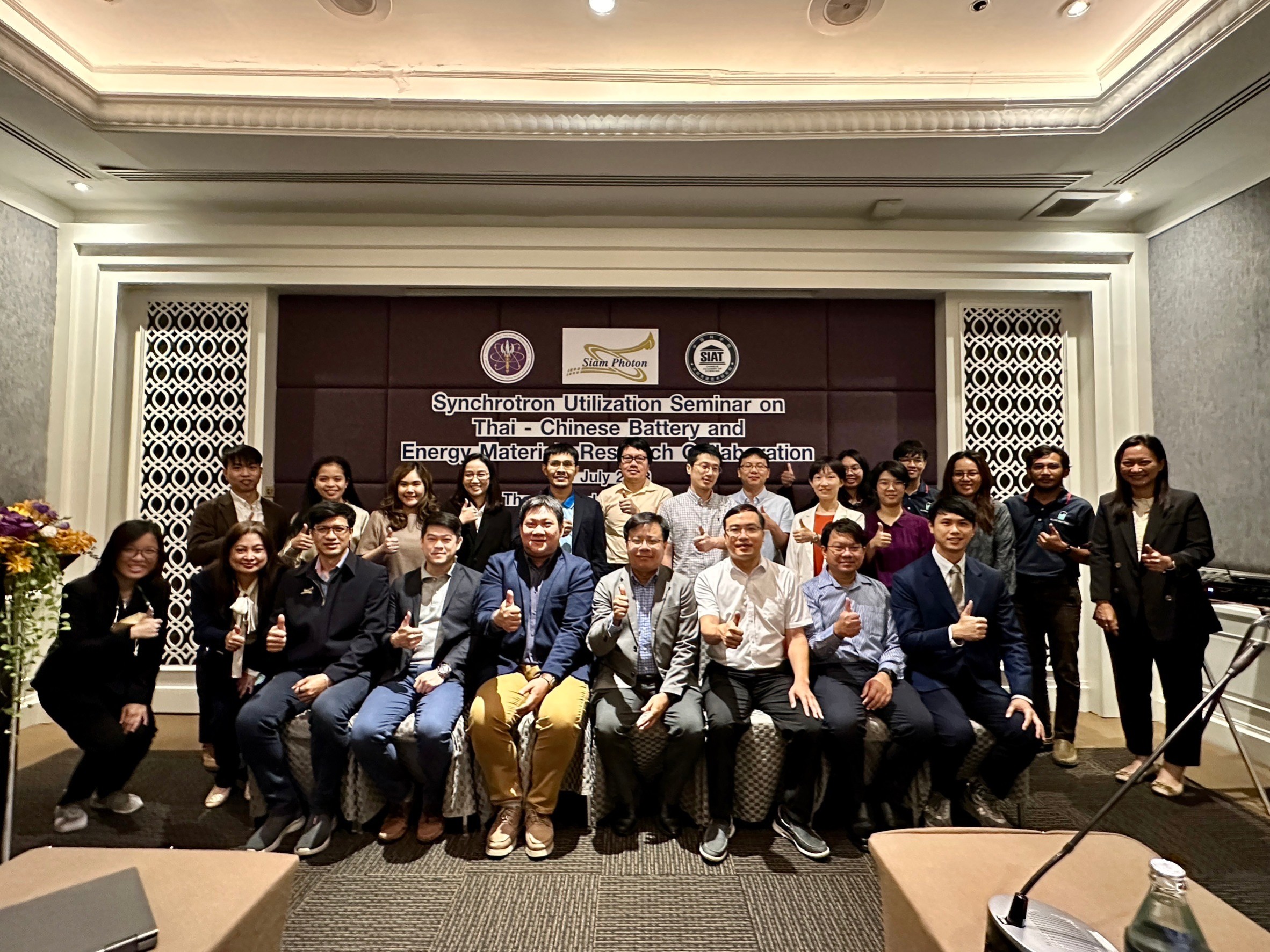
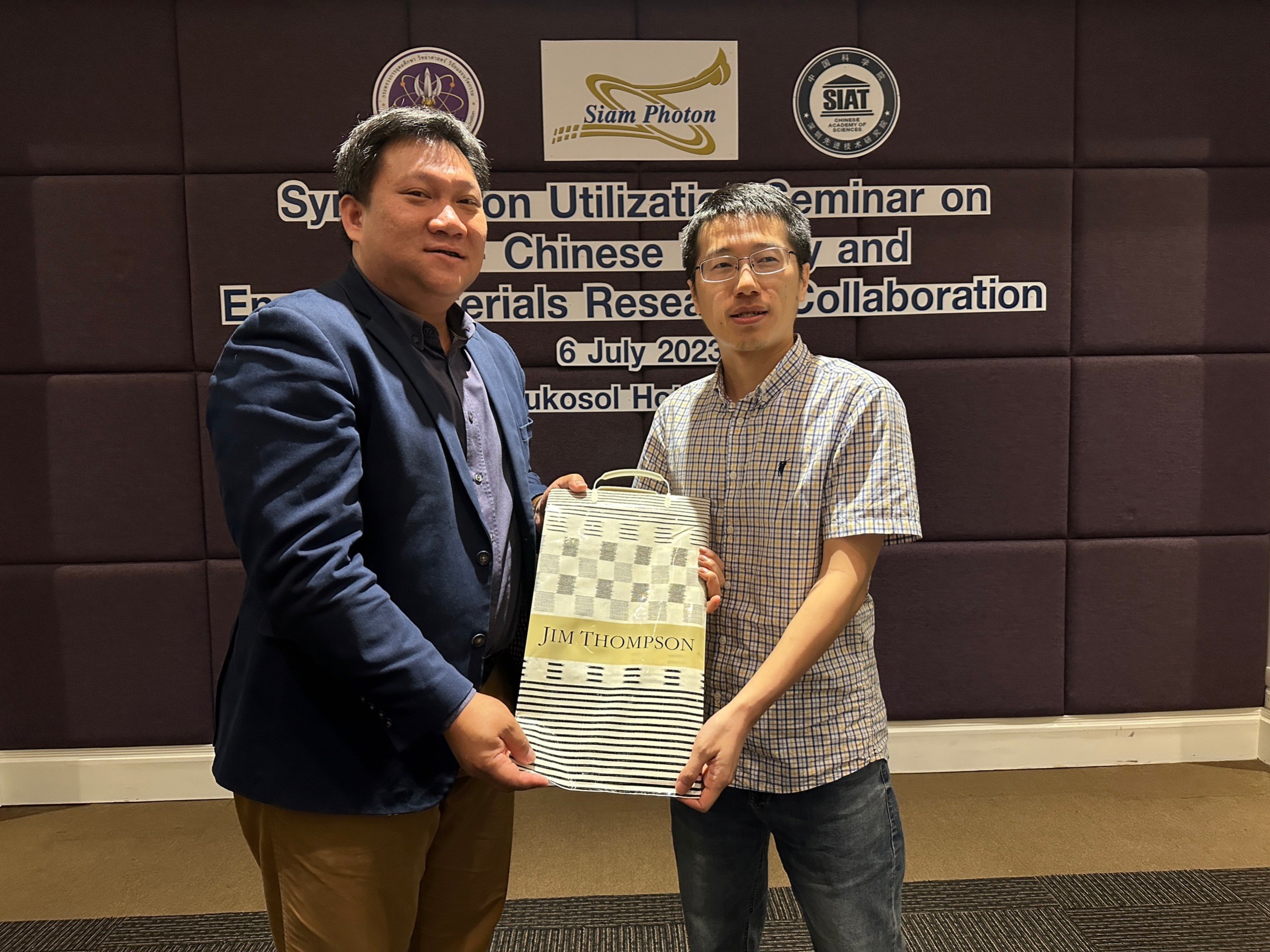
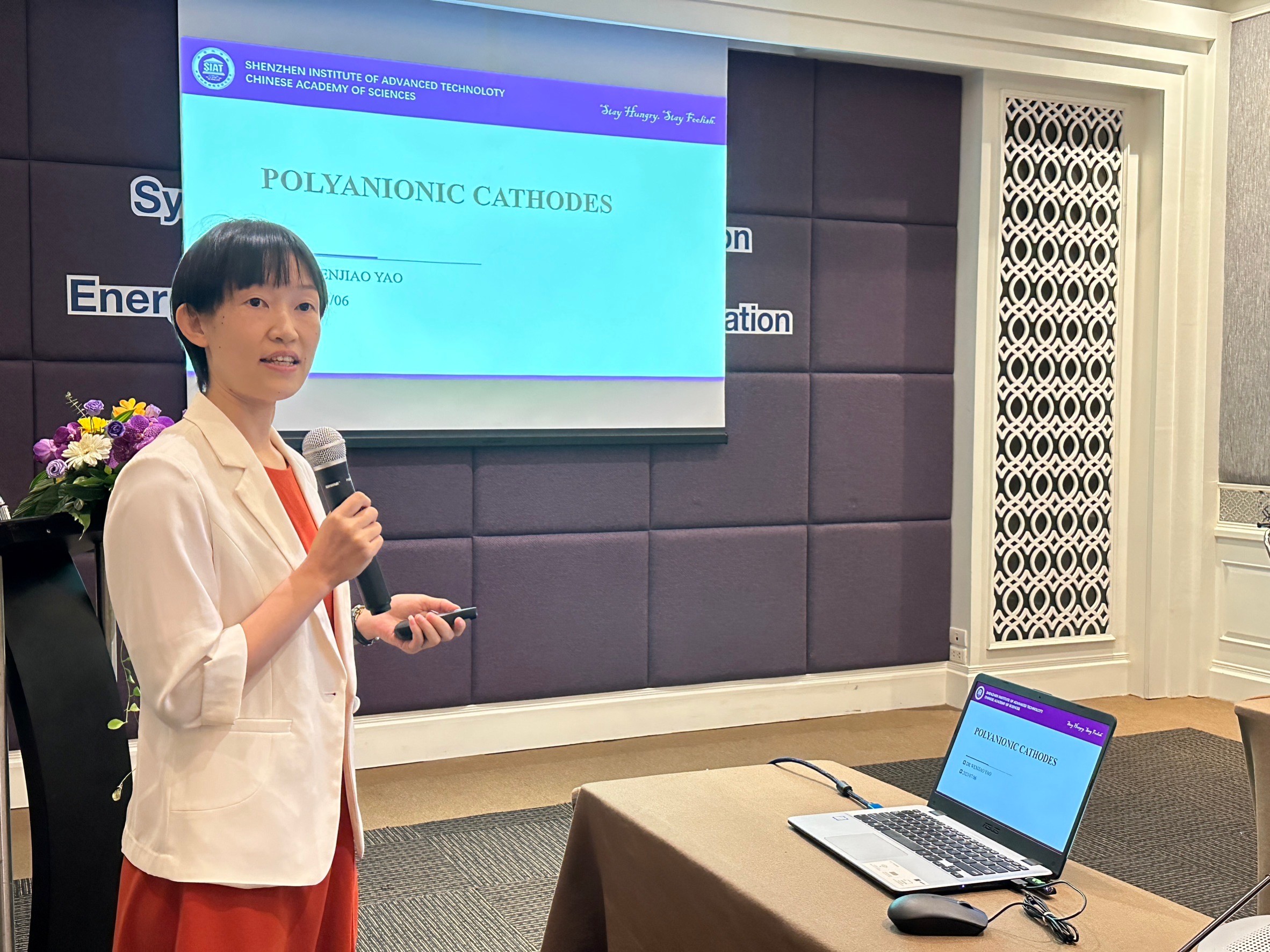
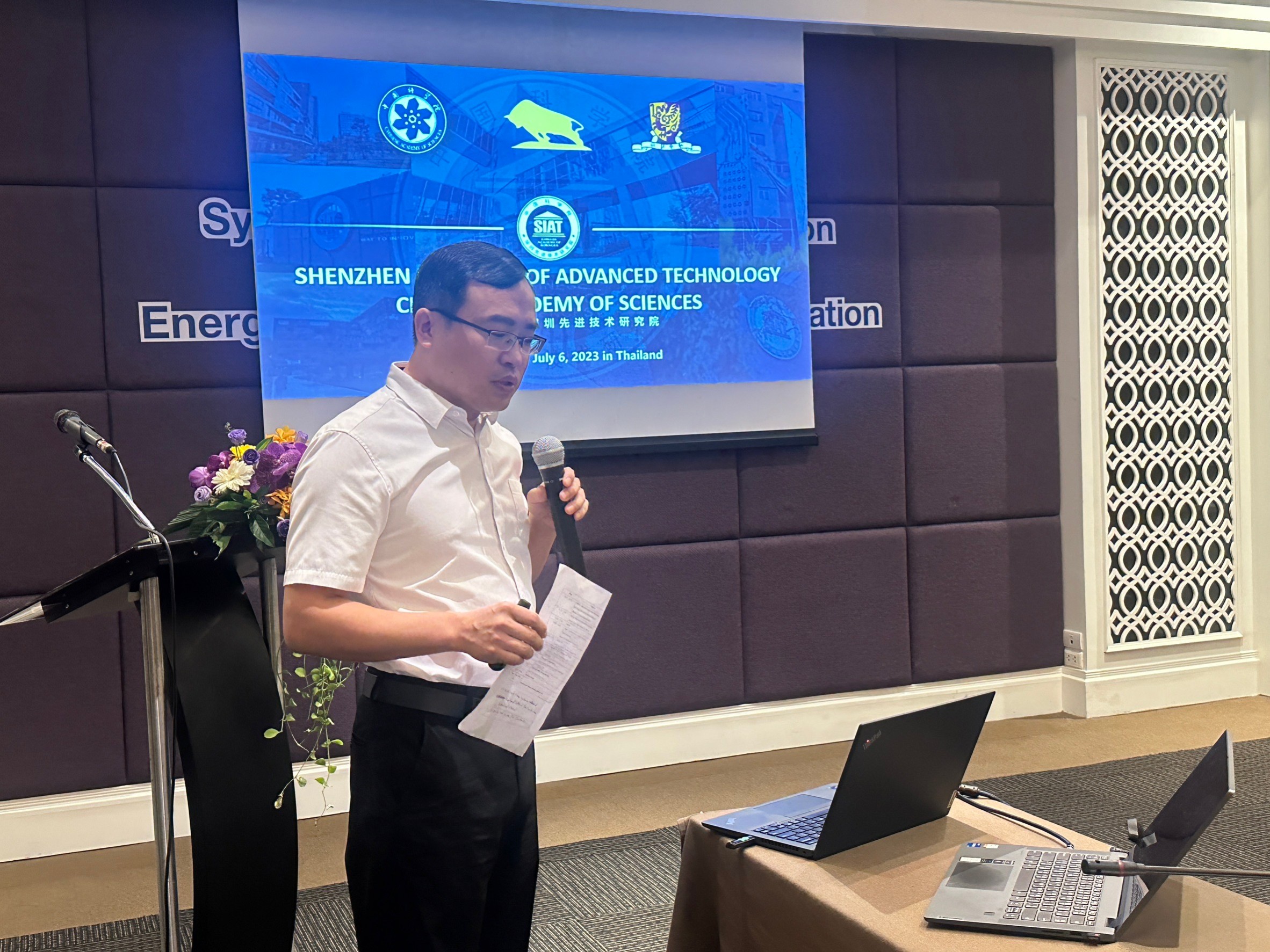
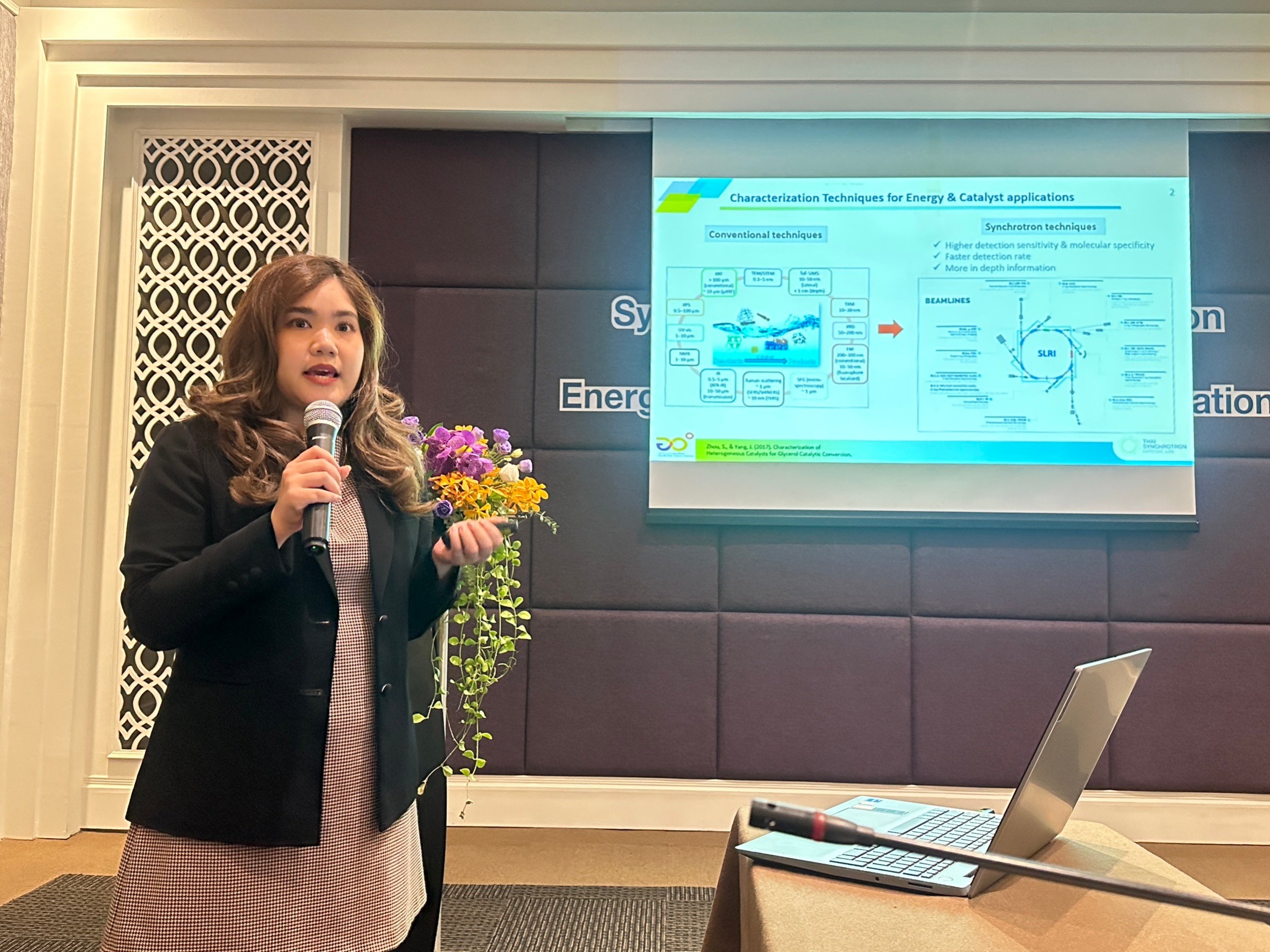
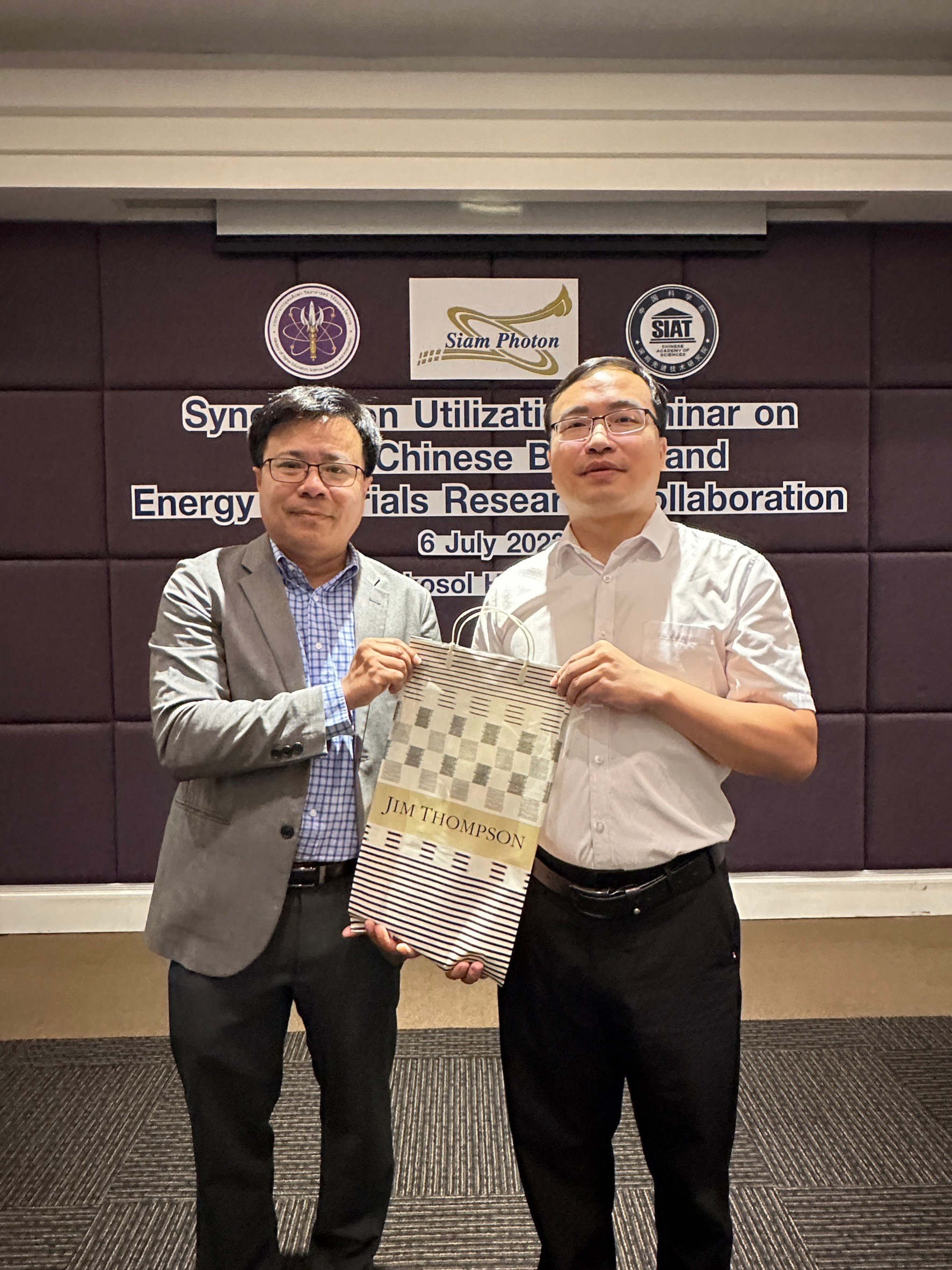
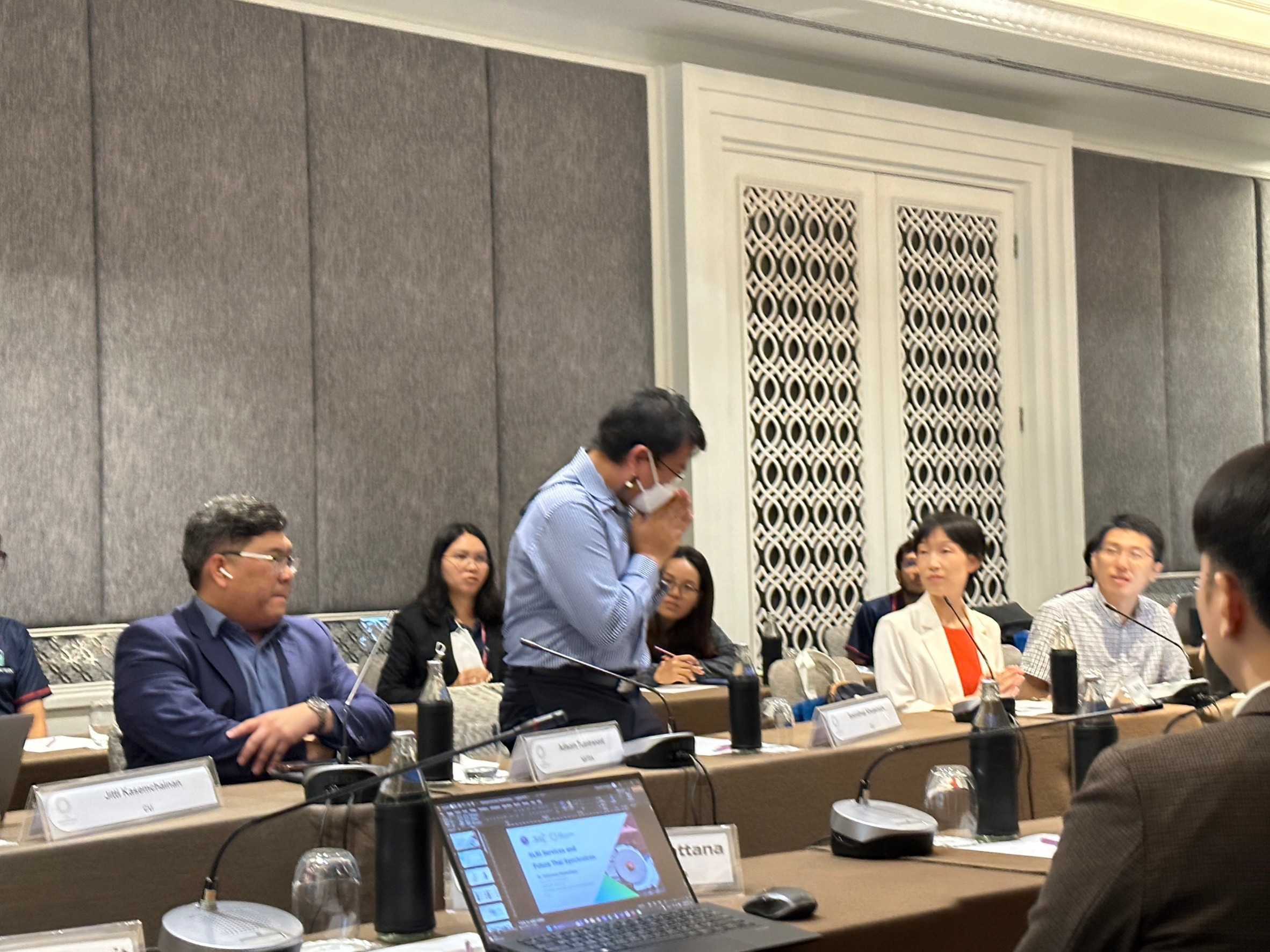
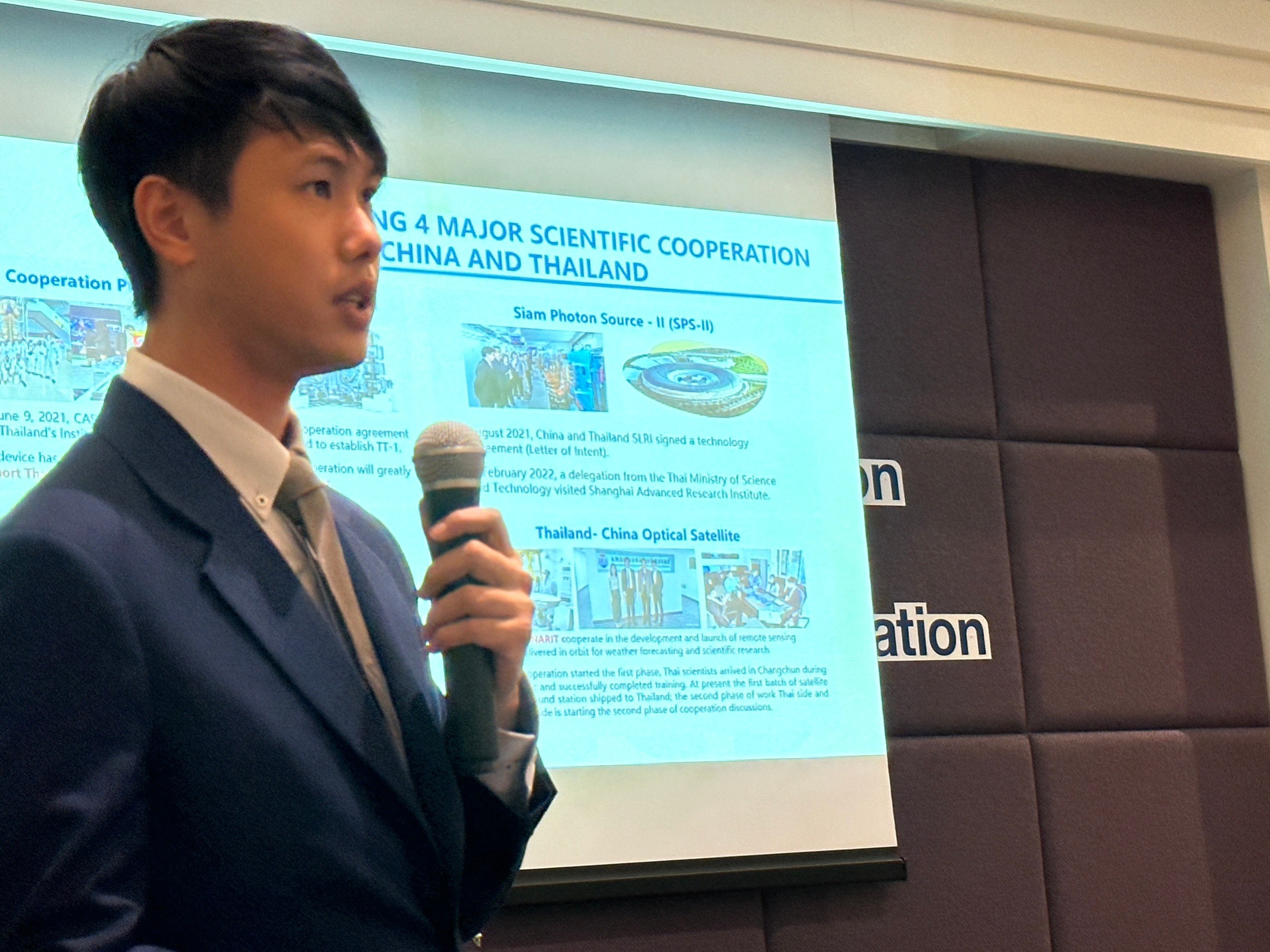
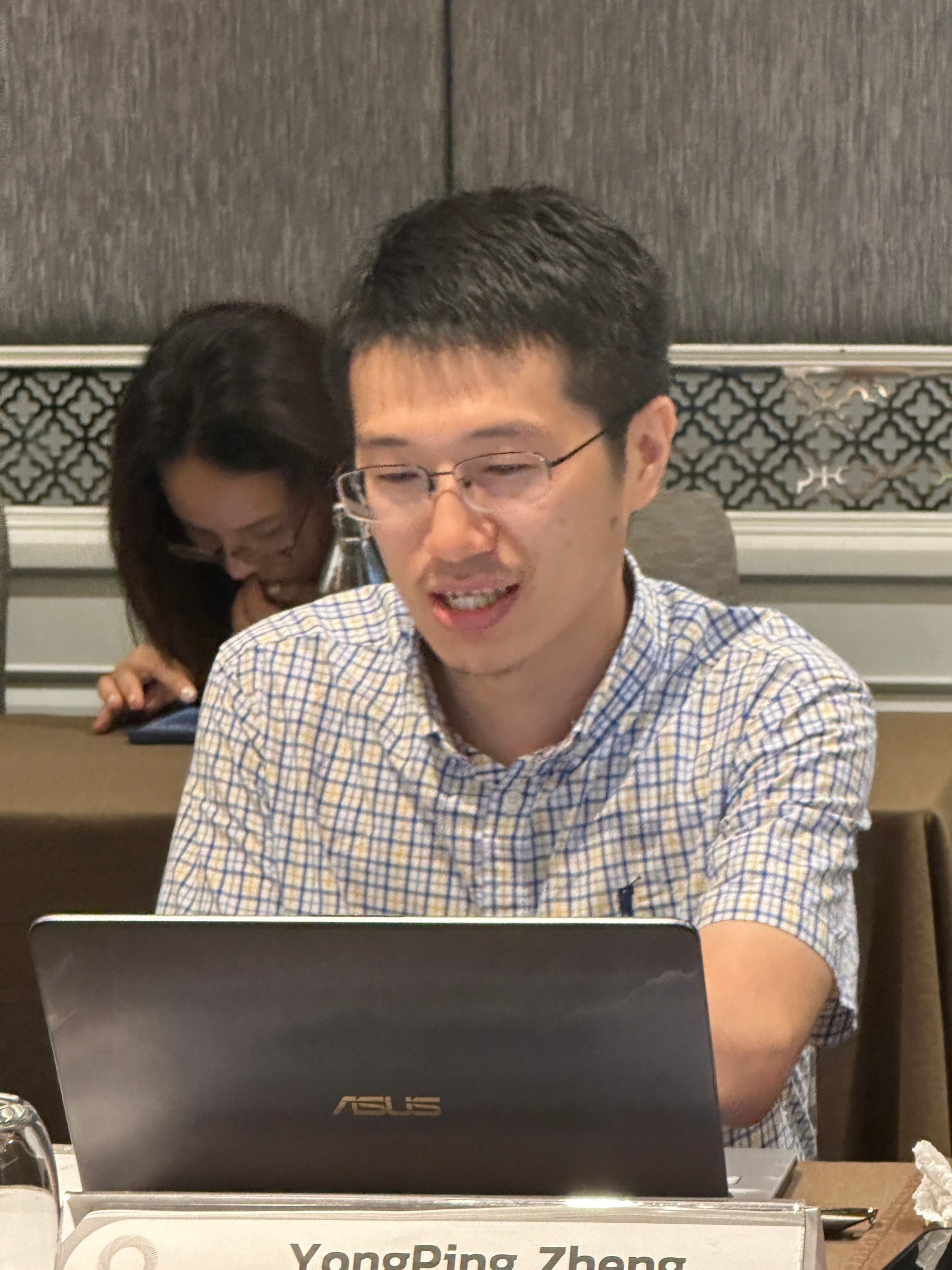
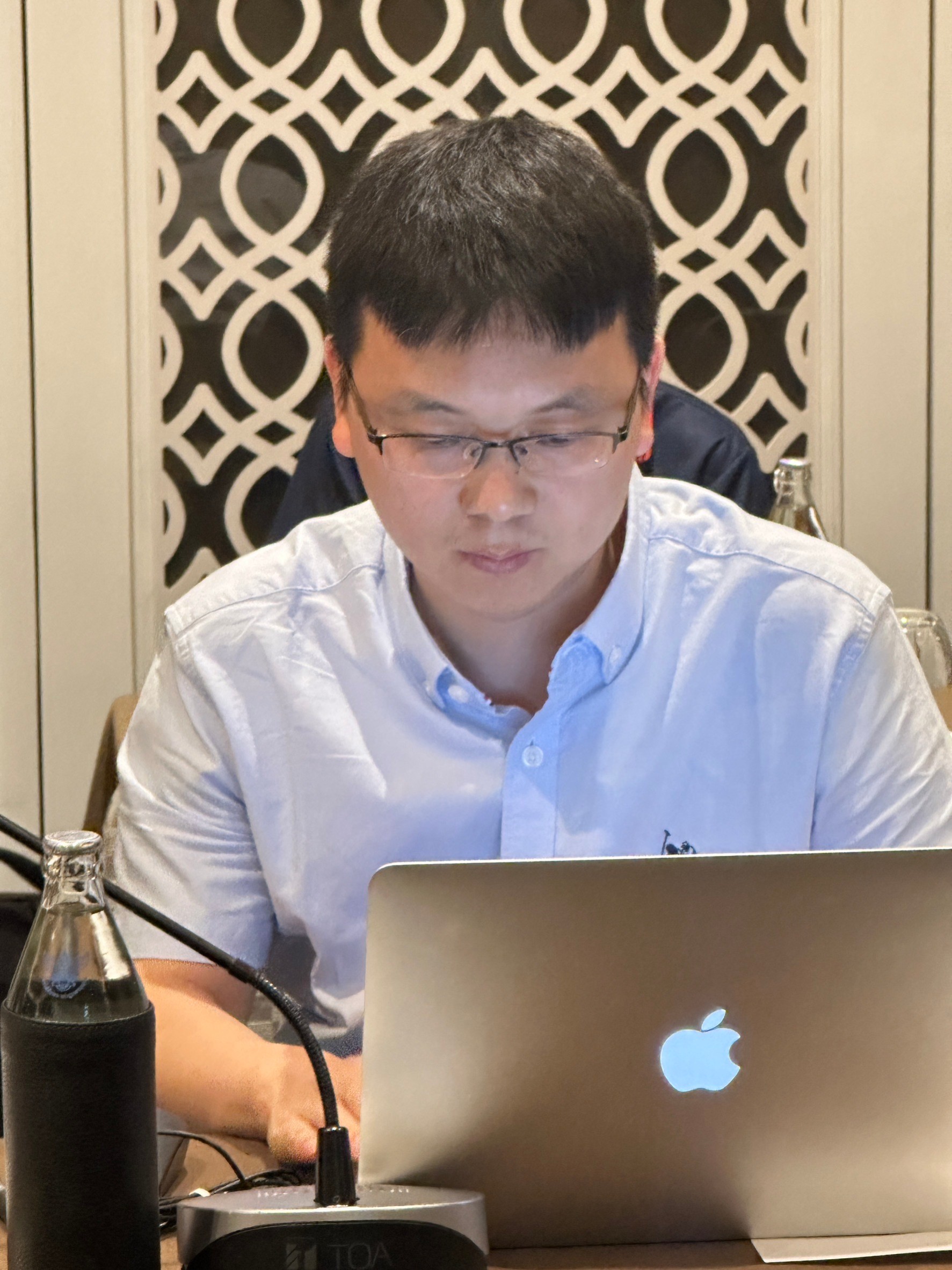
Bangkok – Dr. Pinit Kidkhunthod, Chief, Synchrotron Research and Applications Division, Synchrotron Light Research Institute (Public Organization) or SLRI, Ministry of Higher Education, Science, Research and Innovation said, “SLRI and Shenzhen Institute of Advanced Technology (SIAT), Chinese Academy of Sciences (CAS) co-organized the Synchrotron Utilization Seminar on Thai-Chinese Battery and Energy Materials Research Collaboration on 5-7 July 2023 at The Sukosol Hotel, Bangkok, aiming to exchange among attendees knowledge, skills, and research initiatives in battery materials development based on synchrotron technology, as well as advance the battery industry and solve problems in battery production. The seminar welcomed approximately 30 attendees.”
“SLRI is known for the outstanding research products on analysis of functional materials used as battery electrodes and knowledge application in industry sector while SIAT is China’s leading organization in battery-related research. The SIAT-SLRI collaboration contributes to application of synchrotron-related techniques such as X-ray Tomography (XTM), X-ray Absorption Spectroscopy (XAS), X-ray Photoemission (XPS) in examining both relationship among chemical components and atomic structures within battery materials synthesized by SIAT-CAS research institutes and partner universities. In addition, the collaboration enables SLRI scientists to improve their skills and exchange research initiatives with researchers from China leading research organizations.”
“Bodies of knowledge gained from research collaboration projects will be further applied in battery industry to seek new materials for use as high effective battery electrodes, solve problems in production and development of new battery electrode materials, and perform testing on new battery systems with advanced scientific tools”, said Dr. Kidkhunthod.