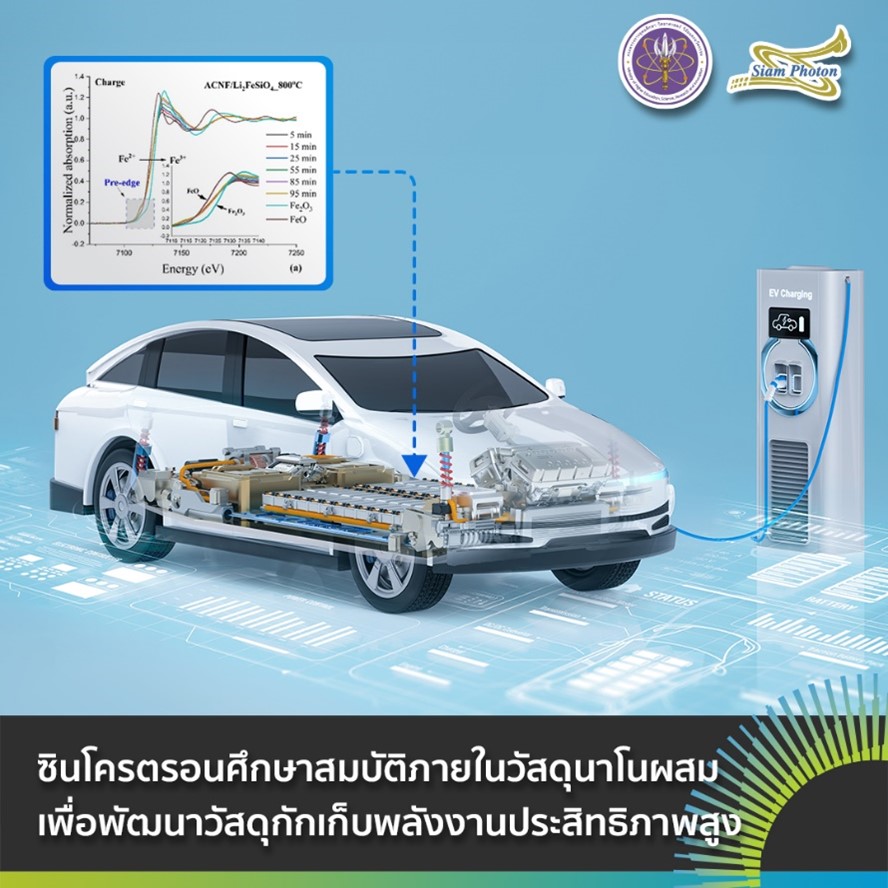
Energy is one of the fundamental necessities for life. To harness energy efficiently, it is crucial to explore new processes or materials for energy storage, whether it is natural or human-generated energy.
Assoc. Prof. Dr. Sukanya Nilmoung from Rajamangala University of Technology Isan (RMUTI), Prof. Dr. Santi Mansiri from Suranaree University of Technology (SUT), and Dr. Wanwisa Limphirat from Synchrotron Light Research Institute (Public Organization), or SLRI, collaborated to develop a material for energy storage. They synthesized and studied the electrochemical properties of carbon nanofiber mixed with lithium iron silicate. This composite material was utilized as a supercapacitor electrode with a carbonization temperature variation of 700 oC and 800 oC.
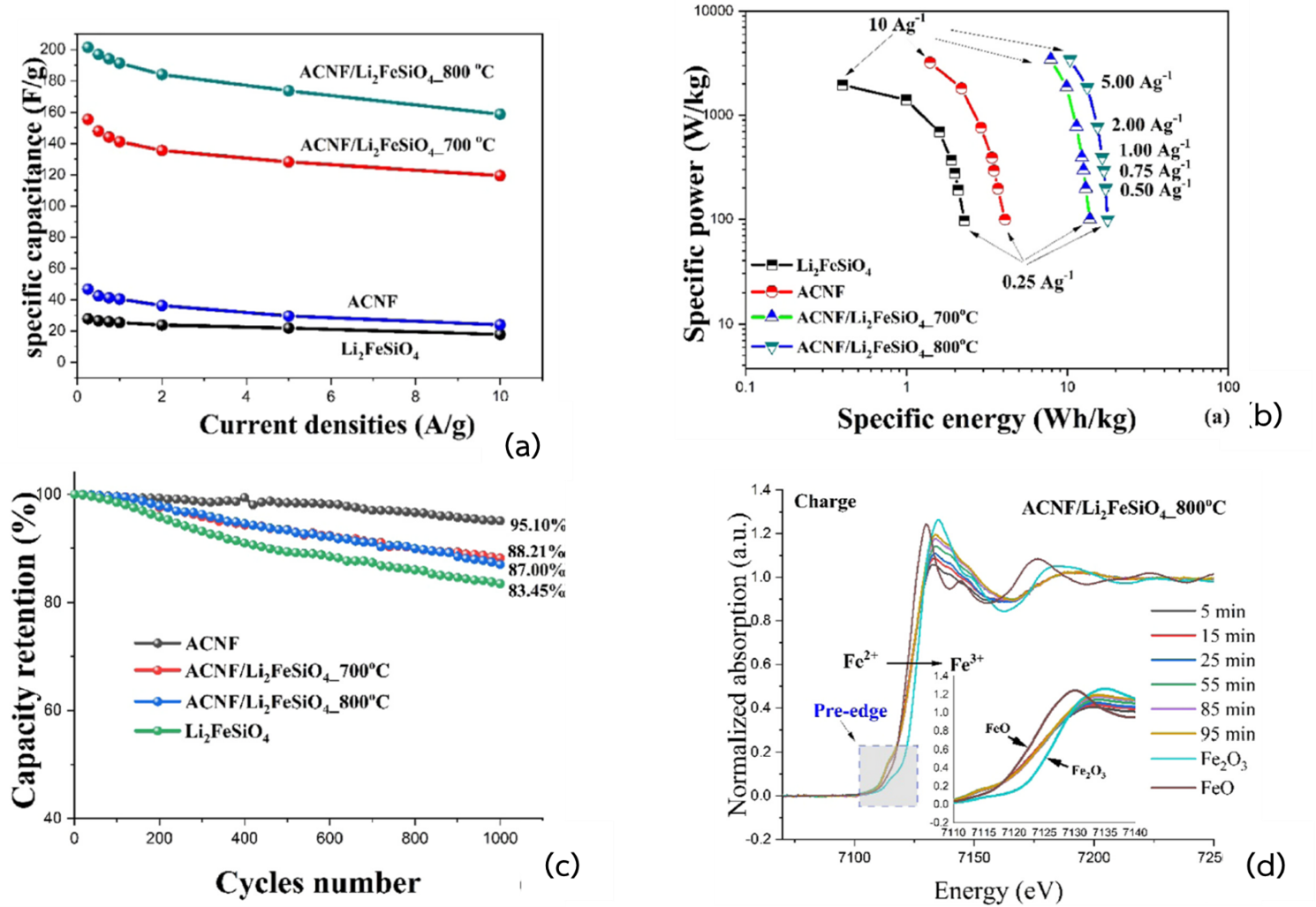
The research team employed Time-Resolved X-ray Absorption Spectroscopy (in-situ TRXAS) technique to measure the change in oxidation state of an electrode material during the charging and discharging processes. They found that the composite material of activated carbon nanofiber (ACNF) mixed with lithium iron silicate (ACNF/Li2FeSiO4) at a carbonization temperature of 800 oC exhibited the highest specific capacitance compared to the composite material at a carbonization temperature of 700 oC, the pure ACNF, and pure lithium iron silicate.
The composite material also demonstrated excellent stability, retaining 85% of its initial capacitance after 1,000 cycles of charging and discharging processes. This indicates a slowing down of the battery degradation when using the material in battery production. Furthermore, the use of synchrotron radiation in the in-situ TRXAS technique to analyze iron in the material structure showed that the composite material has good oxidation and reduction capabilities, with a change of oxidation state between +2 and +3 during the charging and discharging processes.
The team also applied other techniques to analyze the material properties, along with synchrotron analysis, and discovered that the composite material of ACNF mixed with lithium iron silicate (ACNF/Li2FeSiO4) has interesting electrochemical properties. The result also showed the potential application of this material as a supercapacitor electrode, leading to development of a high-efficiency energy storage material that meets the end-users’ need.
Figure (a) The specific capacitance as funtion of current densities for ACNF/Li2FeSiO4
Figure (b) The specific energy against specific power
Figure (c) The capacity retention at 1000 cycles
Figure (d) The in-situt XANES spectra at Fe K-edge during charge and discharge
Reference:
Nilmoung, S., Limphirat, W. and Maensiri, S., “Electrochemical Properties of ACNF/Li2FeSiO4 Composite Nanostructures for Supercapacitors”, Journal of Alloys and Compounds 907 (Jun 2022): 164466.
Article by: Assoc. Prof. Dr. Sukanya Nilmoung, Rajamangala University of Technology Isan (RMUTI)
Prof. Dr. Santi Mansiri, Suranaree University of Technology (SUT)
Dr. Wanwisa Limphirat, Synchrotron Light Research Institute (Public Organization) or SLRI
Peptides are the linked short-chain amino acids with nutritional benefits to human such as boosting the immune system, combating free radicals, reducing lipid accumulation, preventing cancer, etc. These peptides, found in all living organisms such as plants, animals, various types of mushrooms, are currently used as functional food ingredients to prevent and treat obesity-related conditions due to their ability to decrease lipid and triglyceride accumulation in human body.
Lingzhi mushroom has long been recognized as healthy food, and numerous studies have confirmed its bioactivity in stimulating the immune system, preventing inflammation, relieving pain, alleviating stress, delaying aging, inhibiting cancer development, and reducing cholesterol accumulation in the body. The mushroom is also rich in proteins. Researchers from National Science and Technology Development Agency (NSTDA) including Dr. Sucheewin Krobthong, Dr. Atchara Paemanee, Dr. Sithichoke Tangphatsornruang, and Yodying Yingchutrakul, together with Dr. Chartchai Chaichana from Siriraj Diabetes Center of Excellence, Faculty of Medicine Siriraj Hospital, Mahidol University, Prof. Dr. Kiattawee Choowongkomon from Faculty of Science, Kasetsart University, and a beamline scientist Dr. Buabarn Kuaprasert from Synchrotron Light Research Institute (Public Organization) or SLRI jointly developed the innovation for getting Lingzhi extracts in the form of hydrolyzed protein for further use as functional food.
The research team applied synchrotron FTIR spectroscopy and imaging technique to seek parts of cross-section Lingzhi cap and stipe with high protein content. The team conducted afterwards the heat-map analysis which illustrated protein amount of each part by color shade and found that Lingzhi cap contained higher protein amount than the stipe did. This protein analysis method is known for its easy sampling step, and simple and environmentally friendly result analysis. With this method, the research team can easily analyze crusty-shell samples like Lingzhi, thus being time and cost saving.
The results of this analysis led to the selection of Lingzhi suitable parts to undergo the hydrolyzed protein extraction method and production of liposome nano-encapsulated peptides. These peptides can inhibit lipid accumulation in fat cells and are non-toxic to the cultured fibroblast skin cells which play a role in collagen production. The application of synchrotron-related technique in developing the lab-prototype liposome nano-encapsulated peptides will lead to industrial development of medical functional food formulas for obesity prevention and treatment later on.”
References: 1. Petty Patent, Application no. 2003001351, Application date 19/06/2020: Sucheewin Krobthong, Atchara Paemanee, Sithichoke Tangphatsornruang, Buabarn Kuaprasert, Chartchai Chaichana, Kiattawee Choowongkomon, and Yodying Yingchutrakul, Method for extraction of Lingzhi bioactive compounds with prevention properties of lipid accumulation and free radicals production 2. Publication: Krobthong, S.; Yingchutrakul, Y.; Visessanguan, W.; Mahatnirunkul, T.; Samutrtai, P.; Chaichana, C.; Papan, P.; Choowongkomon, K. Study of the Lipolysis Effect of Nanoliposome-Encapsulated Ganoderma lucidum Protein Hydrolysates on Adipocyte Cells Using Proteomics Approach. Foods 2021, 10, 2157.
Article by: Dr. Sucheewin Krobthong, Dr. Atchara Paemanee, Dr. Sithichoke Tangphatsornruang, and Yodying Yingchutrakul, National Science and Technology Development Agency (NSTDA) Dr. Chartchai Chaichana, Siriraj Diabetes Center of Excellence, Faculty of Medicine Siriraj Hospital, Mahidol University Prof. Dr. Kiattawee Choowongkomon, Faculty of Science, Kasetsart University Dr. Buabarn Kuaprasert, Beamline Scientist, Synchrotron Light Research Institute (Public Organization)
“Korat chicken” meat is another signature food of Nakhon Ratchasima province known for its tender texture and low-fat content. Researchers have been developing Korat chicken, creating livelihood for farmers for over 10 years. Synchrotron Light Research Institute (Public Organization) or SLRI plays a part in this development in response to market demand. The first research focuses on studying chemical components of chicken meat to enhance its protein absorption quality. Another research is to study free-range chicken farming based on consumers’ awareness of healthy food and animal welfare.
Chicken meat contains a dipeptide protein called “carnosine” which is not only easily and instantly absorbed by the body after consumption but also serves as an antioxidant. Developing Korat chicken meat rich in carnosine has therefore been a competitive advantage. However, researchers found that high-carnosine meat has less favourable texture so they seek the solution by feeding chicken with more carnosine-contained amino acids β-alanine and L-histidine. It was found that by adding both amino acids in farming, the researchers got Korat chicken with higher carnosine and water holding capacity, and the most favourable texture compared to adding either one amino acid.
In this research, lecturers Assoc. Prof. Dr. Amonrat Molee and Asst. Prof. Dr. Wittawat Molee along with Ph.D. candidate Ms. Chanadda Suwanvichanee from School of Animal Technology and Innovation, Institute of Agricultural Technology, Suranaree University of Technology, worked with SLRI beamline scientist Dr. Kanjana Thumanu in applying Synchrotron-FTIR technique to study chemical components of chicken meat with different carnosine amount. They found that changes in carnosine levels correlated with changes of chemical components, especially in secondary protein structure. These changes can indicate at molecular level that the more carnosine the meat contains, the better physical properties the meat has. This information is beneficial to the development of Korat chicken with higher carnosine and favourable texture for consumers.
Furthermore, the researchers used the rapid and high-efficient Synchrotron-FTIR technique to study chemical components of organically raised, free-range chicken. The technique is also known for the ability to indicate chemical components at molecular level. The results showed that chicken raised in organic system had good growth performance and the meat was rich in nutritional proteins, collagens, and fatty acids, especially the Omega-3. The meat also had favourable texture and appealing yellow colour. Therefore, Synchrotron-FTIR technique can be used to study the change of chemical components in animal meat, and the spectrum gained from this technique can be used as a marker to directly measure chicken meat quality.
Both mentioned researches demonstrate the application of Synchrotron technology in studying Korat chicken for development of chicken farming practices to meet market demand. The development not only provides consumers with good and beneficial food but also supports farmers by creating unique selling point and value added to the country’s livestock.
References:
Chanadda Suwanvichanee, Panpradub Sinpru, Kasarat Promkhun, Satoshi Kubota, Cindy Riou, Wittawat Molee, Jirawat Yongsawatdigul, Kanjana Thumanu, and Amonrat Molee. 2022. Effects of b-alanine and L-histidine supplementation on carnosine contents in and quality and secondary structure of proteins in slow-growing Korat chicken meat. Poultry Science 101:101776 https://doi.org/10.1016/j.psj.2022.101776
Wittawat Molee, Wichuta Khosinklang, Pramkamon Tongduang, Kanjana Thumanu, Jirawat Yongsawatdigul and Amonrat Molee. 2022. Biomolecules, Fatty Acids, Meat Quality, and Growth Performance of Slow-Growing Chickens in an Organic Raising System. Animals. 12: 570
Article by:
Assoc. Prof. Dr. Amonrat Molee and Asst. Prof. Dr. Wittawat Molee, lecturers, School of Animal Technology and Innovation, Institute of Agricultural Technology, Suranaree University of Technology
Ms. Chanadda Suwanvichanee, Ph.D. candidate, School of Animal Technology and Innovation, Institute of Agricultural Technology, Suranaree University of Technology
Dr. Kanjana Thumanu, Beamline Scientist, Synchrotron Light Research Institute (Public Organization)
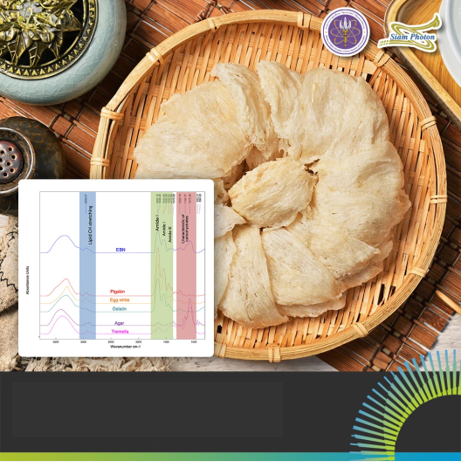
Edible bird’s nest is considered dietary supplement with functional food property being popular among Asia countries, especially Thailand and China, due to the biochemical ingredients contained within such as Epidermal growth factor (EGF) which helps activating the leucocytes in human’s lymph to produce and synthesize antibacterial and antiviral substances. The nest also contains N-acetyl neuraminic acid which nourishes human skin, relieves coughing and sore throat, and strengthens lungs and bronchi, and sialic acid which supports human’s memory and brain development. Edible bird’s nest is then considered one of important economic goods exported by Thailand to the overseas, especially China.
However, edible bird’s nest is quite expensive and rare that it is usually found containing adulterated substances such as albumen, Tremella mushroom, pork rind, agar, gelatin, Kamaya rubber from the Yellow Silk tree.
Researchers from Synchrotron Light Research Institute (Public Organization) and Dr. Kornkanya Pratumyot from Department of Chemistry, Faculty of Science, King Mongkut’s University of Technology Thonburi applied in this research the Synchrotron Infrared Radiation (SR) technique. The SR technique contains light with higher intensity and brightness than other light sources do, enabling researchers to analyze samples at 10-micrometer spatial resolution. With this technique, the researchers can distinguish natural edible bird’s nest from artificial one and detect adulterated substances contained within. In addition, SR is a non-sample destructive technique and supports detection of substance adulteration at micrometer level. The natural nest contains ingredients such as protein, lipid, and carbohydrate with distinguished infrared spectrum fingerprints compared to the artificial nest.
Article by:
Dr. Siriwan Nawong and Dr. Kanjana Thumanu
Synchrotron Light Research Institute (Public Organization)
Dr. Kornkanya Pratumyot
Department of Chemistry, Faculty of Science, King Mongkut’s University of Technology Thonburi
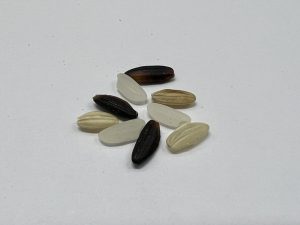
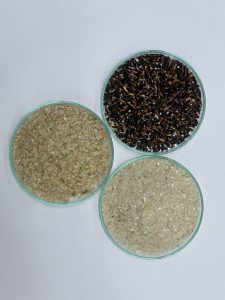
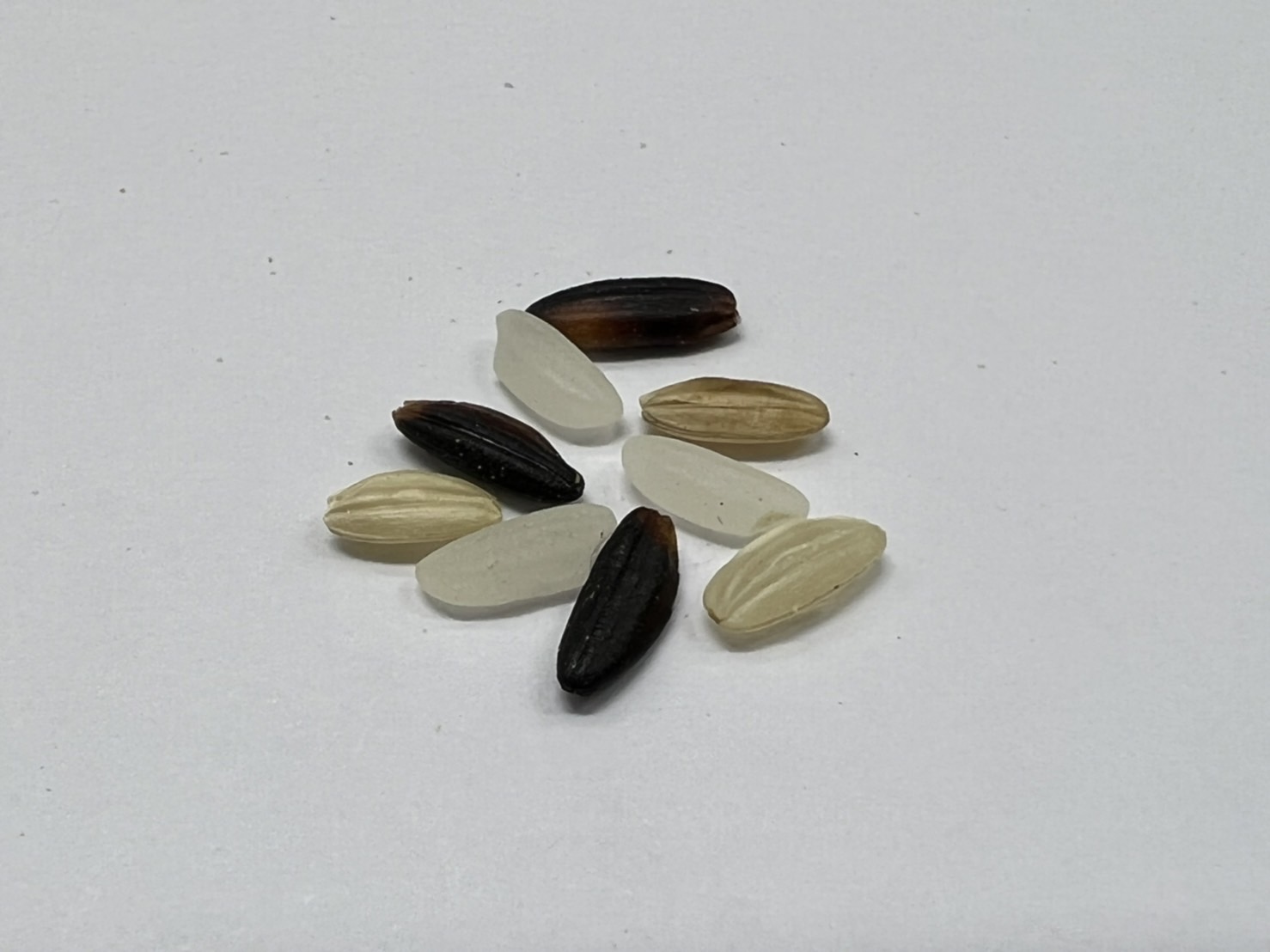
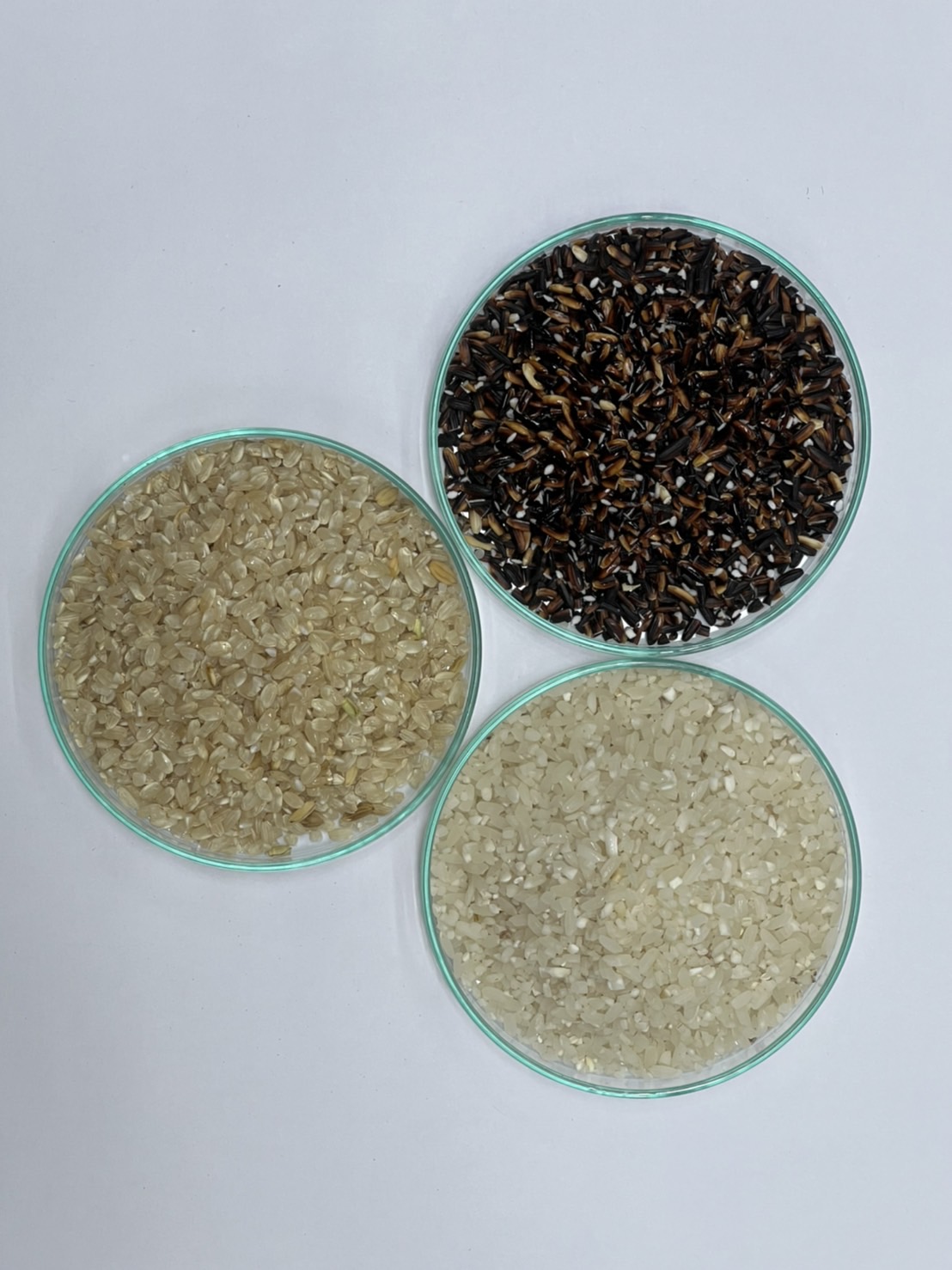
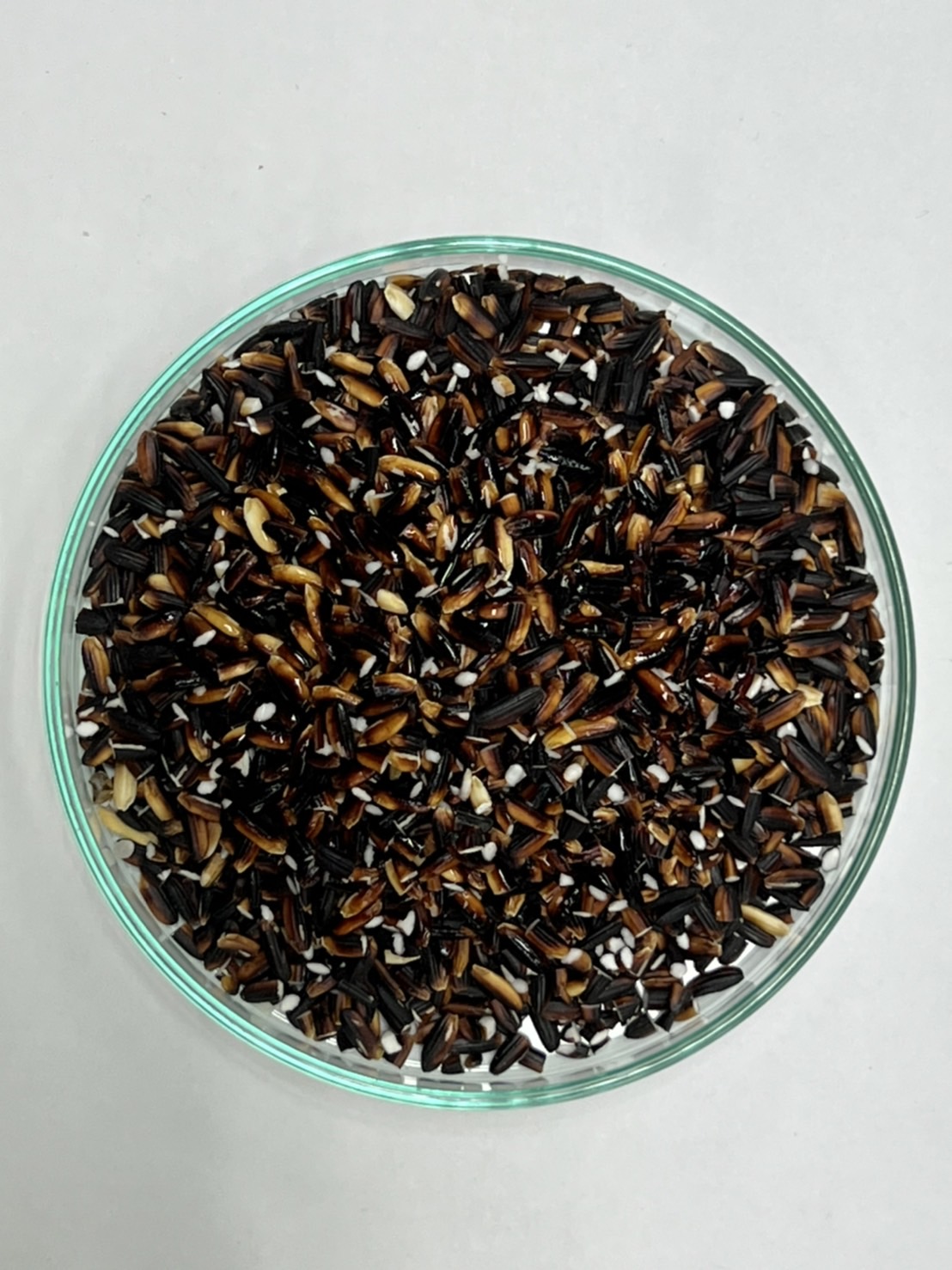
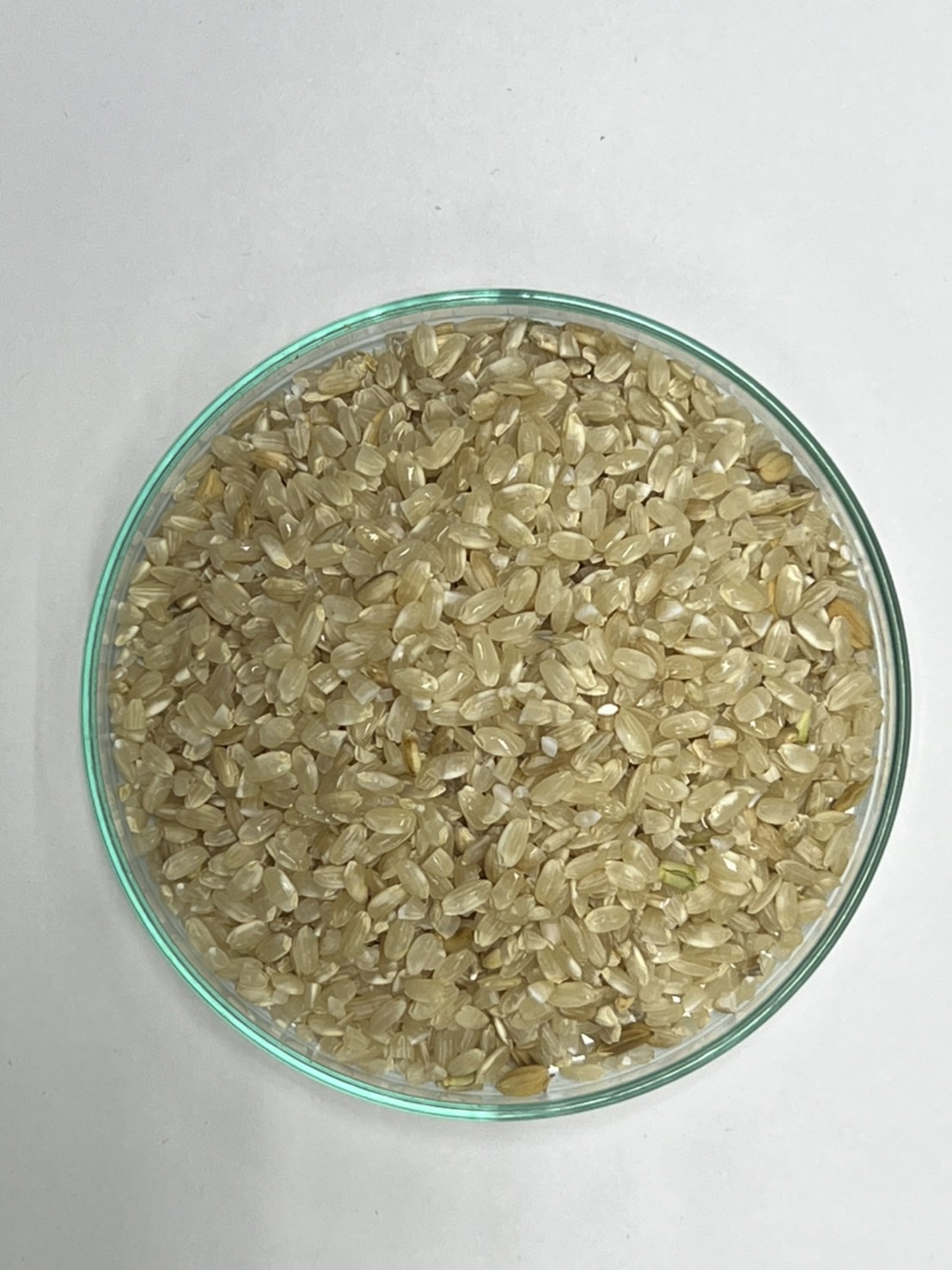
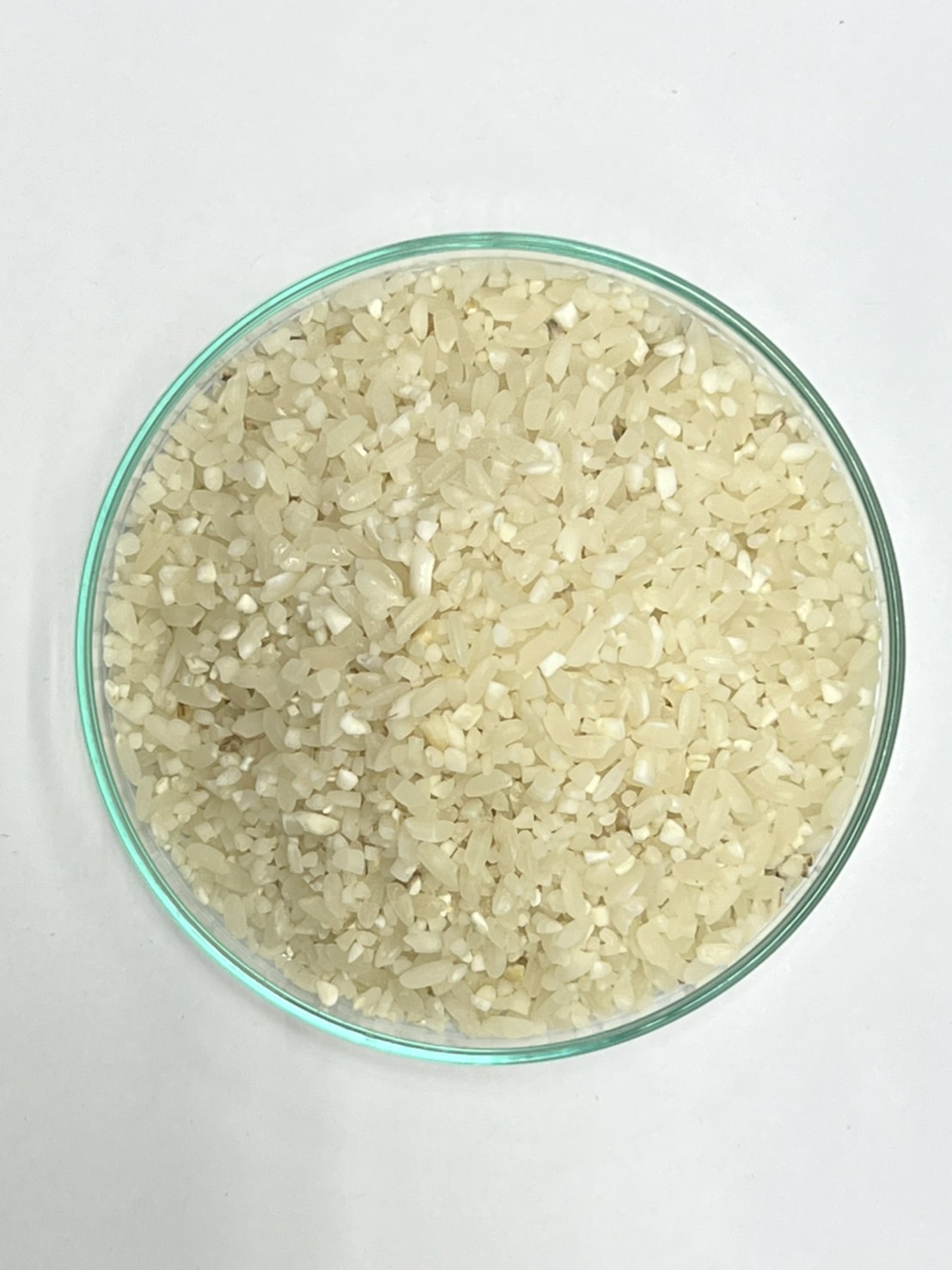
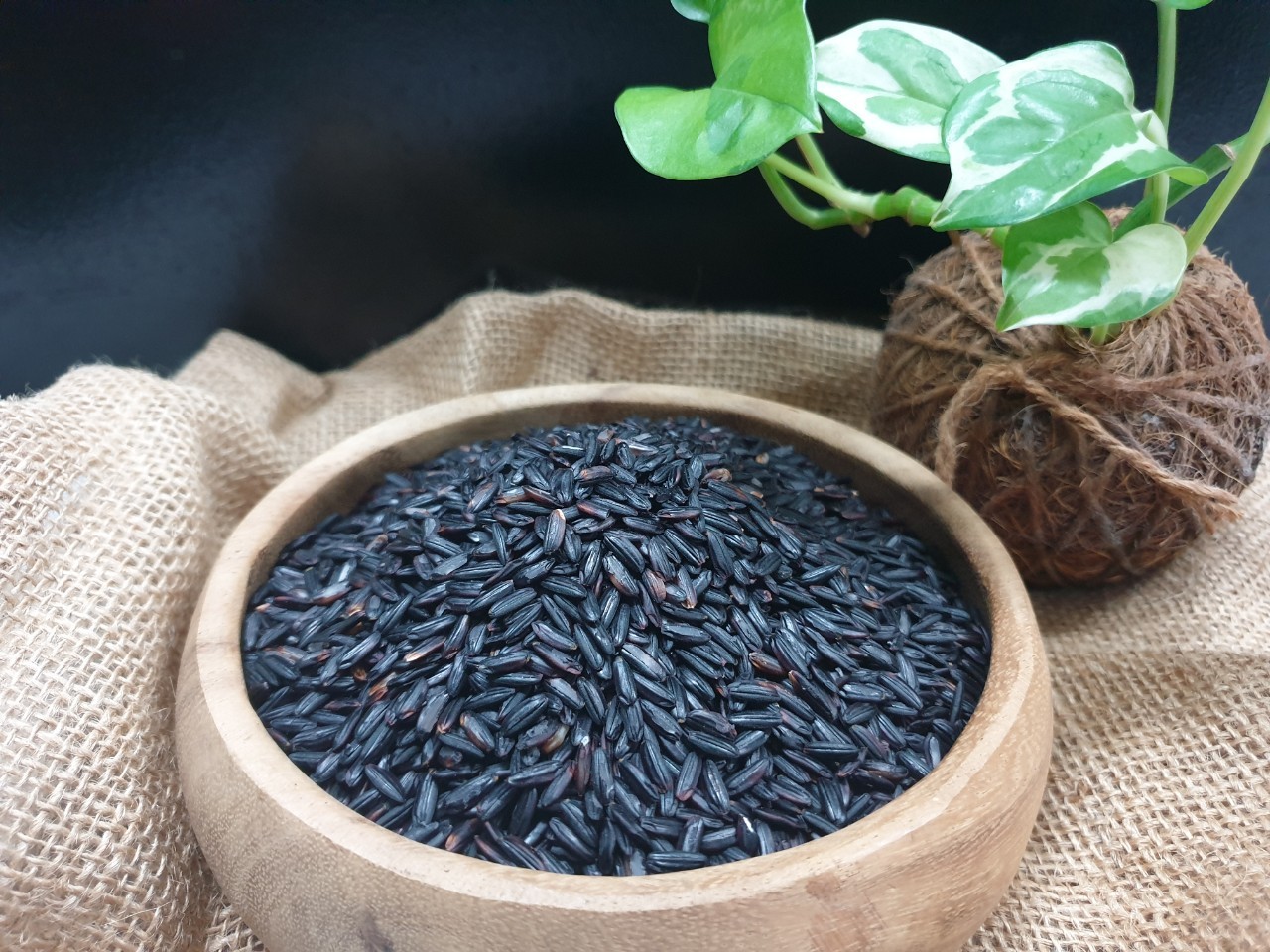
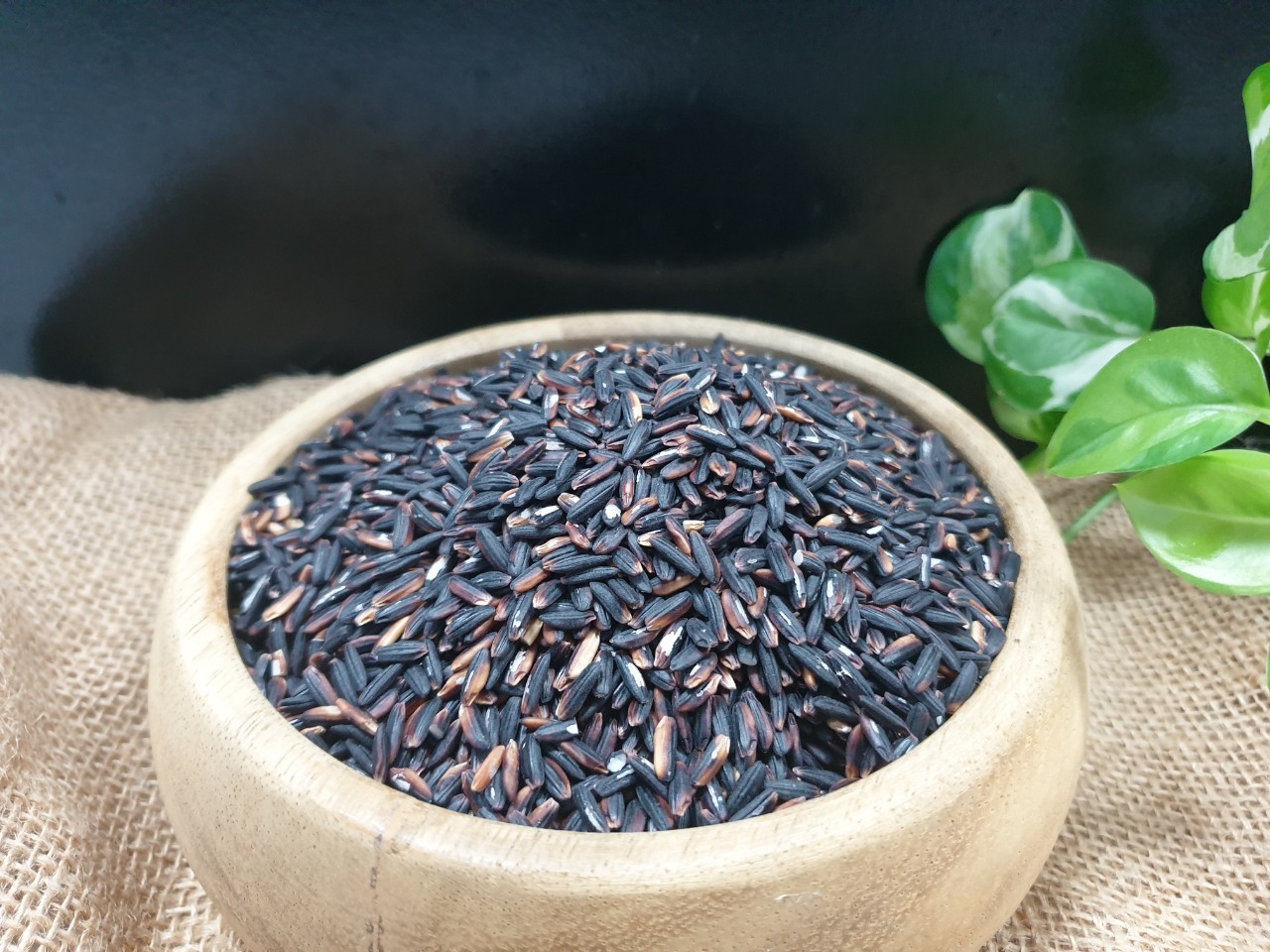
Synchrotron Light Research Institute (SLRI) under the Ministry of Higher Education, Science, Research and Innovation collaborated with Highland Research and Development Institute (HRDI) in applying synchrotron light to analyze nutritional value of “highland rice” at molecular level. The results showed that some species contained high amount of iron and zinc while some were rich in “phenolics” and “flavonoids” with more than 20 times of antioxidant activity comparing to other species. The findings will lead to development of highland rice as a superfood as a novel alternative for customers which can generate income for highland ethnic farmers.
“Highland rice” is cultivated by ethnic groups in highland areas of Thailand. According to HRDI’s data, more than 300 highland rice species exist. Each one has unique seed appearance, texture, and flavor. Highland rice is called differently by ethnic groups such as “Bue” by the Karen, “Haao” by the Lawa, “Blae” by the Hmong, “Ja” or “Jaa” by the Li-saw, “Shae” by the Akha, etc.
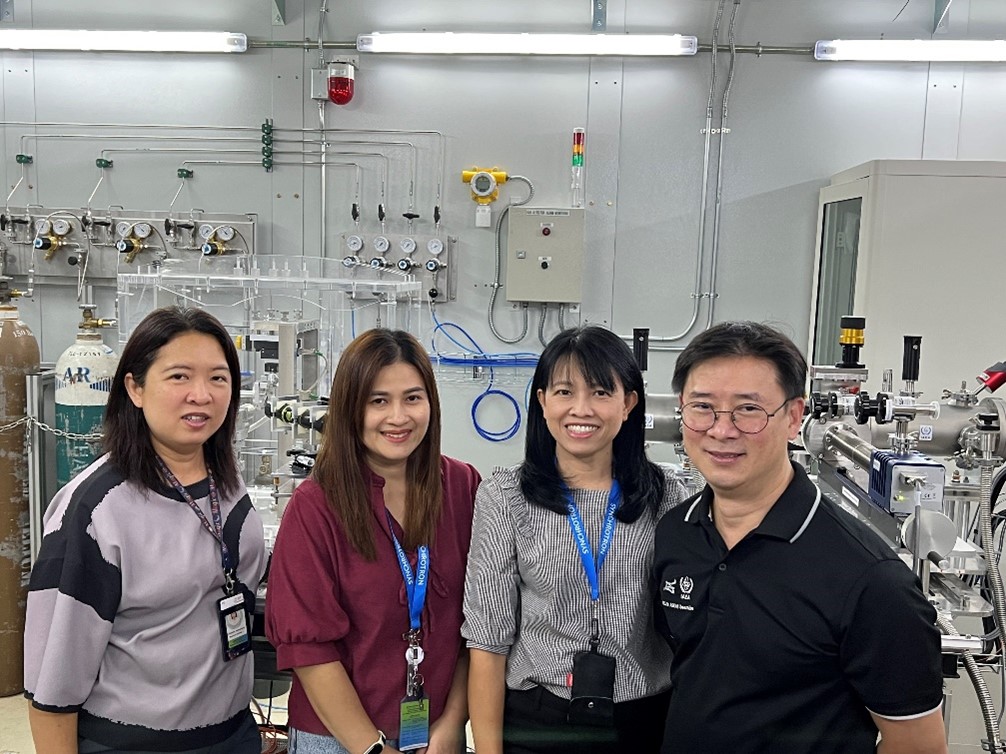
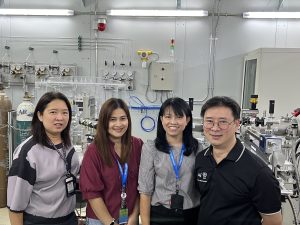
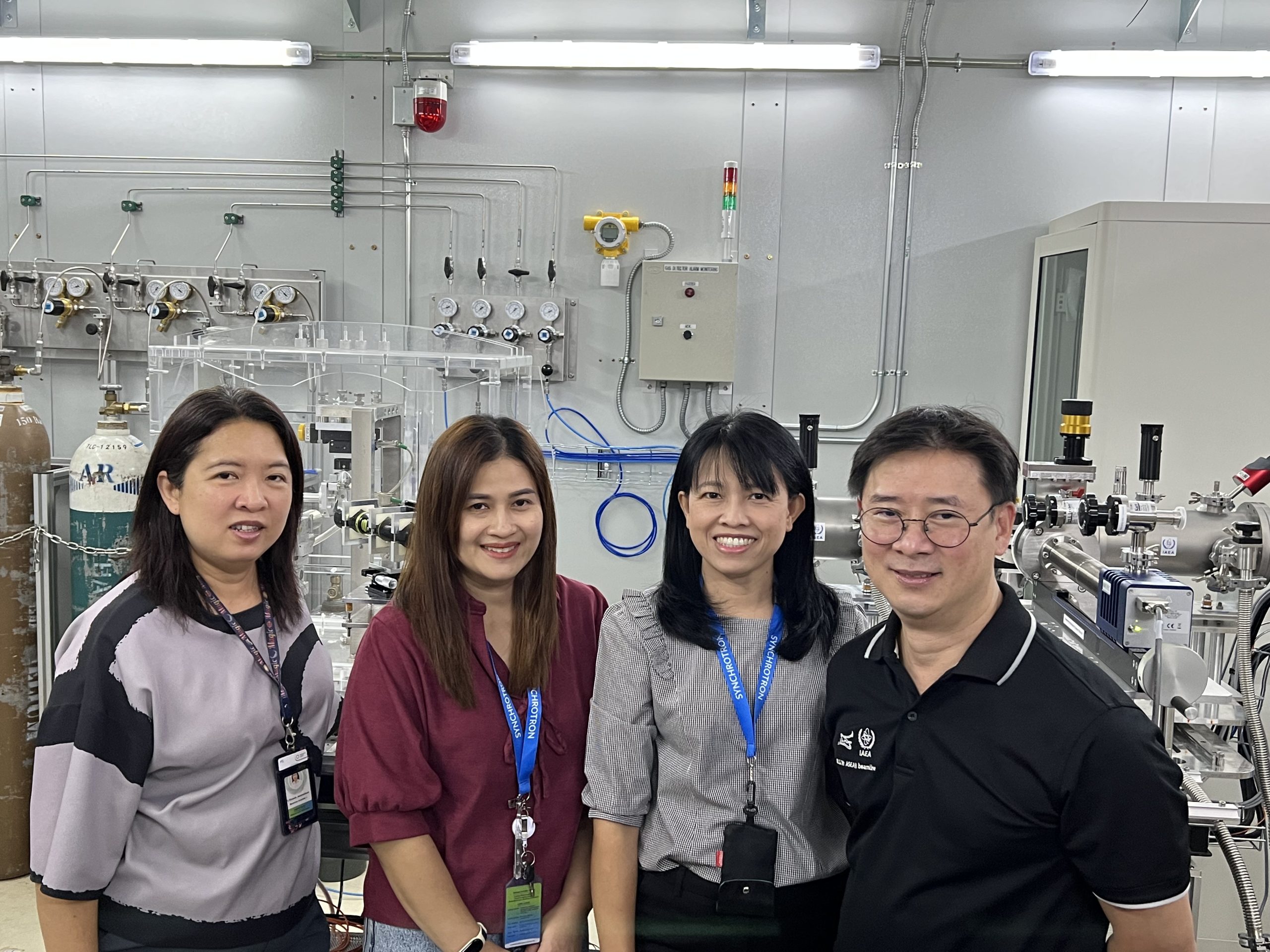
from left to right: Dr. Nichada Jearanaikoon, Dr. Ratchadaporn Supruangnet,
Dr. Waraporn Tanthanuch, and Dr. Somchai Tancharakorn
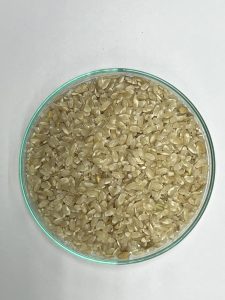
Headed by Dr. Somchai Tancharakorn, SLRI scientists namely Dr. Waraporn Tanthanuch, Dr. Nichada Jearanaikoon, and Dr. Ratchadaporn Supruangnet worked with Dr. Janjira Roungjaroen of HRDI to select 20 highland rice species for classification and searching for superfood characteristics by applying synchrotron light technology. With this technology, the scientists can quickly select and classify highland rice species based on their biochemical components and molecular structures.
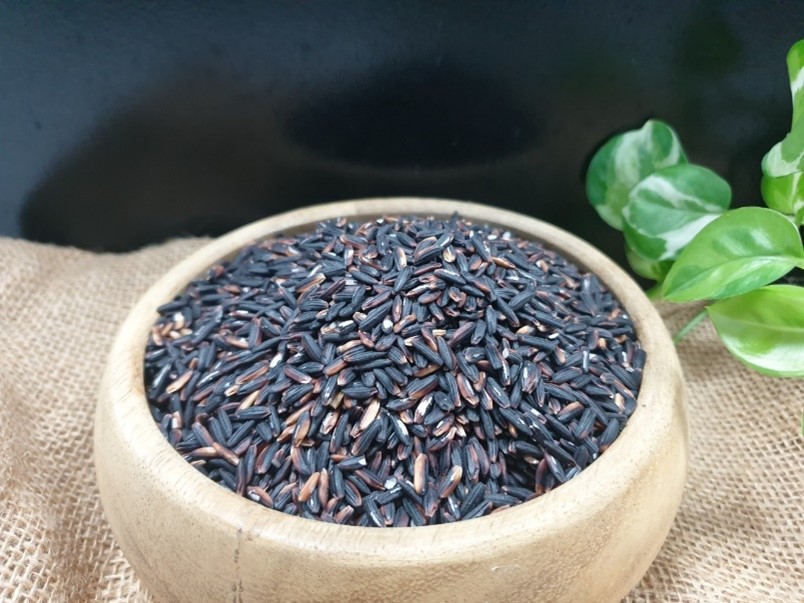
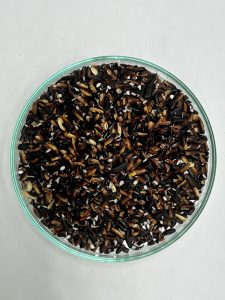
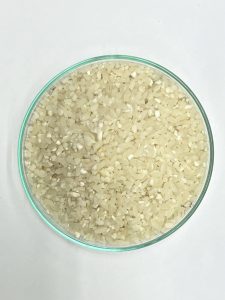
The Janunene highland rice
Dr. Somchai Tancharakorn stated that, “The test of rice samples applying synchrotron light can be done directly to the samples. There is no need to extract rice important components with chemicals. Moreover, errors on sample preparation are less. By this technology, more accurate effectiveness of classification with less time-consuming can be done. In general, classification mainly based on physical characteristics of rice.
The analysis results showed that highland rice contained various vitamins, minerals, high antioxidants, and phytonutrients essential to human body. Some species such as Blaejao of Hmong ethnic group, Jakunene of Li-saw, and Mockoc of Lawa contained more unsaturated fatty acids than others did. Unsaturated fatty acid is known for its ability to reduce Low Density Lipoprotein (LDL) in blood.
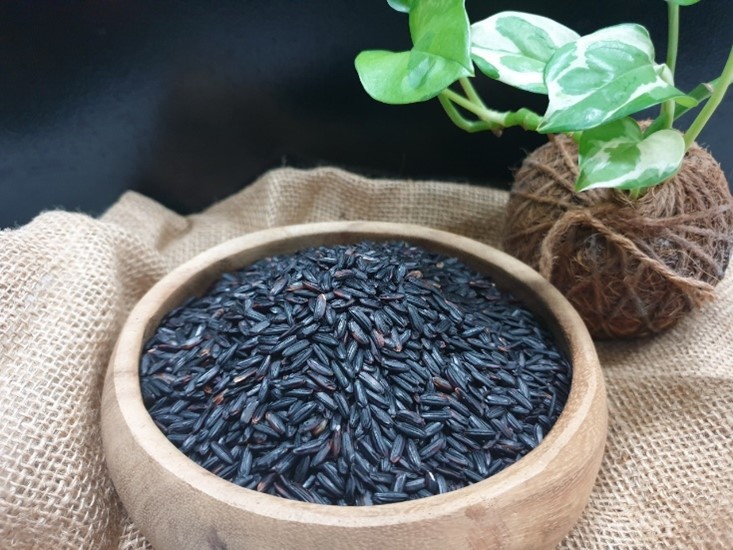
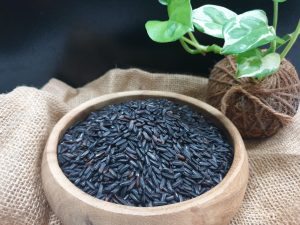
The Jakunene highland rice
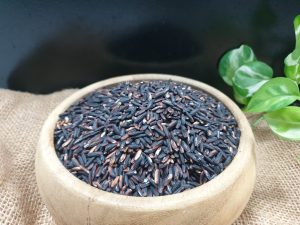
The scientists found that of all the analyzed species, Akha’s Shaekwo, Hmong’s Blaejao, and Karen’s Buemuepho contained highest amount of iron and zinc, comparing to other species. Iron and zinc appeared in a form of organic components which are easily absorbed and effective of use. More importantly, the Janunene, Jakunene, and one unidentified species with red grains contained highest phenolics and flavonoids which are 5 times higher than found in other species. The antioxidant activities found in these three species were at 20 times higher comparing other species.
Dr. Janjira Roungjaroen
Dr. Janjira Roungjaroen mentioned that “This research is a preliminary study and hundreds of highland rice species are being studied. The research results will be used as a database of genetic diversity of highland rice species grown in highland areas, Thailand which benefits selection of “superfood” species for consumers. The results will enhance in sustainably increasing of income for ethnic groups.”
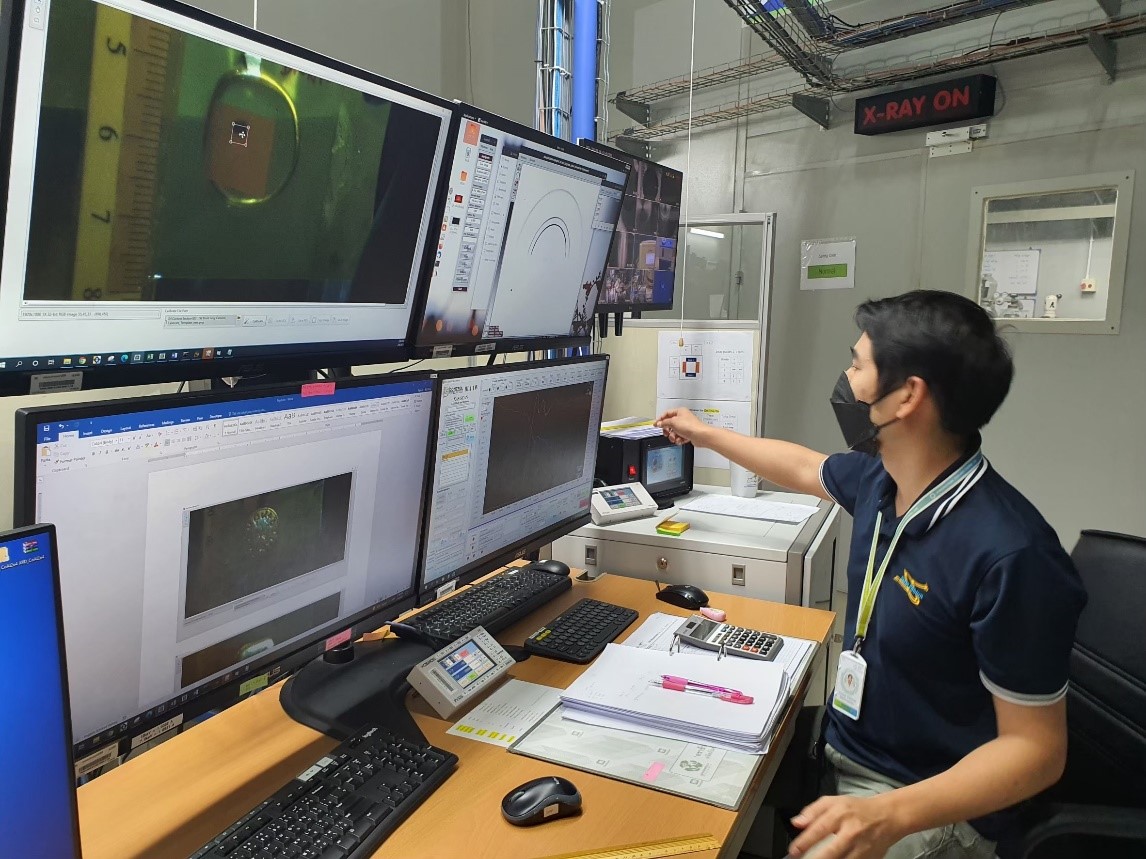
Beamline 1.1W: Multiple X-ray Techniques at Synchrotron Light Research Institute (Public Organization) or SLRI provides services of many X-ray techniques including X-ray Absorption Spectroscopy (XAS), X-ray Diffraction, and X-ray Fluorescence (XRF). These techniques help scientists to find out data on elemental components, crystalline structures, and atomic structures of samples.
The XAS technique can test samples in changing environment. However, each sample test takes quite long period of time because at least 12 minutes are spent in calculating each spectrum. In other words, the more number of samples to be tested, the more testing time are taken to get all required data.
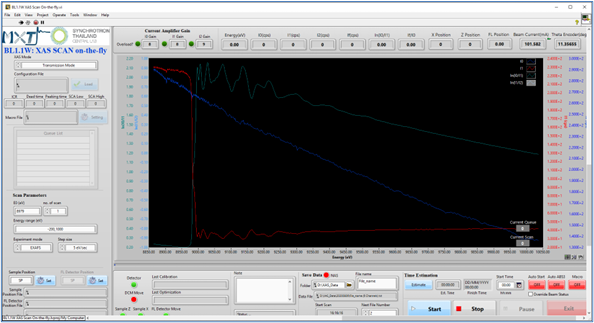
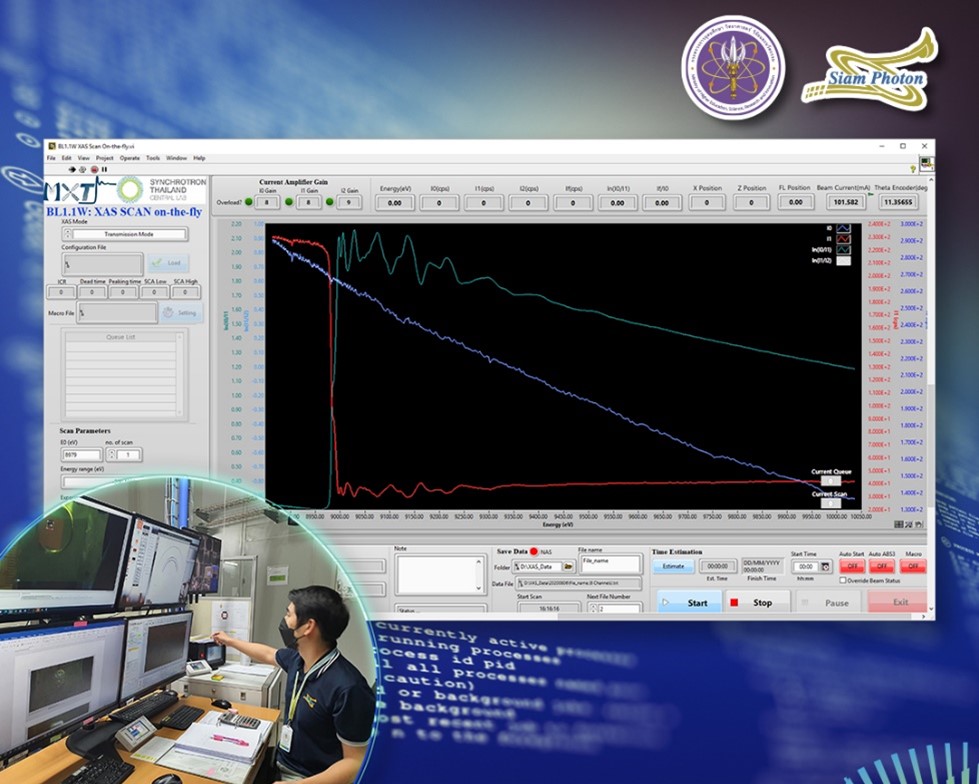
To reduce testing time, SLRI computer engineers of Control System Division, Technical and Engineering Department and beamline scientists worked together to develop the new program for sample testing. The new program uses on-the-fly method and is an alternative way to the currently used program. Moreover, it is used in testing transparent samples with high density and is suitable for test of samples in changing environment.
The new program requires continual run and synchronization of both motor drive and data storage systems to collect real-time testing data for processing. The program is compatible with existing hardware and can reduce testing time for 50-75%. Developers detected no difference between spectrum data of samples gained from using the new and currently used programs. Therefore, beamline scientists can apply these two programs together in sample testing as appropriate.
The program development reflects supporting role of computer engineers in providing more convenient and less time-consuming service of synchrotron light application. The new program will also support more users of Siam Photon Laboratory from both government and private sectors. For more technical information about Beamline 1.1W, please contact beamline scientists at email: mxt_bl@slri.or.th. For synchrotron light service, please contact Users Service Division at Tel. +66 4421 7040 ext. 1602-1605 or email: userservice@slri.or.th.
Article by:
Mr. Narupon Wongprachanukul, Engineer (Computer), SLRI
“Egg yolk” is an important raw material of various kinds of food and Thai traditional dessert acting not only as a food stabilizer but also an emulsifier to hold together particles of immiscible liquid ingredients such as water and oil. Preservation of egg yolk for longer shelf life and quality maintenance is highly important to food industry. The synchrotron-related technique can be applied to evaluate the yolk shelf life and quality.
Scientists of Synchrotron Light Research Institute (Public Organization)-SLRI co-worked with a team of Kewpie (Thailand) Co., Ltd. to apply synchrotron light in infrared range to examine quality of the frozen modified egg yolk. The scientists monitored the yolk stability and structural change of yolk protein such as change of functional groups, particle size consistency. The lipid oxidation reaction which deteriorates unsaturated fatty acids or lipids was also monitored.
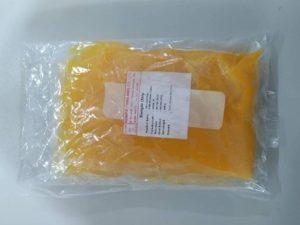
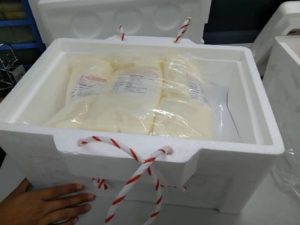
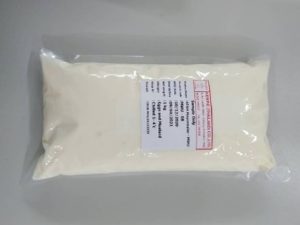
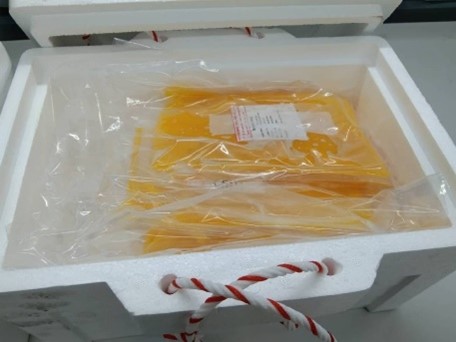
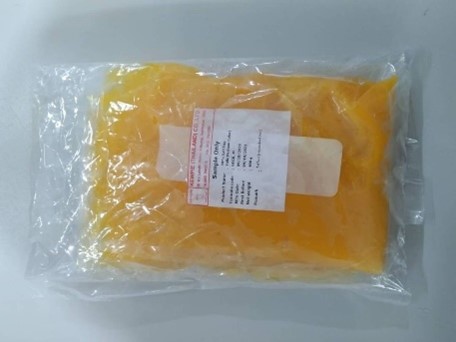
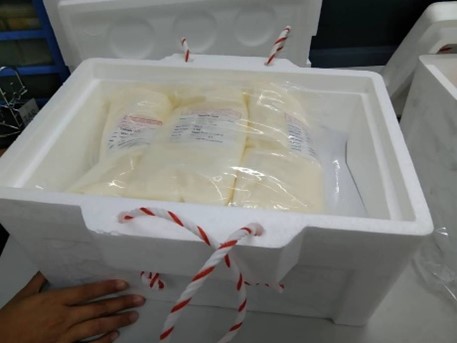
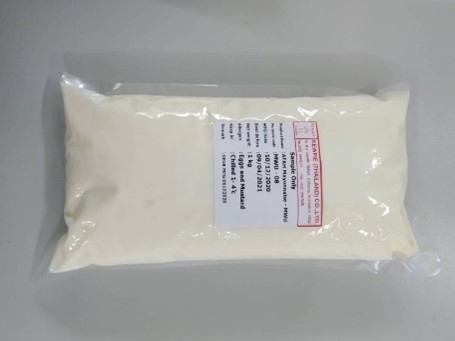
Figures of frozen egg yolk and processed food made of egg yolk
In this study, the unmodified egg yolk was used as a control to compare with egg yolk modified with the company’s EO and EN formulas. The scientists monitored change of protein structure and deterioration of fatty acid throughout 90-day storage at minus 20 degree Celsius. The result showed that change occurred to protein structure in the control while the modified yolk maintained its physical and chemical qualities.
The fatty acid deterioration affecting shelf life of frozen egg yolk occurred as well but at very small amount. Because of this, the scientists required infrared radiation from the synchrotron light source to study the main site where lipid oxidation reaction occurred. The data was later calculated using both kinetic reaction and Arrhenius equations to evaluate change of preserved yolk in quality at minus 20 degree Celsius.
The researcher group consists of SLRI scientists including Dr. Siriwan Nawong, the team leader, Dr. Phakkhananan Pakawanit, Mrs. Chunmanus Phoomalee, Ms. Siriporn Chaiyasit, and Ms. Nuttaya Pasornjaroenchai, together with a team of Kewpie (Thailand) Co., Ltd. The result is applied to evaluate quality of frozen egg yolk and will be further used in product research and development. This study is an example of applying synchrotron light to support private sector in product development.
Antarctica is the geographic location of the South Pole. Almost all of them are in the Antarctic Circle and surrounded by the Southern Ocean. It has an area of approximately 14 million square kilometers. It is the fifth largest continent in the world and is a place where the world has united to preserve its status of being “The cleanest place in the world” which is defined as a place free from the effects of human activities such as shipping and crude oil spills or the combustion of fossil fuels which all cause toxic contamination in the environment. However, the only activity supported in Antarctica is research. A research station has been set up for humans to use as living quarters and conducting various research.
As someone who has studied and researched about toxins and carcinogens for a long time, Prof Dr. Siwatt Pongpiachan, Director of NIDA Center for Research & Development of Disaster Prevention & Management was, therefore, interested in studying the soil of Antarctica which has the least toxic contamination from human activities. The information obtained will be background information indicating how many substances are present in nature free from human activity, to be used as a basis for setting standards for contamination of various toxic substances in the environment.
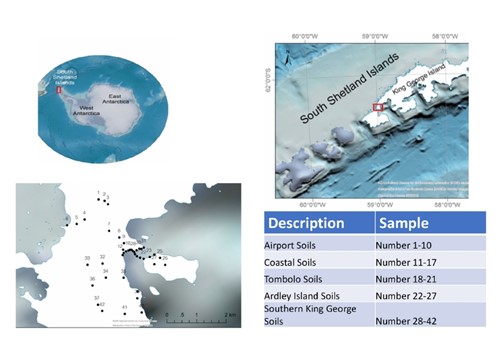
Location of 42 Antarctic sediment samples collected from various locations.
Prof Dr. Siwatt Pongpiachan collected the soil samples from King George Island in Antarctica and brought them to Synchrotron Light Research Institute (SLRI) to analyze in collaboration with Dr. Kanjana Thumanu, beamline scientist of SLRI with the technique of Fourier transform infrared microspectroscopy using synchrotron light (SR-FTIR Micropectroscopy).
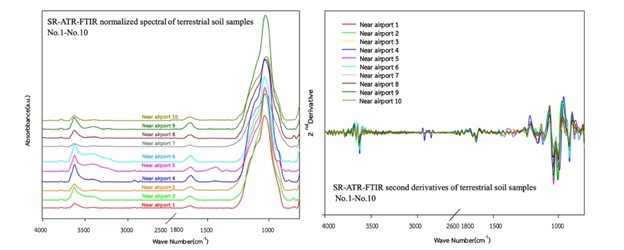
SR-FTIR spectrum of Antarctic sediment samples.
Samples were collected from the airport source.
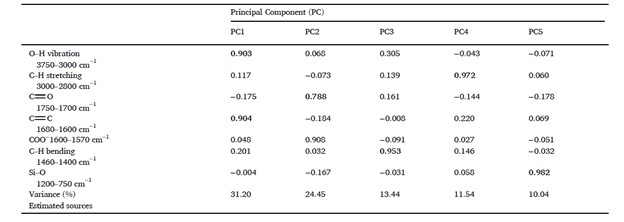
Results of analysis of main components of the mid-infrared absorption surface area of organic functional groups in soil samples from King George Island using the SR-ATR-FTIR technique.
“The highlight of the SR-FTIR technique is its potential to classify organic substances, inorganic substances and chemical bonds or functional groups of organic compounds in soil samples which can be analyzed both qualitatively and quantitatively. It is also a technique that does not destroy the sample. This allows researchers to take valuable Antarctic soil samples and further analyze them chemically using other techniques. It is also convenient, not complicated, takes a short time to measure and has high safety. It can measure samples in both solid and liquid form,” said Prof. Dr. Siwatt Pongpiachan.
The analysis found that Antarctic soil samples contained organic compounds originating from various human activities in Antarctica. These activities include the use of fossil fuels in generators at research stations on King George Island, such as exhaust from vehicles and fuel used for warmth, with proportions as high as 44 percent. The closer to the airport or the research station at the South Pole, the distribution of such organic compounds was found to be higher than in other areas. Penguin droppings, including substances resulting from the decomposition of the remains of lichens, ferns, and mosses also cause organic compounds accounting for 25 percent.
The soil samples used for this analysis were collected by Thai scientists in the 34th Chinese National Antarctic Research Expedition (CHINARE 34) operated by the Chinese Arctic and Antarctic Administration (CAA) under The Maritime Safety Administration of the People’s Republic of China. Scientists collected sediment samples from five different areas of King George Island, totaling 42 samples.
Before that, in 2016, Prof. Dr. Siwatt Pongpiachan traveled with the 32nd Chinese National Antarctic Research Expedition (CHINARE32) to conduct research on the impact of climate change. He was selected from the Royal Initiative Polar Research Project, Her Royal Highness Princess Maha Chakri Sirindhorn, National Science and Technology Development Agency (NSTDA) in cooperation with the Chinese Arctic and Antarctic Administration in sending Thai scientists to accompany the Chinese CHINARE team that travels to Antarctica every year.
Research station of the People’s Republic of China in Antarctica
This research on Antarctic soil analysis was published under the title “Applying Synchrotron Radiation-based Attenuated Total Reflection-Fourier Transform Infrared to Chemically Characterize Organic Functional Groups in Terrestrial Soils of King George Island, Antarctica” which was published in Elsevier’s Heliyon journal (Scimago Q1). The results of this research will lead to preventive measure to control fossil fuel use activities on King George Island because it directly causes contamination. And it will lead to further accumulation of organic compounds in Antarctic soil samples.
Article by: Prof Dr. Siwatt Pongpiachan, Director of NIDA Center for Research & Development of Disaster Prevention & Management
Dr. Kanjana Thumanu and Chunmanus Uthaisar, Beamline Scientists from SLRI
Complier: Corporate Communications Section, SLRI
Translation: International Relations Officer, User Service Section, SLRI
If you like exploring the forest, one thing to be careful of is “Malaria” or jungle fever because Thailand is not yet free from this disease. Symptoms of this disease are fever, shivering, headache, and muscle pain. The scary thing about this disease is that if the patient does not receive treatment, it can lead to complications such as liver failure, kidney failure, or cerebral malaria and the patient can pass away easily. A report from the World Health Organization states that in 2022, 247 million people were infected with malaria and more than 600,000 people passed away. Malaria is found mostly in countries with hot and humid climates.
Global warming also causes the number of Anopheles mosquitoes (Anopheles spp.) which are disease vectors to increase. In addition, the medicines used to treat them are starting to become ineffective because the germs are becoming more resistant to the drugs. Researchers are therefore trying to develop new drugs to deal with this tropical disease. Synchrotron is a powerful tool that can help prove the effects of drugs. However, researchers must know the weak points of malaria first, before developing the drugs to cure malaria disease.
The real cause of malaria is a protozoan organism in the Plasmodium group that lives in Anopheles mosquitoes. The Plasmodium species found in Thailand and causing the most severe symptoms in humans is the Falciparum species. We get this infection from the bite of a female Anopheles mosquito. The germs hidden in mosquito saliva are passed into the bloodstream and become embedded in liver cells where they multiply and increase in number. It takes about 2 weeks until the liver cells break, then it releases germs into the bloodstream and enters the red blood cells to digest hemoglobin which is an important protein as food for growth and increment in numbers. It can cause the red blood cells to change their original shape depending on the growth period (Trophozoite) which is the stage where the infection increases in number. And when the number increases to the dividing stage (Schizont), the nucleus of the germ will divide rapidly causing red blood cells to break down in the bloodstream. It causes a cycle of fever and shivering for the patient and enters the red blood cells again.
The malaria bacteria’s digestion of hemoglobin releases Heam that remains from the decomposition. This substance is toxic to cells. This causes a mechanism to change Heam into alpha-hematin (α-hematin), which can be paired together and crystallized into Hemozoin within the cell. Therefore, the formation of hemozoin crystals allows the survival of infectious cells in the red blood cells. A drug that has been used to treat malaria for decades, such as Chloroquine will interfere with the conversion of hematin to hemozoin. This drug is more effective at disinfecting Plasmodium in the ring stage, which is the first stage in which the infection enters red blood cells, than in the growth stage.
Scientists can detect malaria infection or test the effectiveness of malaria drugs by examining hemozoin crystals with a high-quality microscope. This requires polarized light and highly skilled examiners. Or it can be done by mixing pyridine into the sample solution, which will result in a clear yellow solution made from a heme-pyridine complex that can absorb light at wavelengths of 370 nanometers. However, this technique also complicates sample preparation. Therefore, a method for detecting hemozoin crystals was developed using Fourier transform infrared spectroscopy (FTIR Spectroscopy), a technique that relies on the principle of absorption of infrared radiation. Plasmodium can be detected in the patient’s blood at all three stages, and if the infrared absorption measurement technique from synchrotron light is used in conjunction with an infrared microscope, this will allow us to detect malaria infection in each red blood cell by measuring the absorption of infrared light in the wave number range 1,210 – 1,220.
From the above knowledge, Dr. Buaban Kuaprasert, beamline scientist at Synchrotron Light Research Institute (Public Organization), or SLRI, together with researchers from many agencies including the National Center for Genetic Engineering and Biotechnology (Biotech), Phramongkutklao College of Medicine, Vidyasirimedhi Institute of Science and Technology and Kasetsart University has discovered a new type of antimalarial drug from the anticancer drug database with codes NSC45545, NSC45570 and NSC45507 that can resist the growth of Plasmodium in the ring stage at a concentration similar to Chloroquine. The chemical structures of all 3 substances are compared to Chloroquine as shown in Figure 1.
Figure 1 Chemical structure of NSC45545, NSC45570, NSC45607 compared with Chloroquine.
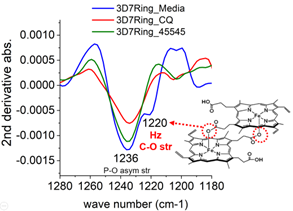
When samples of red blood cells infected with Plasmodium ring stage treated with NSC45545 were compared with samples treated with Chloroquine and analyzed using the Synchrotron FTIR microspectroscopy technique from the Siam Photon Laboratory at SLRI (Figure 2), there was no absorption of infrared in the wave number range 1,210 – 1,220. Unlike infected red blood cells that were not treated with the drug, they clearly absorbed infrared in this wavelength range (Figure 3), thus confirming that NSC45545 can inhibit the growth of malaria bacteria.
Figure 2. Image taken under an IR microscope of malaria-infected red blood cells treated with NSC45545 in an IR window.
The green square is an optical field measuring 10 x 10 square micrometers that uses infrared light to measure samples.
Figure 3 shows a comparison of secondary FTIR spectra obtained from measuring red blood cell samples infected with malaria treated with NSC45545 (green) and Chloroquine (red) and a control which were untreated Plasmodium-infected red blood cells (blue).
The wave number 1,220 is due to the absorption of infrared by the carbon-oxygen (C-O) bond in the propionate functional group (red dotted circle) in the hemozoin structure (insert picture bottom right).
This research can be used to develop a new type of antimalarial drug that can inhibit the production of hemozoin by malaria bacteria. All three prototype drugs must be tested for toxicity to normal human cells before further testing in animals.
Reference: Kuaprasert, B. et al. Dual role of azo compounds in inhibiting Plasmodium falciparum adenosine deaminase and hemozoin biocrystallization. Exp. Parasitol. 243, 108384 (2022).
Article by Dr. Buaban Kuaprasert, Beamline scientist at Synchrotron Light Research Institute (Public Organization)
Complier: Corporate Communications Section
Translation: International Relations Officer, User Service Section