Blog

  • Visit of SLRI Director and Representatives to BRIN

    Visit of SLRI Director and Representatives to BRIN

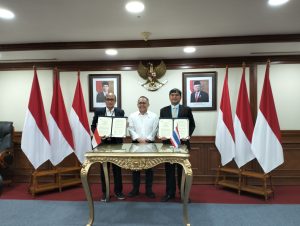
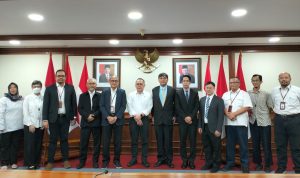
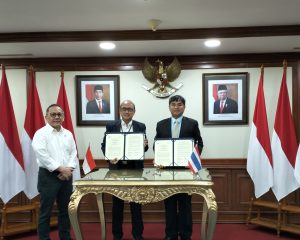
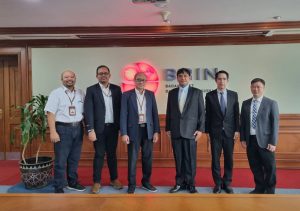
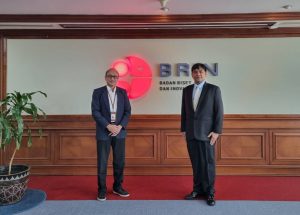
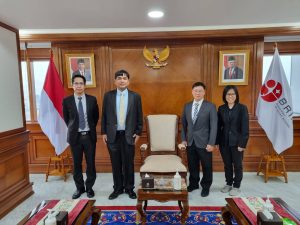
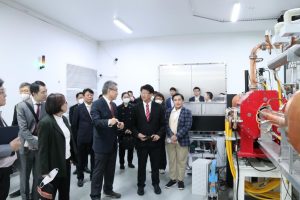
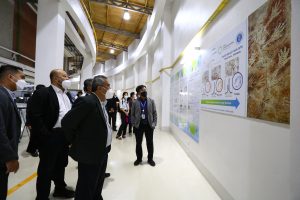
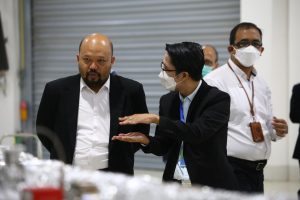
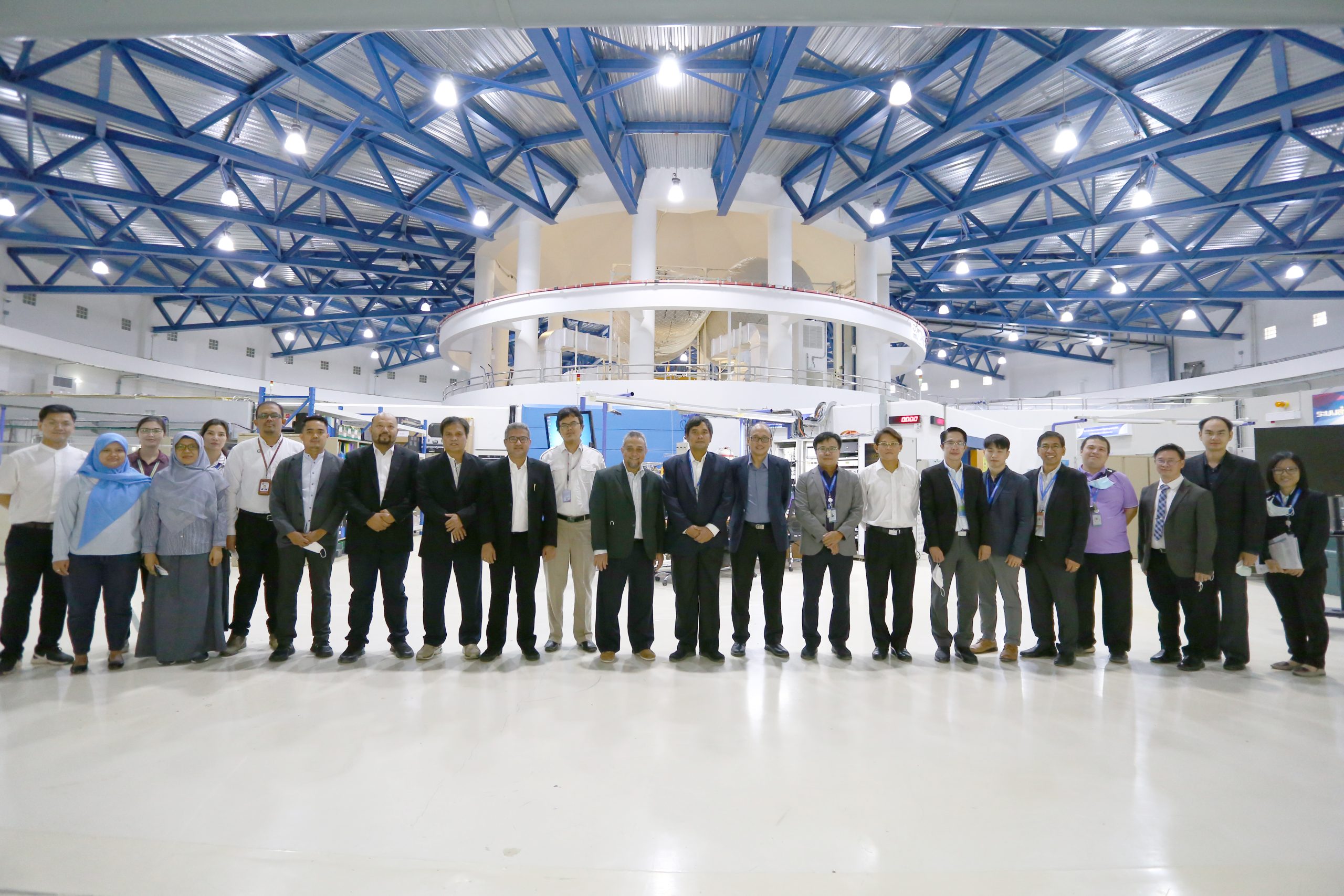
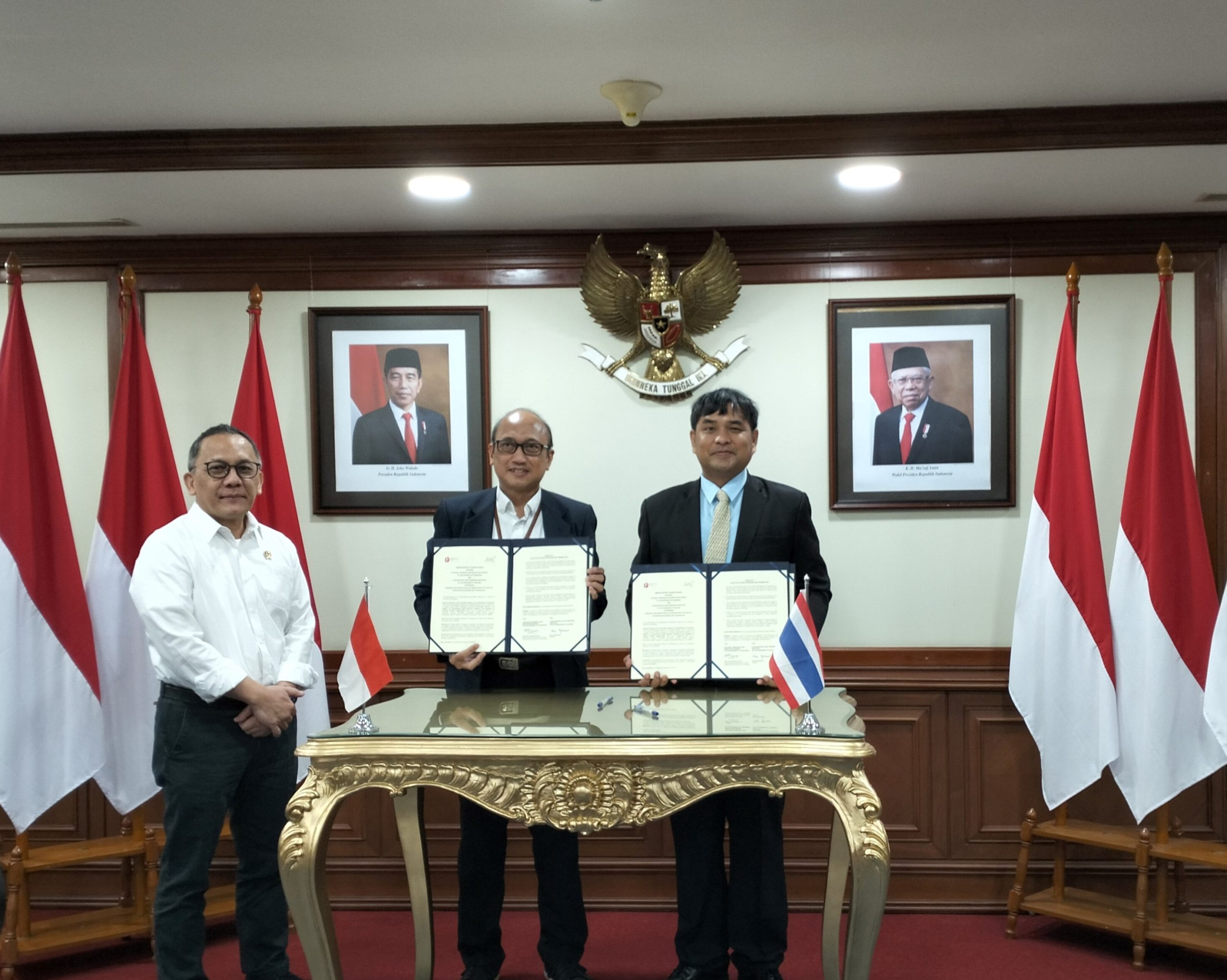
                On 10 April 2023, Assoc. Prof. Dr. Saroj Rujirawat, Director, together with executive and representatives of Synchrotron Light Research Institute (Public Organization) or SLRI visited National Research and Innovation Agency (BRIN), Republic of Indonesia to have mutual discussion on the collaboration between the two institutes.

                   On this occasion, SLRI and BRIN executives signed the Memorandum of Understanding with an aim to create a framework of cooperation between the two institutes in order to promote research and collaboration in the field of synchrotron radiation science and technology.

  • Visit of Thai Delegates to SARI

    Visit of Thai Delegates to SARI

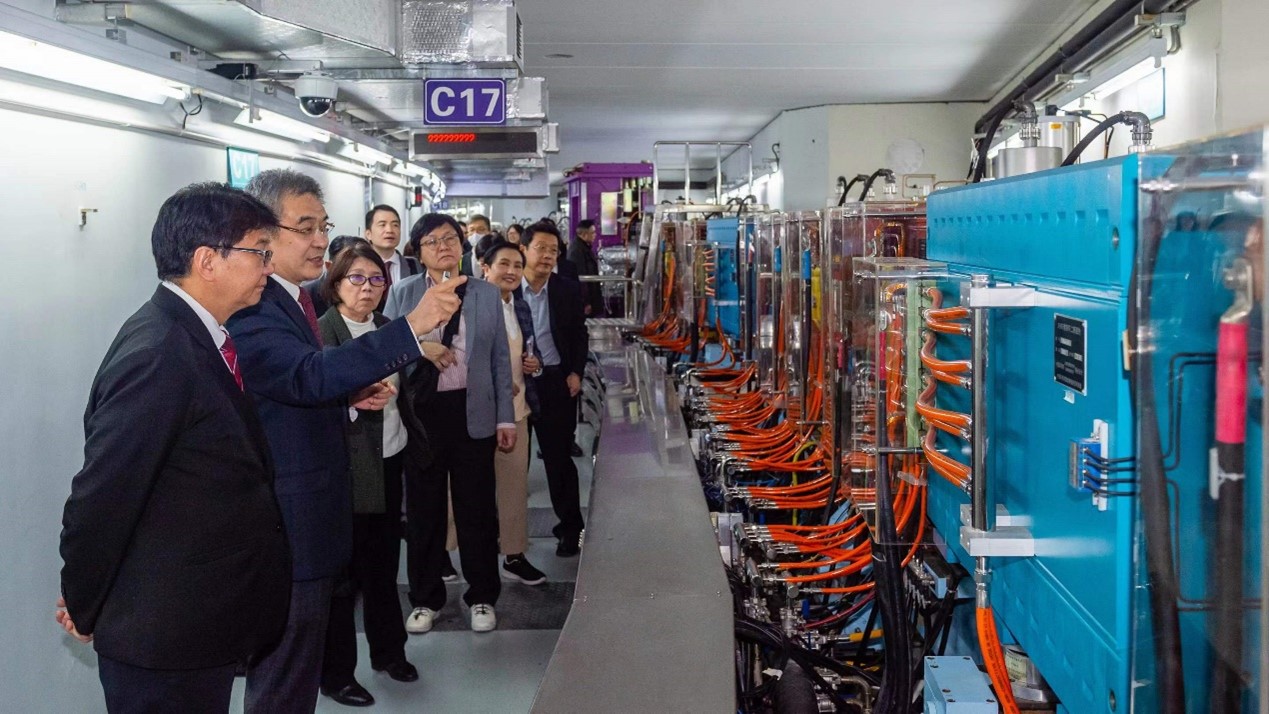
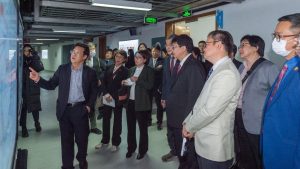
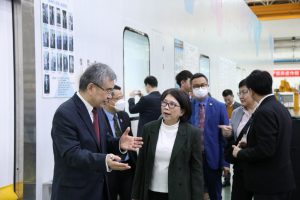
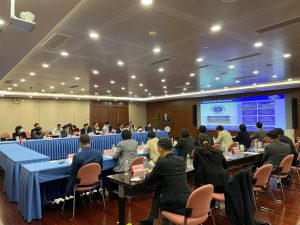
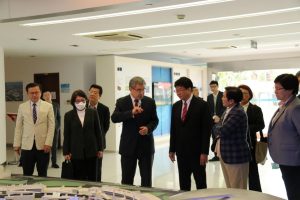
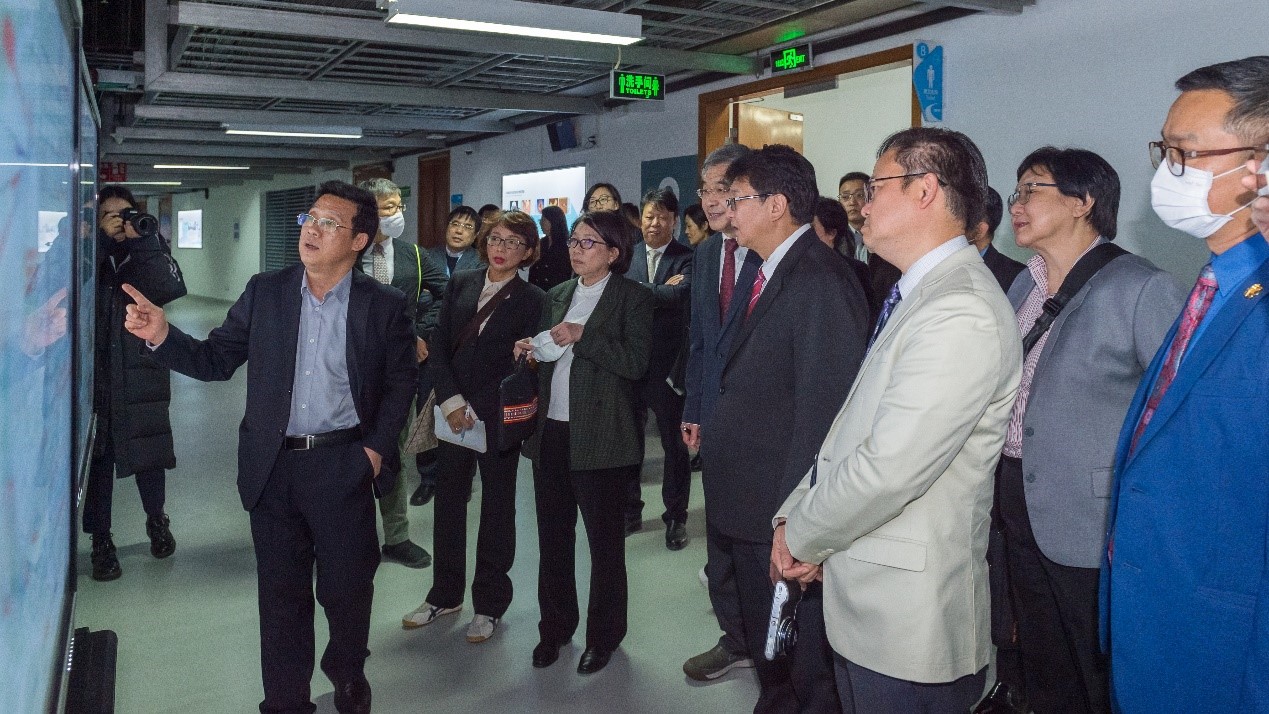
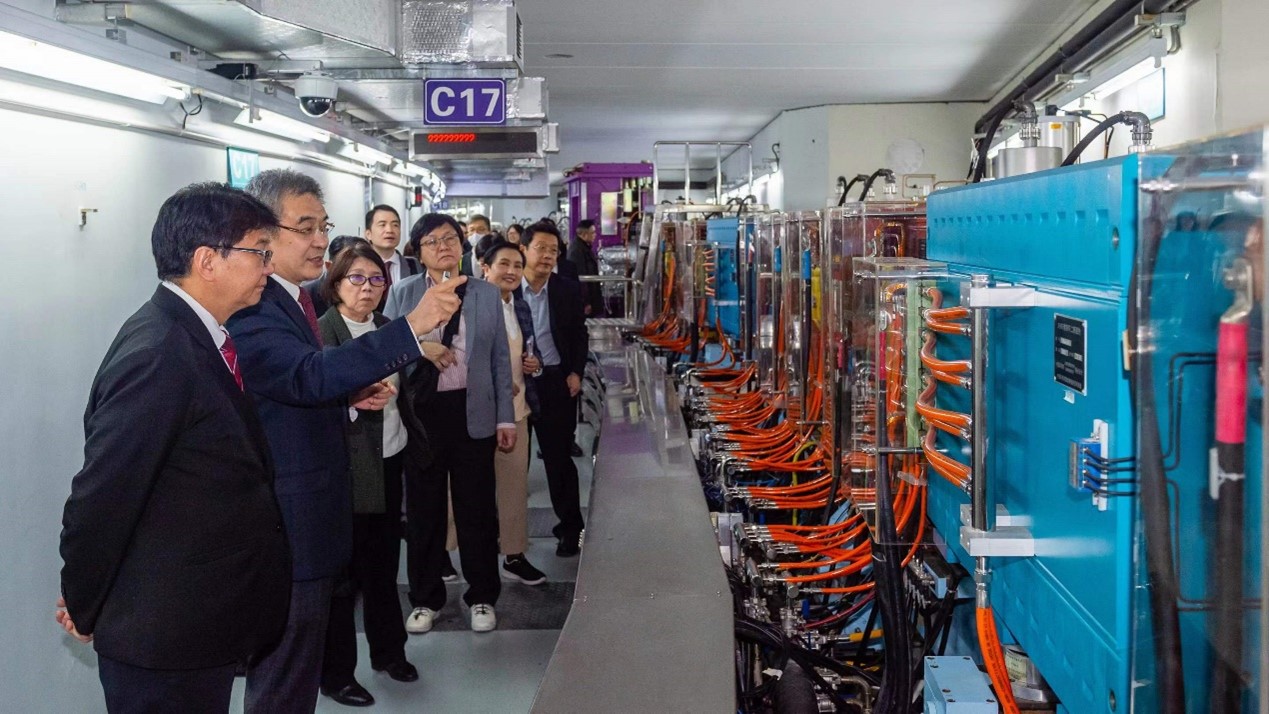
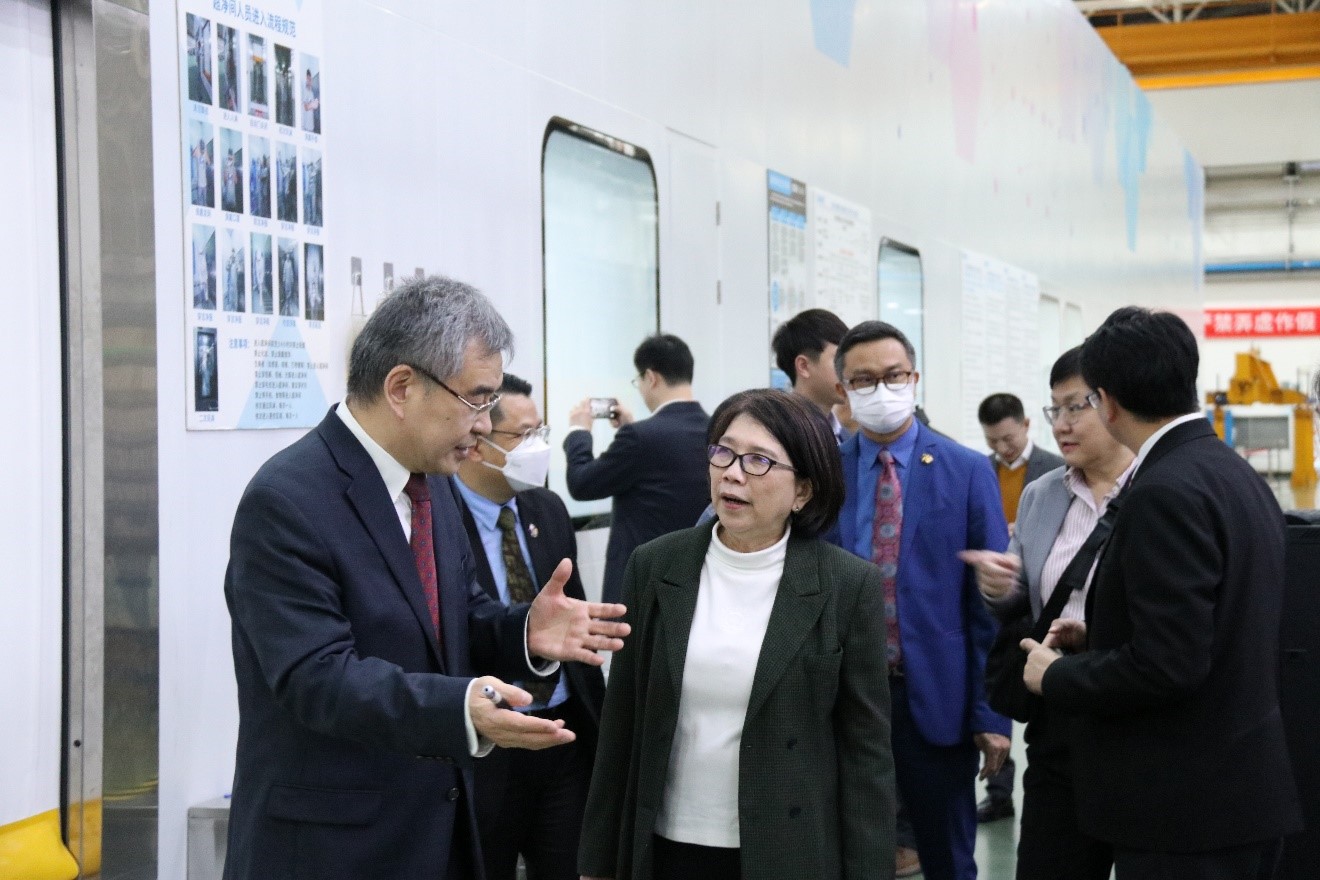
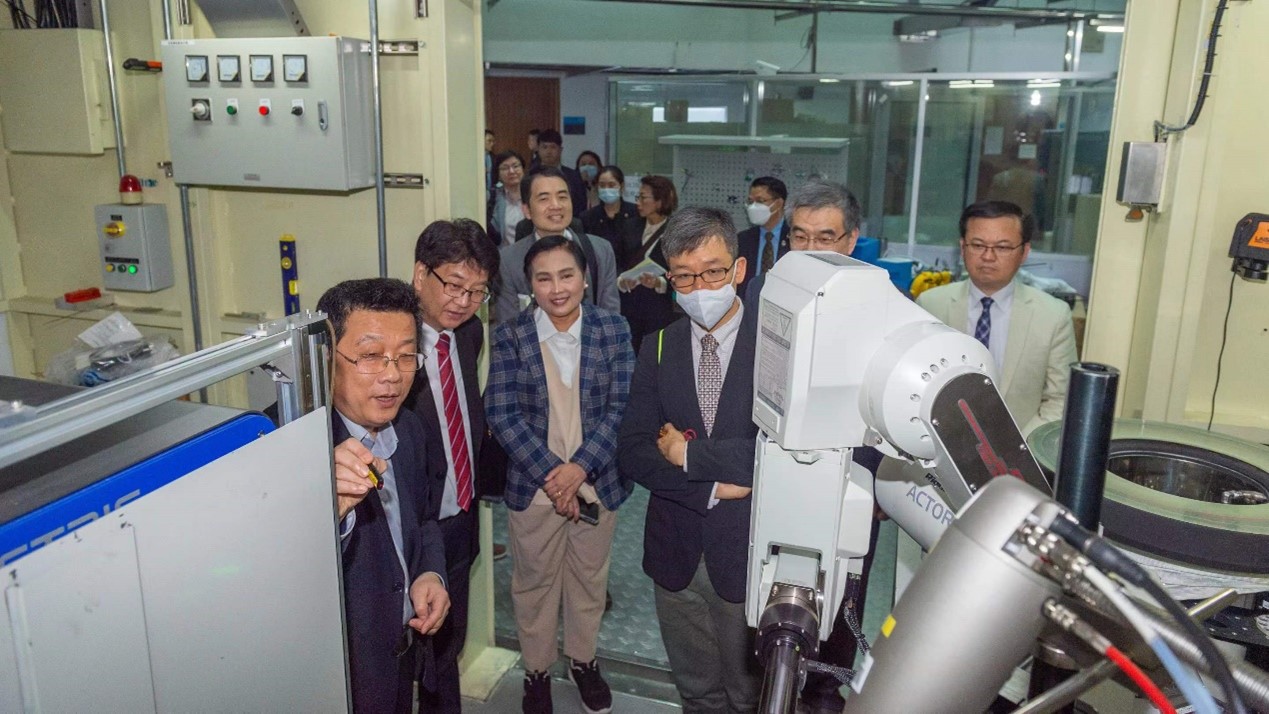
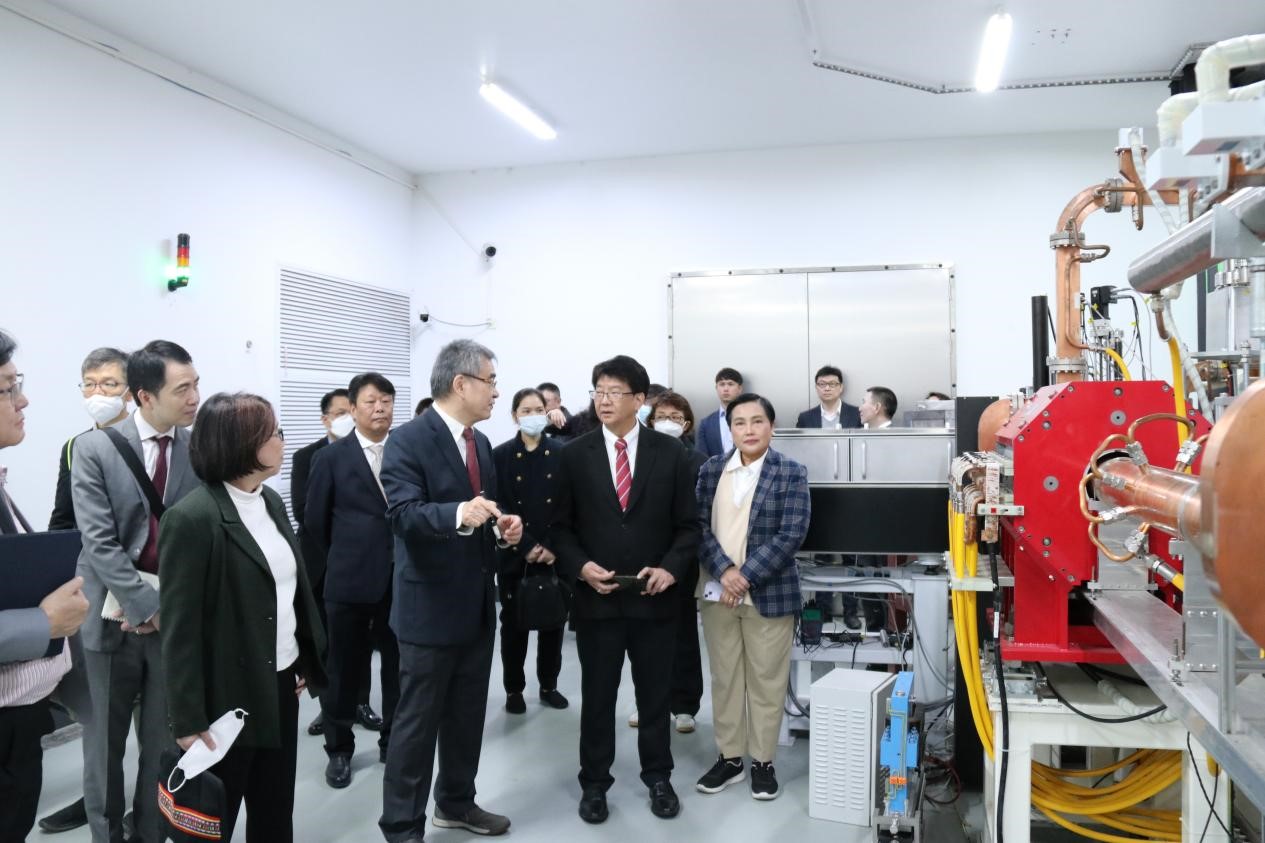
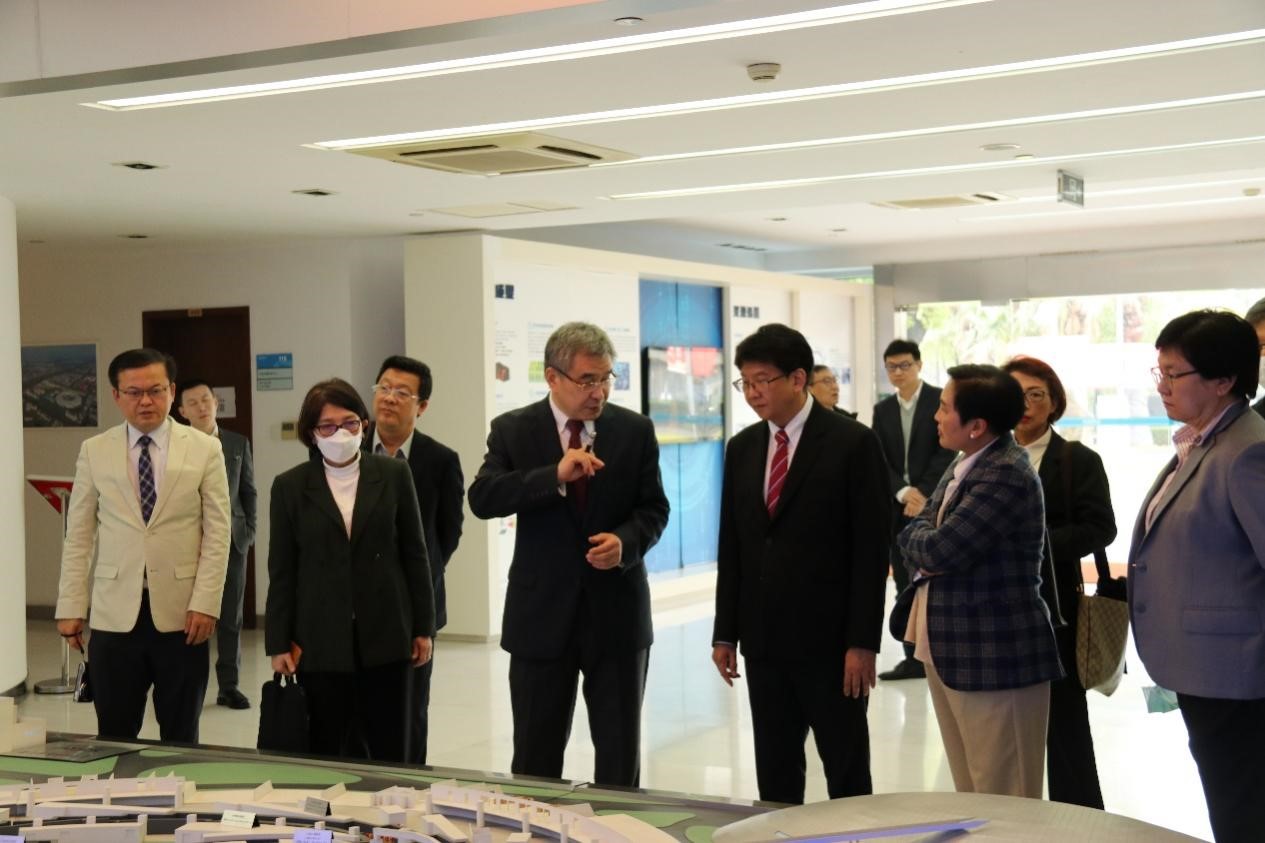
                       A group of 13 Thai delegates led by Assoc. Prof. Pasit Lorterapong, Deputy Permanent Secretary, Ministry of Higher Education, Science, Research and Innovation (MHESI) of Thailand, visited the Shanghai Advanced Research Institute (SARI), Chinese Academy of Sciences (CAS), People’s Republic of China on February 12, 2023.

                      On this occasion, Prof. Zhentang Zhao, an academician of the Chinese Academy of Engineering and the director of the Shanghai Synchrotron Radiation Facility (SSRF), Prof. Renzhong Tai, the vice president of SARI and the deputy director of SSRF, Prof. Biao Jiang, the director of Innovation Cooperation Center (Bangkok), CAS, Mr. Wenzhan Yang, a program officer from the International Cooperation Department, Science and Technology Commission of Shanghai municipality, and Chinese representatives welcomed the visit.

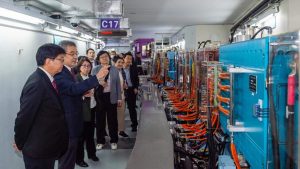
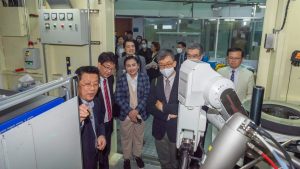
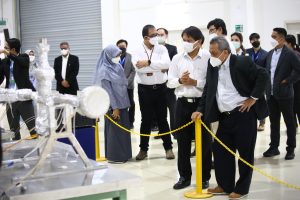
                       Accompanied by Chinese scientists, Thai delegates visited the storage ring and two experimental stations at SSRF, the Shanghai Soft X-ray Free Electron Laser, and the superconducting RF cavity test platform for Shanghai Hard X-ray FEL Facility.

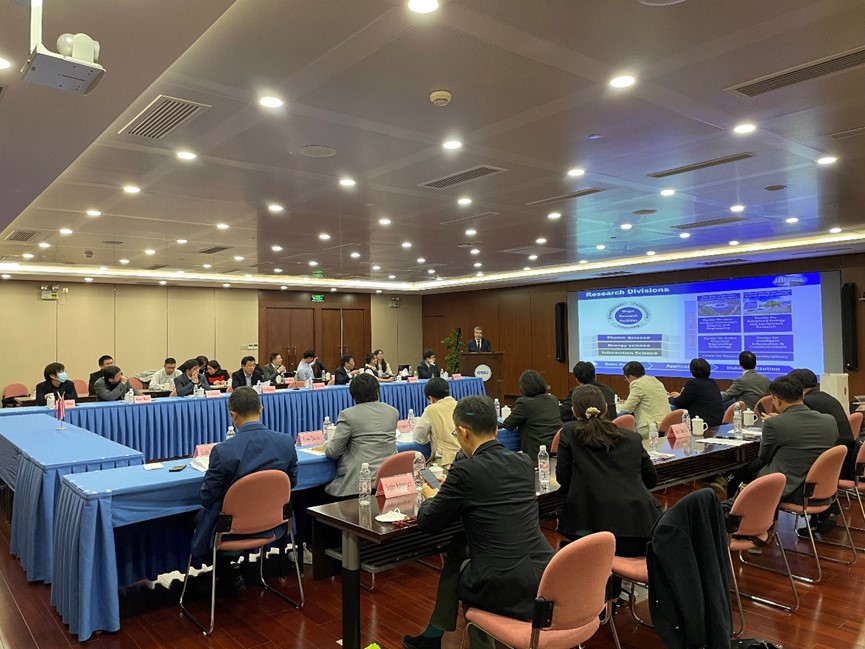
                      At the meeting, Prof. Tai first expressed a warm welcome on behalf of SARI to Thai delegates.  Prof. Tai briefly introduced the historical development and research direction of the institute, and expressed his hope to enhance understanding through mutual visits and further promote the cooperation between China and Thailand in science and technology.

                     Prof. Zhao delivered a report, introduced in details the operation and scientific research achievements at SSRF, and reviewed the cooperation between China and Thailand in the field of synchrotron light source.

                      In the final discussion session, Assoc. Prof. Lorterapong expressed his gratitude for the reception of SARI, and said that through the visit, they had a deep understanding of cooperation between China and Thailand in fields of science and technology.  They will continue to promote mutual visit between the two sides and strive to produce more outcomes in scientific research cooperation.
  • The Visit of SLRI Scientists to Kang Yong Electric PCL. for Research Project Collaboration

    The Visit of SLRI Scientists to Kang Yong Electric PCL. for Research Project Collaboration

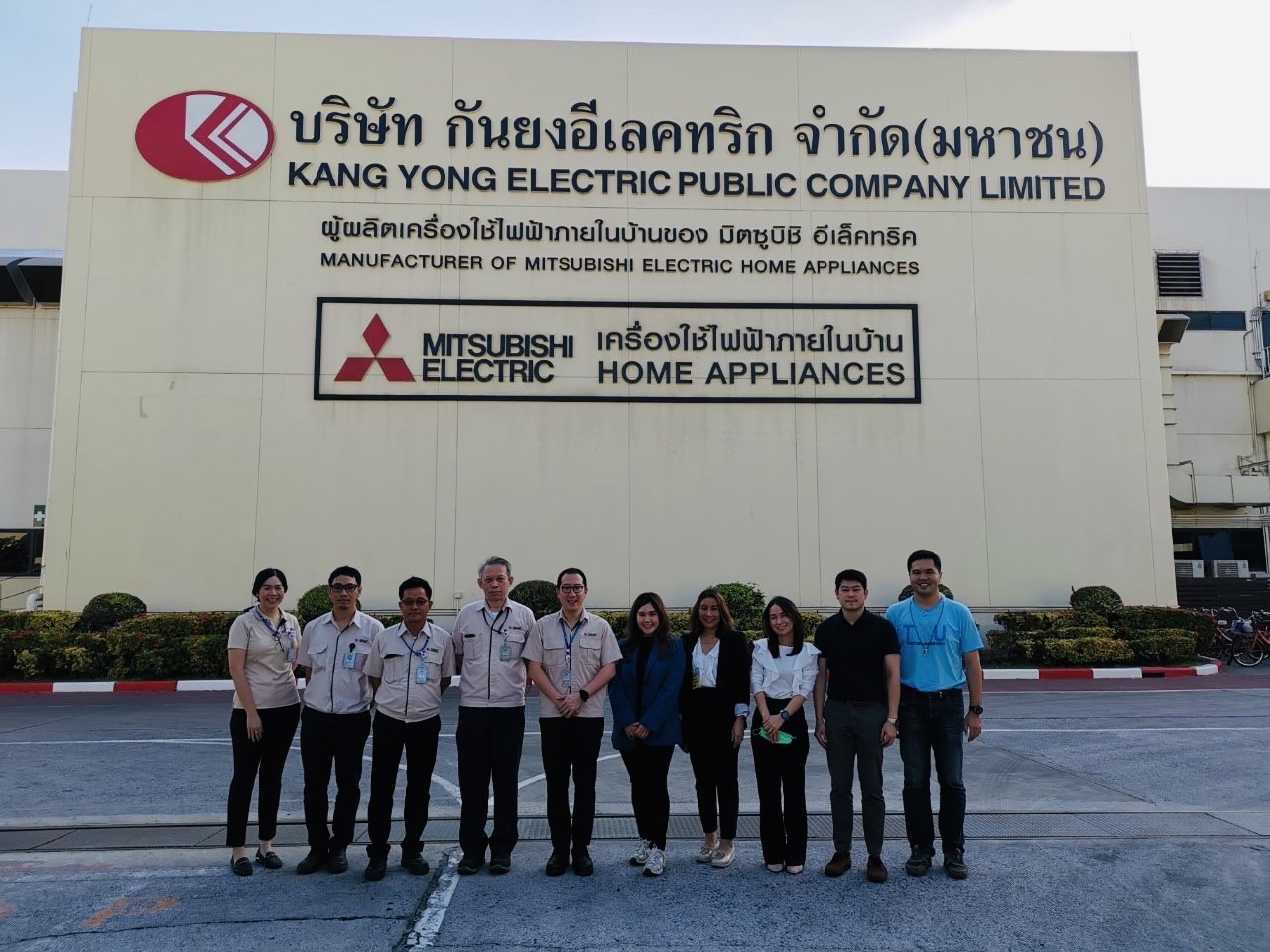
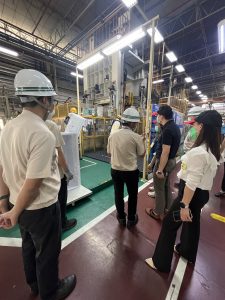
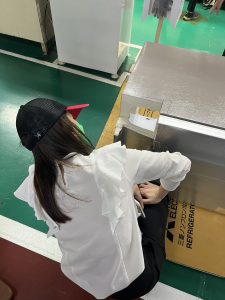
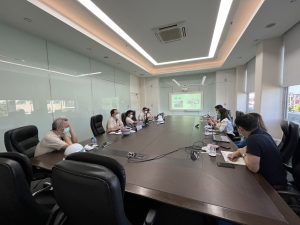
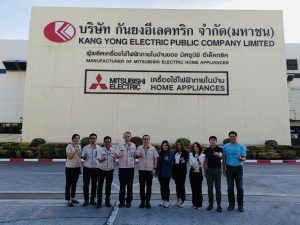
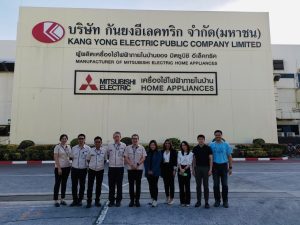
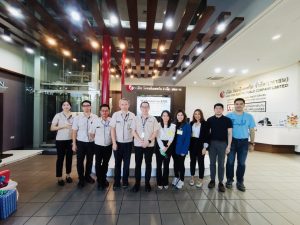
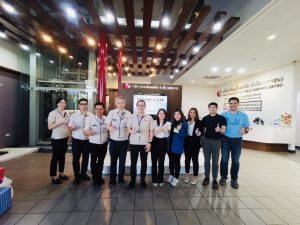
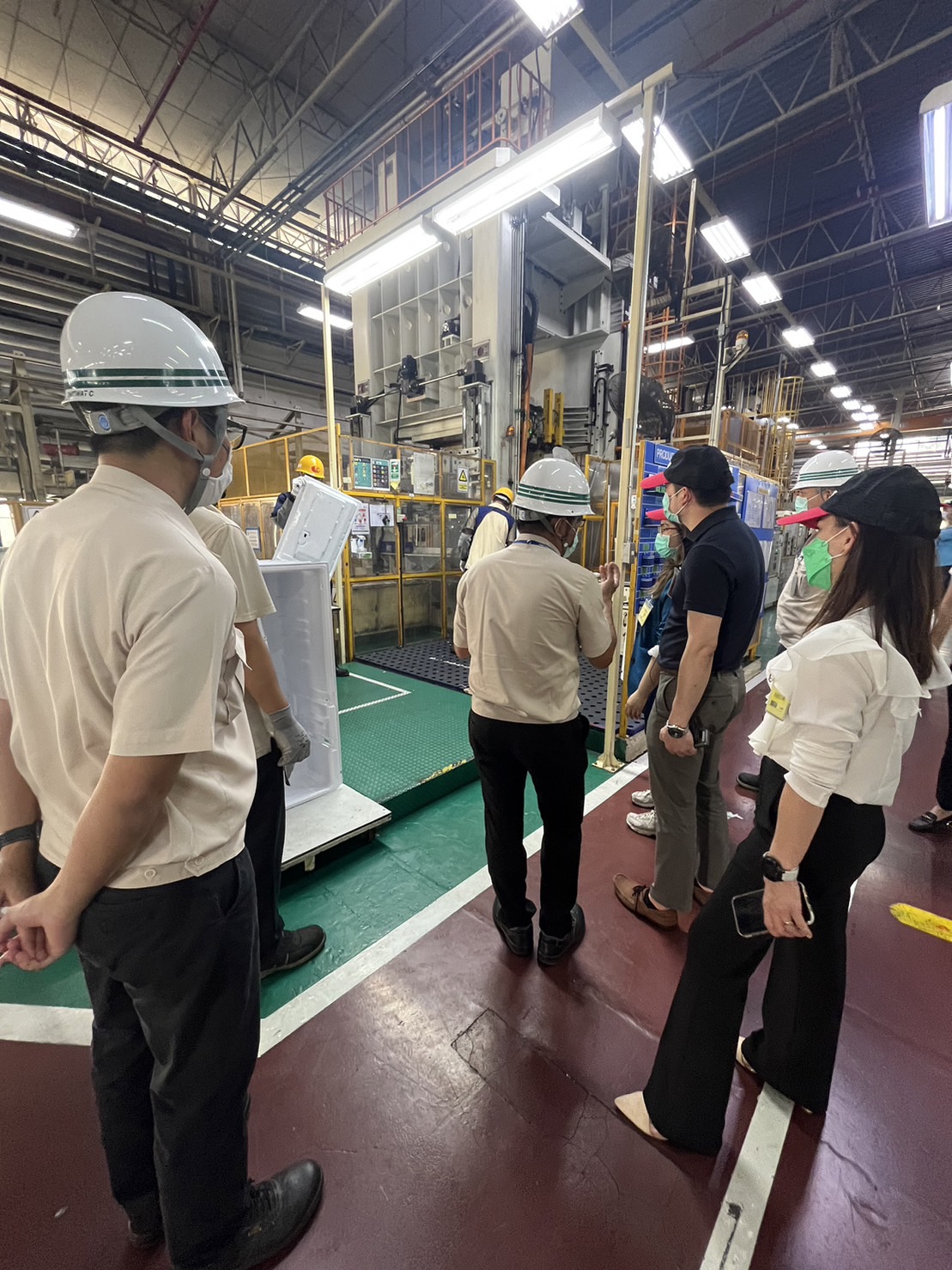
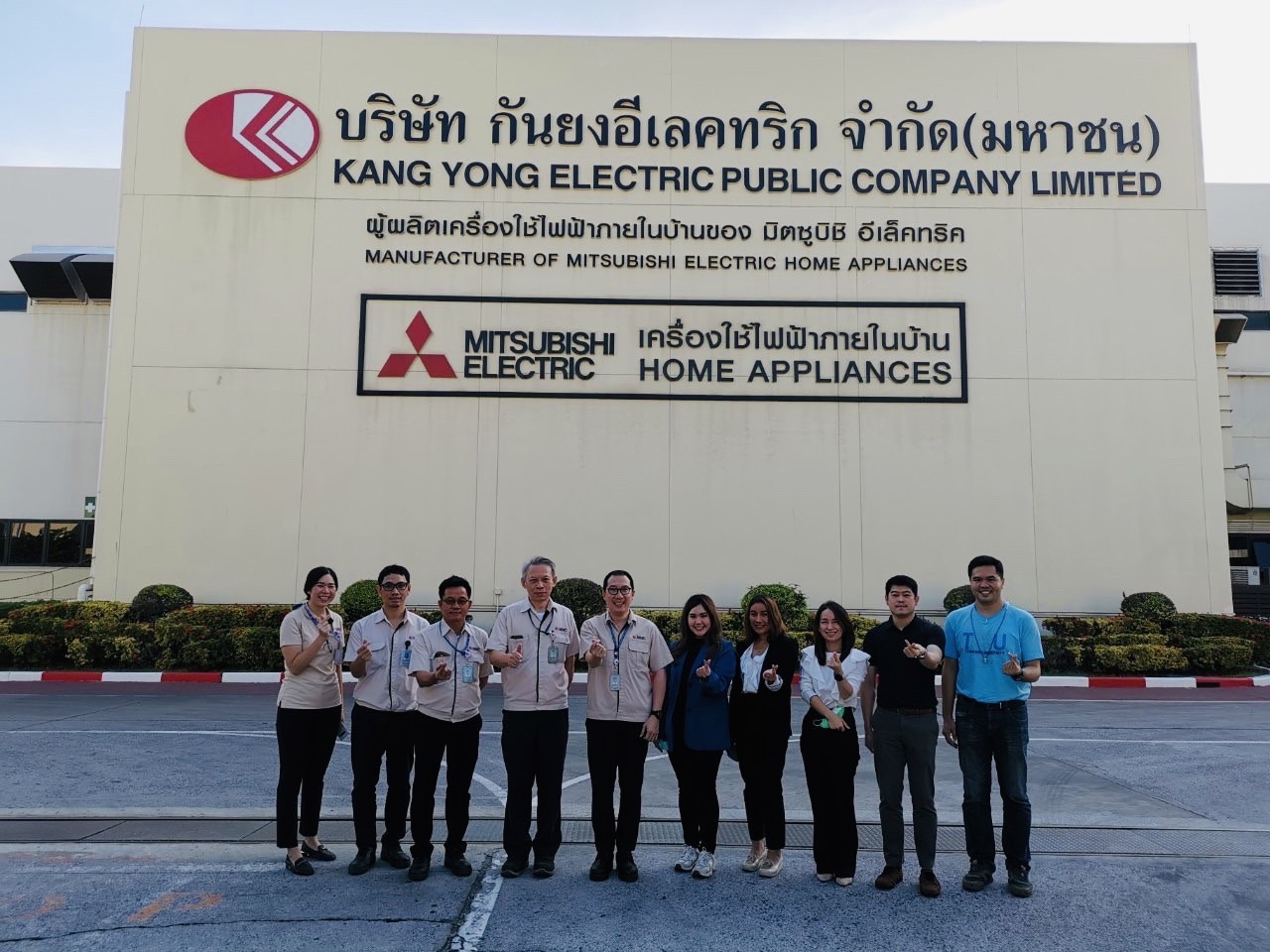
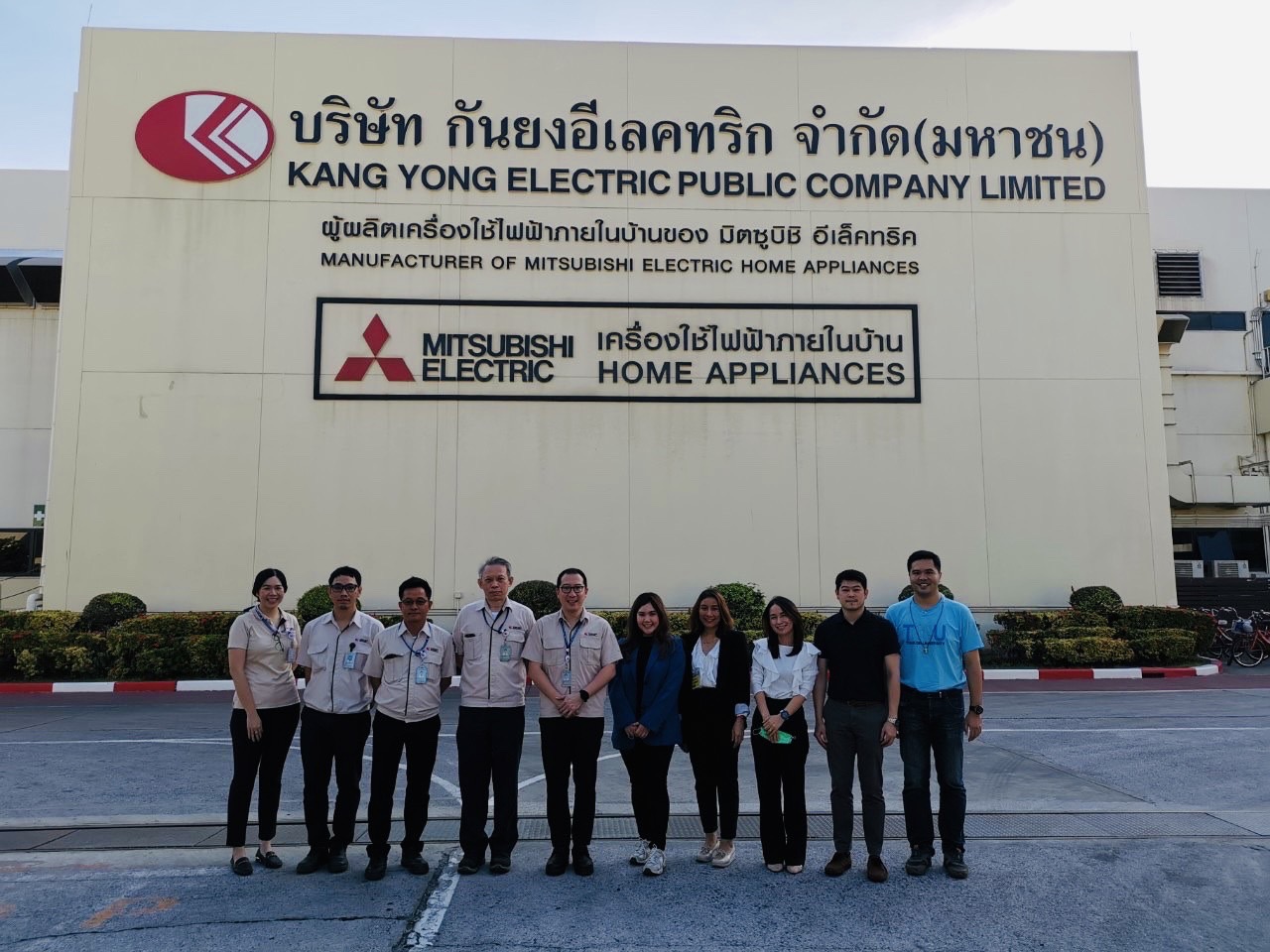
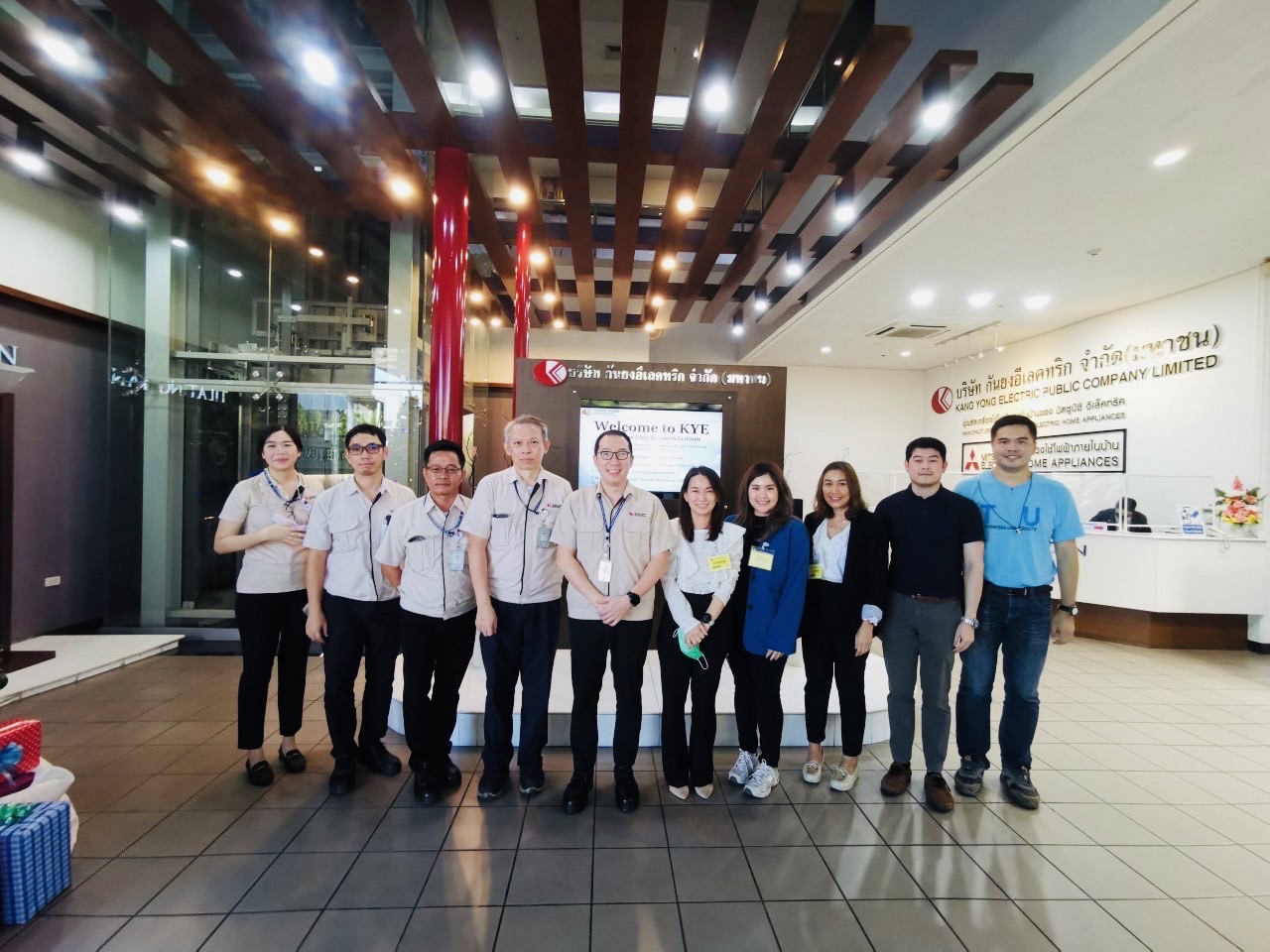
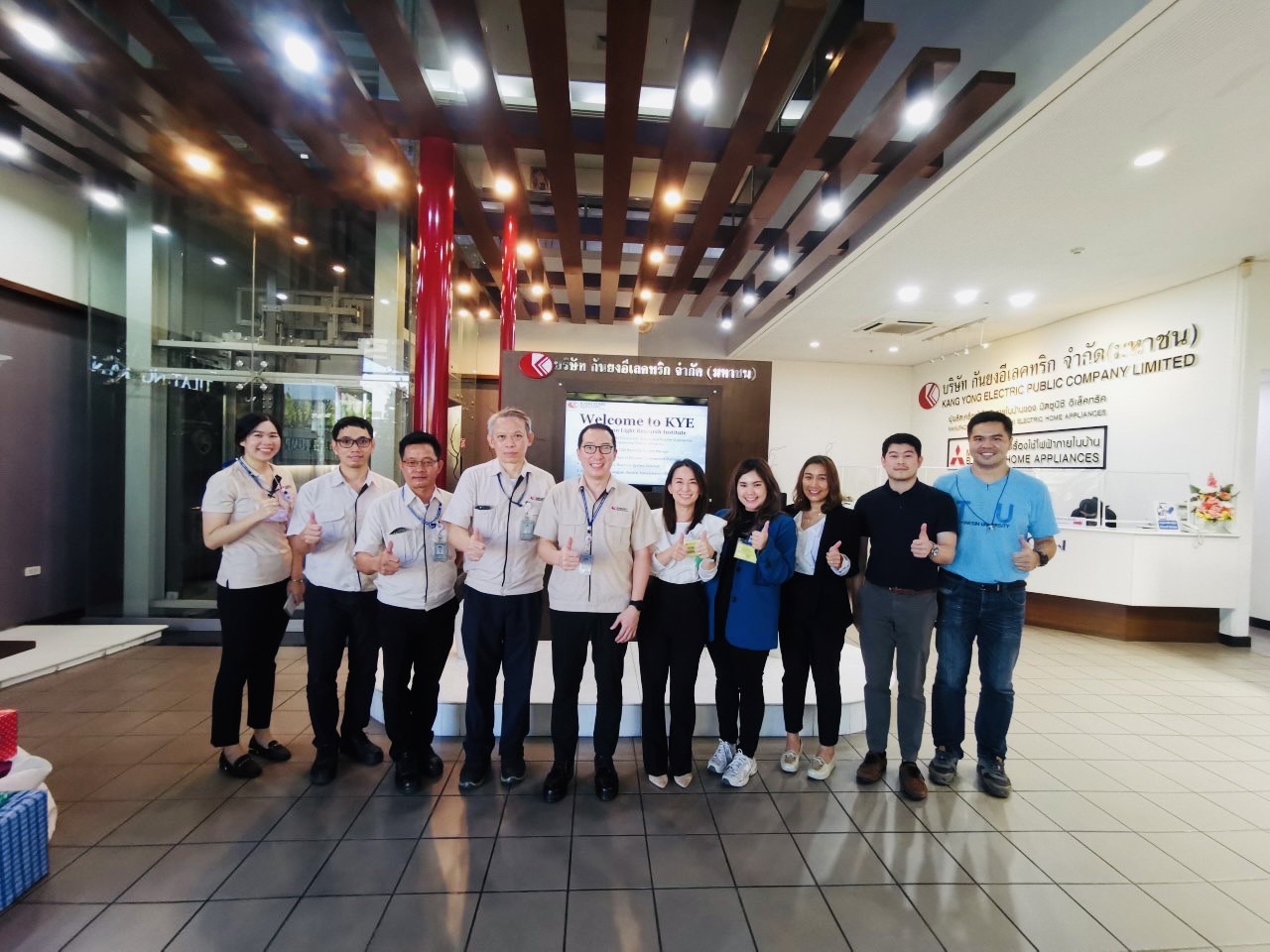
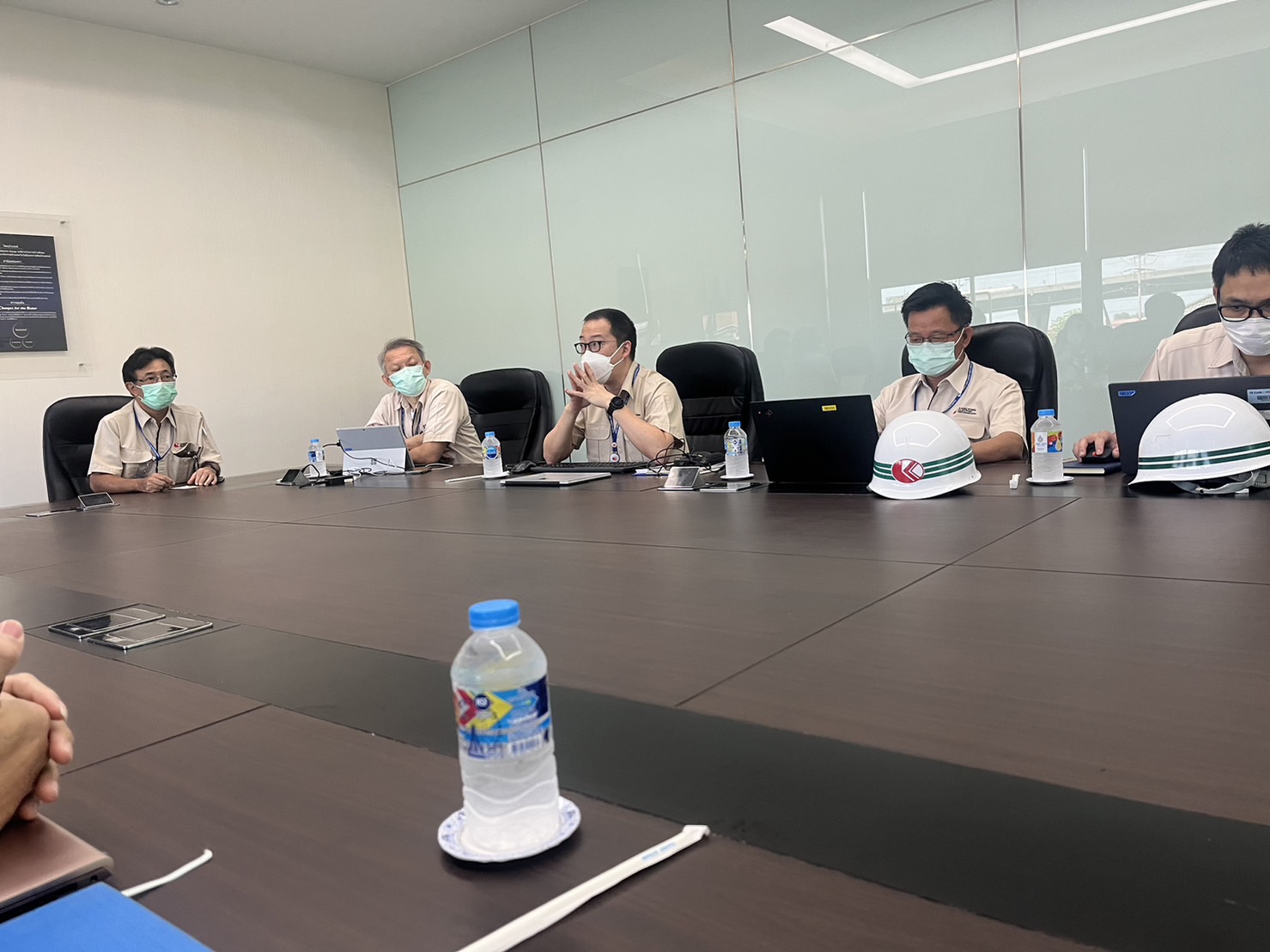
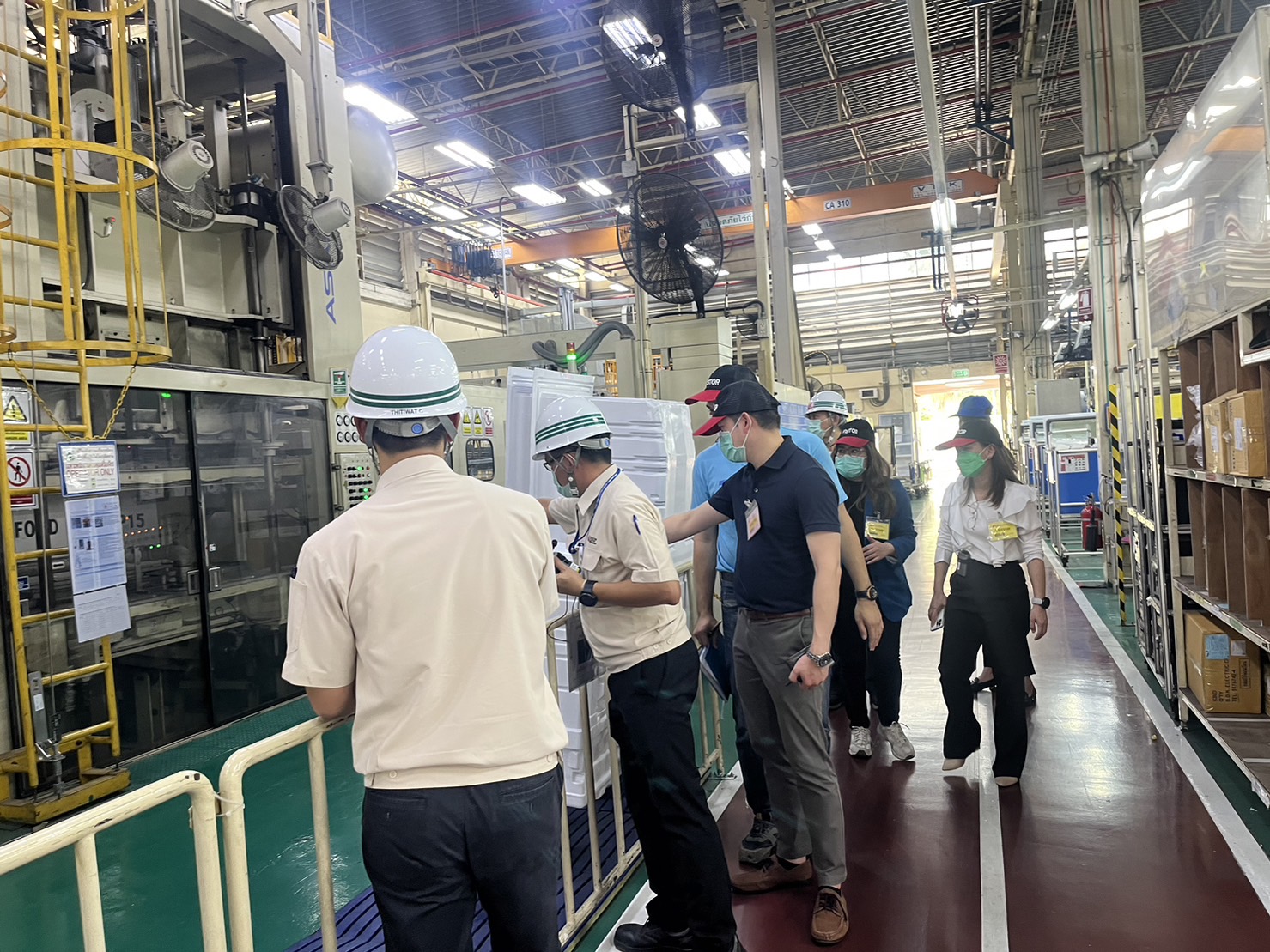
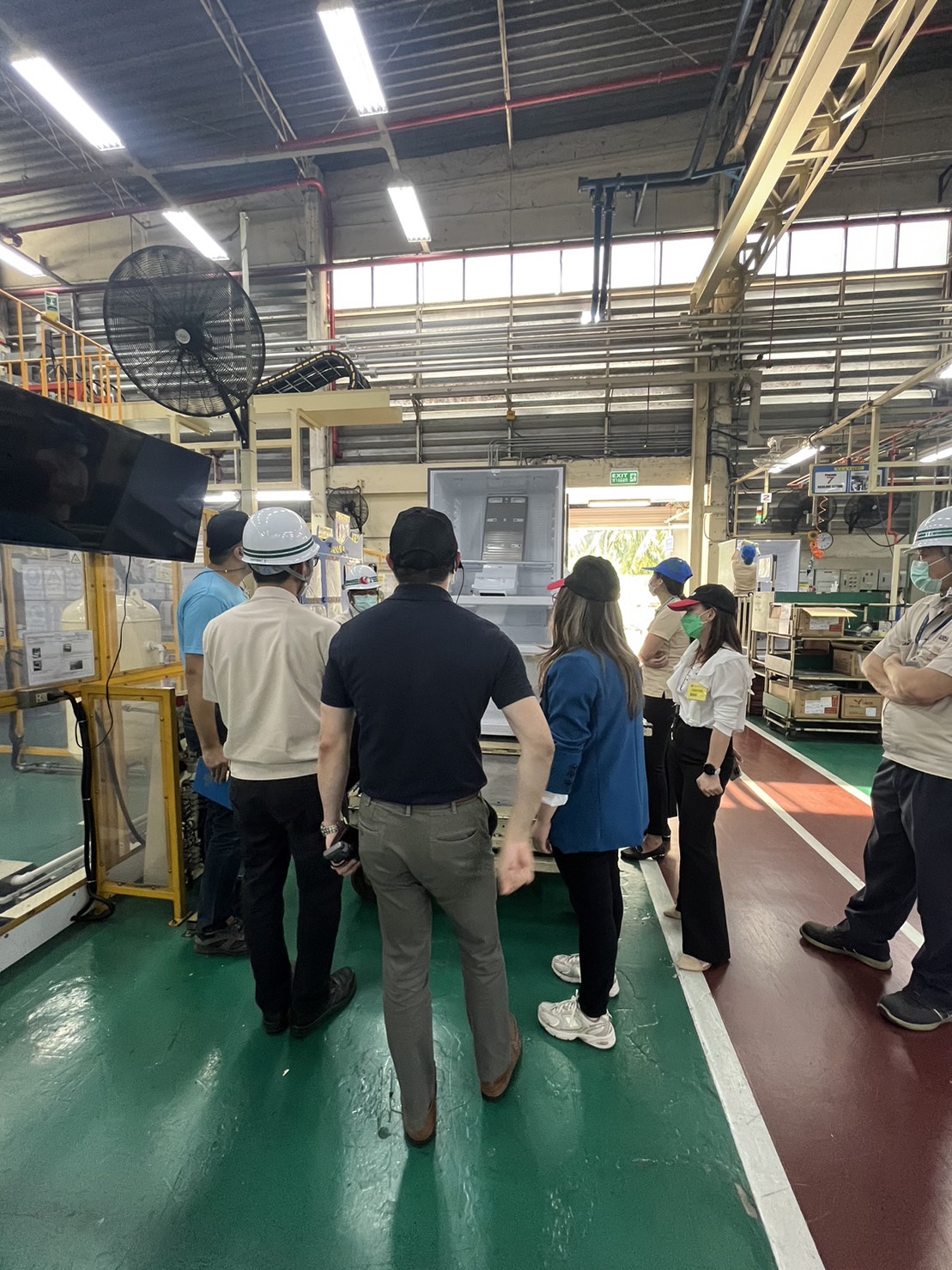
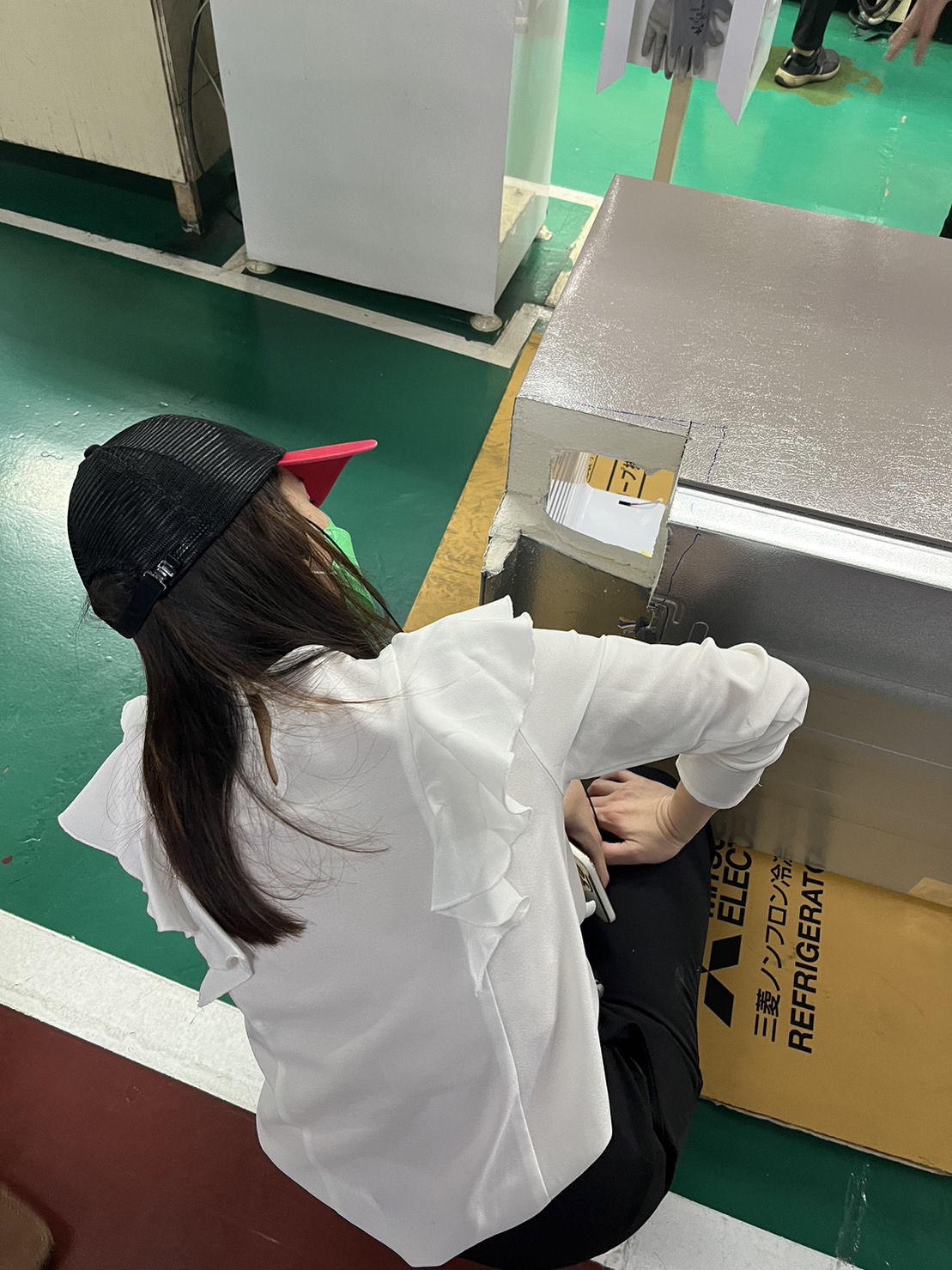
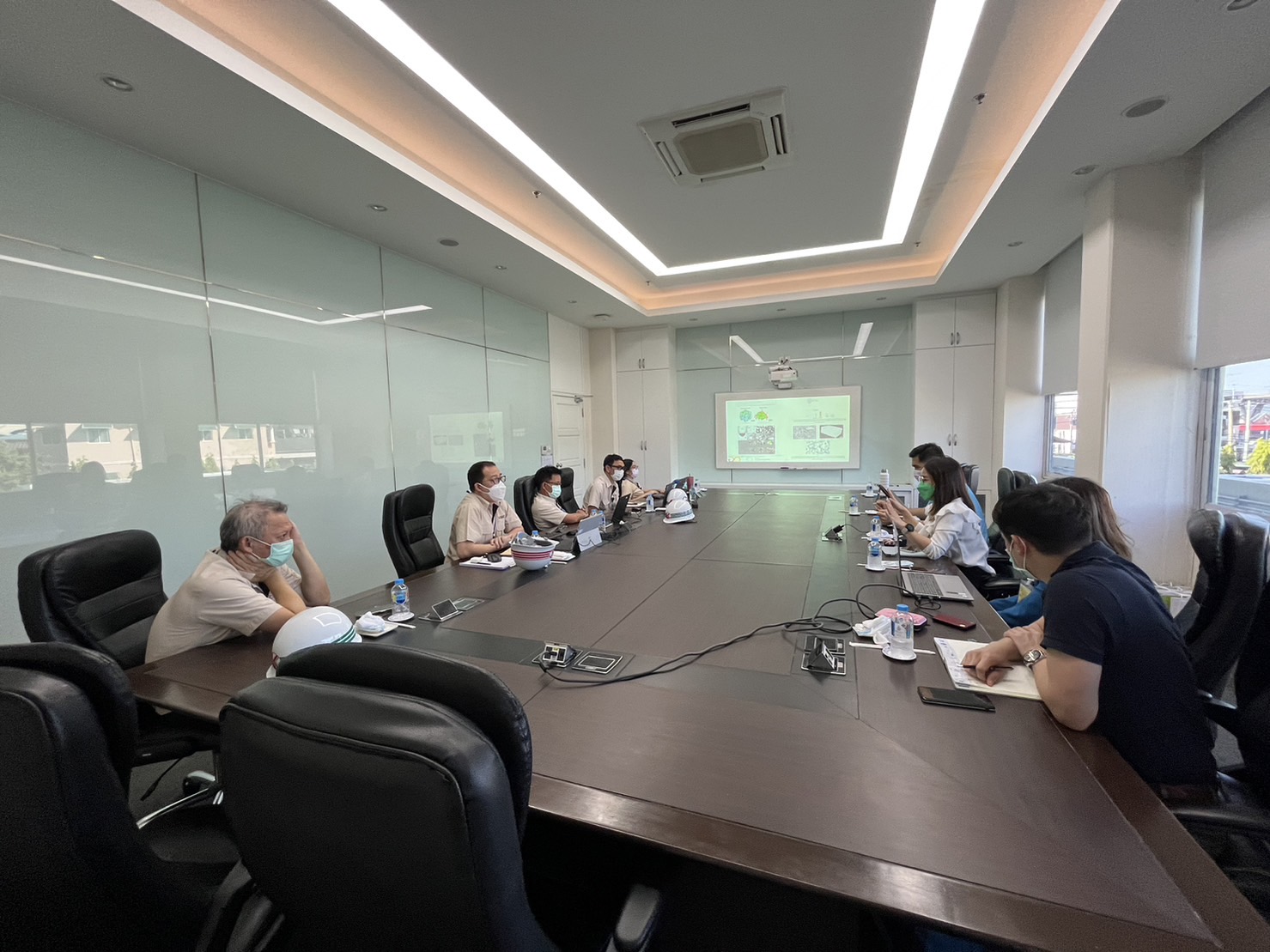
    On 22 December 2022, Dr. Sarayut Tunmee, Chief of Business Development Division, Dr. Catleya Rojviriya, Beamline Manager, BL.1.2W, and Dr. Supinya Nijpanich, Beamline Scientist, from Synchrotron Light Research Institute (Public Organization), or SLRI, together with Assist. Prof. Dr. Kritsada Phatcharasit, an expert in Rubber and Polymer Engineering from Thaksin University, visitted Kang Yong Electric (KYE) PCL., the manufacturer and distributer of Mitsubishi Electric appliances, for research discussion and was welcomed by Mr. Keiji Oya, Vice Chairman of the Board of Directors, and Mr. Chayanind Phodhivorakhun, Executive Director, of KYE PCL. SLRI and Kang Yong Electric PCL. currently have one collaborative research project with project value of over 1 million Baht and it is expected that this research discussion will lead to collaboration on more research projects in the future.

  • The SLRI-TDU Collaboration on Holding the Academic Symposium

    The SLRI-TDU Collaboration on Holding the Academic Symposium

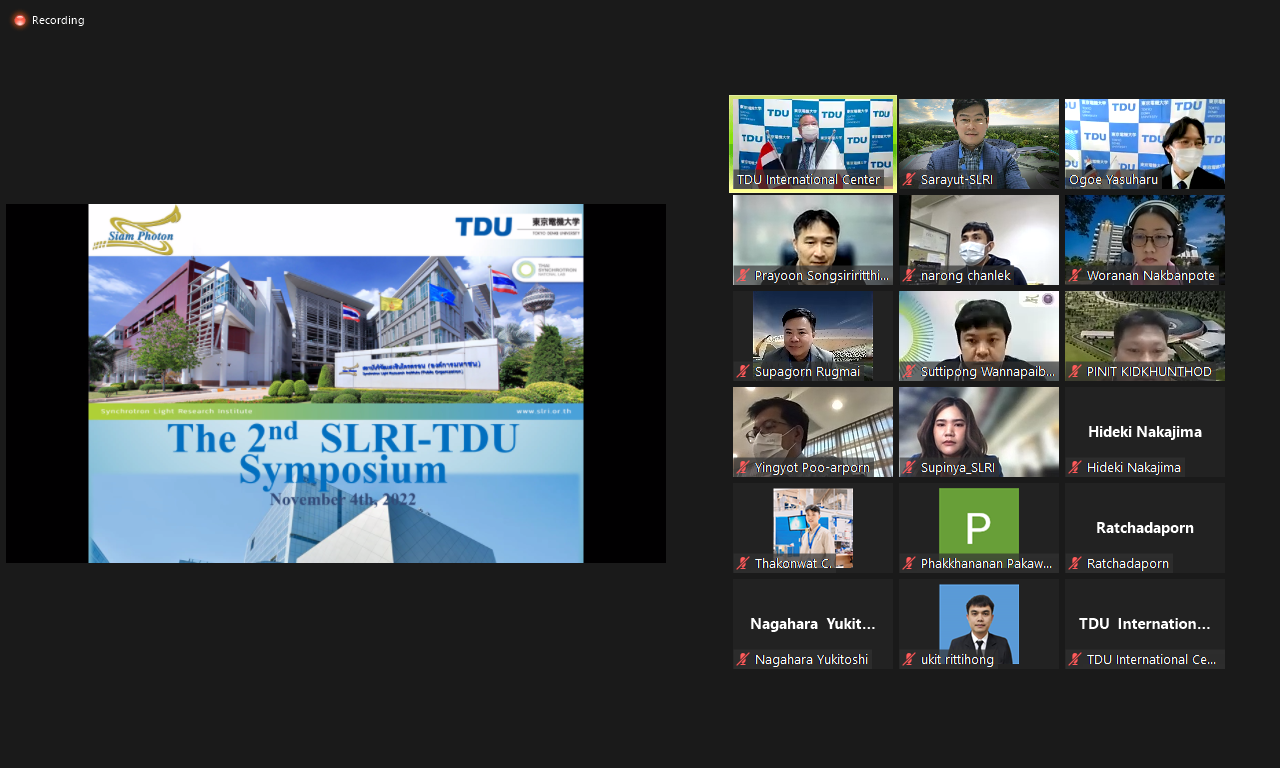
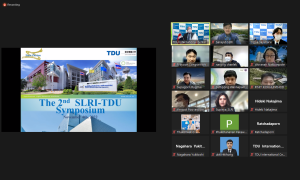
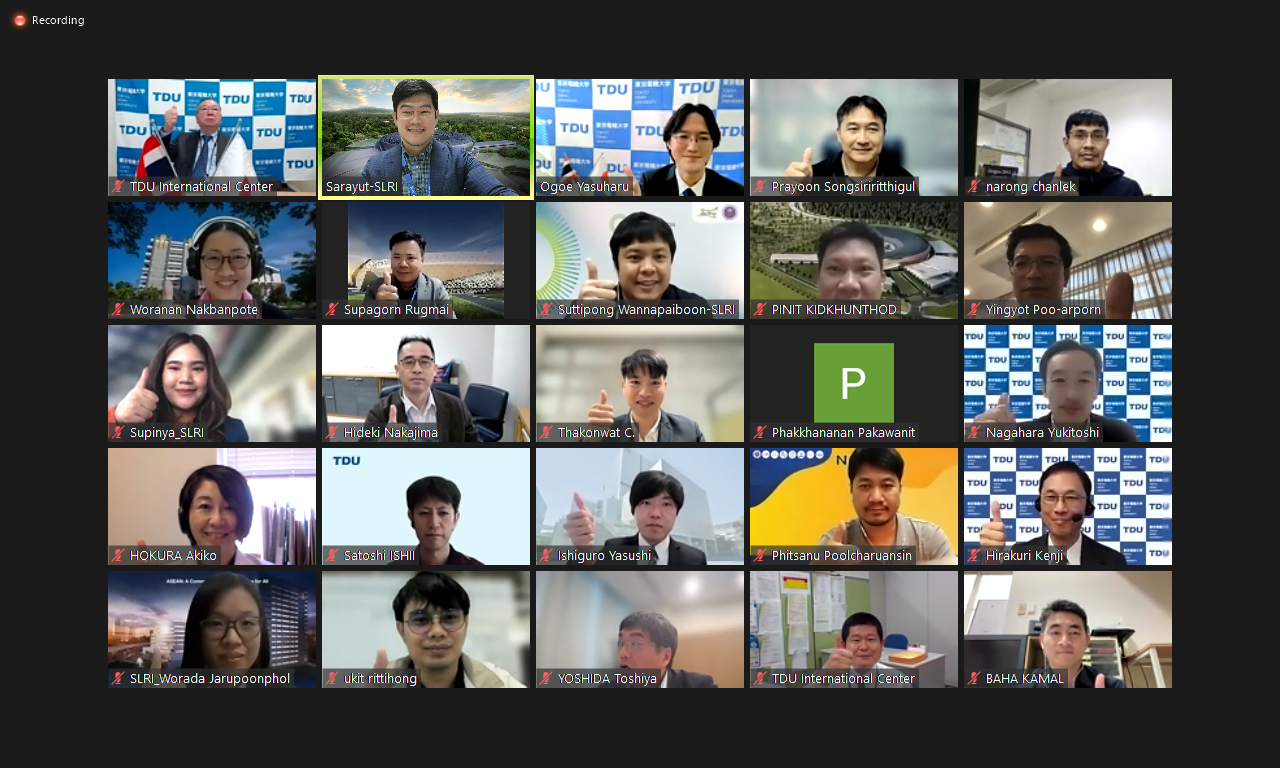
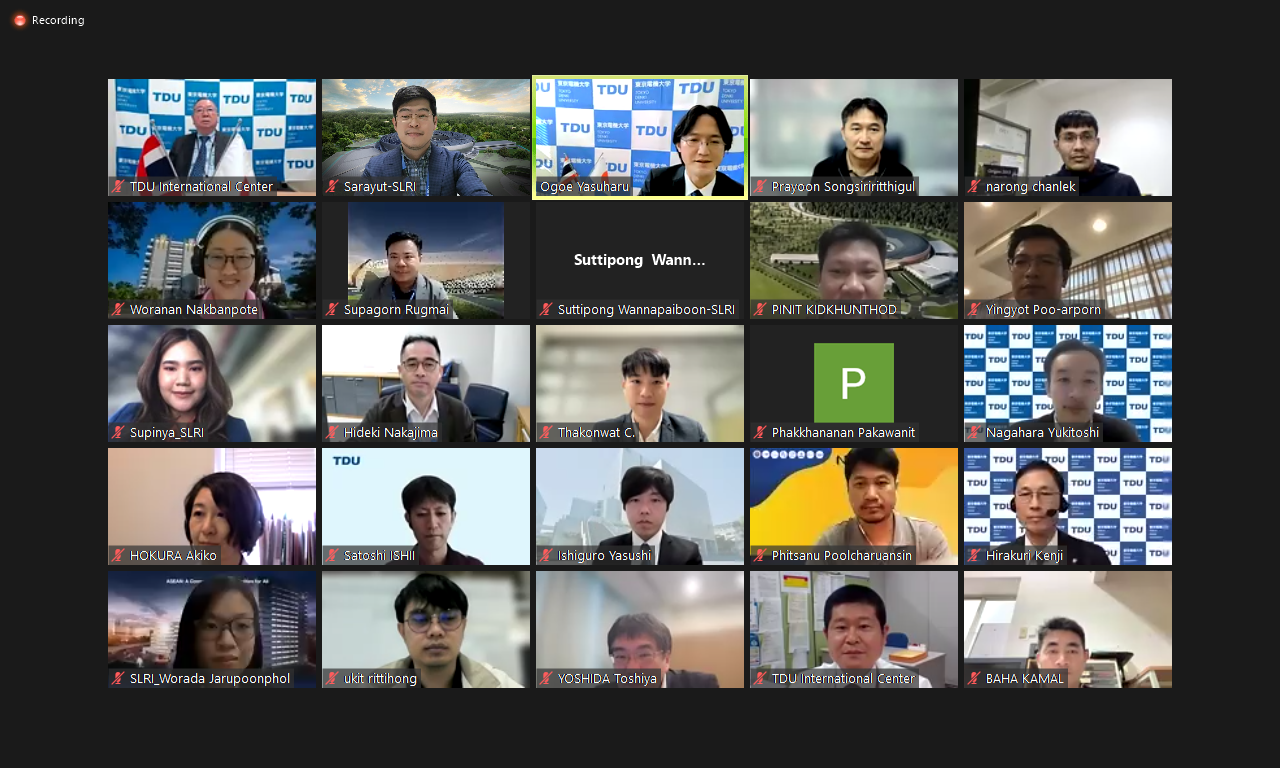
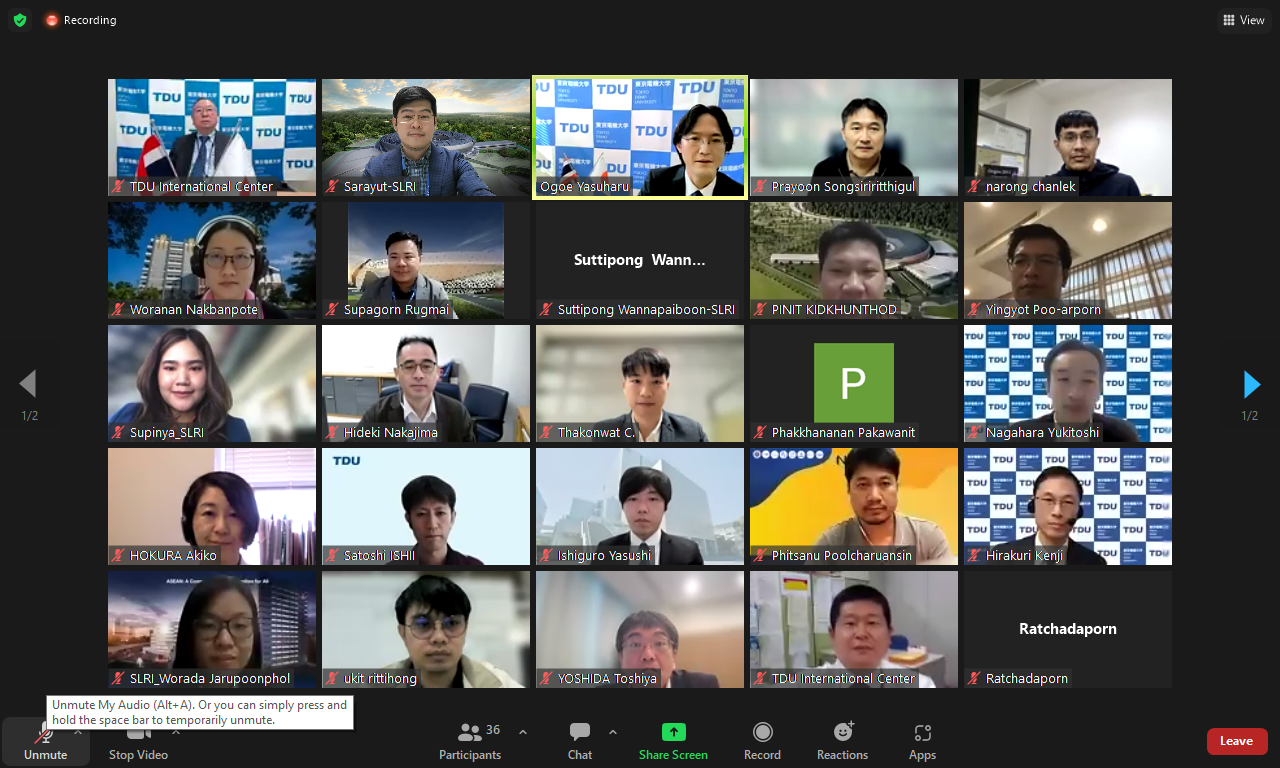
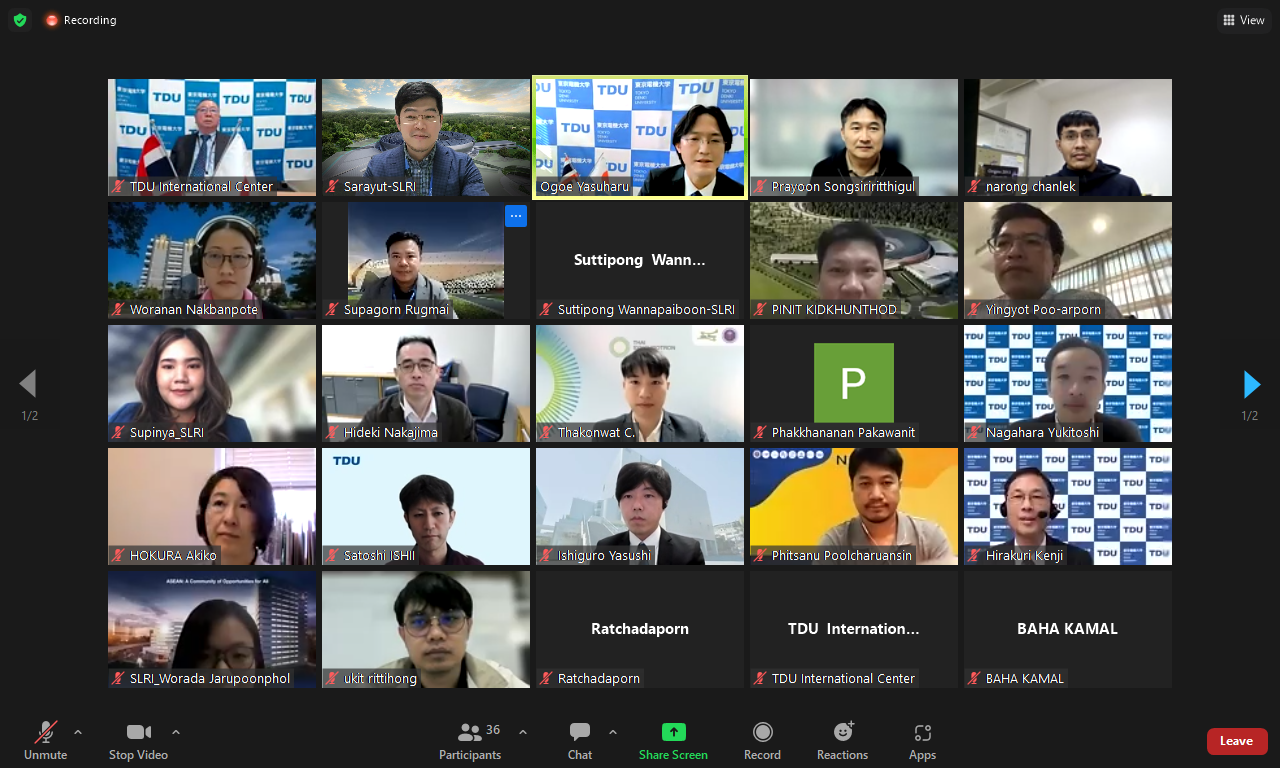
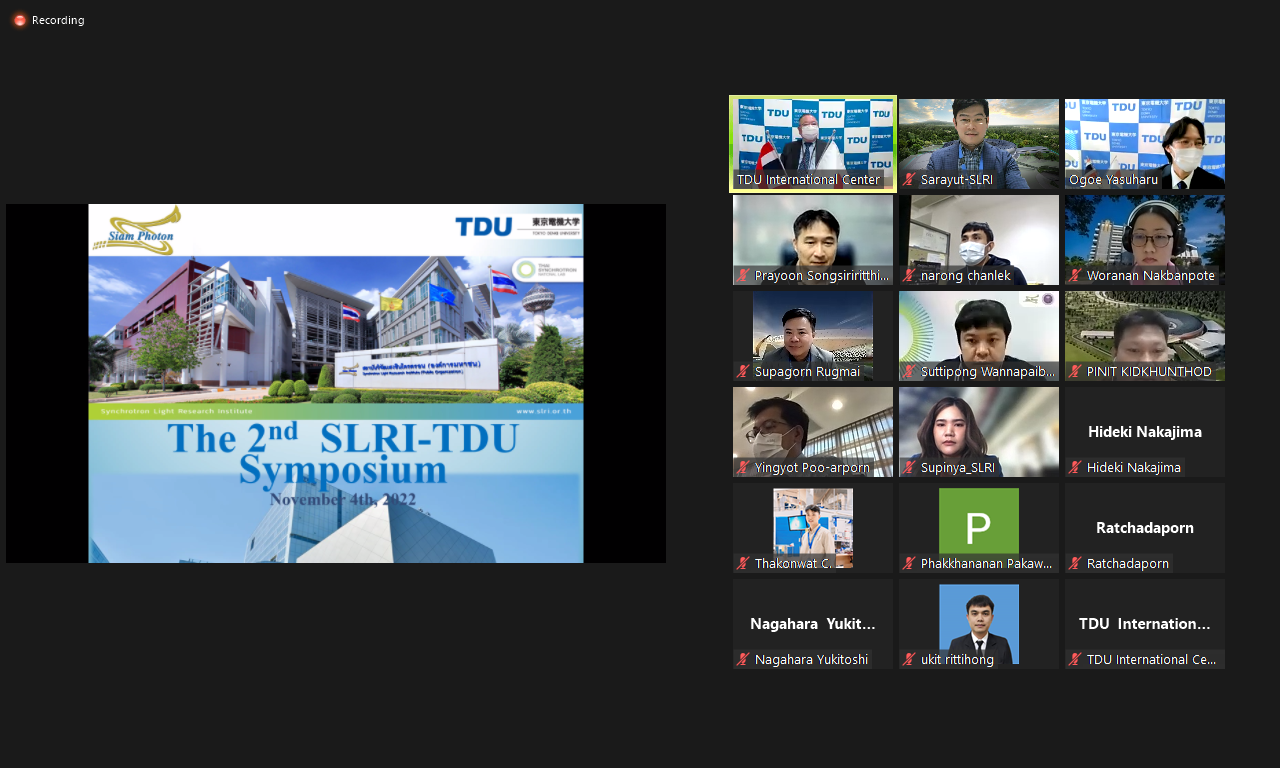
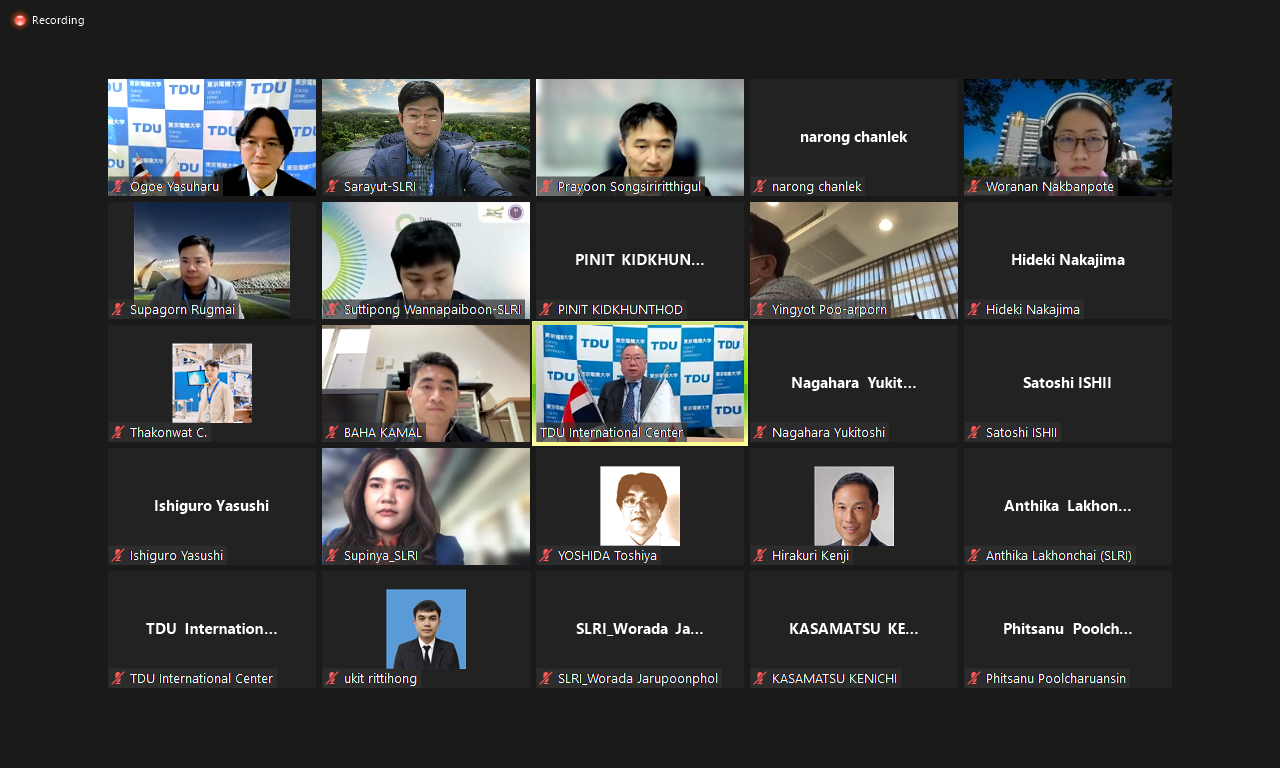
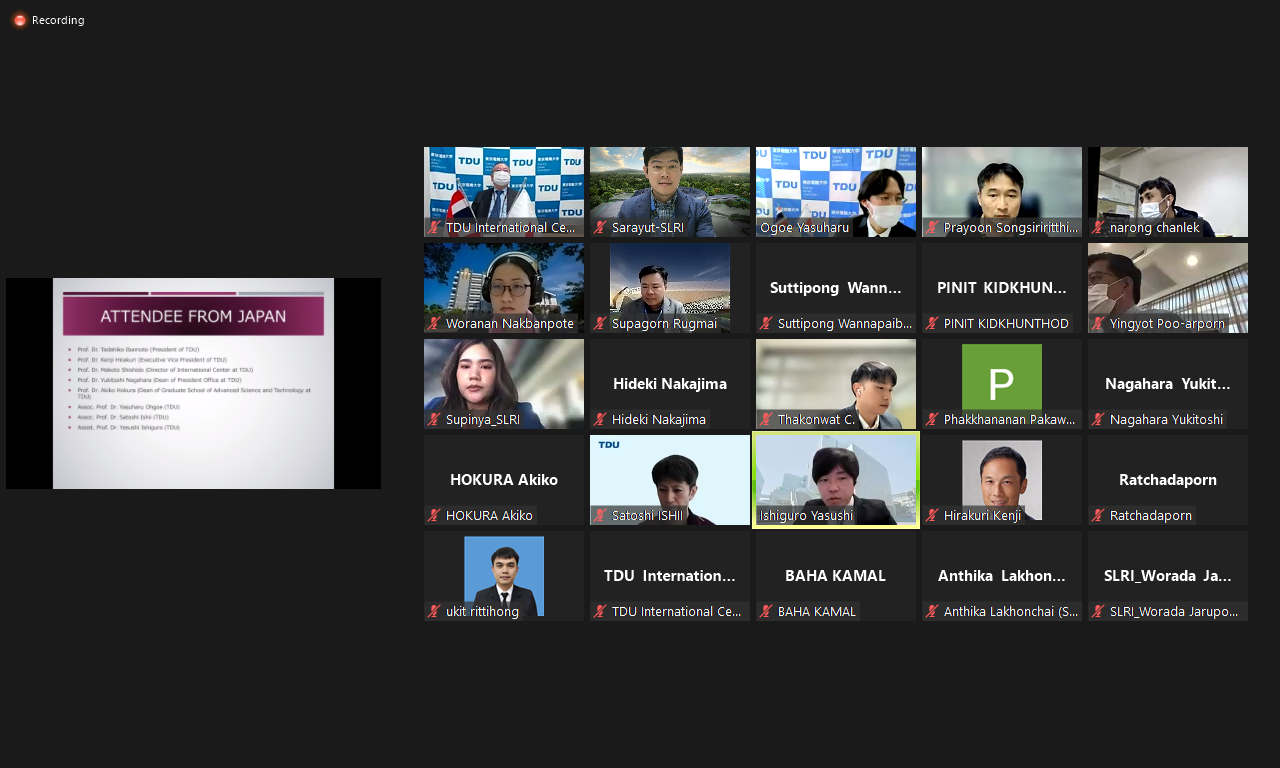
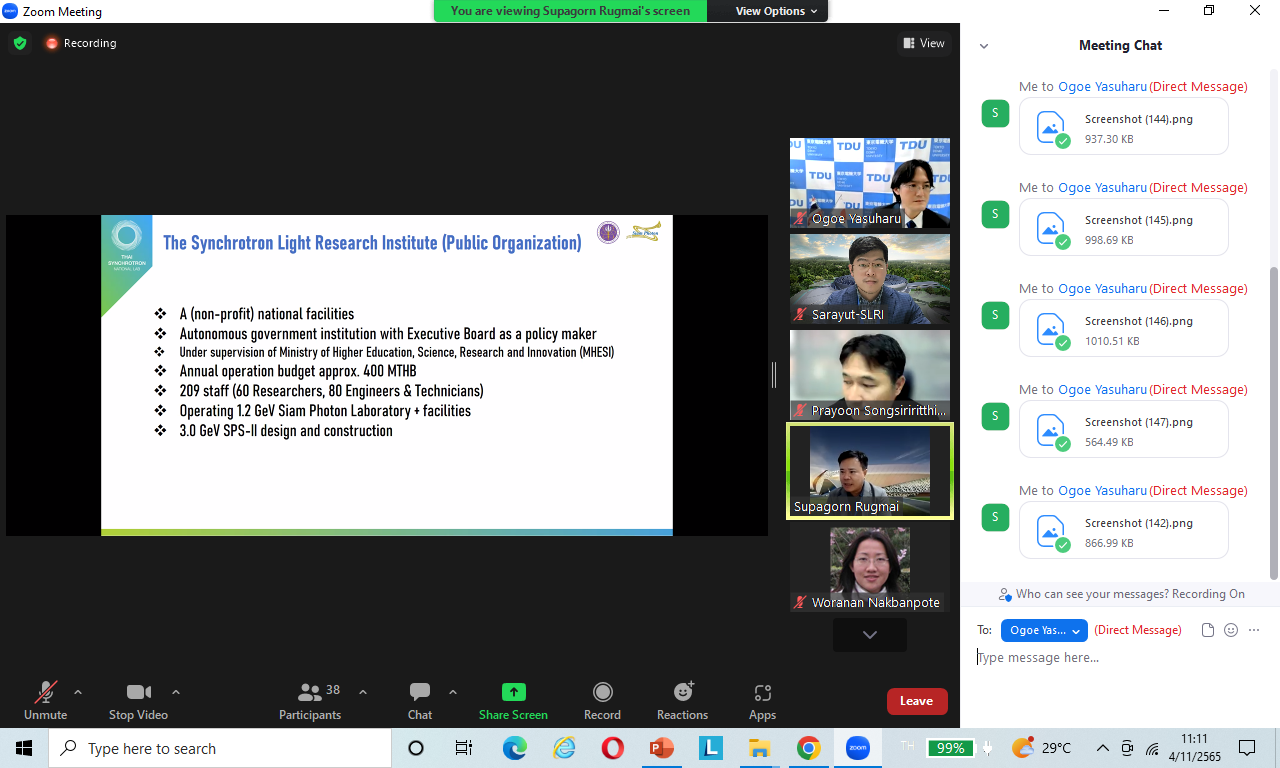
                         Representatives from Synchrotron Light Research Institute (Public Organization), SLRI, Thailand, and Tokyo Denki University (TDU), Japan, co-organized the 2nd SLRI-TDU Symposium on Friday, 4 November 2022 via an online platform (Zoom Application).

                           On Friday, 4 November 2022, Assoc. Prof. Dr. Prayoon Songsiriritthigul, consultant to SLRI Director and SLRI expert, Assist. Prof. Dr. Supagorn Rugmai, Assistant Director (Academic Affairs), and SLRI scientists participated in the “2nd SLRI-TDU Symposium” co-hosted by TDU and SLRI via the Zoom Meeting application.  The symposium is an academic meeting organized by SLRI and TDU to promote academic collaboration and knowledge exchange on applying the synchrotron techniques in various research fields, such as carbon materials, energy, catalysts, etc., and to strengthen research collaboration between scientists of the two organizations.  The symposium was declared open by Prof. Dr. Tadahiko Ibamoto, TDU President, and found to attract more than 40 participants from Thailand and Japan.
  • Analysis of Lingzhi Planted in Betong for Possible Development as a Functional Food in Geographical Indications

    Analysis of Lingzhi Planted in Betong for Possible Development as a Functional Food in Geographical Indications

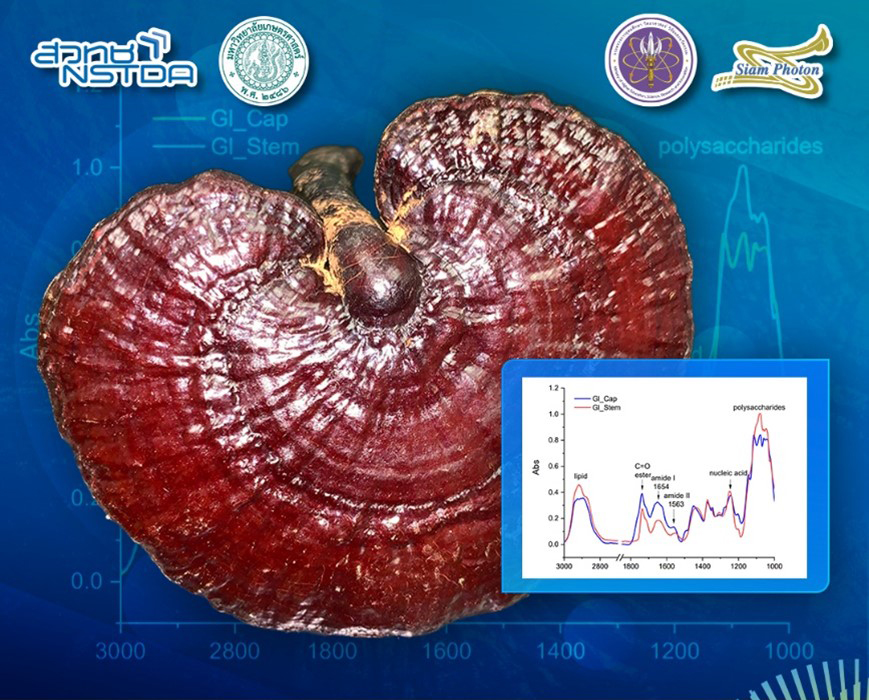
    The functional food is currently popular in Thailand and other countries worldwide. As the country of biodiversity and agriculture, this food trend significantly benefits Thailand. A research team comprising of researchers from National Science and Technology Development Agency (NSTDA), Kasetsart University (KU), and Synchrotron Light Research Institute (SLRI) joined to study “Lingzhi” a herb which is, in prior studies, found containing with high protein. This study aimed to support functional food development focusing on bioactive compounds such as peptides, or short-chain proteins.

    Although Lingzhi can be developed as a functional food, there are studies revealed that Lingzhi, both naturally grown, and planted in farms located in different locations in Thailand, P.R China, Japan, and Vietnam, contains different nutrients. The research team, therefore, worked on analysis of nutritional value in Lingzhi planted in Betong District, Yala Province, which is one of the main Lingzhi production area in Thailand. The study aimed to develop Lingzhi as a functional food in Geographical indications (GI), and increase value of Thailand agricultural products.

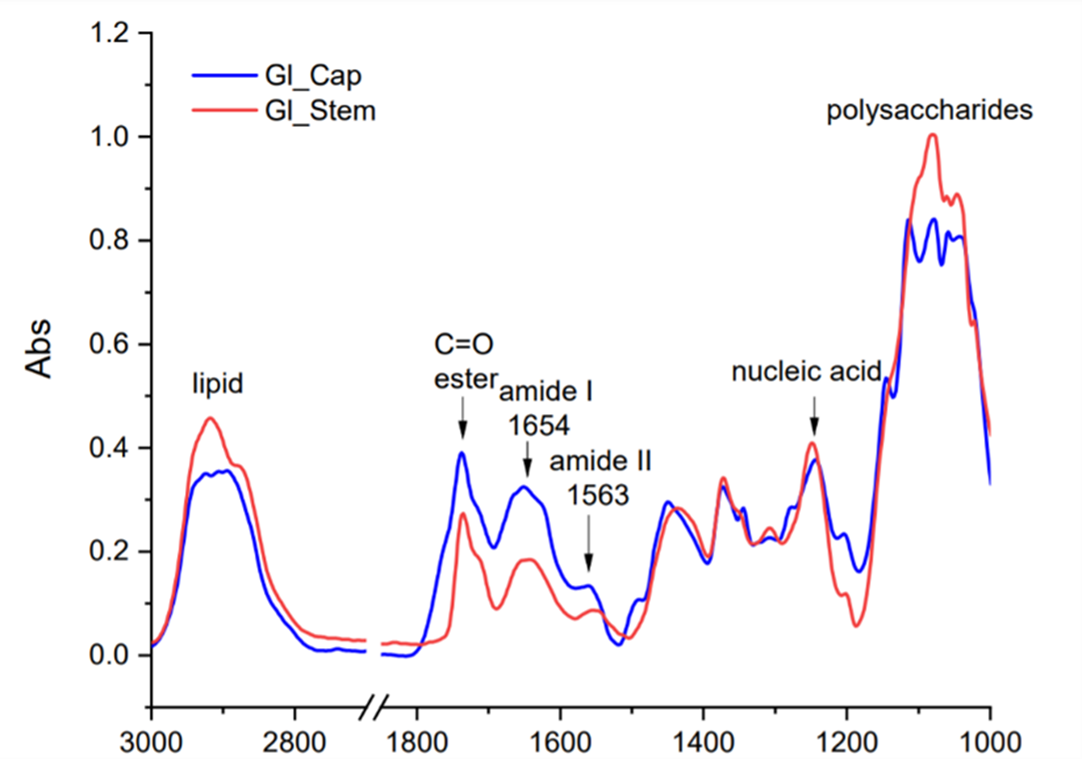
    In this study, the research team analyzed parts of Lingzhi planted in Betong Sub-district, Betong District, Yala Province, by applying the Fourier-transform Infrared Spectroscopy (FTIR) at Beamline 4.1, SLRI, to indicate the identity and amounts of biological nutrients including protein, carbohydrate, and lipid. The study result will be helpful in selecting appropriate parts of Lingzhi to extract for bioactive compounds which can prevent free radical formation in Lipopolysaccharide-induced cells. The formation of free radicals in cells leads to cell stress, and the high formation causes various non-communicable diseases such as vascular diseases, obesity, cancer.

    The results showed that the studied Lingzhi from Betong, Yala contained bioactive compounds like peptides and other compounds including protein, nucleic acid, and carbohydrate. This finding proved that Lingzhi can be developed as a functional food and an export product to increase income to farmers in the Southern border as well as create value added to the country

    122
  • SLRI assistant researcher presented a research work in the Asian Conference on Plant Microbe Symbios

    SLRI assistant researcher presented a research work in the Asian Conference on Plant Microbe Symbios

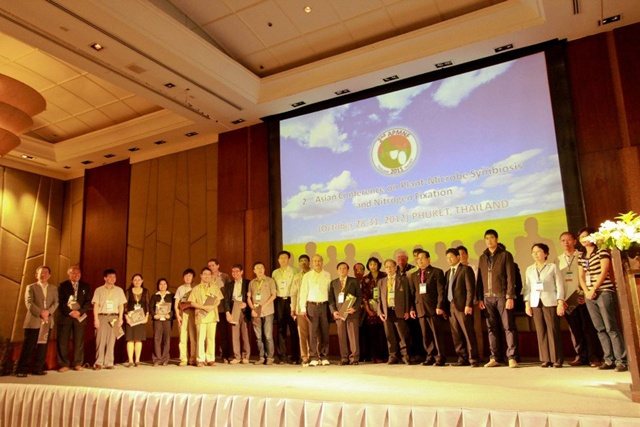
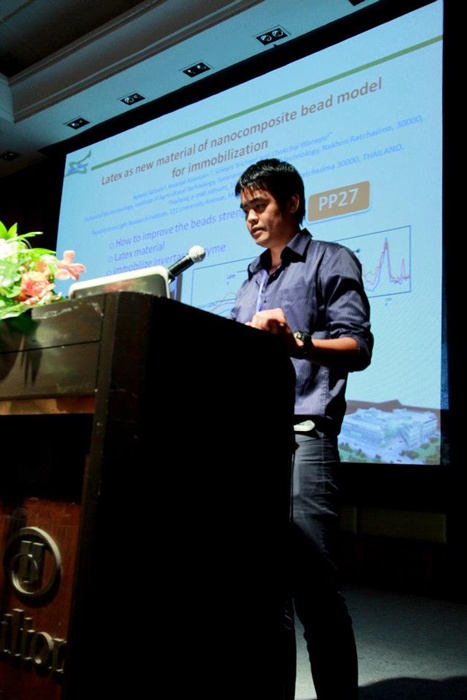
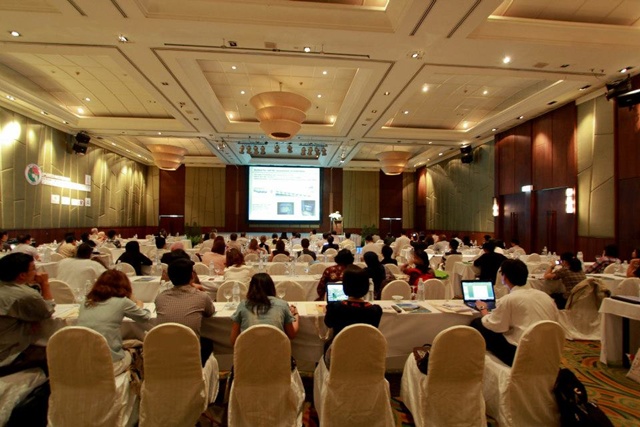
    Mr. Apiwat Satsum, SLRI assistant researcher, participated in the 2nd Asian Conference on Plant Microbe Symbiosis and Nitrogen Fixation and made a poster presentation on Latex as New Material for Nanocomposite Bead Immobilization. The research used the infrared spectroscopy technique to study chemical structure of natural rubber mixed with reactant in production of fertilizer grains to prolong nutrient release to soil. The conference was held with the SLRI as one of the main organizers on 28-30 October 2012 at the Hilton Hotel in Phuket. There were more than 150 Asian participants interested and participated in the conference.
    IR2
    IR3
  • Visit of BRIN Representatives to SLRI for Discussion on Human Resource Development in Accelerator Field

    Visit of BRIN Representatives to SLRI for Discussion on Human Resource Development in Accelerator Field

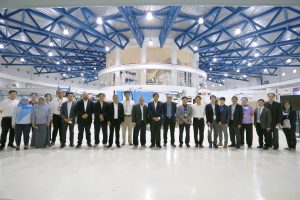
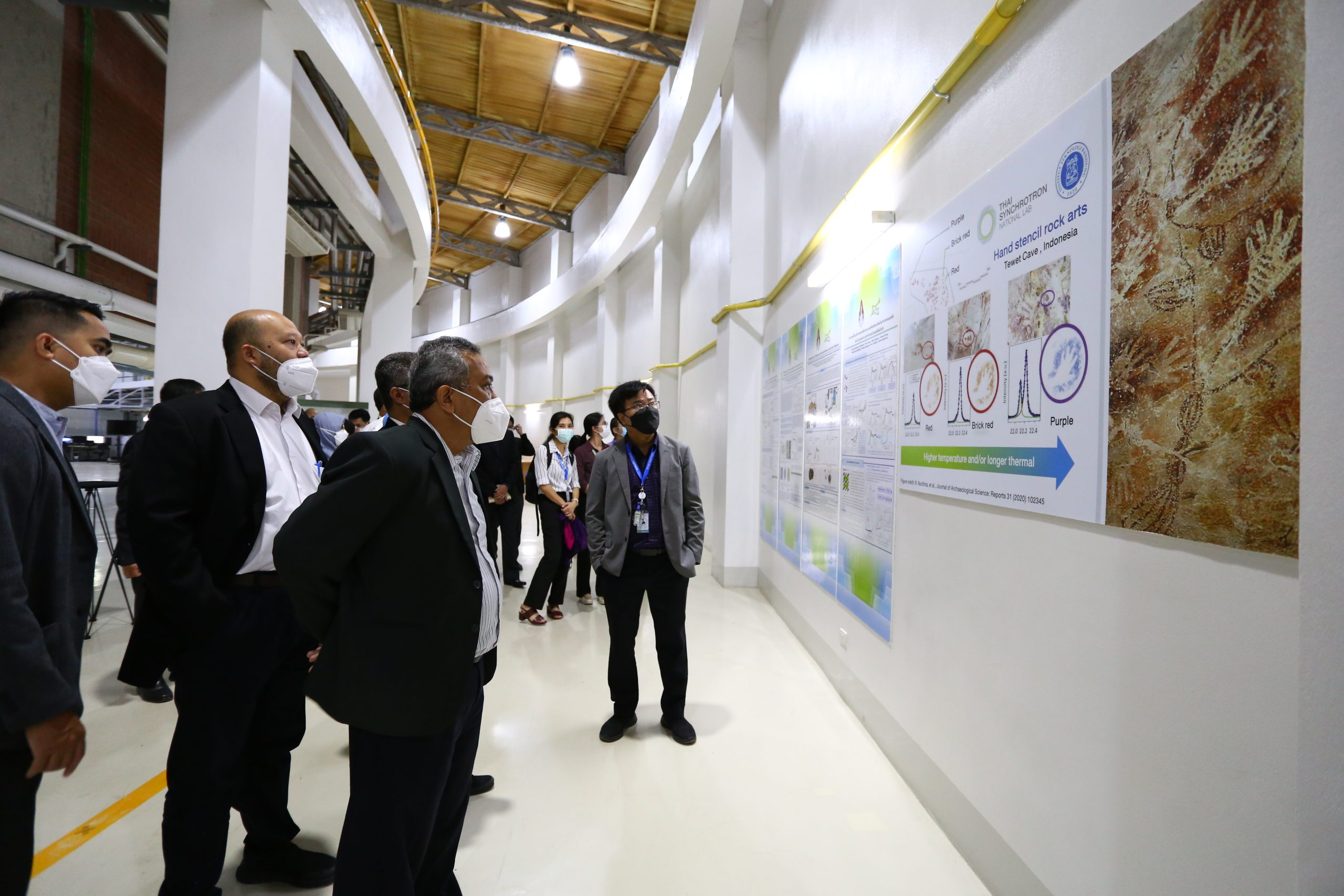
                 Representatives of National Research and Innovation Agency (BRIN), Republic of Indonesia visited Synchrotron Light Research Institute (Public Organization), SLRI operating under the supervision of Ministry of Higher Education, Science, Research and Innovation (MHESI) to seek collaboration on human resources development in accelerator field.  On this occasion, BRIN executives expressed interest in having BRIN personnel train at SLRI and Indonesian students participate in the “Thailand Academy of Sciences (TAS)” program.

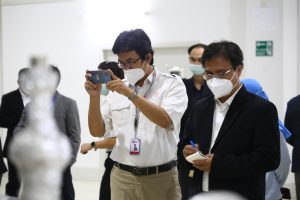
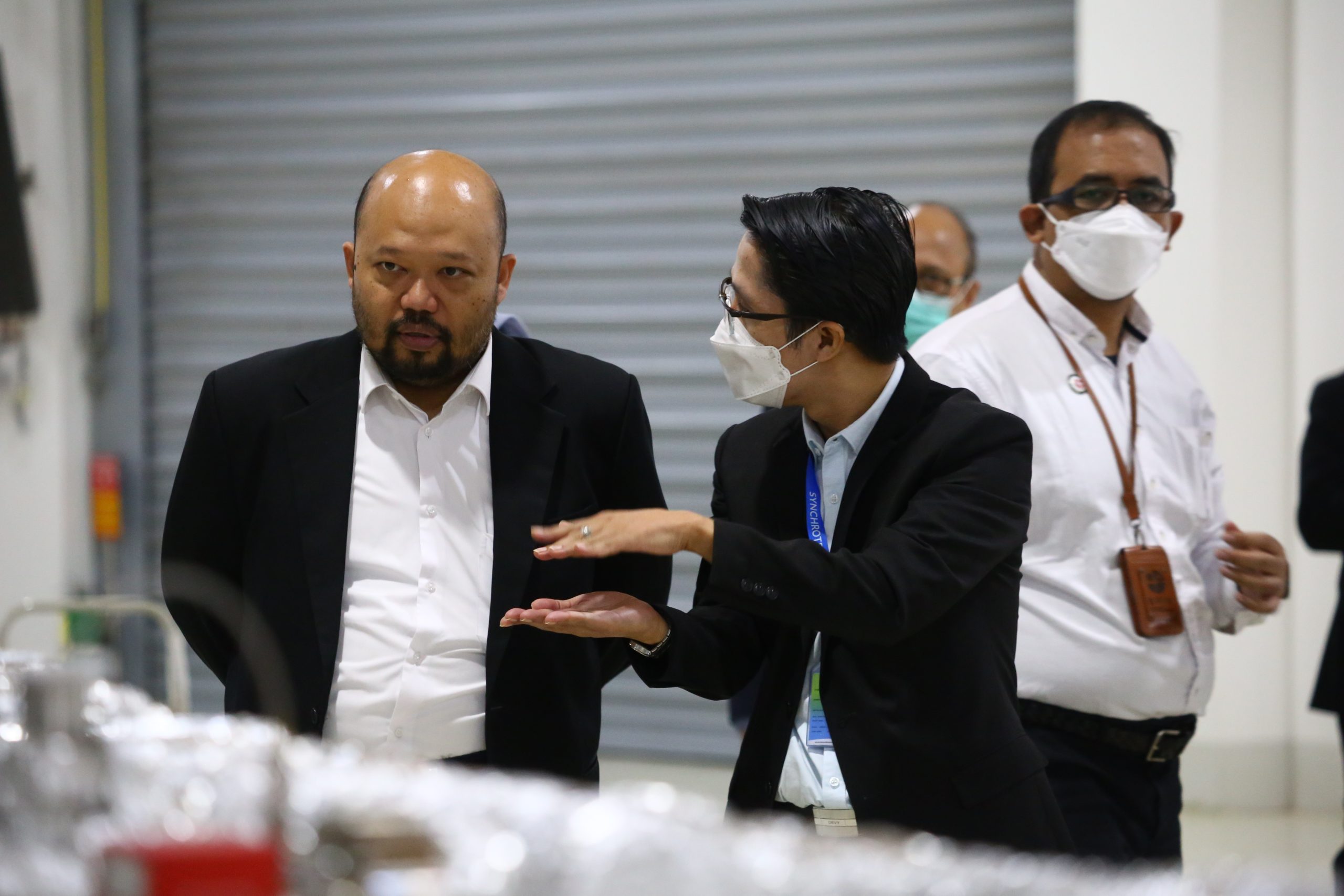
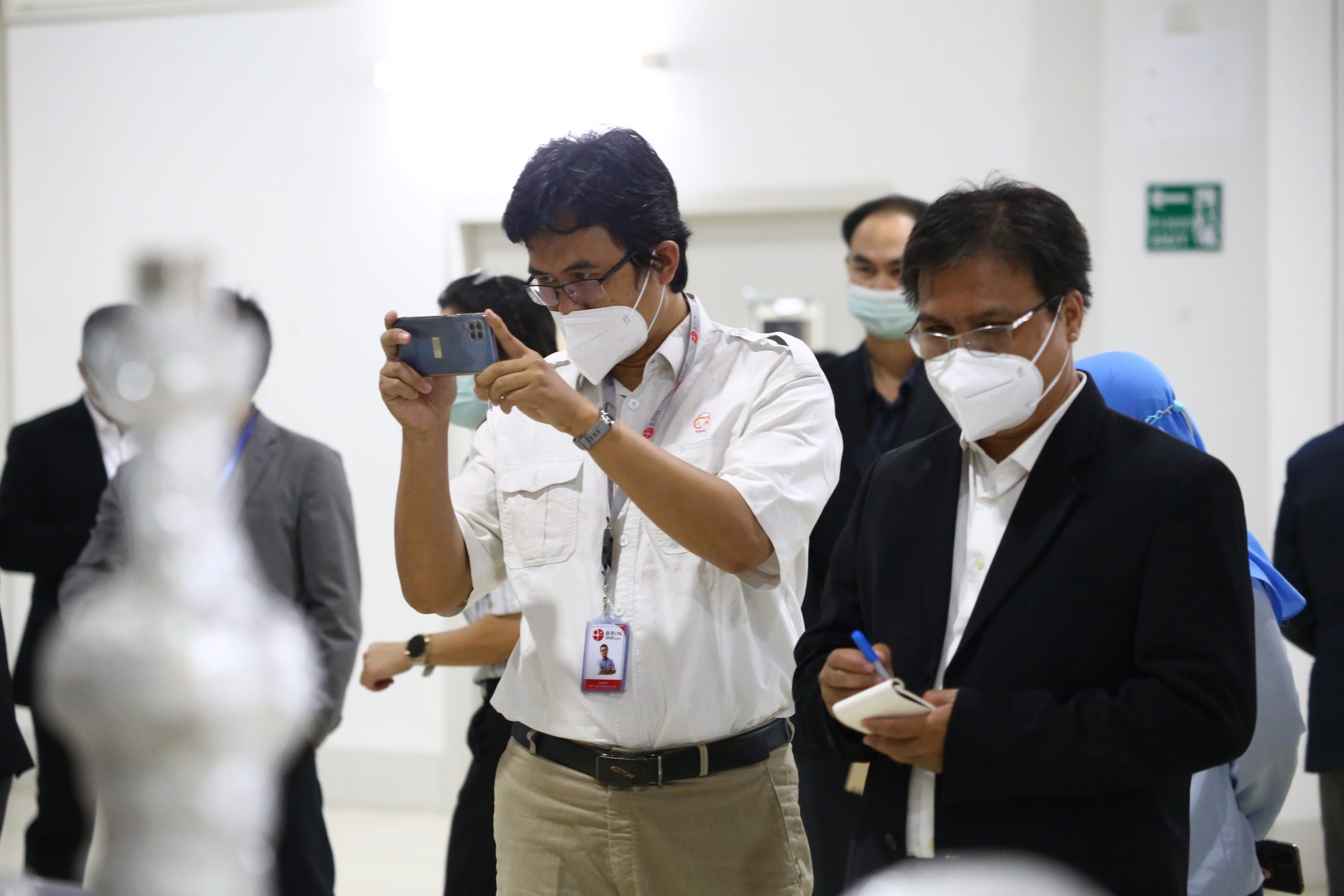
                      Assoc. Prof. Dr. Saroj Rujirawat, SLRI Director together with SLRI executives and scientists welcomed BRIN representatives led by Dr. Edy Giri Rachman Putra, Acting Deputy Chairman for Human Resources of Science and Technology and Mr. Yan Yarianto, Acting Deputy Chairman for Research and Innovation Infrastructure on the visit to SLRI on 4-5 October 2022.

                      Dr. Edy Giri Rachman Putra provided SLRI with introduction and information regarding Indonesia’s projects on human resources development in science and technology.  Apart from showing BRIN’s interest in sending BRIN researchers and students for accelerator-related training at SLRI, Dr. Putra mentioned that BRIN would like to have graduate students join the MHESI’s TAS program in accelerator field and to construct the new beamline at SLRI’s 3GeV synchrotron light source to be built at Eastern Economic Corridor of Innovation (EECi) in Rayong province.

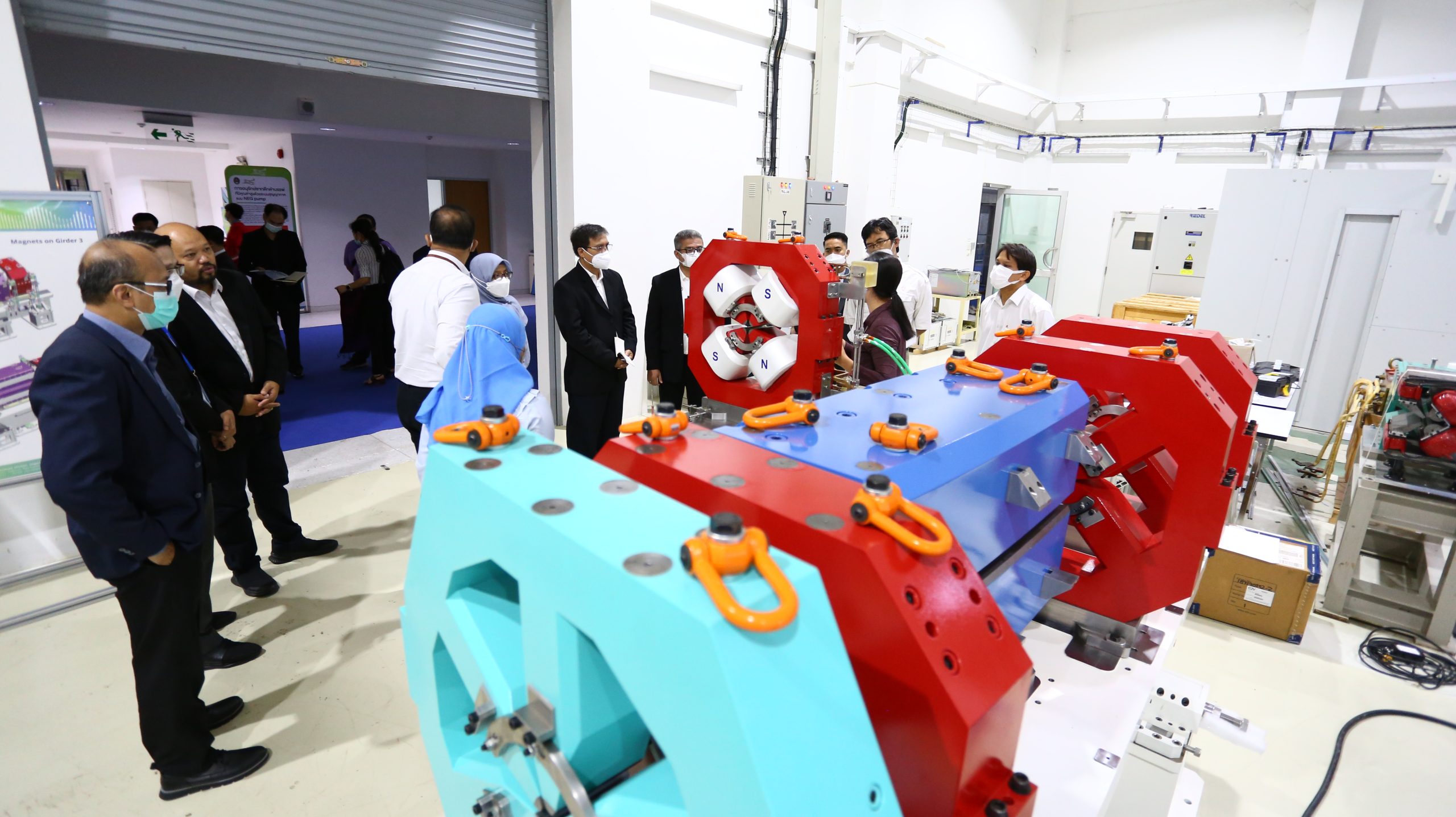
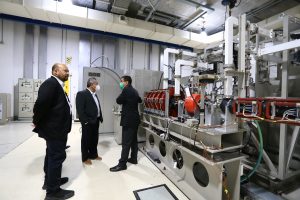
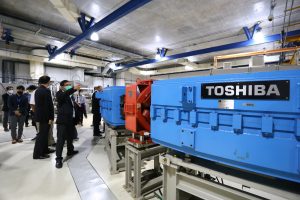
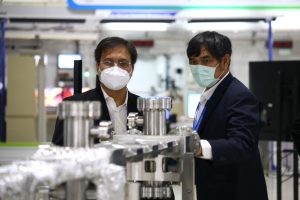
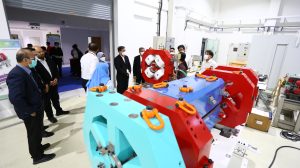
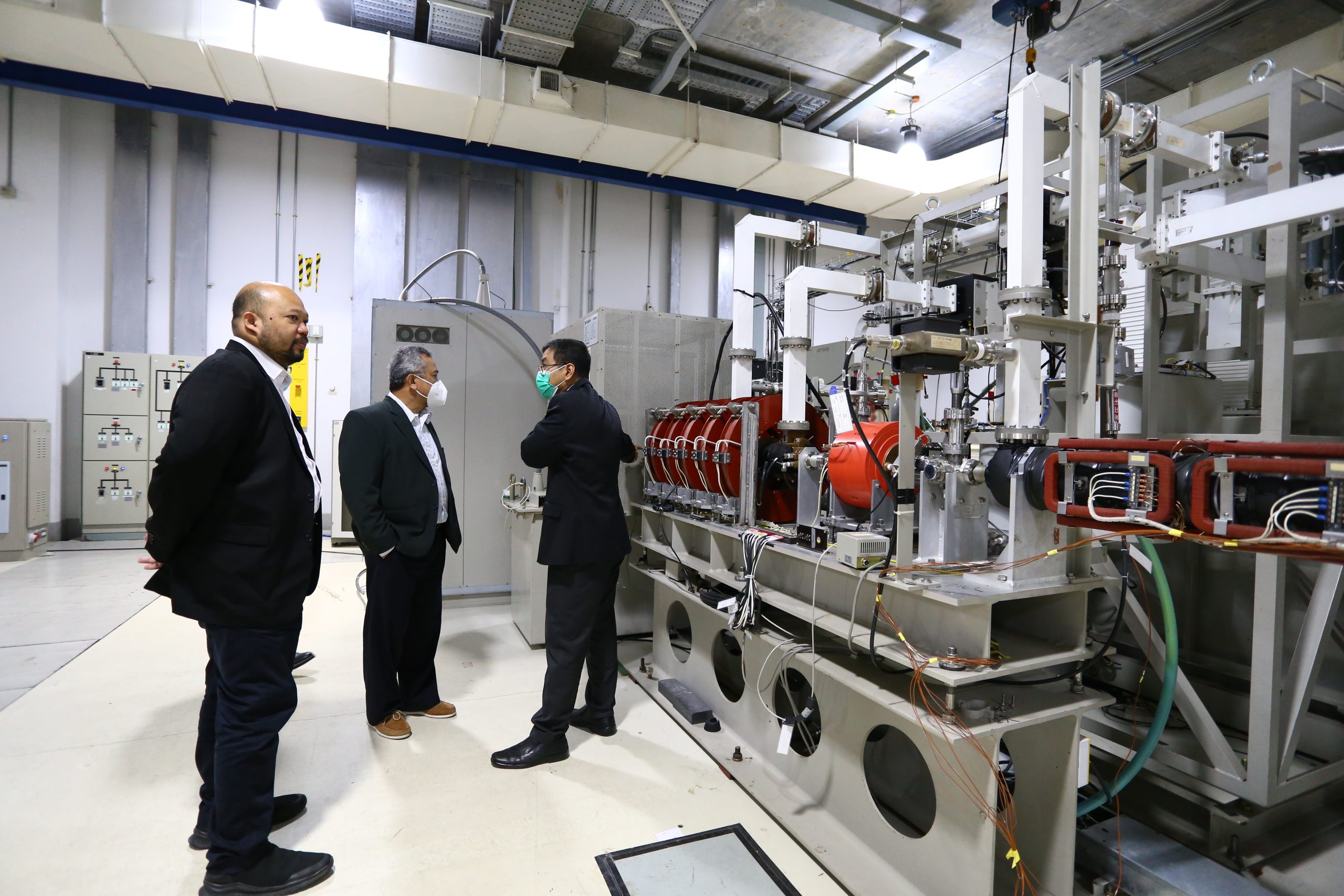
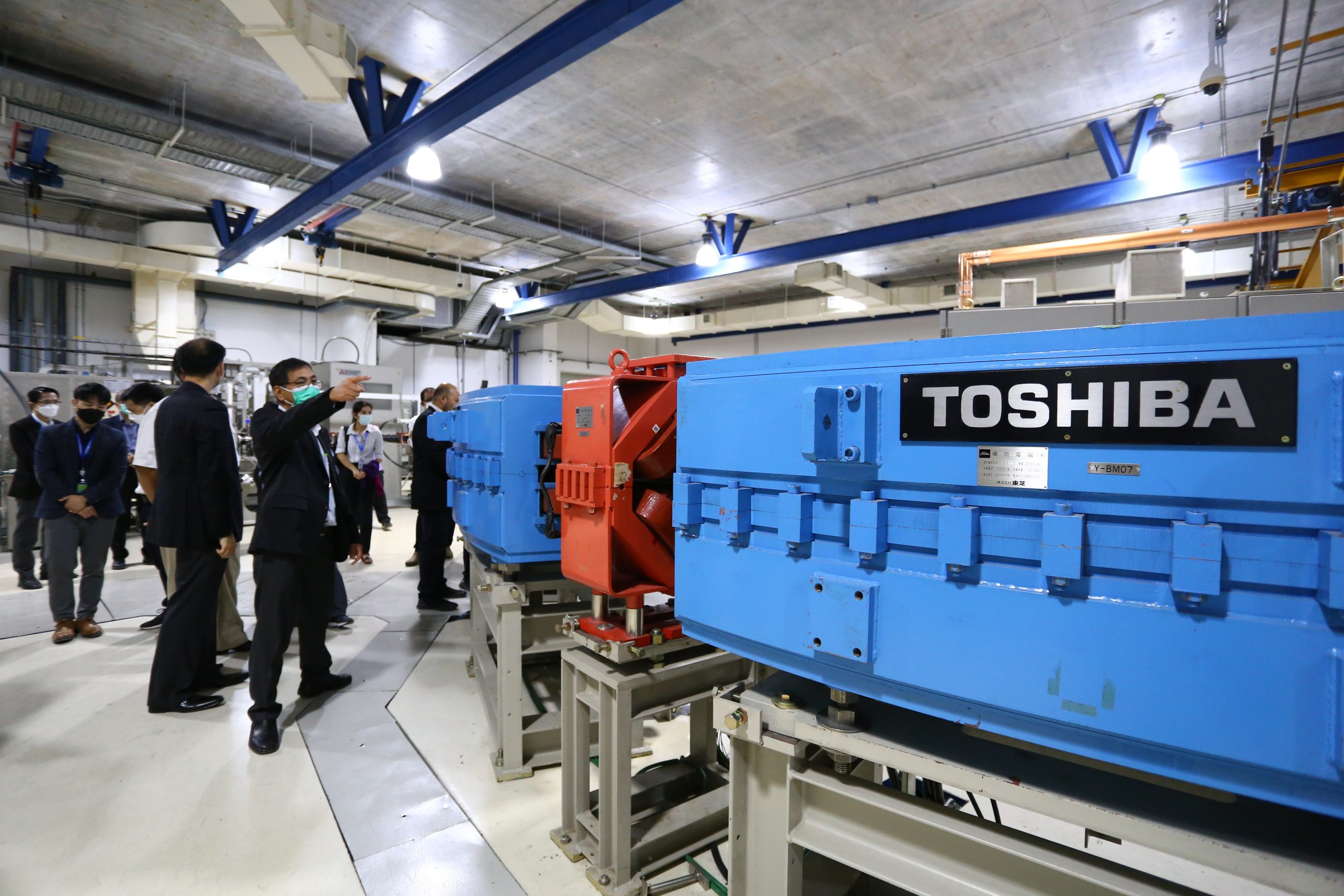
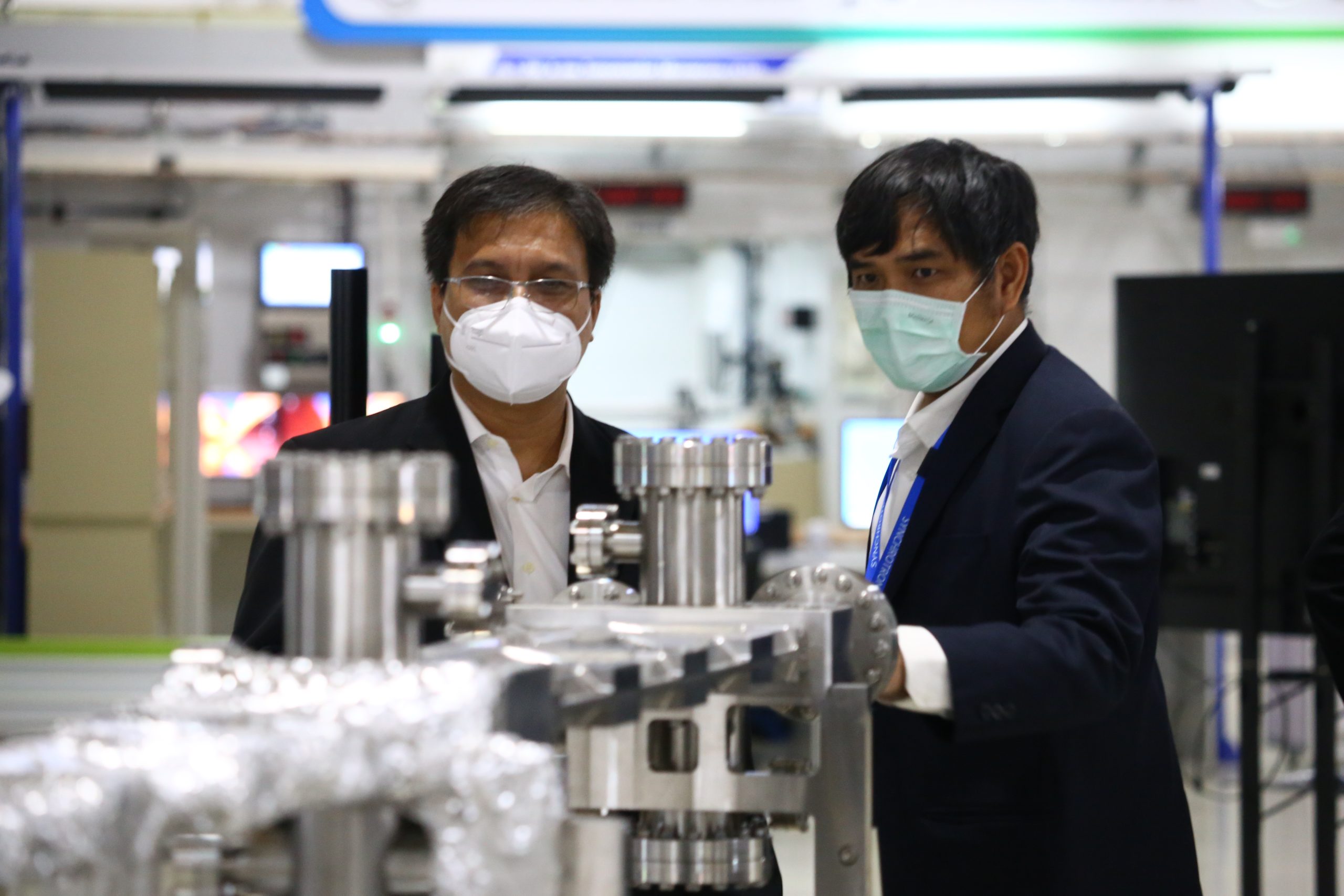
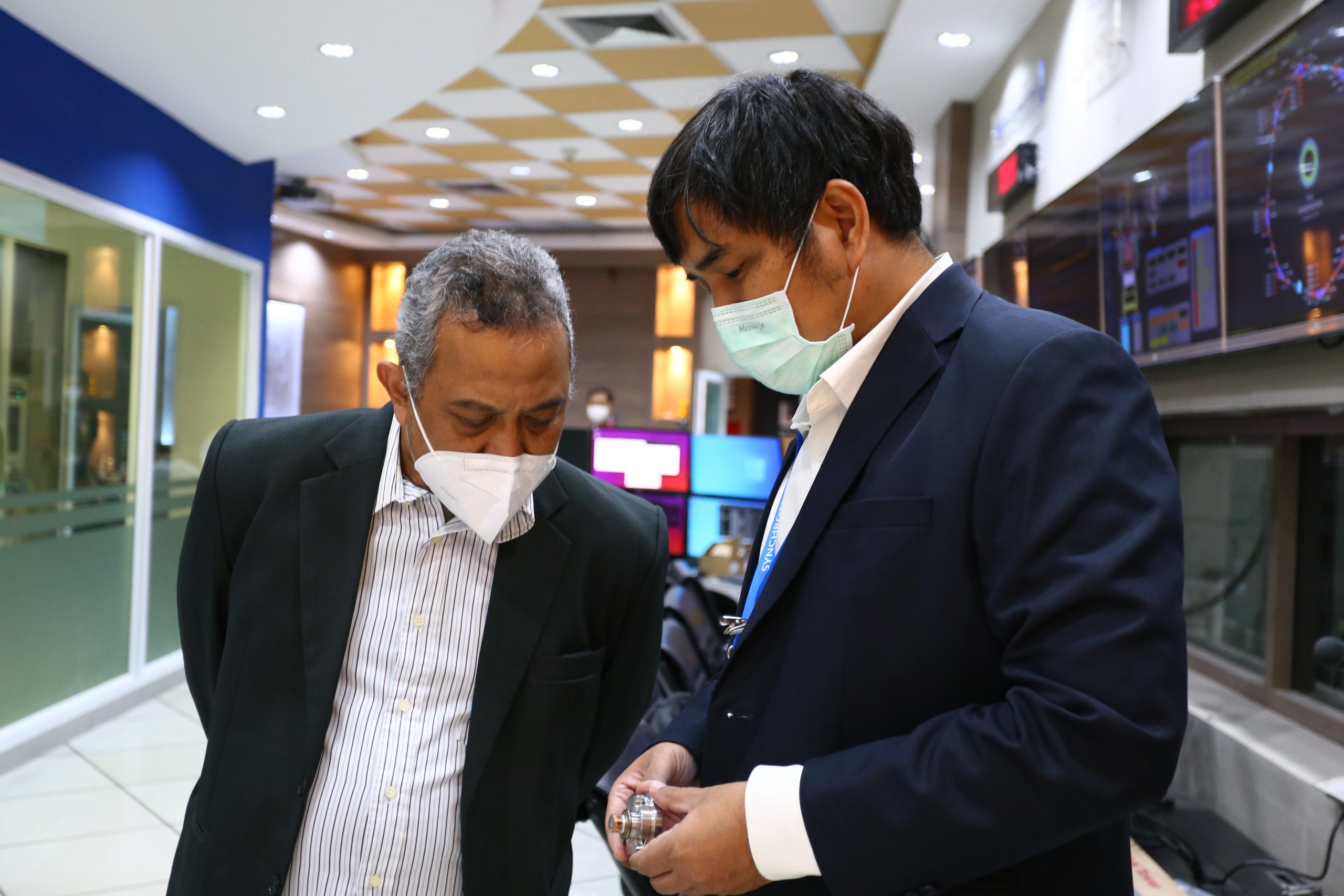
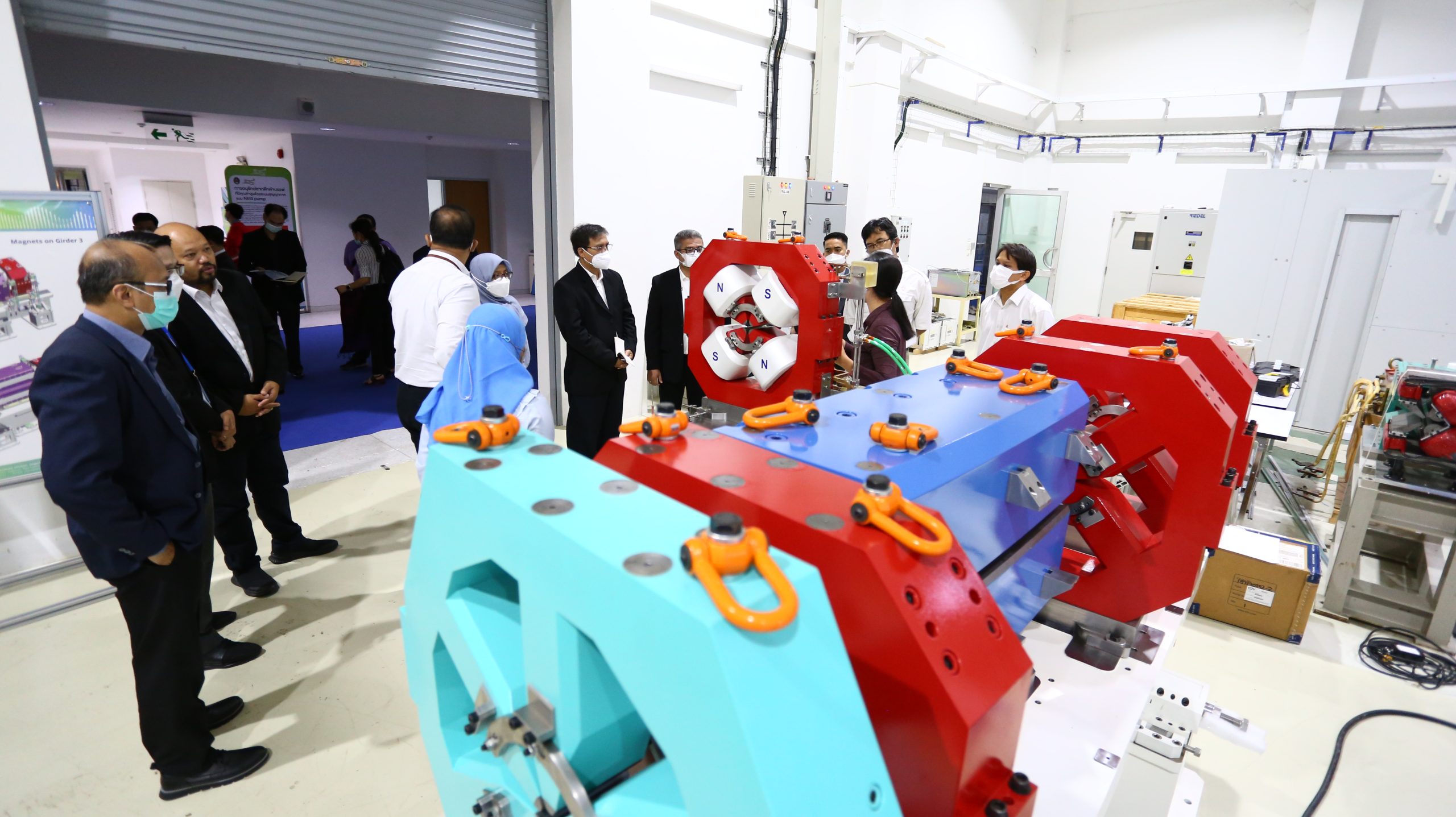
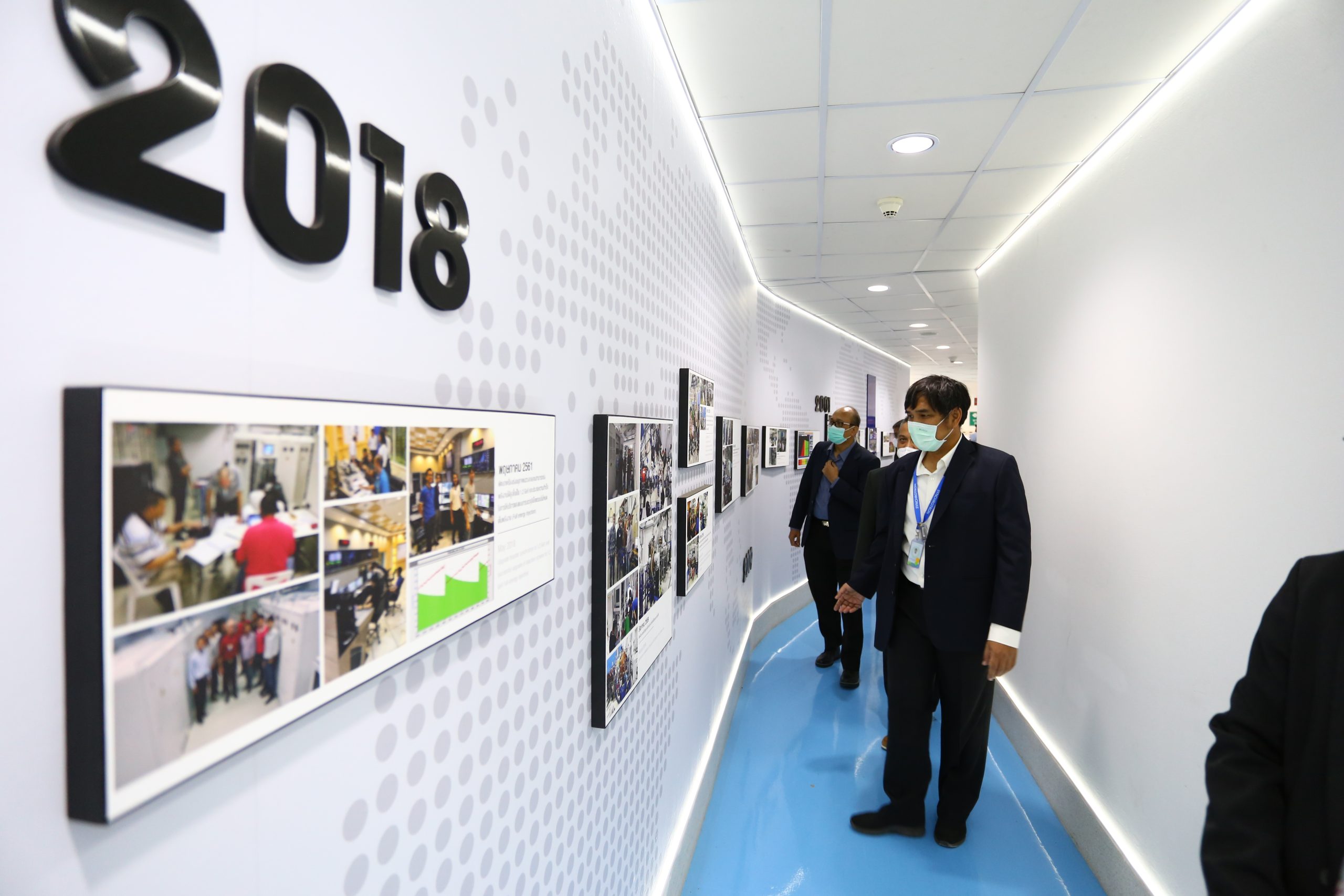
                   On this occasion, SLRI executives led BRIN representatives to visit the Siam Photon Laboratory and the magnet model laboratory for use in construction of 3GeV synchrotron light source as well as accelerator for synchrotron light production, and which attracts great attention.
                      BRIN is a recently founded national organization of research and innovation of Republic of Indonesia which operates under the supervision of the Indonesia president.  BRIN consists of 48 Indonesian research institutes and is responsible for conducting research and developing technology and innovation as well as operating science, technology, and innovation policies of Republic of Indonesia.

  • Study on 3D-Structure of VP37 Virus’s Protein Causing White Spot Disease on Fish for Antiviral Drug Development

    Study on 3D-Structure of VP37 Virus’s Protein Causing White Spot Disease on Fish for Antiviral Drug Development

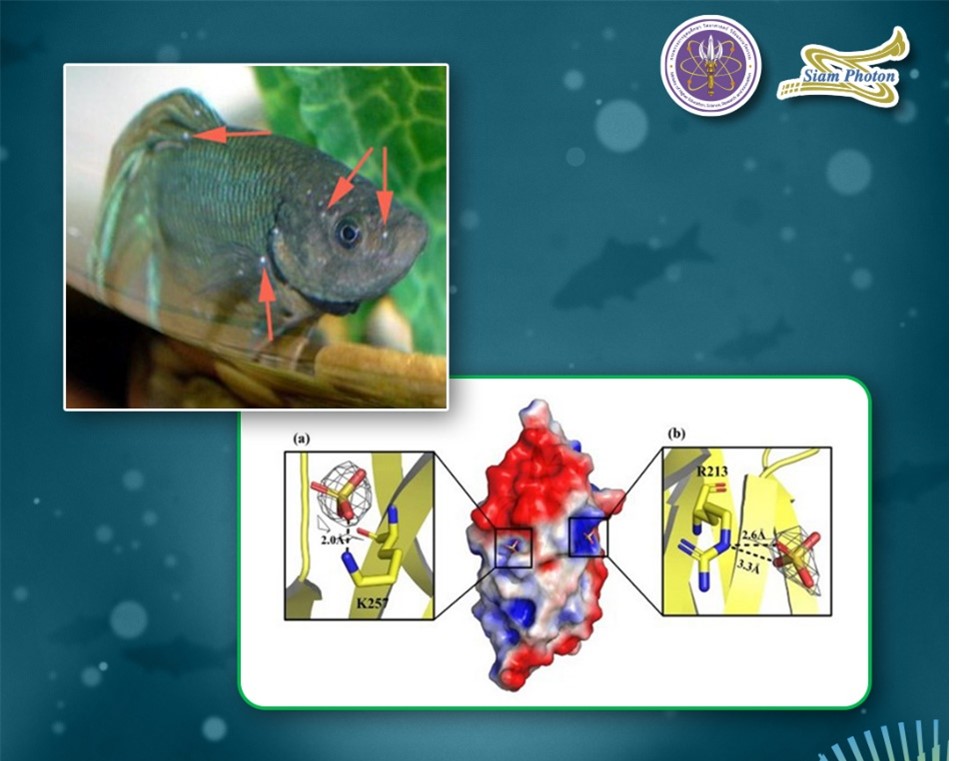
     Many fish and shrimp species are found easily infected by the white spot syndrome virus (WSSV). Death of these infected species causes such considerable loss to both ecosystem and Thailand’s economy at present. The need to study and understand molecular mechanism of WSSV infection is very important to development of an antiviral drug and control spread of the disease.

     The previous study showed that VP37 envelope protein is generated by the virus DNA and essential for virus living. The VP37 engulfs the virus DNA and attaches to host cell to replicate the virus inside. At the end of VP37 amino acid sequence is the C-terminal domain responsible for binding WSSV to molecules of shrimp blood cell and heparin (in which heparin prevents blood clots). This binding cannot occur when gluing a group of sulfate molecules with negative charge such as sulfate galactan to C-terminal domain instead. It will be impossible for VP37 to attach to heparin and for the virus to replicate itself.  

    Picture2

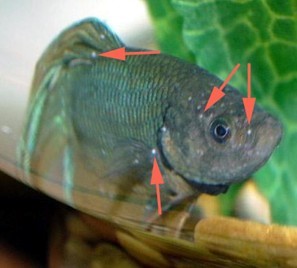
    WSSV-infected fish with white spots as indicated by the red arrow

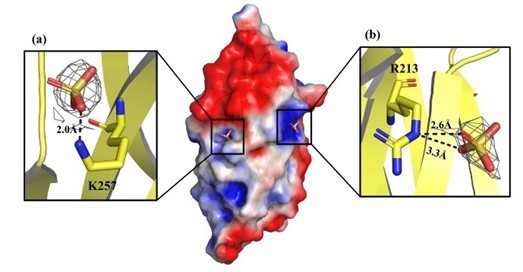
         In this study, researchers created 3D-structure picture of C-terminal domain in VP37 by applying Synchrotron Protein Crystallography technique. The picture showed position views of two amino acids including Arginine at position 213 (R213) and Lysine at position 257 (K257) highly suspected as important binding sites to sulfate molecules in host cells. These two amino acids have positive charges and can attach to negative-charged heparin molecules for virus replication in hosts.

    Picture3

    A 3D-structure picture of C-terminal domain in VP37 enveloped protein of WSSV

     In this study, both R213 and K257 amino acids were modified to have neutral charge to study binding reaction of modified VP37 to heparin molecules. The researchers noticed no binding of the modified R213 and K257 to heparin, confirming the importance of the two amino acids as binding sites to sulfate molecules of heparin. The research result will be beneficial to development of antiviral drug in the future.
    Article by:

    Dr. Jakrada Attarataya, Beamline Scientist

     Source:

    Somsoros, W., Sangawa, T., Takebe, K., Attarataya, J., Wongprasert, K., Senapin, S., Rattanarojpong, T., Suzuki, M. & Khunrae, P. (2021). Crystal structure of the C-terminal domain of envelope protein VP37 from white spot syndrome virus reveals sulphate binding sites responsible for heparin binding. Journal of General Virology, 102(6). https://doi.org/10.1099/jgv.0.001611

  • Development of the Smart Control System for Welding Robot

    Development of the Smart Control System for Welding Robot

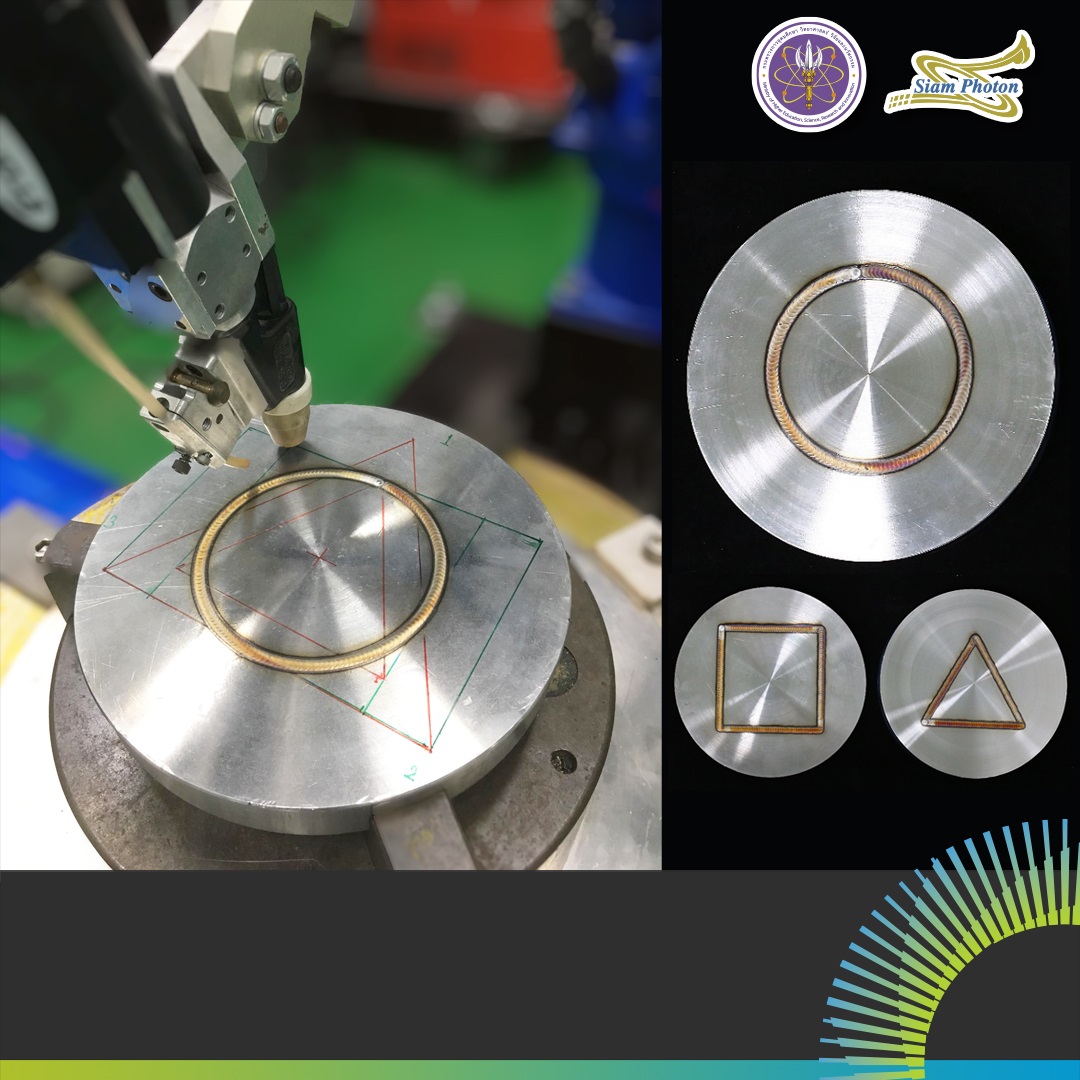
    Nowadays, welding robots and autonomous systems are widely applied in production and industries. At Synchrotron Light Research Institute (Public Organization) – SLRI, welding robots are operated for many purposes such as metal welding for mechanical works requiring high precision, creation and test of vacuum system for development of accelerator and experimental stations surrounding electron storage ring. Use of robots helps reducing welders’ workload from many repetitive tasks.