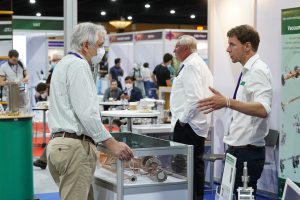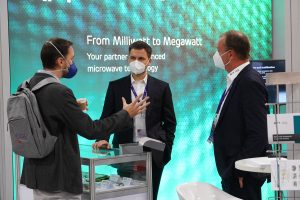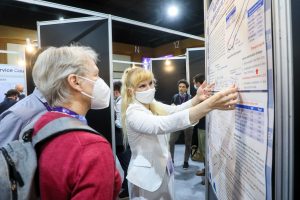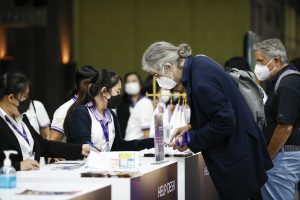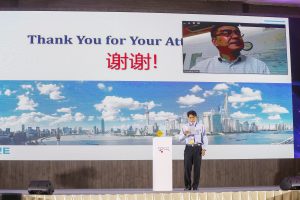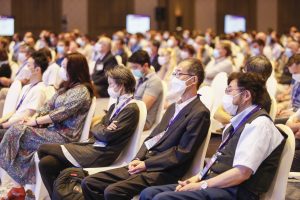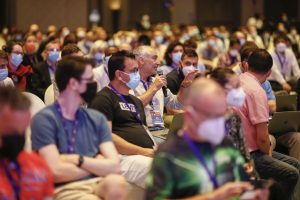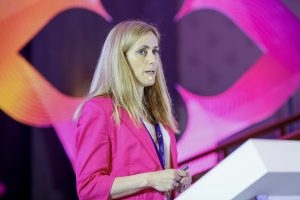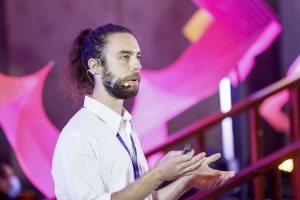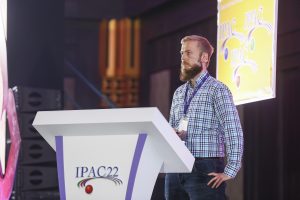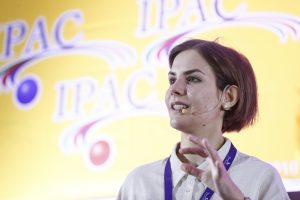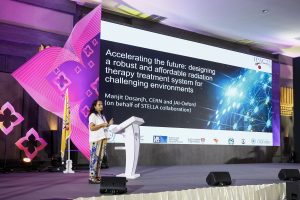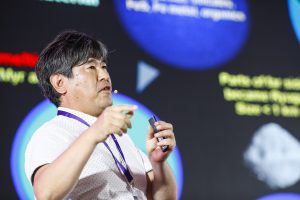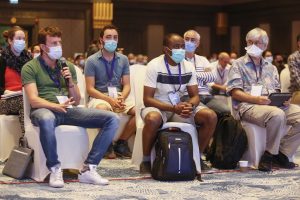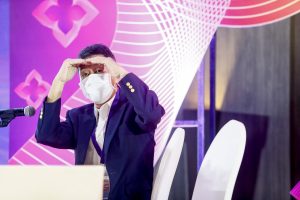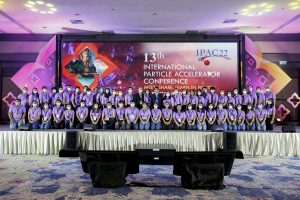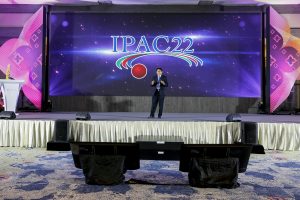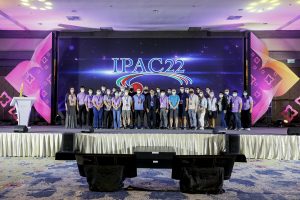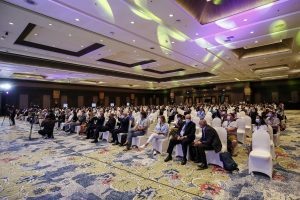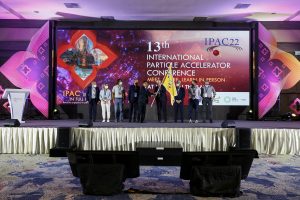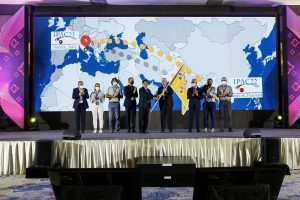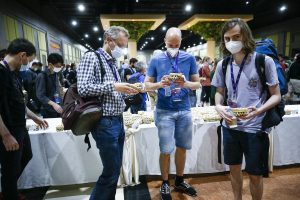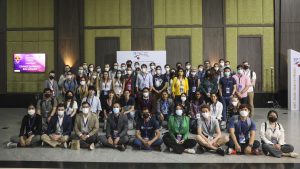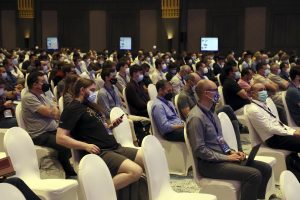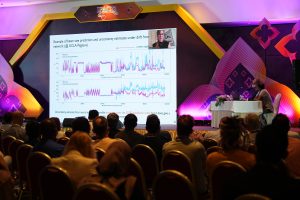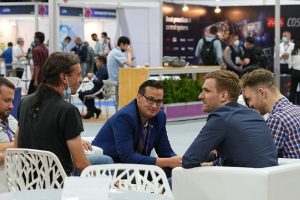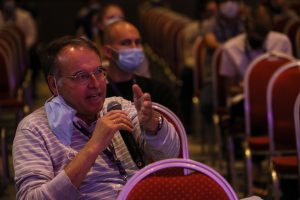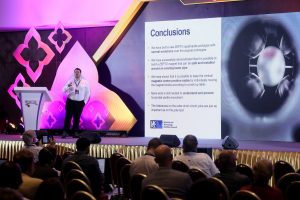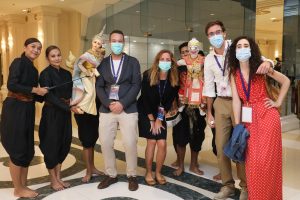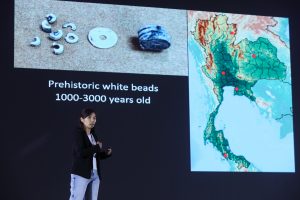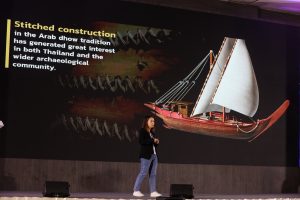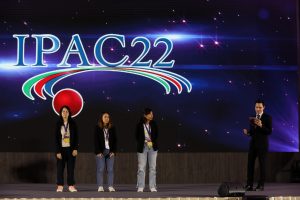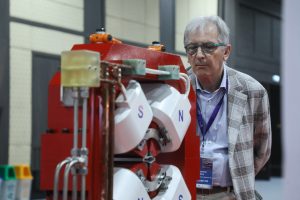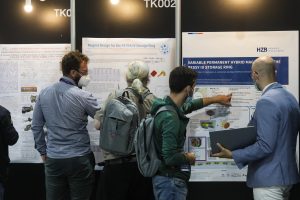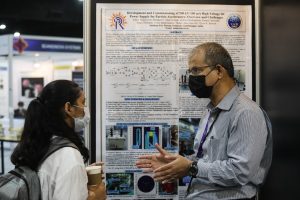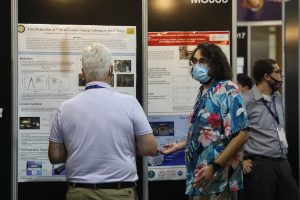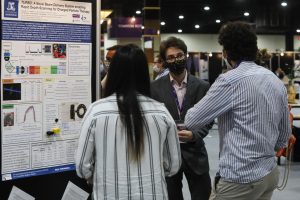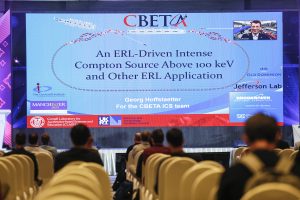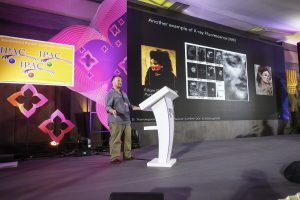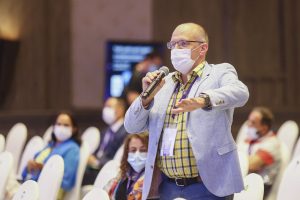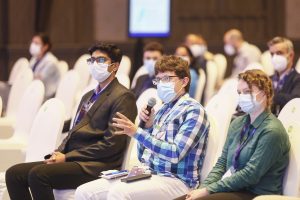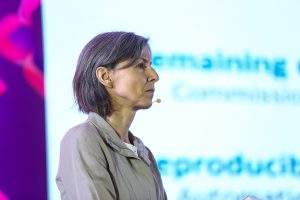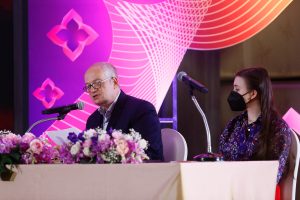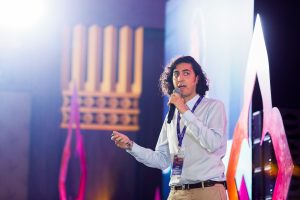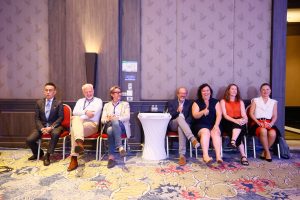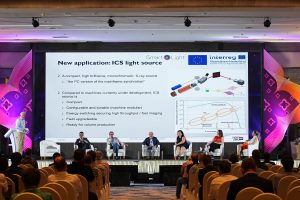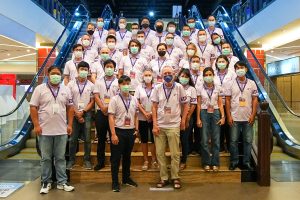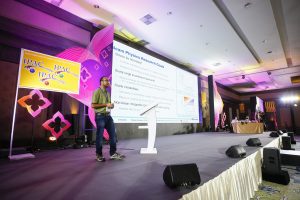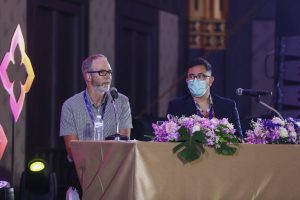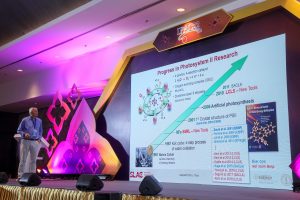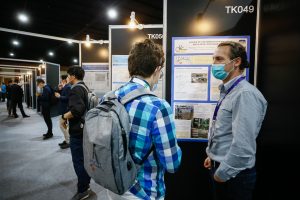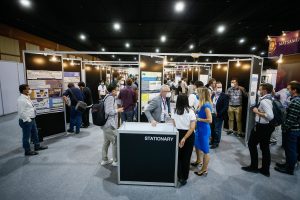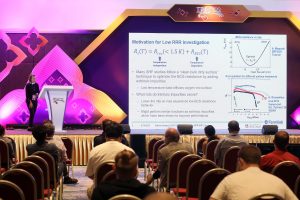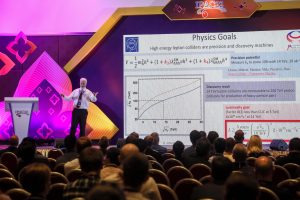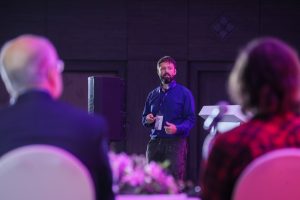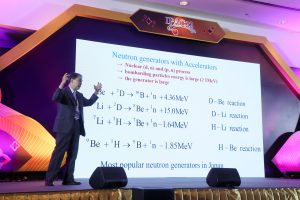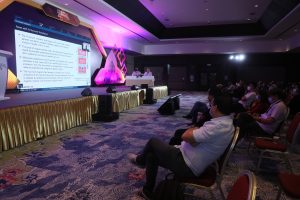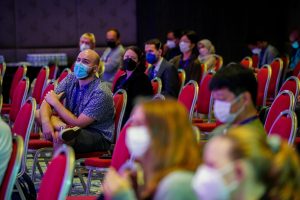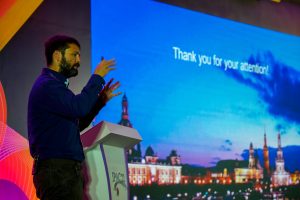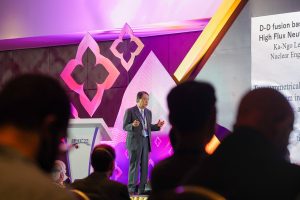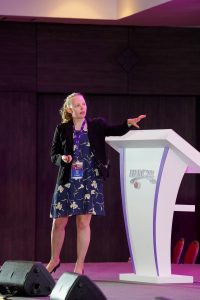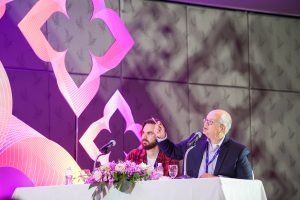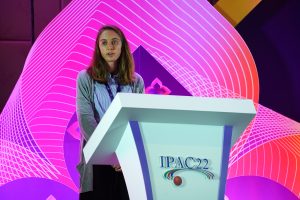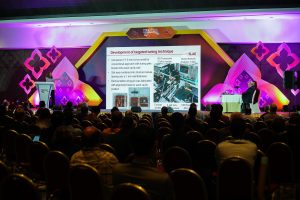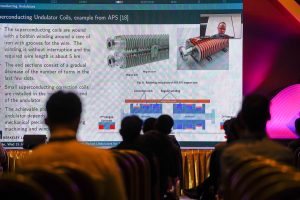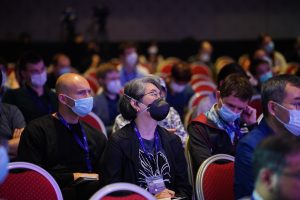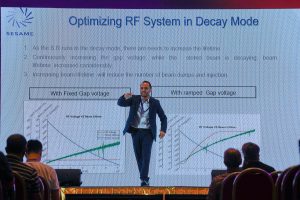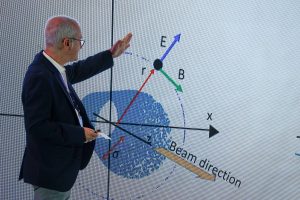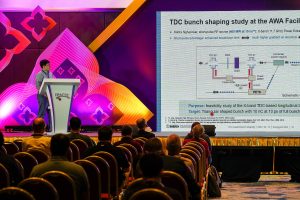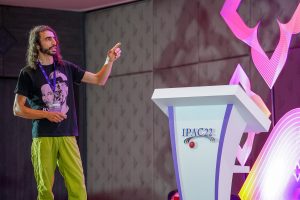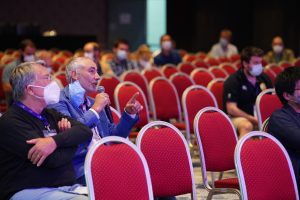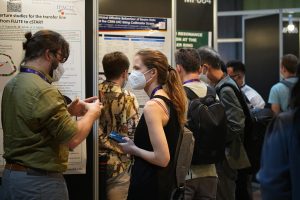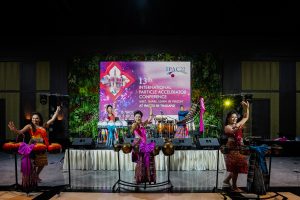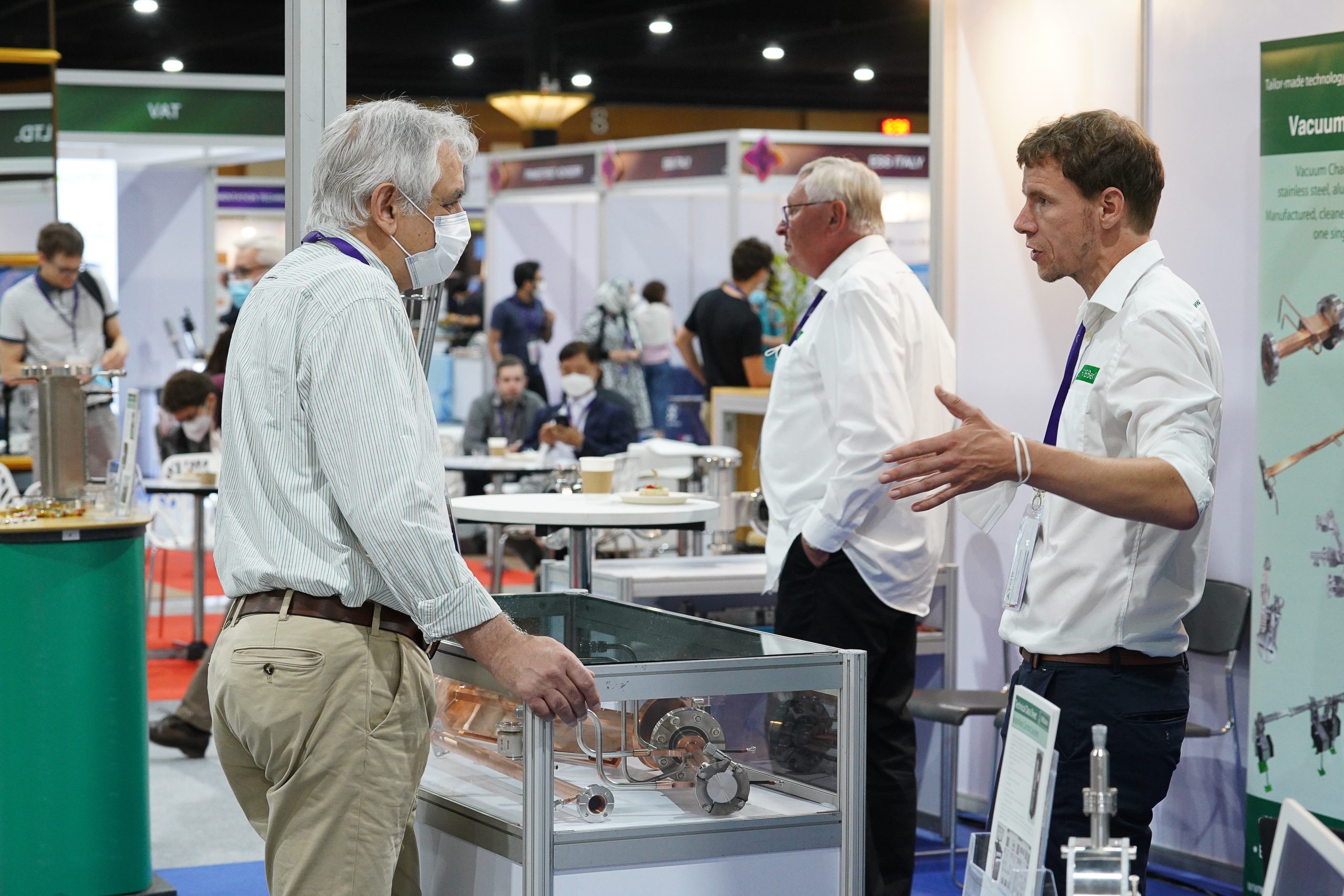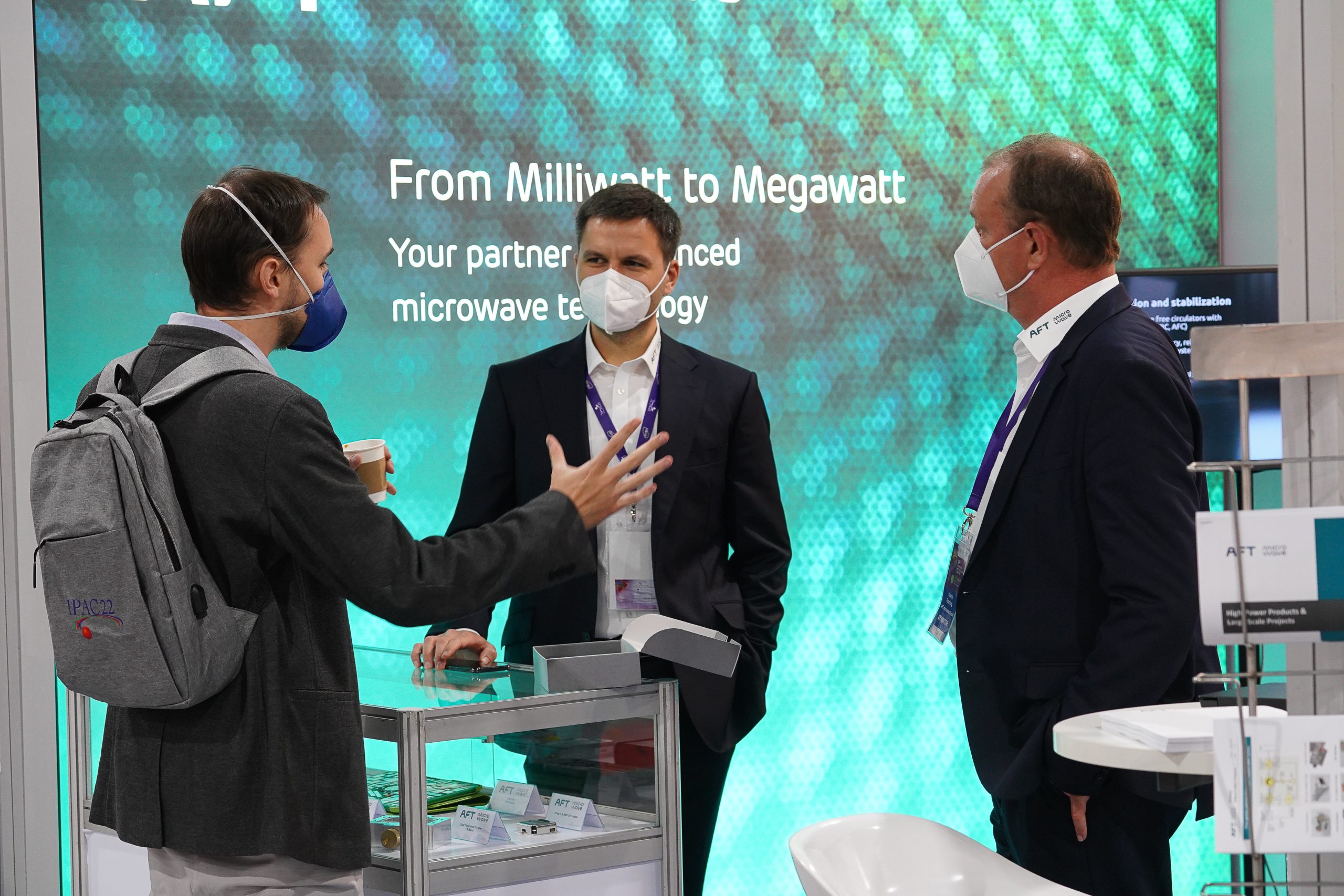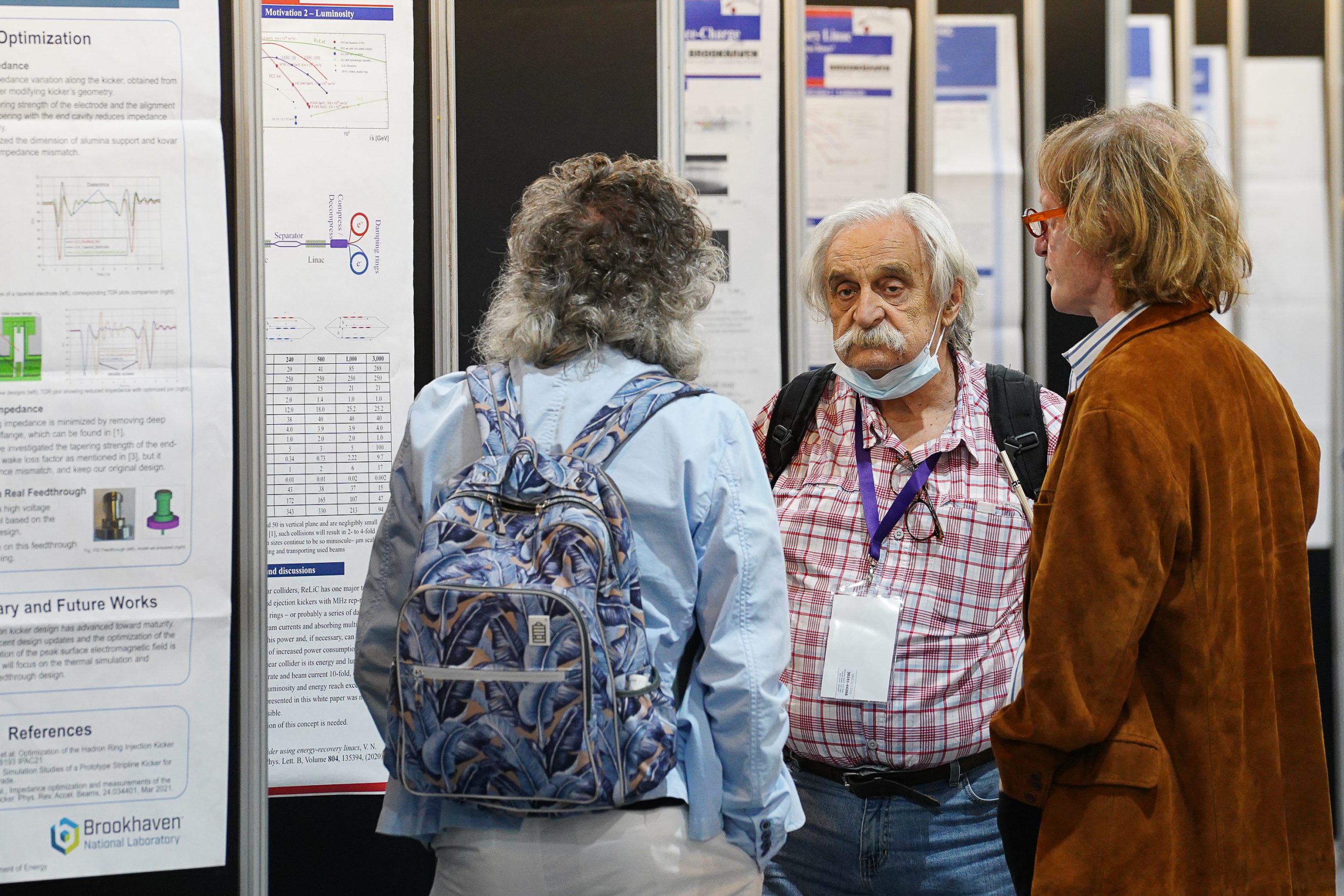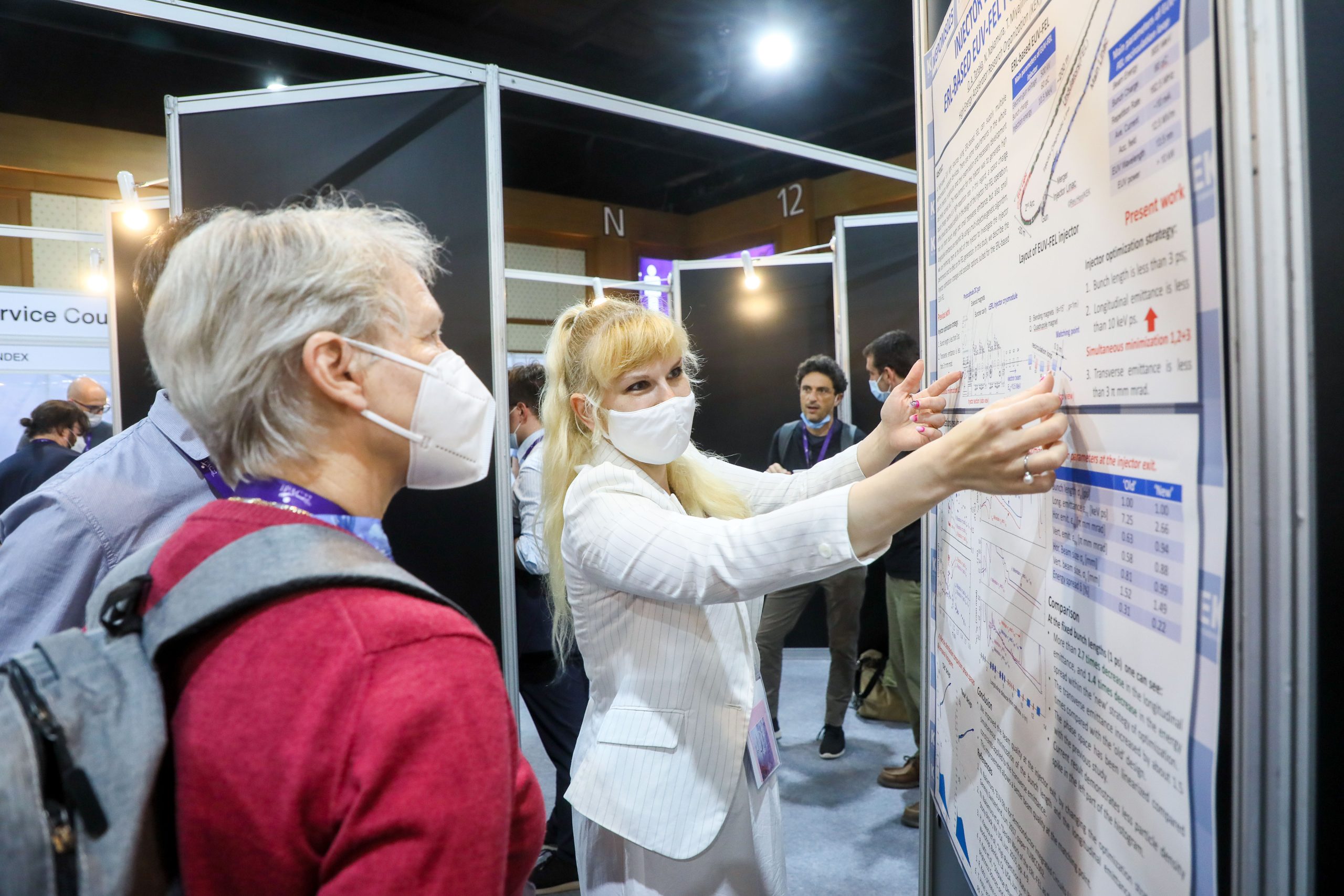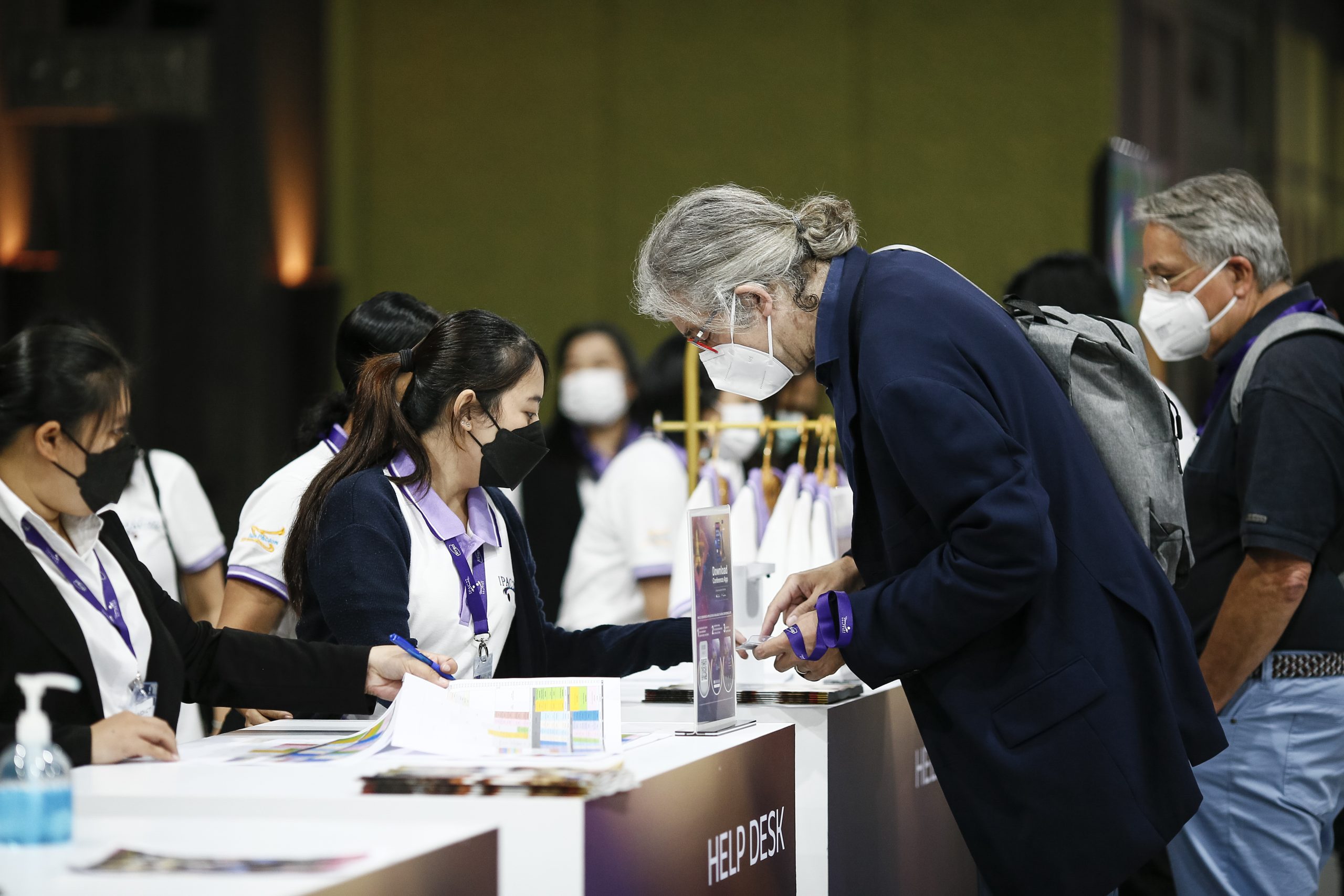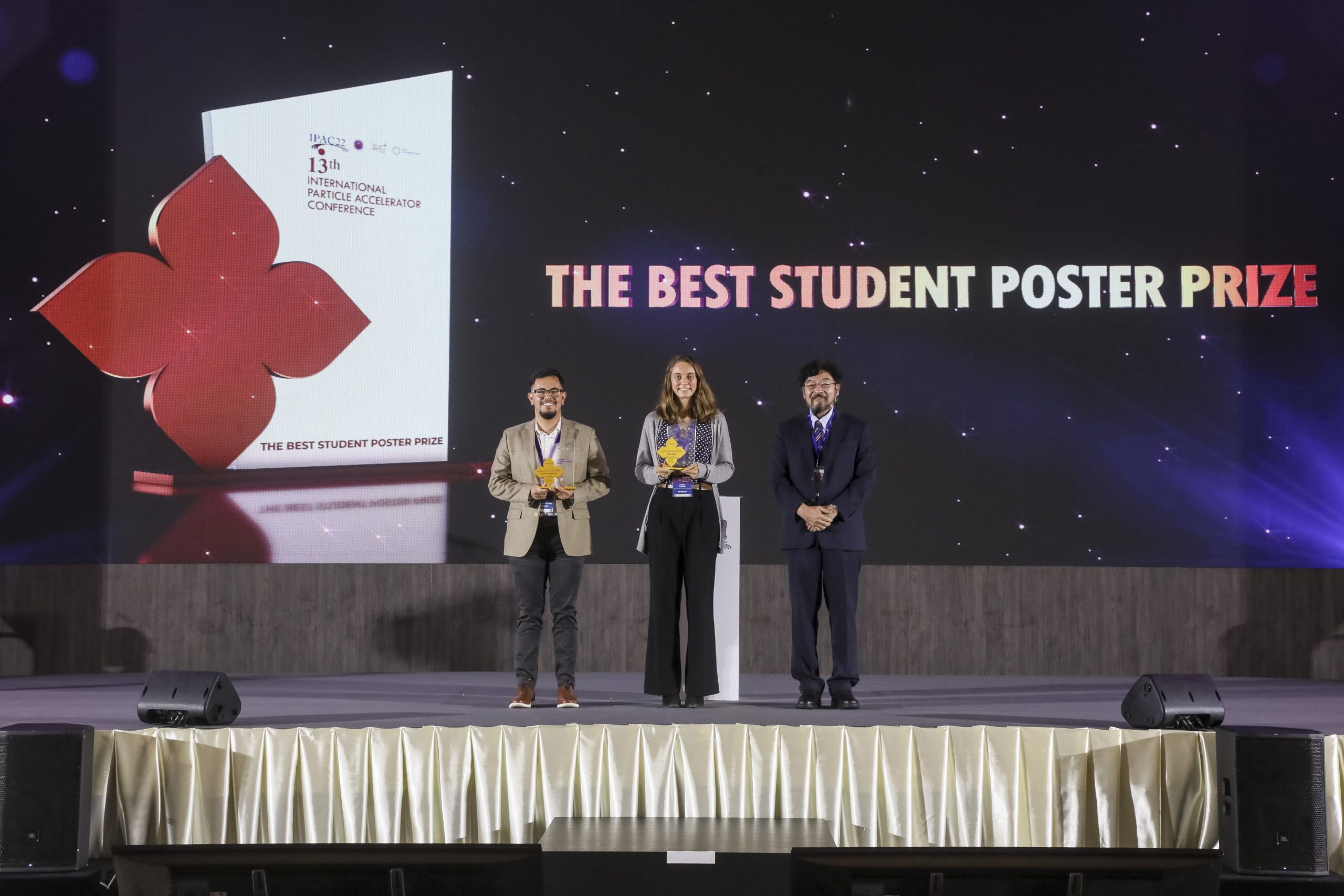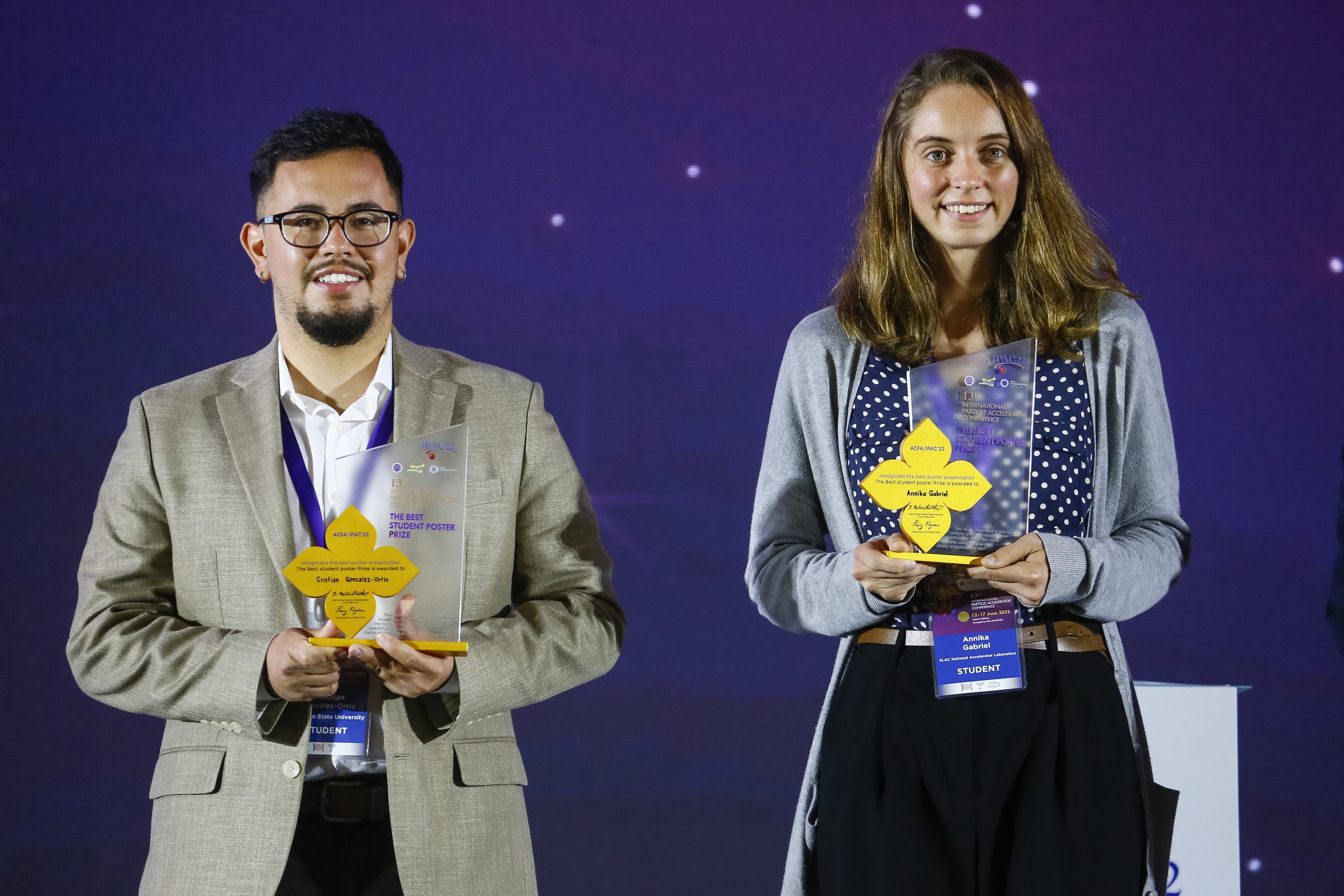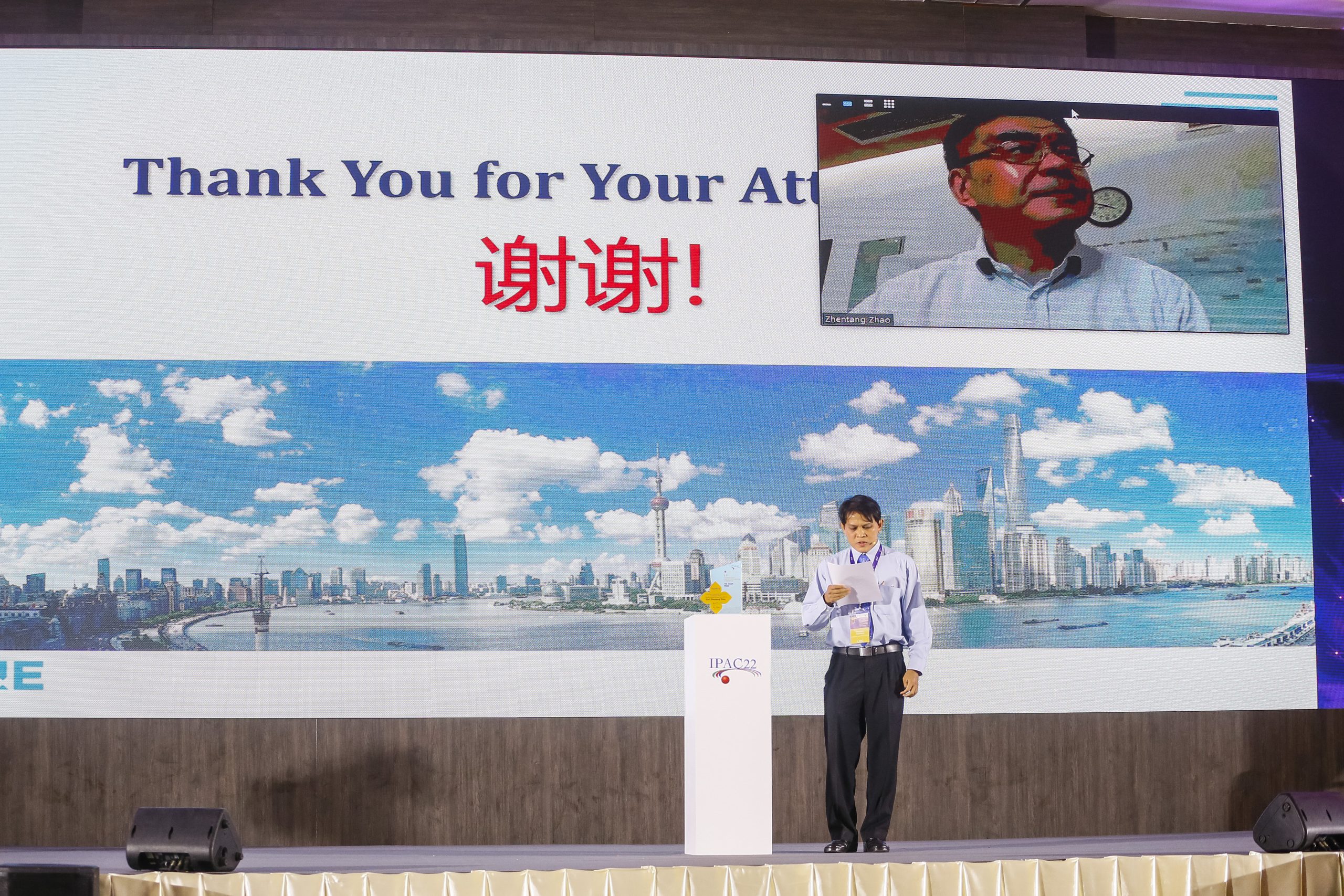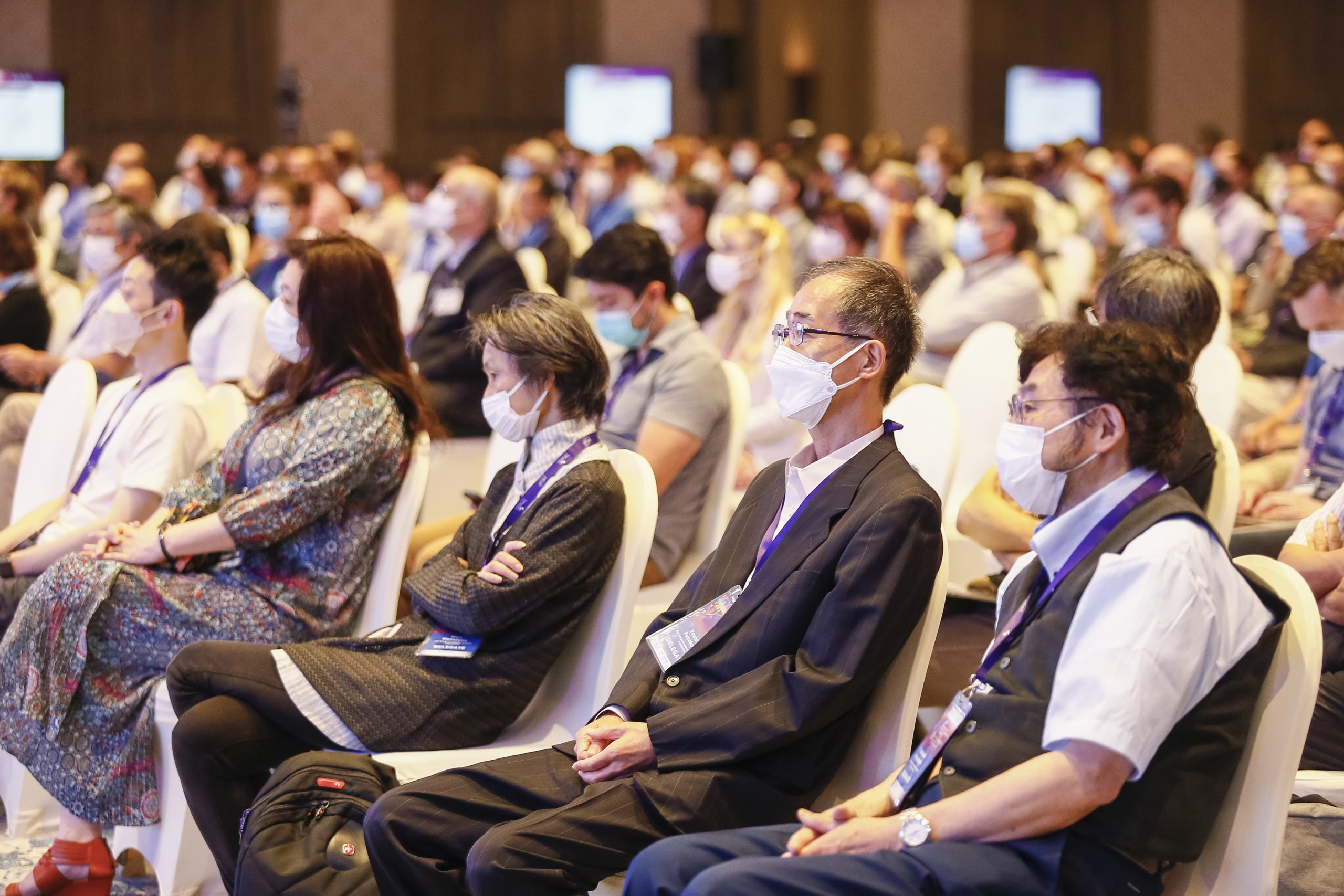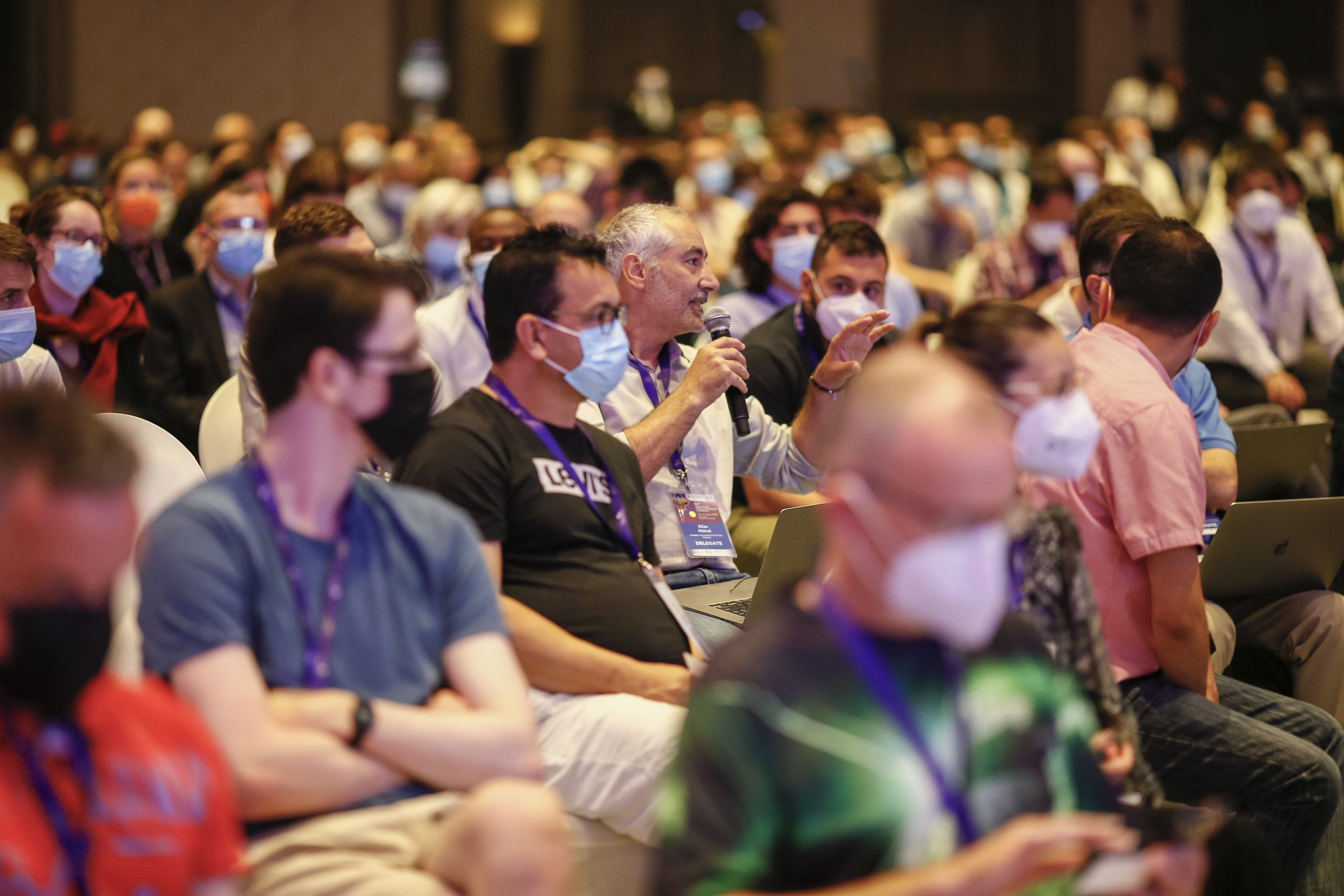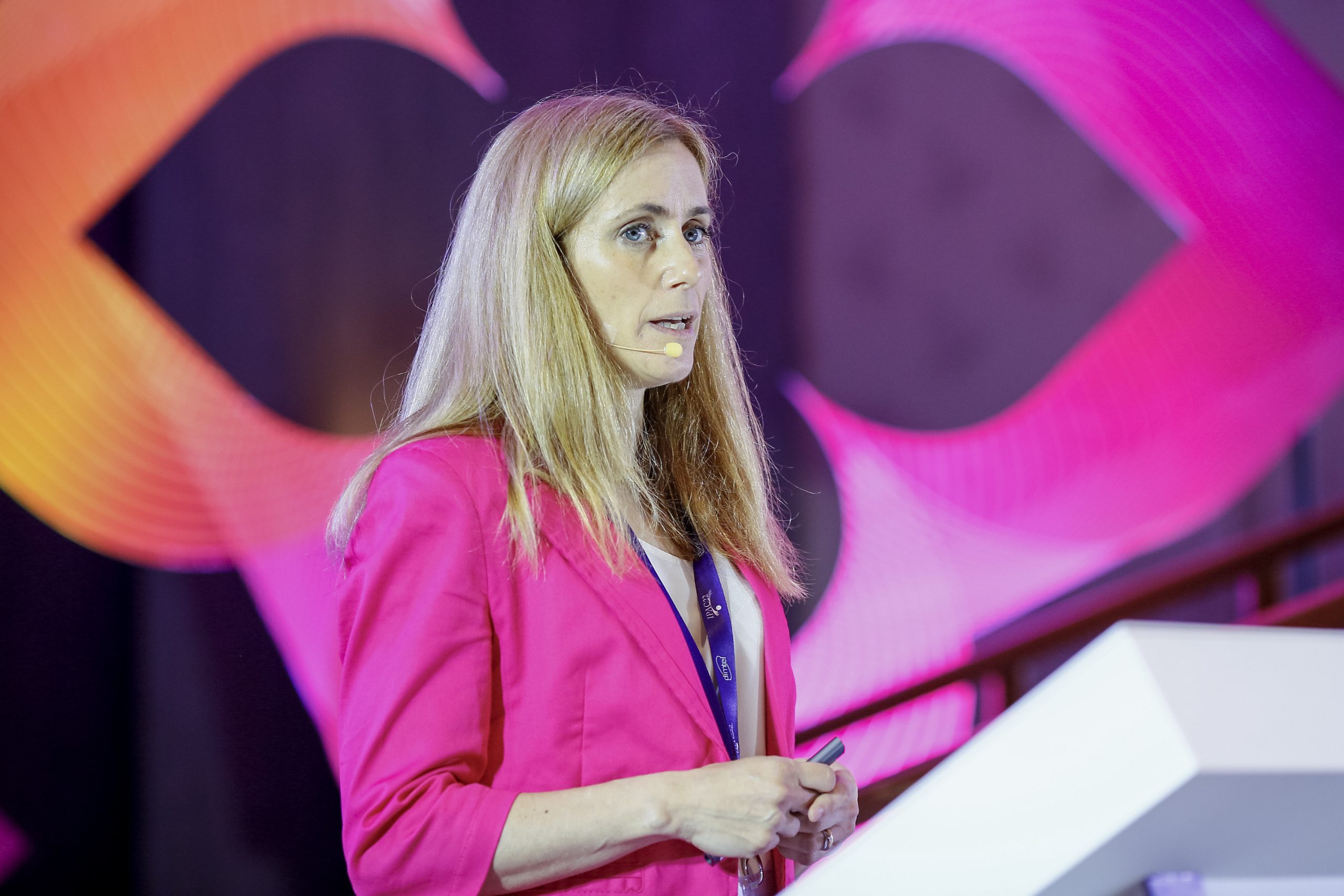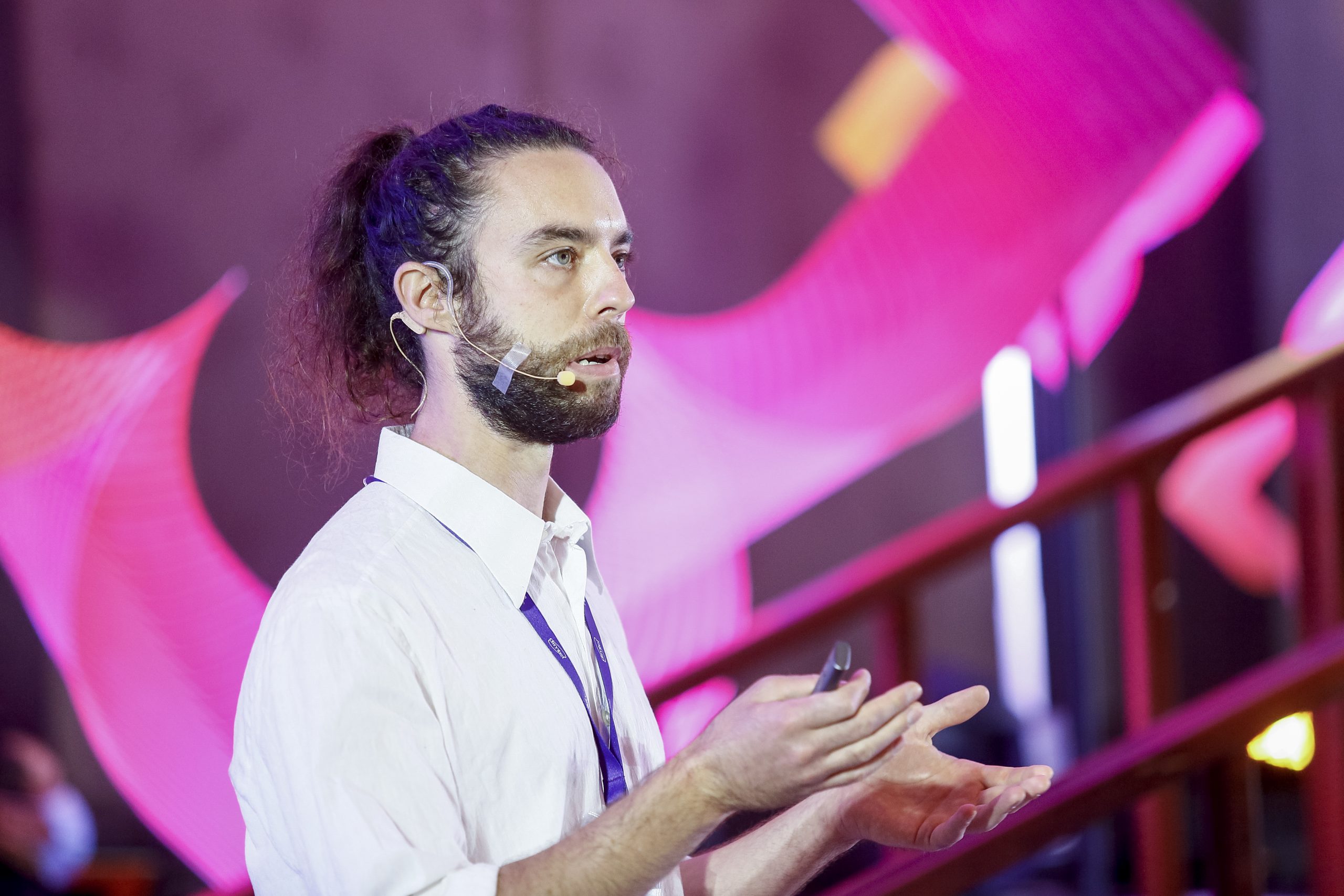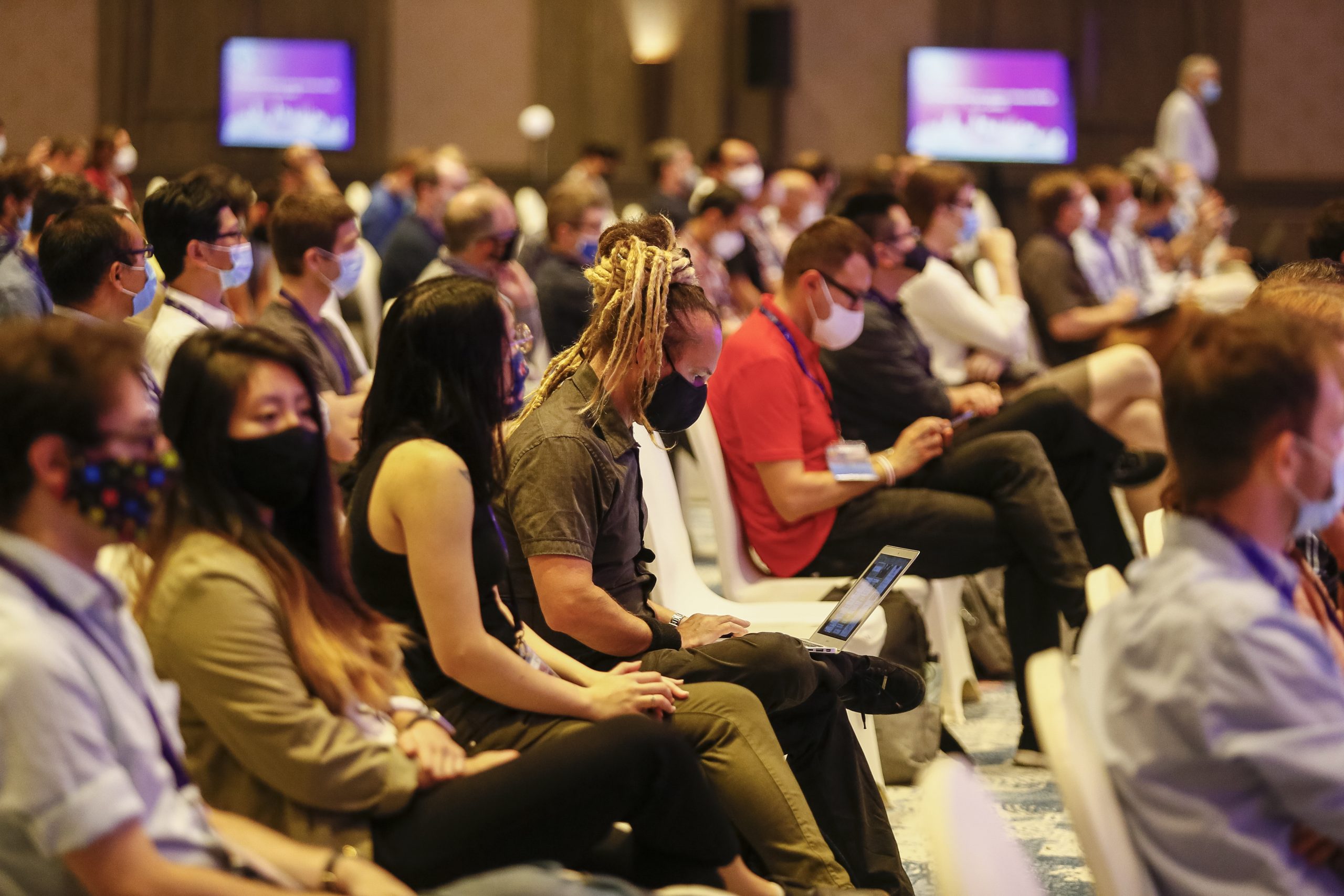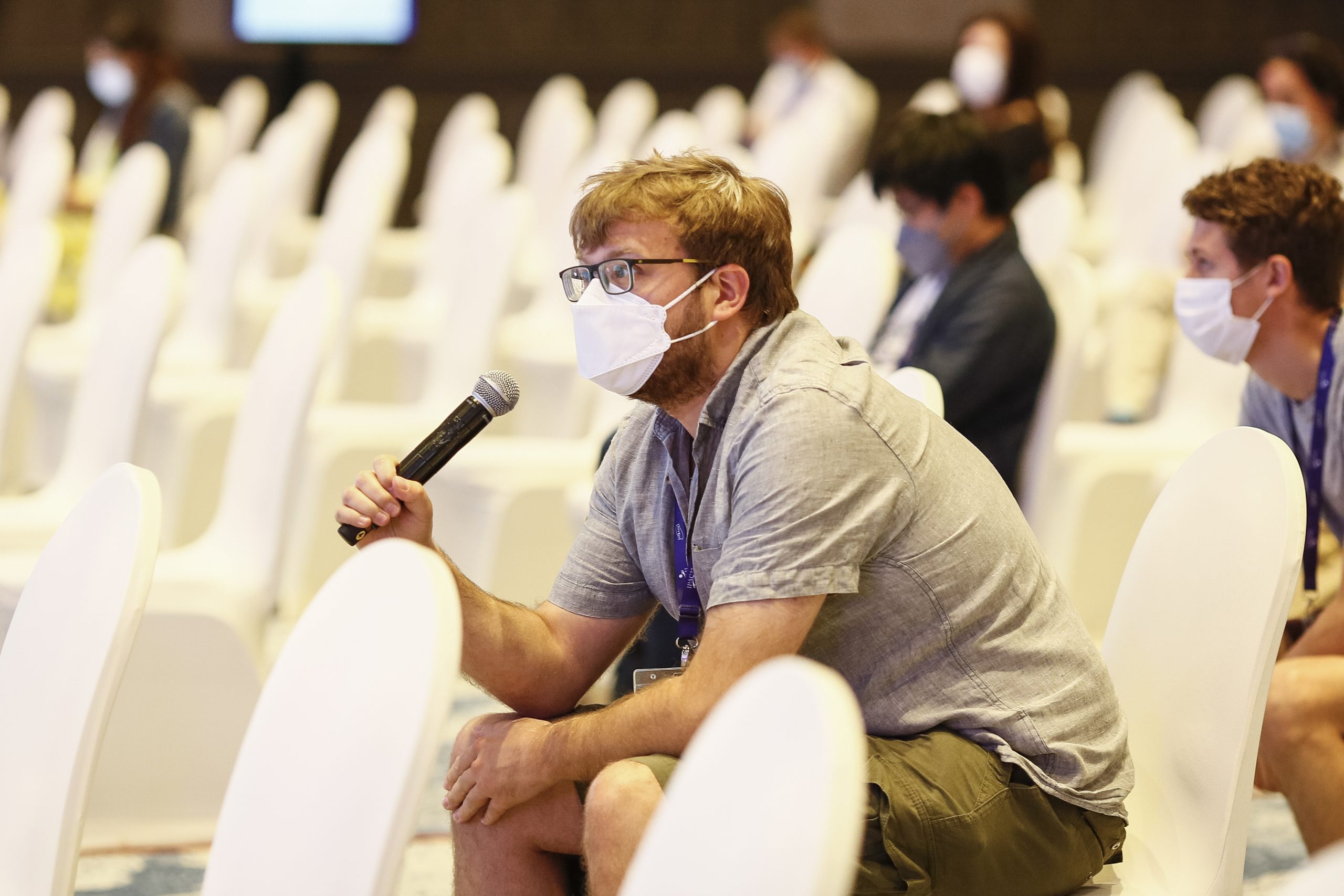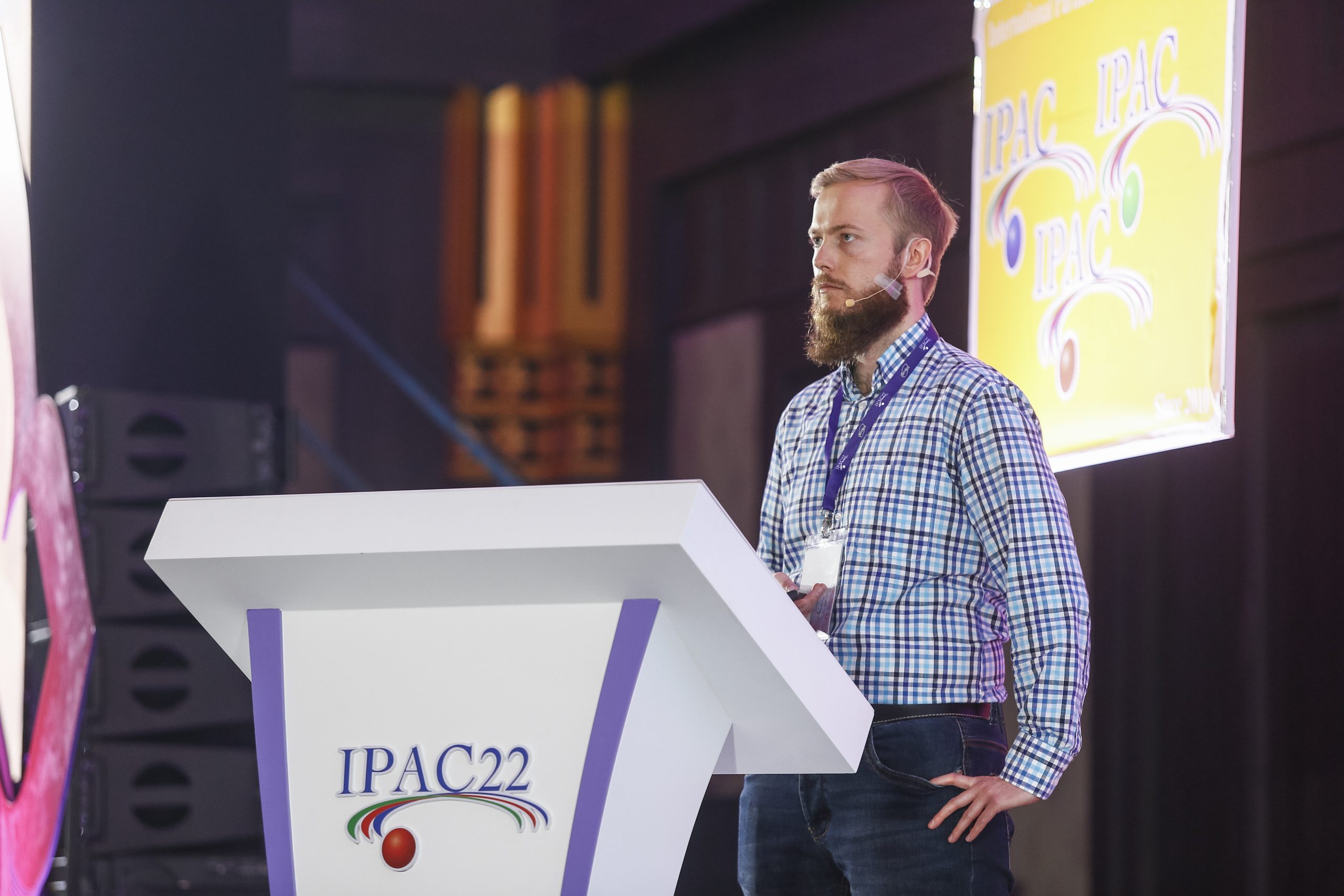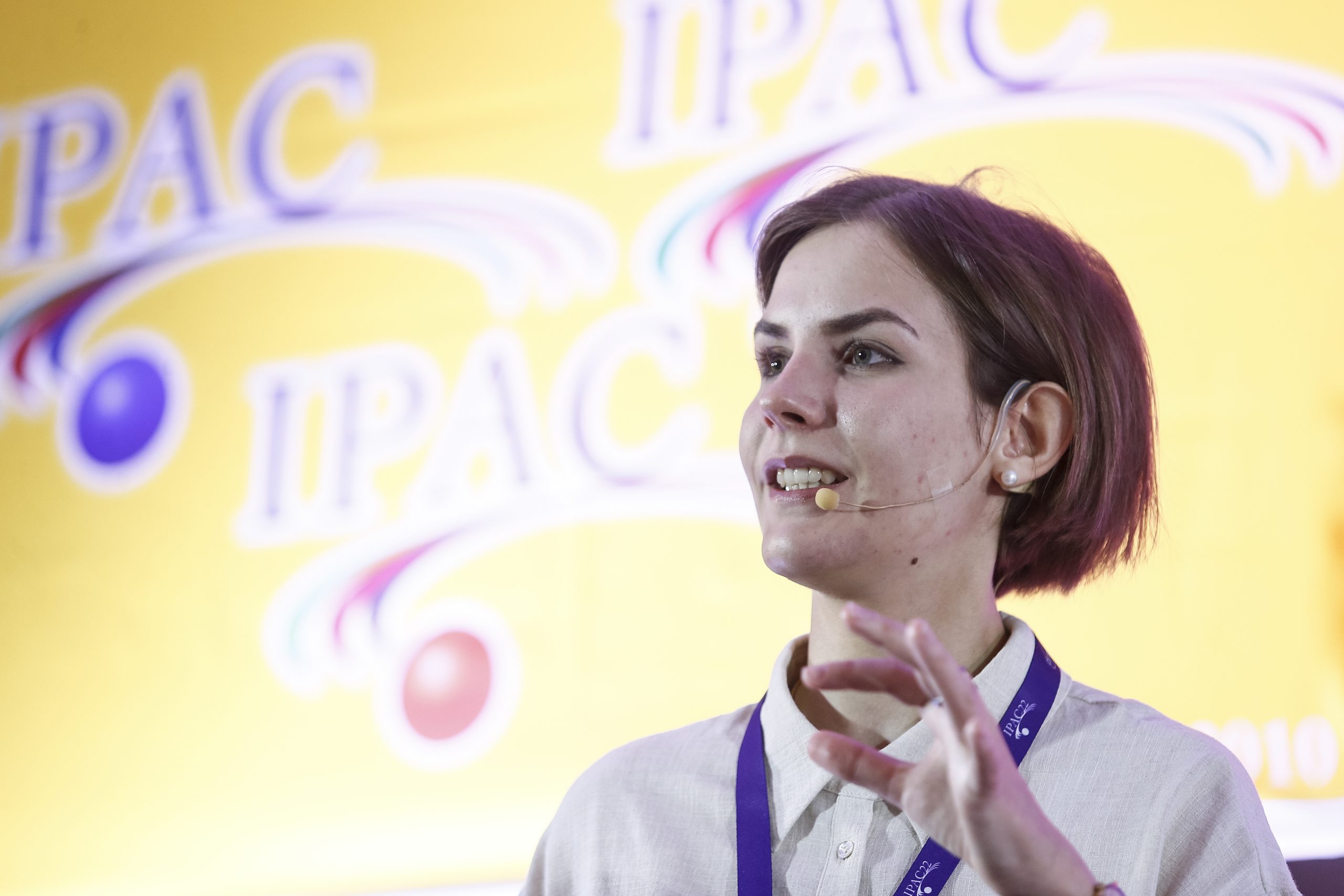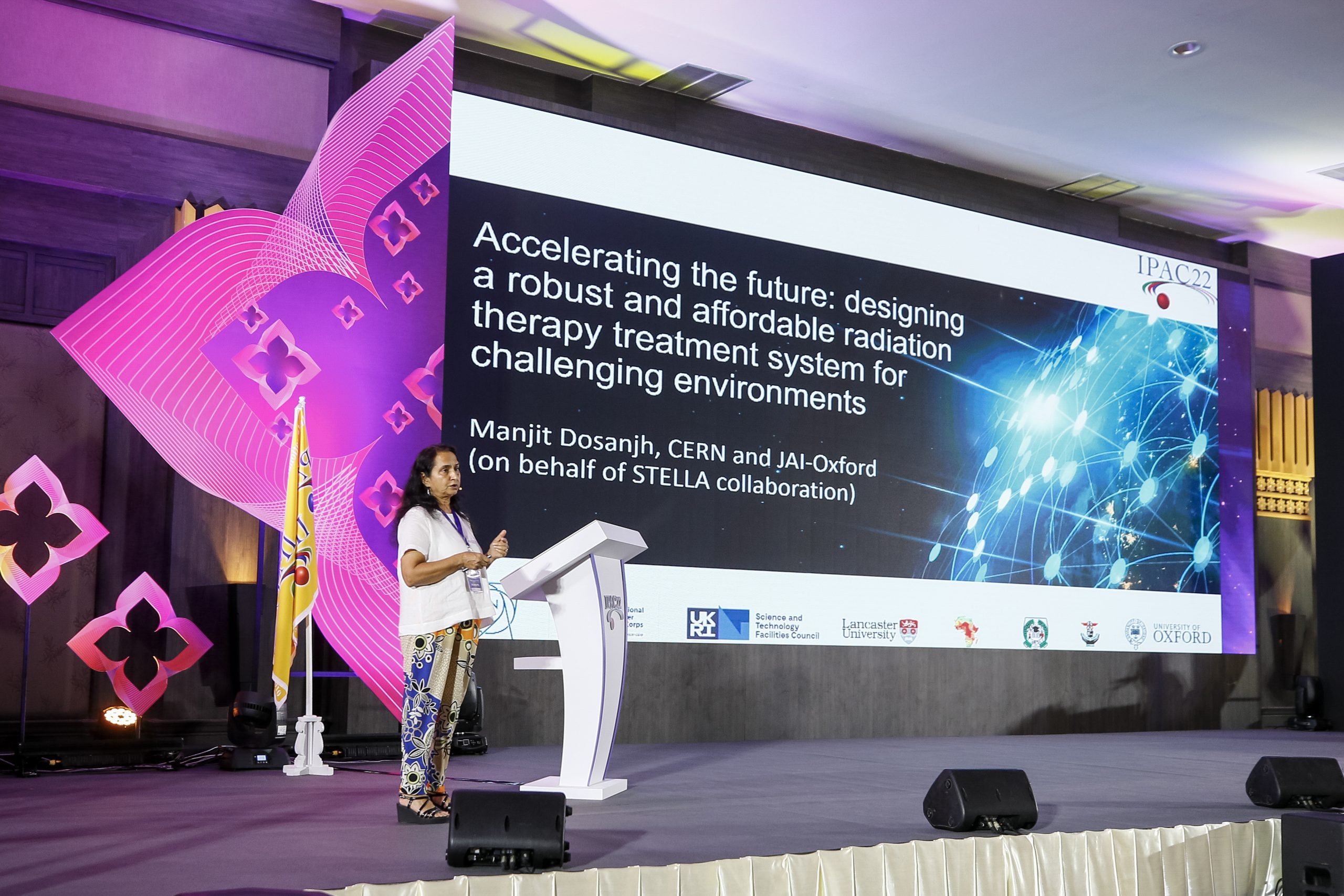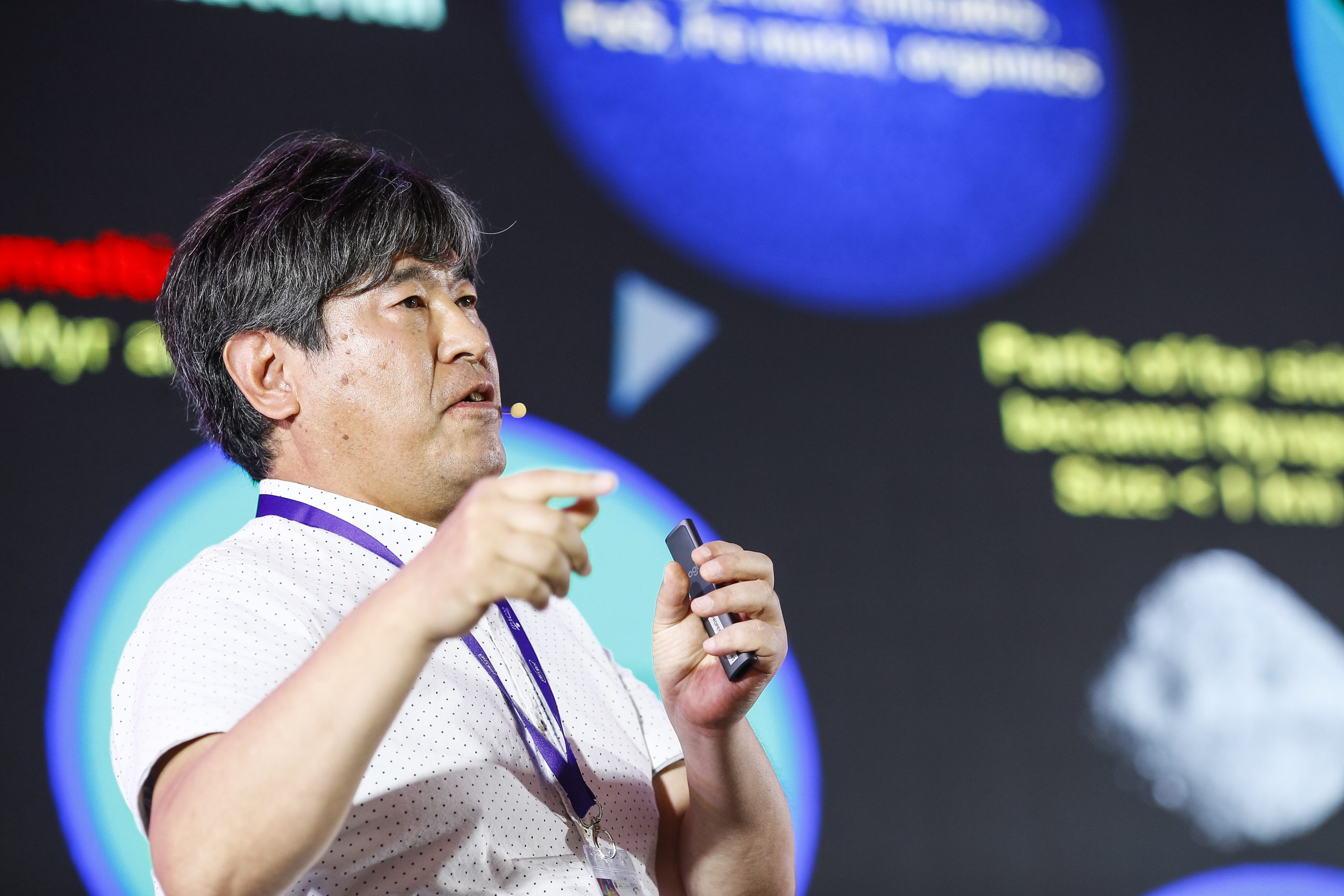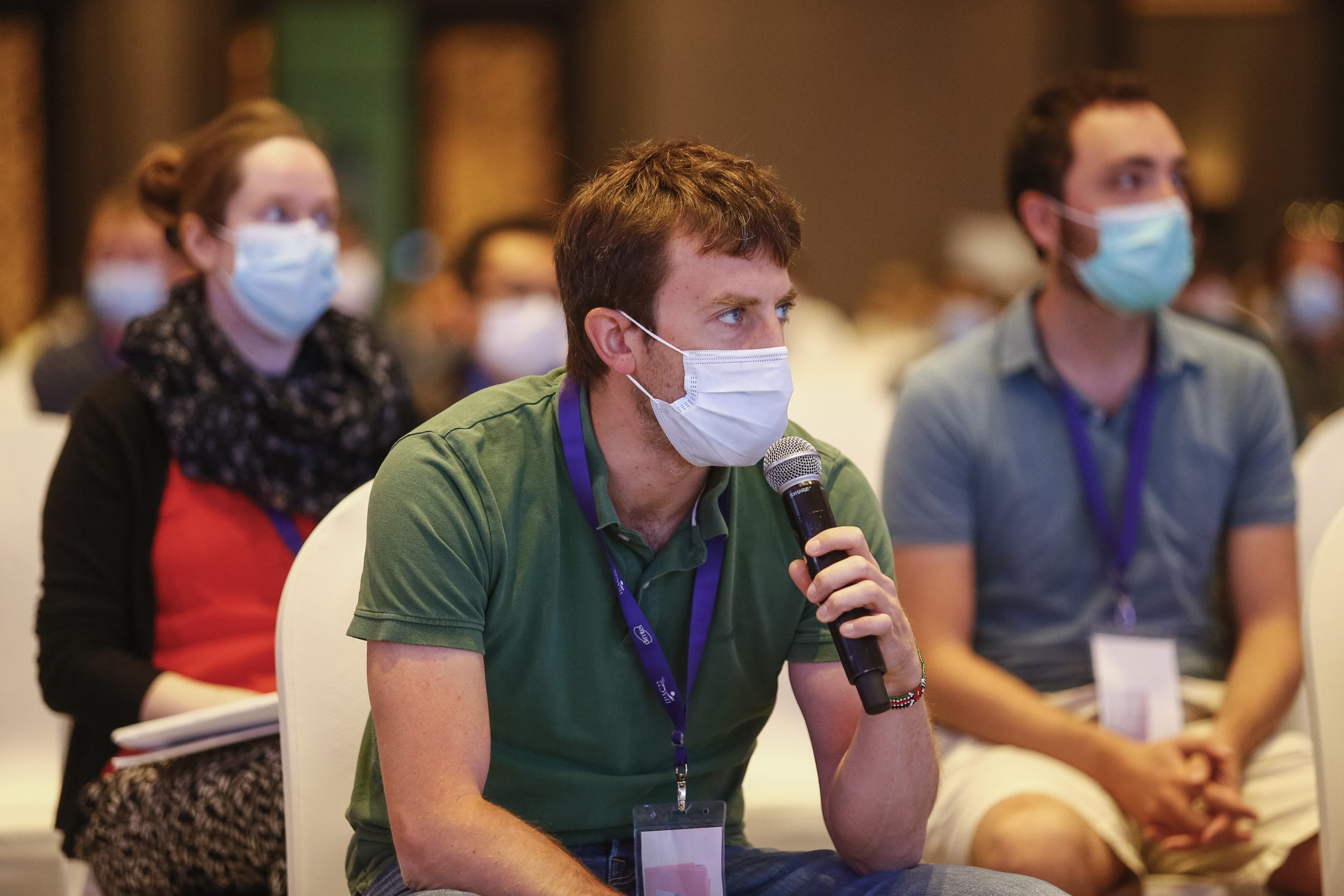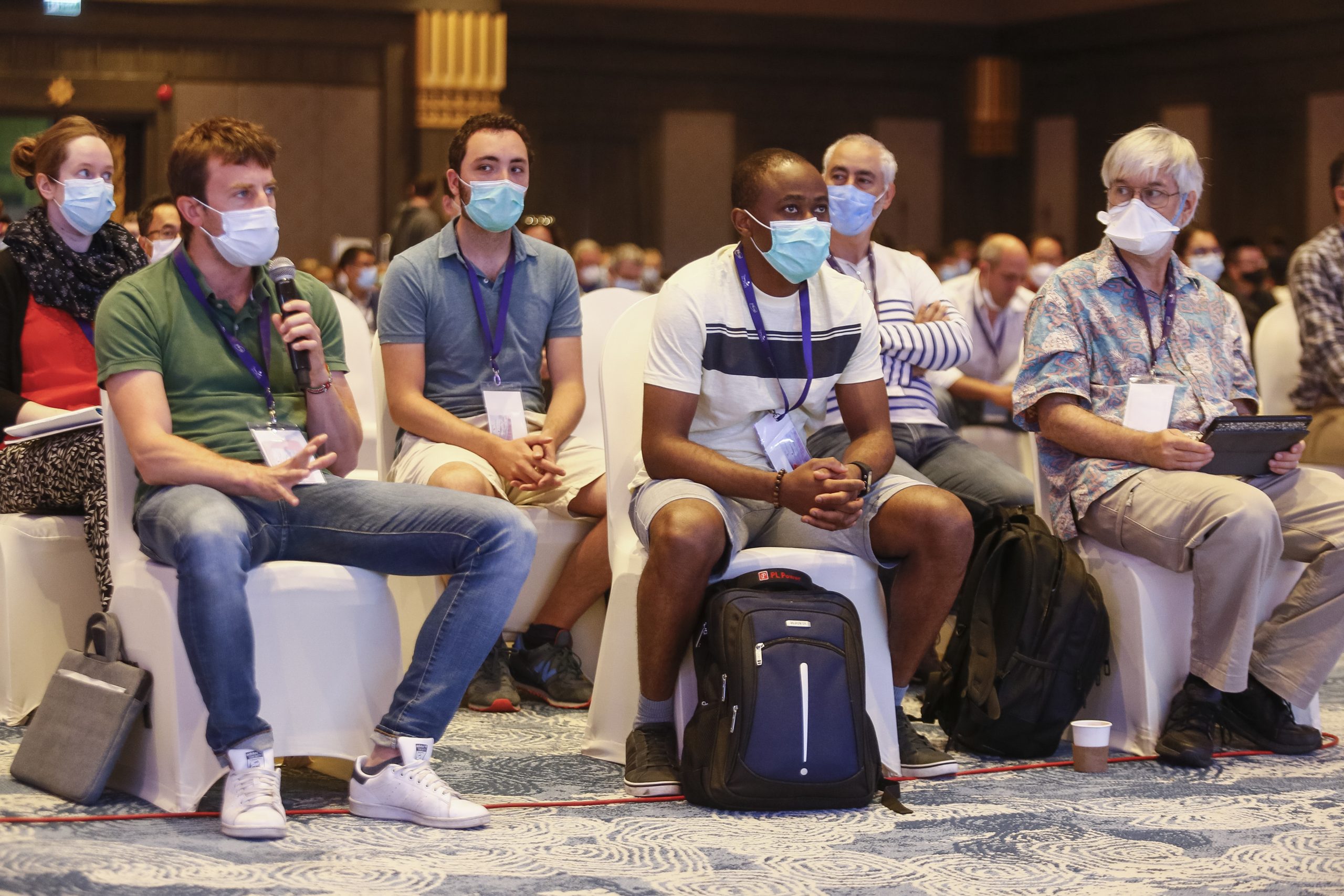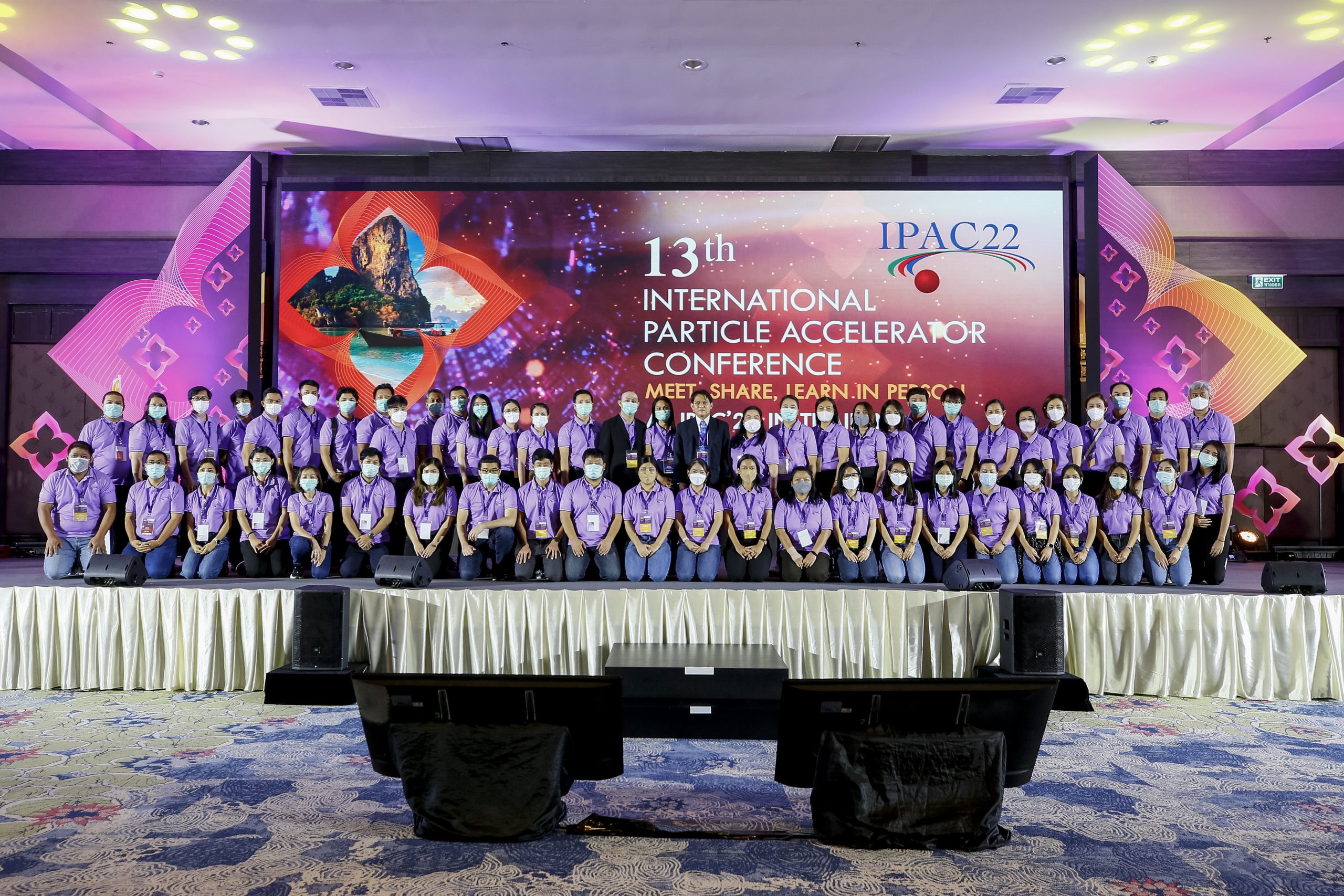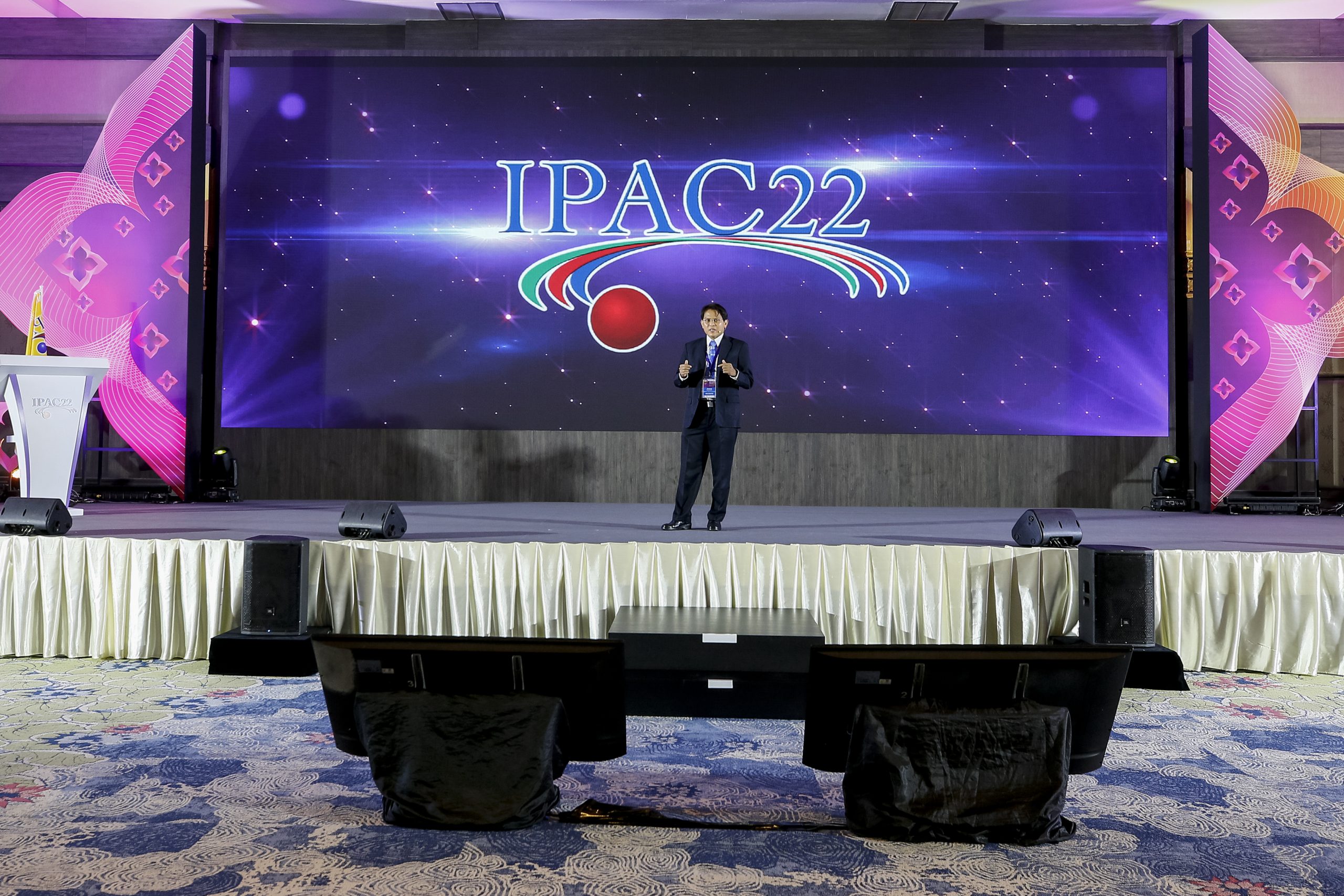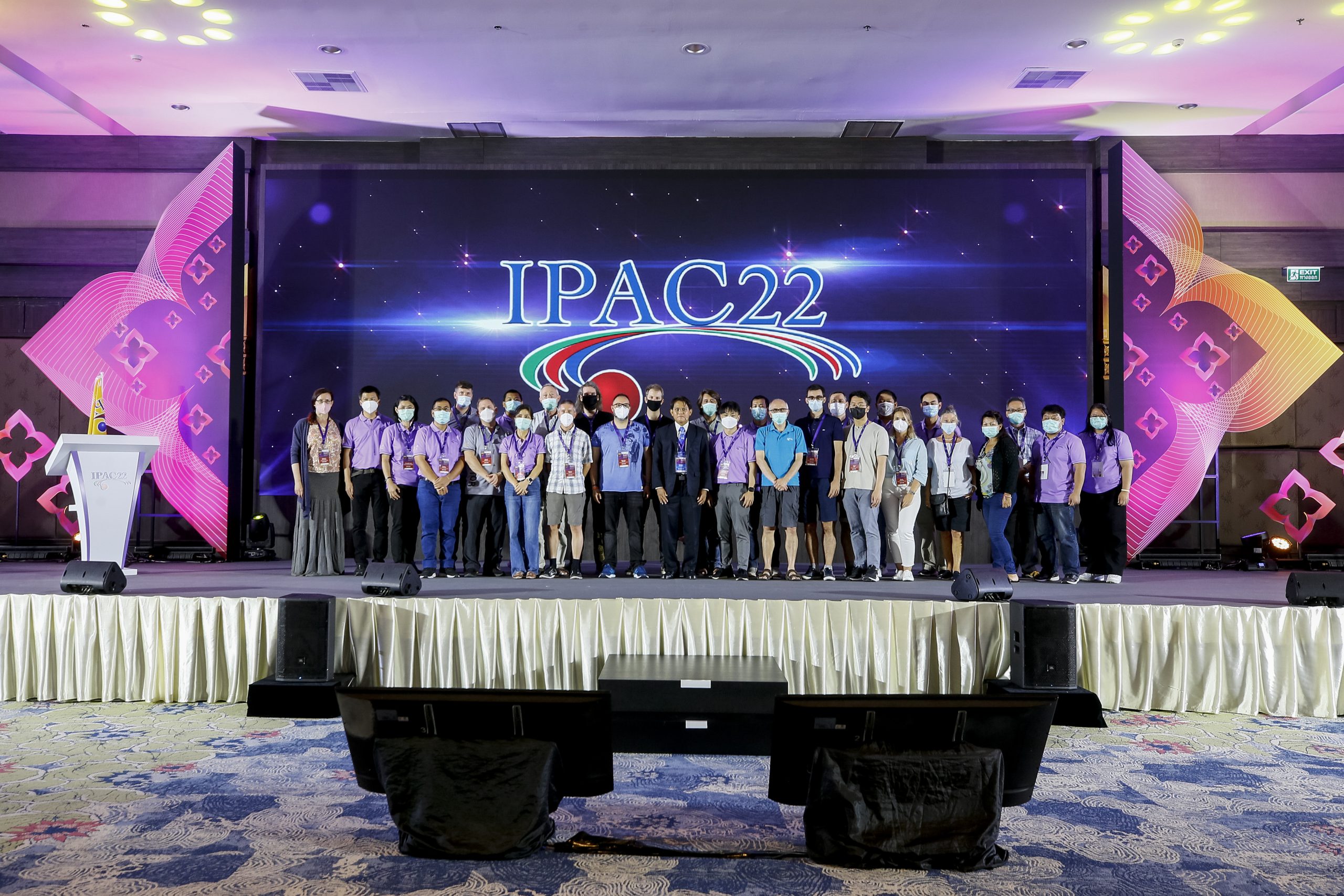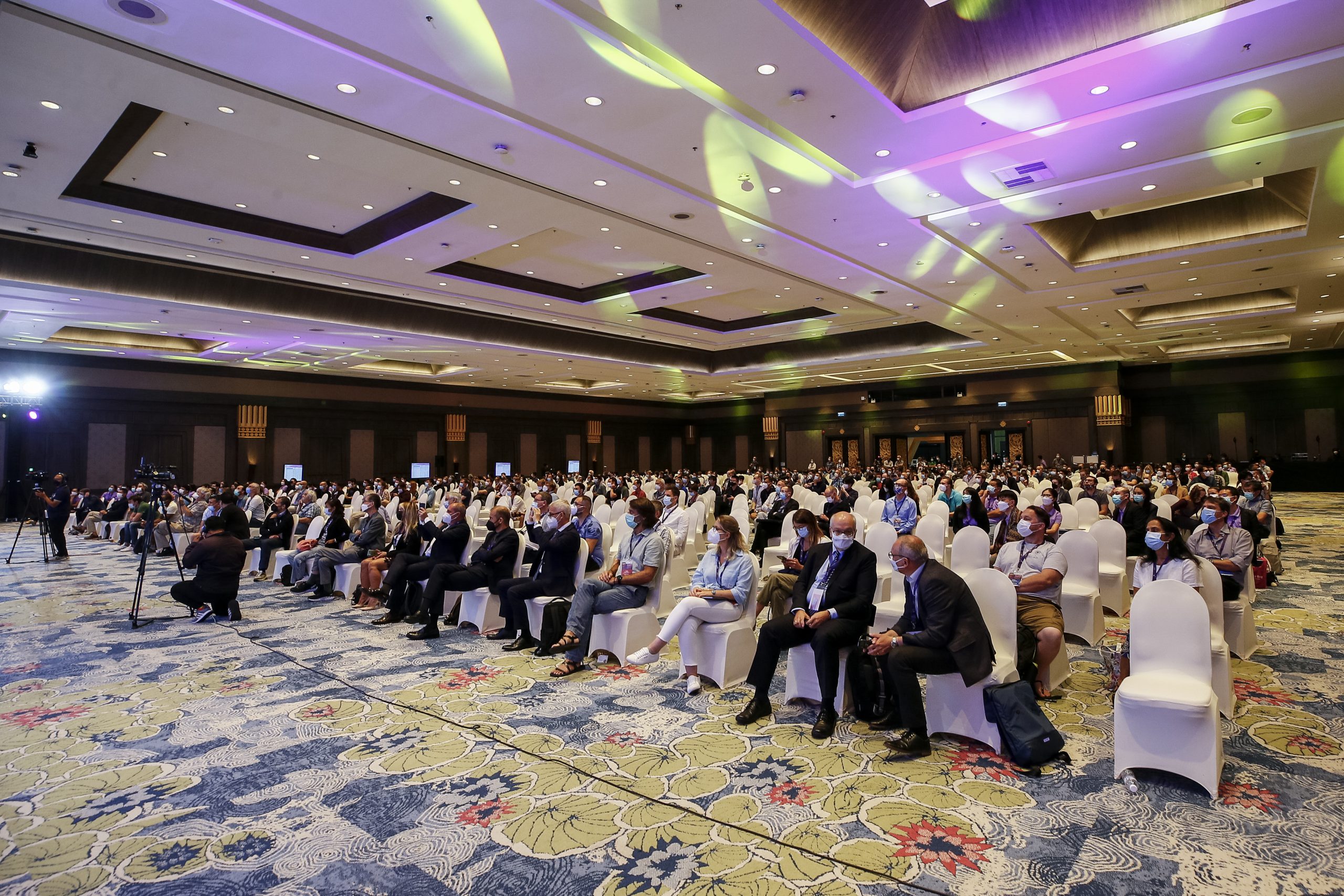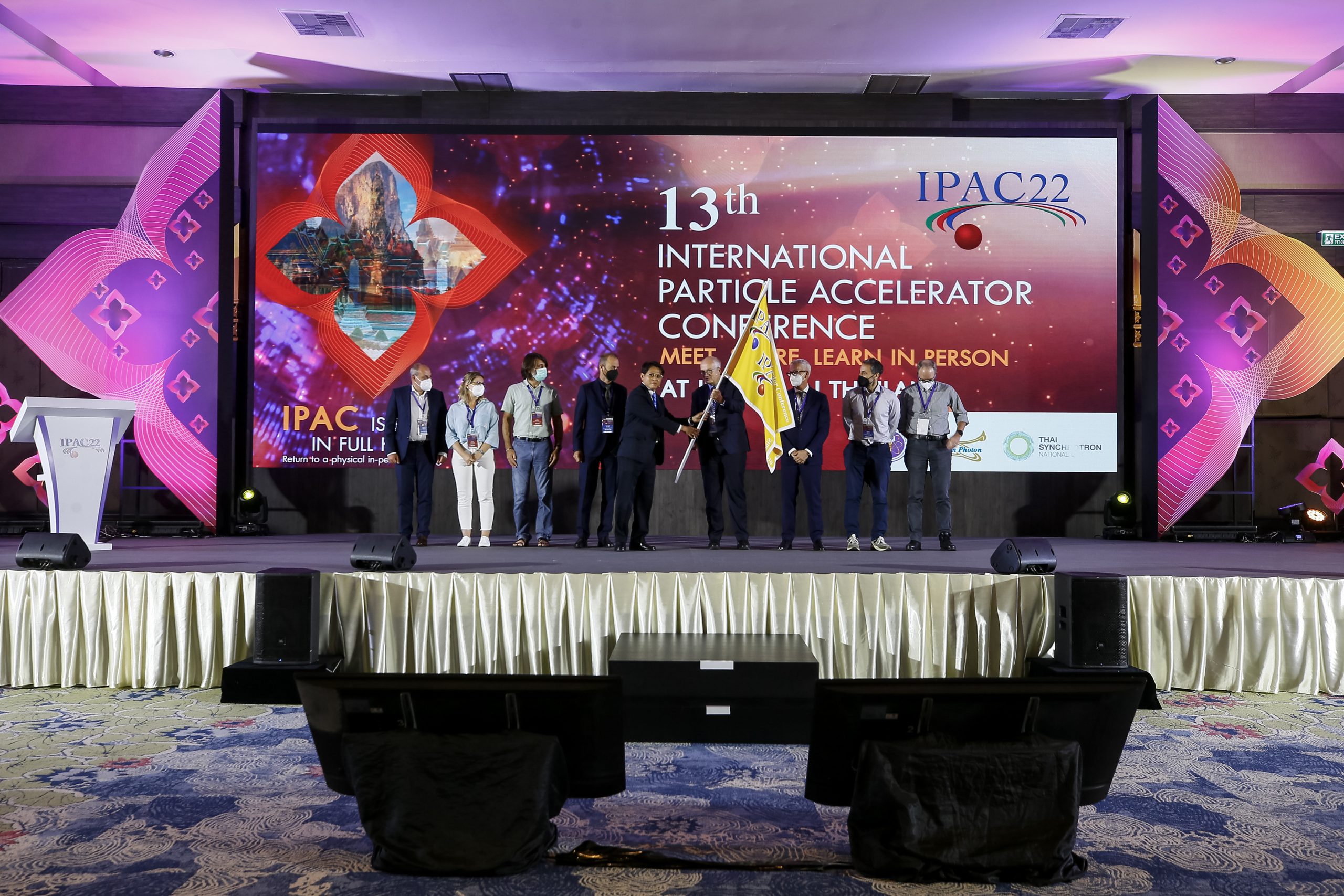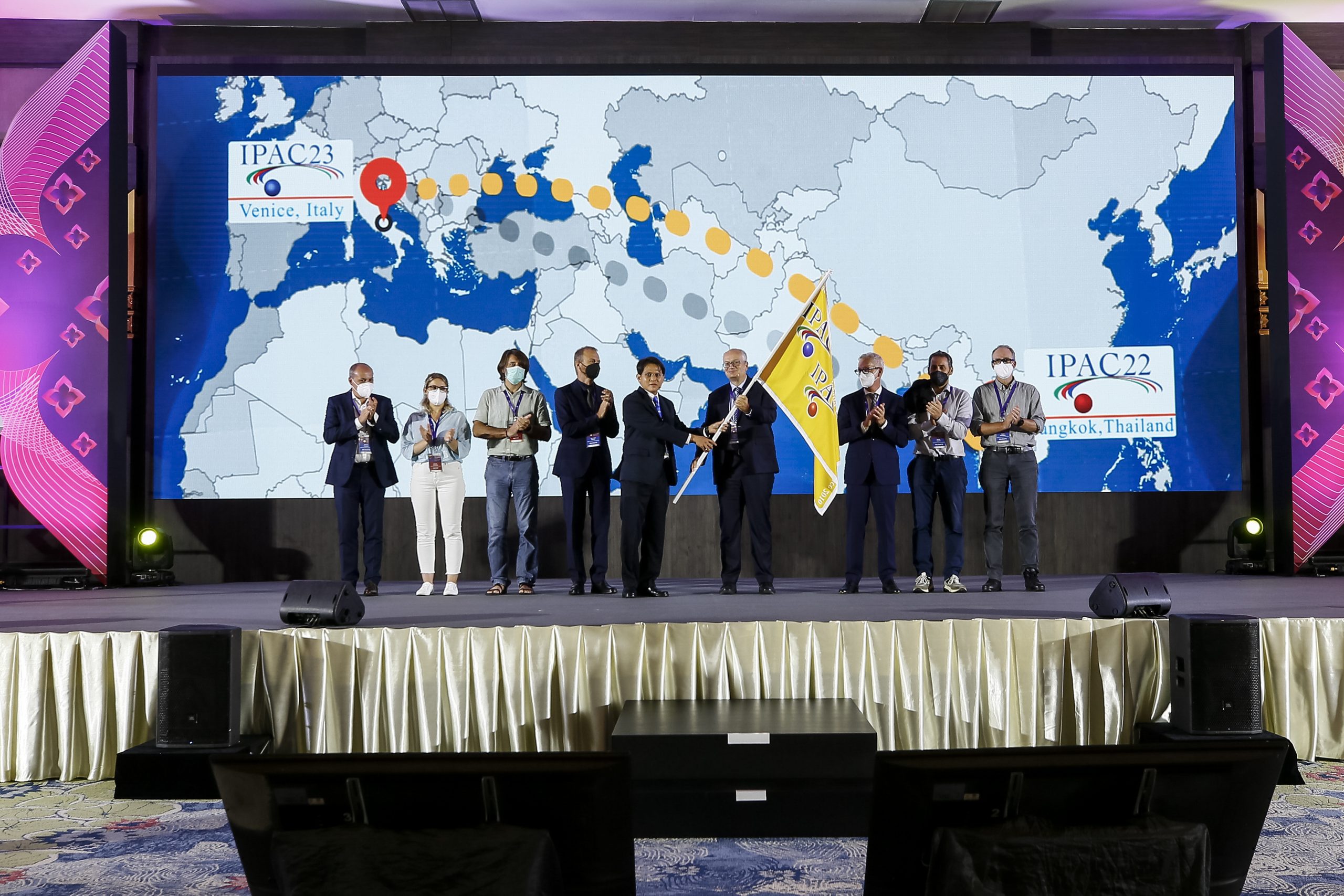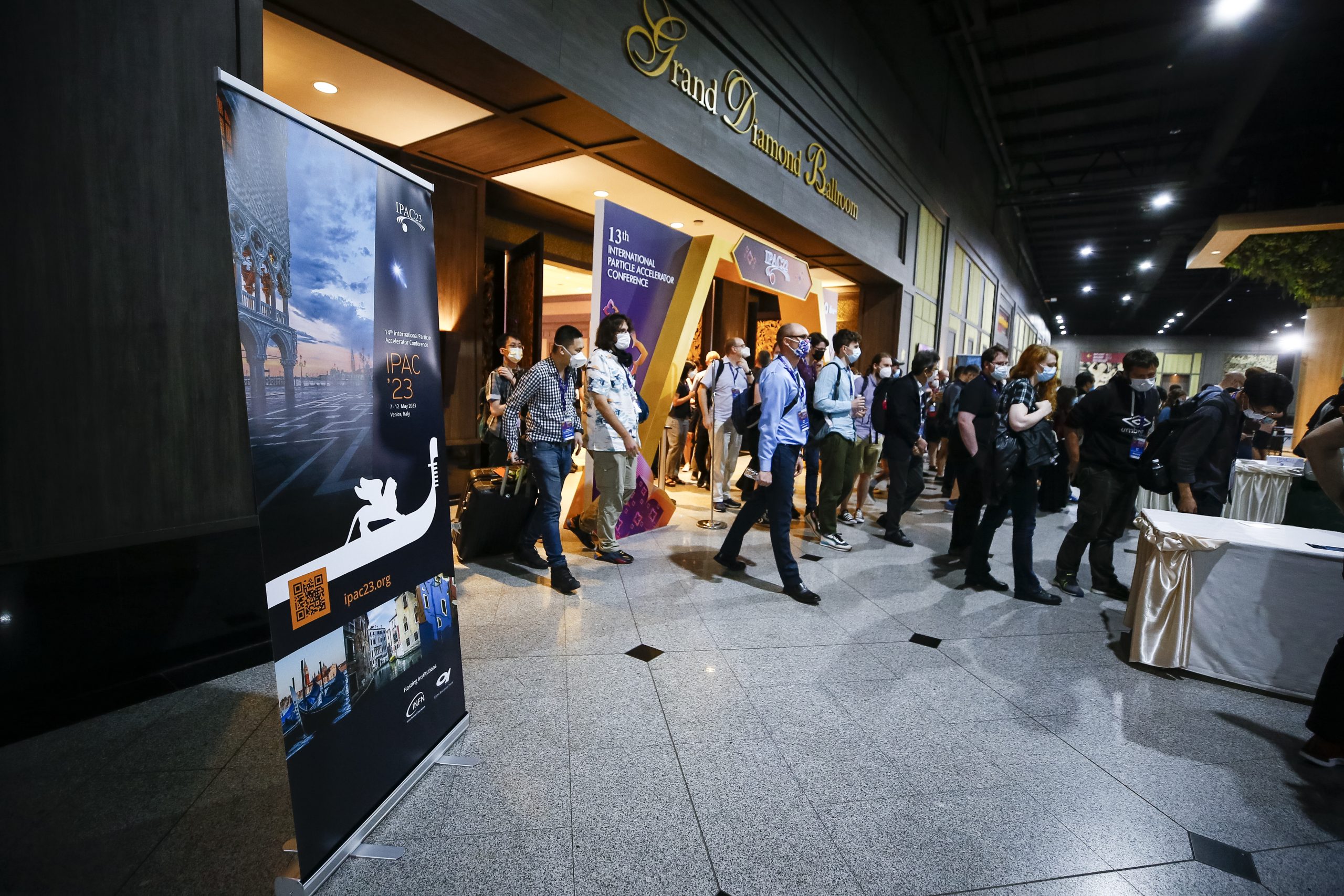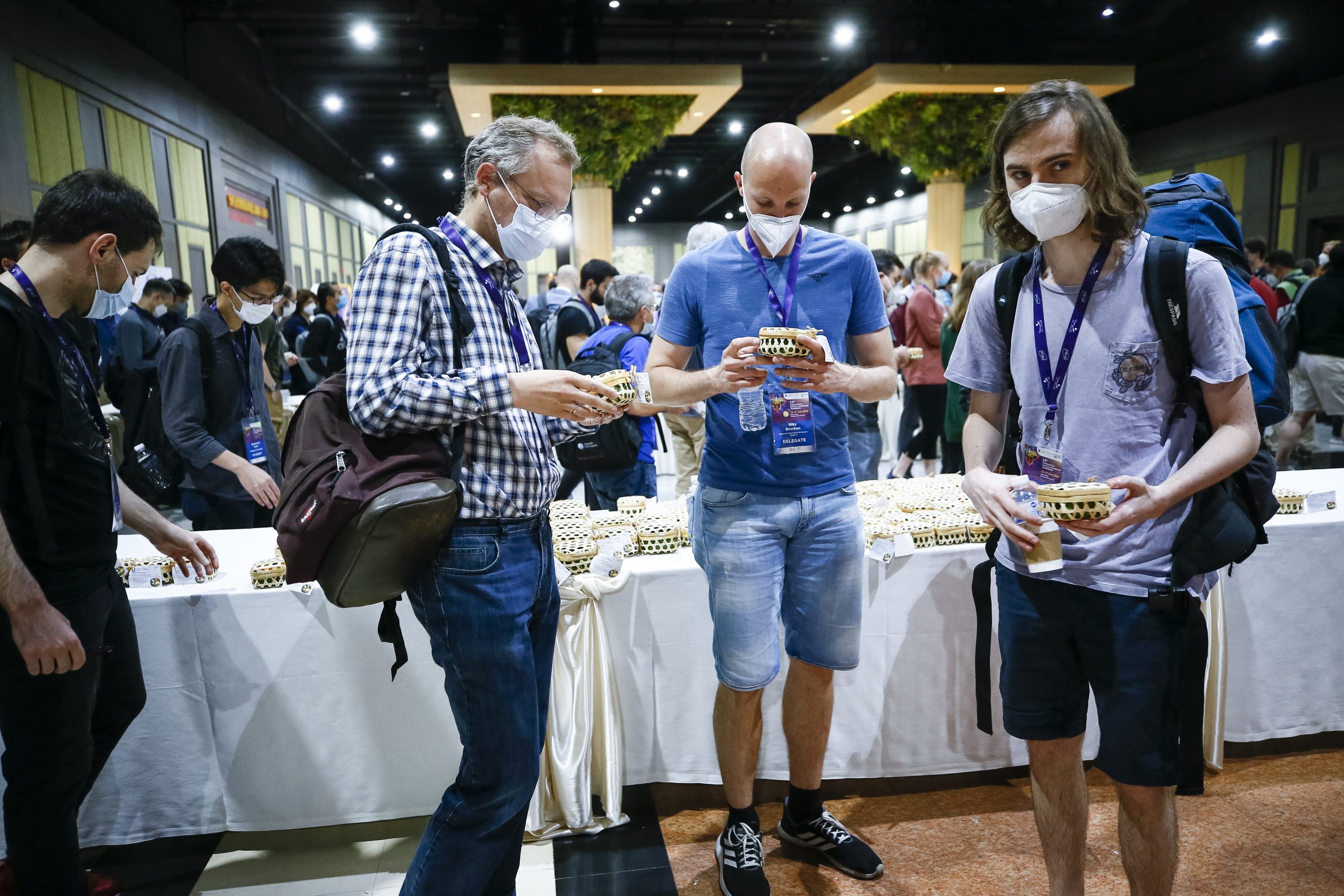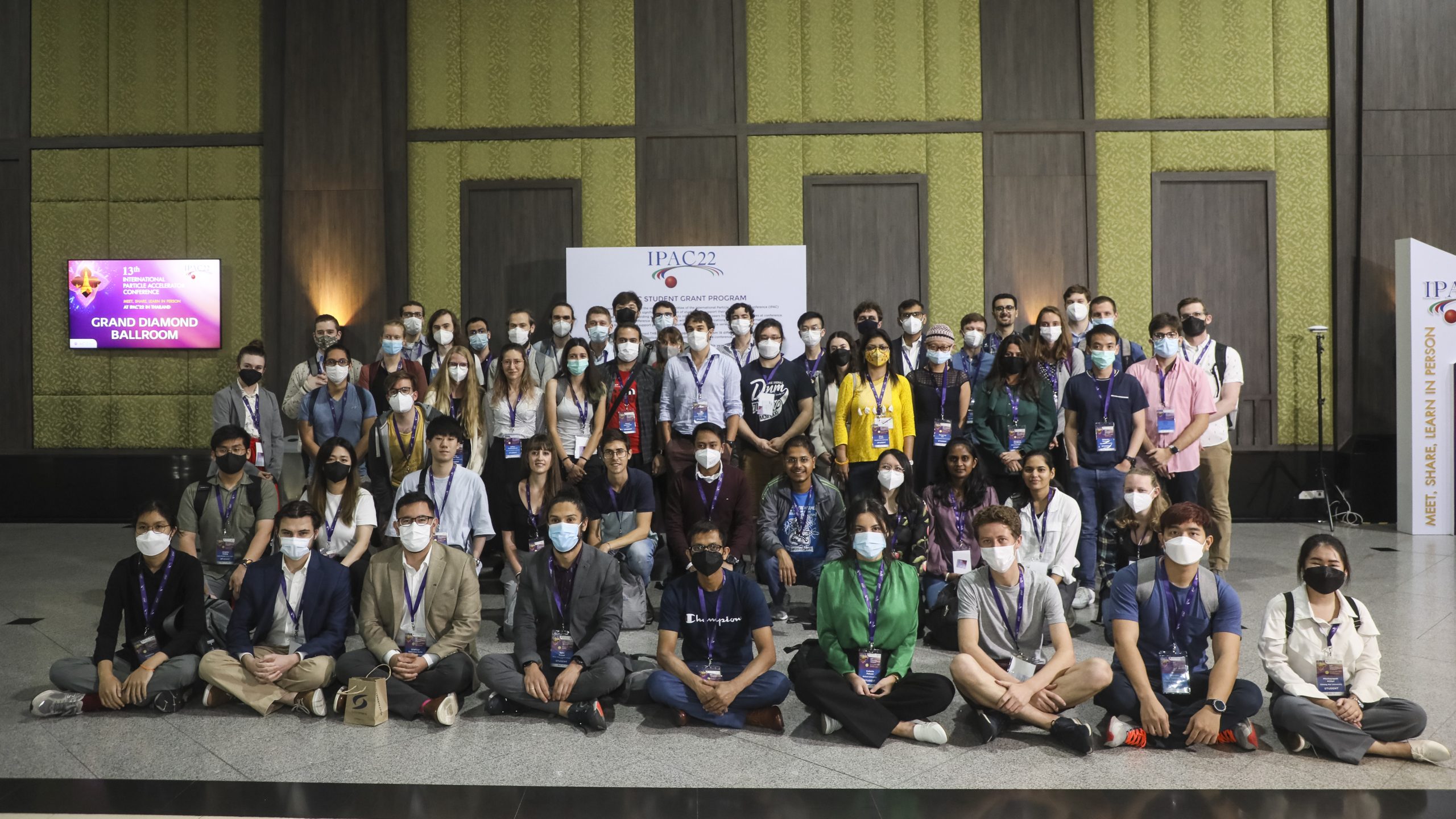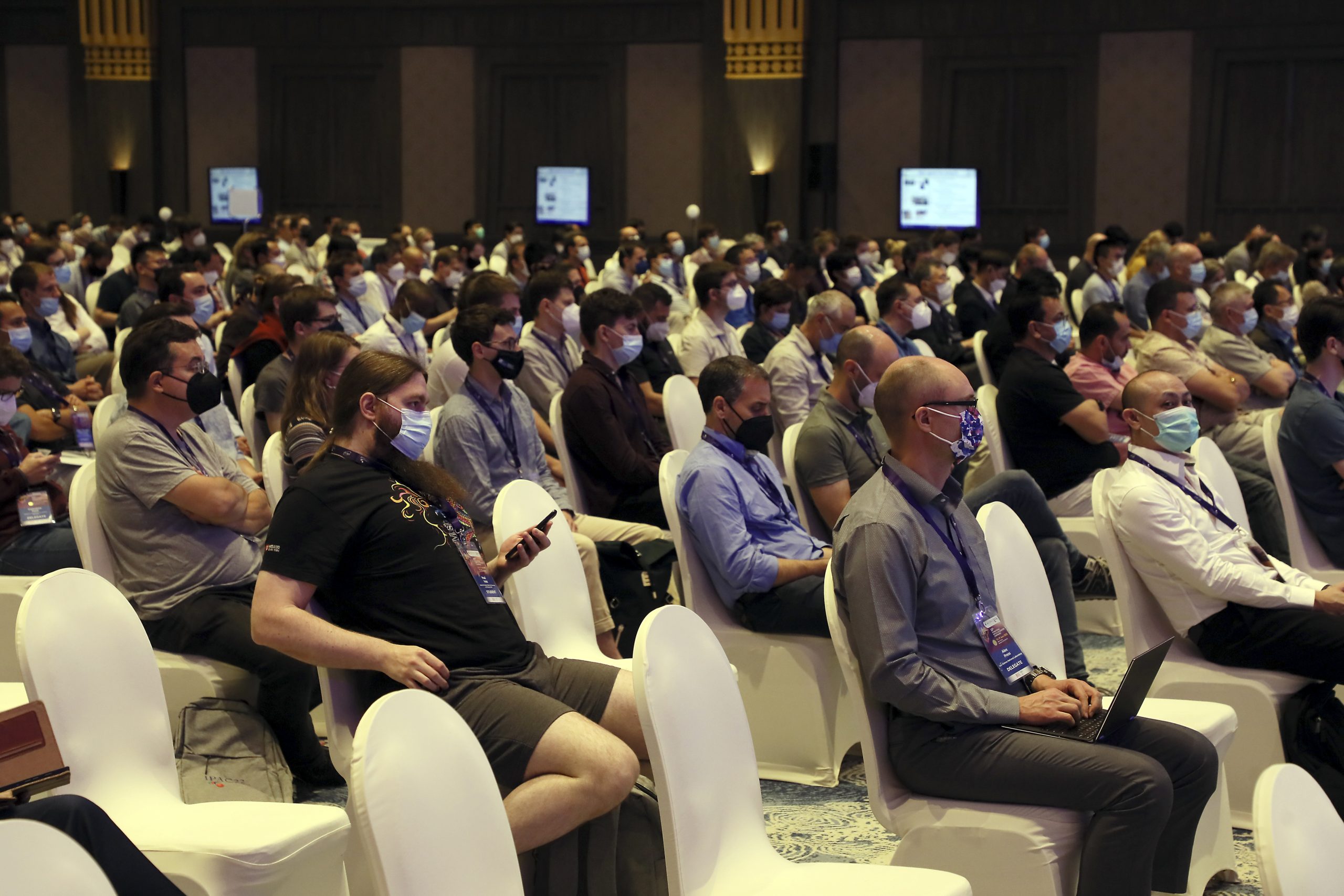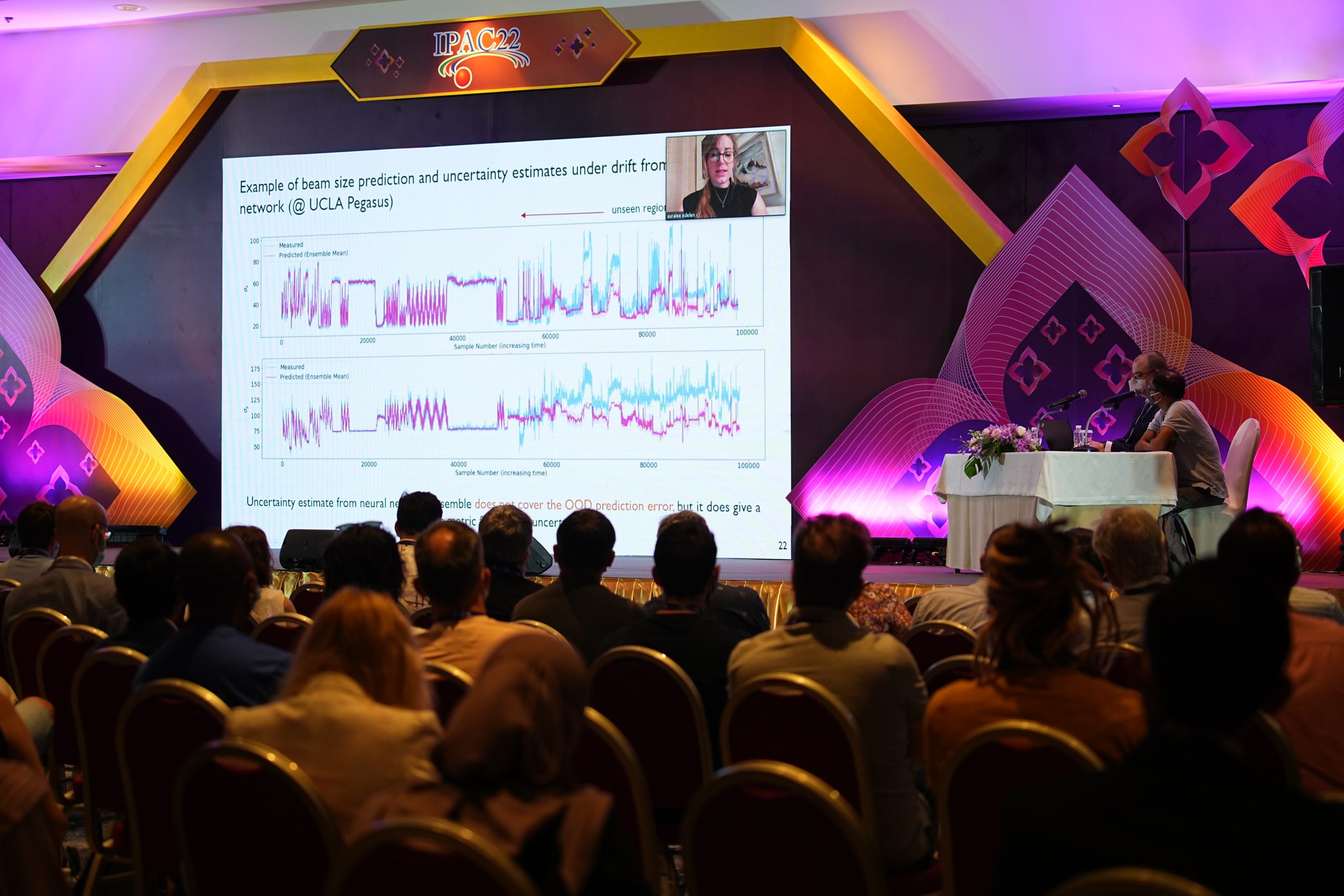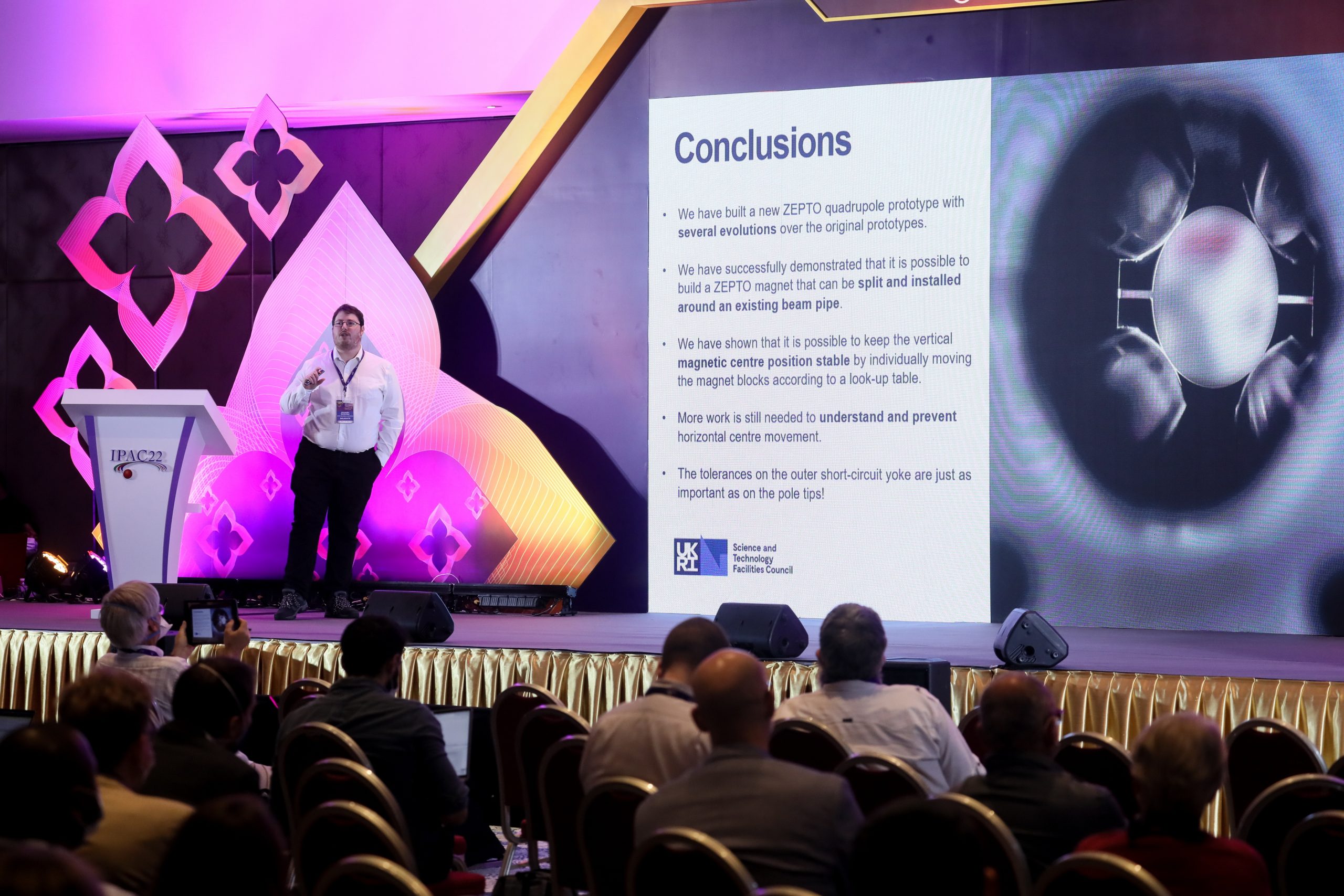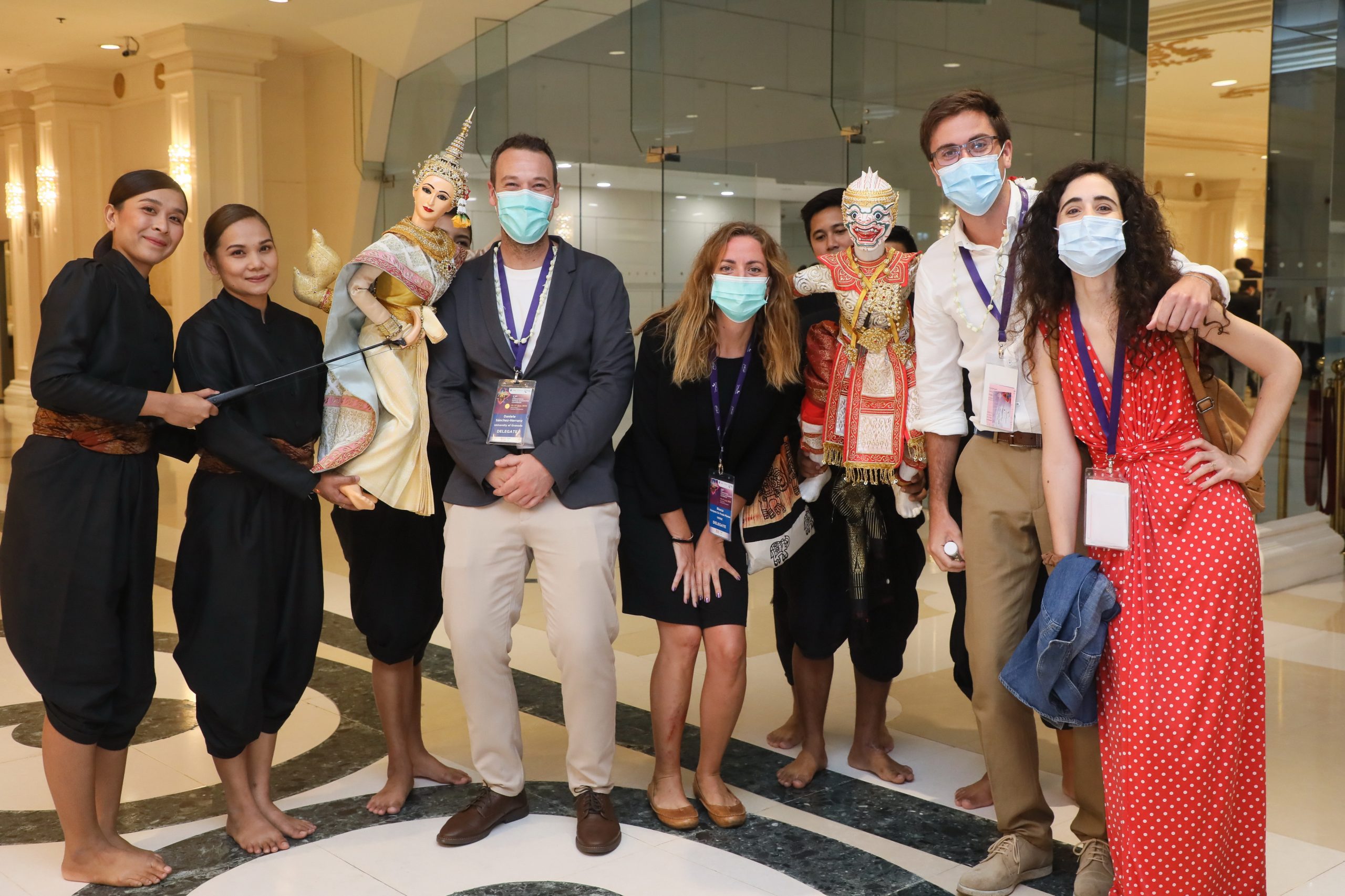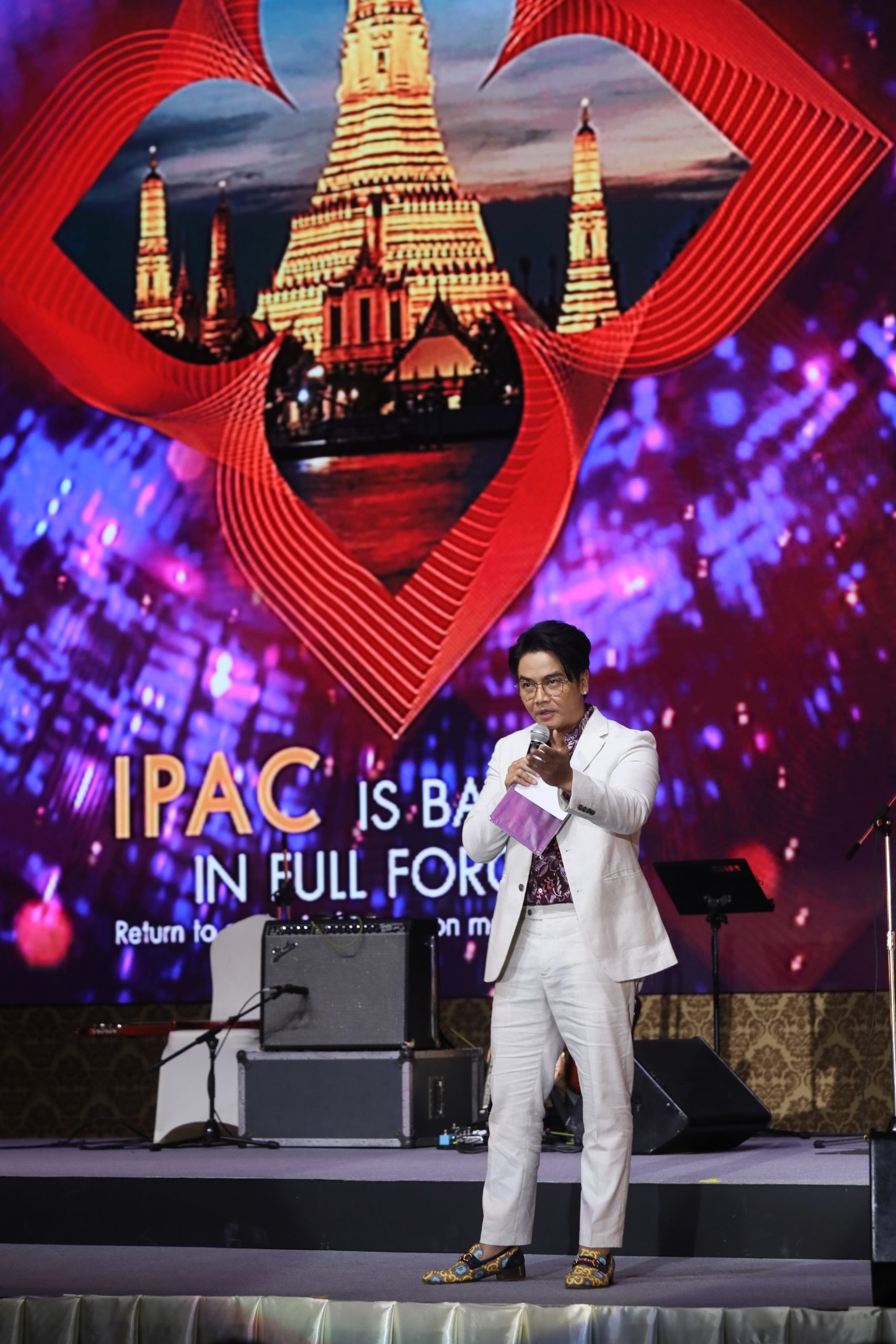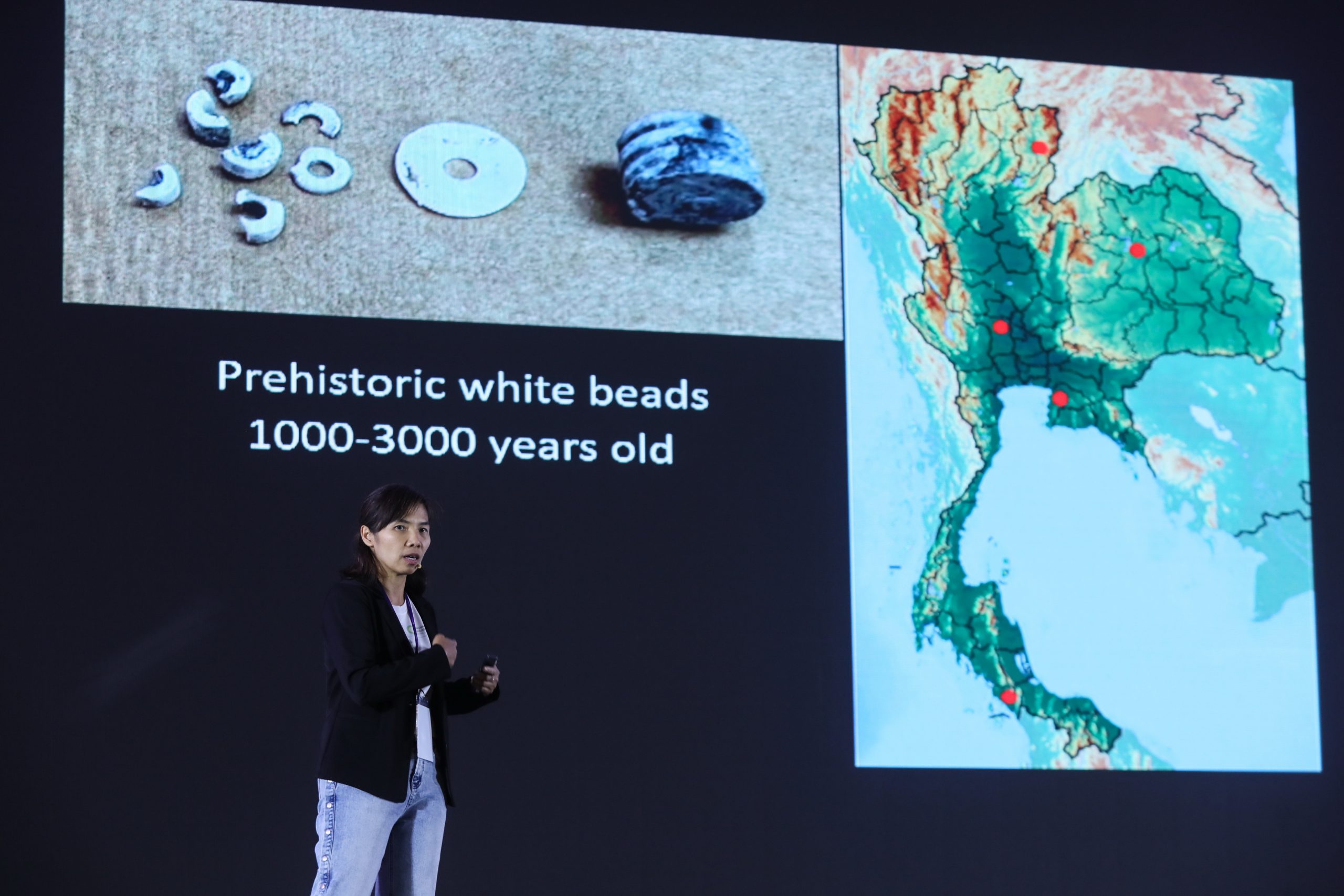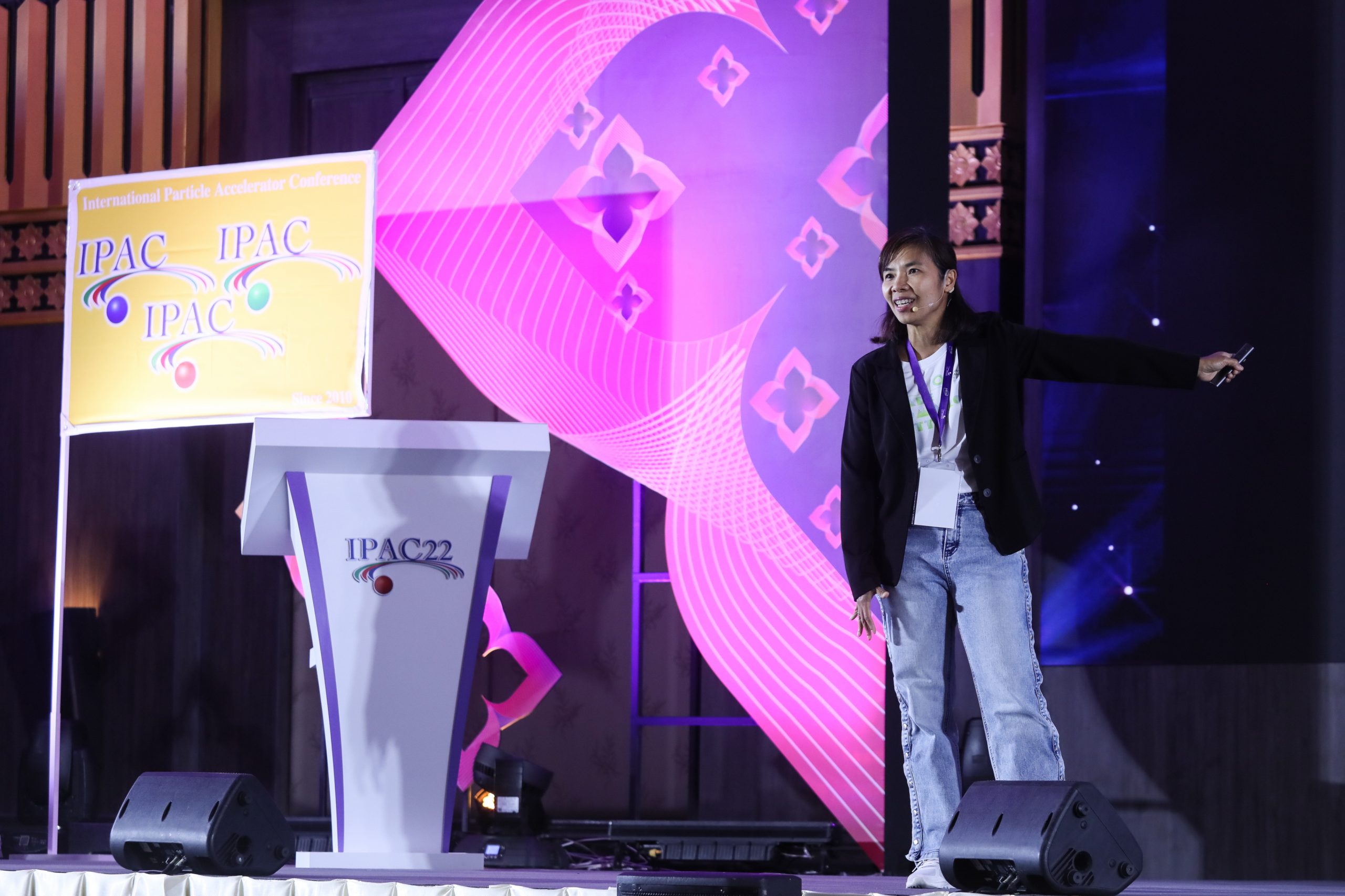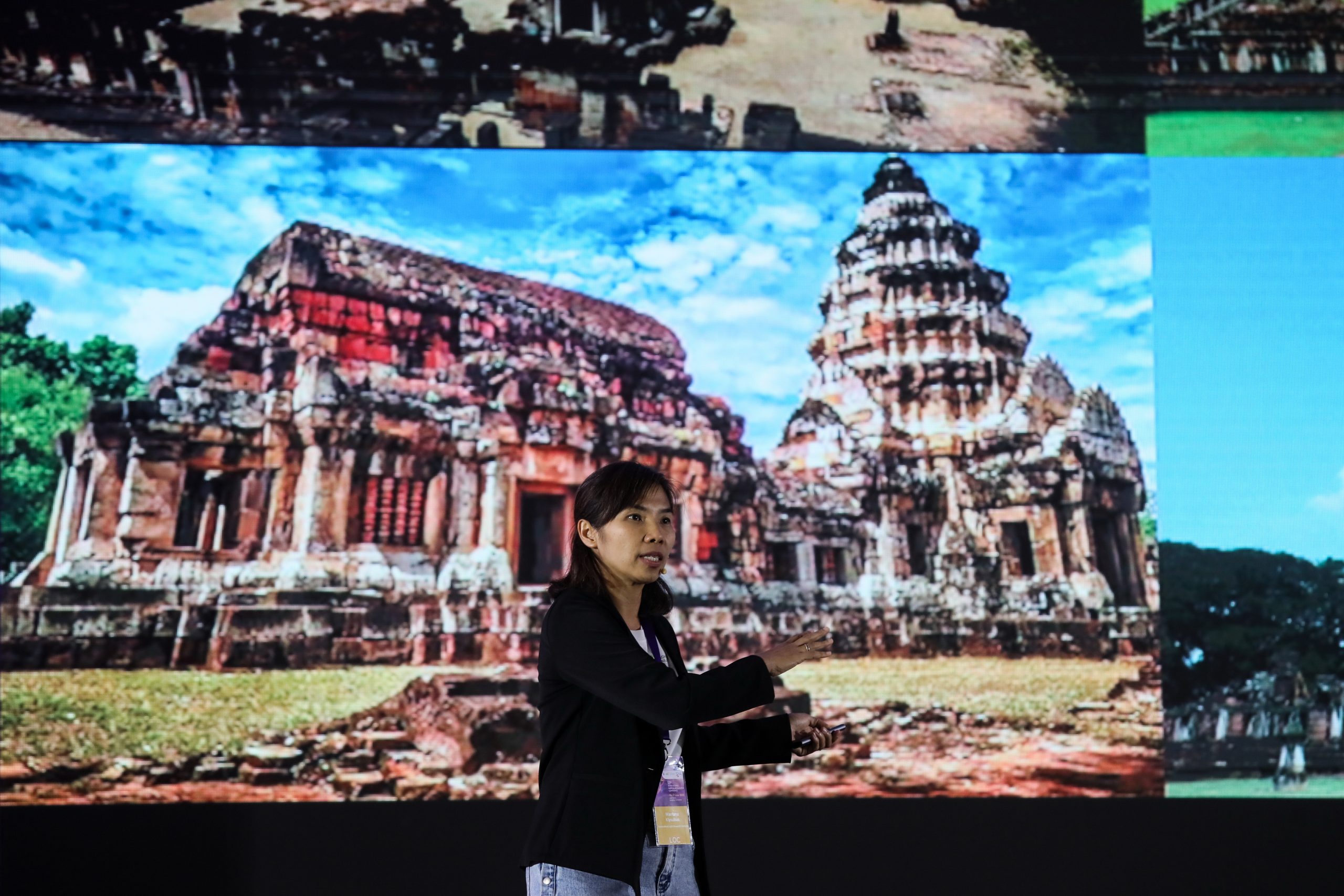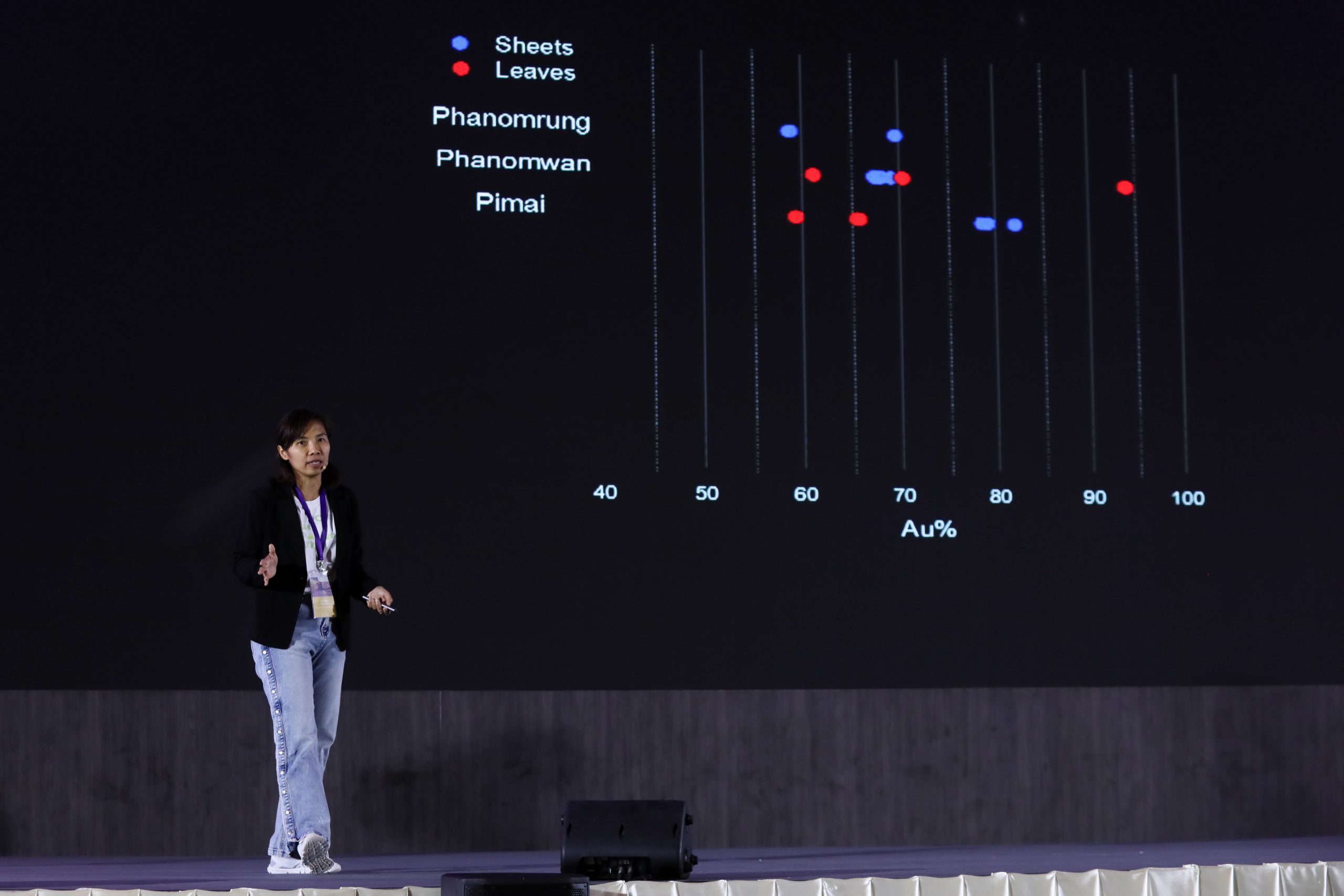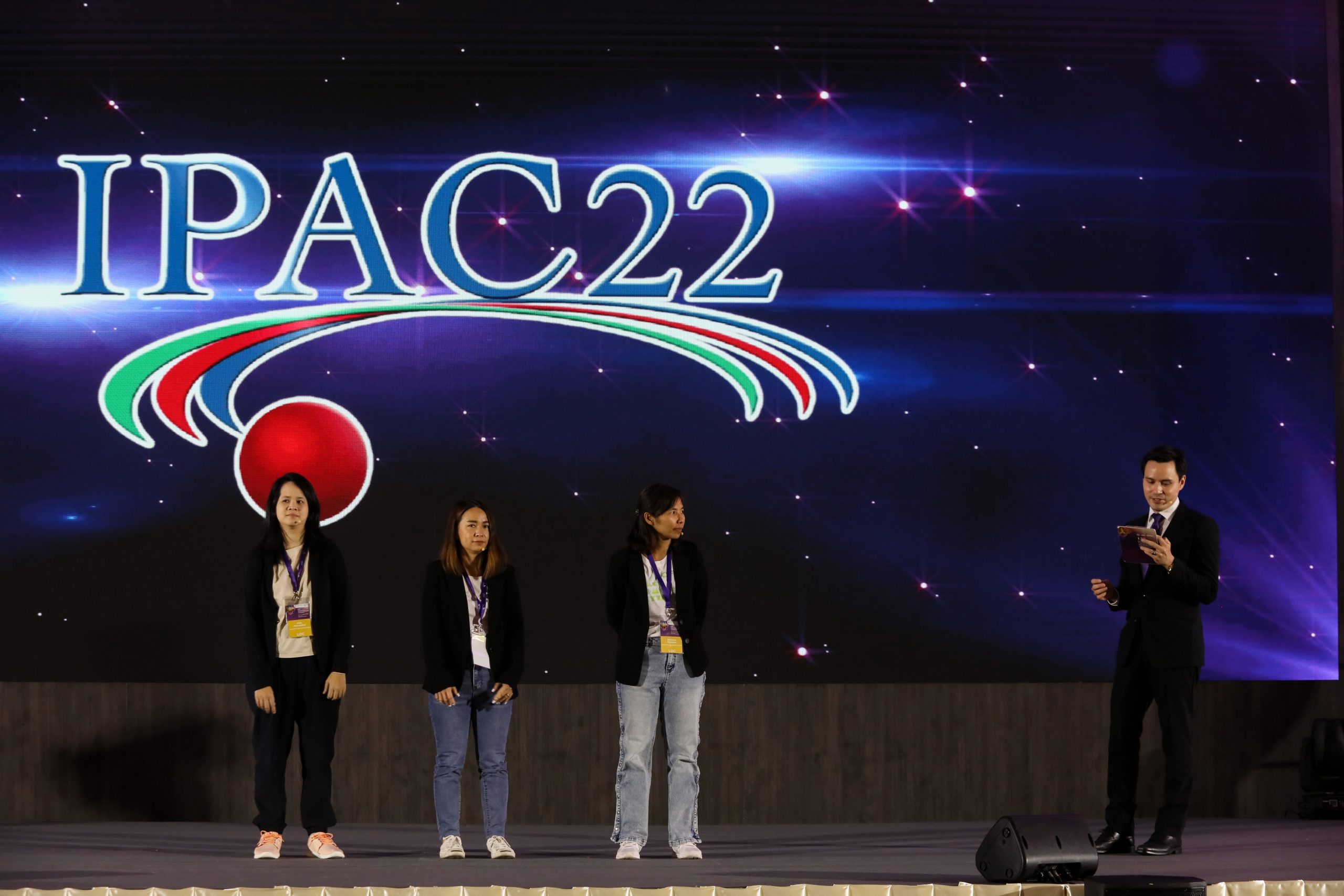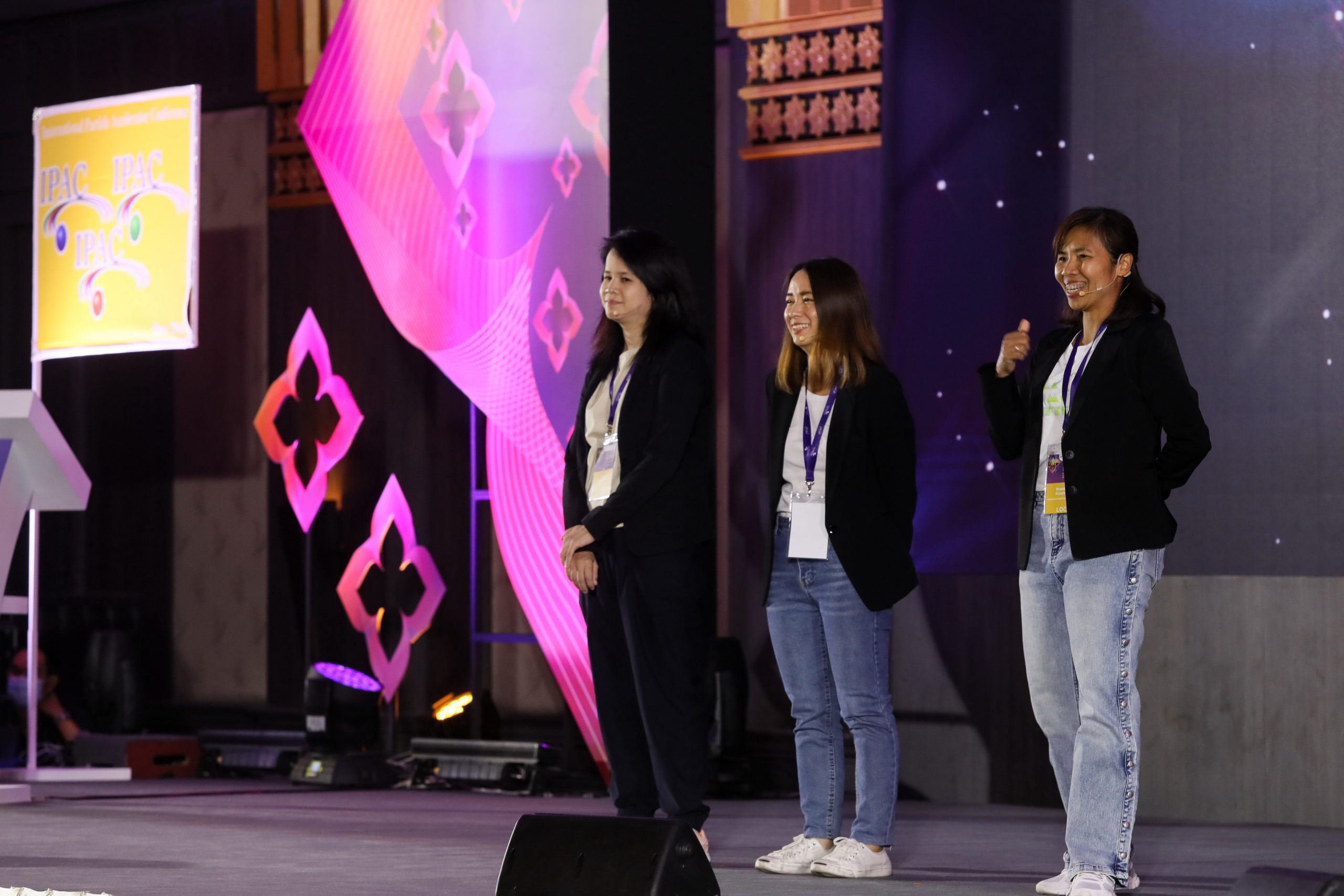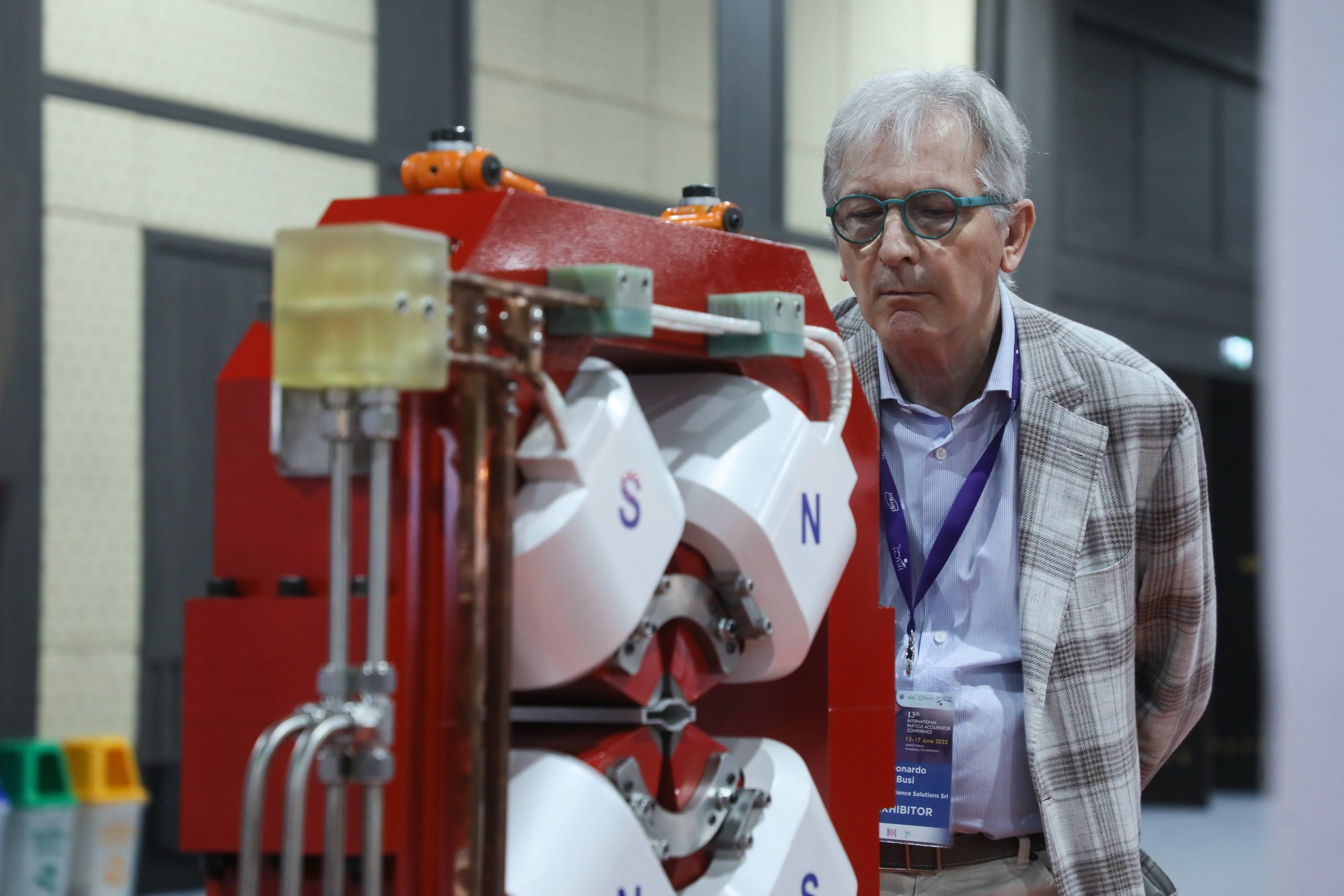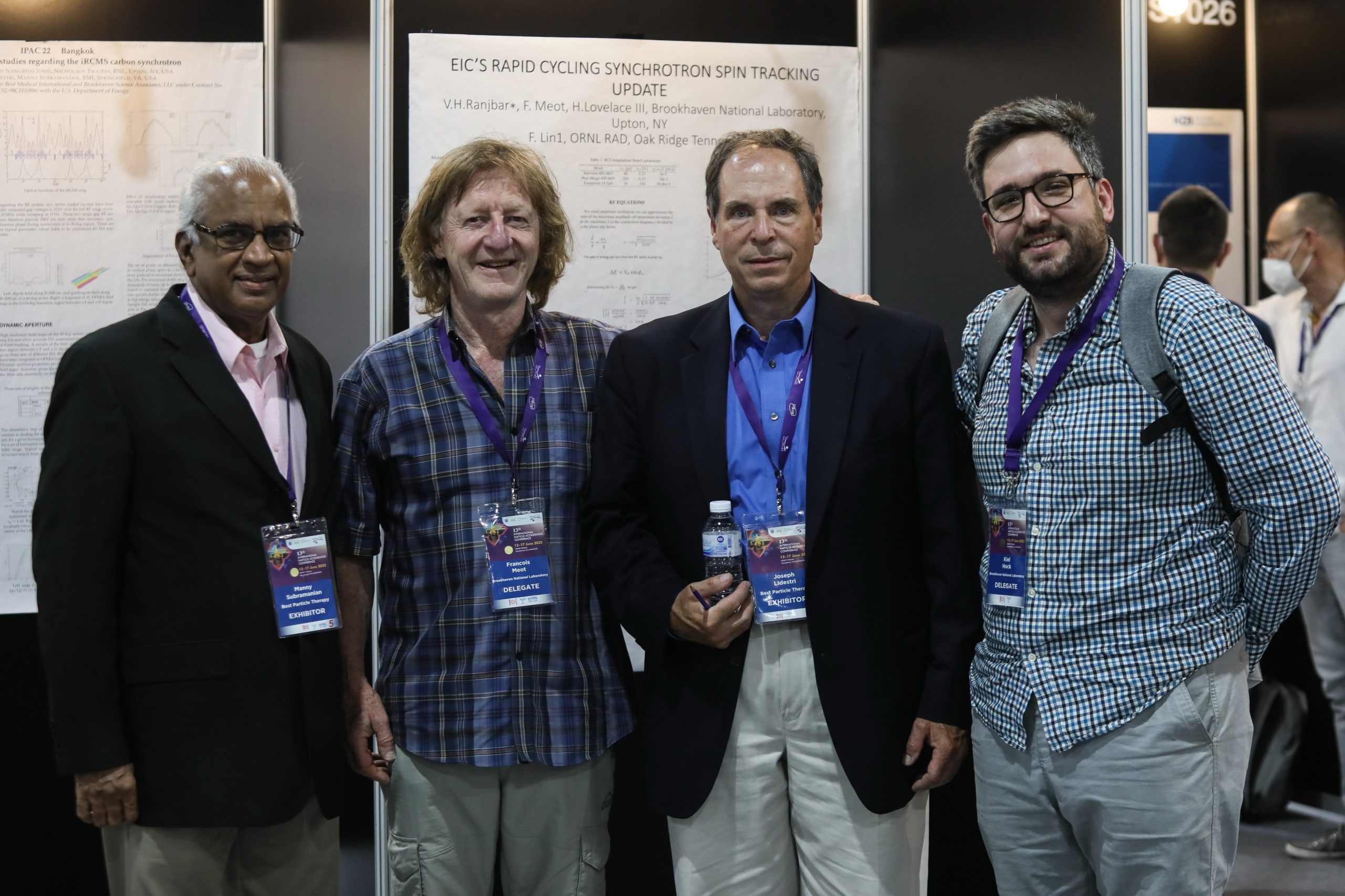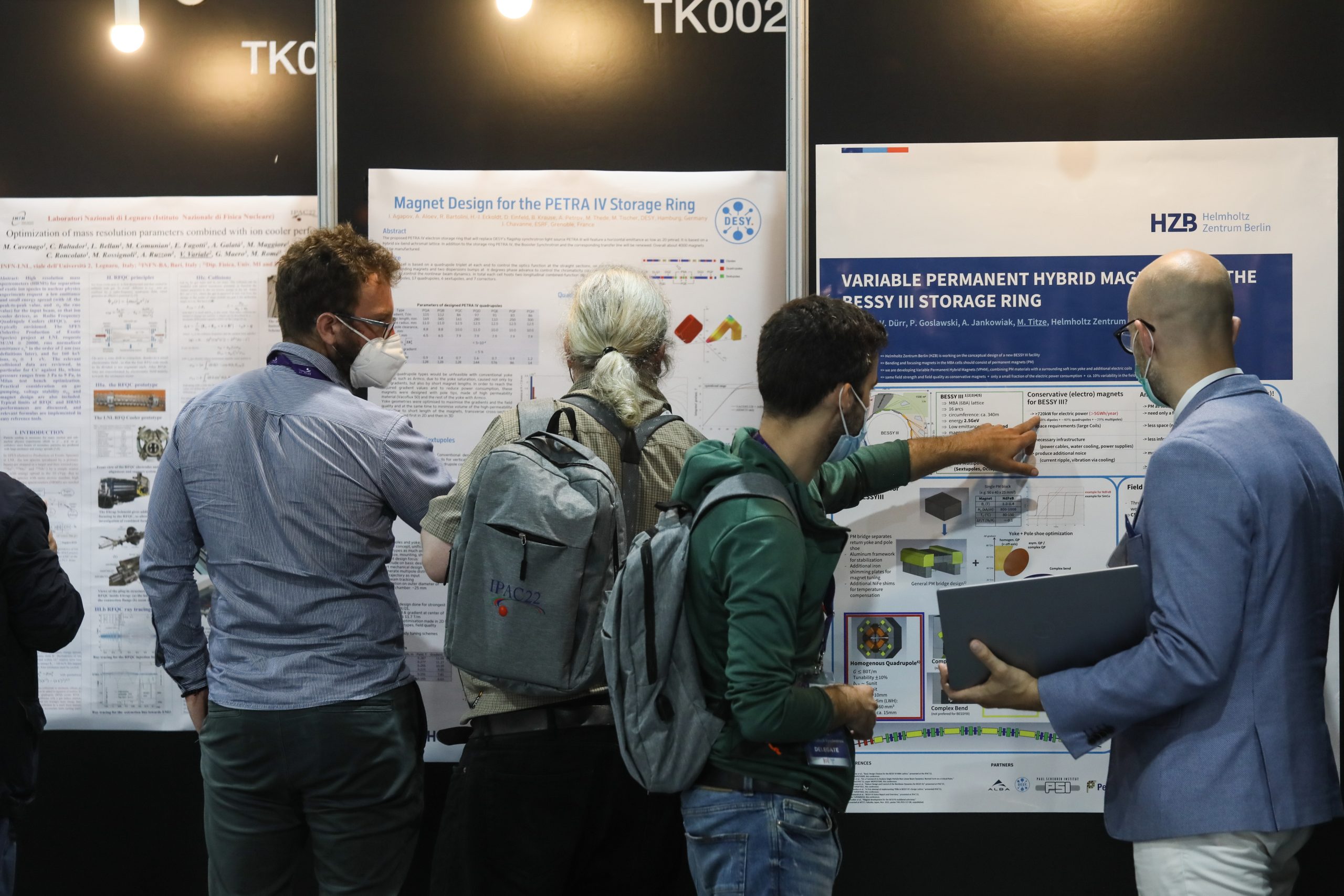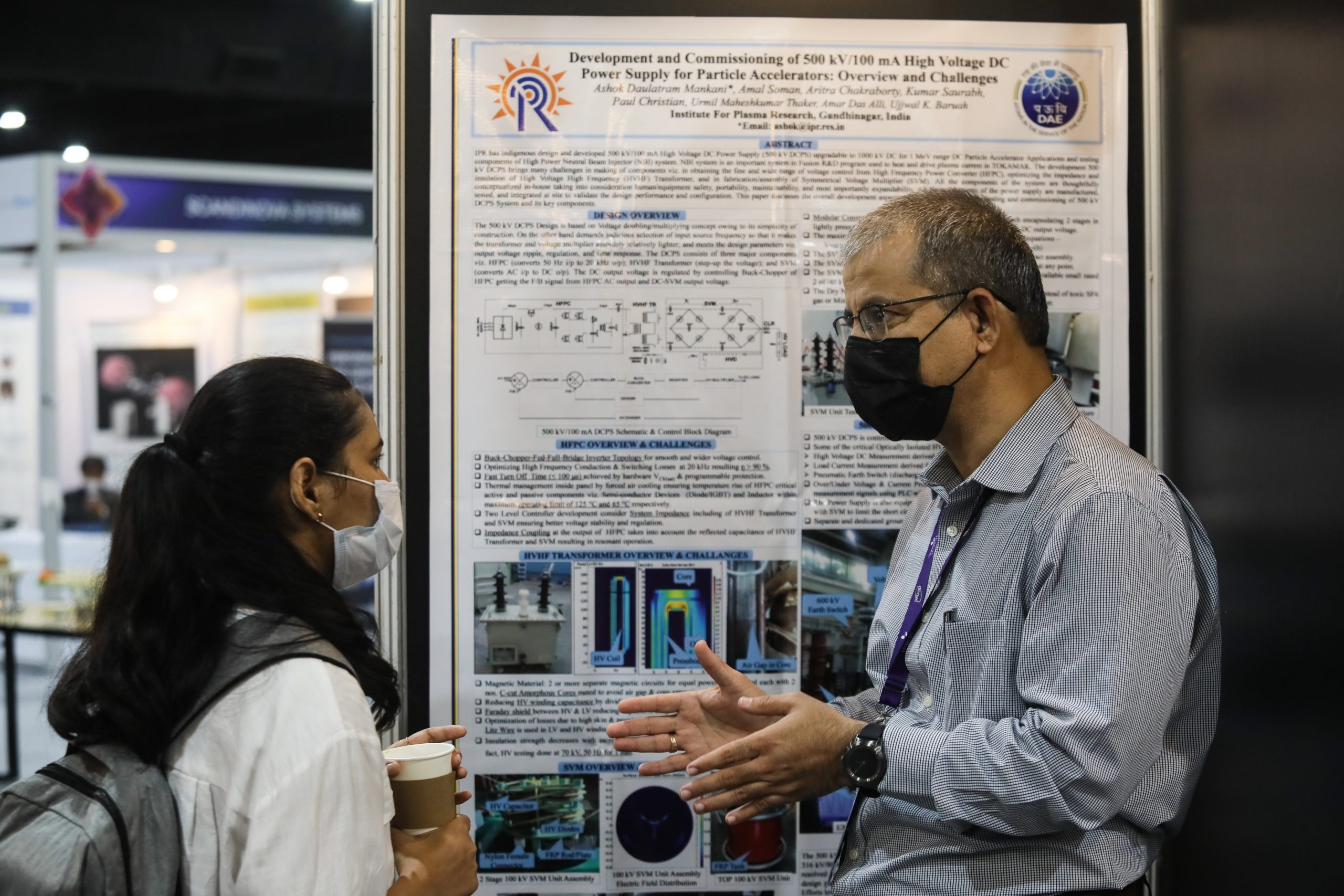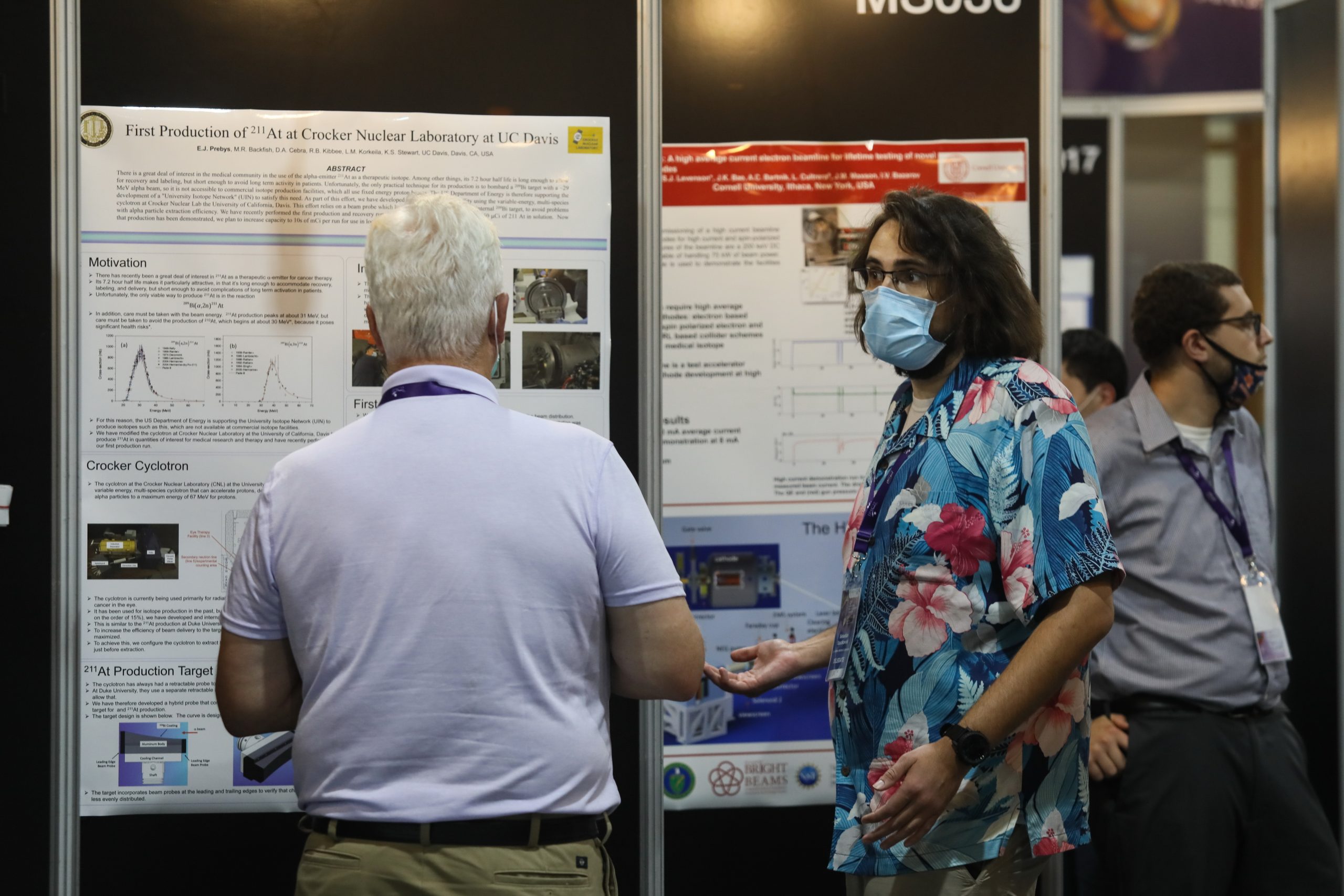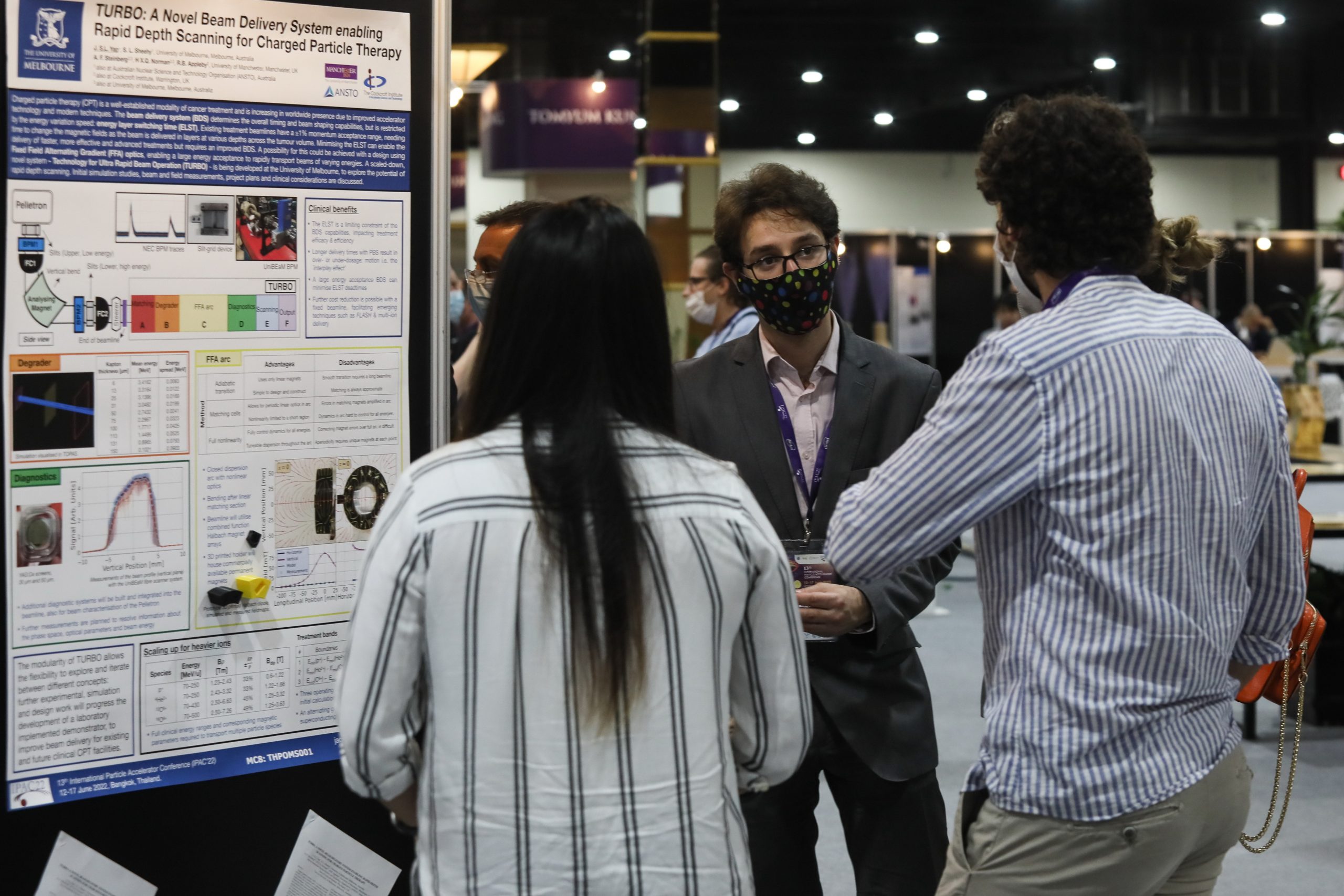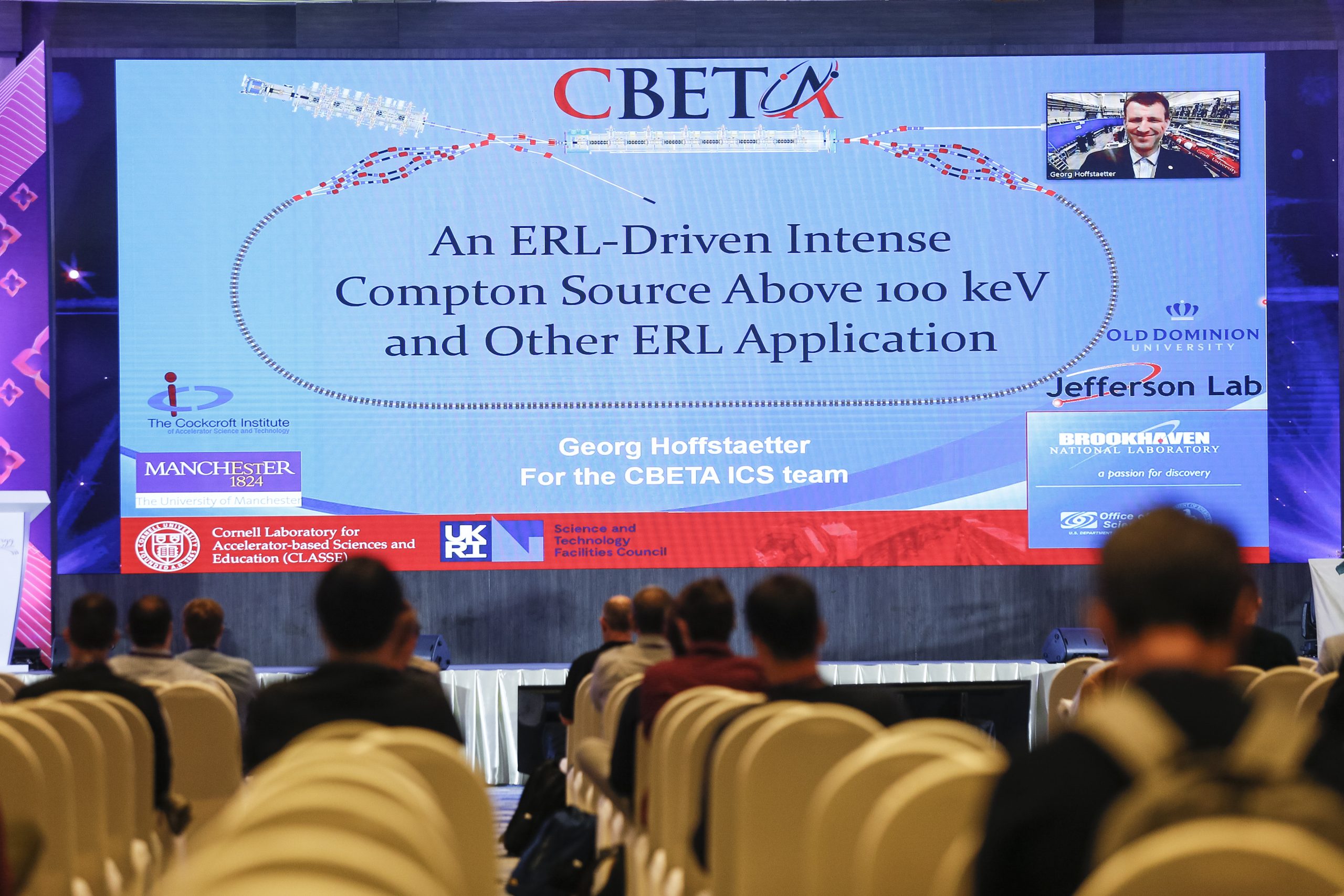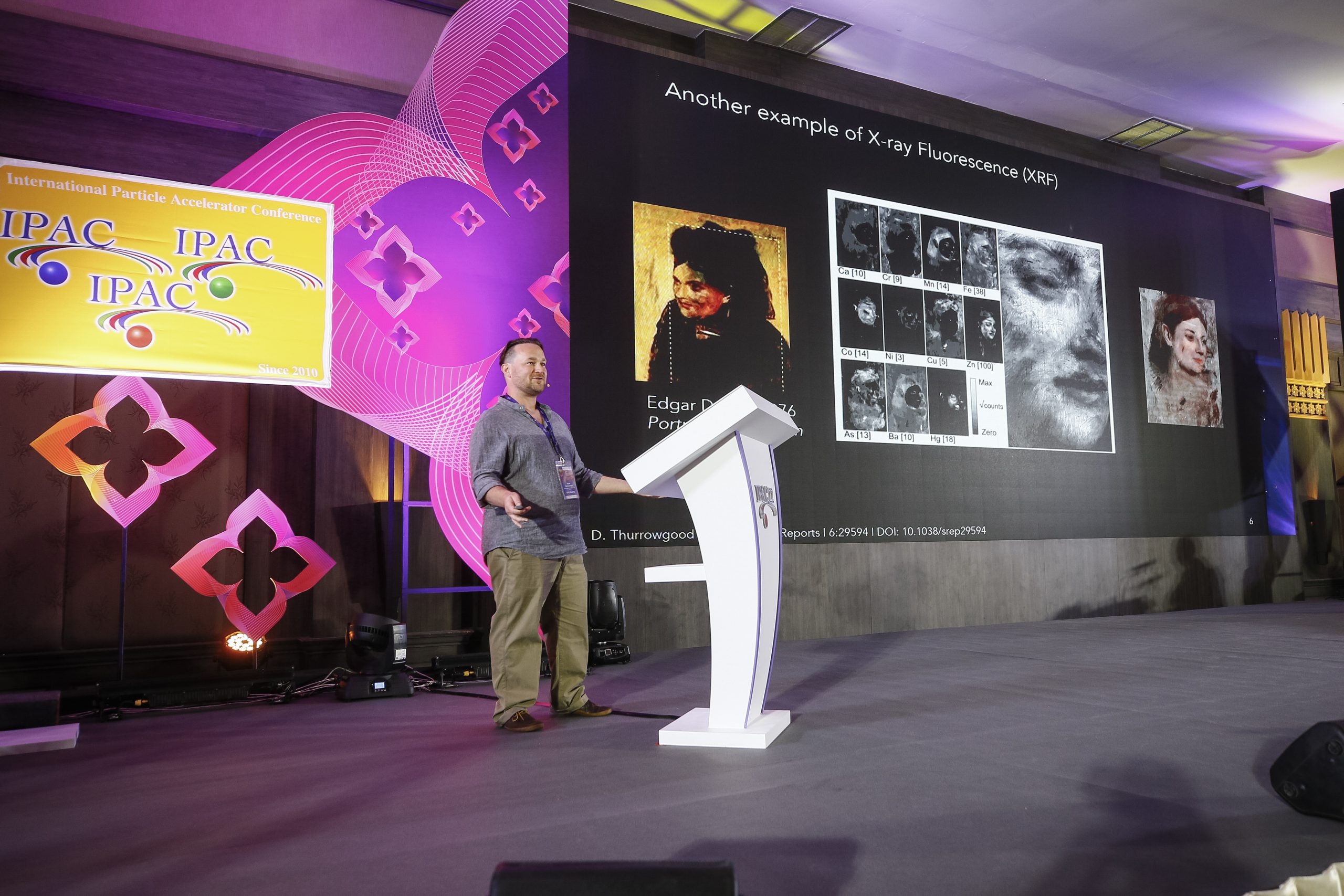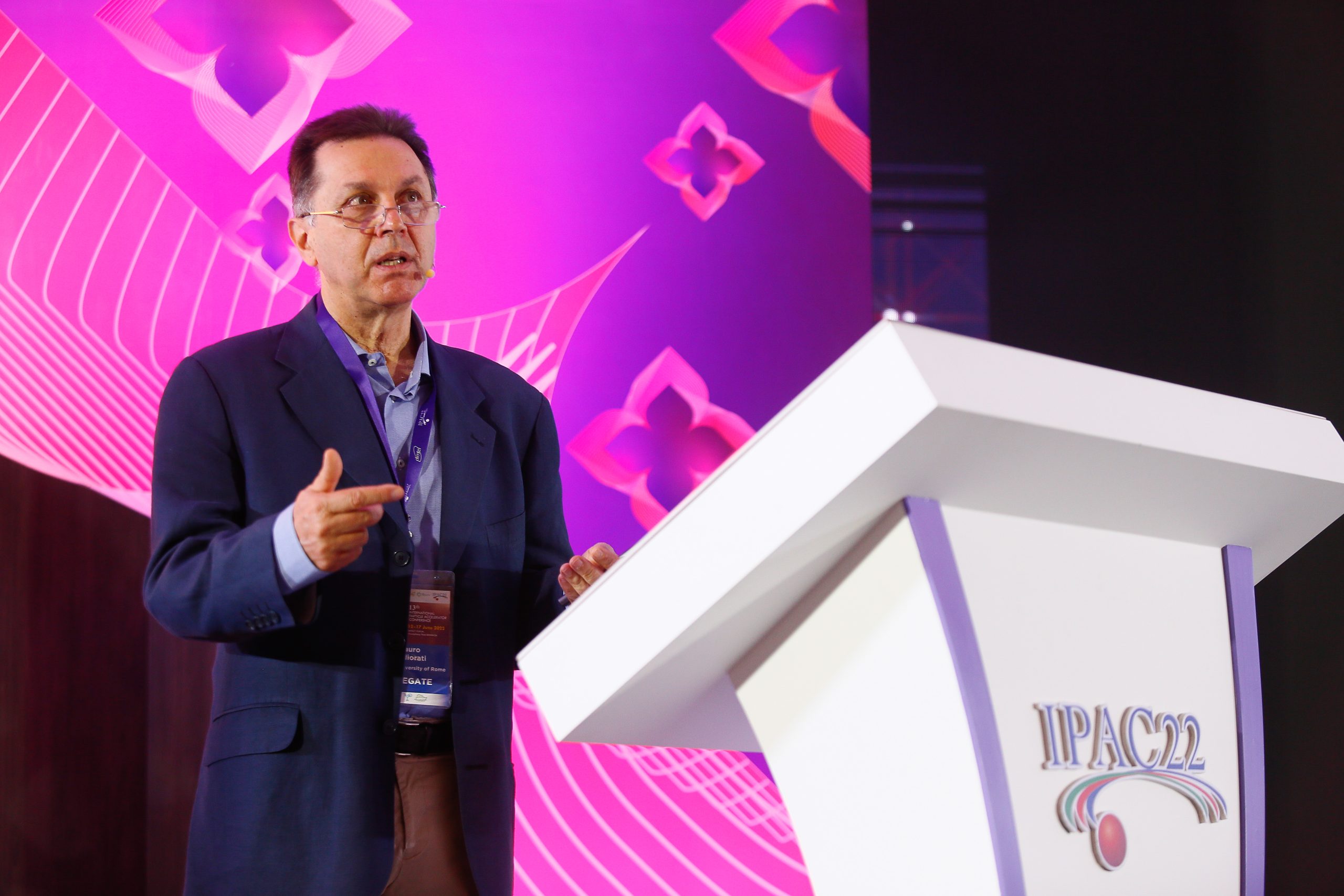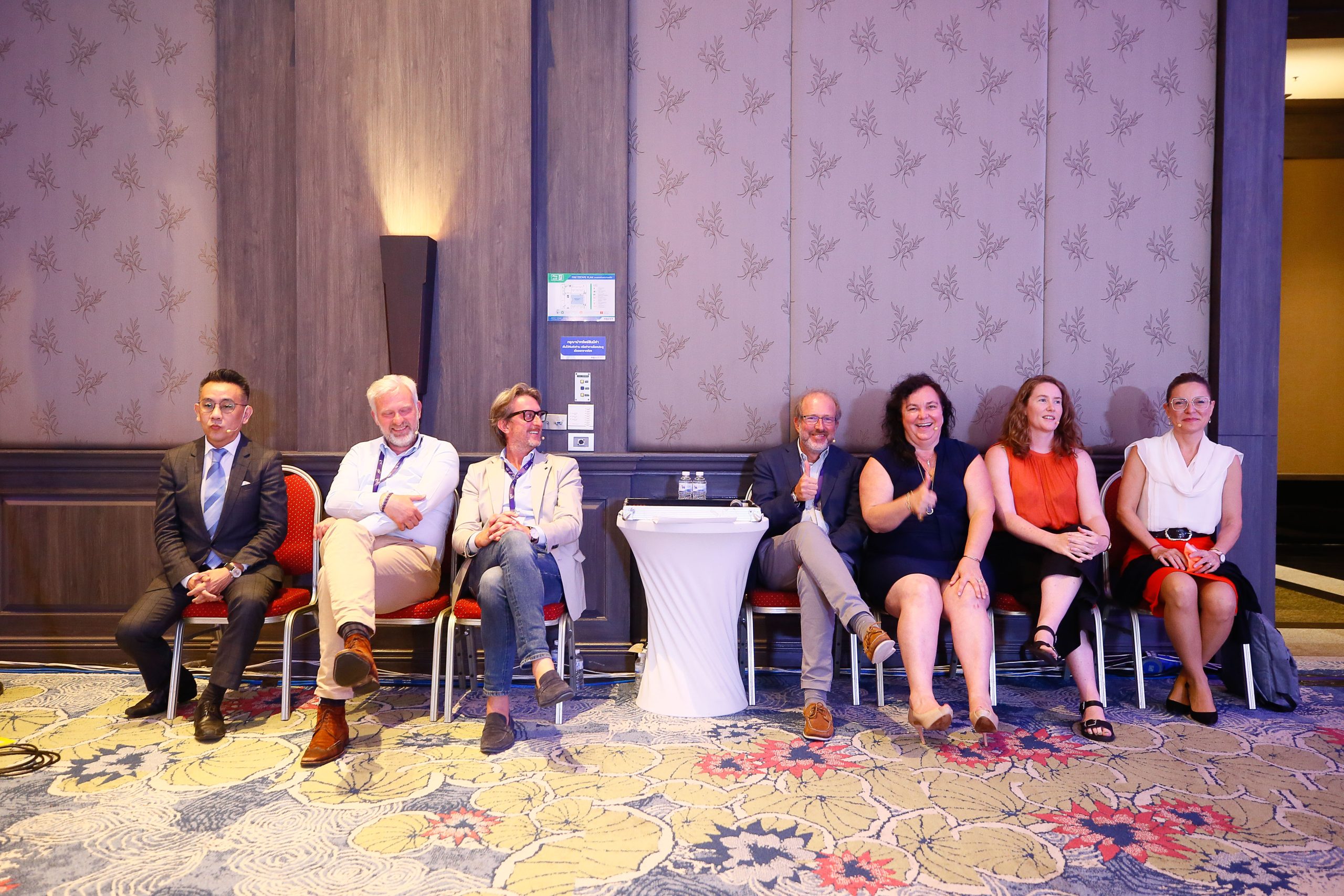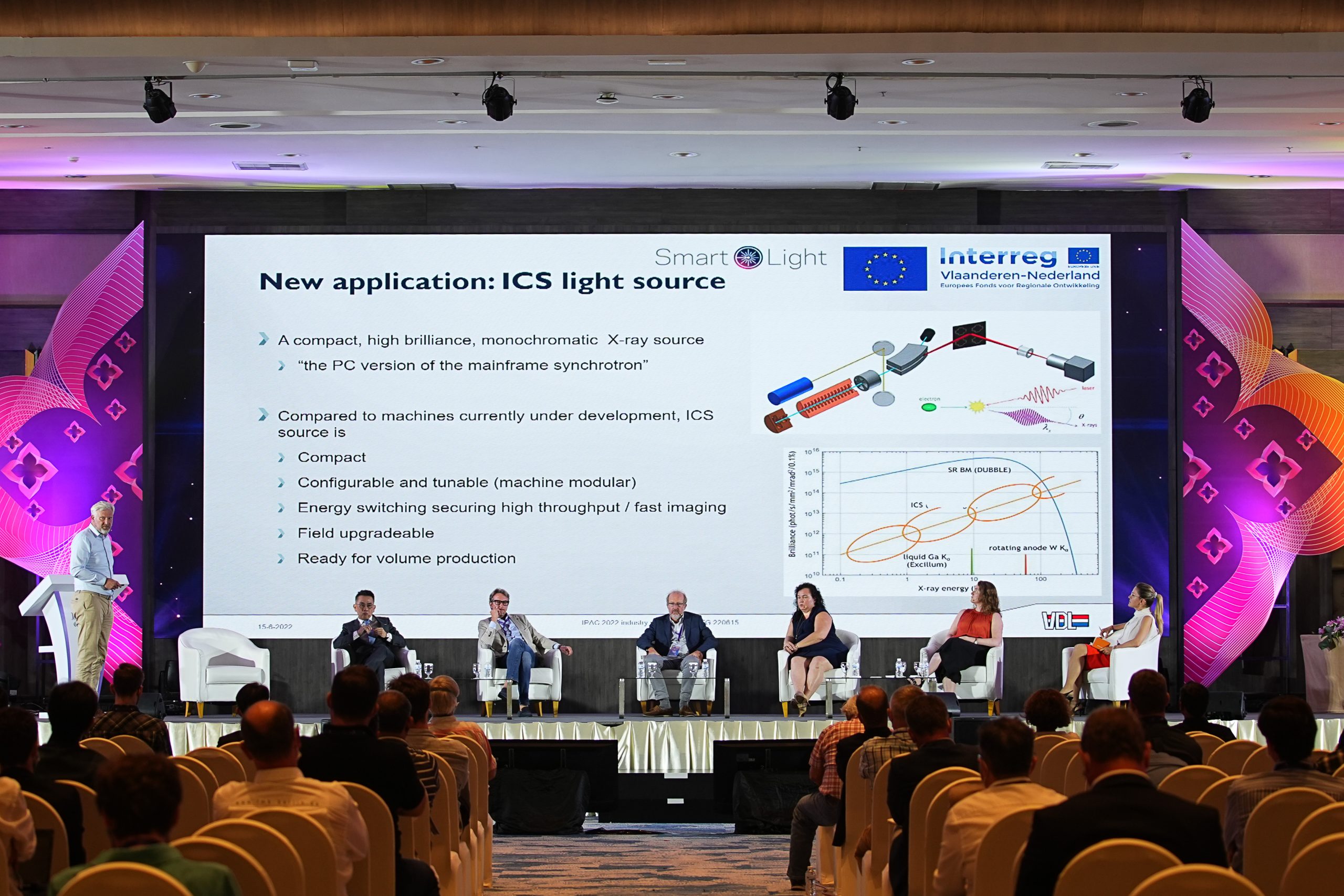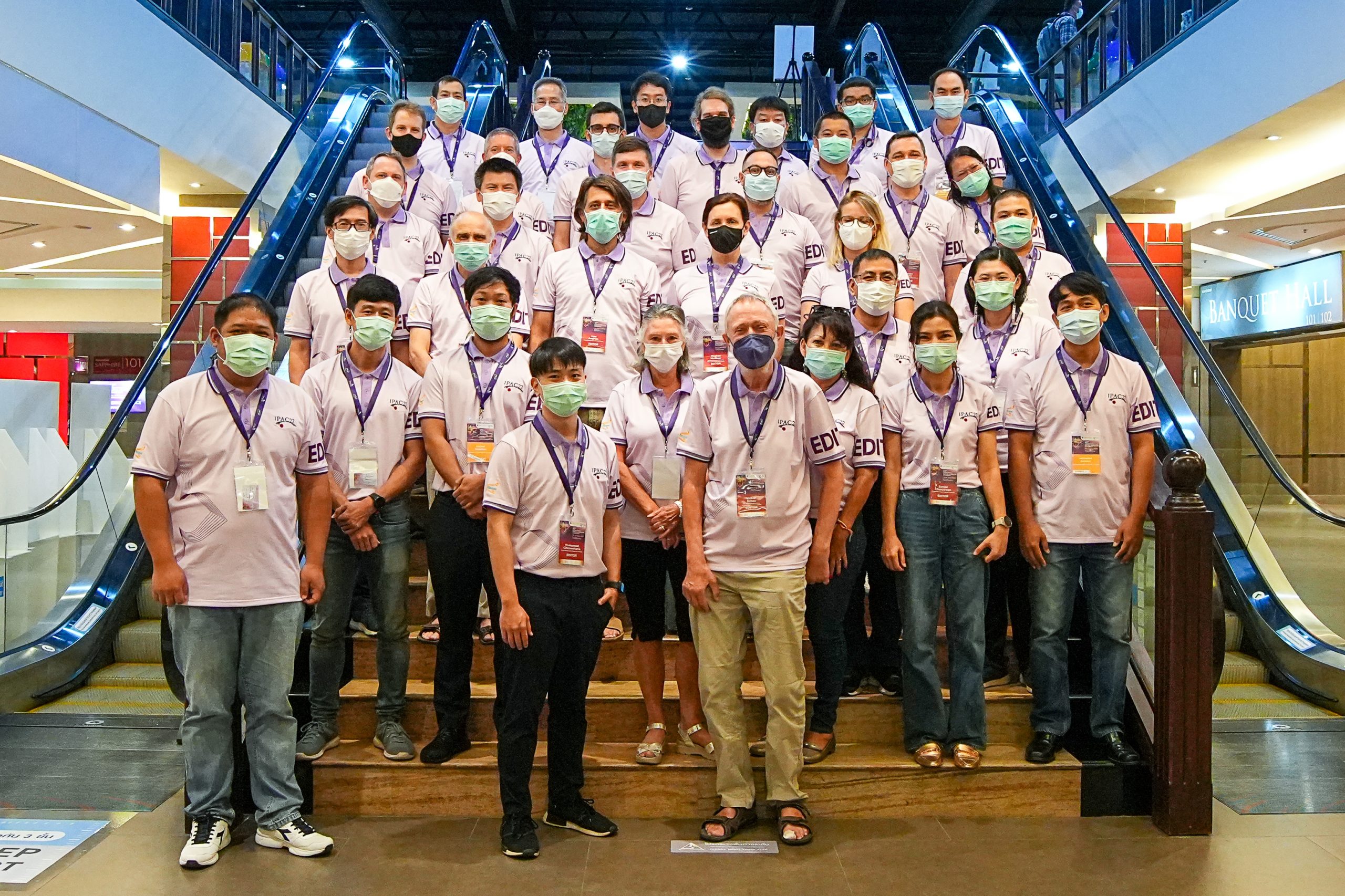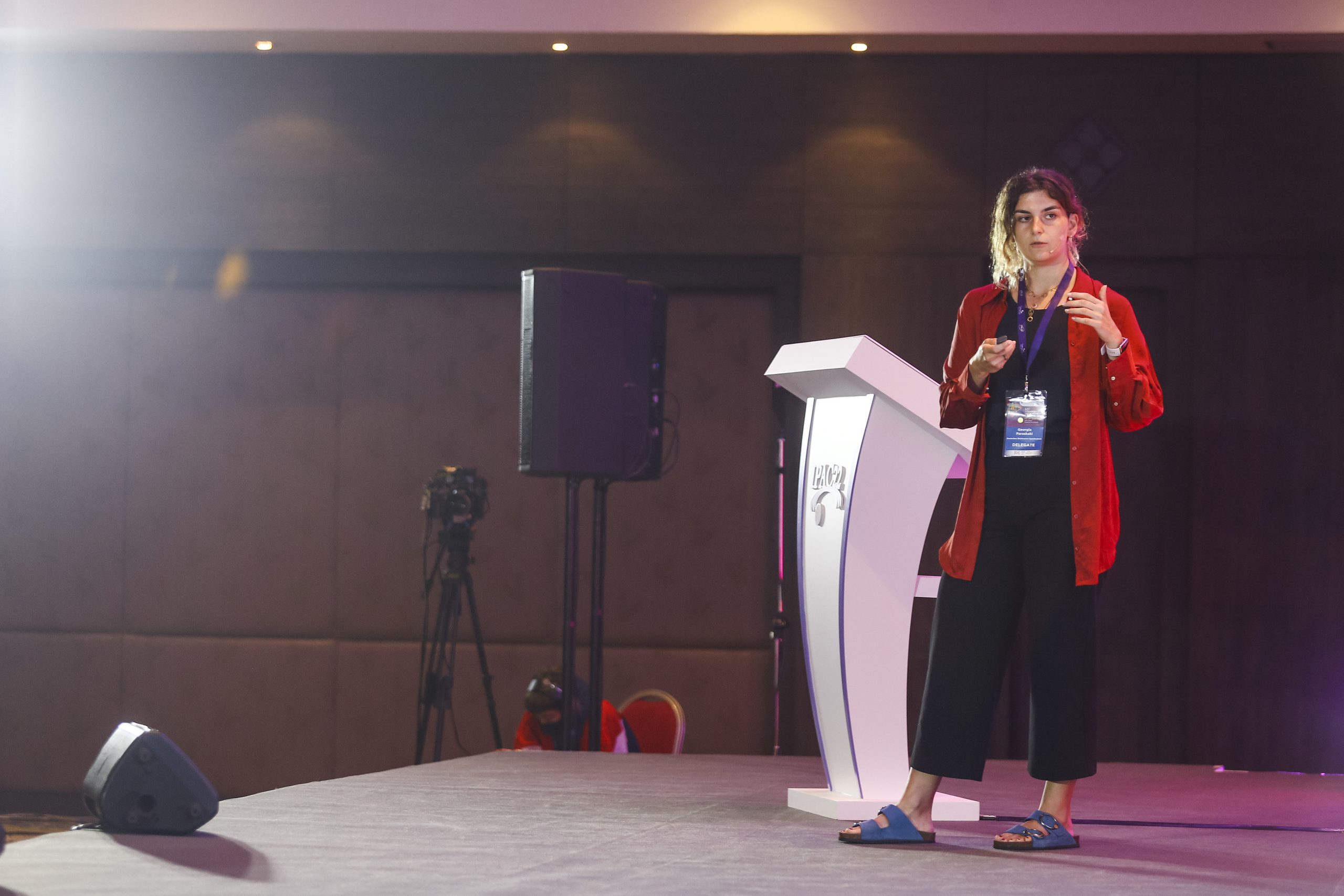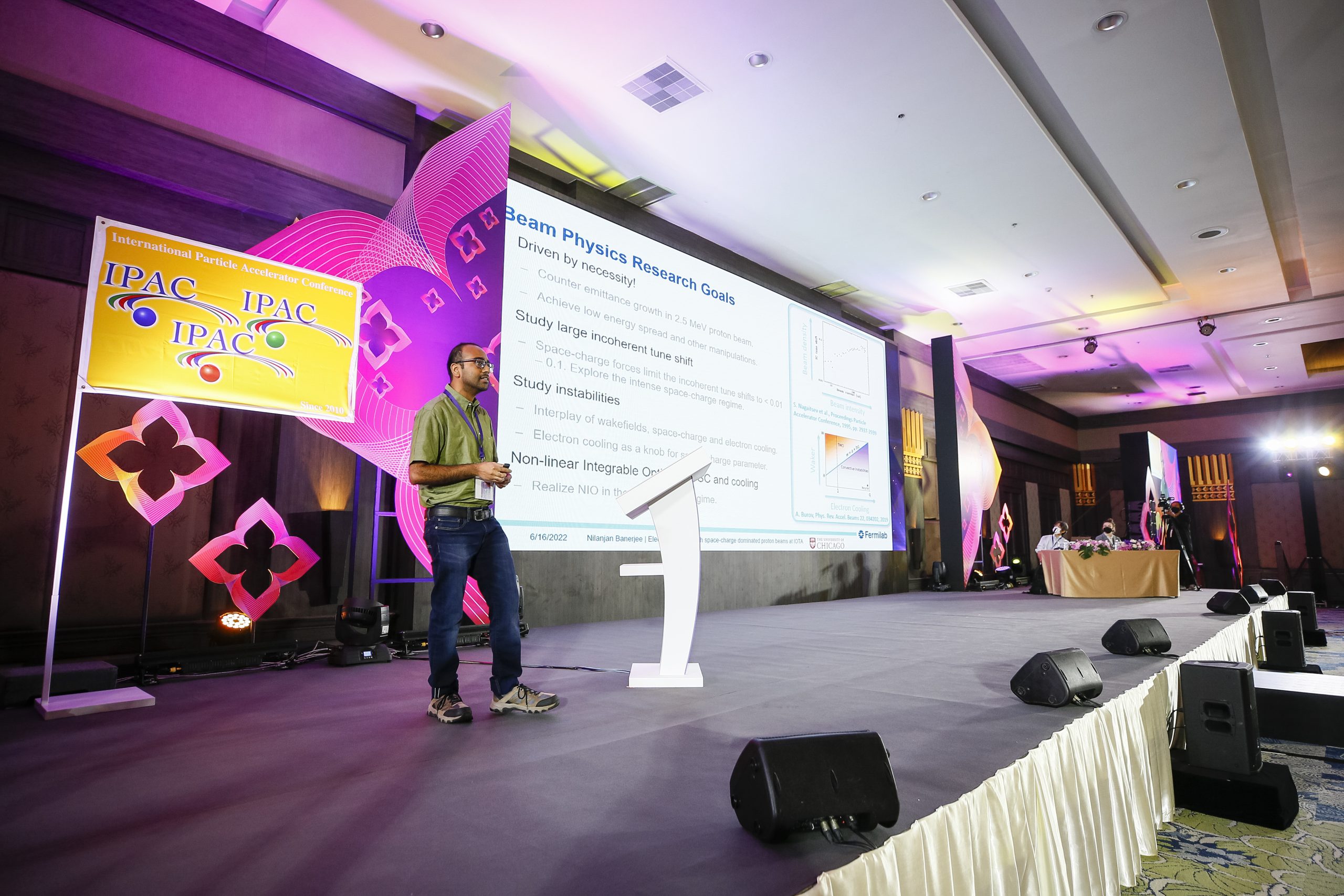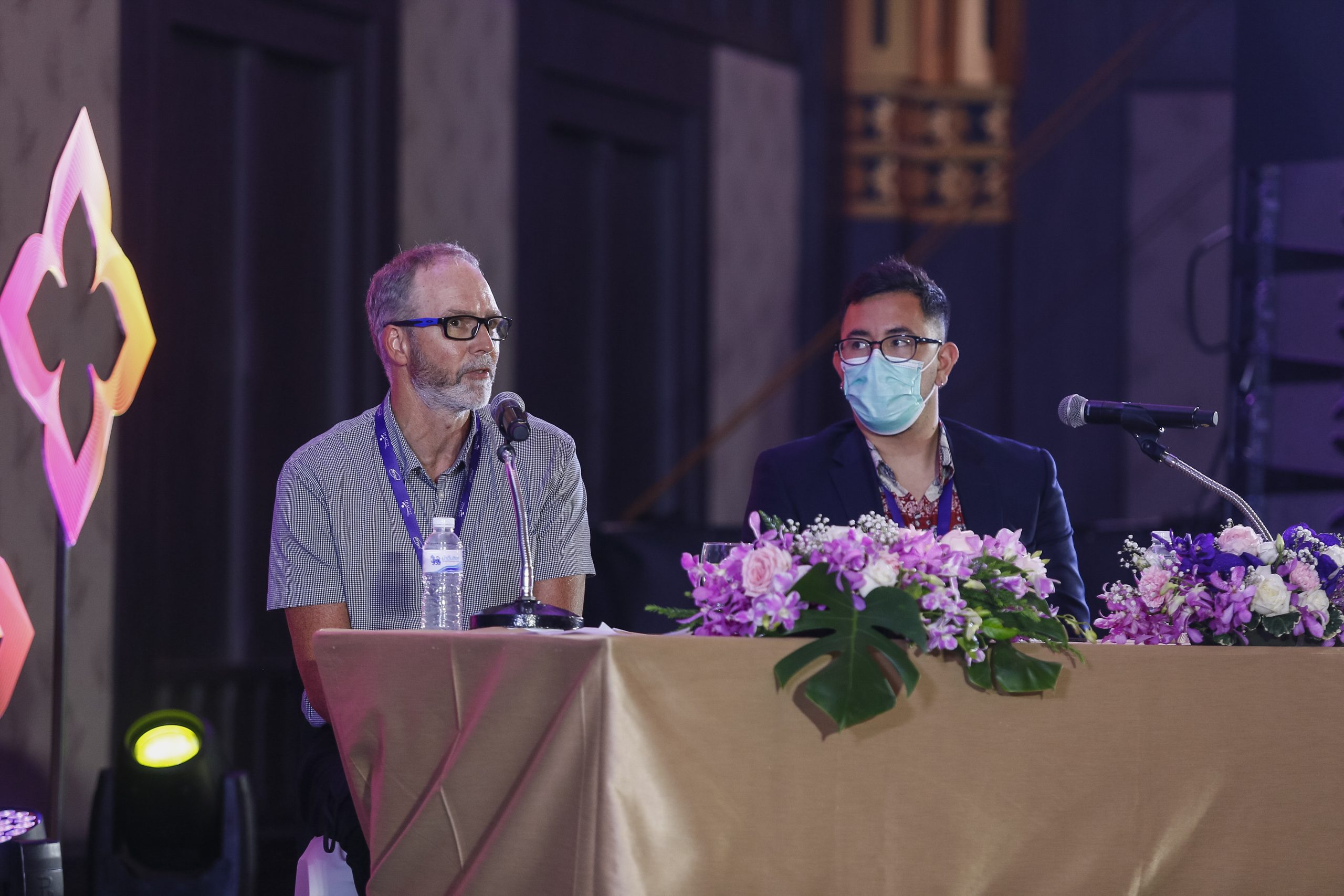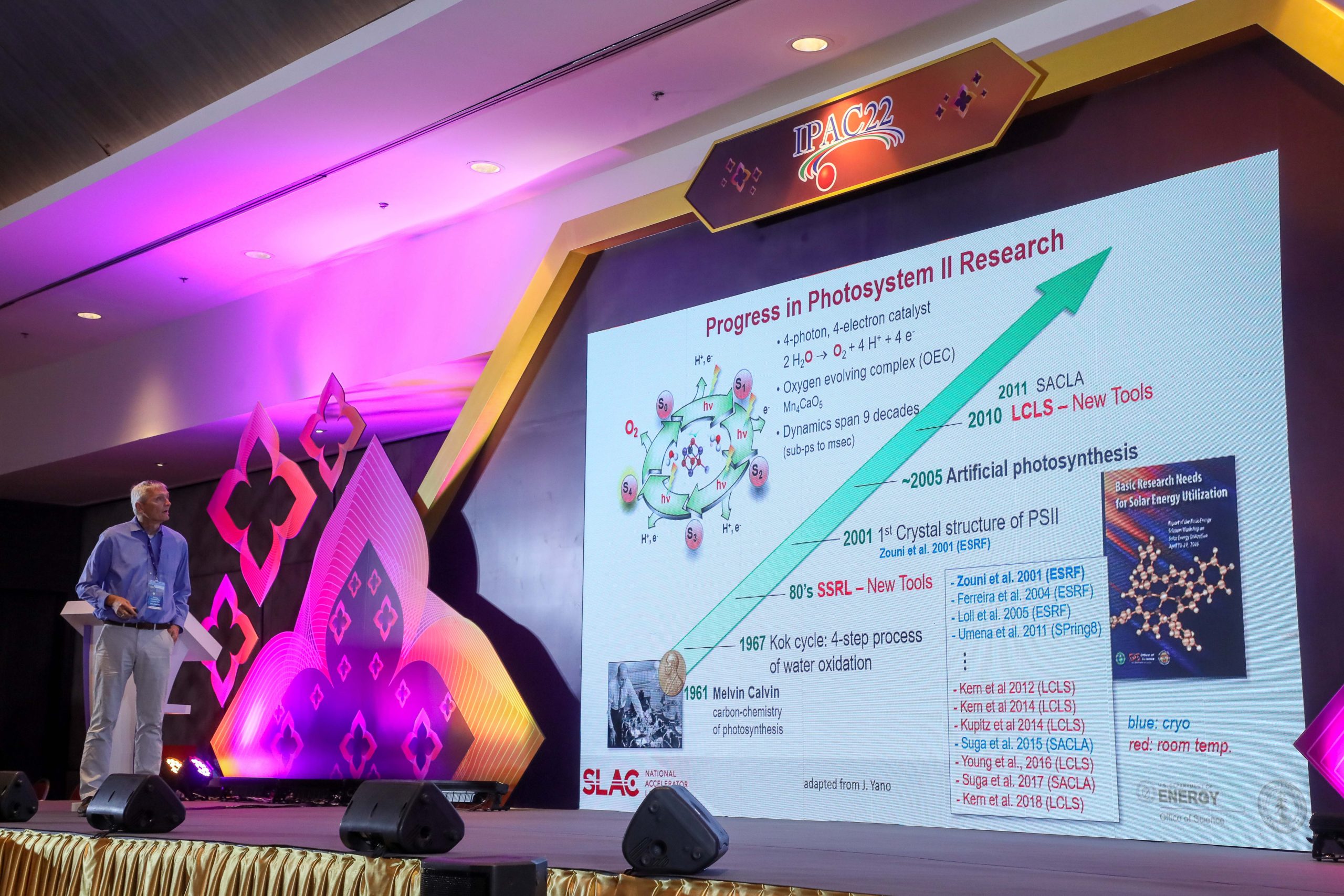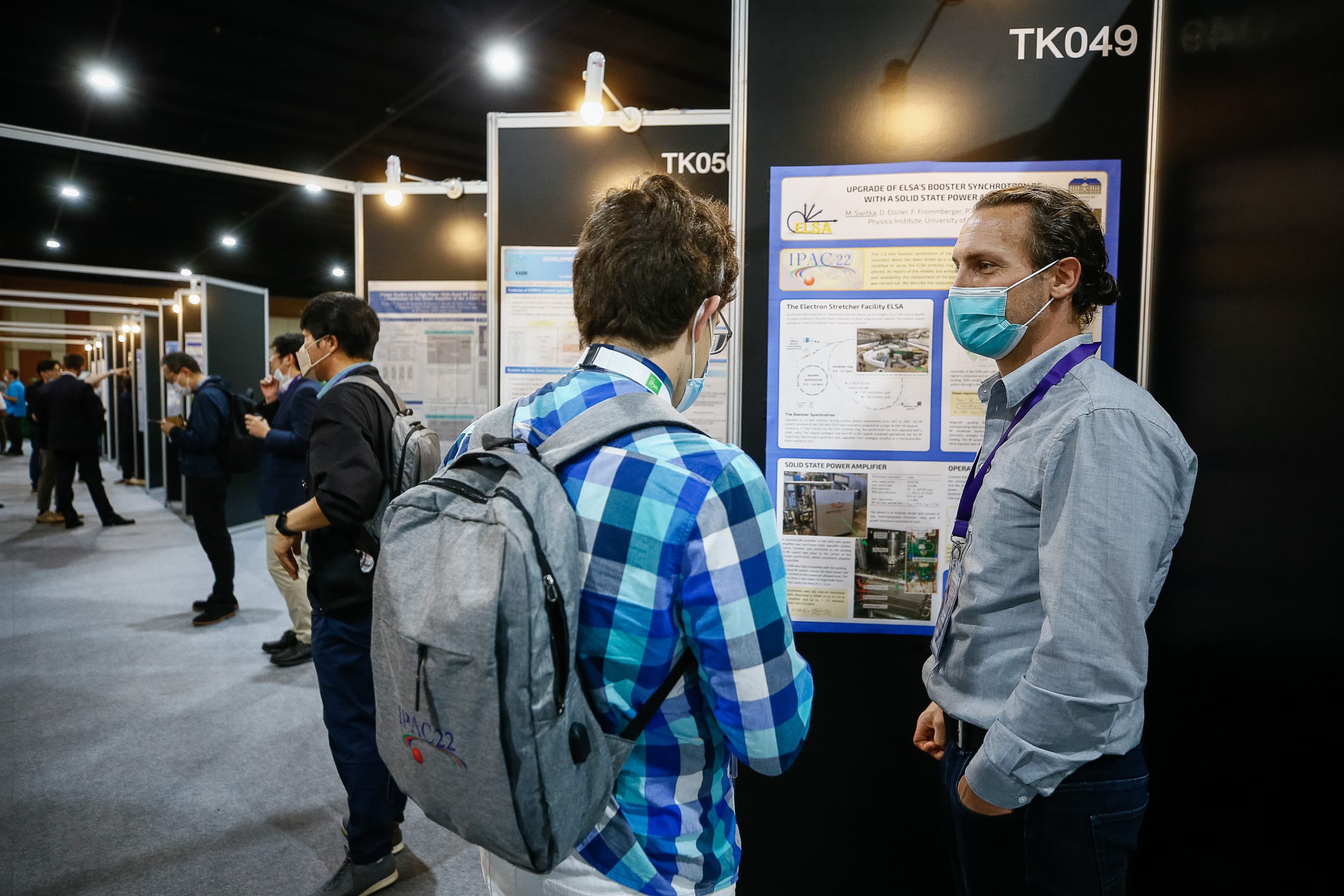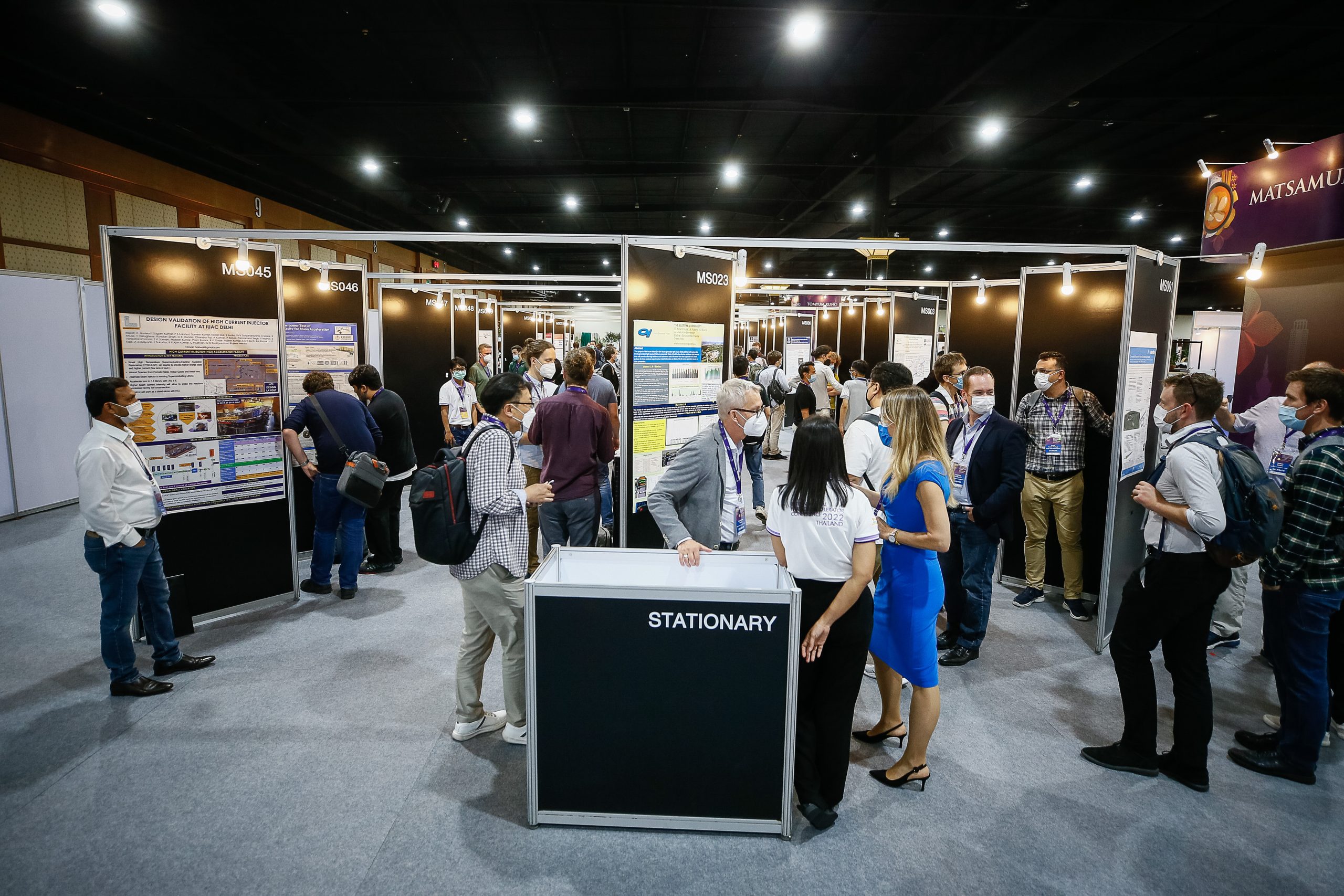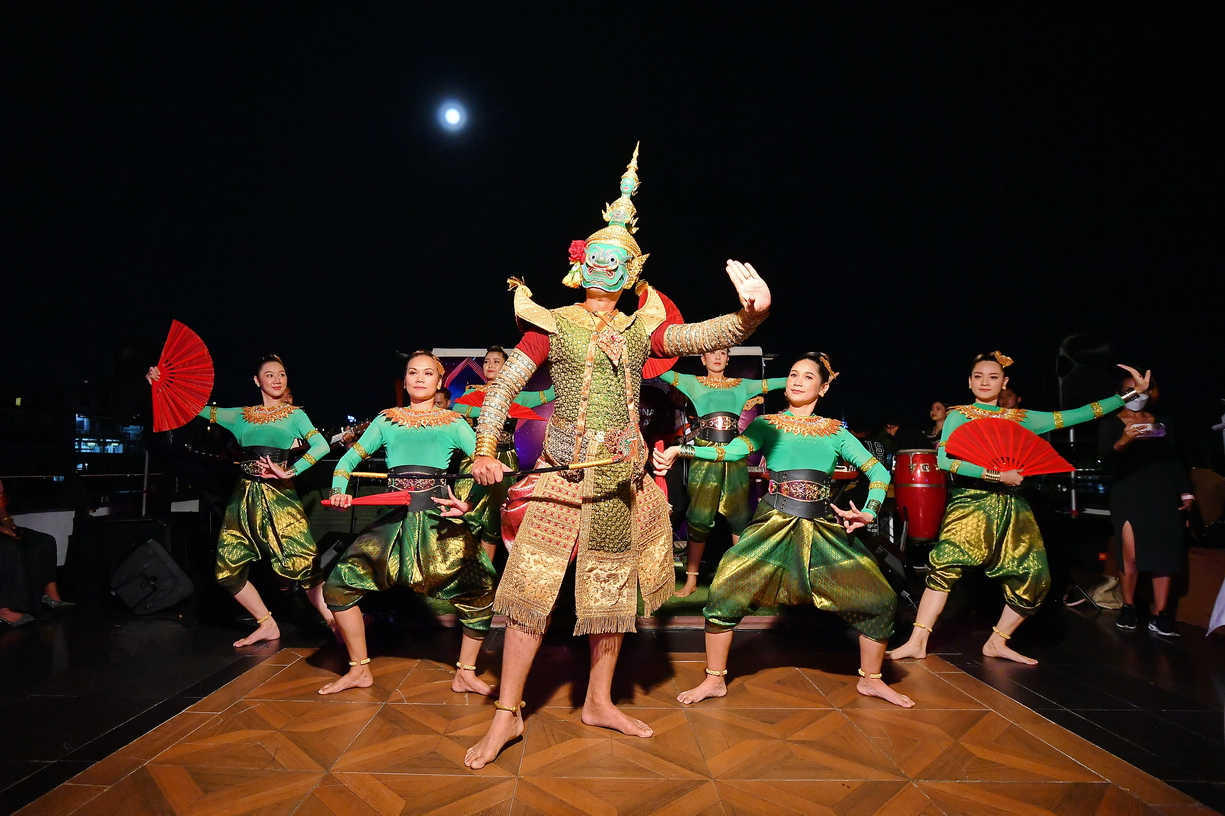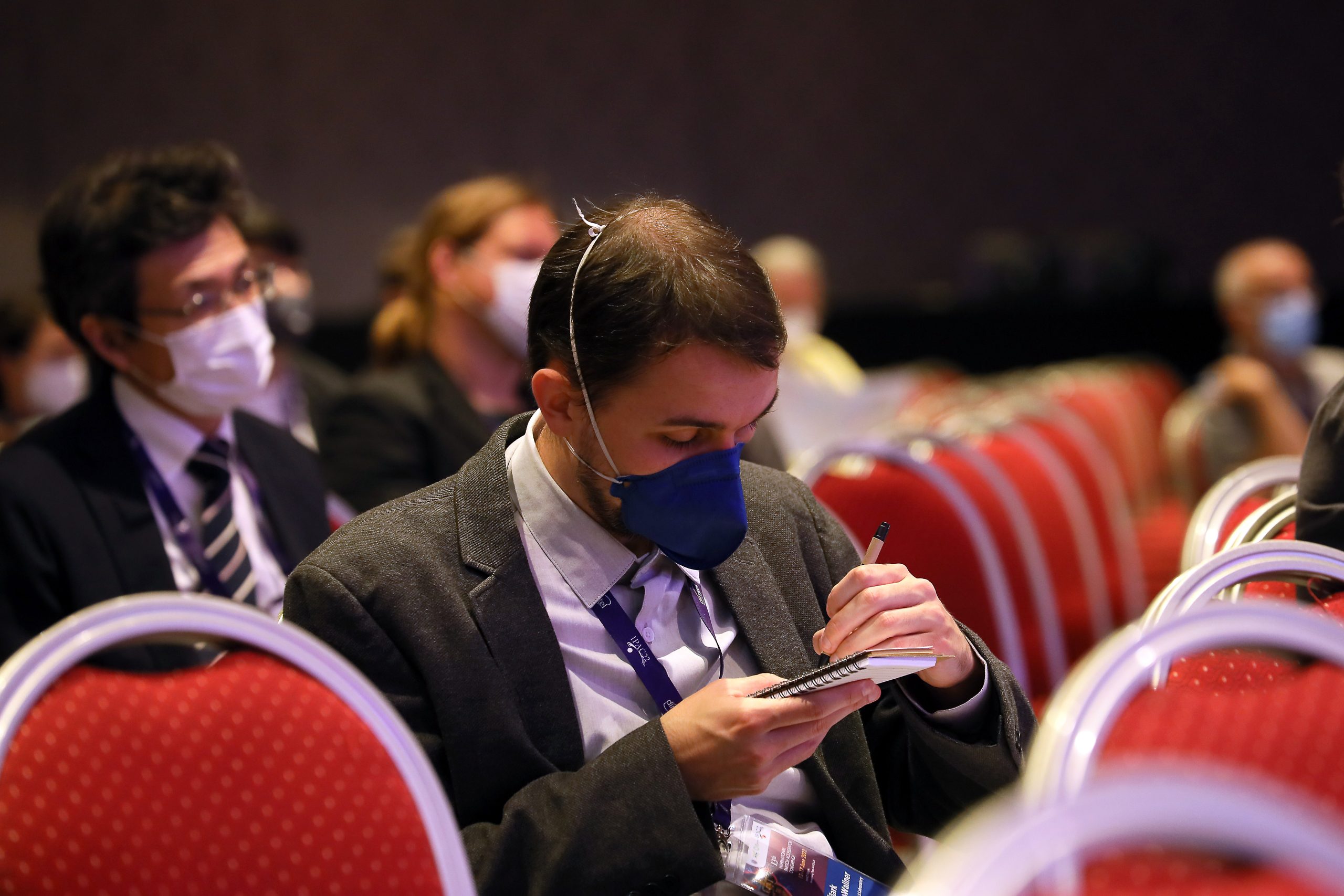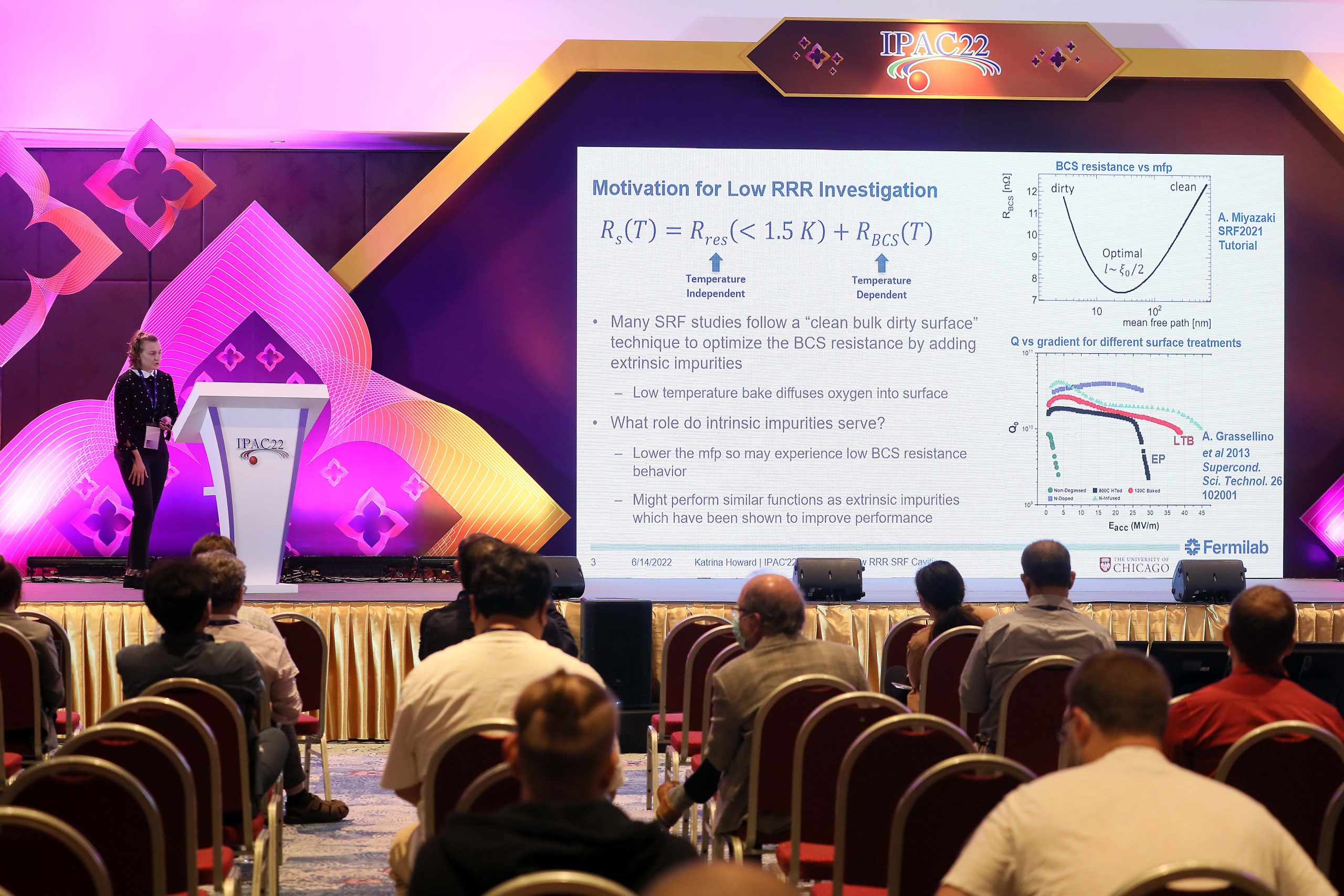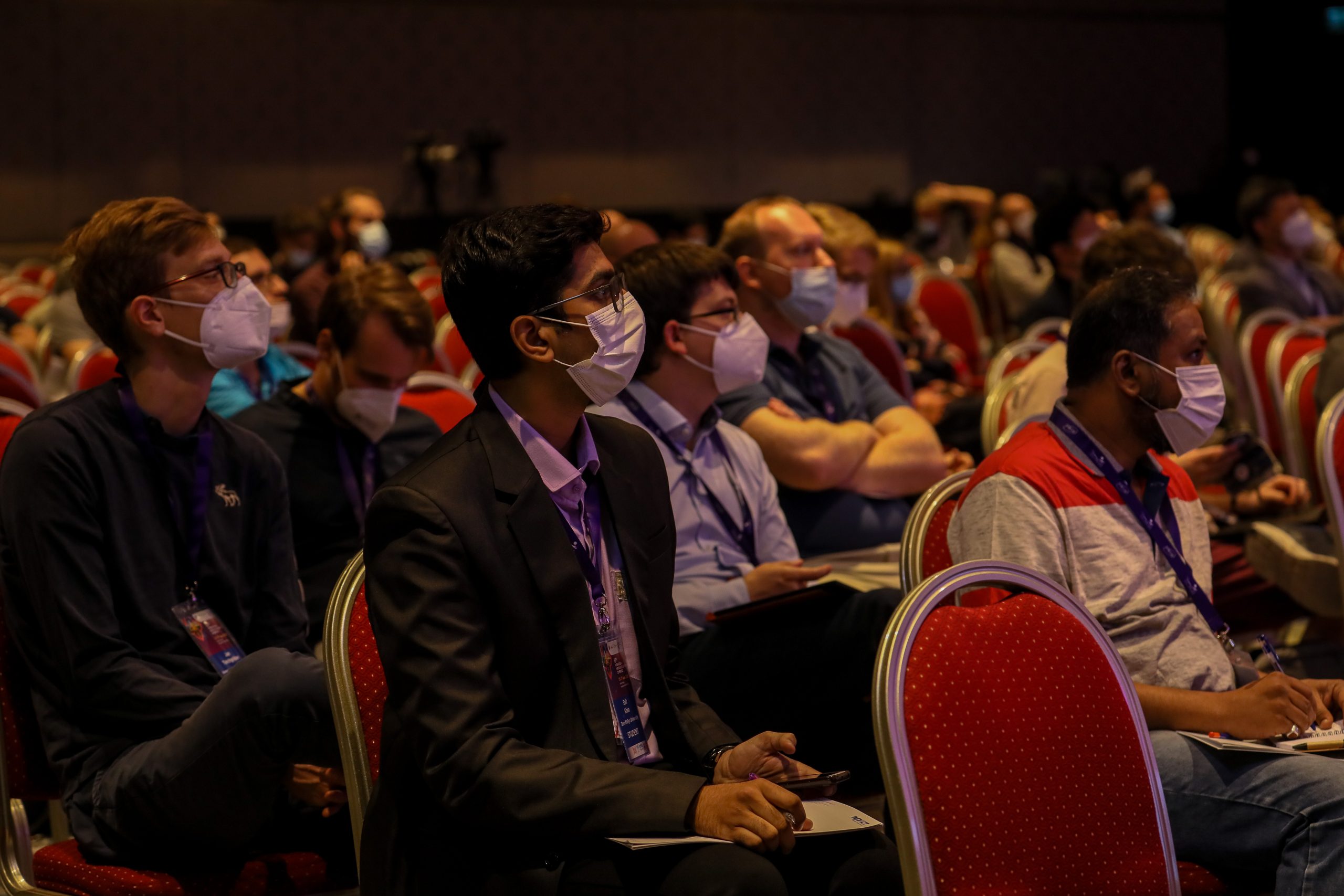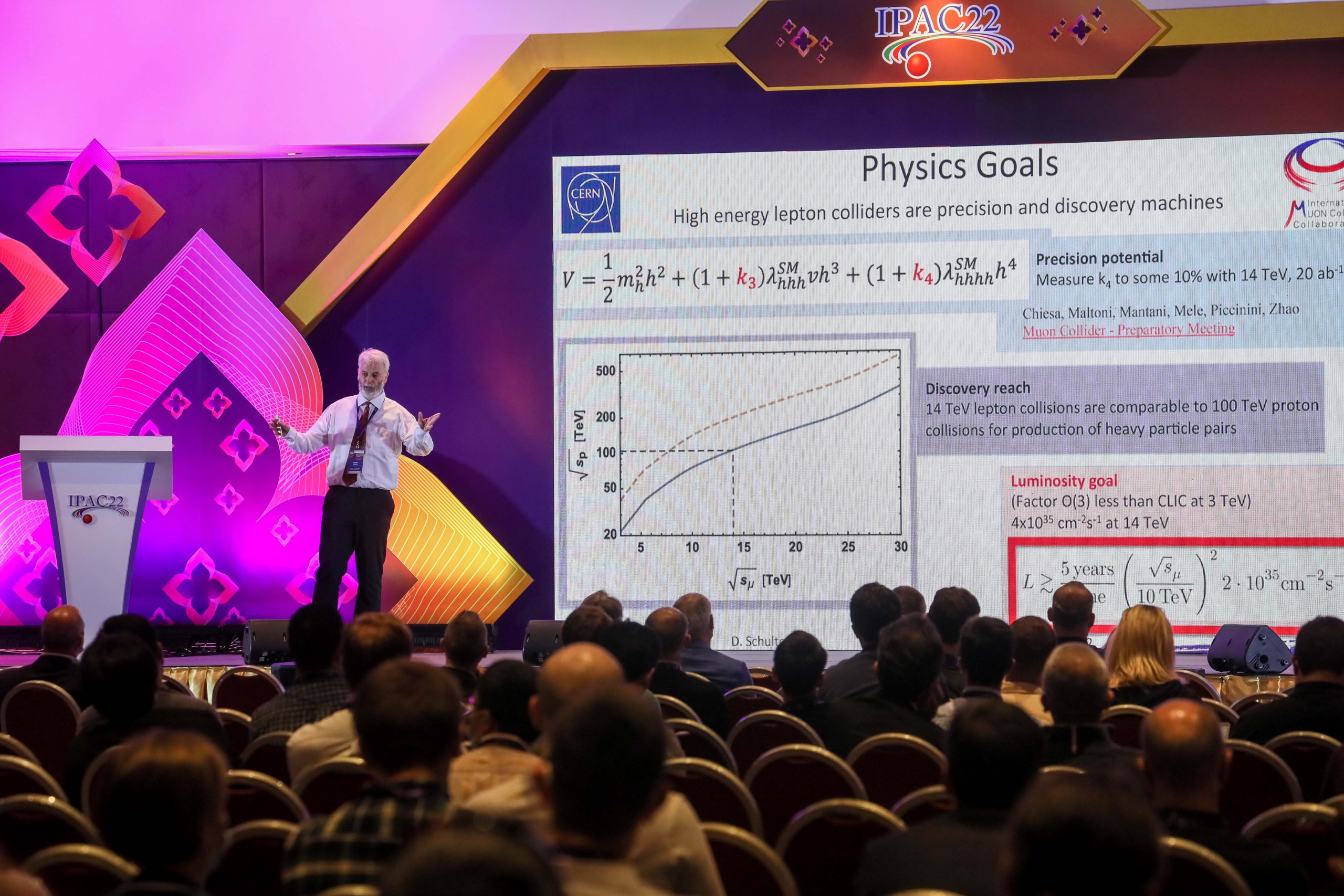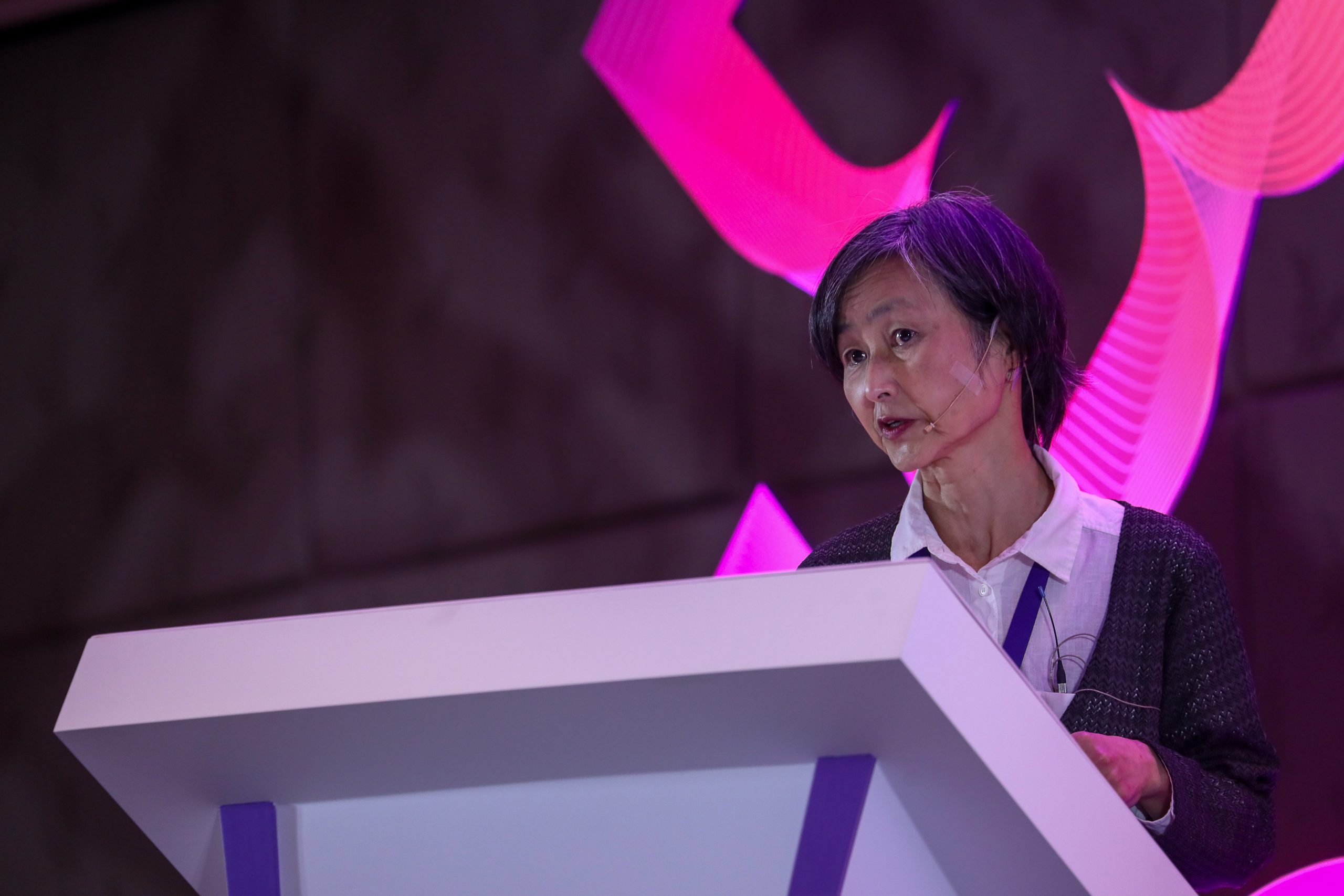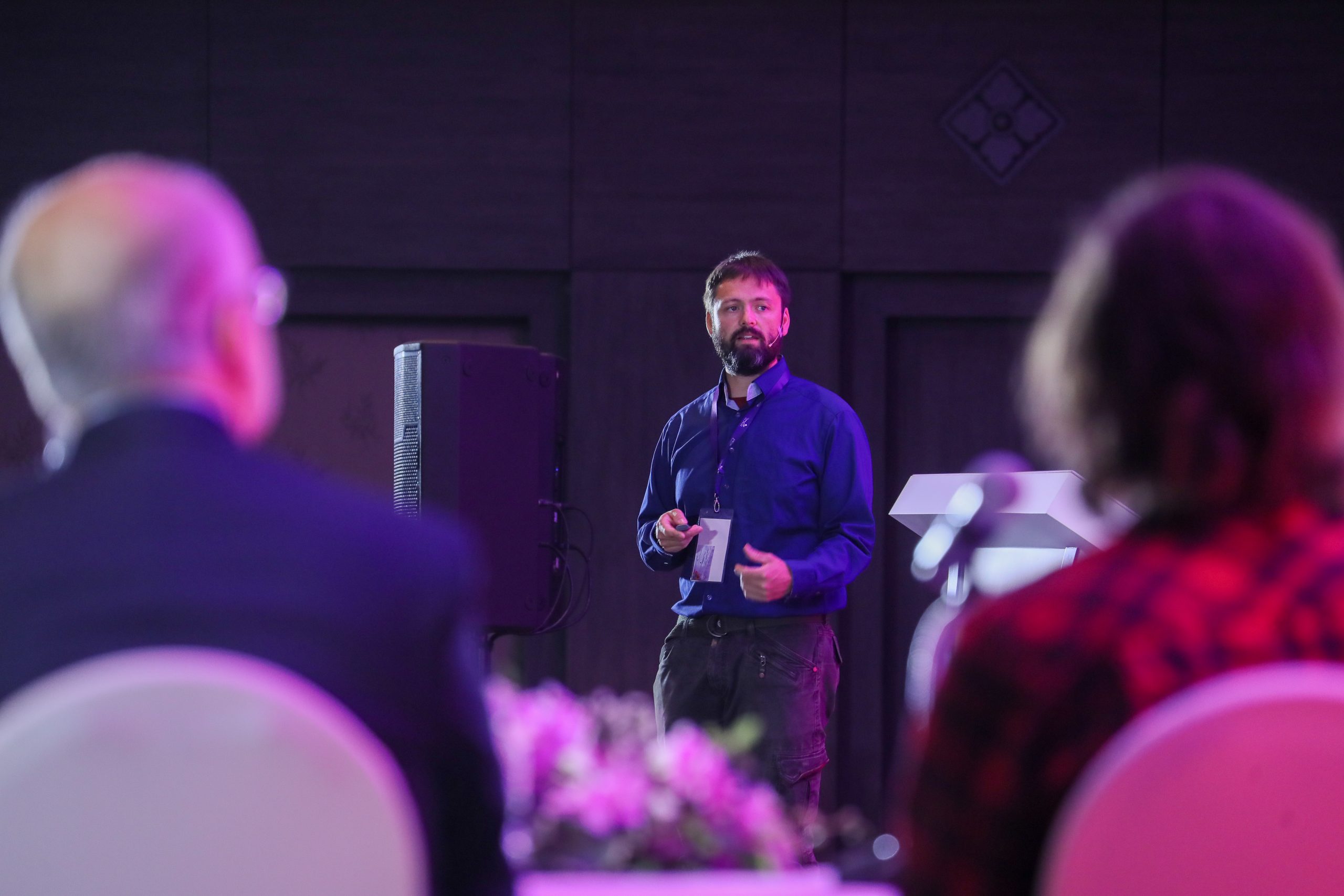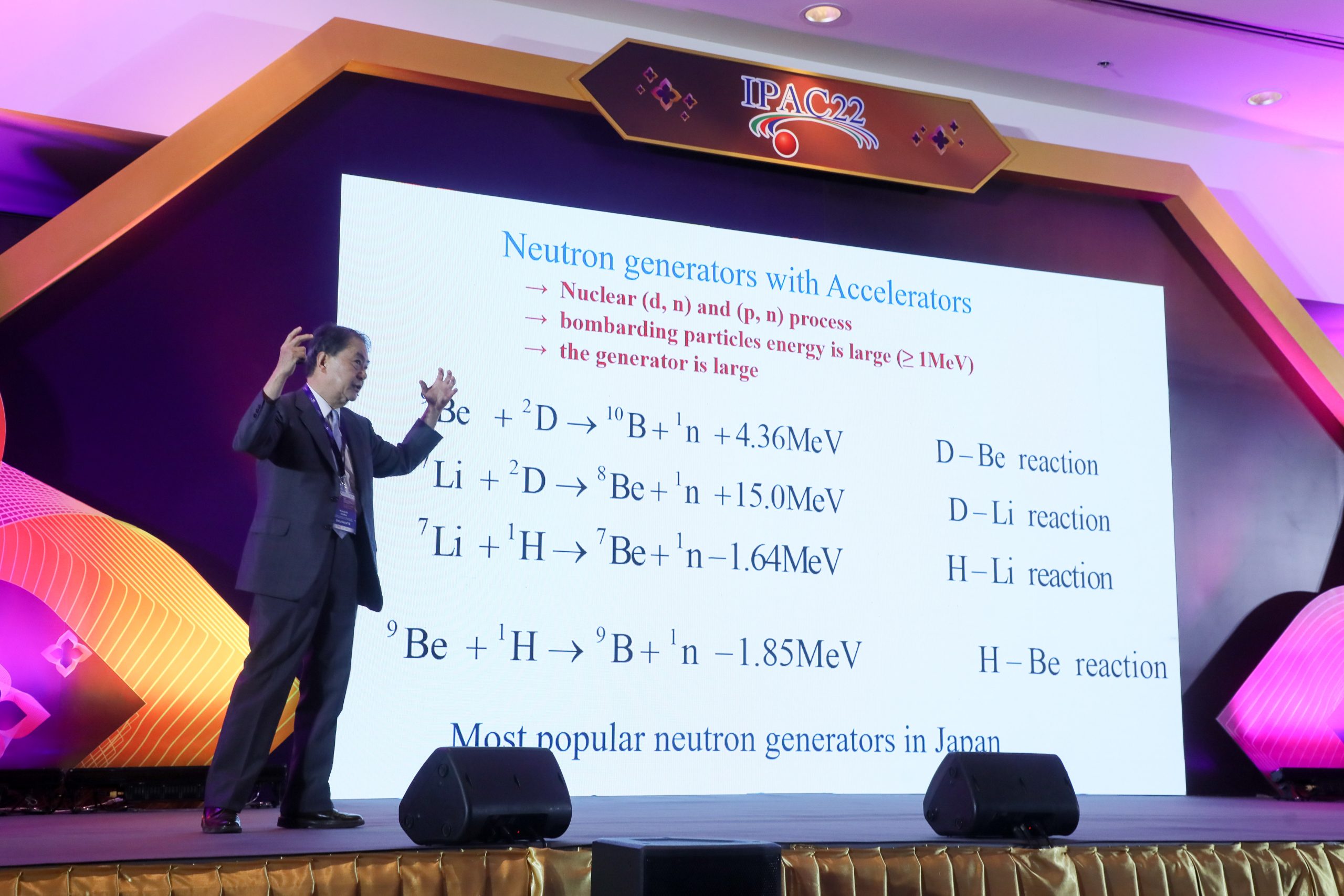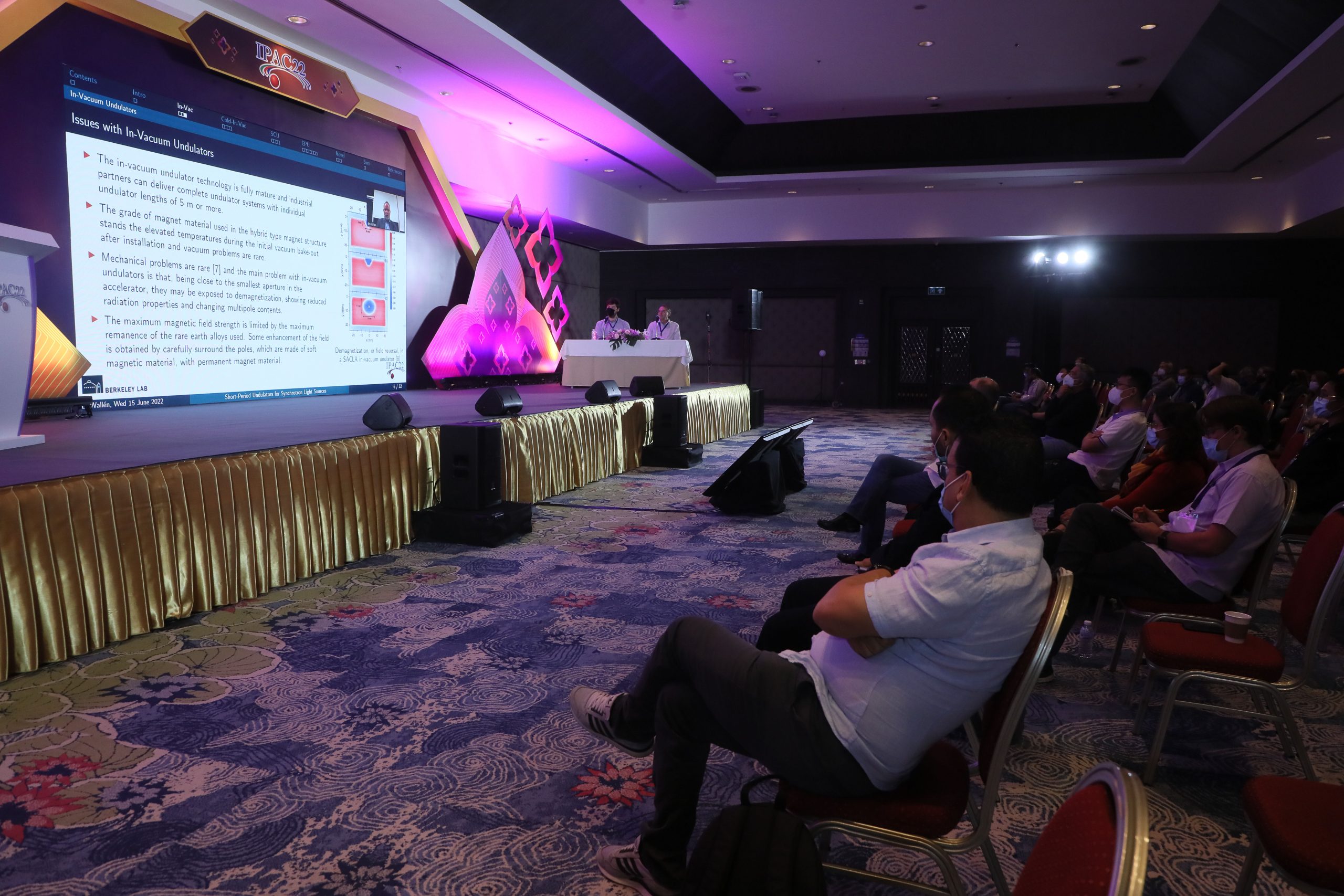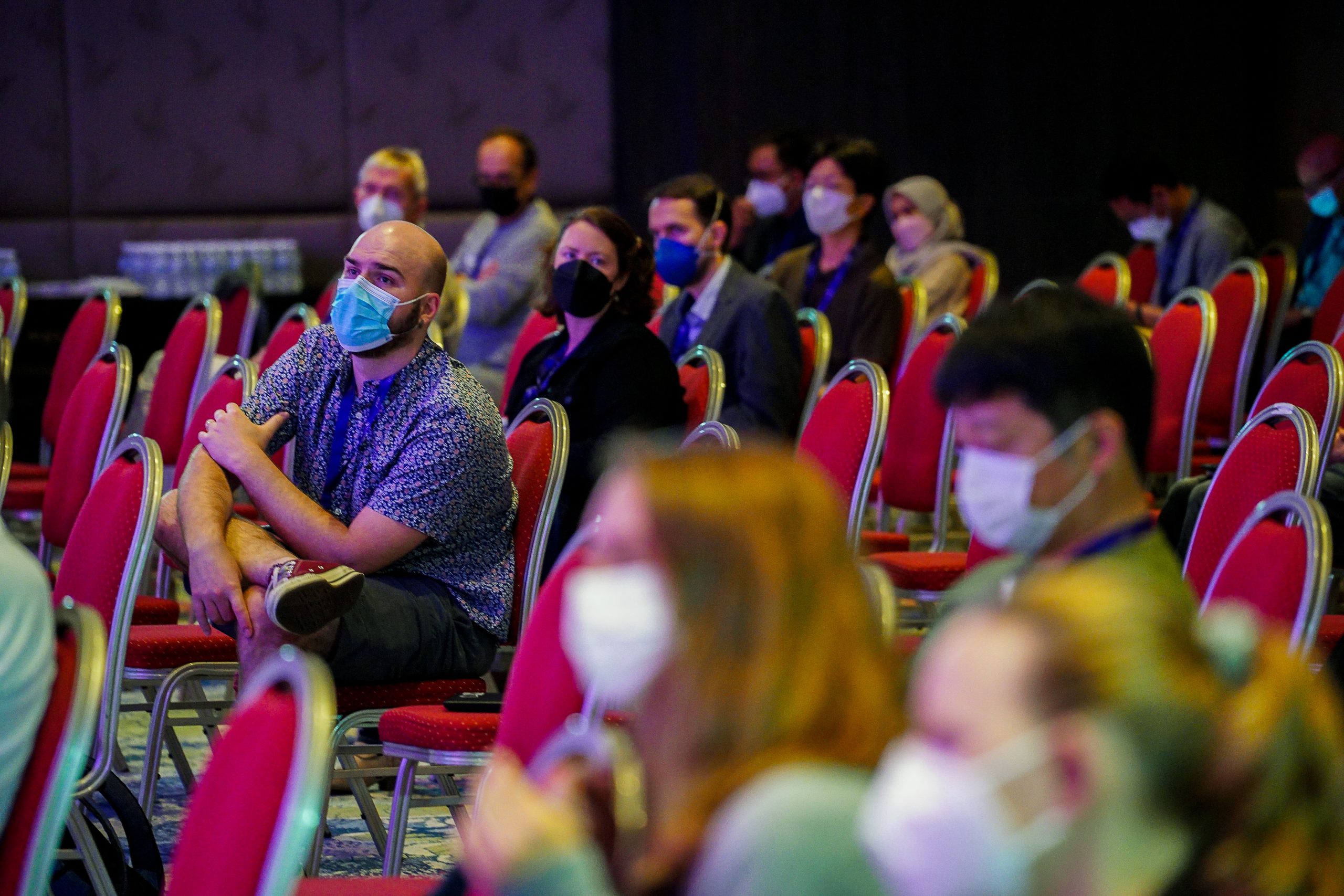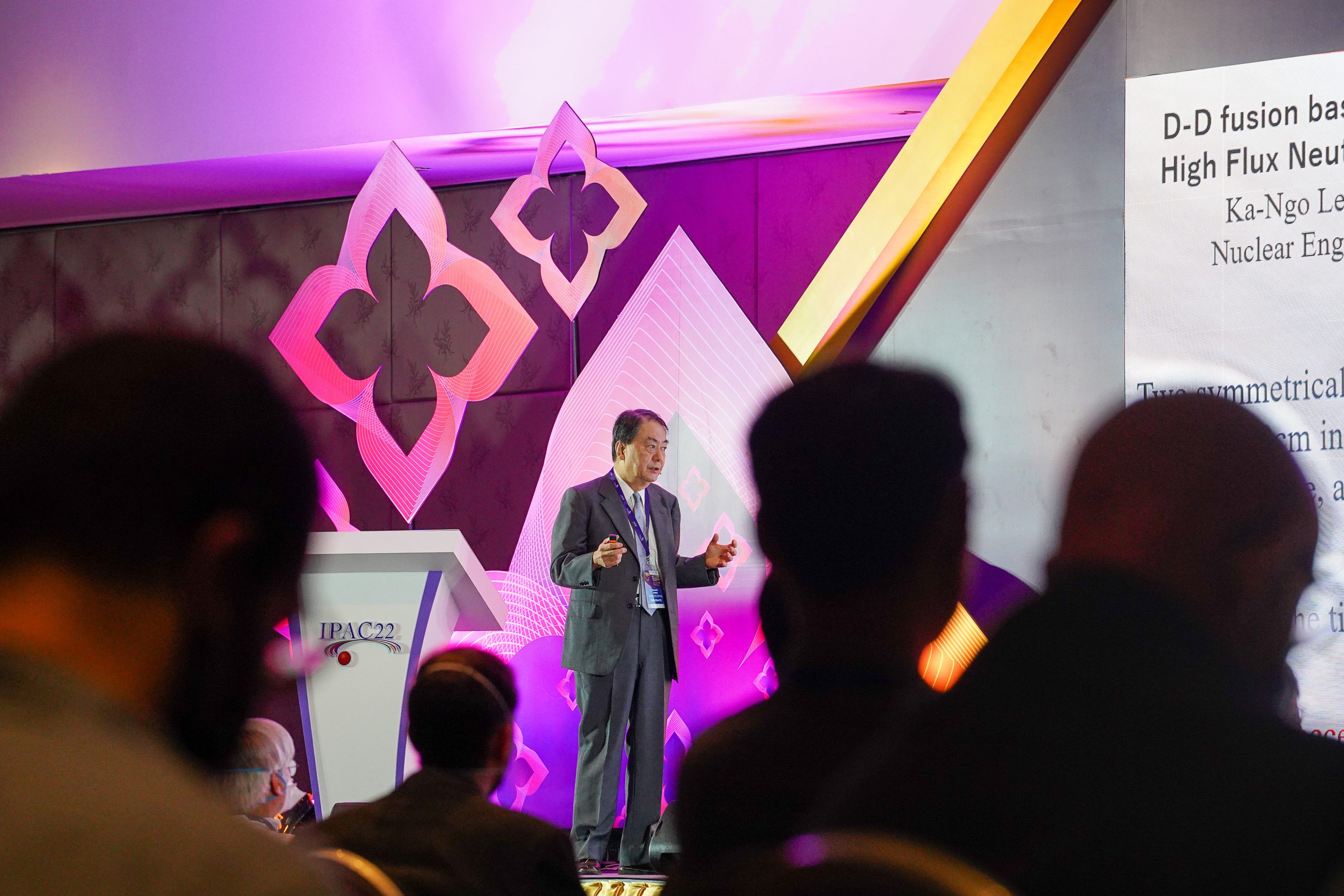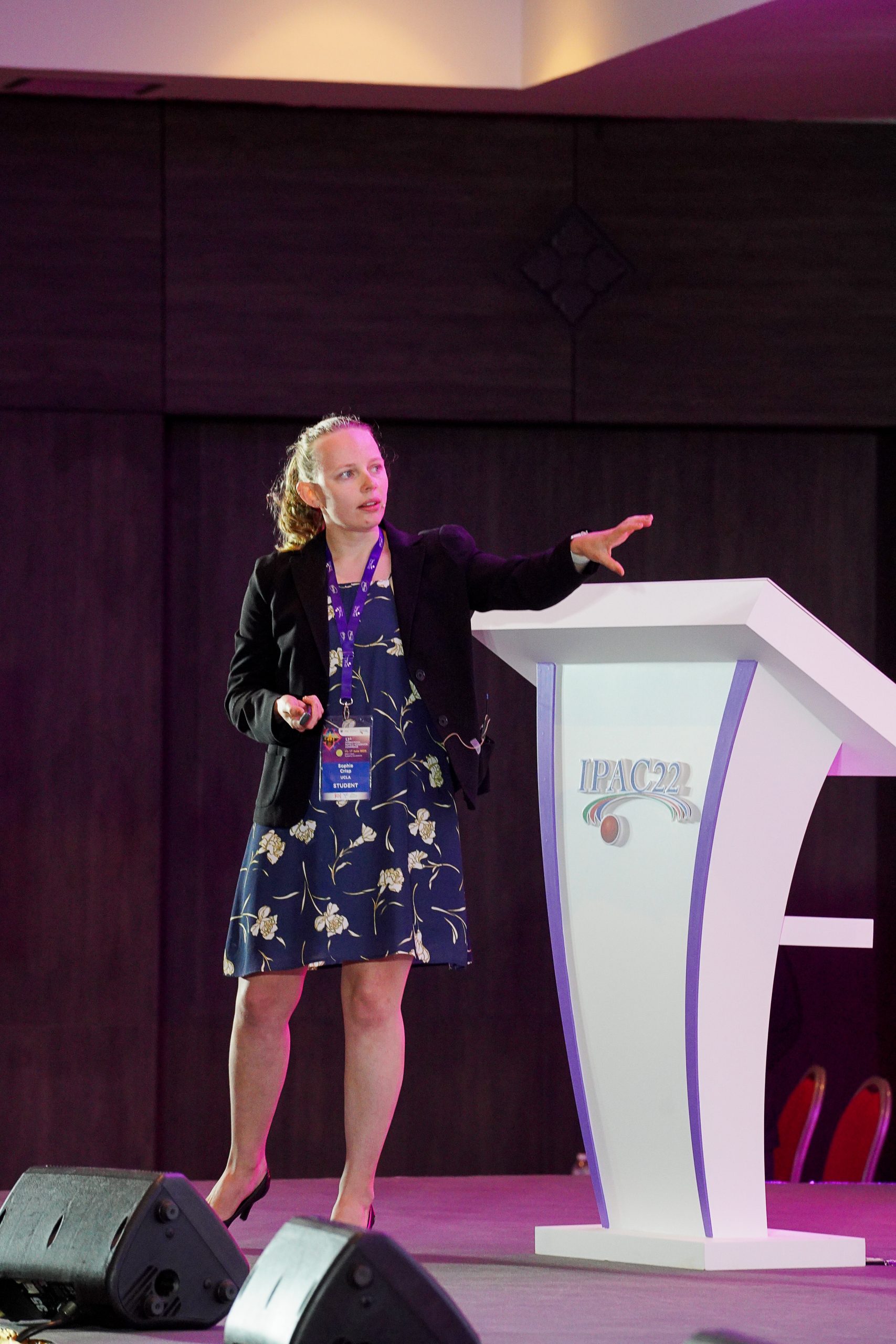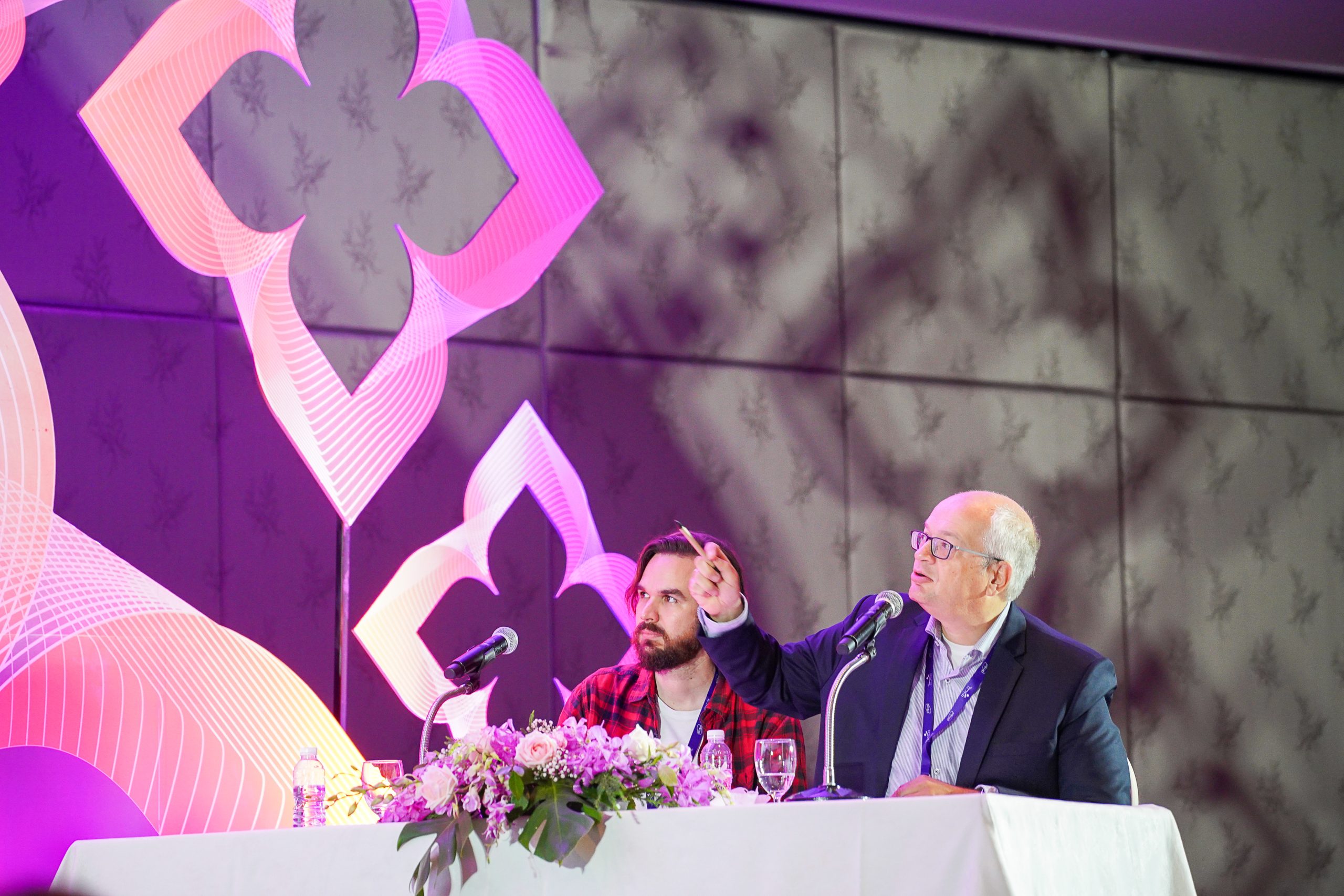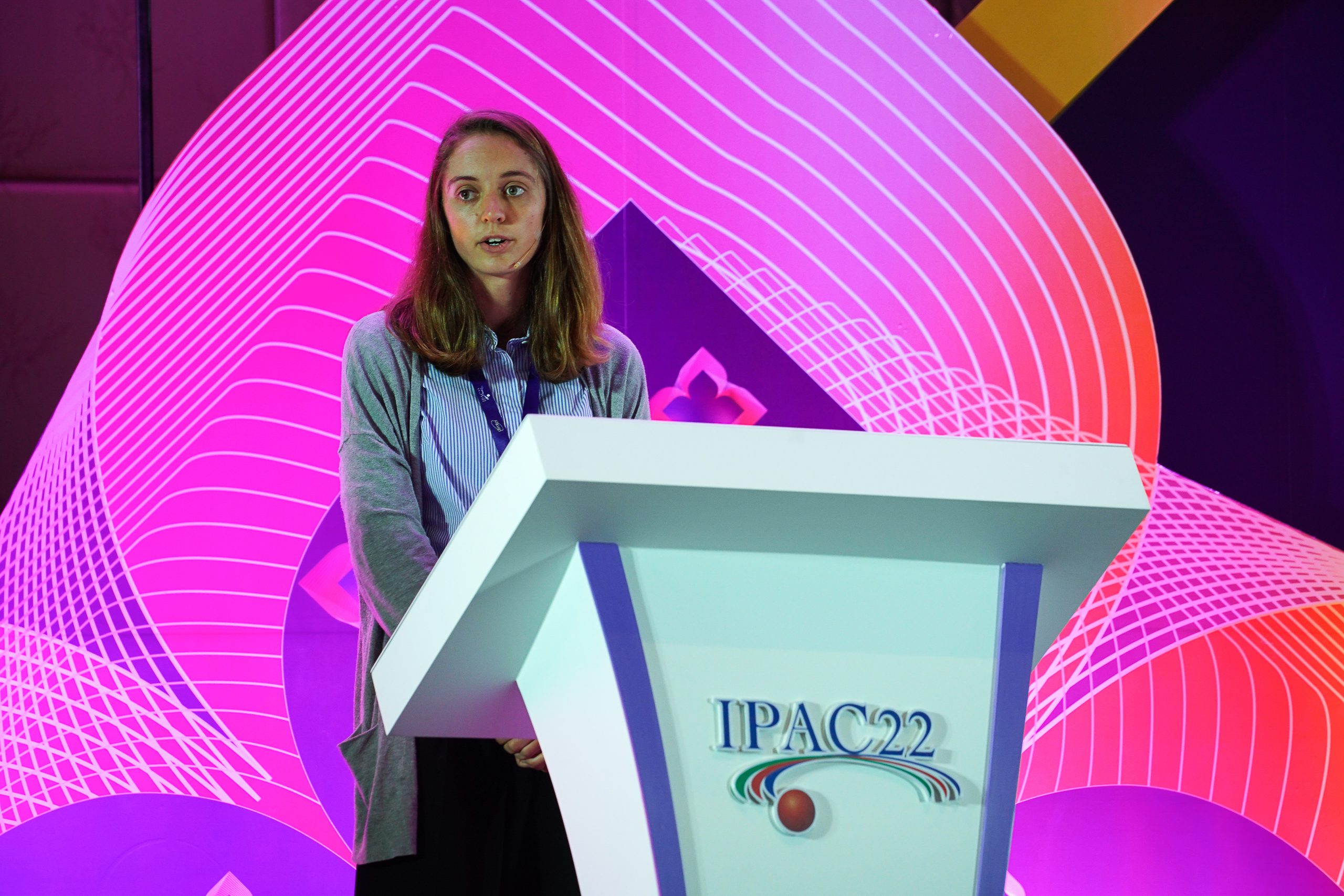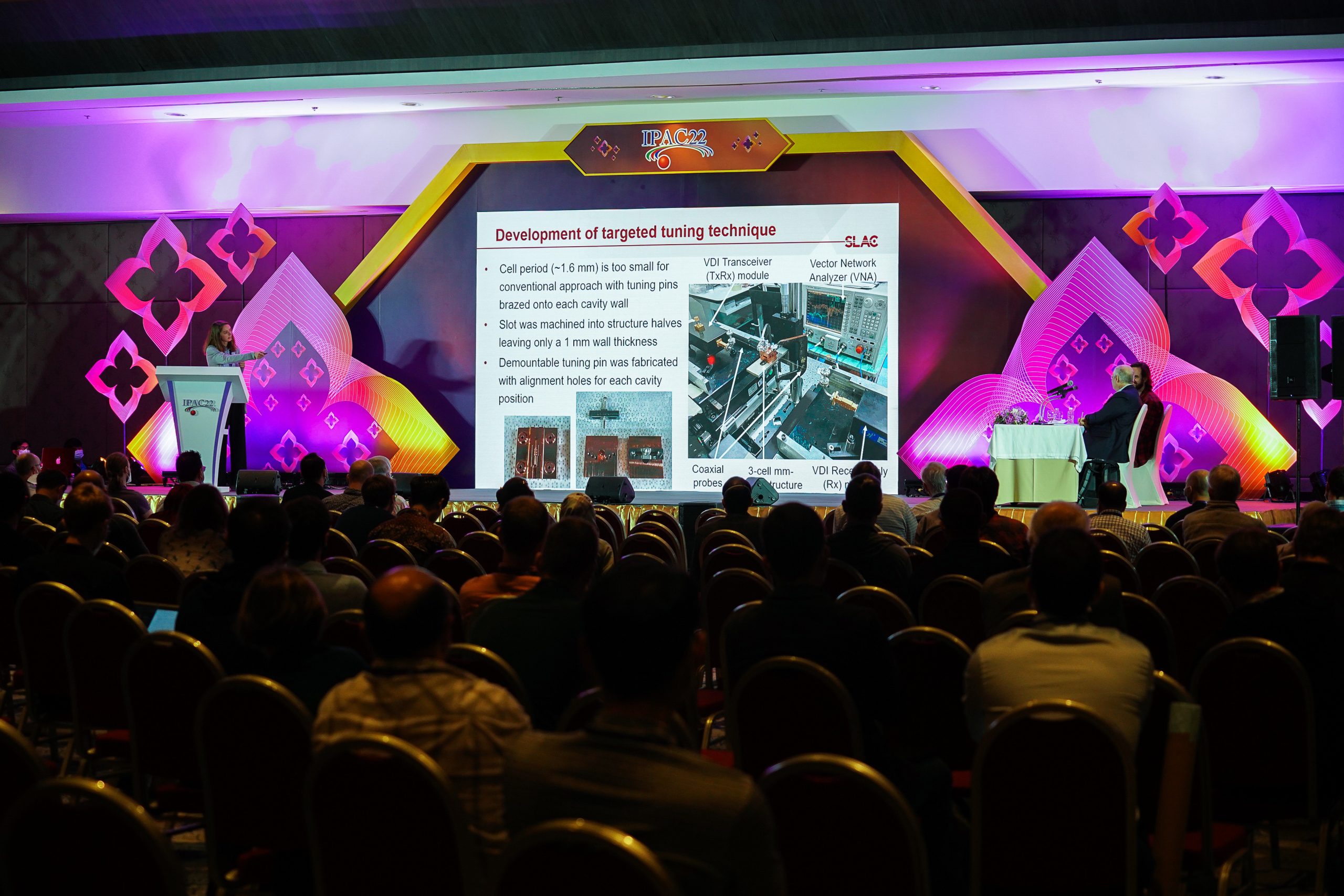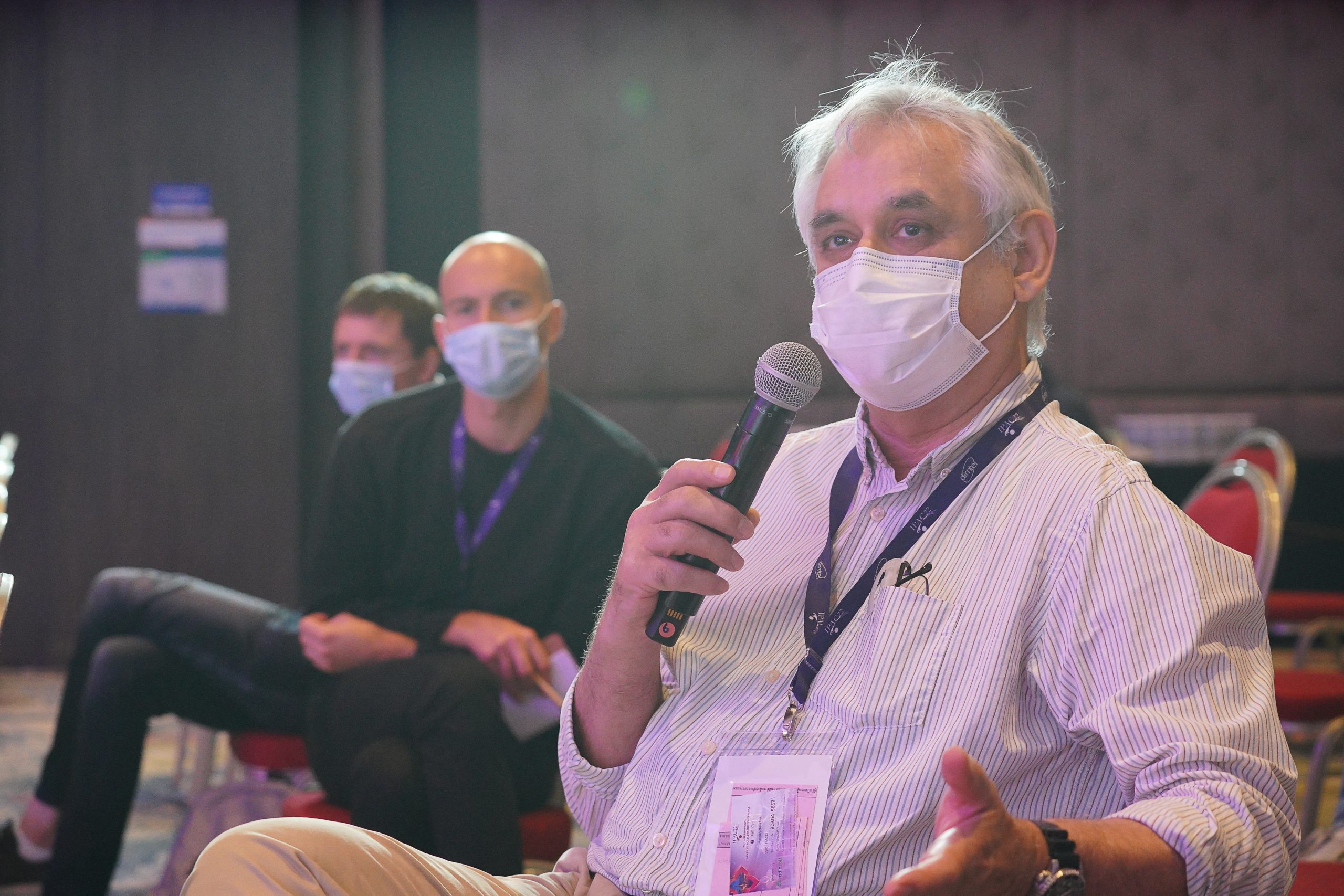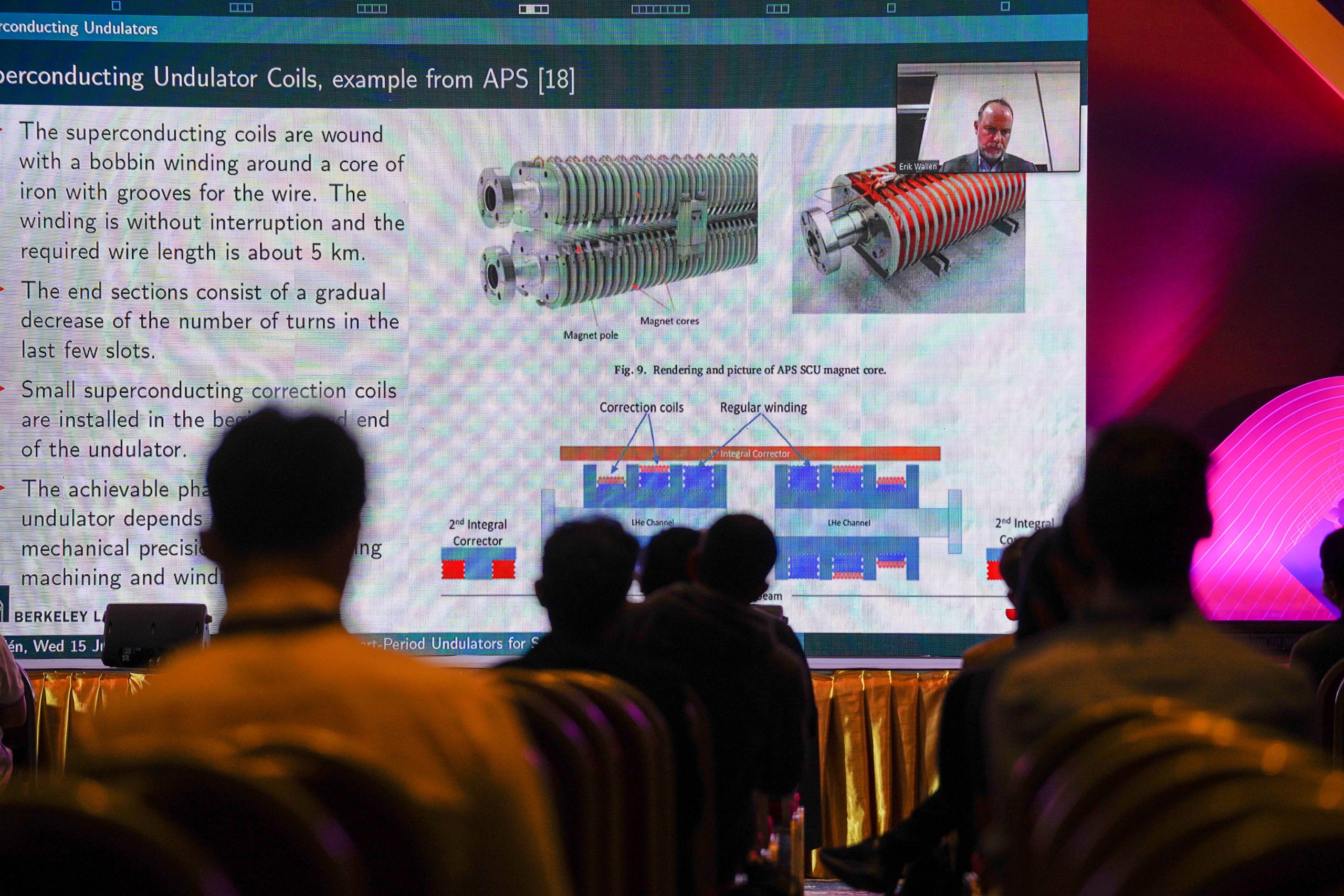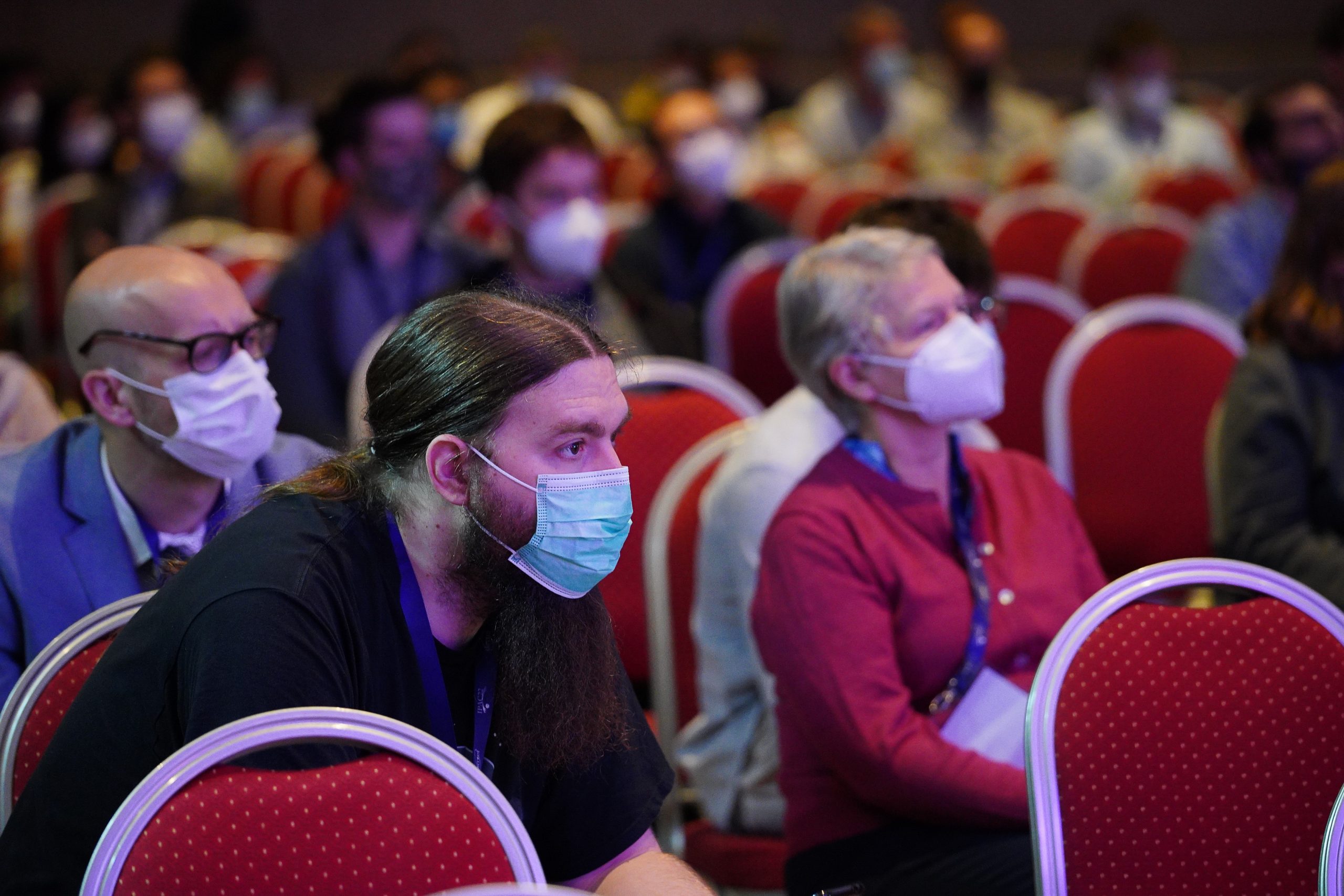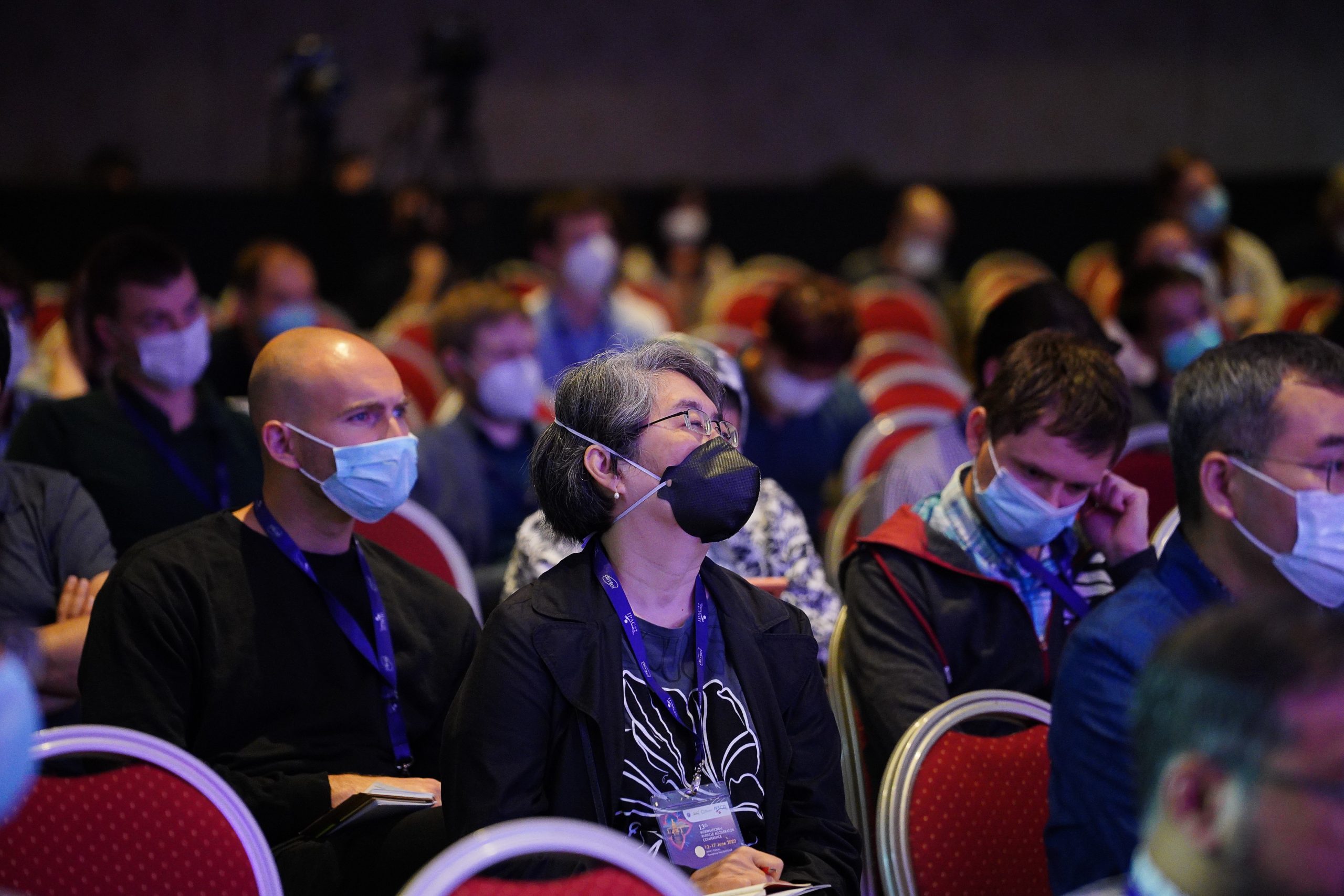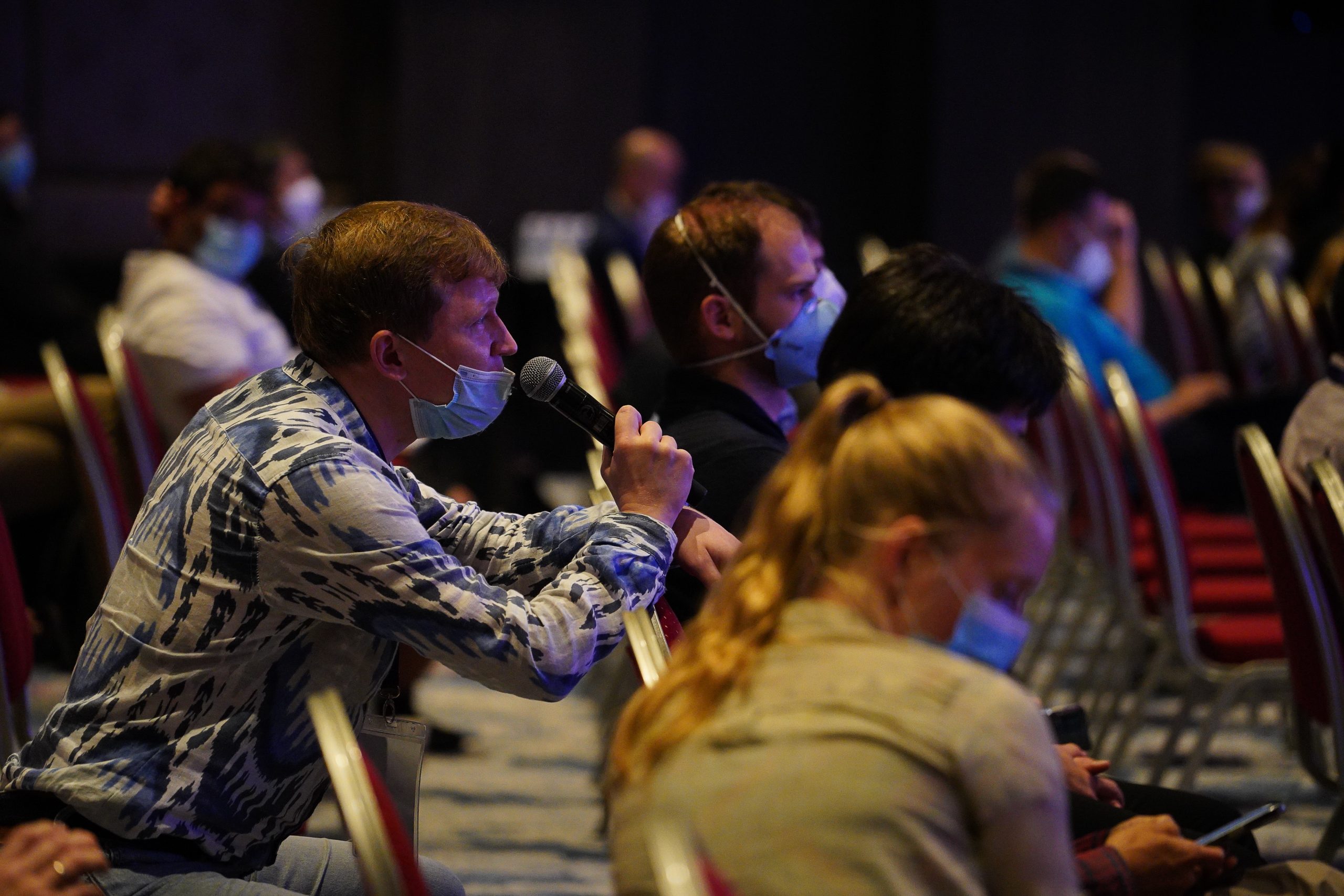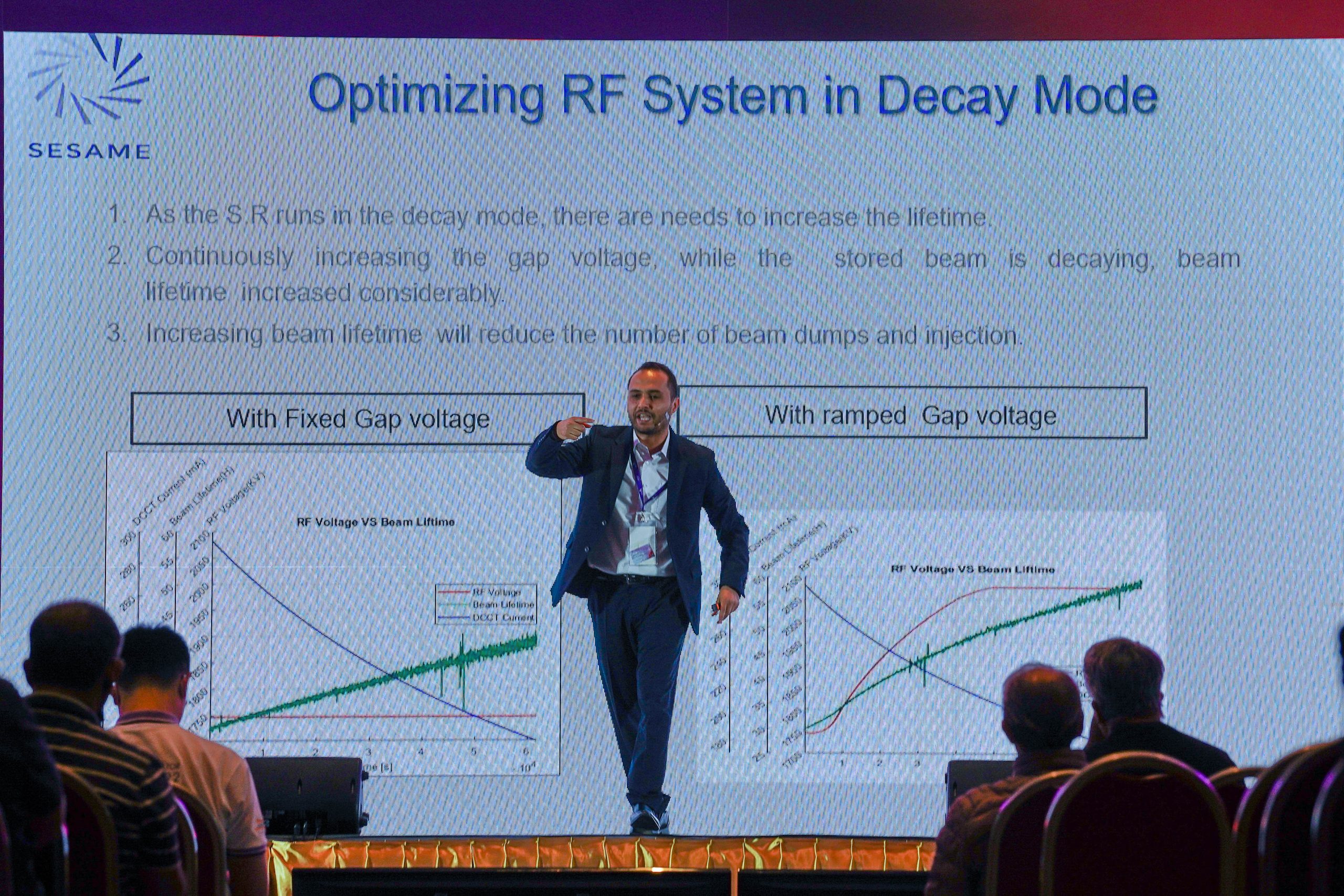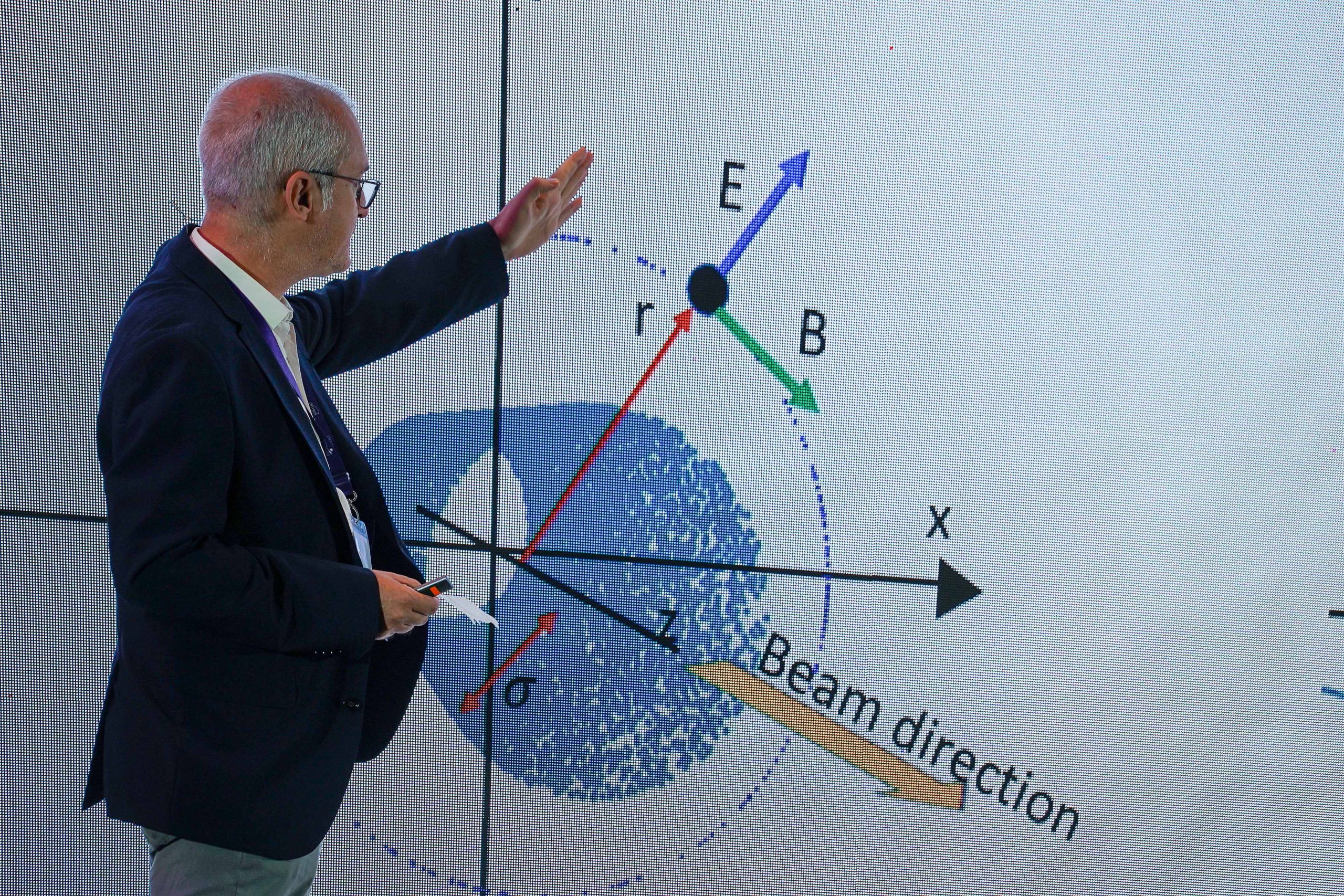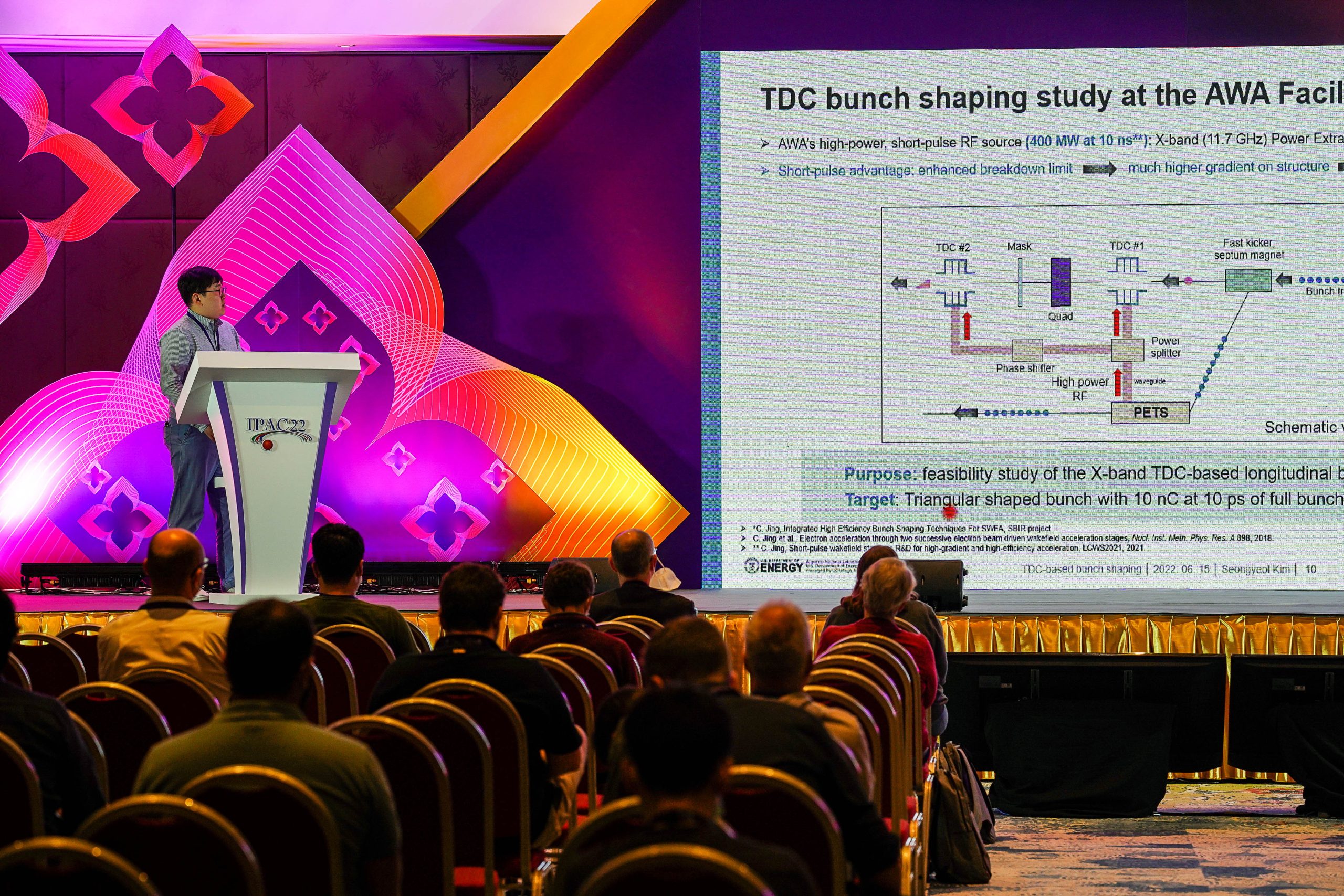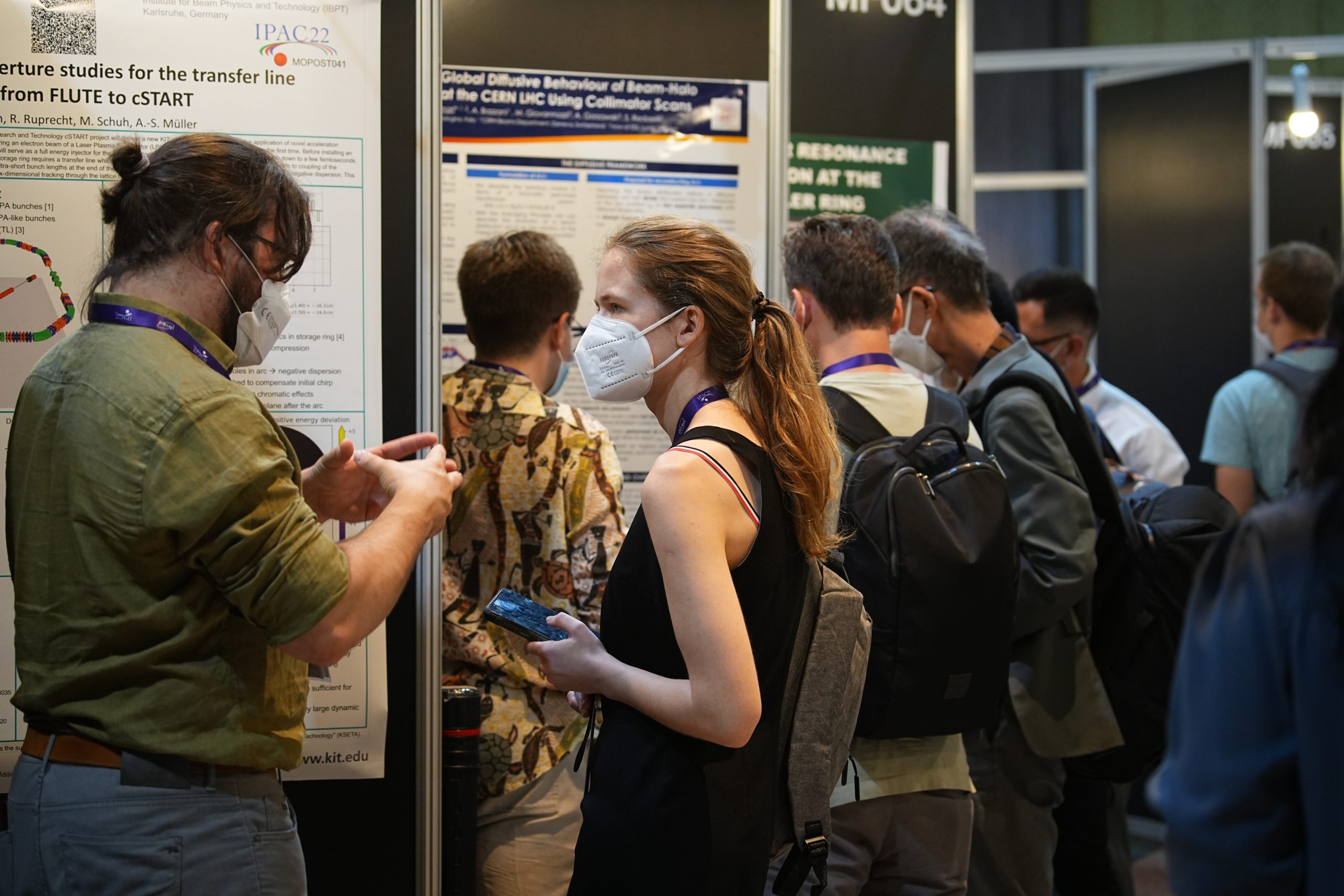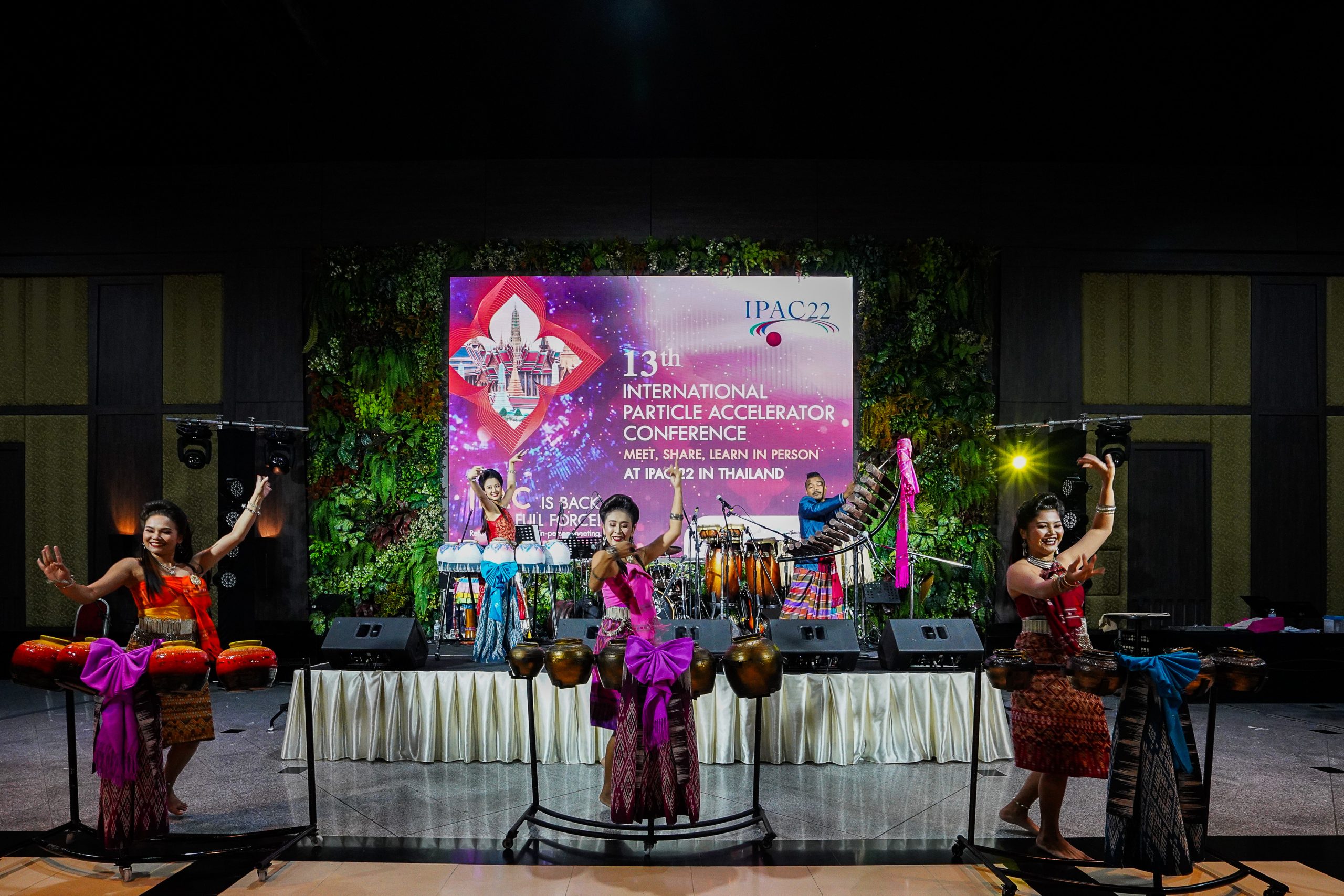




The Synchrotron Light Research Institute (Public Organization) under the supervision of the Ministry of Higher Education, Science, Research and Innovation, in the name of Thailand and representative of Asia hosted the 13th International Particle Accelerator Conference (IPAC22) in Thailand for the first time during 12-17 June 2022 at IMPACT Exhibition and Convention Center. The conference was successfully held with over 800 Thai and foreign visitors from Germany, United States, France, Switzerland, Japan, Italy, United Kingdom, Korea and Spain, and over 1,000 topics of research abstracts as well as over 60 booths of the particle accelerator exhibition from international dealers. The event provided insightful academic knowledge and performed as an experience exchange stage between researchers across the globe. The meeting also boosted the local economy for hospitality and tourism and represented a good image of Thailand to all visitors.
Dr. Prapong Klysubun, SPS-II Project Manager, SLRI, and Organising Committee Chair of IPAC’22, said, “The IPAC meeting has such global significance, and it is the largest conference of its kind. The conference is held annually with the rotation of host within 3 continents which are Asia (including Australia), Europe and North-South America. This year, it was being held in Asia and Thailand led by the Synchrotron Light Research Institute had signed up and was selected to be the host of the 13th conference with the participation of academicians and people who are interested in the meeting from various industries such as scientists, researchers, engineers, and particle accelerator dealers. The event was appreciated by visitors for its well-organized management and impressive atmosphere.
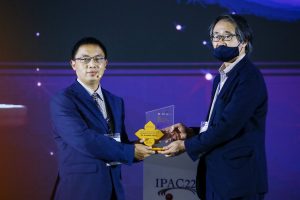
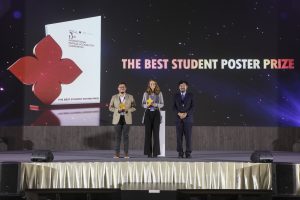
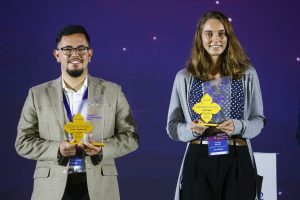
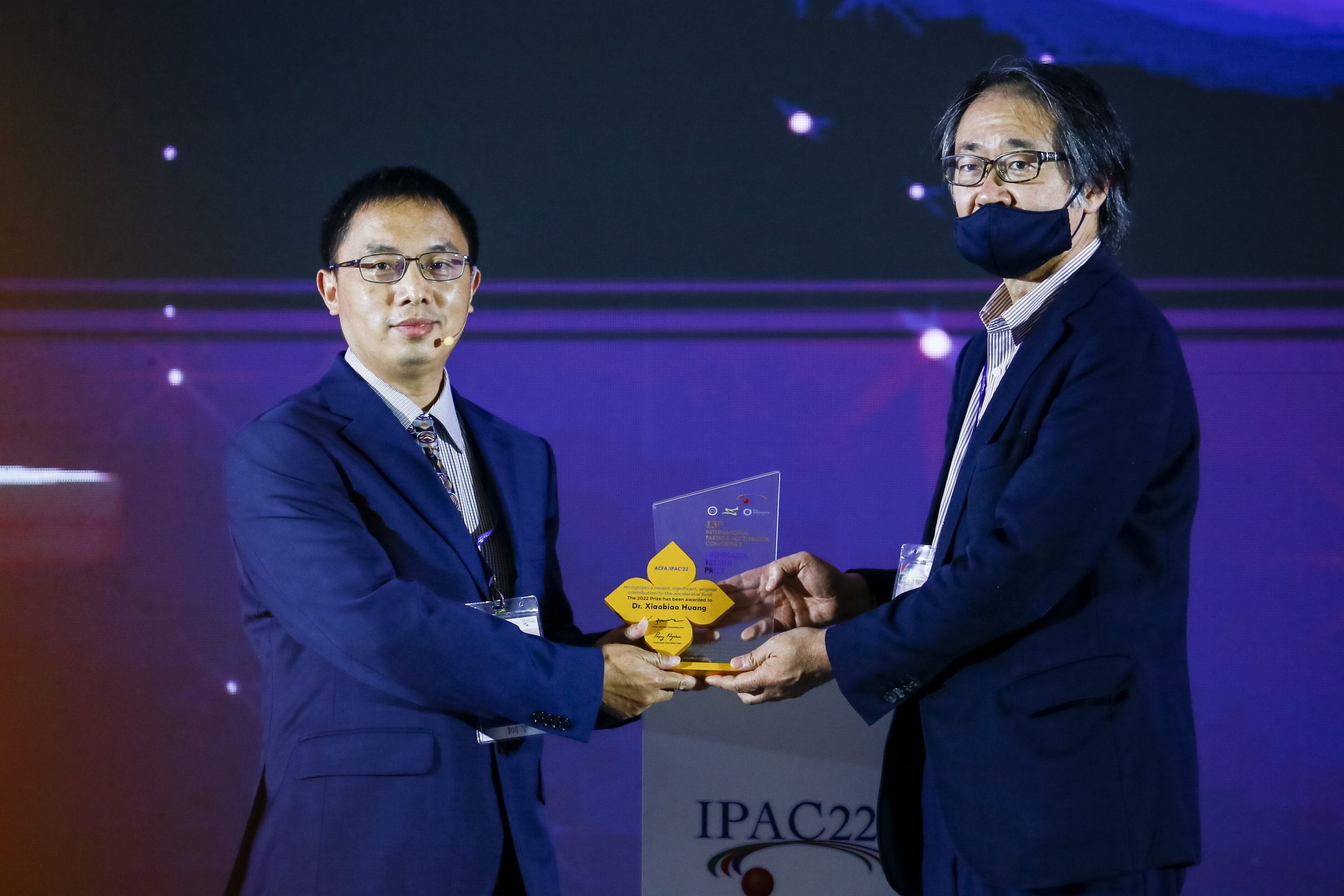
In the IPAC’22, the latest research paper and insights of particle accelerators from worldwide were presented as well as the practical applications of research, technology and innovation used in a laboratory and the industrial sector. International scientists from around the world had come to update researches of synchrotron technology, particle accelerator technology, magnet technology, vacuum technology and system technology to expand and enhance knowledge on science, technology and innovation for the future. In addition, there were awards ceremonies for international particle accelerator physicists. Each award is named after Asia particle accelerator physicists who have created benefactions and played an important role in the particle accelerator industry such as the Xie Jialin Prize which was named in the honor of Prof. Xie Jialin, a Chinese physicist who developed the particle accelerator to cure cancer, the Nishikawa Tetsuji prize was named in the honor of Nishikawa Tetsuji, a Japanese physicist who was expert on the light dynamics of linear particle accelerator, and the Hogil Kim Prize was named in the honor of Prof. Hogil Kim, a physicist and student who piloted the biggest particle accelerator project in South Korea and successfully graduated as particle accelerator physicist from an institute in the United States. Moreover, there was also an exhibition to present Thailand’s second synchrotron light generator to be built in the Eastern Economic Corridor of Innovation in Rayong Province in order to support the industrial sector. The second generator will take around 7 years to finish and will add at least 6,000 million Baht to the country economic value per year, bringing Thailand to be an innovative country and lifting Thai people’s quality of life.
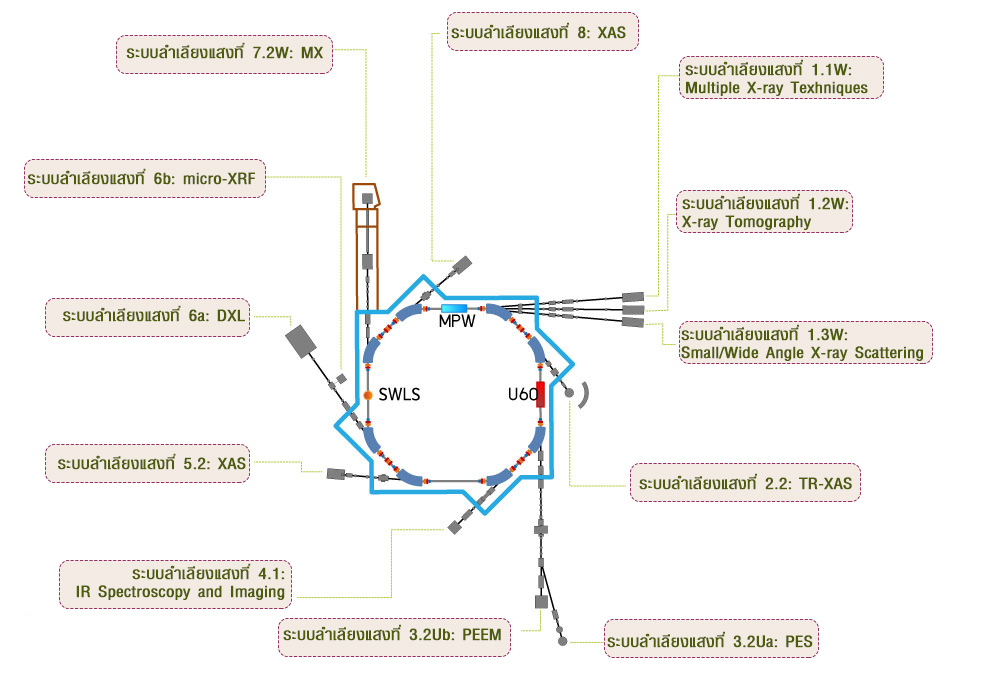
Dr. Prapong Klysubun added “Thailand has the Synchrotron Light Research Institute (Public Organization) or SLRI to provide synchrotron light for public, private and industrial sectors with an aim of research purposes and product development in various fields, including food, cosmetics, pharmaceuticals, and polymers. The institute is located in the campus of Suranaree University of Technology (SUT), Nakhon Ratchasima. It is the only synchrotron light research institute in Thailand and is the biggest one in ASEAN. It provides service and support to farmland, medical, pharmacy and industry such as the service of providing synchrotron light to the industry to develop cosmetics with skin absorption analysis. More example is a project using synchrotron light to develop medicine; COVID-19 medicines by using synchrotron light to identify molecule model of COVID-19 virus which the Synchrotron Light Research Institute in China was the first to discover, followed by England. This helped scientists to develop medicine which blocks virus molecules attached to human body cells. Another example is the usage of synchrotron light to develop medicine for Avian Influenza which the Synchrotron Light Research Institute in Australia was able to develop medicine to cure the H5N1 virus. As above mentioned, the synchrotron light generator is considered as a scientific tool with a complication of engineering technology and is recognized as a key infrastructure to develop the country in terms of science and technology for business expansion and competitive increase to support industrial research leading to human resources development as well as creating jobs and building careers in various fields.
The next 14th International Particle Accelerator Conference will be held in Italy.