Beamline & Facilities
Beamline & Facilities
Beamline 1.1W · Multiple X-ray Techniques
Beamline 1.1W
XRD · XAS · XRF
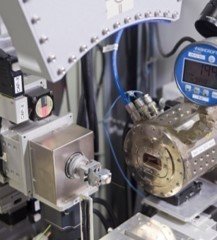
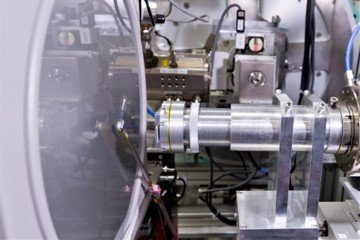
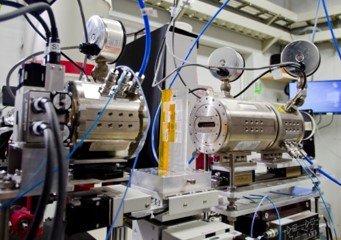
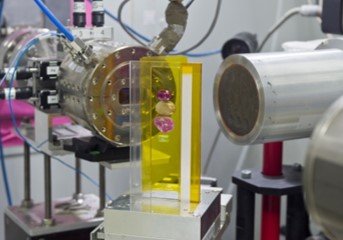
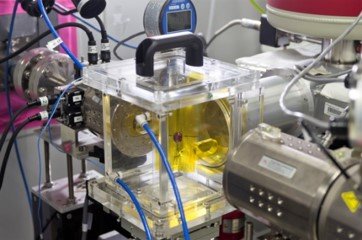
The Beamline 1.1W consists of three beamline end-stations, namely, X-ray diffraction (XRD), X-ray absorption spectroscopy (XAS) and X-ray fluorescence (XRF). A combination of the three techniques provides structural information on the long-range order, as seen by the XRD technique, as well as local structures as seen by the XAS technique and elemental analysis from the XRF technique. The ability to combine multiple x-ray techniques is highly useful especially for in-situ study as various information can be extracted when samples are subjected to the same environment.
Techniques
X-ray Diffraction (XRD)
- Crystal phase
- Refined crystal parameters and atomic positions
- Structural orientation
- Crystallinity
- Crystallite size
- Residual stress
X-ray Absorption Spectroscopy (XAS)
- Oxidation state
- Symmetry
- Local coordination environment
- Speciation
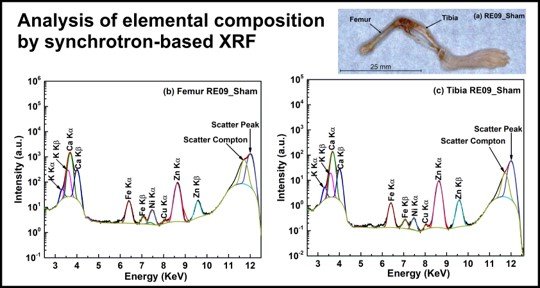
X-ray Fluorescence (XRF)
- Qualitative and quantitative elemental analysis
Research opportunity
State of the art tool for refinement of atomic and structural parameters
- Utilization of parallel and intense synchrotron x-rays for increased angular resolution, faster measurements and small beam size XRD experiments.
- Preferred XRD configuration for structural refinement without effects of sample displacement and preferred orientation.
- Combined complementary XRD, XAS and XRF techniques for multi-probe approach of structural determination including in-situ experiments under elevated temperature and controlled atmosphere.
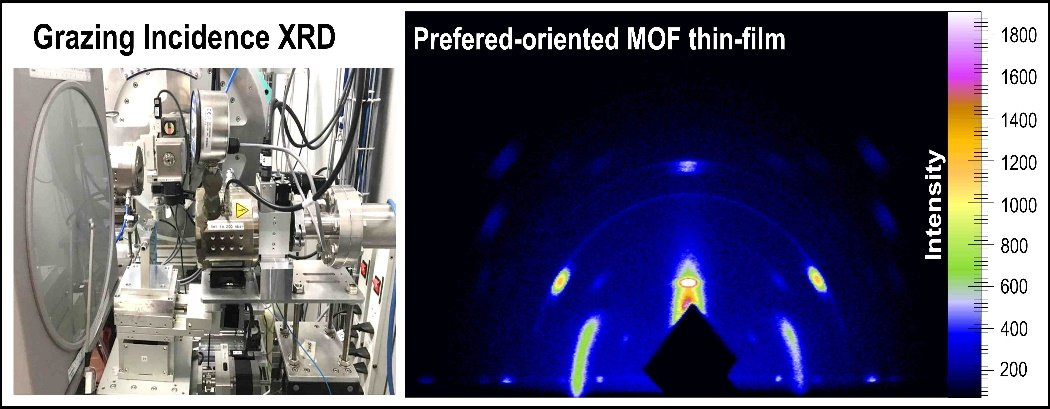
Surface sensitive structure of thin films and coating
- Available grazing incidence (GI) setup for investigation of phases, purities and preferred crystallite orientation of thin films and coatings on substrates.
- Help design thin-film fabrication process and examine structural and chemical functions of films.
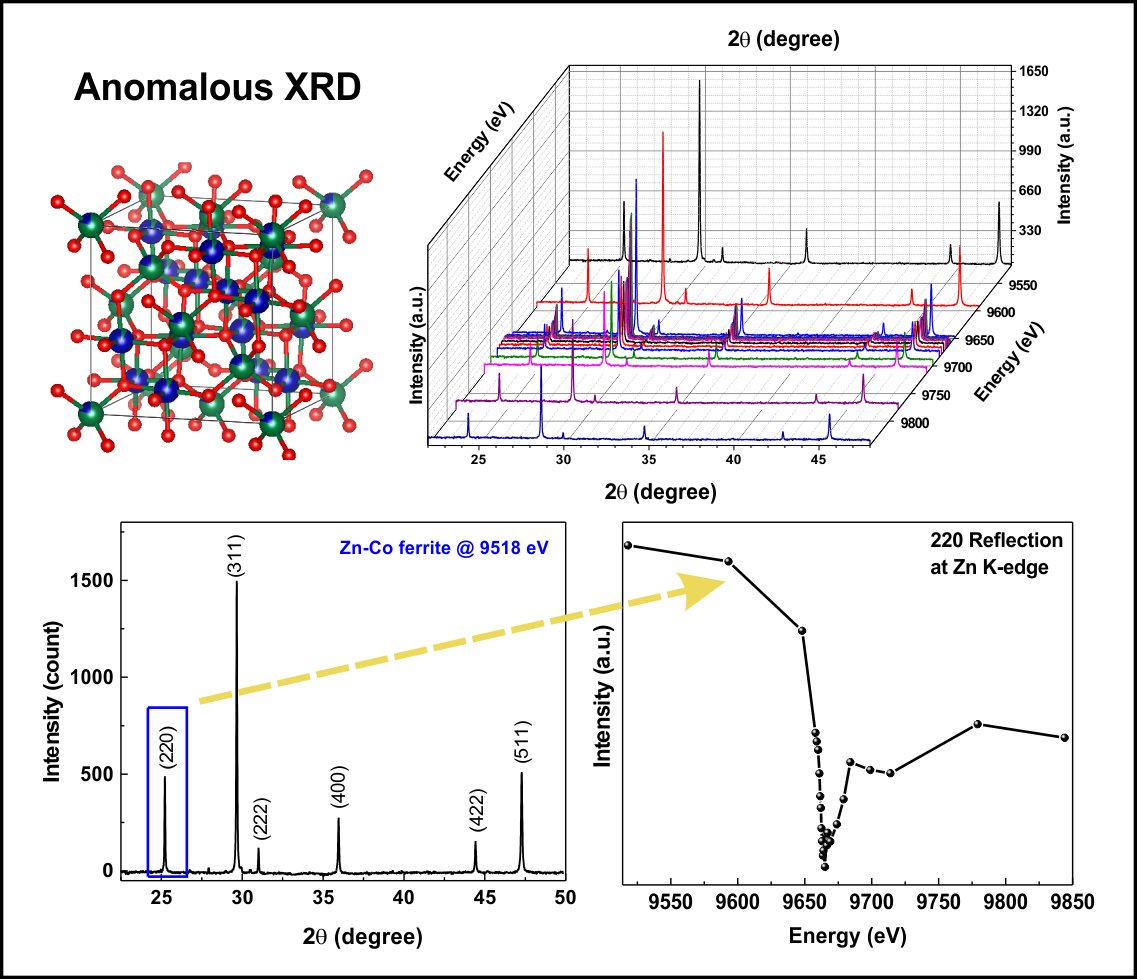
Anomalous x-ray diffraction for spinel site occupancy
- X-ray diffraction measurements as a function of energy offers spectroscopic information that is crystallographic phase sensitive or crystallographic site sensitive.
- Site occupancies of doped elements in spinel determined when x-ray energy is varied in the vicinity of the doped elements absorption edges.
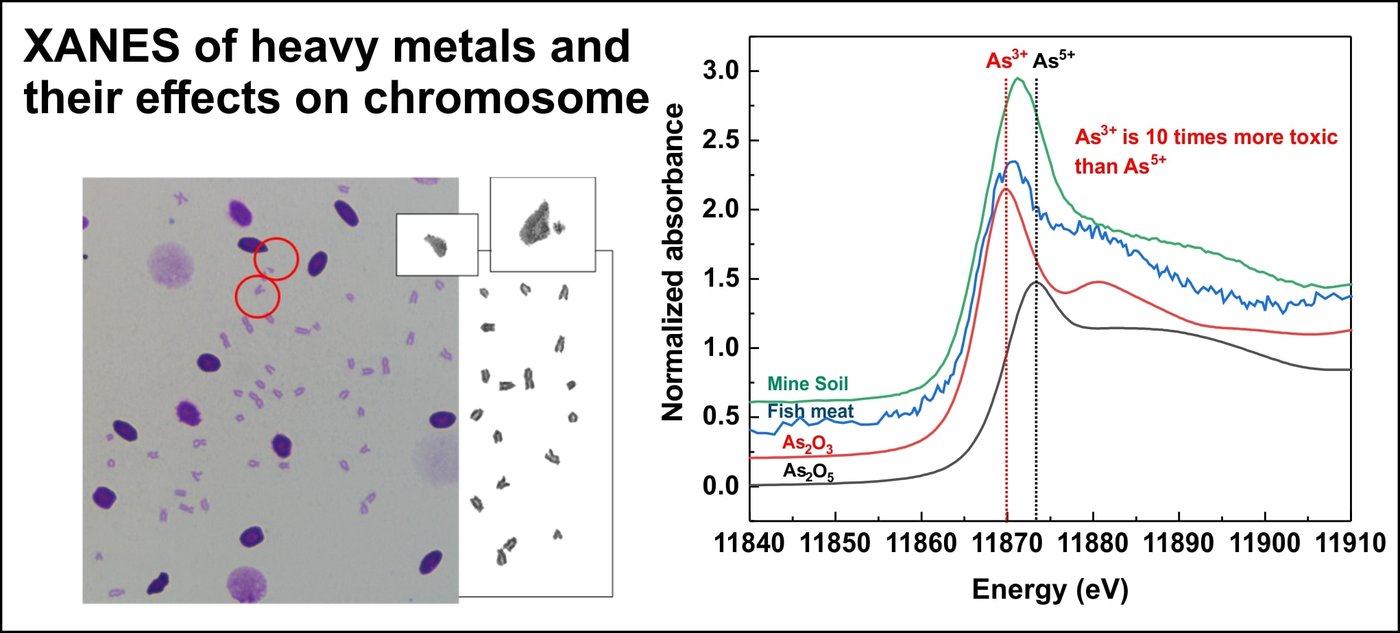
Chemical forms of heavy metal in environment
- Identification of toxic chemical forms of heavy metal such as arsenic, mercury and lead in soil, water and affected marine animal and plant.
- Finding solutions to reduce
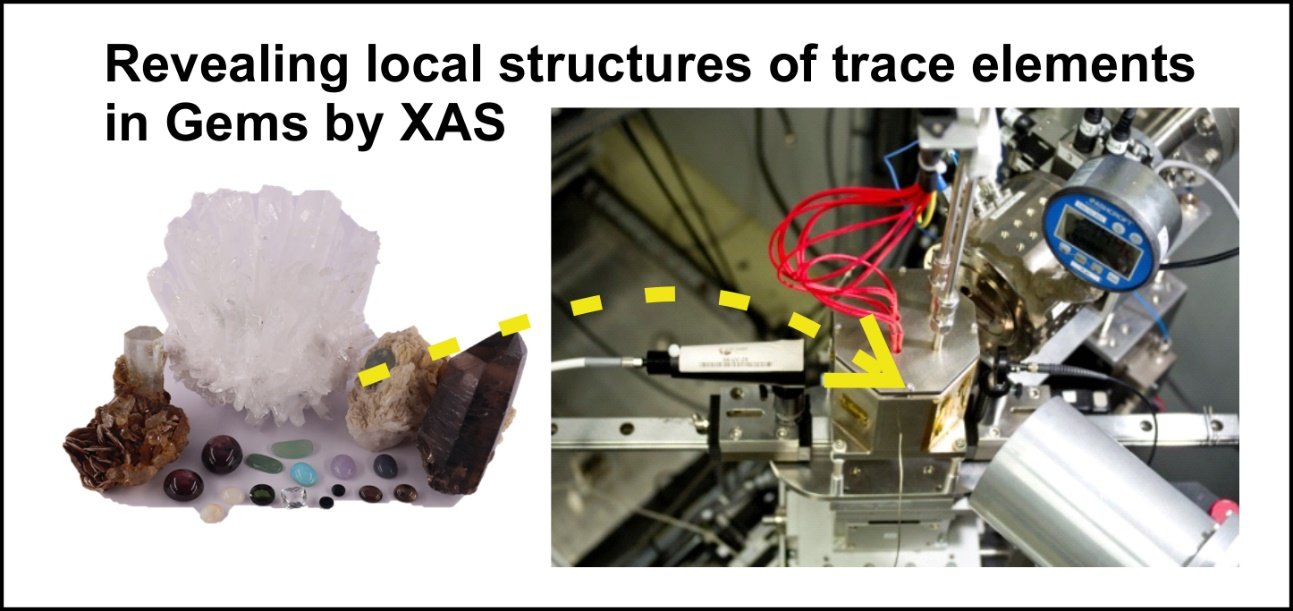
Local probe for trace elements in gemology materials
- Oxidation state identification of trace amounts of transition metal ions responsible for colors in gemstones.
- Available XAS UV-Vis coupling set up under elevated temperatures from patented Octagon furnace for real-time tracking of oxidation state and light absorbance change during heat treatment.
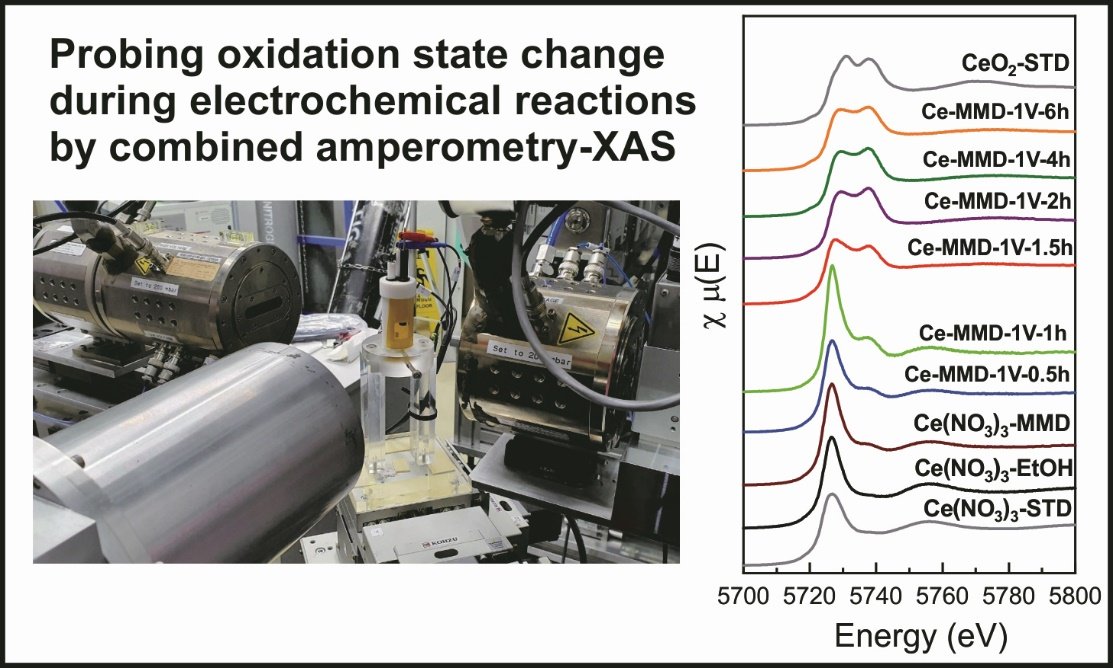
Chemical changes during electrochemical reaction
- Chronoamperometry and XAS coupling setup for monitoring of complex formation between metal ions and organic ligands.
- Identification of the effects of controlled potential to changes of oxidation states and chemical species.
- Help determine key steps and controlled parameters required for electrochemical reactions.
Synchrotron XRF for increased sensitivity and spatial resolution
- A choice for non-destructive probe for qualitative or quantitative elemental analysis applicable to most materials including organic or inorganic and in solid or liquid forms.
- Increased sensitivity and spatial resolution provide opportunities for small samples, inhomogeneous samples or detection of low concentration constituents.