
Why Does Thailand Need a Second Synchrotron Light Source?
“Siam Photon Source I”, Thailand’s current machine, is based on 2nd-generation technology and has been in operation for more than 30 years (10 years in Japan and 20 years in Thailand). Although it has been developed to its full potential, it still has significant limitations and can no longer fully meet the needs of future industries or keep pace with technological progress. The Institute has therefore launched the 3 GeV Synchrotron Light Source Project based on 4th-generation technology.
In service for more than 30 years2nd-generation technology · 1.2 GeV
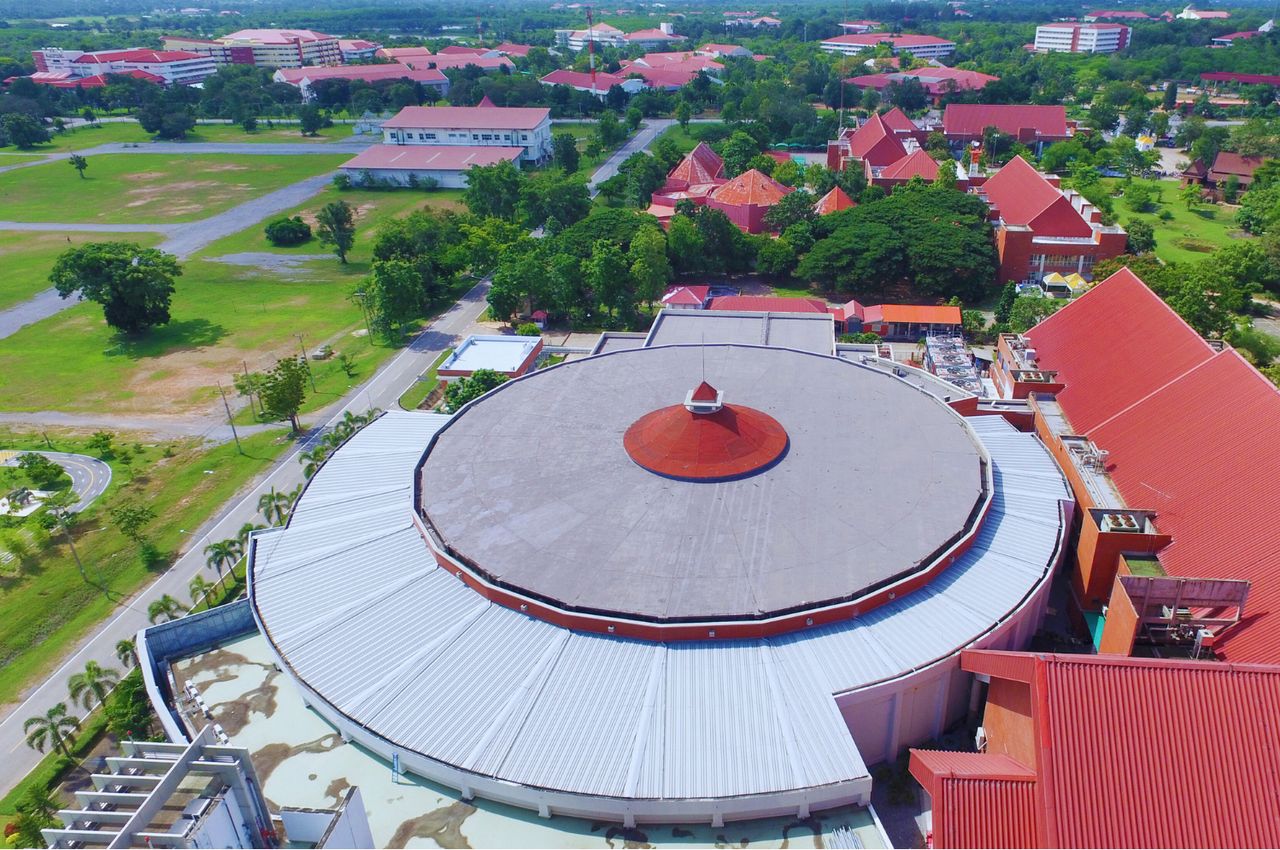

- Current machine: 1.2 GeV3GeVEnergy level
- Current machine: 2nd generation4thGeneration technology
- Currently 13 stationsup to23Experimental stations
- A larger machineover320mCircumference
New Capabilities of the 3 GeV Synchrotron Light Source
A Wider Photon Energy Range
- Current
- Limited range at 1.2 GeV
- New
- Hard X-rays up to 60 keV
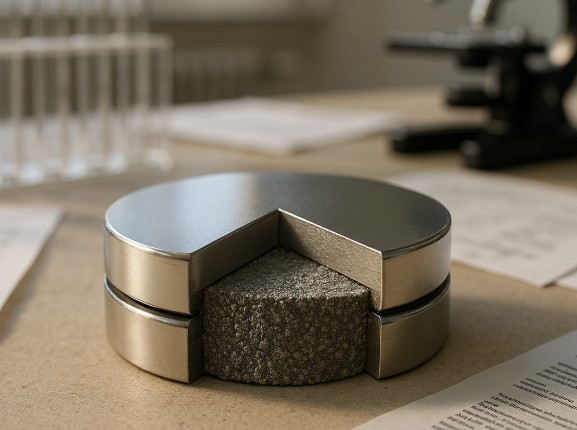
The new machine extends coverage to high-energy X-rays (hard X-rays) of up to 60 keV, enabling more detailed analysis of heavy elements such as rare earth elements, precious metals and heavy-metal contaminants in the environment. It also supports studies of the crystal structures of materials using high-energy X-rays and the monitoring of changes in materials under actual operating conditions (in situ/operando), for example in batteries and catalysts, which the current machine (1.2 GeV) can perform only to a limited extent.
Greater Penetrating Power
- Current
- Tissue and small bone samples
- New
- From tissue to rock and metal
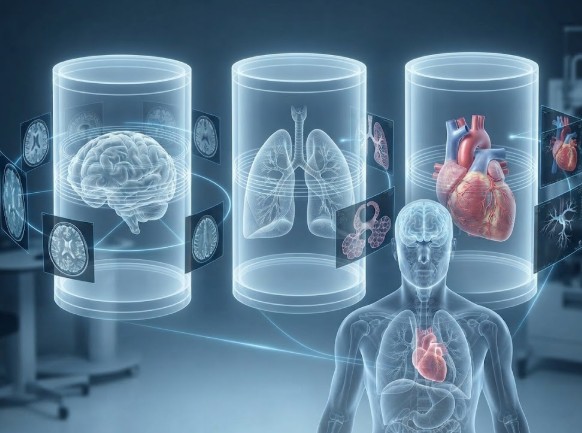
High-energy X-rays penetrate objects more deeply than before, making three-dimensional imaging (X-ray tomography) possible for objects of all densities, from tissue and bone to rock and metal, whereas previously only tissue and small bone samples could be imaged. This makes it possible to inspect internal structures non-destructively, for example cracks and pores in metal components, pore structures in reservoir rocks, fossils and archaeological artifacts.
More Sensitive Detection, Below Previous Limits
- Current
- 10 ppm · about 10 minutes
- New
- 1 ppb · a few seconds
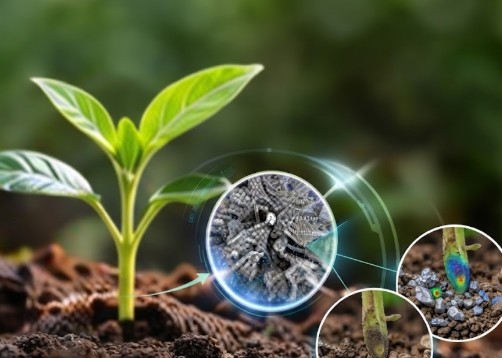
Higher-intensity light makes it possible to detect elements present in very small amounts in a shorter time. For example, X-ray fluorescence (XRF) can detect elements down to 1 ppb within only a few seconds, compared with a previous minimum of 10 ppm in about 10 minutes, a detection limit approximately 10,000 times lower. Contaminants in food, soil, water and biological samples can therefore be detected more accurately, and more samples can be analyzed per day.
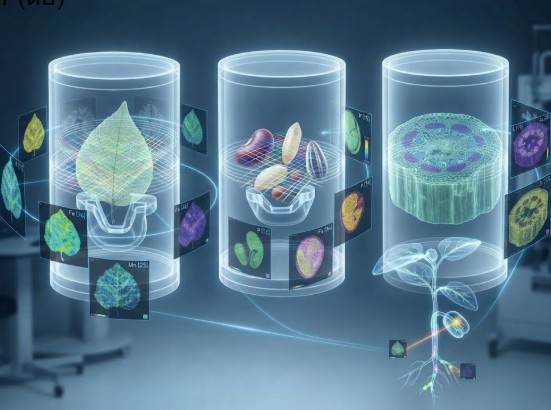
Higher Spatial Resolution
- Current
- Averaged over a larger area
- New
- Point-specific measurement
A smaller and sharper beam allows analysis of much smaller spots, with selected positions measured at scales below 1 square micrometer. The composition and structure of very small regions can therefore be studied directly, for example the distribution of elements within cells, particles in battery materials, defects in electronic components and small mineral grains in rocks, which previously could only be measured as an average over a larger area.
Faster Data Collection
- Current
- About half a minute
- New
- Millisecond range
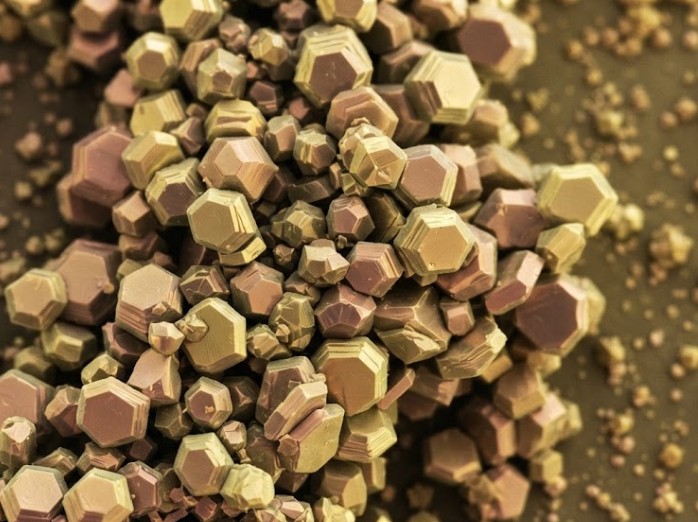
A more intense beam shortens the time required for each measurement, making it possible to follow structural changes in a sample as they occur. For SWAXS, a technique used to study nanoscale structures, the time per measurement is reduced from about half a minute to the millisecond range. This reveals rapid processes such as the crystallization of polymers, the arrangement of nanoparticles and structural changes in materials during heating or tensile loading.
Enabling New Techniques
- Current
- Not possible on the current machine
- New
- 2D and 3D images
The new storage ring produces X-rays of much higher coherence (coherent X-rays), enabling techniques that are not possible on the current machine. One example is ptychography, which forms images from diffraction patterns instead of lenses and produces 2D and 3D images with nanometer-scale detail. This reveals the internal structures of cells, electronic chips and energy materials without the need to cut or damage the samples.
More Experimental Stations
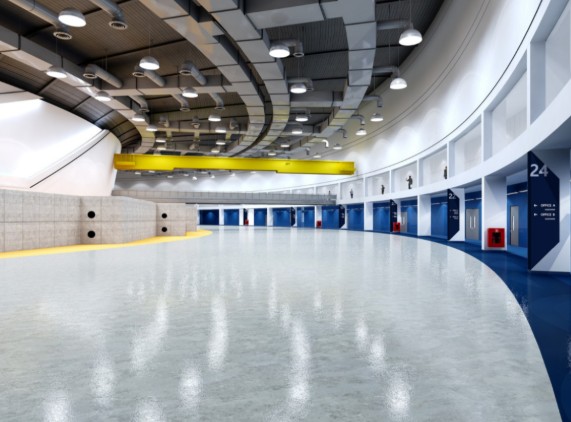
The new synchrotron light source is larger (with a circumference of more than 320 meters), and its storage ring is designed to accommodate up to 21 insertion devices, with synchrotron light from bending magnets available at 2 further positions. Up to 23 beamlines and experimental stations can therefore be built (compared with 13 at present), and the facility will be able to support future joint investment in beamlines and experimental stations by the public and private sectors, both in Thailand and abroad.
Building an Advanced Manufacturing Base in Thailand
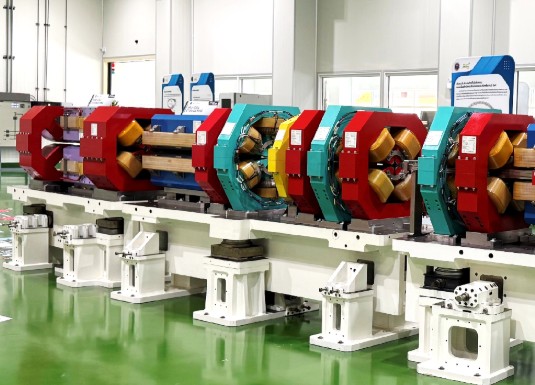
The new machine is being developed by Thailand itself, and the related manufacturing know-how is being transferred to industry. This will establish a sustainable domestic production base for synchrotron light source components and equipment, together with infrastructure and expertise that can be extended to the production of other advanced technologies, such as thin films for semiconductors and solar cells, and proton accelerators for cancer treatment.
Economic Value
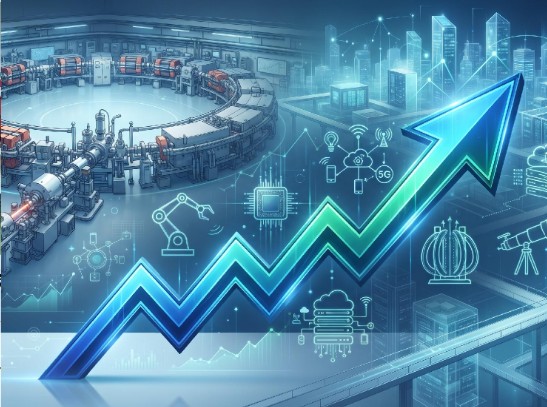
Research and applications using synchrotron light help industry to develop new products and production processes, driving the nation’s innovation-based economy. At the same time, the ability to manufacture components and maintain the machine domestically reduces dependence on imported technology, lowers long-term maintenance costs and ensures that synchrotron light services can be provided sustainably.
Benefits of Synchrotron Light Applications
from the 3 GeV Synchrotron Light Source
Medicine and Biotechnology
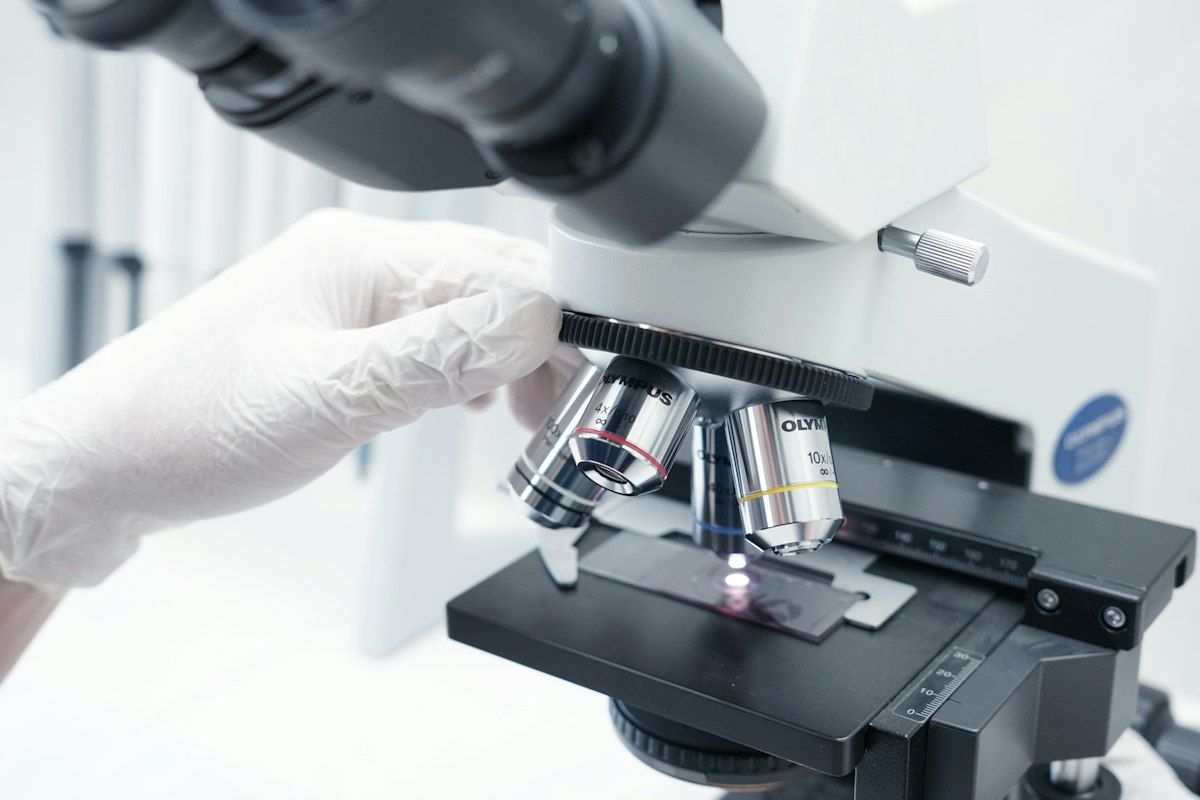
Synchrotron light helps to advance medicine, pharmaceuticals and biotechnology through detailed studies of the structures of proteins and viruses and of organ tissues, in order to understand the mechanisms of infection and disease and the functions of organs, hormones and enzymes. It also supports research on plants and herbs with medicinal properties and the invention of advanced materials for the development of medical devices.
Medical articles (in Thai)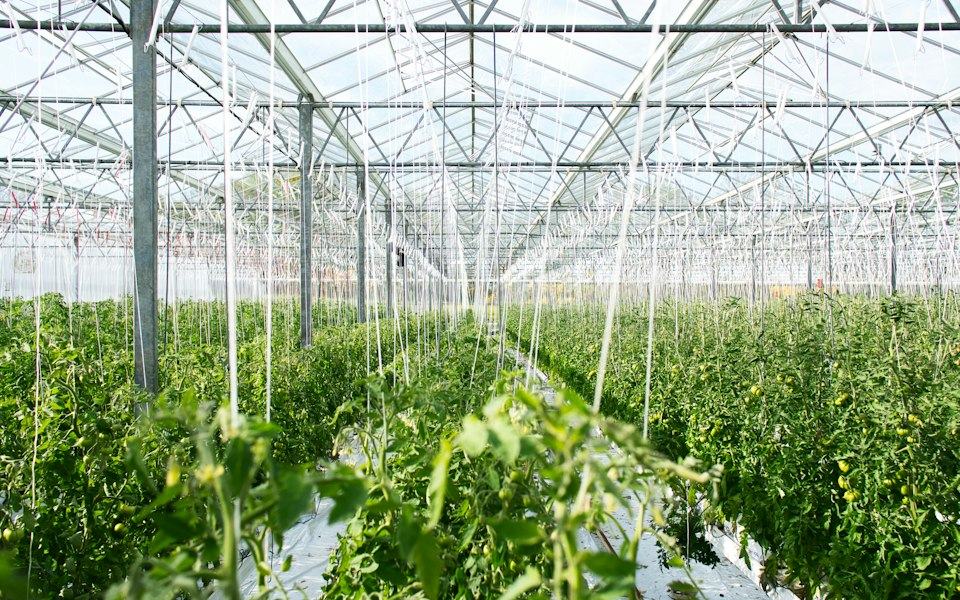
Food and Agriculture
Synchrotron light supports food innovation, including functional foods and foods with medicinal properties, and the development of products in terms of nutritional value and digestibility, flavor, texture and food safety. It also helps to develop agricultural processes toward safe agriculture free from chemical residues, to increase yields and to develop smart packaging.
Food and agriculture articles (in Thai)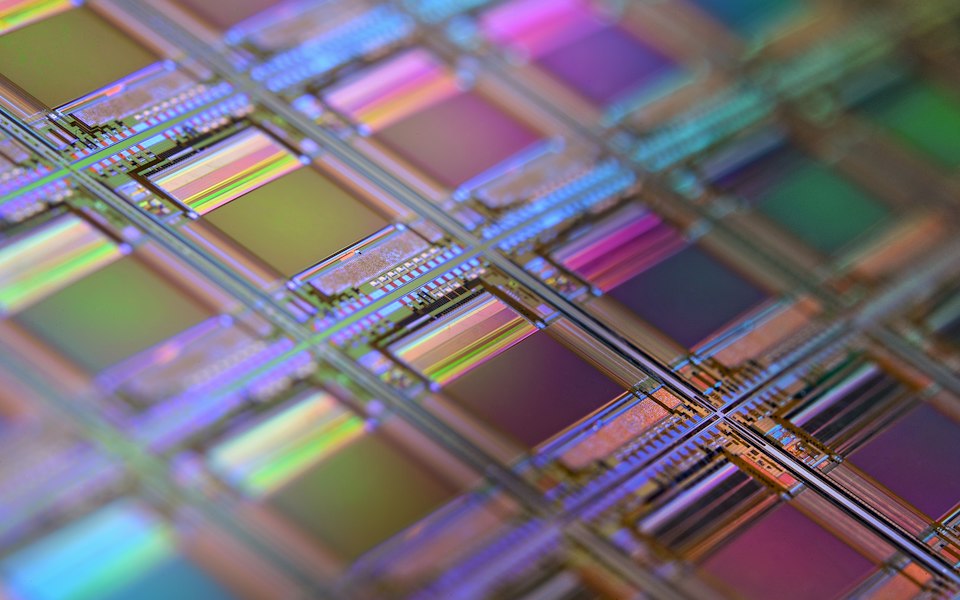
Advanced Materials
Synchrotron light helps to develop advanced materials, including batteries, semiconductors, solar cells, fuel cells, and new types of concrete and composite materials, covering the entire process from new materials and forming processes to coating technologies and performance in use.
Materials articles (in Thai)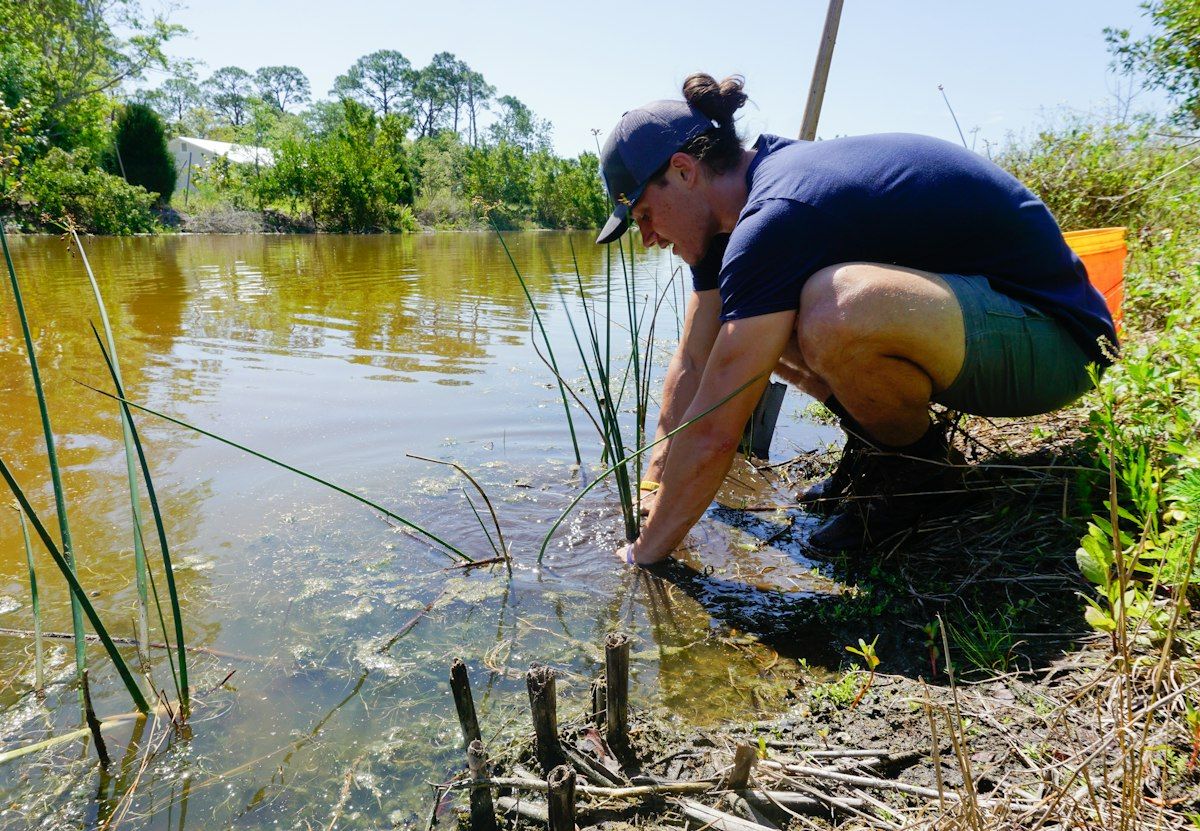
Society and Environment
Synchrotron light helps to develop catalysts that capture and convert carbon, or metal contaminants in the environment, into useful and valuable substances or materials. It enables accurate analysis of environmental contamination and helps to identify the causes of plant and animal diseases. It can also be used to uncover hidden details in forensic science, works of art and archaeological artifacts.
Society and environment articles (in Thai)เครื่องกำเนิดแสงซินโครตรอนระดับพลังงาน 3 GeV
ผลิตแสงซินโครตรอนเปี่ยมคุณภาพได้อย่างไรกดปุ่ม “เล่นทีละขั้น” หรือแตะหมายเลขบนภาพ เพื่อติดตามการเดินทางของอิเล็กตรอน
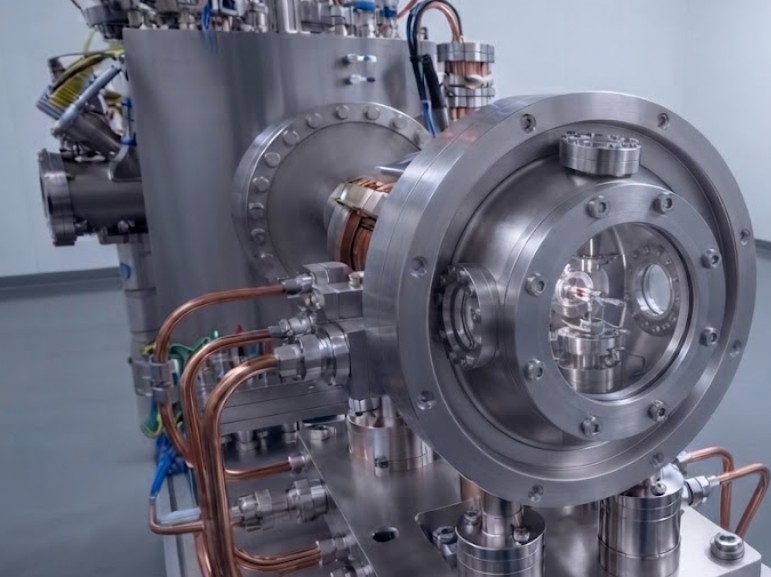
Electron Gun
Produces a very large number of electrons by passing an electric current through the metal filament of the electron gun until it is hot. An electric potential difference is then applied to release the electrons.
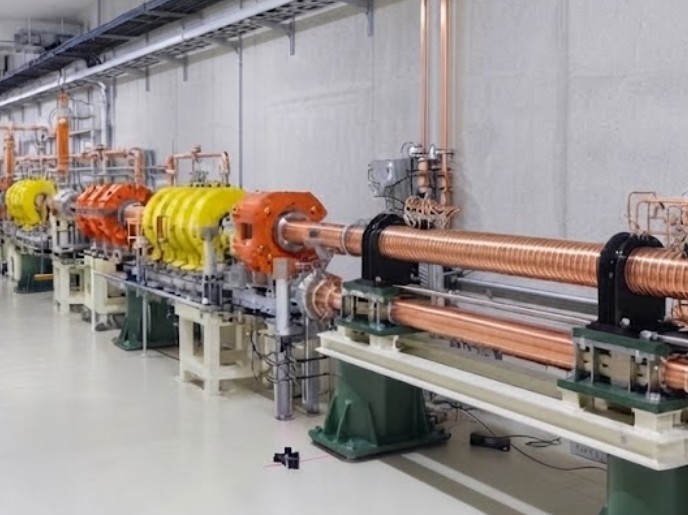
Linear Accelerator
The linear accelerator (Linac) divides the electrons leaving the electron gun into groups called electron bunches. It then accelerates the electrons along a straight line with microwaves to an energy of up to 270 MeV and delivers them to the booster synchrotron, by which point the electrons travel at 99.9998% of the speed of light.
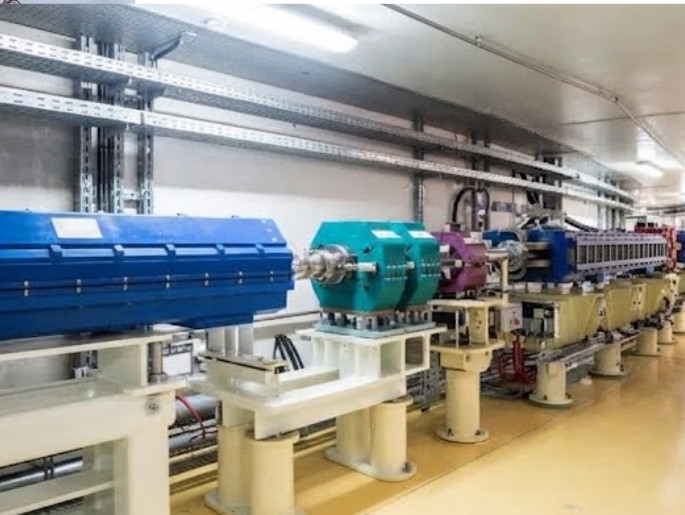
Booster Synchrotron
The booster synchrotron increases the energy of the electrons with radio-frequency waves while guiding them along a circular path, raising their energy continuously to 3 GeV before they are transferred to the storage ring, by which point the electrons travel at 99.999998% of the speed of light.
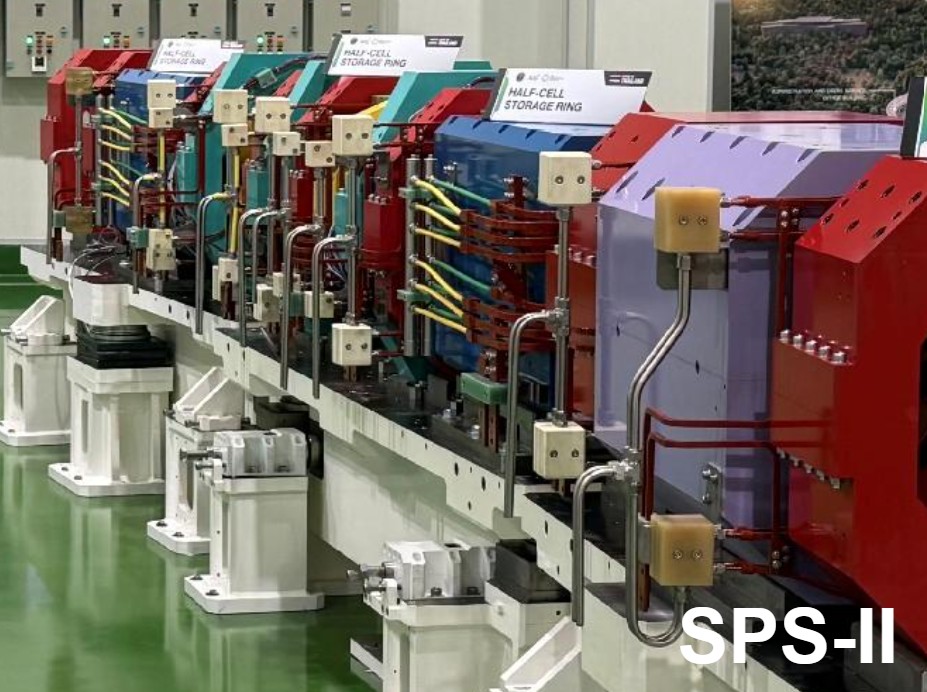
Storage Ring
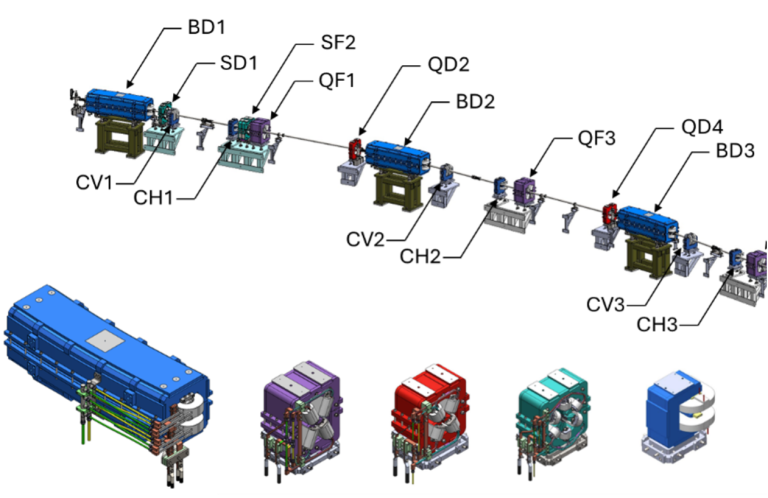
The storage ring stores the electrons and keeps the electron beam stable so that synchrotron light can be produced continuously, by guiding the electrons through insertion devices or dipole magnets. The storage ring uses a DTBA magnet lattice, which provides as many as 28 straight sections with sufficient space between magnet sets for the installation of various devices, including 21 insertion devices.
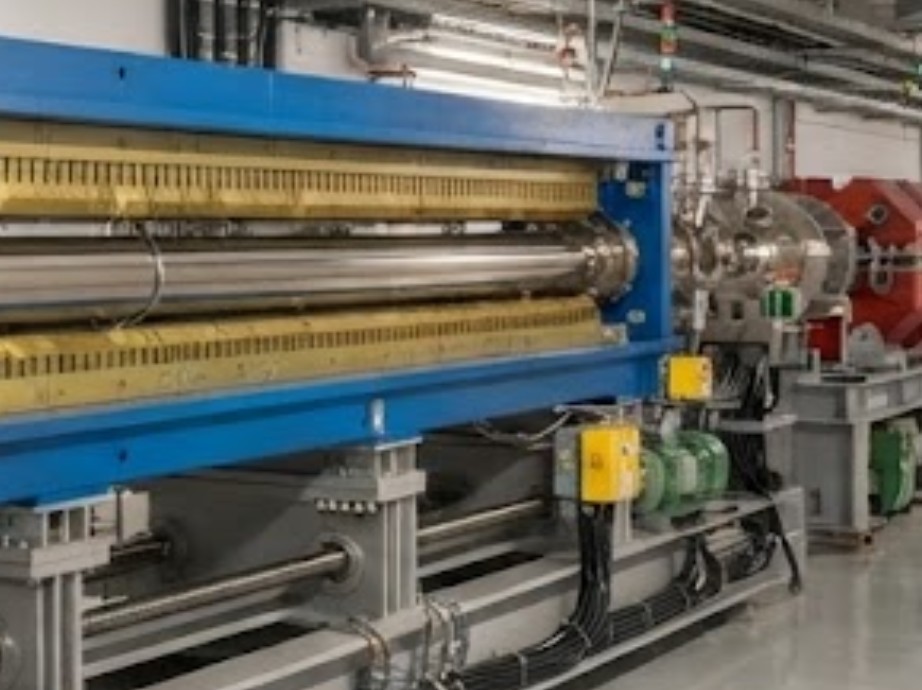
Insertion Devices
Insertion devices are special magnets installed in the straight sections of the storage ring to produce synchrotron light of higher intensity or higher energy than the synchrotron light produced by bending magnets.
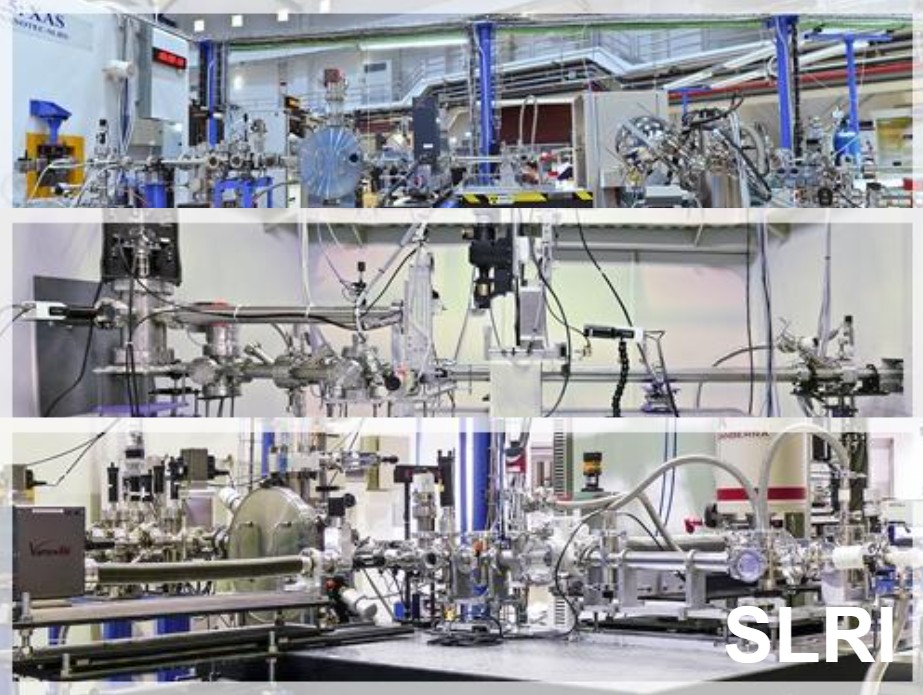
Beamlines and Experimental Stations
A beamline delivers light to an experimental station, while selecting and adjusting the properties of the light to suit the experiments of each user.
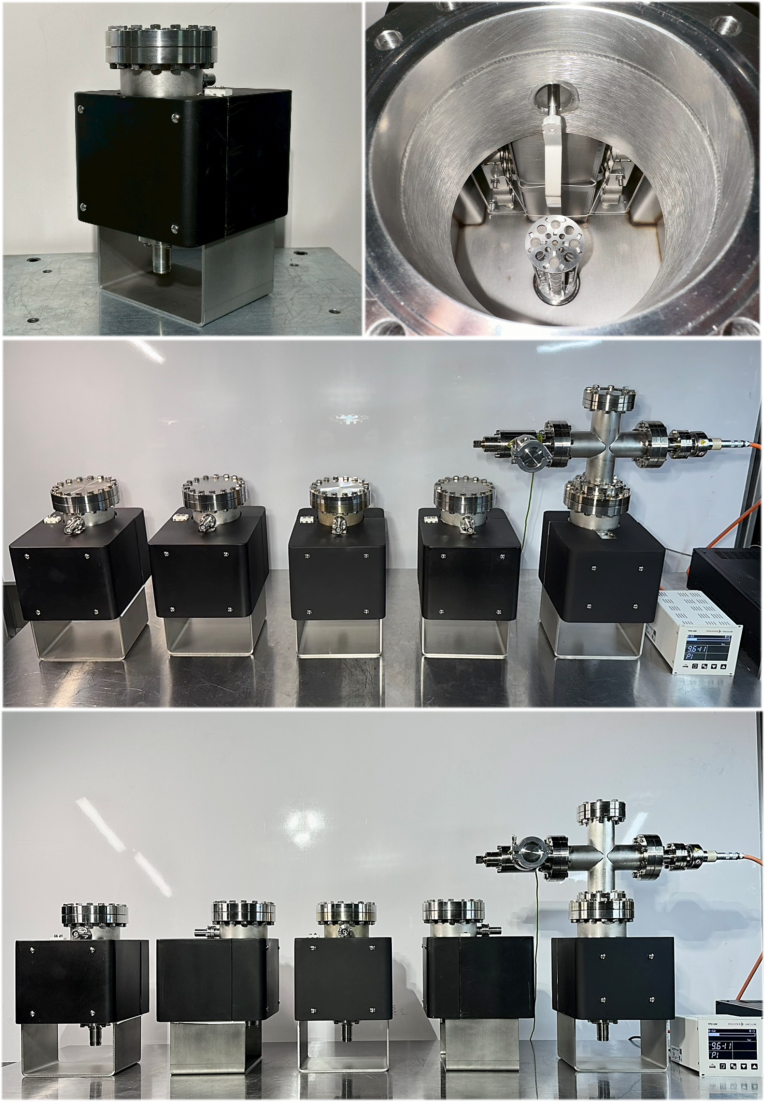
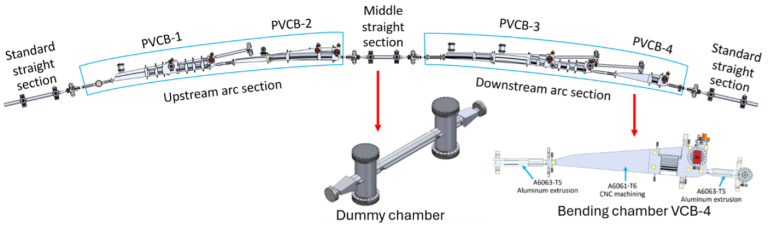
Domestic Development of Synchrotron Light Source Prototypes
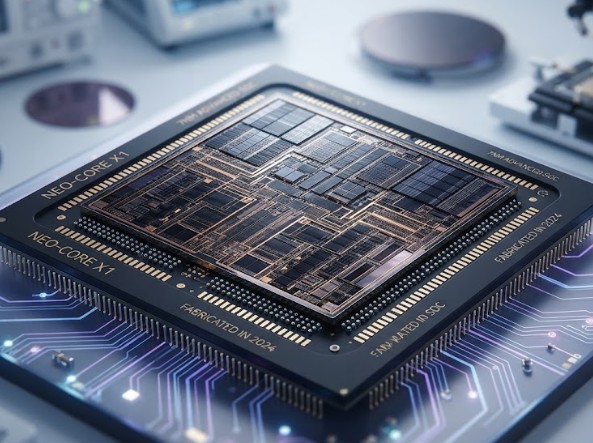
Alongside the design of the machine, the Institute has developed prototypes of the main components of the 3 GeV synchrotron light source in Thailand, in order to verify that each prototype meets the technical specifications before actual production. This work also builds the knowledge and readiness of Thai personnel and industry to manufacture high-precision components, and reduces dependence on imports from abroad. Examples of the prototypes developed by the Institute are as follows.
A Strategic Location that Strengthens the Innovation Ecosystem
This project does more than upgrade existing research and analytical instruments. It is national scientific infrastructure that will be a key component of the Eastern Economic Corridor of Innovation (EECi), helping to complete the research and innovation ecosystem, creating opportunities for enterprises, enhancing competitiveness and raising the level of innovation to meet the economic and social needs of the nation.
Eastern Economic Corridor (EEC)
ฉะเชิงเทรา · ชลบุรี · ระยองEastern Economic Corridor Innovation Zone (EECi)
วังจันทร์วัลเลย์ ต.ป่ายุบใน อ.วังจันทร์ จ.ระยองแตะหรือชี้ที่หมุดบนแผนที่ / รายการ เพื่อดูตำแหน่ง
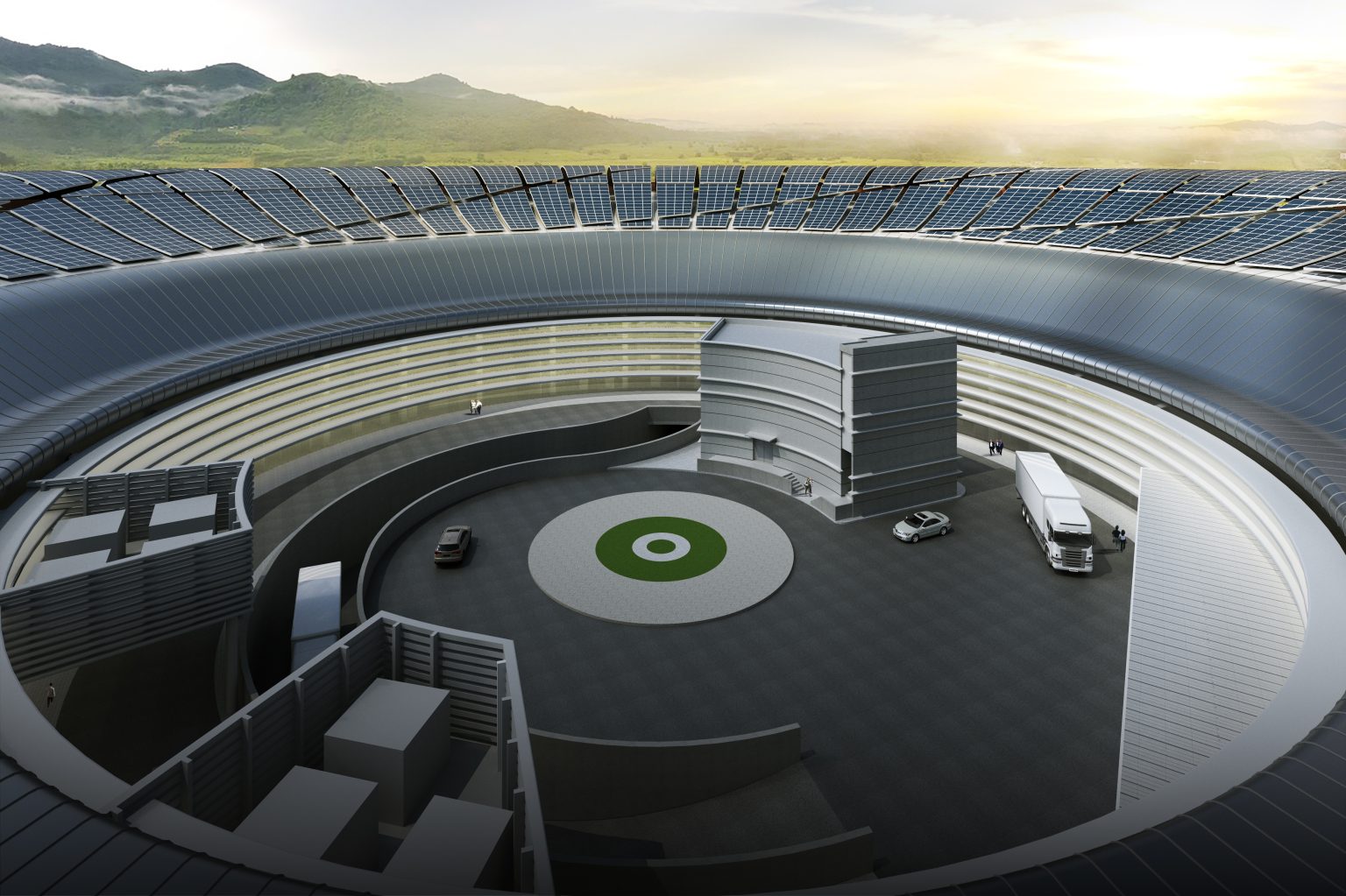
Project Renderings
Click an image to view it at a larger size