
Research Highlight/News
Research Highlight/News
Research Highlights & News
News & Updates
Stay updated with the latest conferences, workshop announcements, system upgrades, and call-for-proposal schedules.
Research Highlights
Battery
- Study lithium extraction and insertion mechanisms in materials.
- Monitor dynamic phase transformations and metastable phase formation during charge–discharge cycles.
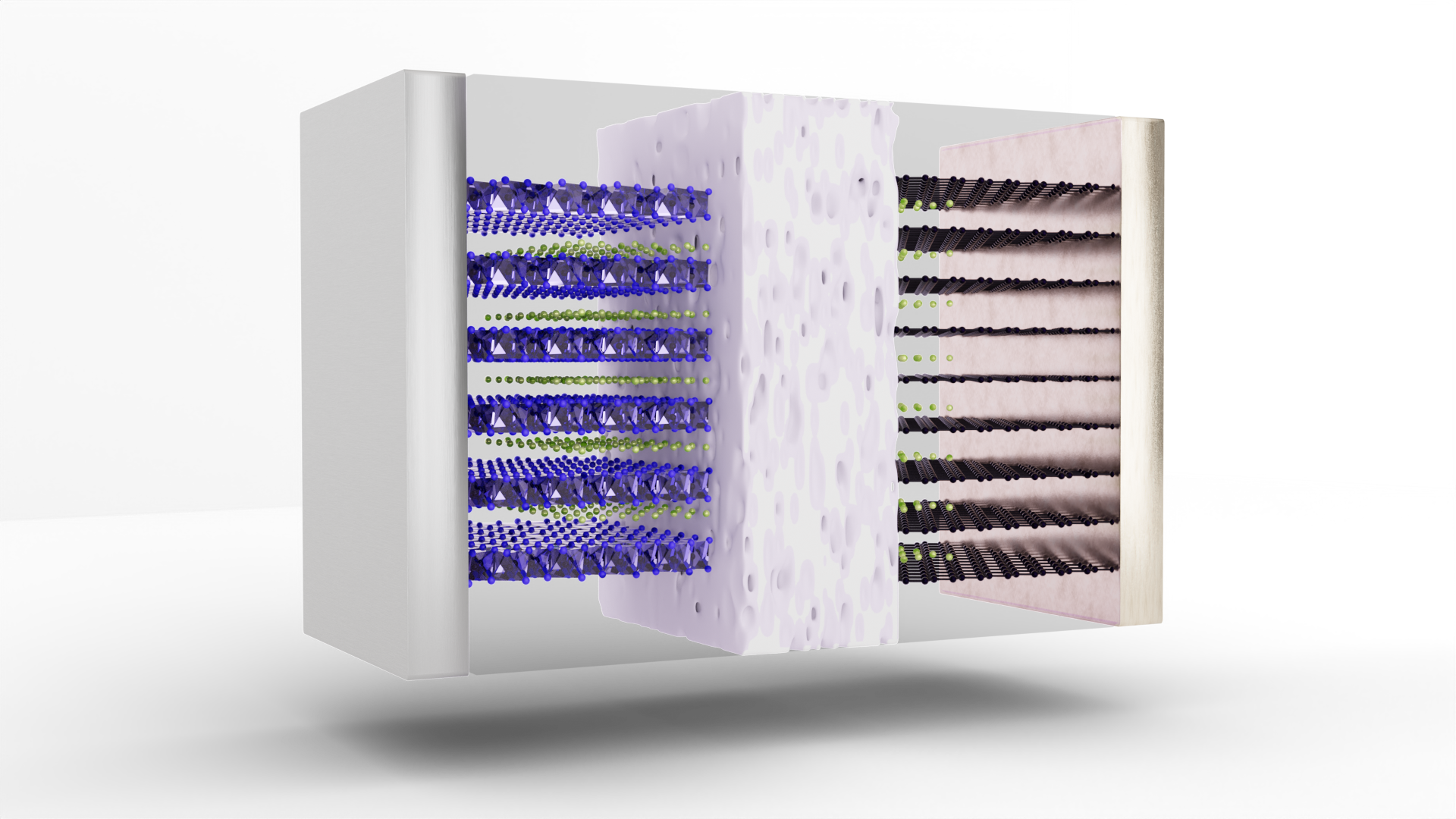
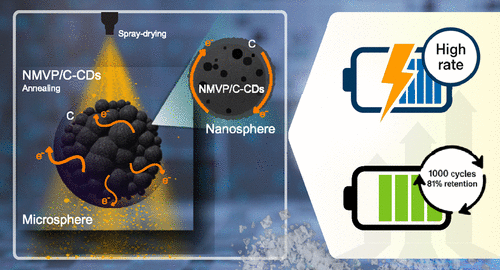
Enhancing the Rate Capability and Cycling Stability of Na4MnV(PO4)3/C Composite Cathodes via in Situ Carbon Dots Formation for Sodium-Ion Batteries
To address the low conductivity of NASICON-structured Na4MnV(PO4)3 (NMVP), this study introduces NMVP/C-CDs synthesized via a scalable spray-drying method using carbon dots (CDs) derived from coconut shells. This approach significantly enhances electronic conductivity and structural stability, achieving excellent rate performance and 81.1% capacity retention over 1000 cycles. The results position NMVP/C-CDs as a highly efficient and commercially viable cathode material for sodium-ion batteries.
https://doi.org/10.1021/acsaem.5c00766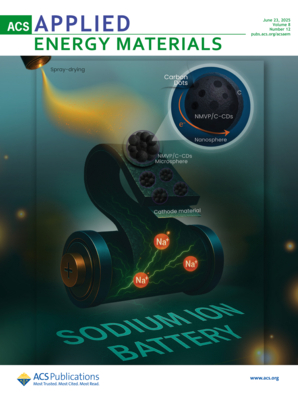
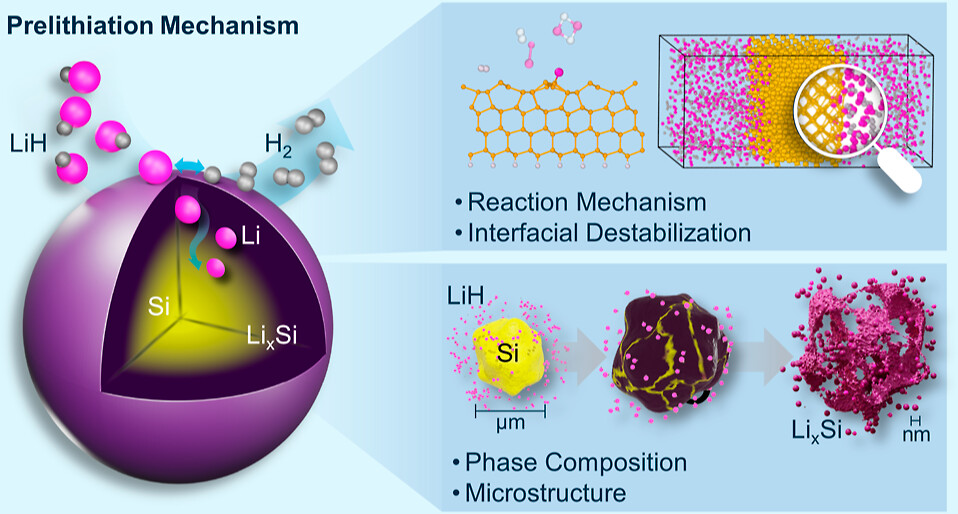
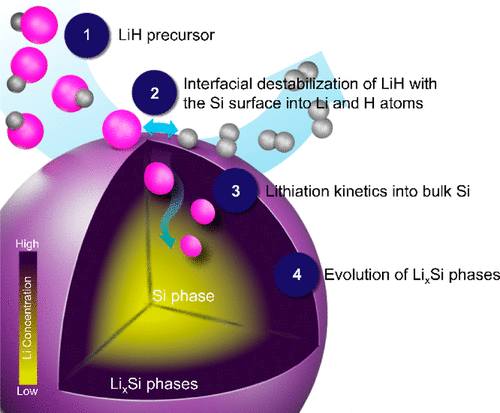
Prelithiation Mechanism of Silicon Anodes through the Interfacial Destabilization of Lithium Hydride
This study offers mechanistic insights into the processes of phase transformation and microstructural evolution through the prelithiation mechanisms of LiH and Si materials, using TEM, in situ XRD, and computational simulations. It reveals key aspects of prelithiation in Si, including interfacial interactions, thermodynamics, and kinetic lithiation processes.
https://doi.org/10.1021/acsaem.4c01957
XANES Investigation of Dynamic Phase Transition in Olivine Cathode for Li-Ion Batteries
The use of in situ X-ray absorption spectroscopy (XAS) to investigate dynamic phase transition in a LiFePO4 (LFP) cathode for Li-ion batteries. Formation of an intermediate amorphous phase occurs as a result of dynamic phase transition of LFP, in addition to the known crystalline FP phase. This technique can be used to probe the formation of non-crystalline metastable phases that are difficult to track using other methods.
https://doi.org/10.1002/aenm.201500663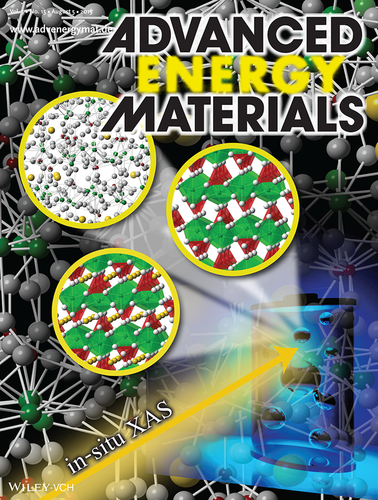
Catalyst
- Investigate oxidation states and coordination during Temperature-Programmed Reduction (TPR).
- Monitor catalyst activation and deactivation under various gas atmospheres (H2, O2, CO, etc.).

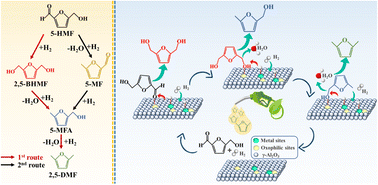
Continuous flow hydrogenolysis of 5-hydroxymethylfurfural into 2,5-dimethylfuran over alumina-supported nickel–iron alloy catalysts
This study demonstrates the continuous hydrogenolysis of 5-HMF into 2,5-DMF (a next-generation biofuel) using bimetallic NiFe/γ-Al2O3 catalysts. The optimized Ni0.74Fe0.97Al catalyst achieved a 90.5% yield of 2,5-DMF with total conversion at 160 °C, significantly outperforming monometallic versions. Characterizations via XRD and in situ XANES revealed that the formation of a NiFe alloy and the balance of acidic sites were key to enhancing catalytic activity and metal-support interactions.
https://doi.org/10.1039/D2SE01683D
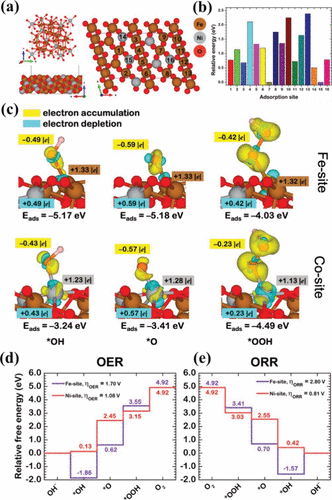
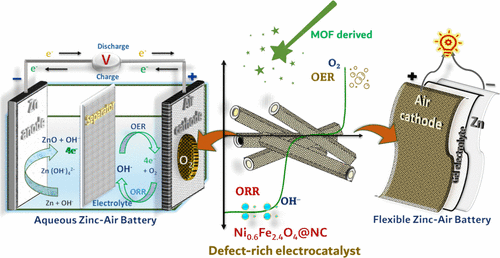
3D Hierarchical MOF-Derived Defect-Rich NiFe Spinel Ferrite as a Highly Efficient Electrocatalyst for Oxygen Redox Reactions in Zinc–Air Batteries
This study presents a 3D hierarchical NiFe spinel ferrite-inspired structure, designed for superior energy storage. It highlights its rational, electronically delocalized, cation defect-rich architecture on N-doped graphitic carbon sheets, promising to revolutionize oxygen electrocatalysis in large-scale applications through enhanced active site availability and transport.
https://doi.org/10.1021/acsami.3c17789Thin Film
- Real-time monitoring of electro-deposition processes for alloys like Fe-Ni.
- Observe atomic relocation and oxidation state changes during thermal annealing.

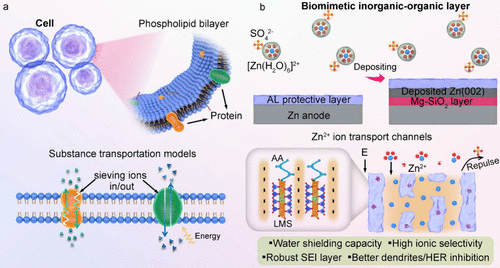
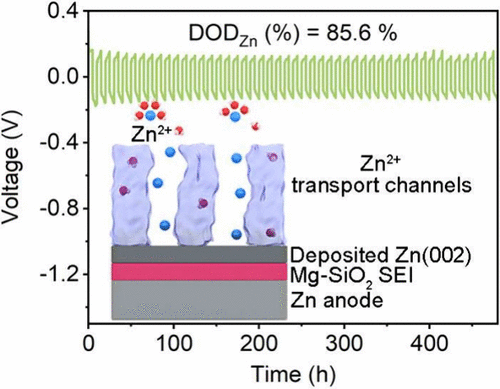
Biomimetic Inorganic–Organic Protective Layer for Highly Stable and Reversible Zn Anodes
This cover art depicts a biomimetic inorganic–organic protective layer on the Zn anode, which establishes abundant negatively charged ion microchannels to facilitate fast Zn2+ transportation and modulate the ionic solvation structure but also forms a Mg–SiO2 interphase with high Young’s modulus and strong zincophilicity during the cycling process, ultimately enabling a stable and reversible Zn anode.
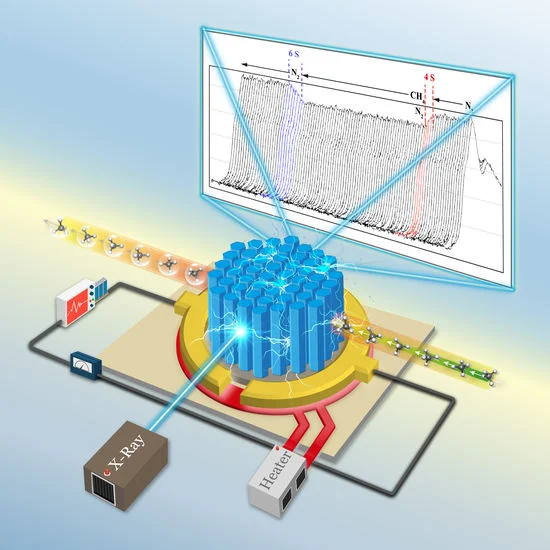
https://doi.org/10.1021/acsenergylett.4c03005An Operando X-ray Absorption Spectroscopy Study on Sensing Characteristics of Vertically Aligned ZnO Thin Film for Methane Gas Sensors
This study demonstrates the fabrication of vertically aligned ZnO nanorods using a combined sputtering and hydrothermal approach for methane gas sensing. Scanning electron microscopy (SEM) confirmed the growth of hexagonal nanorods (50 nm diameter) on a dense seed layer, while Zn K-edge XANES analysis verified the structural integrity of the ZnO film. Crucially, simultaneous XANES and sensing measurements revealed a strong correlation between the ZnO structural properties and sensor performance under optimal conditions.
https://doi.org/10.3390/nano12081285